
Healthy Habits for Back to School

As summer winds down and a new school year begins, families are getting back into routines—and it’s the perfect time to build healthy habits together! From nutritious breakfasts and balanced lunches to staying active and getting enough sleep, small changes can help kids feel their best and be ready to learn. In this post, we’ll share simple, realistic tips to help your family start the school year on a healthy note.
5 Healthy Habits to Help Kids Thrive This School Year
Back-to-school season is an exciting time, but getting back into a school routine can also be a big adjustment for kids and families. New schedules, earlier mornings, homework, activities, and busy evenings can make it easy for healthy habits to take a back seat.
The good news is that healthy routines don’t have to be complicated! Prioritizing a few simple habits can help kids have the energy, focus, and confidence they need to learn, grow, and feel their best throughout the school year.
1. Start the Day with a Balanced Breakfast and Lunch
Busy mornings can make it tempting to skip breakfast, but starting the day with a nutritious meal can help kids get the energy and nutrients they need for school. Aim to include a combination of whole grains, fruits or vegetables, and a source of protein.
Lunch is just as important. Whether your child brings lunch from home or eats at school, encourage balanced meals that include a variety of foods. Most importantly, try not to skip meals. Regular meals and snacks can help children maintain their energy and cognitive function throughout the school day.
If the cost of school meals is a concern, check to see if your family qualifies for free or reduced-price school meals. These programs can help make nutritious meals more accessible for families. Contact your child's school district to fill out an application.
2. Create Healthy Screen-Time Habits
Screens are a big part of children's lives, from entertainment and social media to schoolwork and communication. Setting healthy boundaries can help make sure screen time doesn't interfere with sleep, physical activity, family time, or other important activities.
As a general goal, aim to limit recreational screen time to about one hour a day for young children and one to two hours a day for older children and teens. Families can also establish screen-free times, such as during meals, physical activity, or while completing homework.
One especially helpful habit is keeping screens out of the bedroom at bedtime. Turning off devices before bed can help children wind down and prepare for a good night's sleep.
3. Aim for 60 Minutes of Physical Activity Every Day
Kids need opportunities to move, play, and be active every day. Children and teens should aim for at least 60 minutes of physical activity each day.
Physical activity doesn't have to mean organized sports or spending an hour at the gym. Riding a bike, walking the dog, playing outside, dancing, playing tag, or simply being active with family all count!
Try finding activities your child enjoys and make movement a regular part of your family's routine. Even small opportunities to be active throughout the day can add up.
4. Make Sleep a Priority
Getting enough sleep is essential for growing children. A consistent sleep routine can help kids feel more rested, focused, and ready to take on the school day.
Recommended sleep amounts vary by age:
-
Children ages 6–12: 9–12 hours per night
-
Teens ages 13–18: 8–10 hours per night
As school starts, gradually adjusting bedtime and wake-up times can make the transition easier. Try establishing a relaxing bedtime routine and keeping screens away from bedtime to help children wind down. Sleep deprivation in children has been linked to weakened immunity, childhood obesity, and negatively effects how a child learns.
5. Practice Good Hygiene
Back-to-school also means more time around classmates, teachers, and friends, making good hygiene habits especially important.
Teach children to wash their hands regularly, especially before eating, after using the restroom, after playing outside, and whenever their hands are visibly dirty. Encourage them to cover coughs and sneezes with a tissue or their elbow and avoid sharing personal items like water bottles and utensils.
Simple habits like regular handwashing can help keep kids healthy and reduce the spread of germs at school and at home.
Small Habits Can Make a Big Difference
Getting back into a school routine doesn't have to happen all at once. Focus on making small, manageable changes and involve your children in creating healthy routines that work for your family. By involving your kids in establishing these healthy routines they will likely feel more excited and willing to participate.
A balanced meal, an hour of active play, a good night's sleep, and a few simple hygiene habits may seem small, but together they can make a big difference in helping kids learn, grow, and feel their best all school year long!

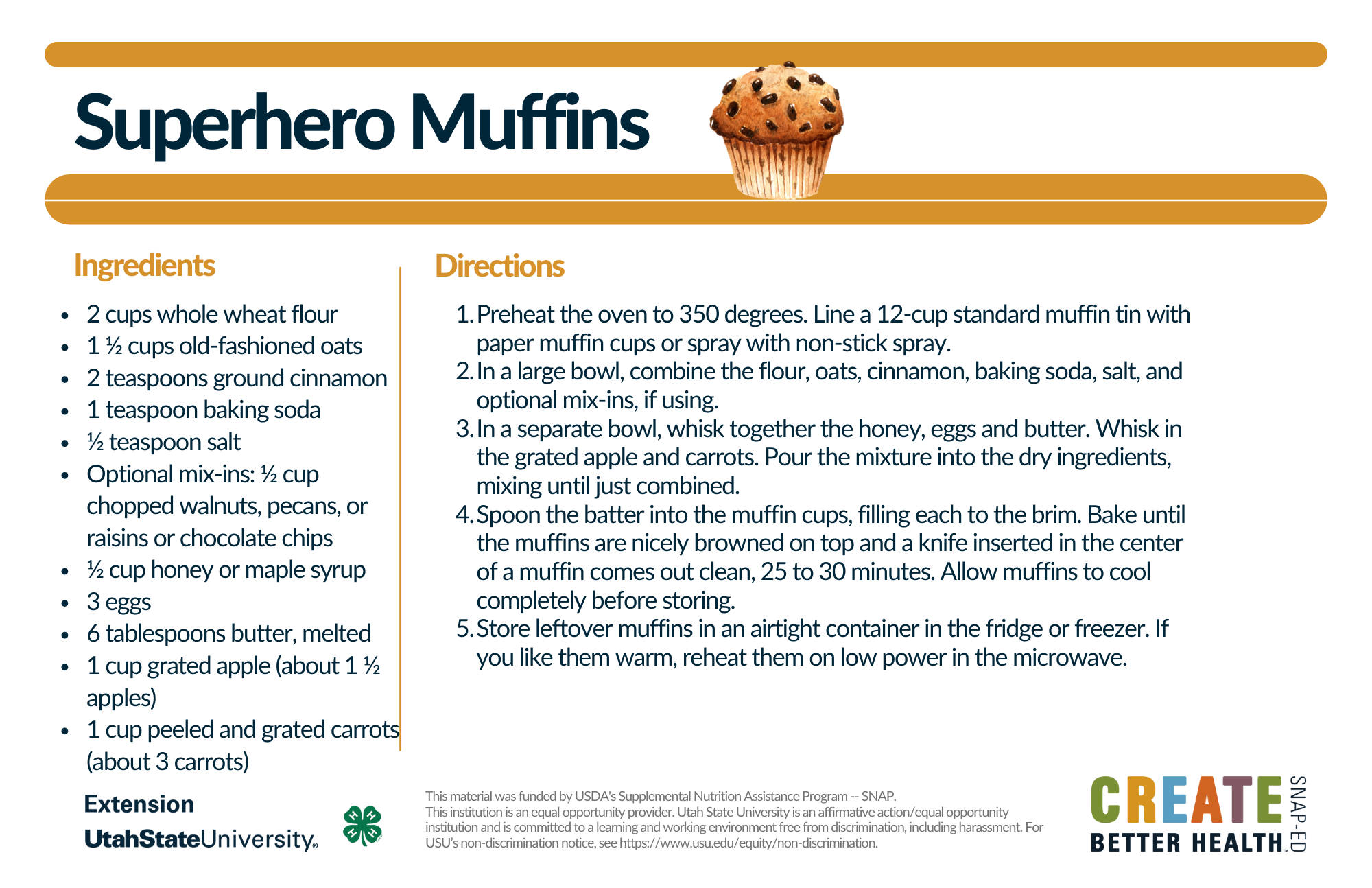
Check out this delicious & healthy breakfast! Perfect for busy school mornings!
If you enjoyed this post, make sure to check out our other posts!

20 Healthy Breakfast Ideas for Families
Whether you're a busy parent or looking to kickstart your family's morning with wholesome choices, these healthy breakfast ideas will ensure everyone is ready to conquer the day!

3 Fun Exercise Ideas for Kids and Parents
When it comes to staying active, finding an exercise you truly enjoy can make all the difference.

50 Free Utah Activities For Active Families
Are you looking for free Utah activities to do with your family? Then look no further! This list includes 50 physical activity ideas for you and the whole family to try at no cost!
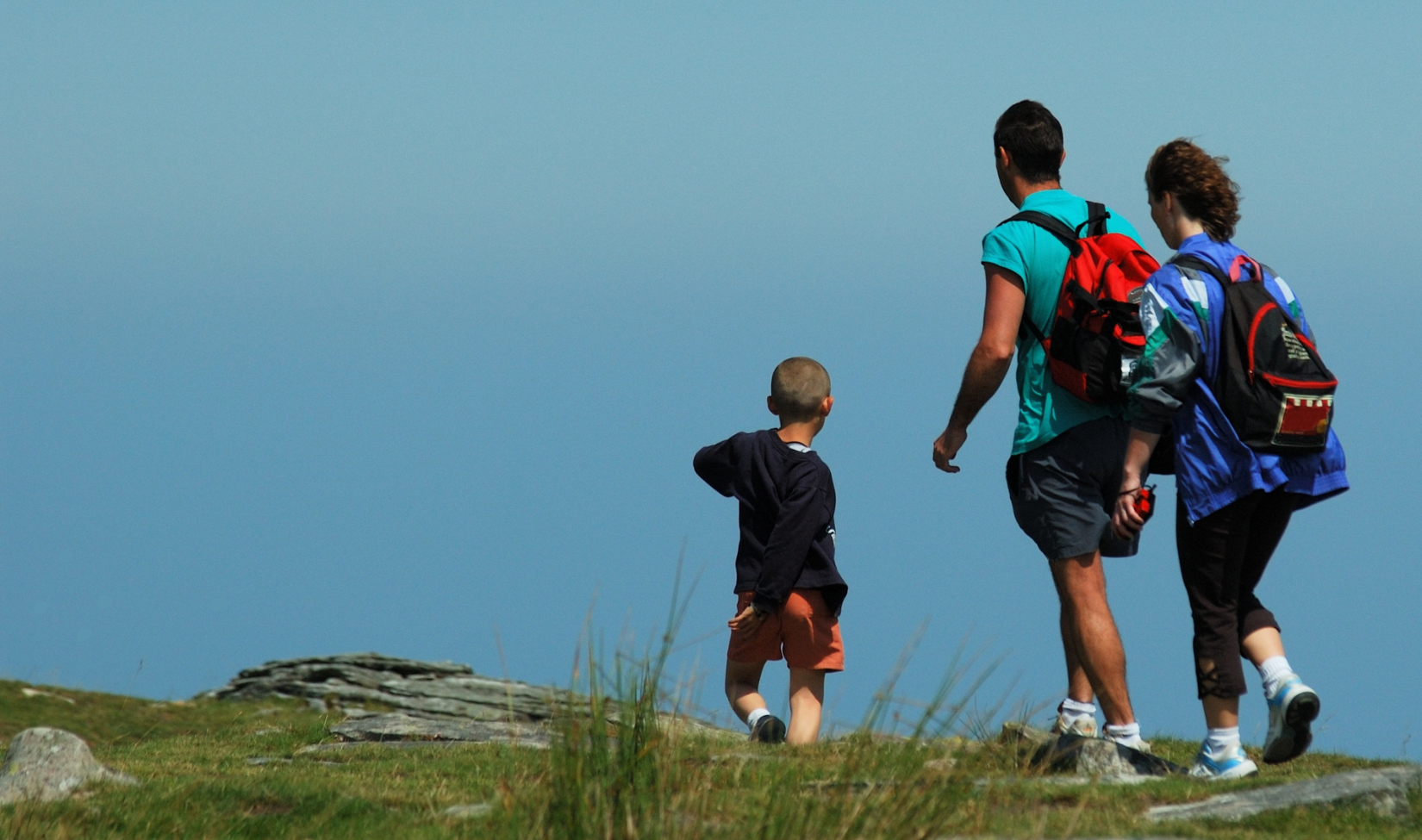
Active Family Ideas: 10 Fun Activities to Keep Your Kids Moving
In today's digital age, encouraging an active lifestyle for our kids can be a bit challenging. However, with a little creativity and planning, you can transform family time into an opportunity for everyone to stay fit and have fun.
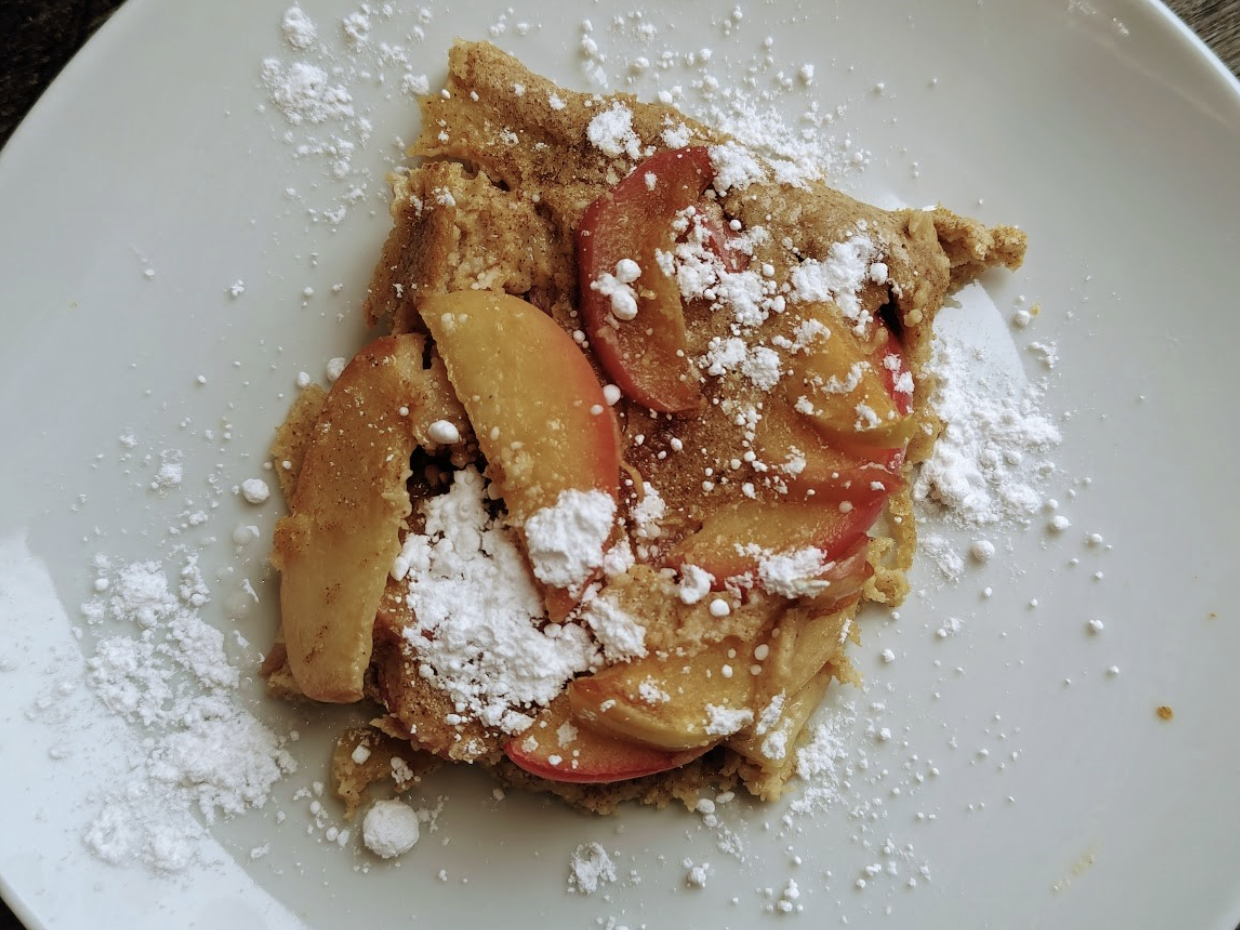
Apple German Pancake Recipe
These apple german pancakes are an absolute crowd pleaser. Enjoy the nutritional benefits of apples in a delicious german pancake.
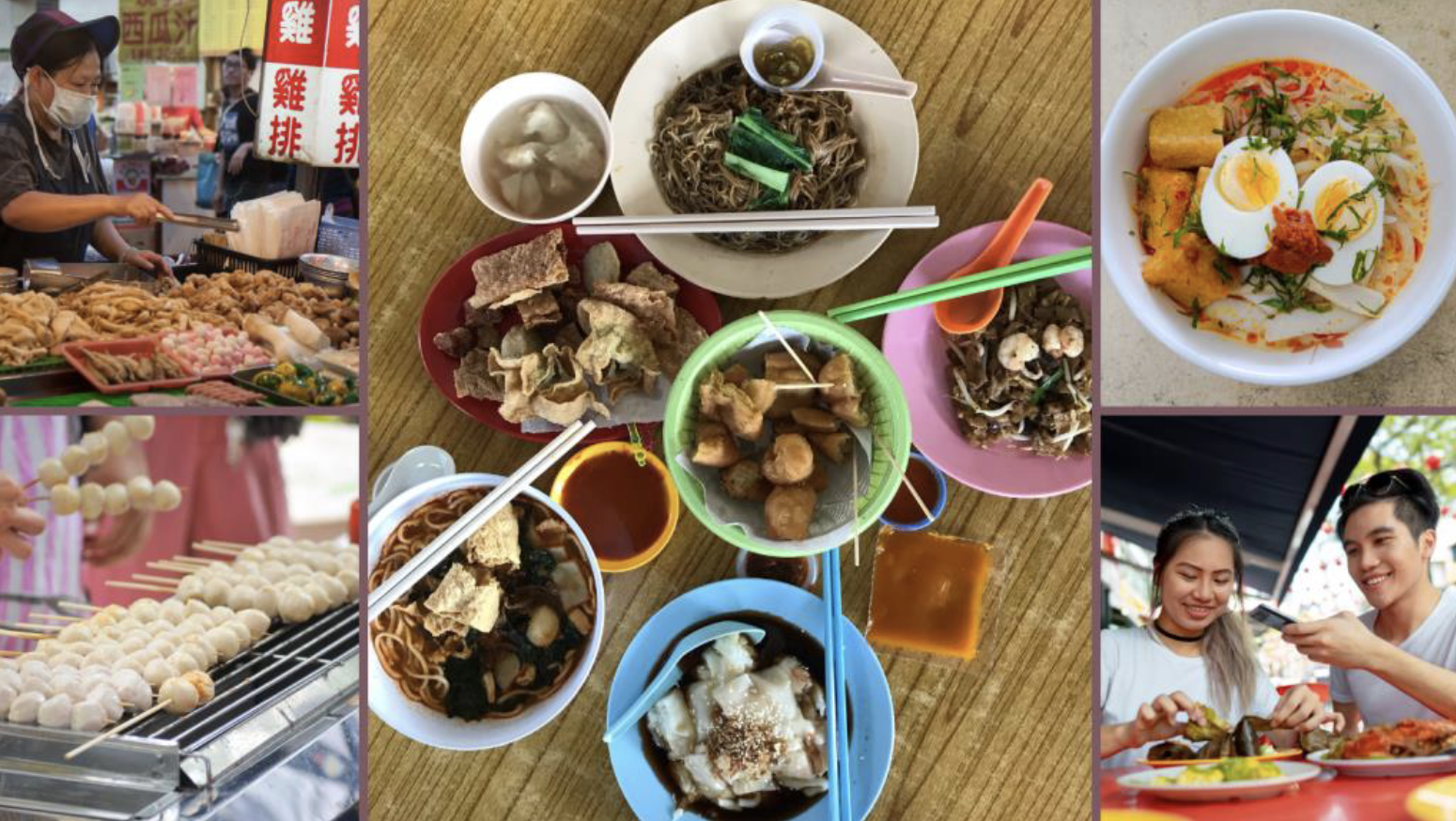
Around the World in 80 Plates: Singapore
Learn all about Singapore and their cuisine. Plus try out Singapore Chicken Satay, and serve it with your favorite rice or noodles and sauteed or roasted veggies.
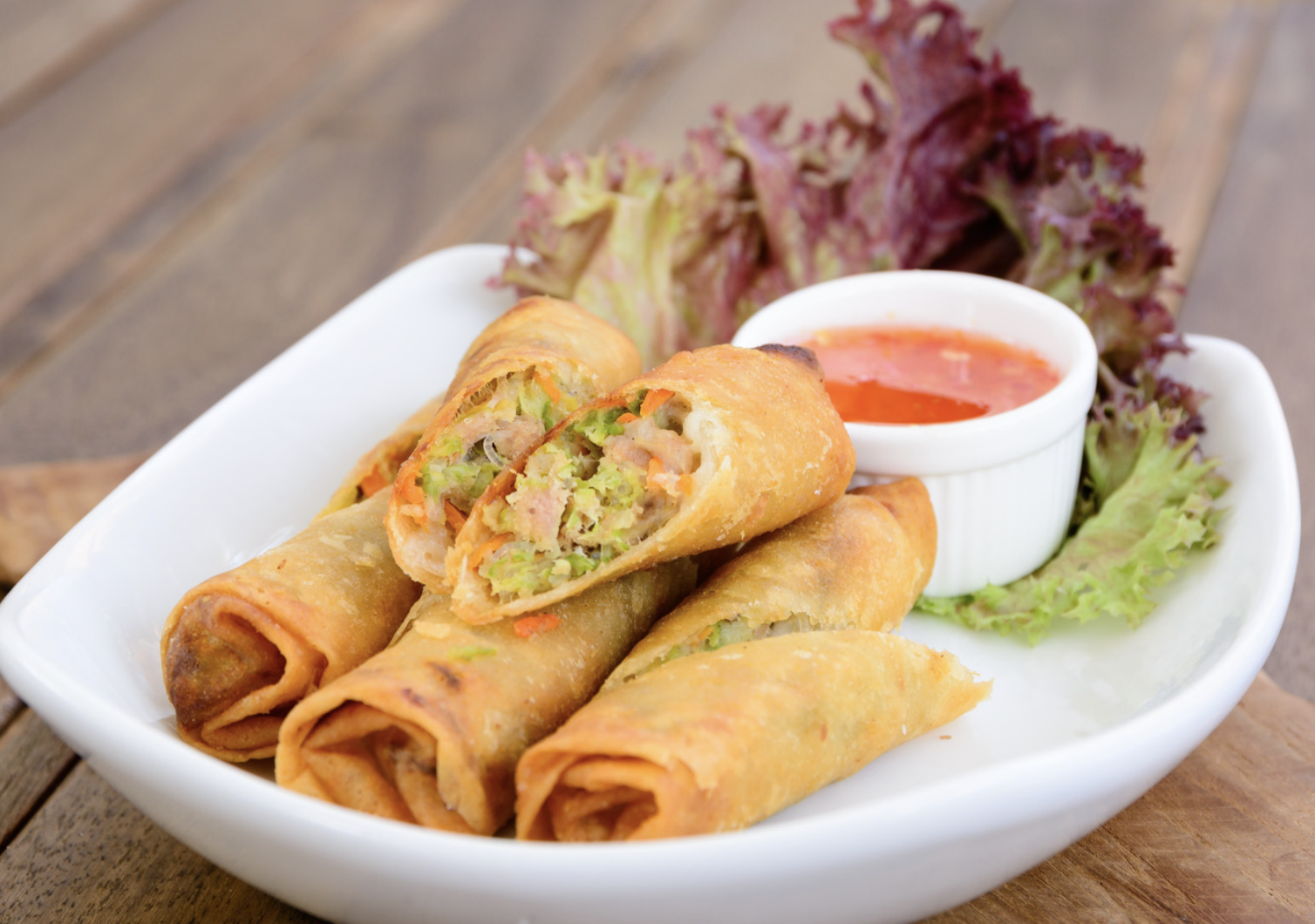
Baked Spring Rolls
Spring rolls are a delicious and fun side dish. If you're looking to cut calories, try these baked spring rolls! Delicious and nutritious.
Benefits of Indoor Exercise: Tips for Safe and Effective Workouts
In this post, we'll delve into the many benefits of indoor exercise and share valuable tips to ensure safe and effective workouts.
Celebrate Earth Day with Seasonal Eating and a Healthy Picnic Adventure
This Earth Day, let’s celebrate the planet we call home by embracing seasonal eating and outdoor adventures. By opting for locally sourced, in-season produce and enjoying a healthy picnic amidst nature, we not only celebrate Earth Day but also nourish our
Create Better Health Curriculum Now in Spanish!
Mejore Su Salud is Create Better Health Snap-Ed’s new curriculum for Spanish speaking individuals!
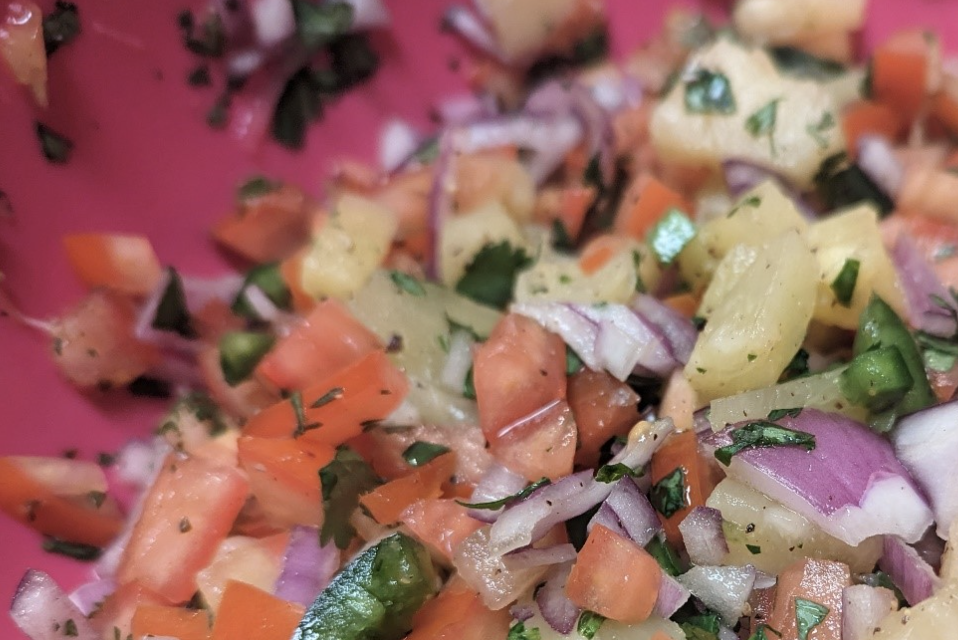
Delicious Pineapple Salsa
Let’s explore the remarkable benefits of pineapple – a golden fruit that not only brings a tropical twist to your plate but also offers many health benefits

Easy Healthy Afterschool Snack Ideas: Fuel Your Kids' Day with MyPlate
As kids head back to school, having a stash of healthy afterschool snacks becomes a must for parents.
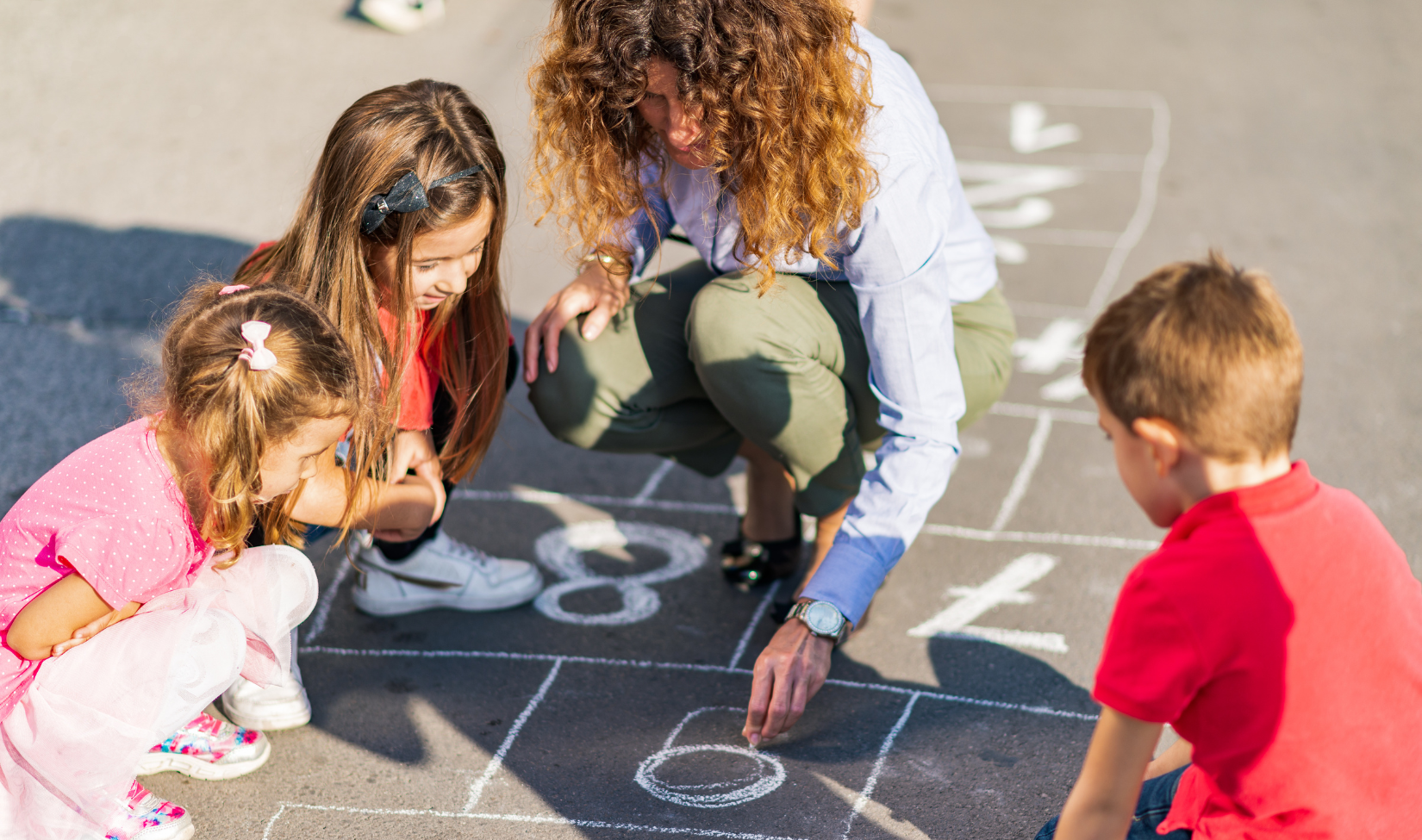
Exciting Black Top Games for Kids and Families `
When it comes to fun and physical activity, black top games offer a perfect solution for kids and families. These games are ideal for outdoor play on asphalt surfaces, such as driveways, playgrounds, and schoolyards.

Fall Recipe for Families to Enjoy Together: Stuffed Pumpkin Muffin Sandwiches
This fall, why not try a delightful pumpkin muffin recipe that brings together the best flavors of the season?

Family Pizza: A Fun and Healthy Recipe to Bring Everyone Together
In this blog post you’ll learn how to make a nutritious homemade pizza, the perfect way to put a healthy spin on this beloved dish.

Family-Friendly Workouts: Fun and Inclusive Fitness for All
Family workouts don’t have to be complicated or expensive. In fact, you can enjoy many simple exercises at home or in the park, making fitness an enjoyable part of your daily life.

Fruit Platter Ideas for Any Occasion: 10 Easy Recipes
These 10 exciting fruit platter ideas can suit any occasion, including holiday-specific themes like a Halloween fruit platter.

Fun and Free Workouts for Kids and Parents!
Ready to get moving and have some fun? Whether you're at home, in the park, or just looking for some creative ways to stay active, we’ve got you covered.
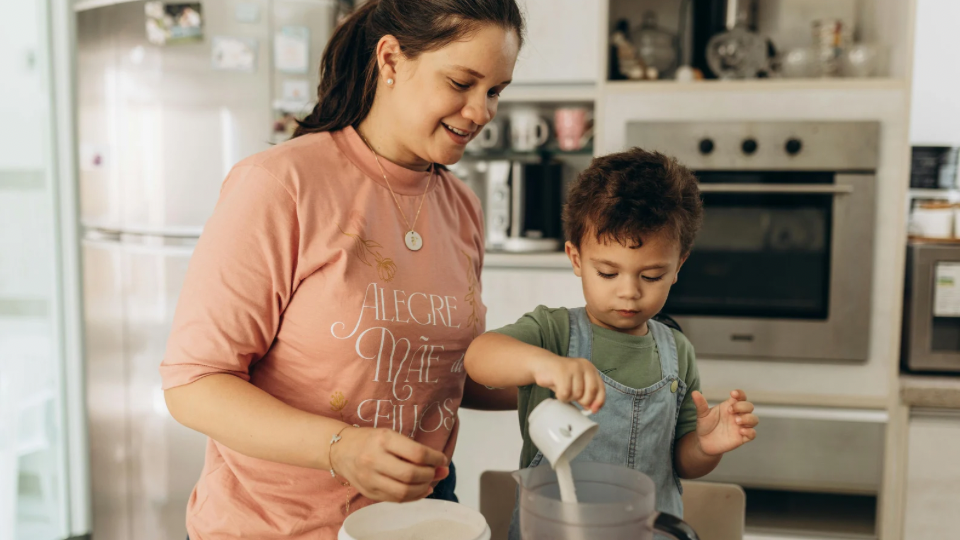
Getting Kids Involved in the Kitchen
Learn about the benefits of involving your kids in family mealtime!
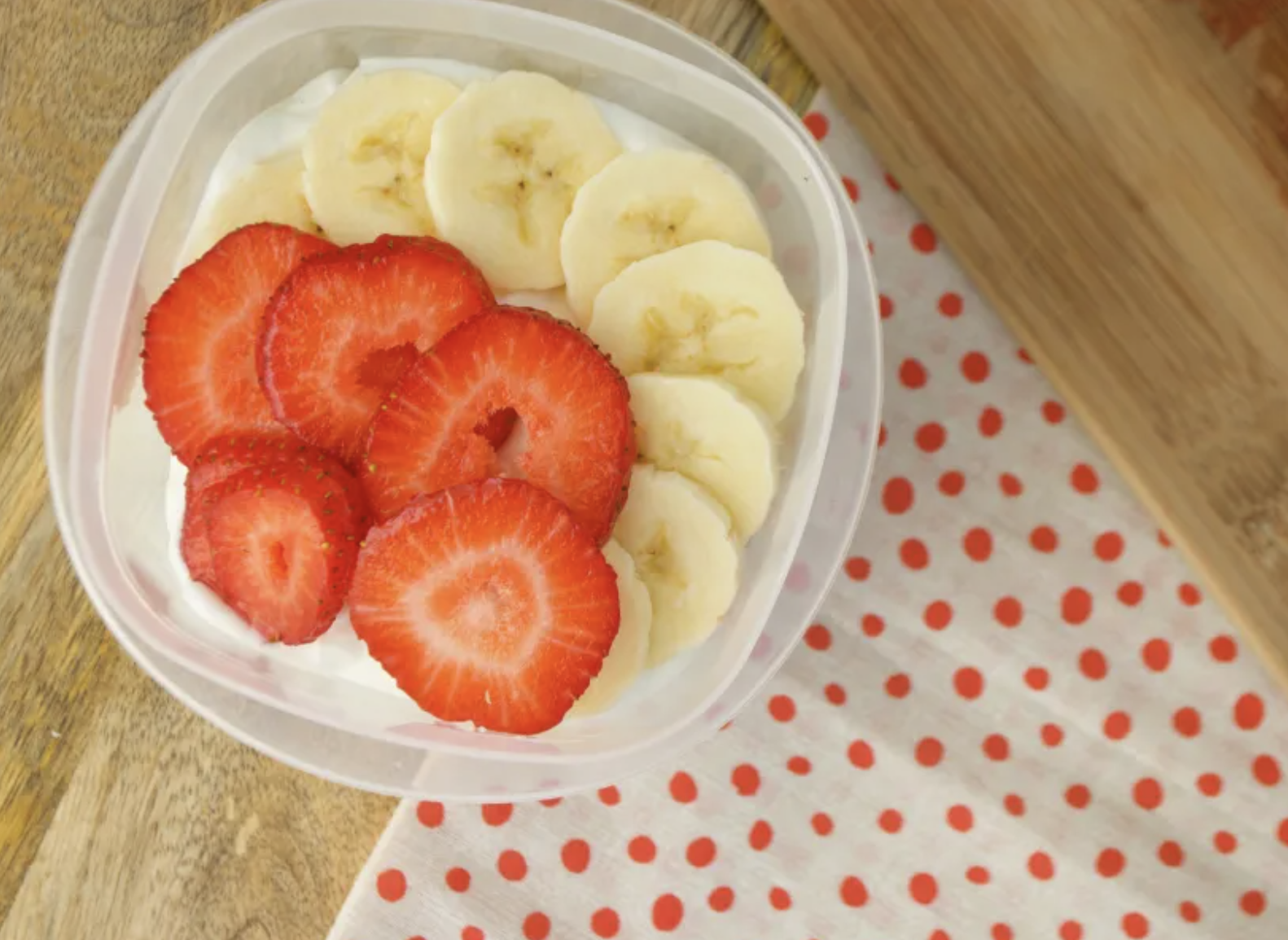
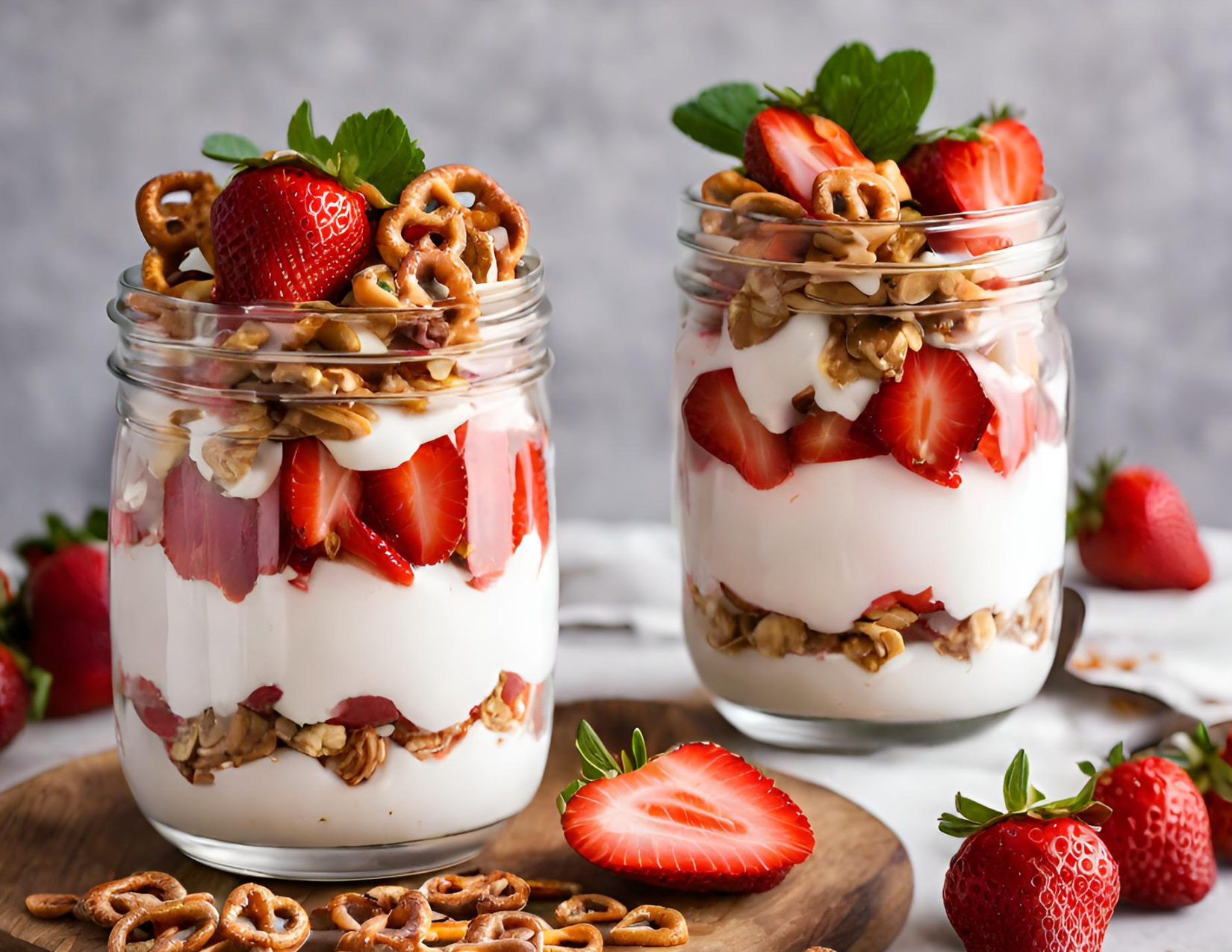
Grab n’ Go Breakfasts: Yummy Yogurt Parfait
Breakfast can be a tough time of day to get a nutritious meal in. Try this easy, quick breakfast idea- grab n' go yogurt parfaits!
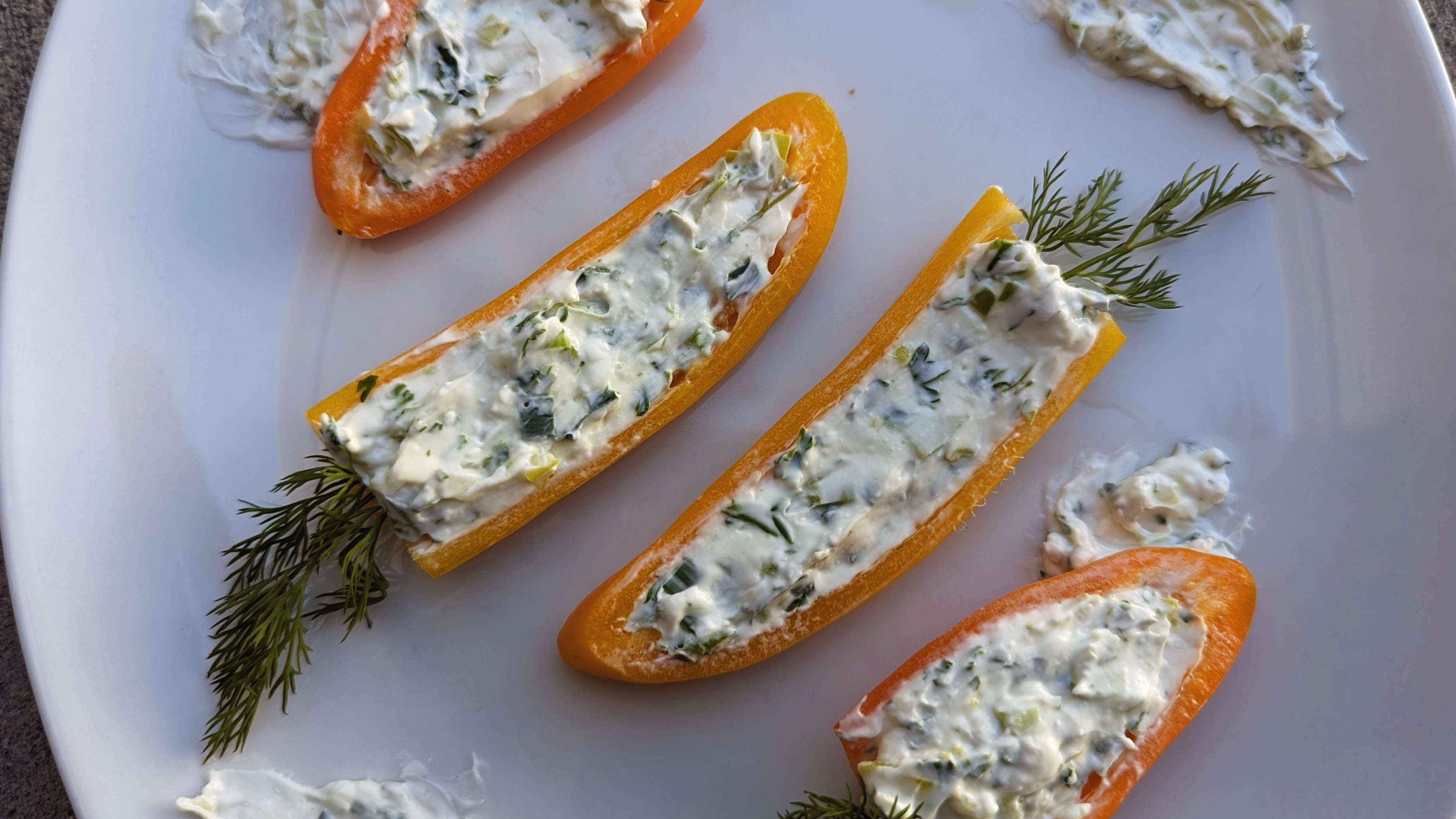
Healthy Easter Side Dishes: Nourishing Family Bonds
In this blog post we'll explore the importance of fostering family mealtime through creating nutritious Easter side dishes, and share some delightful recipes to enhance your holiday gathering!
Healthy Habits for Back to School
Help your children thrive with these 5 health tips this school year!
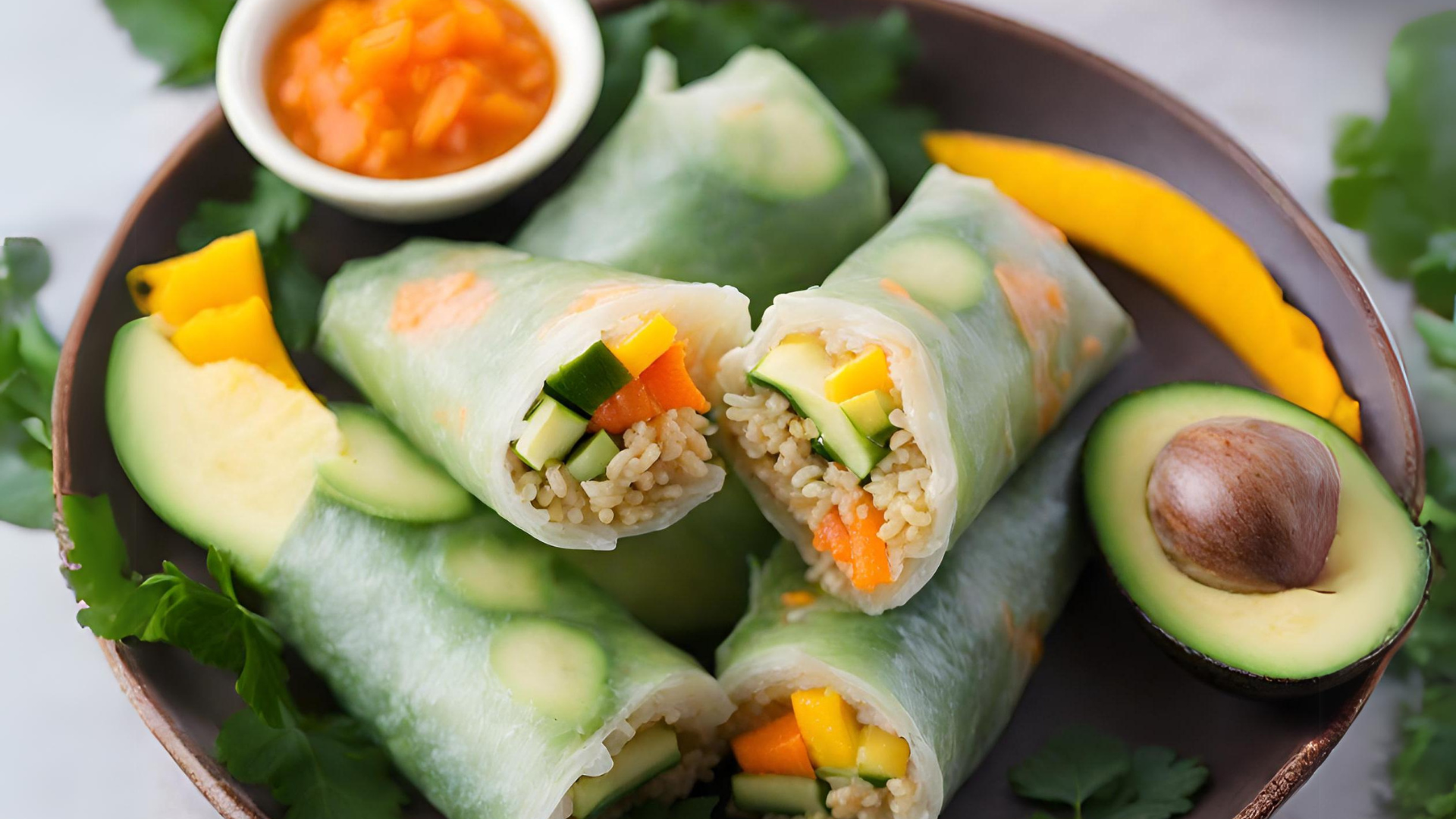
Healthy Recipes and Conquering Picky Eating: Sushi Spring Rolls
Overcoming picky eating is a journey that requires patience, persistence, and a positive attitude. Every small step toward trying new healthy recipes is a step in the right direction toward a healthier lifestyle!
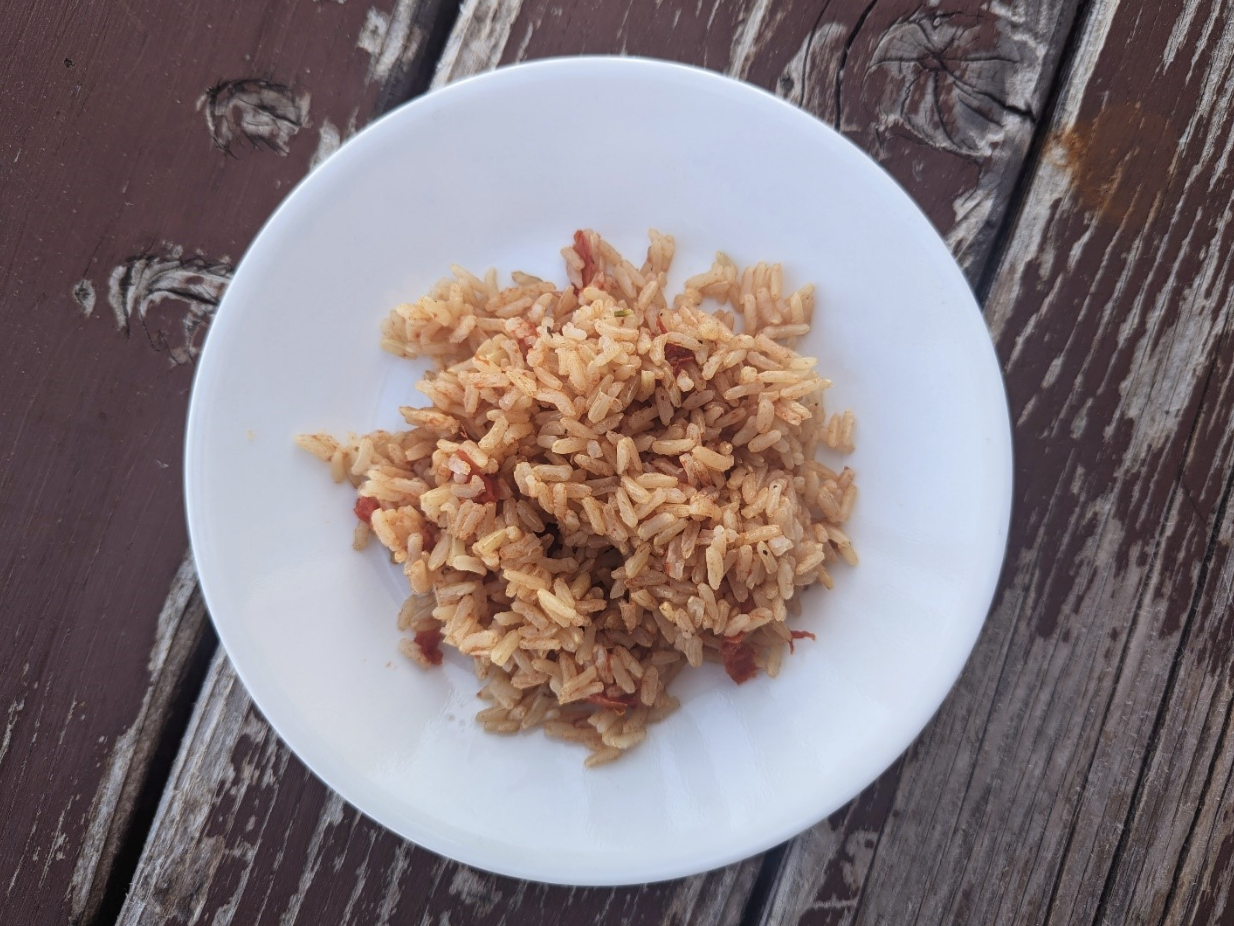
Healthy Simple Swaps: Brown Rice Spanish Rice Recipe
Our brown rice Spanish rice recipe not only enhances flavor and texture but also boost nutritional value. Check it out now!
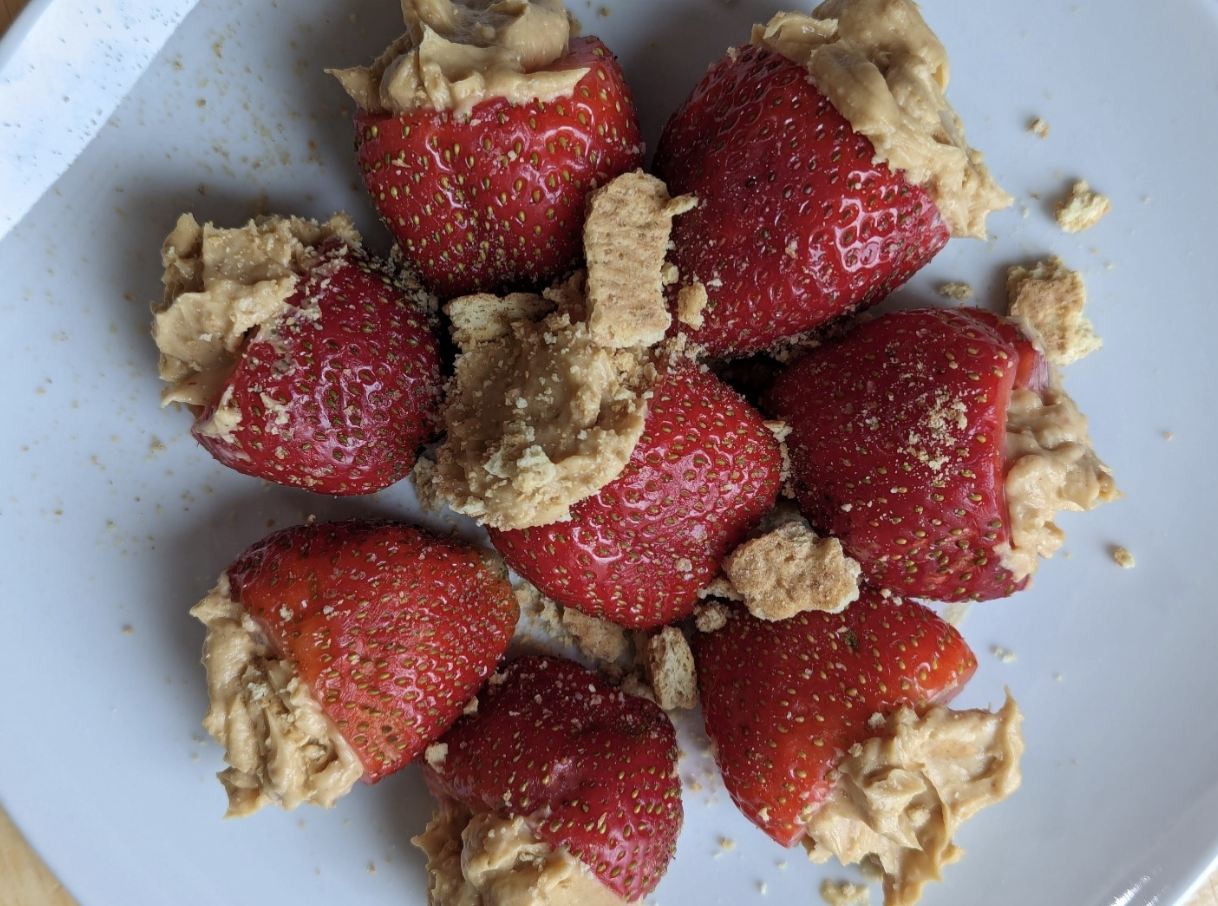
Healthy Valentine’s Day Recipes
Valentine’s Day is just around the corner, and what better way to celebrate than by treating yourself and your loved ones to some vibrant, nutritious recipes!

Heat Exhaustion and Safe Outdoor Exercise
Here in Utah it's essential to stay mindful of the potential risks when it comes to heat-related illnesses. Here’s a guide to help you enjoy your outdoor workouts safely, including how to recognize and respond to heat exhaustion.
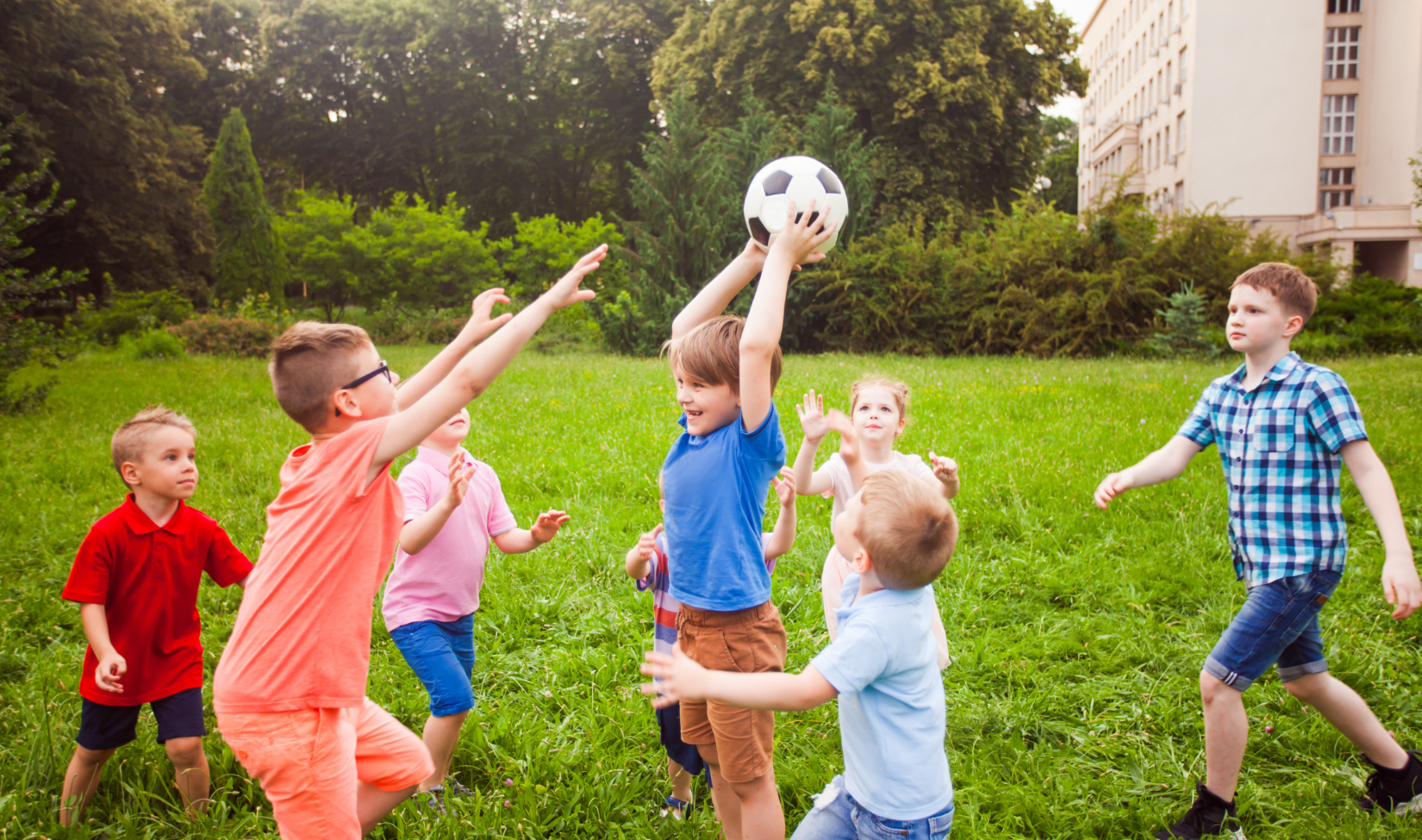
How to Make Physical Activities For Kids Fun
As parents and caregivers, we all want our children to be healthy and active. However, getting kids to engage in physical activities can sometimes be challenging. The key is to make physical activity fun for kids, transforming exercise into an exciting an
How to Rest After Exercise: Tips for Kids and Parents
Proper rest helps your muscles recover and grow stronger. Today, we'll explore the best ways to rest, recognize muscle fatigue, and take a break when needed.
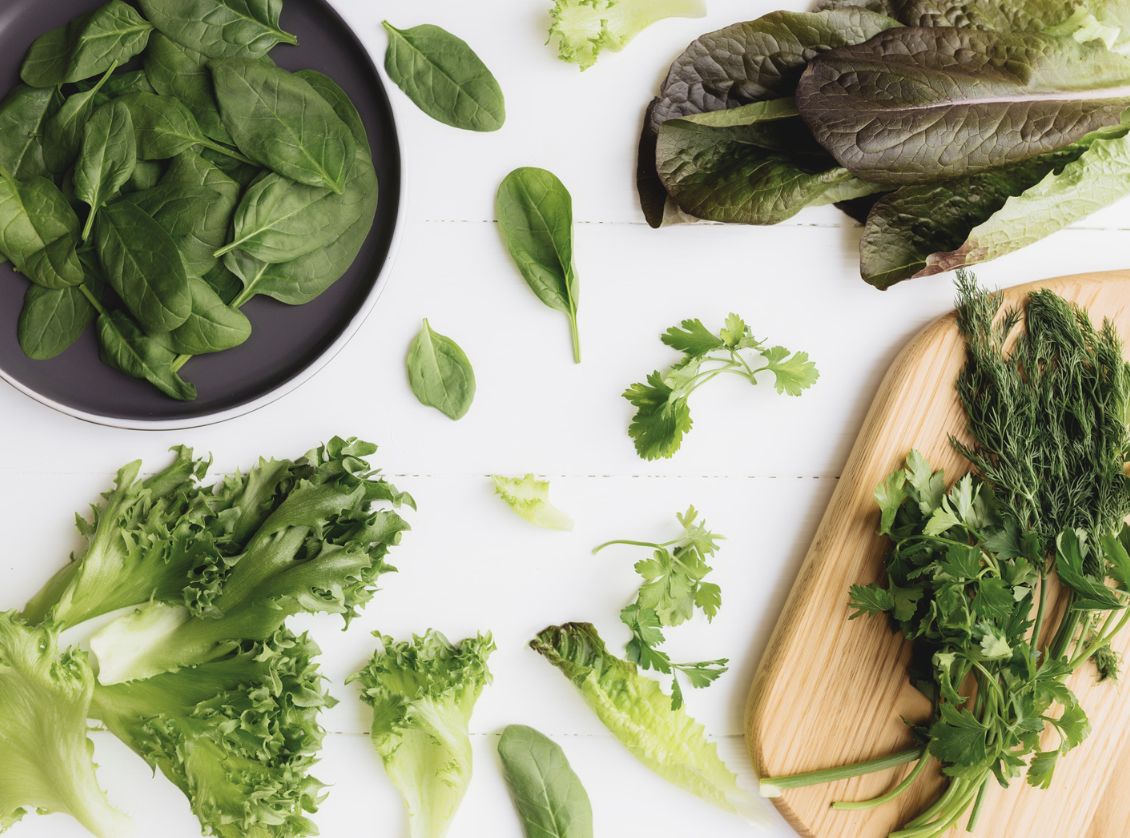
Leafy Greens for Your St Patrick’s Day
Leafy greens are not only great to eat alone, but pair incredibly well with other ingredients. Make St Patrick’s day a healthy holiday by using leafy greens into your celebration!

Make Healthy Eating Fun: MyPlate Snails Recipe
In this blog post, we'll explore how to make healthy eating fun for kids by incorporating interactive elements into their meals, all while following the guidelines of MyPlate for a balanced diet. Make sure to try our MyPlate snail recipe included!
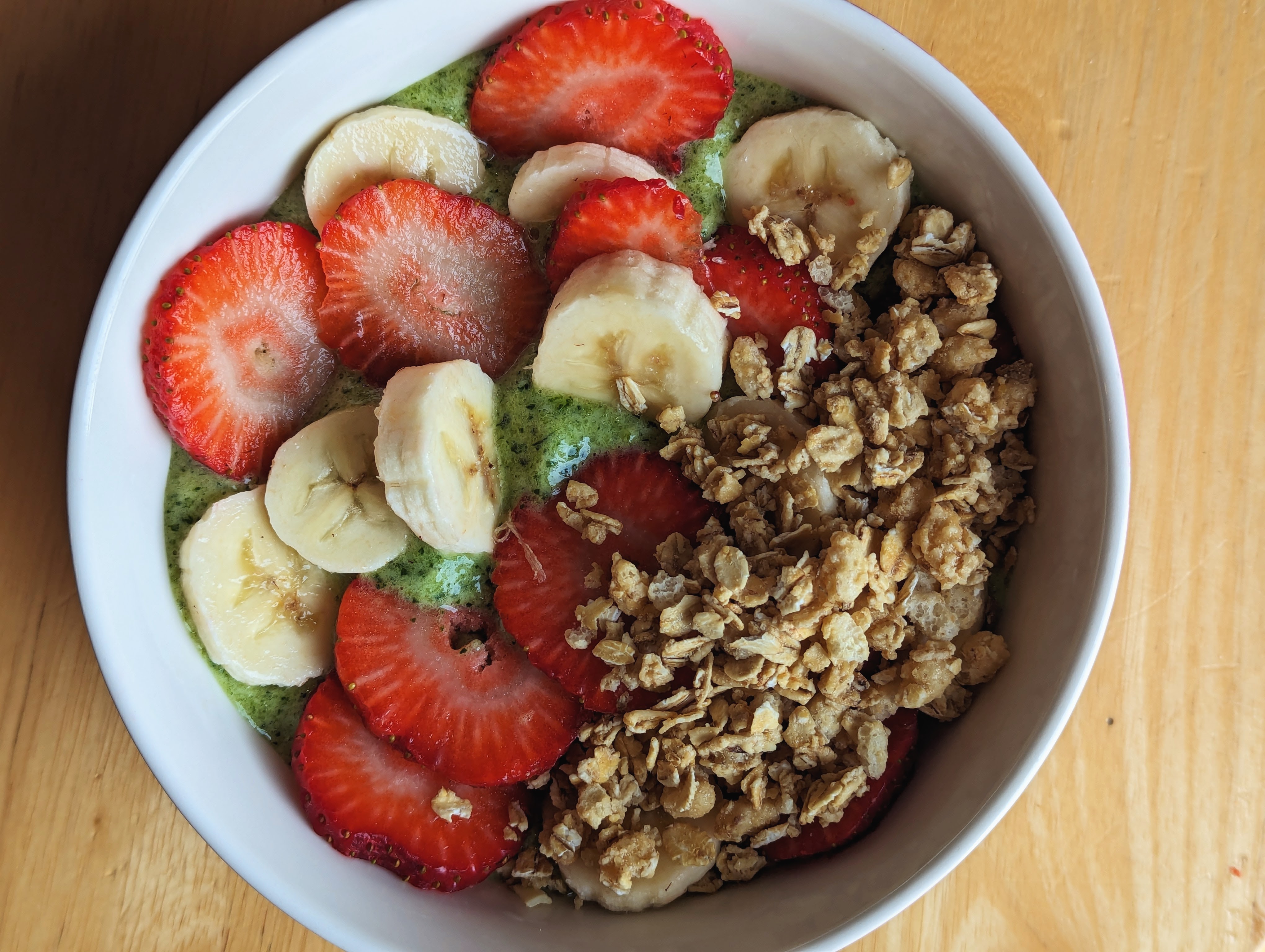
Make Your Own Healthy Smoothie Bowl Recipes
If you want to learn how to make your own healthy smoothie bowl recipes, then you’re in the right place!
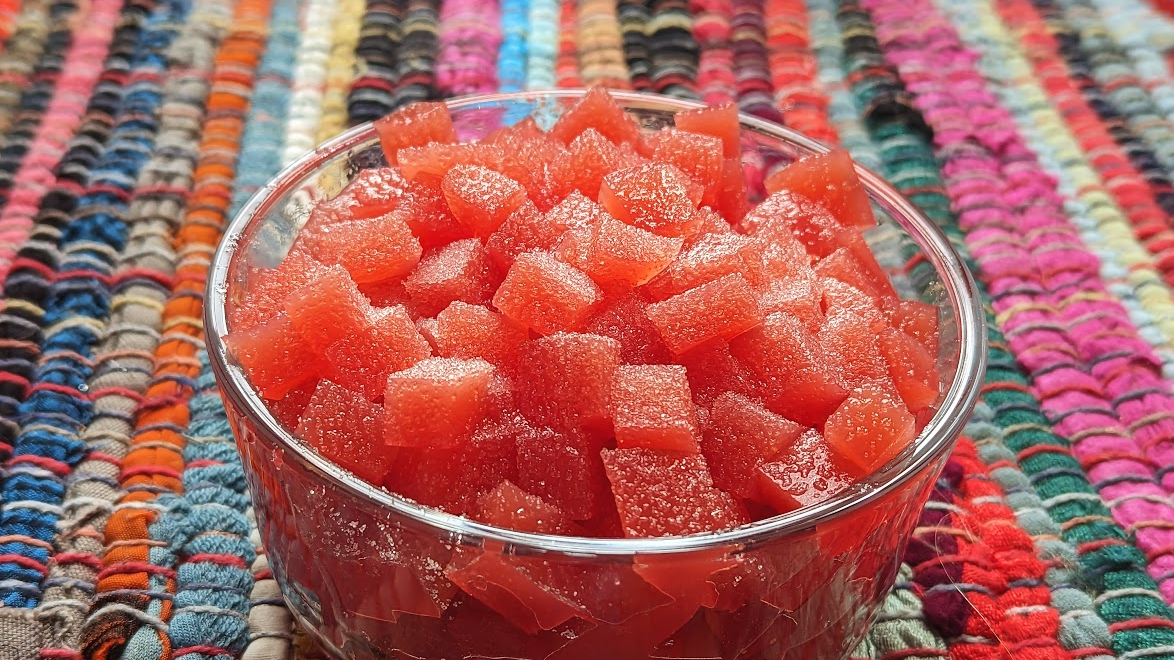
Make Your Own Healthy Sour Watermelon Fruit Snacks
Nothing beats a sour watermelon fruit snack. Follow along with Captain Create to learn how to make your own sour watermelon fruit snack.
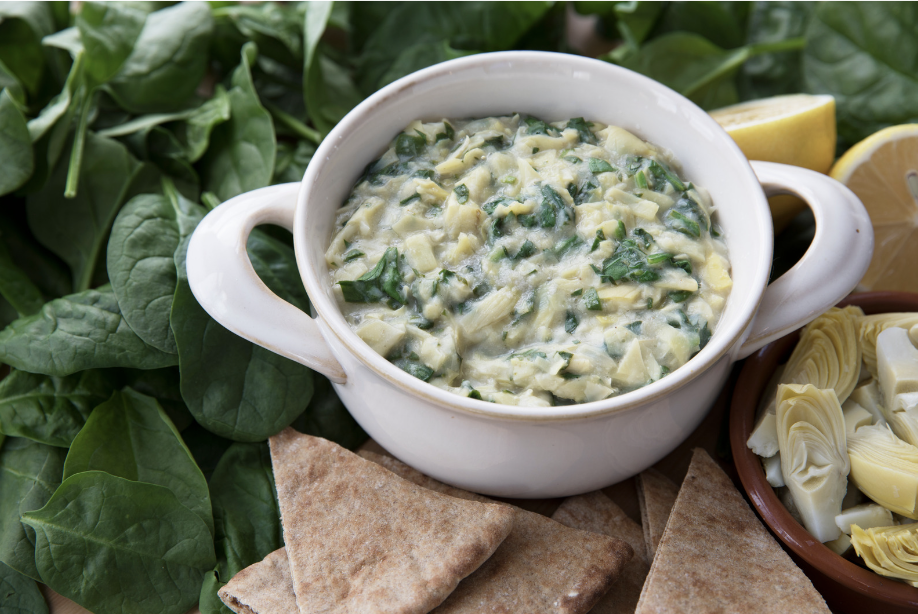
Nutritional Powerhouses: Spinach and Artichoke
In this blog post, we'll explore the nutritional goodness of spinach and artichoke and highlight their seasonal availability.

Outdoor Workouts for Kids and Families
We're diving headfirst into the world of outdoor workouts, where fun meets fitness in the outdoors. So grab your water bottle and let's learn about outdoor workouts.

Setting Fun Exercise Goals The SMART Way!
Want to get stronger, faster, and have more fun playing? Setting exercise goals can help you do just that. But to make sure your goals are not too hard or too easy, we can use something called the SMART method. Let's explore what SMART goals are and how y
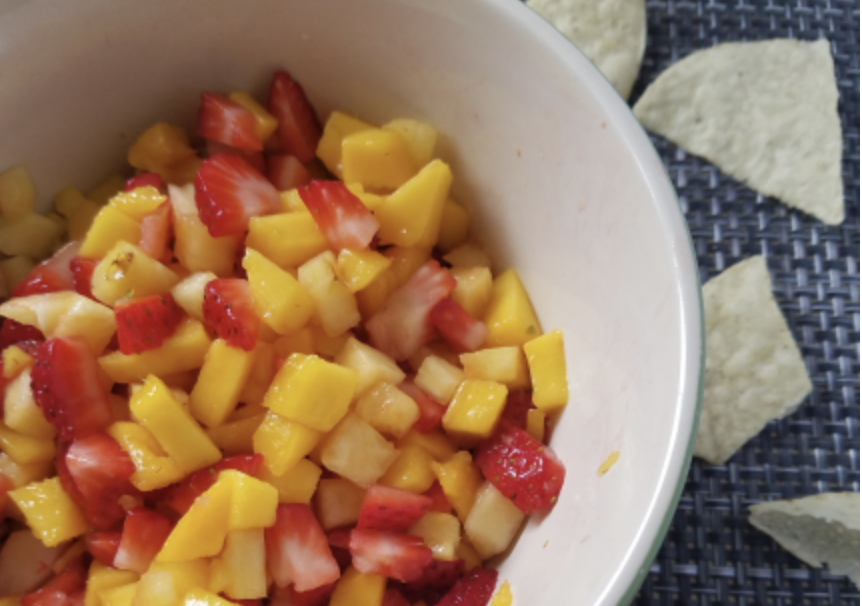
Strawberry, Mango, Pineapple Salsa
This strawberry, mango, pineapple salsa is sure to make your mouth water! The whole family will be a fan. Get the full recipe today.
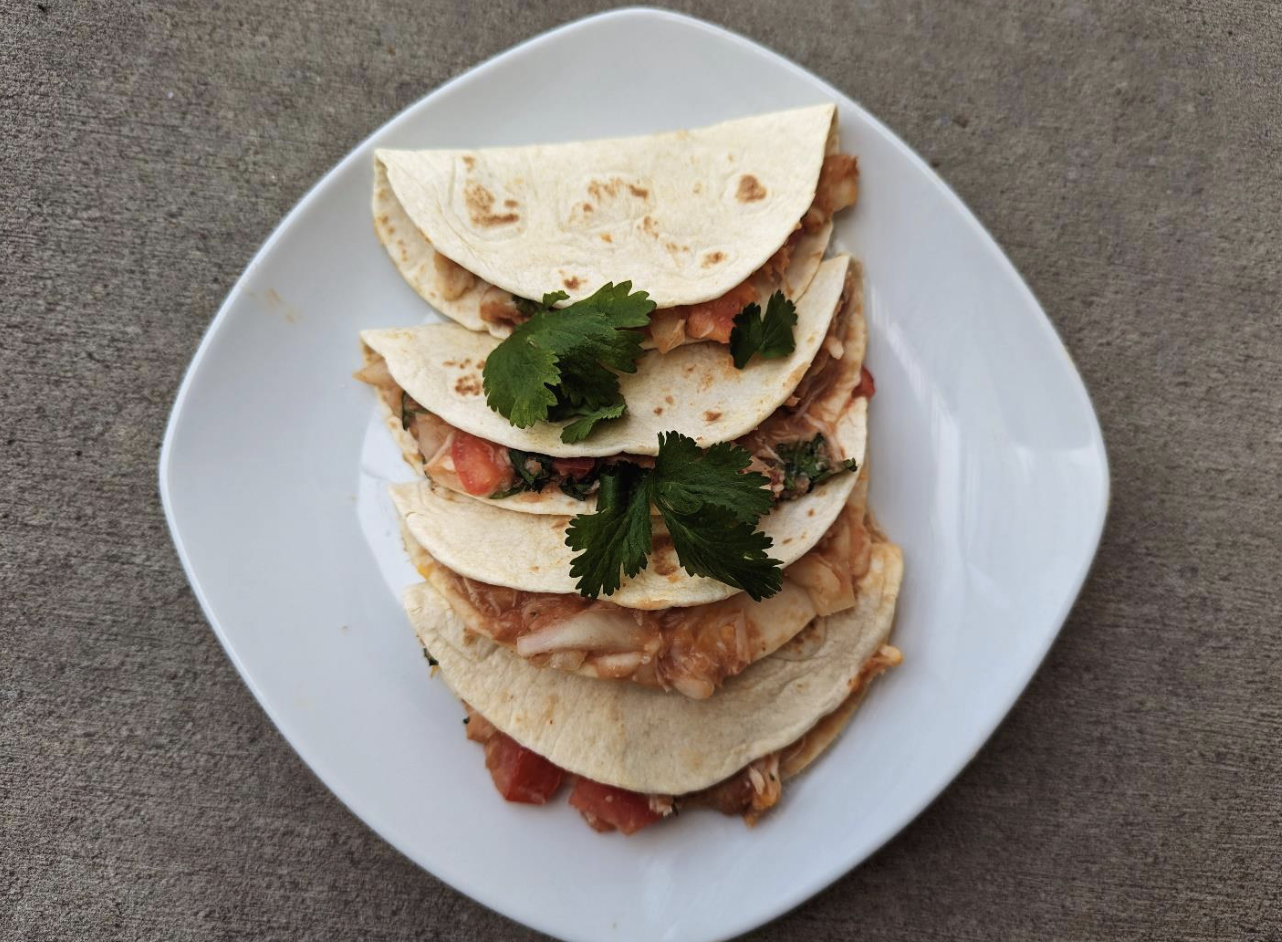
Stuffed Chicken Quesadillas: Simplify Your Cooking, Maximize The Flavor
These stuffed chicken quesadillas are quick, easy and nutritious. Learn meal prepping tips and tricks while you're here.
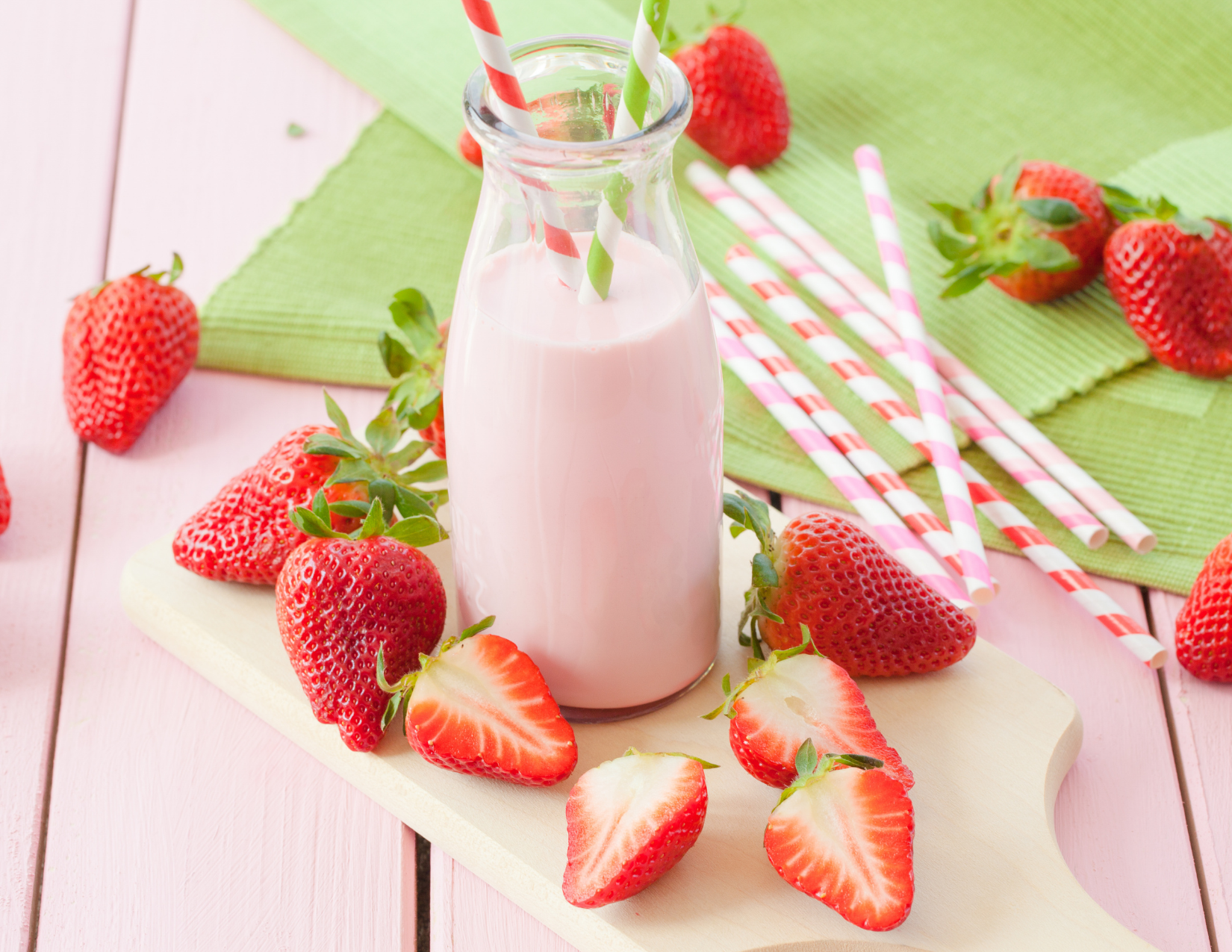
The Joy of Healthy Eating: Involving Kids in Meal Prep
In the hustle and bustle of daily life, finding the time and energy to prepare nutritious meals can feel like an uphill battle. But what if I told you that making healthy meals and snacks can be both simple and fun?
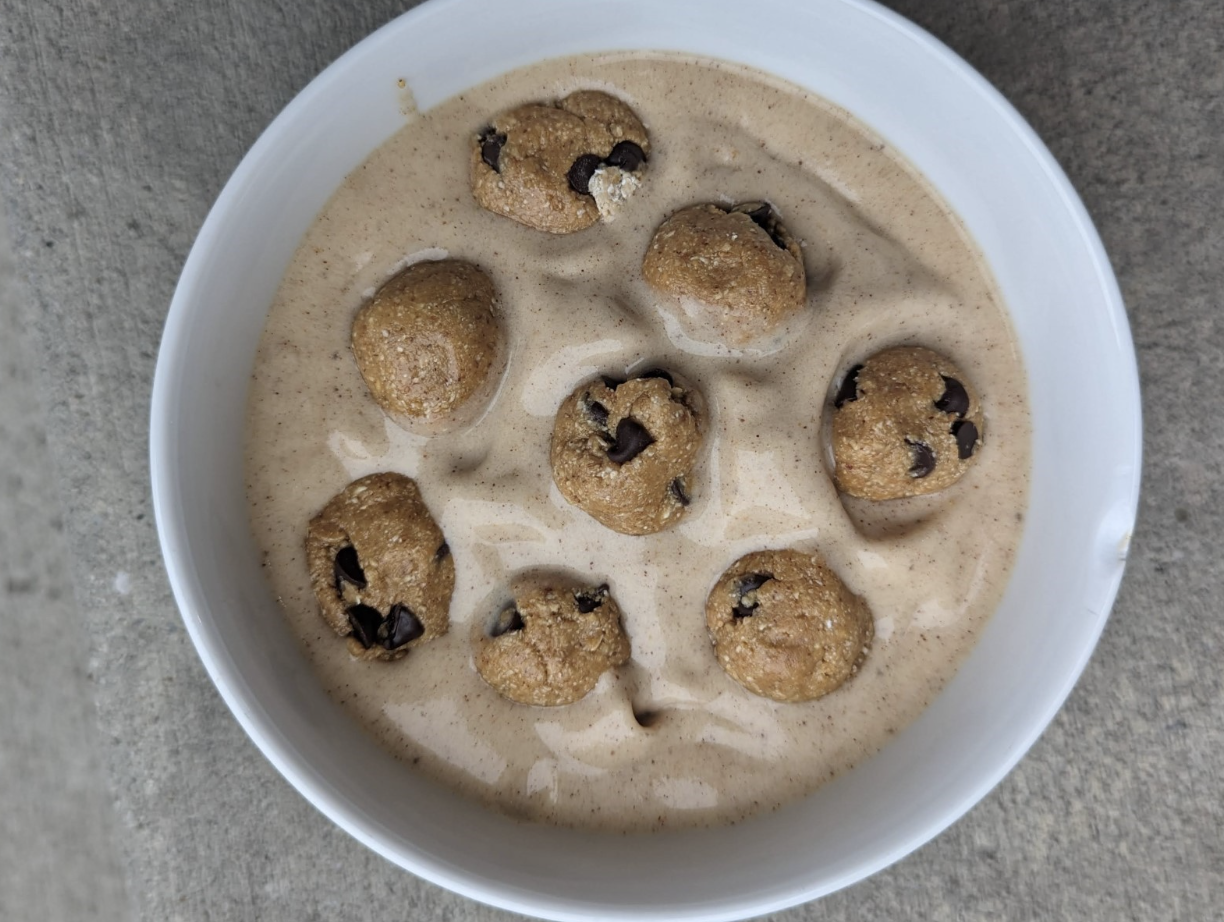
Title: Healthier Frozen Banana Cookie Dough Treat
Packed with essential nutrients, bananas contribute to overall well-being and can be enjoyed in various ways, including in a tasty frozen banana cookie dough treat!
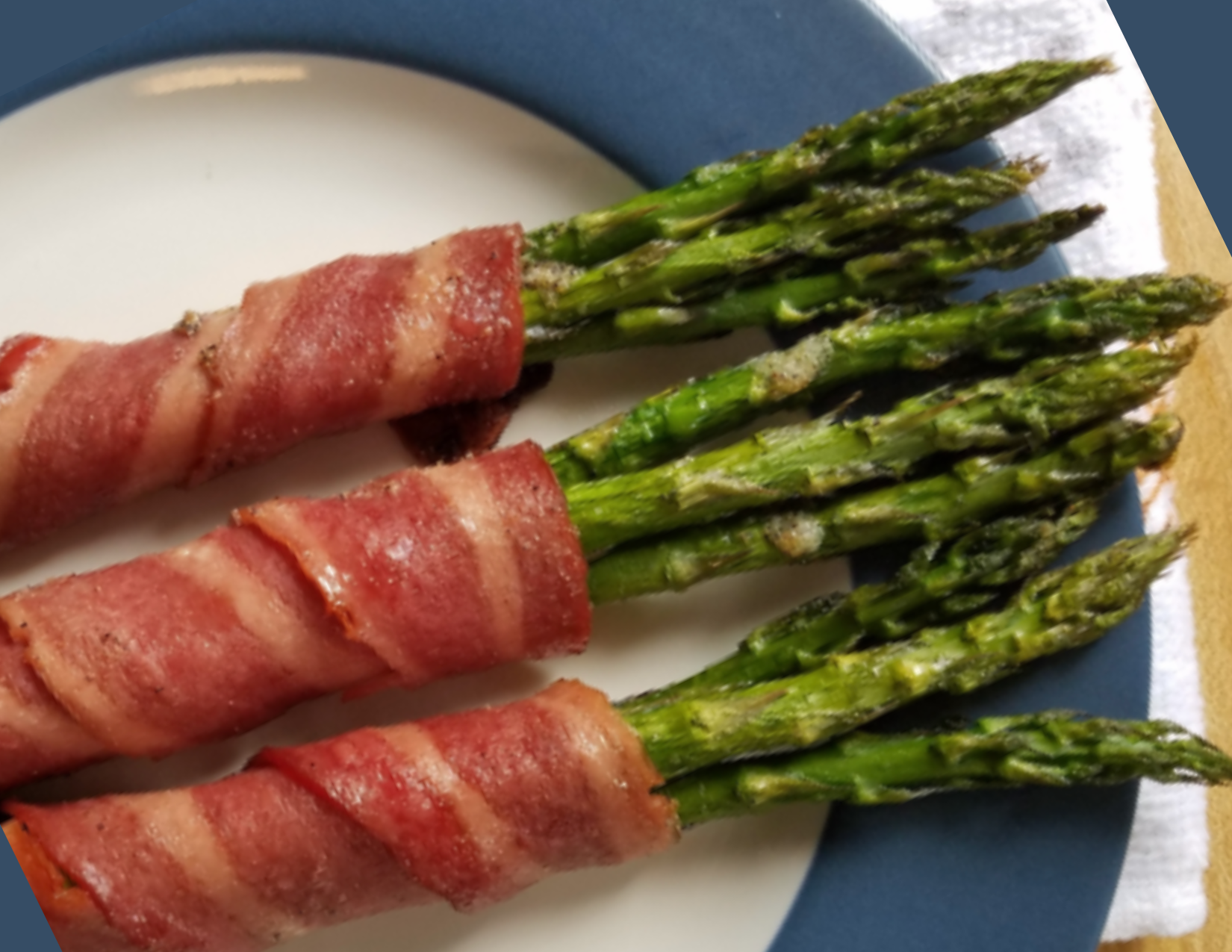
Turkey Bacon Wrapped Asparagus
This recipe will convince you to eat more asparagus. These Turkey Bacon Wrapped Asparagus will be a crowd favorite for all ages.
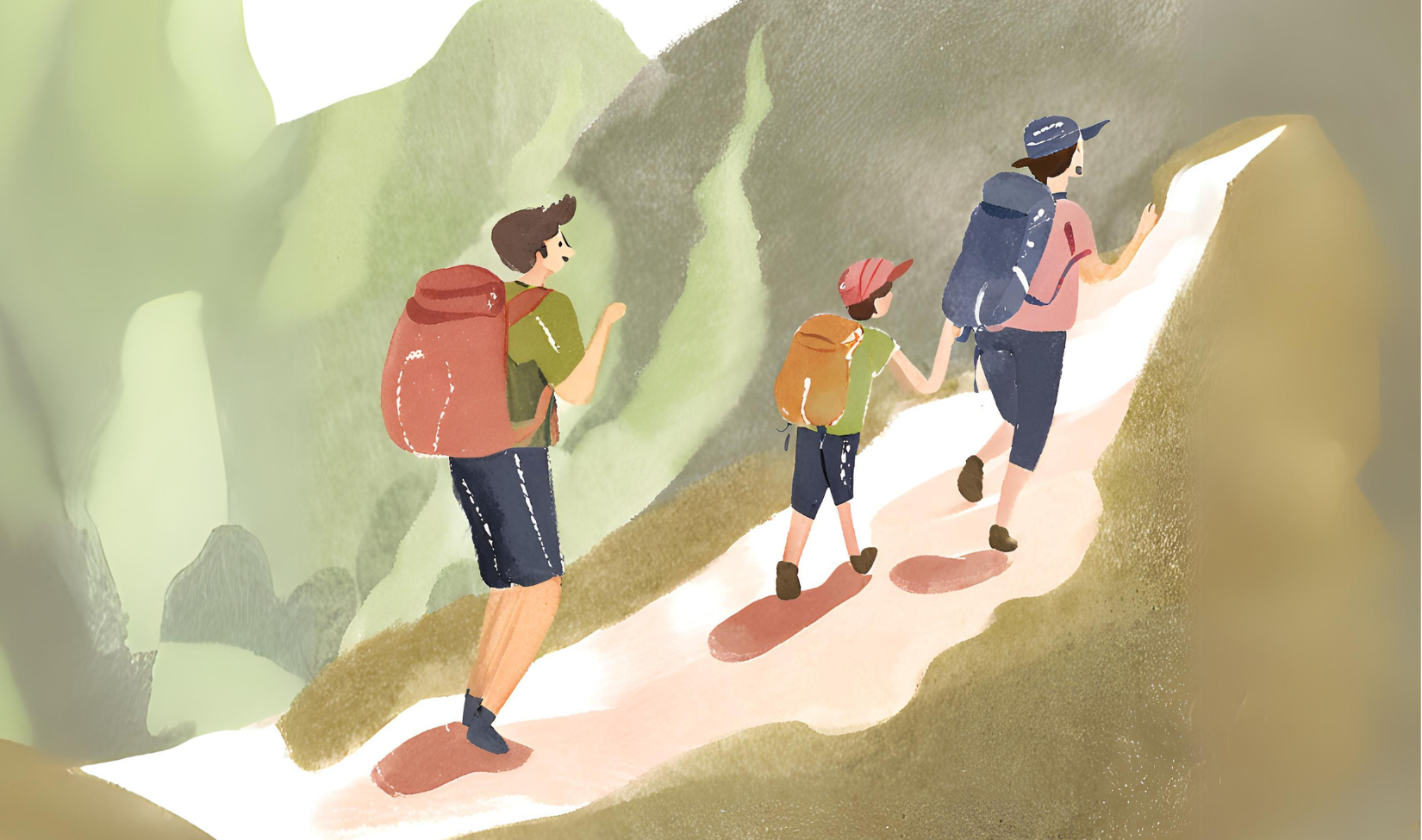
Ultimate Guide to Family Hiking Tips: Safety, Fun, and Games
Embarking on a hiking adventure with your family is a fantastic way to bond, explore nature, and stay active.
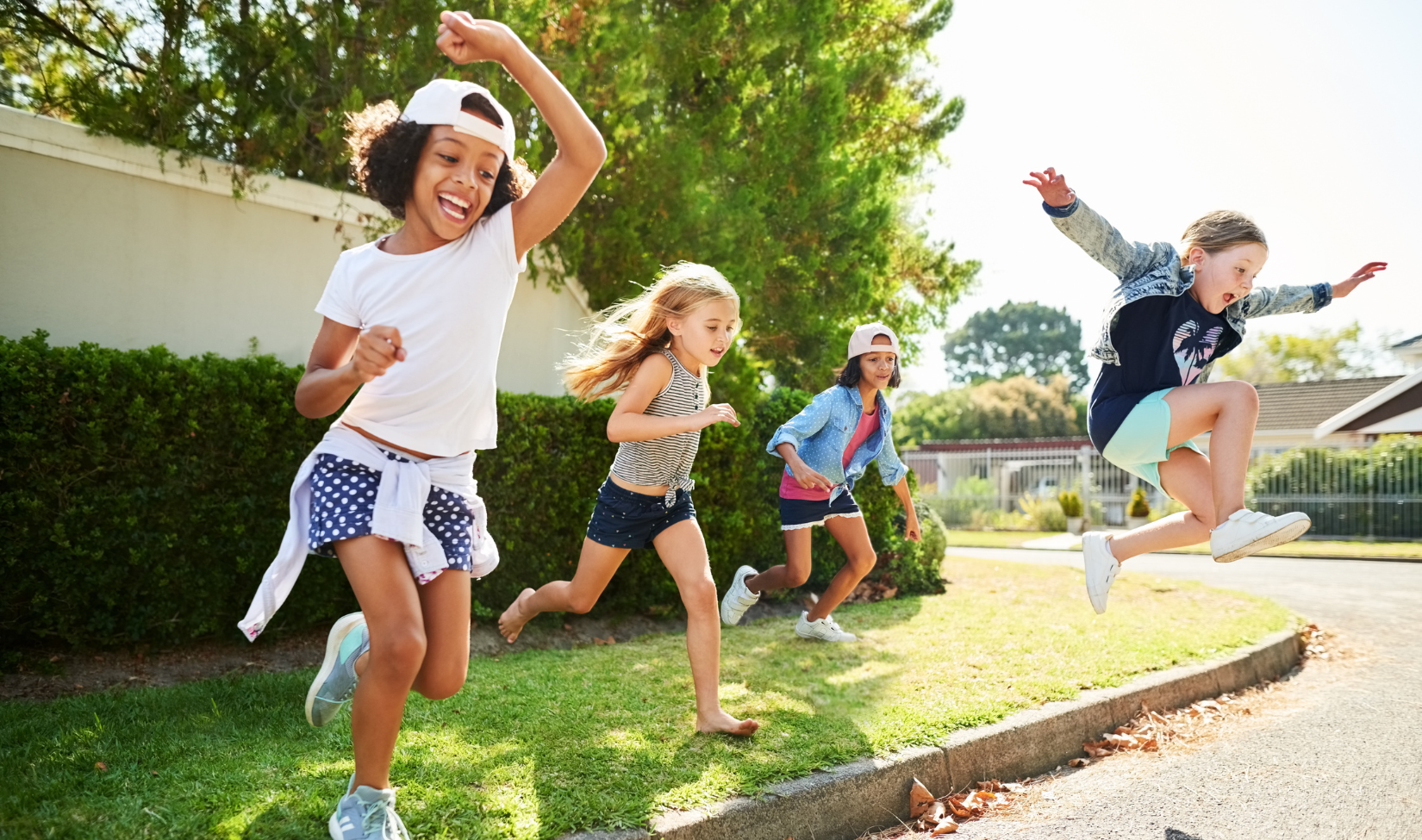
Understanding Physical Activity Guidelines for Children and Adolescents
The Physical Activity Guidelines for Americans provide comprehensive recommendations designed to improve the health and well-being of youth. Let's dive into these guidelines and explore the benefits of different types of physical activity for children and
Want to improve your health? Join Captain Create with
Do you need motivation to improve your health? Consider participating in our Your Choice Your Move initiative! From May through August of this year join Captain Create in making an effort to improve your health.

Why Exercise in Your After School Activity Matters: 5 Fun After School Activities
Including exercise as a part of your after-school activity routine not only keeps kids healthy but also offers a great way for families to bond.

Your Health Your Choice 2024
Do you need help with staying healthy and motivated the rest of the year? Then we have some great news for you!