
Hot Weather, Safe Food: Easy Summer Food Safety Tips
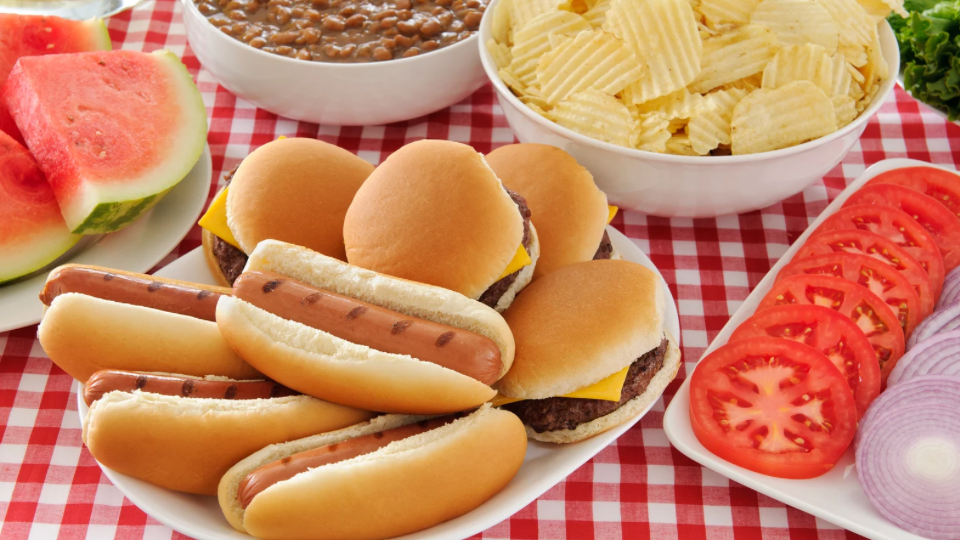
Summer is a great time for picnics, cookouts, farmers markets, and easy meals outside! But when the weather gets hot, food can spoil faster than usual. The good news is that a few simple habits can help keep your food safe at home, in the car, and at summer gatherings.
1. Watch the clock!
Many foods need to stay cold or hot to be safe. Some of these foods include meat, poultry, seafood, eggs, dairy foods, cooked rice or pasta, cut fruit, and leftovers.
A helpful rule to remember is the 2-hour rule. Do not leave these foods out for more than 2 hours. If the temperature is above 90°F, like at a picnic, in a hot car, or outside on a very warm day, the safe time drops to 1 hour.
One easy tip: set a timer on your phone before you start eating. That way, you do not have to guess how long the food has been sitting out.
2. Keep it cool!Cold foods should stay cold until you are ready to eat them. This is especially important for foods like yogurt, cheese, deli meat, chicken salad, cut melon, and leftovers.
Here are a few simple ways to keep food cold on hot days:
- Use a cooler, insulated bag, or lunch bag when you shop or travel with cold foods.
- Add ice packs, frozen gel packs, or frozen water bottles.
- Keep the cooler in the shade when you can.
- Open the cooler only when you need something.
If possible, use one cooler for drinks and another for food. When drinks are packed separately, the food cooler can stay closed longer. Frozen water bottles are a great low-cost option. They help keep food cold, and you can drink the water later as it melts.
3. Keep raw foods separate!
Raw meat, poultry, seafood, and eggs should be packed and stored away from foods you can eat right away, like fruit, bread, sandwiches, and cooked foods.
At the grocery store, place raw meat in a separate bag when possible. At home, store raw meat in a container or sealed bag so juices do not drip onto other foods. If you are packing for a picnic or cookout, keep raw foods wrapped tightly and away from foods that will not be cooked.
A simple way to remember this is: raw foods need their own space.
4. Give leftovers a quick chill!
Leftovers can save money and make the next meal easier, but they need to be cooled and stored safely.
Put leftovers in the refrigerator within 2 hours, or within 1 hour if it is hotter than 90°F. Use shallow containers so food cools faster. If you made a big pot of soup, pasta, rice, or casserole, divide it into smaller containers before putting it away.
When reheating leftovers, heat them until they are hot all the way through. If you use a food thermometer, leftovers should reach 165°F.
Also, try not to rely only on smell. Some germs that can make people sick do not always change the way food smells, looks, or tastes.

A Simple Summer Food Safety Checklist
Before you leave home:
- Wash fruits and vegetables.
- Pack ice packs or frozen water bottles.
- Keep raw meat separate from other foods.
- Bring clean utensils, napkins, or hand wipes.
While eating outside:
- Keep cold foods in the cooler until serving.
- Keep hot foods hot.
- Set a timer for leftovers.
- Keep the cooler closed as much as possible.
After eating:
- Put leftovers away quickly.
- Use shallow containers.
- Throw away foods that sat out too long.
Food safety does not have to be complicated. A cooler, a timer, clean hands, and a little planning can go a long way. These small steps can help keep summer meals safe, simple, and enjoyable.
- FoodSafety.gov — Keep Food “Cool for the Summer” to Avoid Foodborne Illness: https://www.foodsafety.gov/blog/keep-food-cool-summer-avoid-foodborne-illness
- FDA — Handling Food Safely While Eating Outdoors: https://www.fda.gov/food/buy-store-serve-safe-food/handling-food-safely-while-eating-outdoors
- FoodSafety.gov — 4 Steps to Food Safety: https://www.foodsafety.gov/keep-food-safe/4-steps-to-food-safety
- CDC — Preventing Food Poisoning: https://www.cdc.gov/food-safety/prevention/index.html
- USDA FSIS — Danger Zone 40°F–140°F: https://www.fsis.usda.gov/food-safety/safe-food-handling-and-preparation/food-safety-basics/danger-zone-40f-140f
If You Liked This Post, You Don't Want to Miss These!
3 Ingredient Pizza Dough: A Quick and Easy Recipe
Discover the simplicity of our 3 ingredient pizza dough recipe. Homemade pizza with a boost of protein made easy!

10 Benefits of Yoga & Why You Should Give It a Try
10 Benefits of yoga - Plus other interesting information about yoga and it's benefits.

3 Jicama Recipes That Are Delicious, Nutritious and Easy to Make
Do you like a little crunch in your food? Jicama is for you! Come get 3 amazing jicama recipes you're sure to love.
5 Amazing Berry Recipe Ideas + Our Favorite Broccoli Strawberry Orzo Salad
Berries can be used in many different ways. Here are five recipe ideas to get you started. Plus our favorite Broccoli Strawberry Orzo Salad Recipe.
Add Color to Your Plate with Red Leaf Vegetables: Red Leaf Lettuce
Discover the vibrancy of red leaf vegetables with red leaf lettuce. Add color to your meals and nutrition to your diet.
Are Pineapples Berries? Plus Bonus Tips and Tasty Recipes!
Have you ever stopped to wonder: are pineapples berries? The answer might just surprise you.
Baking Bliss: Raspberry White Chocolate Muffins Worth Every Bite
These raspberry white chocolate muffins are truly worth every bite! Plus they sneak in some veggies while you're indulging!
Banana Chocolate Chunk Muffins
Discover the perfect balance of indulgence and health with our Banana Chocolate Chunk Muffins, a guilt-free treat that's sure to satisfy your sweet tooth.

Beyond January: Turning Resolutions into Habits That Last
Resolutions into Routine — Build Habits That Last Beyond January with support from Create Better Health.
Beyond the Chips - Delicious Sandwich Side Dish Ideas
Looking for the perfect sides to pair with your sandwich? In this post, we’ve rounded up 8+ healthy and affordable sandwich side dishes.

Big Flavor, Small Cost: Simple Taco Soup Recipe
Try this healthy, budget-friendly Taco Soup packed with vegetables, protein, and whole grains. This low-cost recipe makes eating well simple and delicious.
Cabbage Chronicles: Surprising Facts and a Delicious Savory Stew Recipe
Join us as we unveil surprising facts about this cabbage and share a delectable, hearty stew recipe that'll warm your soul.
Chicken Creole: A Deep Dive into a Southern Classic
When it comes to soul-satisfying comfort food few dishes can match the hearty appeal of Chicken Creole. Get the recipe here.

Cozy Up with This Spinach and White Bean Soup
This spinach white bean soup is perfect for those chilly evenings when you crave something comforting yet healthy.
Delicious and Healthy Loaded Quesadillas
Indulge in flavorful Loaded Quesadillas – a scrumptious fusion of taste and nutrition. Savor a healthy twist on a classic Mexican favorite!
Easy Pumpkin Protein Balls
These no-bake pumpkin protein balls combine fall flavors with nutritious ingredients for a quick, affordable, and healthy snack that’s perfect for fueling your day.

Easy Quinoa Veggie Bowl Recipe
Make this easy quinoa veggie bowl recipe for a healthy, affordable meal! Mix and match your favorite veggies in this Build-a-Bowl idea for quick lunches or dinners.
Eat Local and In Season with Tomato and Asparagus Pasta
This tomato and asparagus pasta is one of our favorite healthy dinner ideas! It's easy, delicious and nutritious!
Eating Healthy on a Budget: The Ultimate Guide to Frugal Meal Planning
Frugal meal planning is one of the best ways to save money. We have compiled some great tips and tricks to create this Ultimate Guide to Frugal Meal Planning.

Energize your Autumn Evenings with: Pepper Chicken with Quinoa
Pepper Chicken with Quinoa is the perfect fall dinner—healthy, quick, and budget-friendly. Packed with protein, veggies, and flavor, plus a kid-approved fajita twist!

Fall Outdoor Activities for Health, Family Fun, and Wellness
Enjoy the benefits of being outdoors this fall with simple activities that boost wellness, encourage connection, and make the most of the season.

Free Nutrition Online Courses to Create a Healthy Life
Create Better Health Utah is now offering Free nutrition online courses in both English and Spanish.
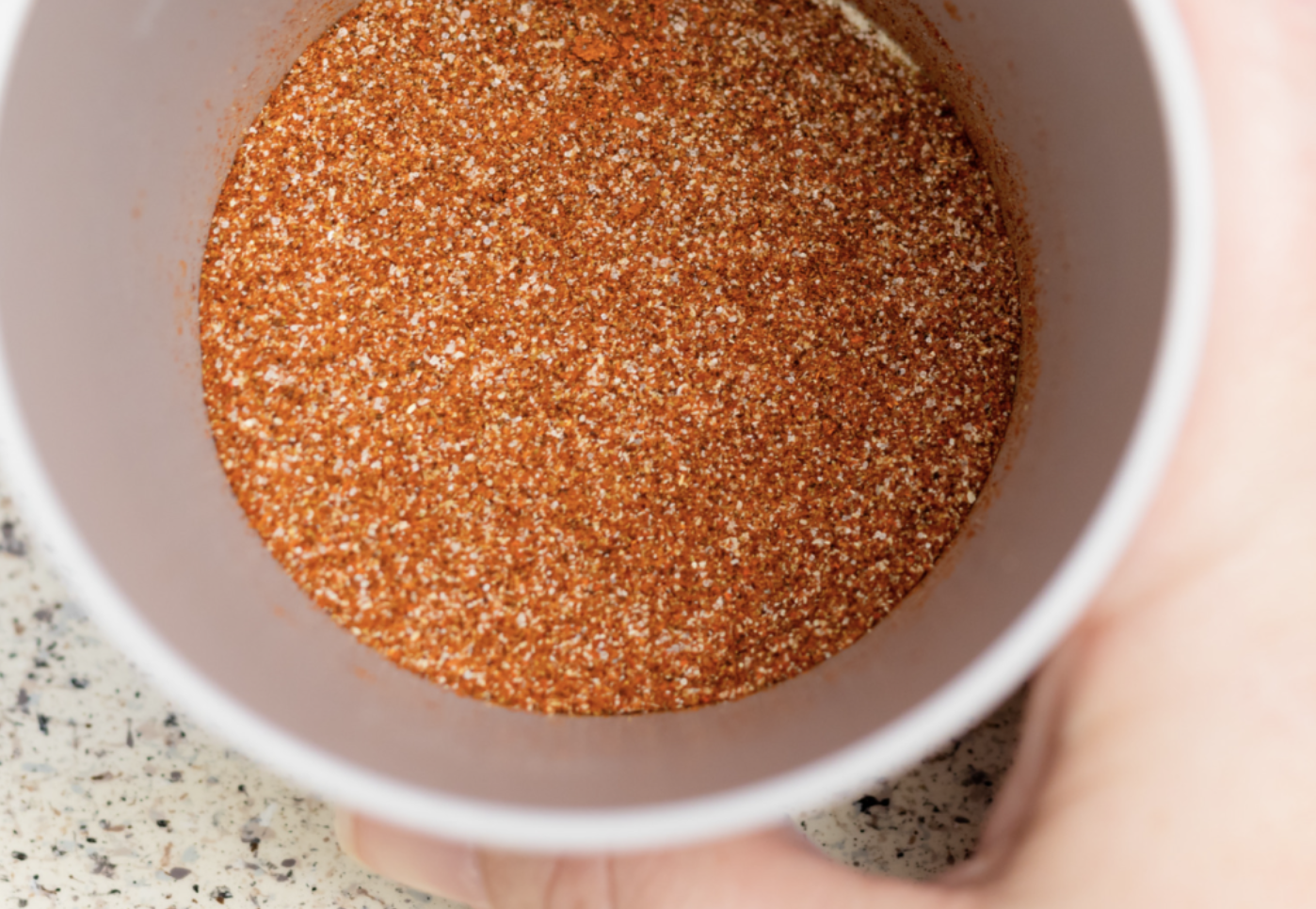
From Scratch to Savory: Homemade Mild Taco Seasoning
Create delectable mild taco seasoning at home from scratch. Elevate your dishes with our easy recipe for homemade savory flavor.
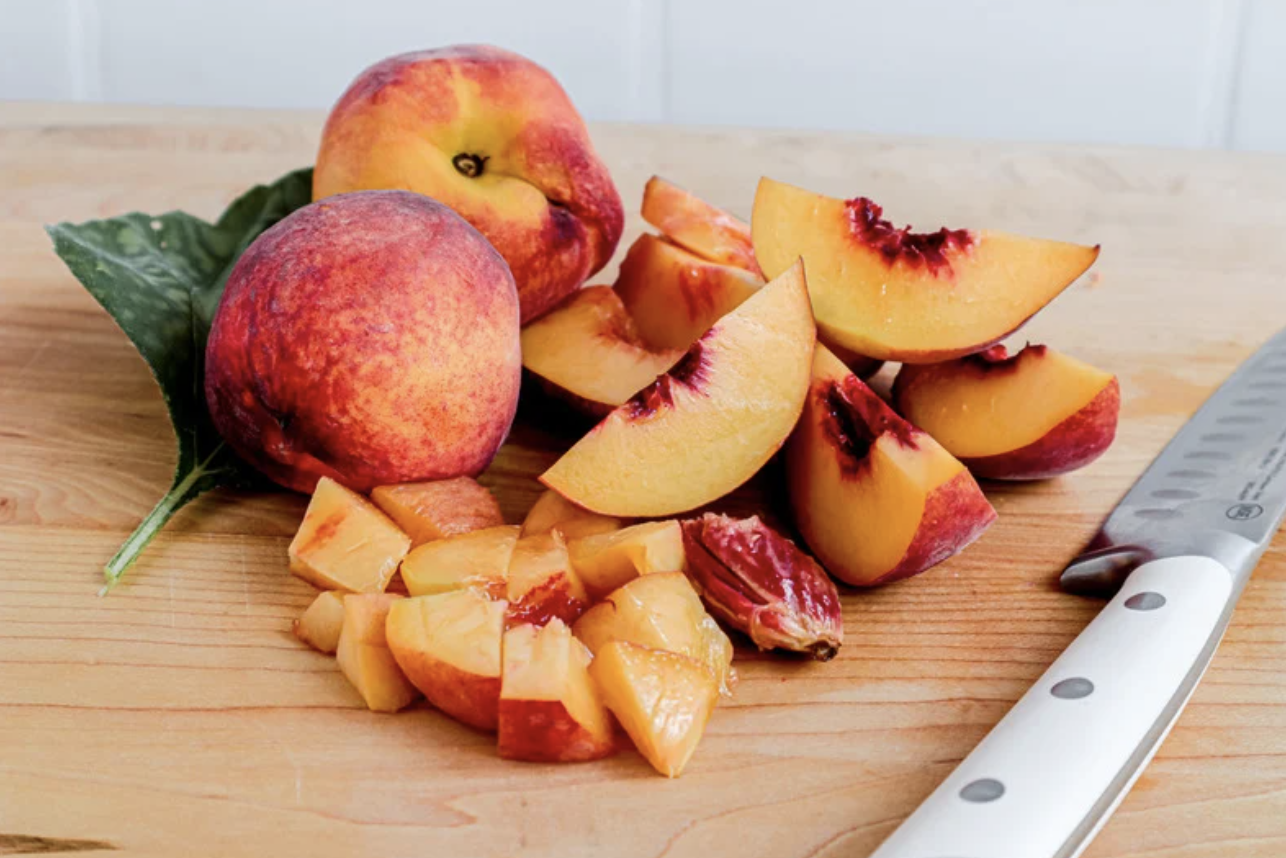
Fun Facts About Peaches & Delicious Ways to Eat Them
Discover fun facts about peaches: from ancient origins to worldwide appeal. Uncover the juicy secrets of this delightful fruit.
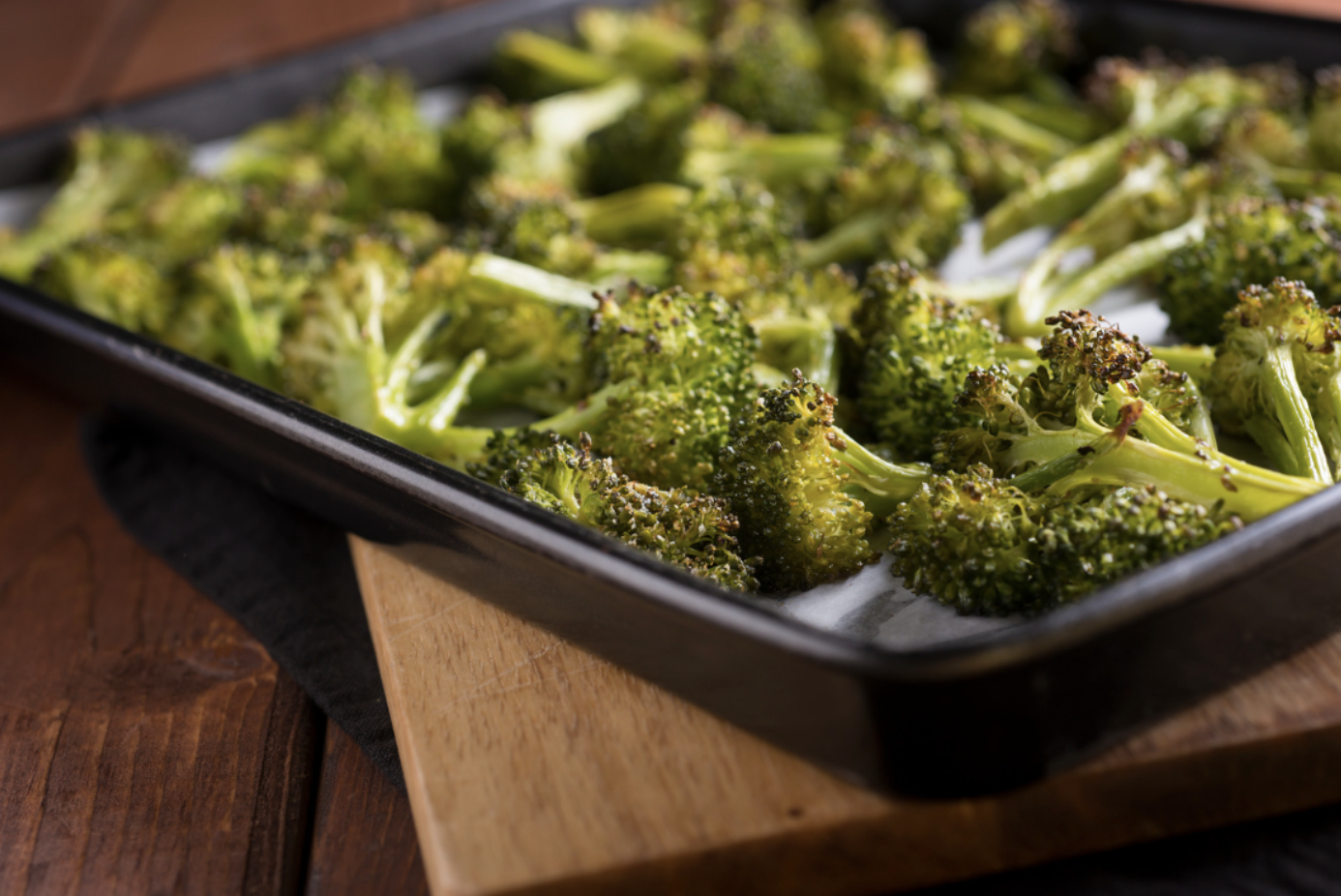
Green Goodness: Fun Facts About Broccoli
In this post, we will dive into the fascinating facts about broccoli. Plus, we'll share our favorite roasted broccoli recipe.
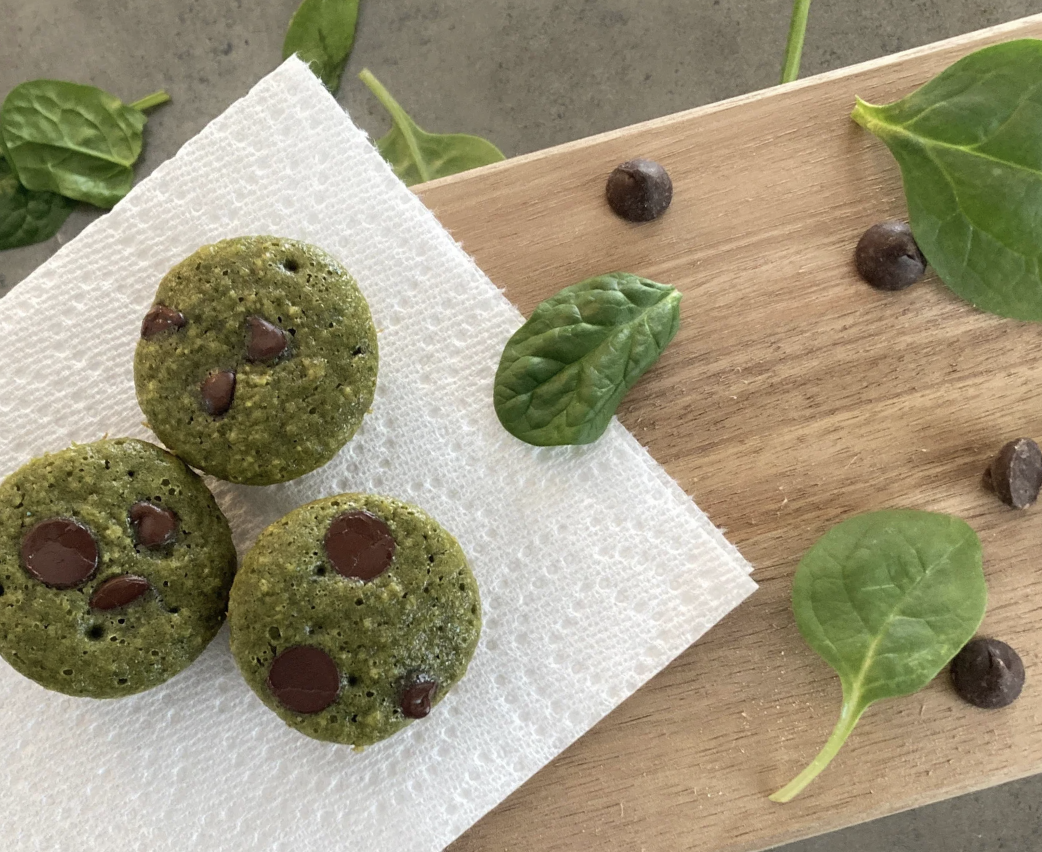
Green Goodness: The Best Spinach Mini Muffin Recipe
This spinach muffins recipe literally dropped my picky three year olds jaw. He loved them! And you will too.
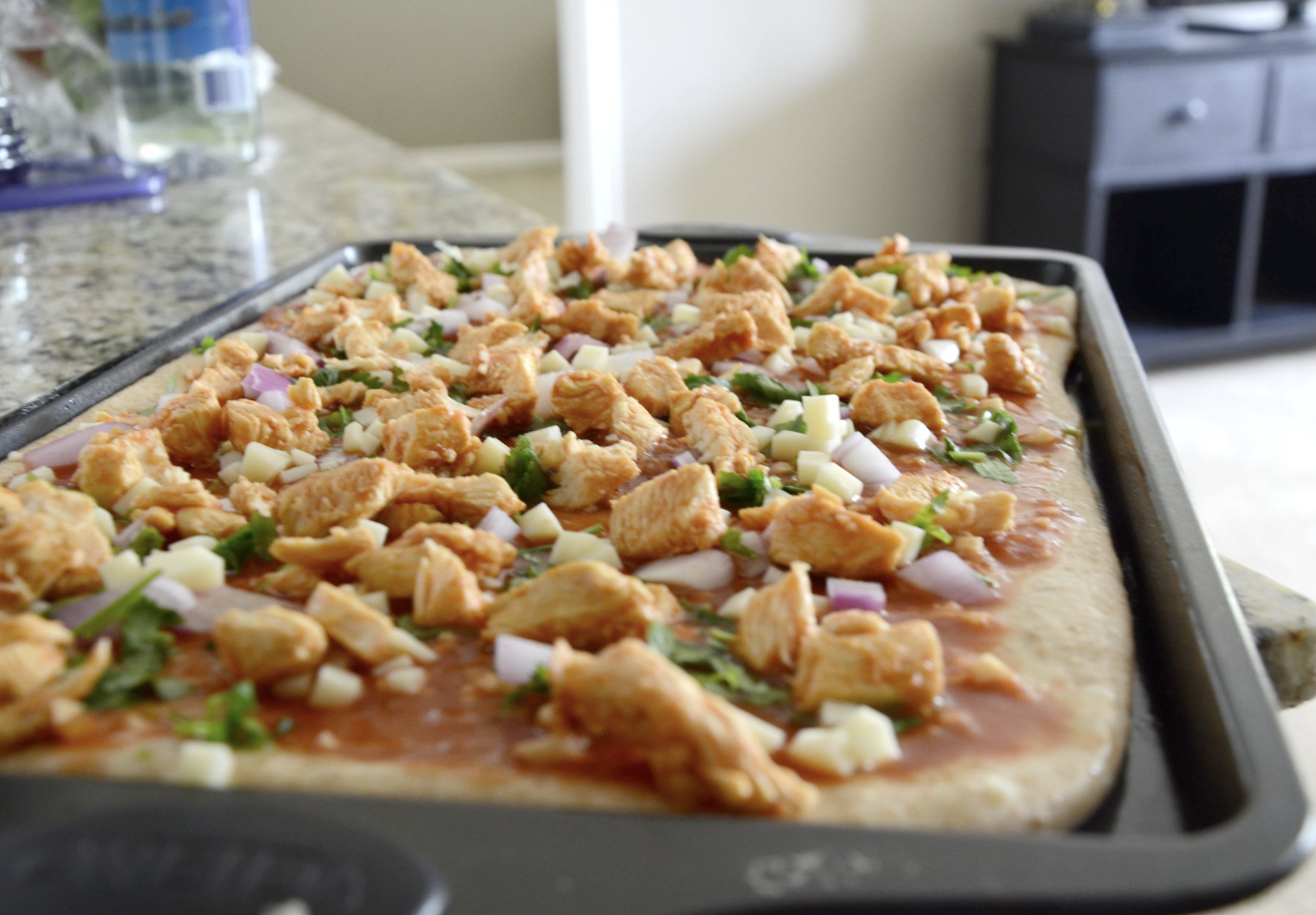
Healthy BBQ Chicken Pizza Recipe
Indulge guilt-free in our mouthwatering Healthy BBQ Chicken Pizza - a delightful blend of chicken, wholesome toppings, and smoky BBQ flavor.
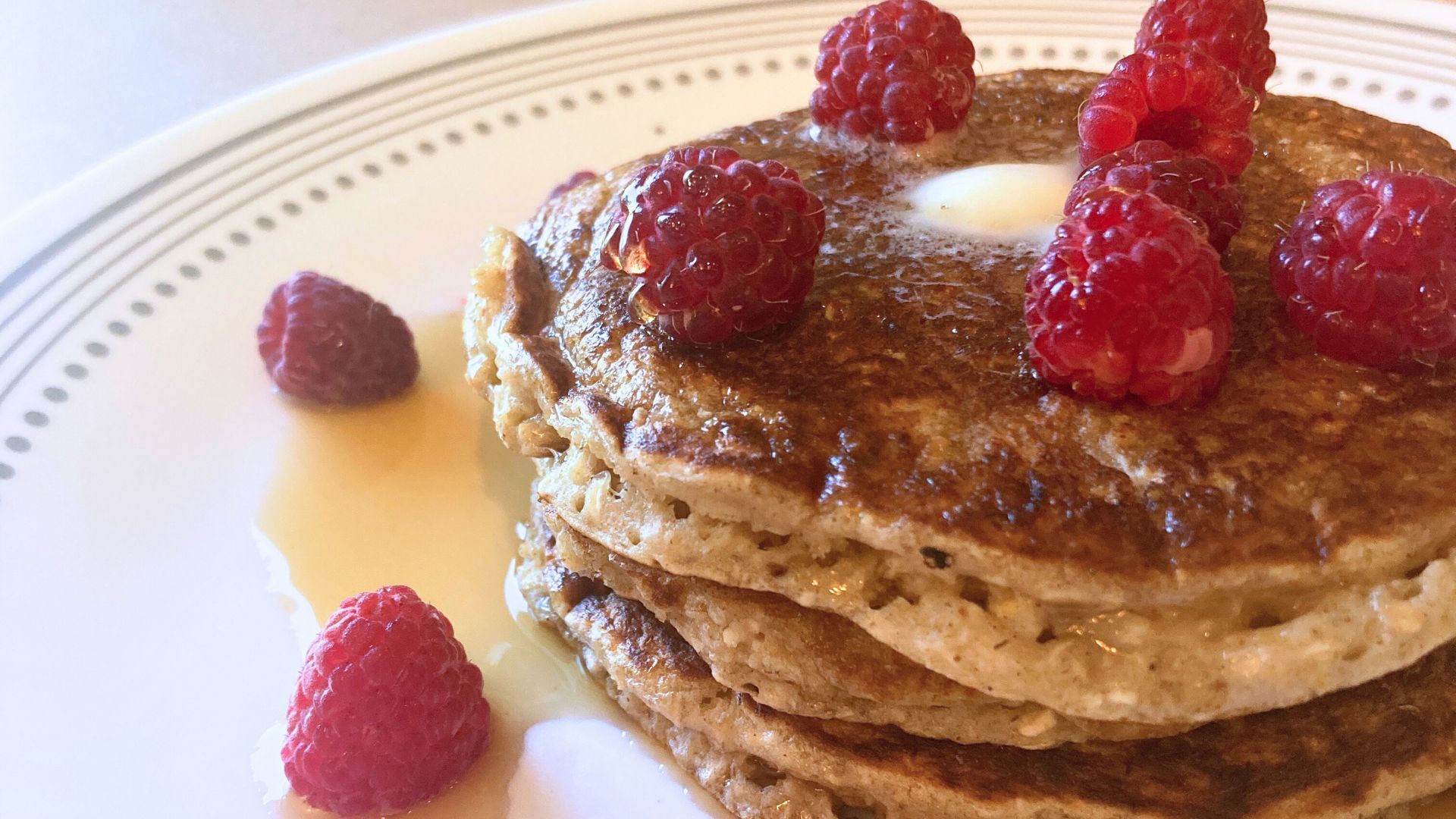
Healthy Breakfast Pancakes to Kickstart Your Day
Whip up a batch of these healthy, breakfast pancakes to start your morning with a delicious and wholesome breakfast the whole family will enjoy.
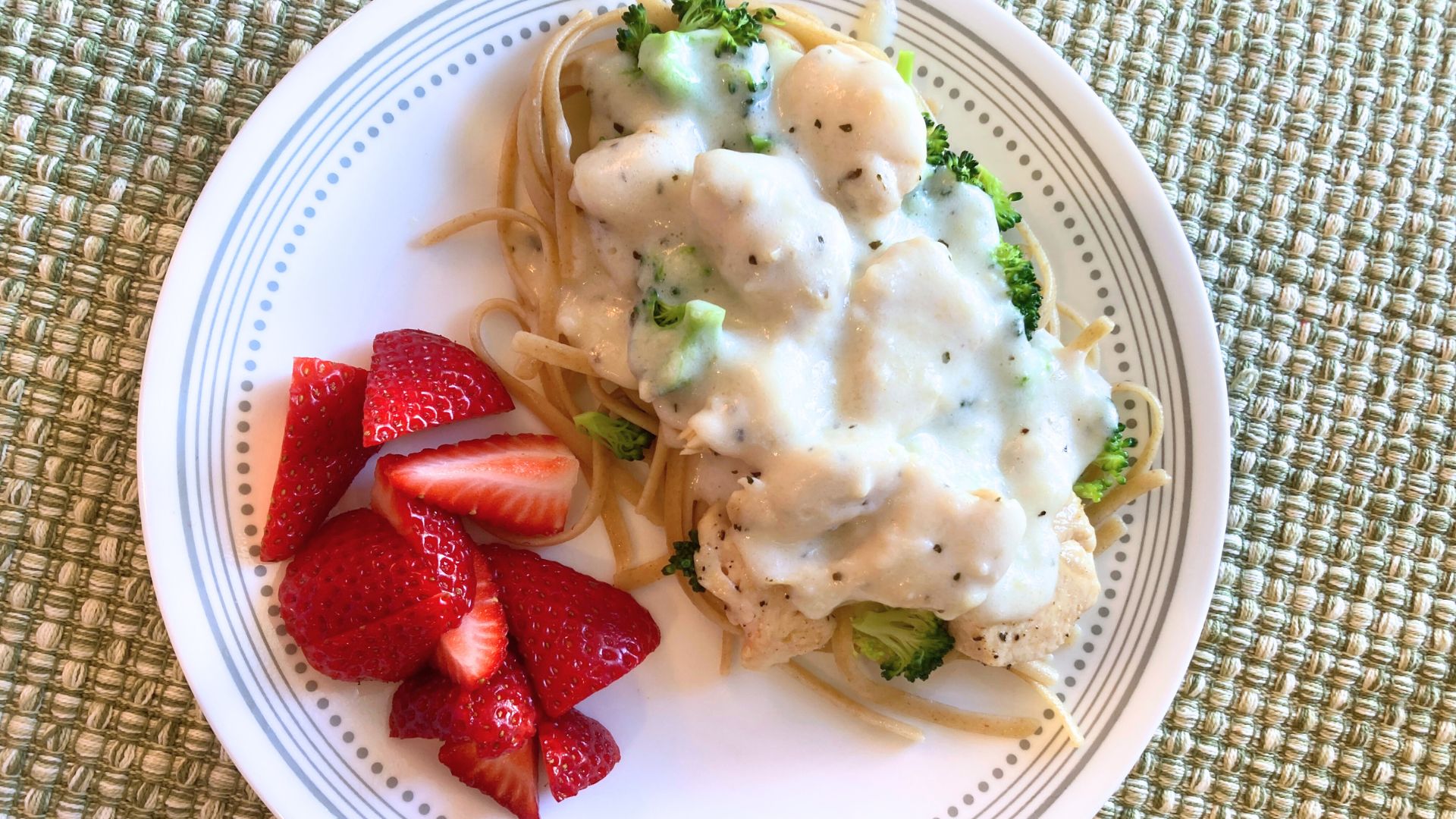
Healthy Chicken and Broccoli Fettuccine Alfredo
Indulge in this guilt-free, protein-packed chicken and broccoli fettuccine alfredo.

Healthy Halloween Fun: Active Games, MyPlate Tips & Spooky Snack Ideas
Make this Halloween healthy and fun! Explore easy Halloween activities, MyPlate-inspired tips, and delicious snack ideas that help families enjoy the spooky season without the sugar overload.
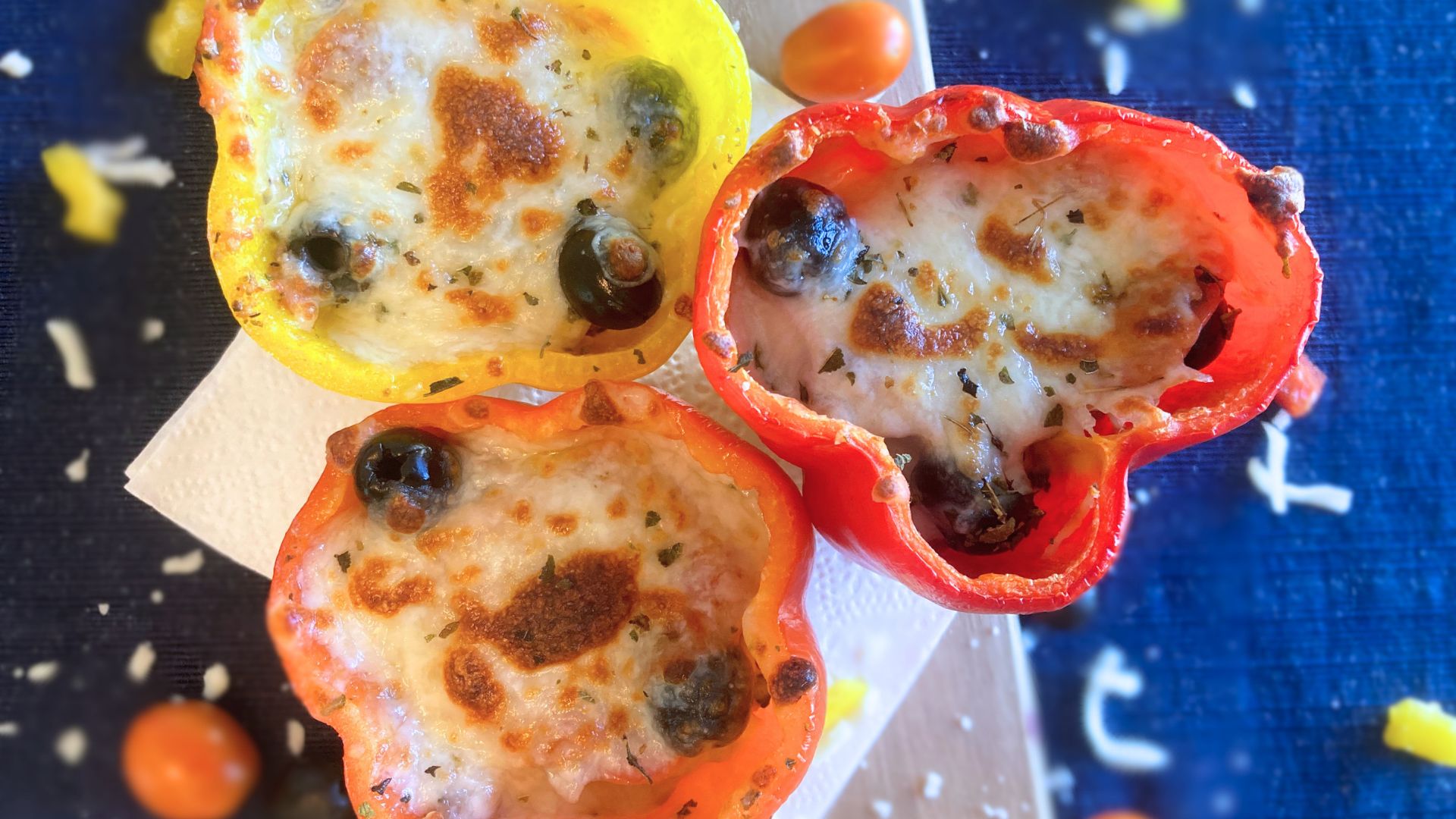
Healthy Stuffed Pepper Recipe: Pizza Style!
Discover a delicious and healthy twist on pizza with this easy-to-make stuffed bell pepper recipe that's packed with flavor and nutrition.
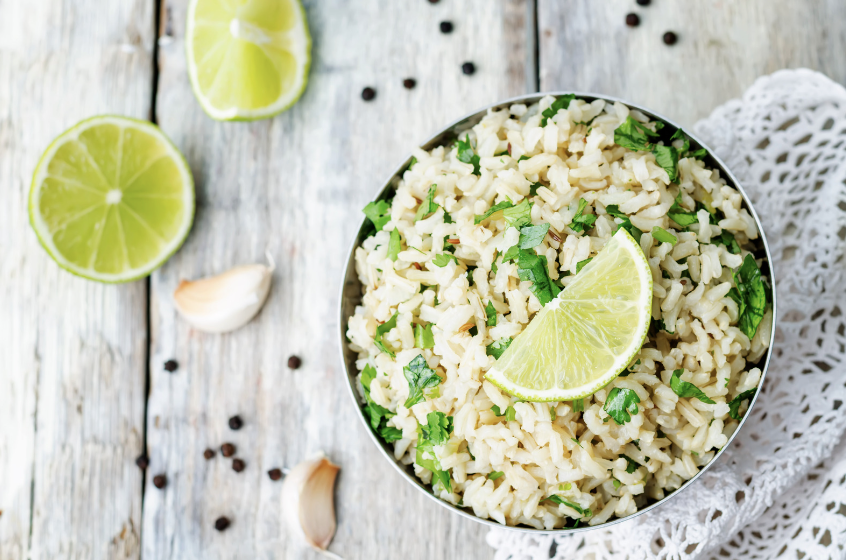
Host a Healthy Fiesta: Cilantro Lime Brown Rice with Steak Tacos
Discover a healthy Tex-Mex delight: Cilantro Lime Brown Rice with Steak Tacos. A zesty fiesta for your taste buds!
Hot Weather, Safe Food: Easy Summer Food Safety Tips
Summer is a great time for picnics, cookouts, farmers markets, and easy meals outside! But when the weather gets hot, food can spoil faster than usual. The good news is that a few simple habits can help keep your food safe at home, in the car, and at summ
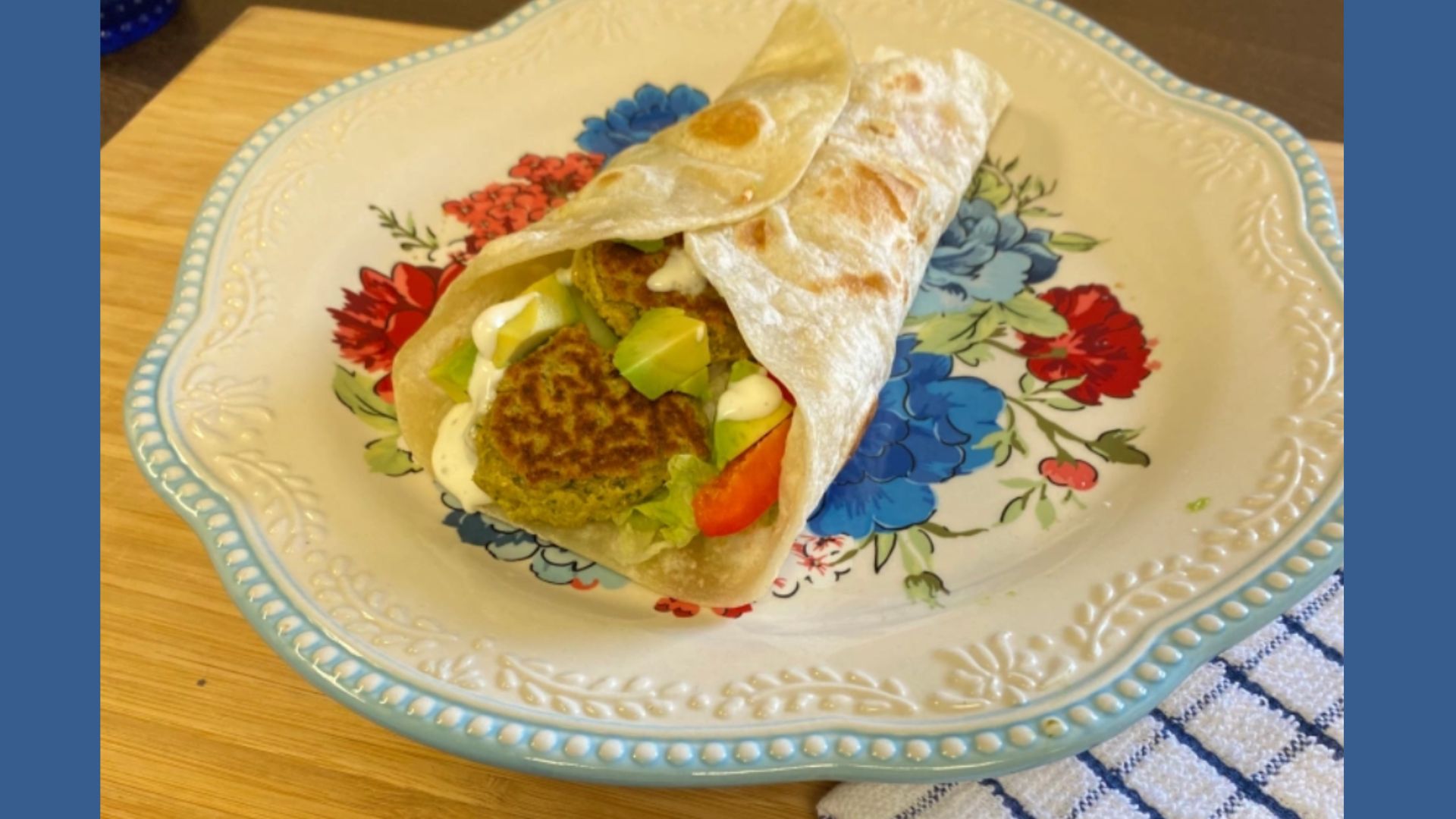
How to Create Delicious Falafel Wraps
Falafel is a dish that originated in the Middle East and is balls made of chickpea dough and then fried. We will modify the traditional recipe by baking the chickpea patties and serving them in a tortilla as a wrap.
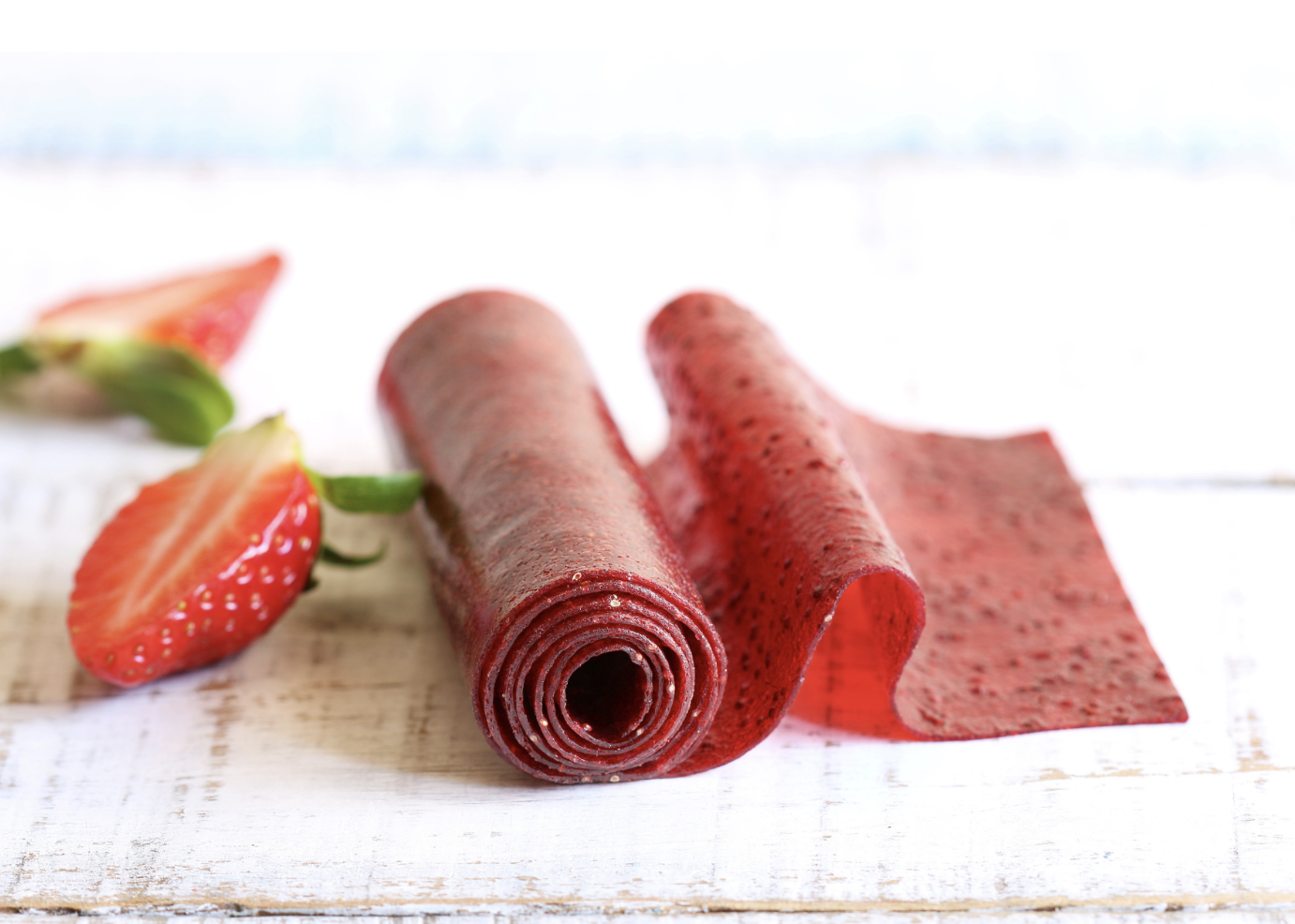
How to Make Fruit Leather Without a Dehydrator
Discover how to make fruit leather without a dehydrator! Plus, daily fruit intake tips & a bonus strawberry leather recipe.
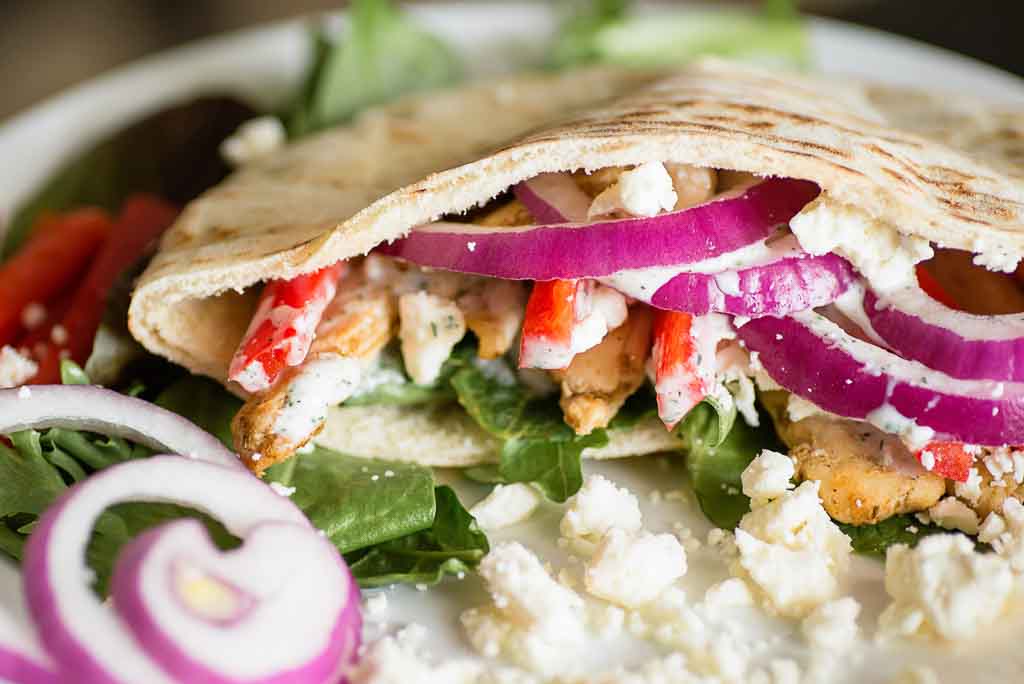
Indulge in a Delicious Mediterranean Chicken Gyro Plate
Experience Mediterranean bliss with our delectable chicken gyro plate, bursting with authentic flavors and tantalizing freshness.
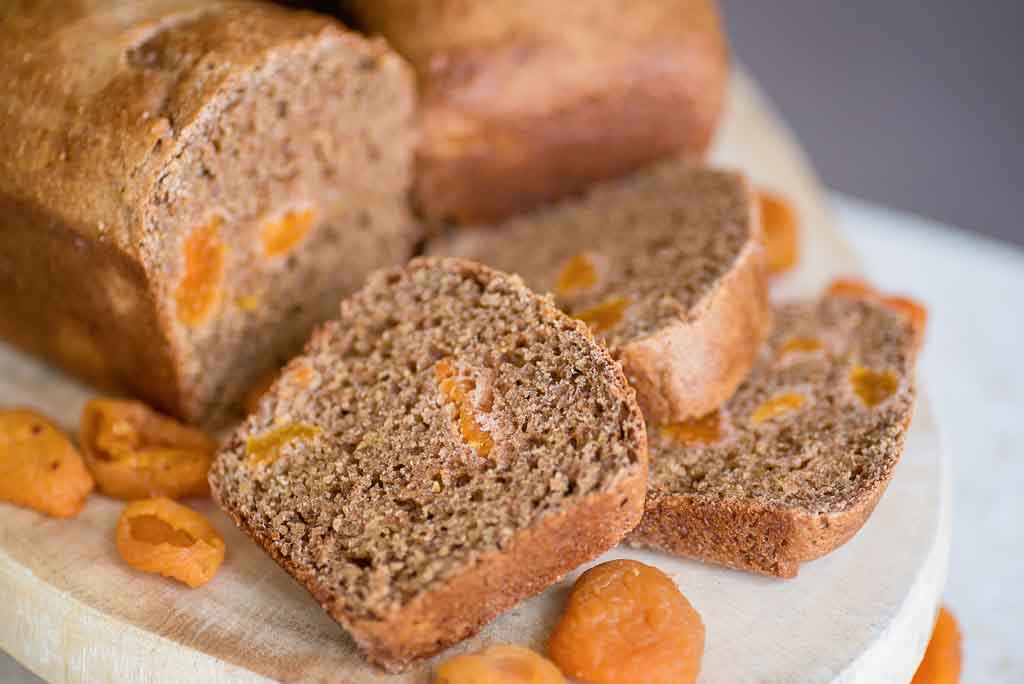
Indulge in the Sweetness of Cinnamon Apricot Bread
Indulge in the aromatic delight of homemade Cinnamon Apricot Bread. A flavorful fusion for delightful baking moments.
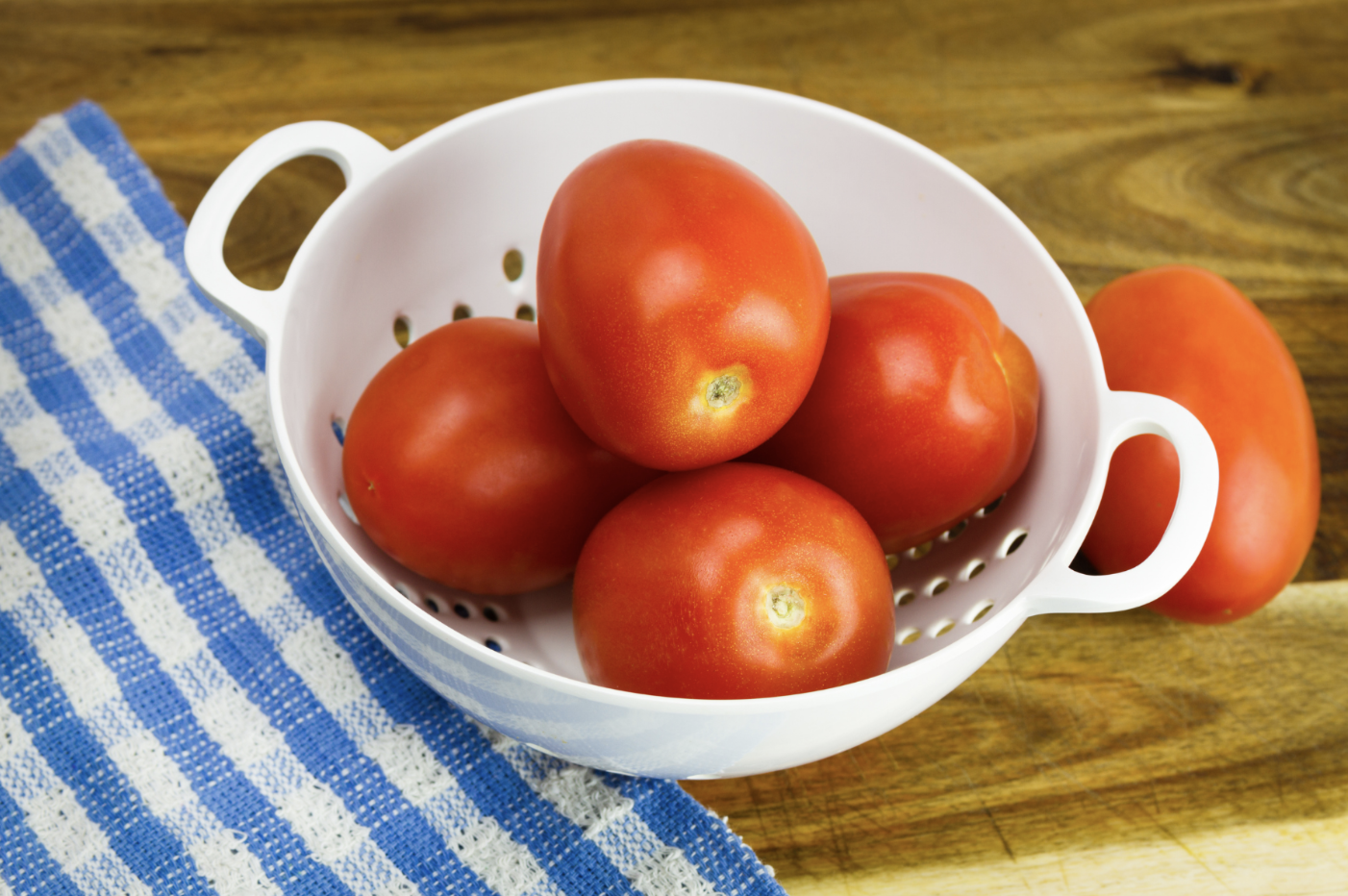
Interesting Facts About Tomatoes
Discover fascinating facts about tomatoes! From their history to health benefits and culinary wonders, explore the world of tomatoes!
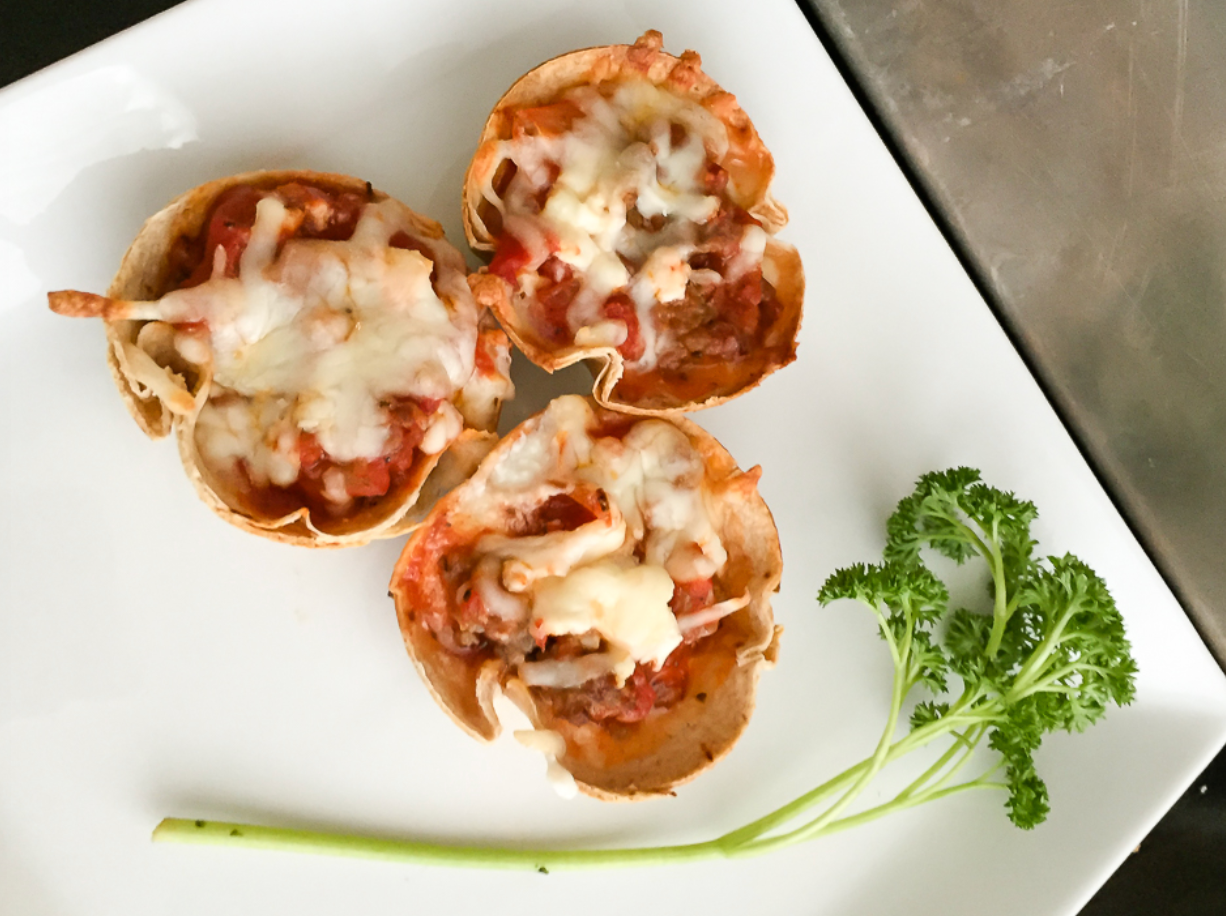
Kid Friendly Mini Lasagna Cups
Our delightful mini lasagna cups are Kid-friendly, bite-sized, and bursting with flavor. Perfect family meal!
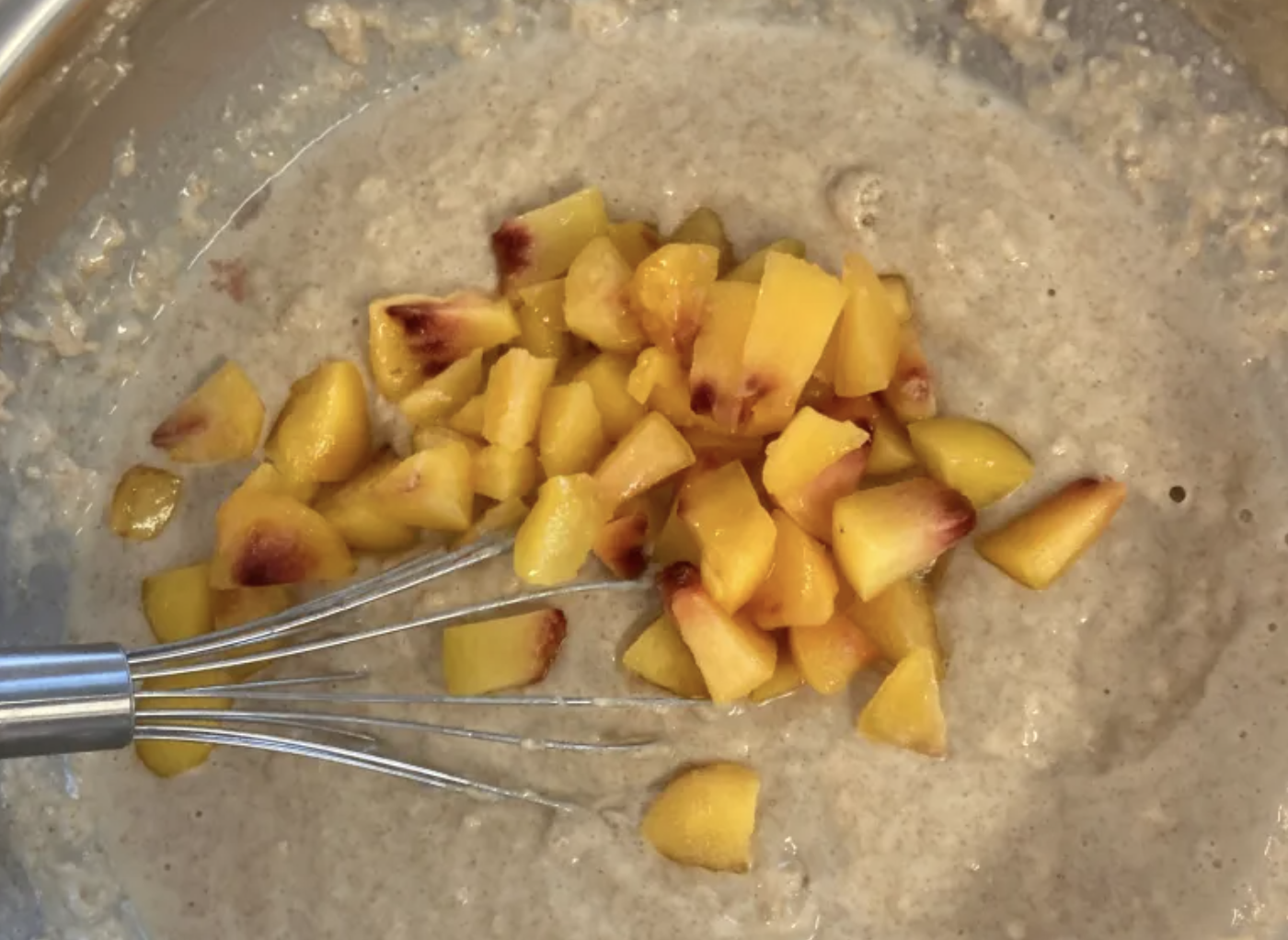
Kid-Friendly Breakfast: Healthy Peachy Sheet Pan Pancake Recipe
Looking for a healthy breakfast option for your little ones? Try our mouthwatering peachy sheet pan pancakes—perfect for happy, healthy kids
Kids Farmers Market Scavenger Hunt
Use our Farmers Market Scavenger Hunt to uncover hidden treasures and make your market visit a fun and rewarding adventure.
Kiwi Cravings: Fun Facts About Kiwi Fruits & a Delicious Kiwi Recipe
Discover fascinating fun facts about kiwi fruits while indulging in a delightful kiwi recipe. Get ready to be amazed!

Meal Planning for Families with These Easy Strategies
Creating meal plans for families simplifies cooking, saves time, and ensures healthy, budget-friendly meals that everyone will enjoy.
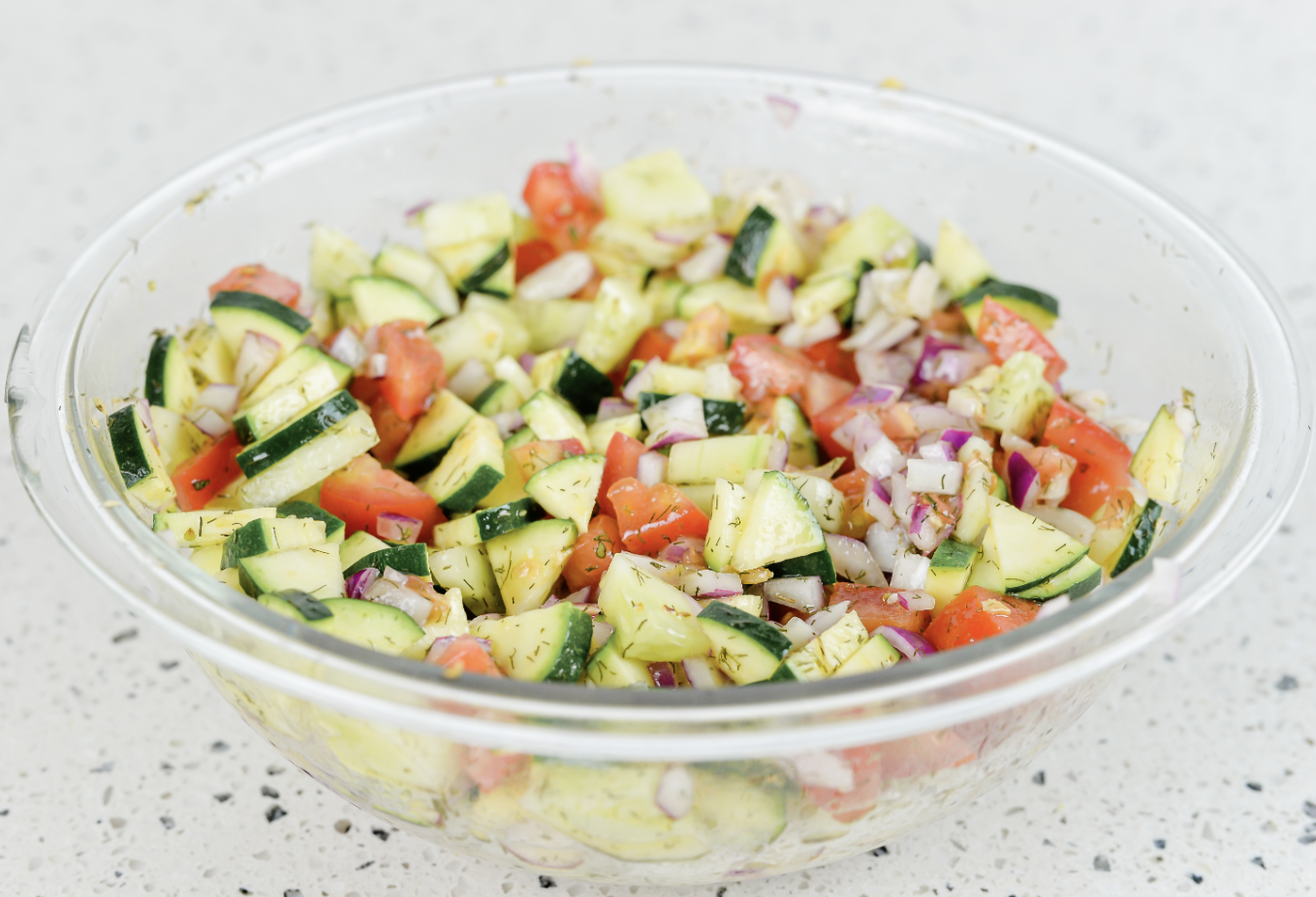
Mediterranean Delight: How to Make the Perfect Greek Cucumber Salad
Discover the art of crafting the perfect Greek cucumber salad in our Mediterranean Delight recipe. Crisp, fresh, and tangy goodness awaits!
Mushroom Facts - Elevate Taco Tuesday in a Fun & Nutritious Way
Take your taco game to the next level with our delicious Beef & Mushroom Tacos with Lime Crema recipe, and learn some fun mushroom facts too.
MyPlate vs MyPyramid - Do You Know the Difference?
Let's dig into the differences of MyPlate vs MyPyramid and learn how we can improve our diet in simple healthy ways.

New Year, Better Health: Simple Habits That Last
Kick off the new year with simple, family-friendly health habits. Learn how SMART goals and small steps can lead to lasting wellness.

Nourish the Romance: Healthy Valentine Recipes to Savor
Celebrate love and well-being with our healthy Valentine recipes. Elevate romance with nutrient-packed delights for a memorable and delicious celebration.