
STEM Challenges by Month
This order follows the 4-H Calendar which starts in September and ends in August of the following year.
All challenges have a focus month, but will be open for submissions for the entire year. Submissions are due in June.
SEPTEMBER
Edible Algorithms Challenge
An algorithm is just a fancy computer science word for a set of precise, step-by-step instructions (in kitchen terms, this is referred to as a recipe). Computers don't think on their own—they only do exactly what code tells them to do. If you miss a step or write a instruction out of order, you get a "bug".
In this tasty hands-on challenge, you become the programmer and a partner becomes your "computer." Your mission? Write a step-by-step algorithm (also known as a recipe) that guides your "computer" to build a specific snack (like a trail mix, a decorated cookie, PB&J, or a multi-layer snack tower) using only the exact code you provided.
Utah Invents!
Meetings begin in September, held monthly through the year
Teams of 2–5 youth (grades 6–12) and an adult mentor use tech to invent a solution to solve a local problem.
No experience necessary! Beginning in September, we will meet monthly on Zoom to walk through the invention process. Teams will be provided with tech (microbit or Arduino) to use to create a prototype for their solutions.
Interested teams, reach out to Deb Ivie (deborah.ivie@usu.edu) for more information!
OCTOBER
Kinetic Creations
Uses physics and the design process to create a piece of art that moves (examples: wind spinners, beach walkers)
A few more ideas of Kinetic Creations:
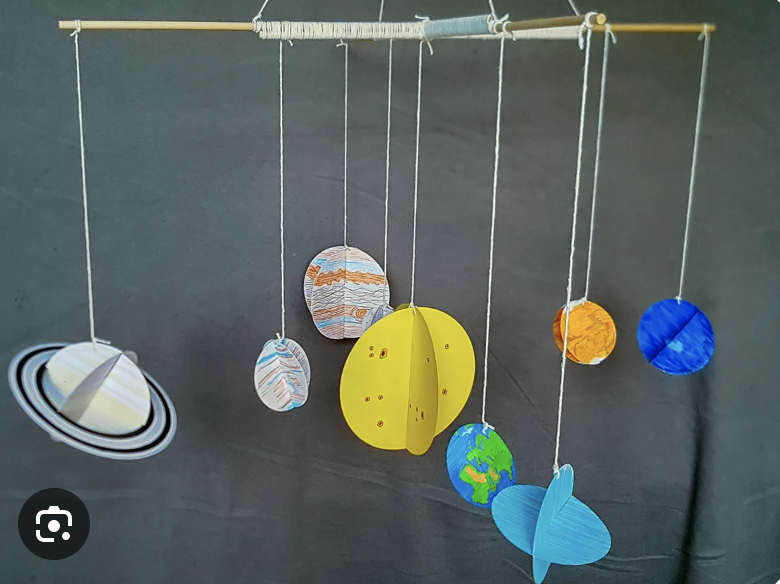 Mobile |
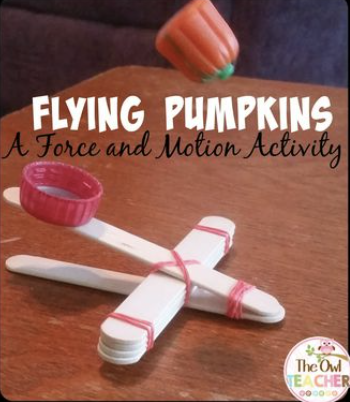 Catapult |
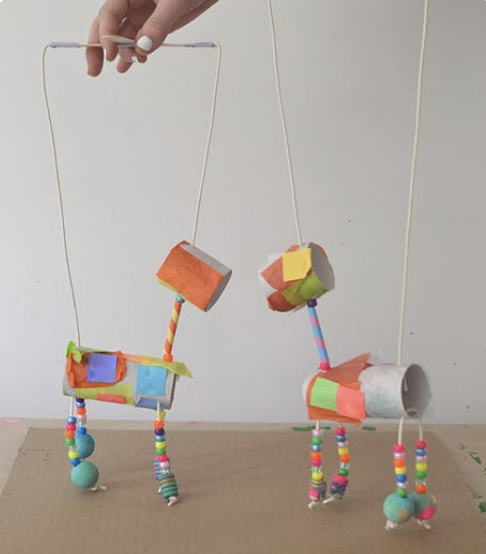 Puppets |
 Wind chime |
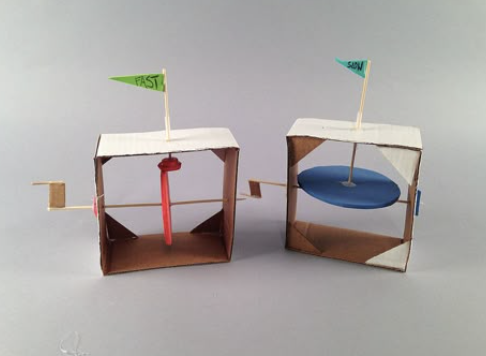 Moving contraption |
NOVEMBER
Circuit Canvasses
Incorporating a circuit into a piece of artwork that lights up or moves an element!
DECEMBER
Pixelations
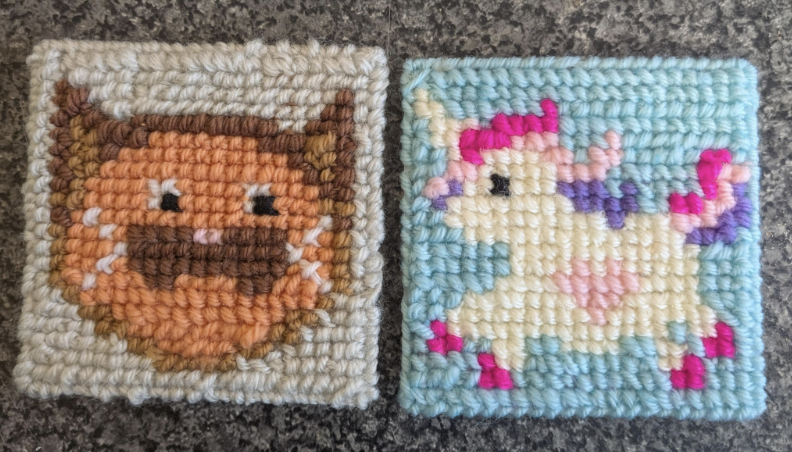
A creative Pixelation Challenge. Create any artwork designed with pixelations (circles or squares) of color. Examples: cross stitch, melty beads, block quilts
Pixelation Contest Rules and Guidelines
Some examples of Pixelations:
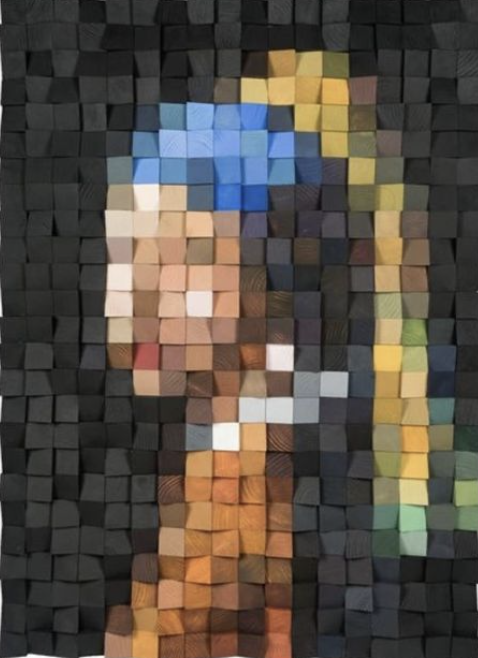 Mosaic art |
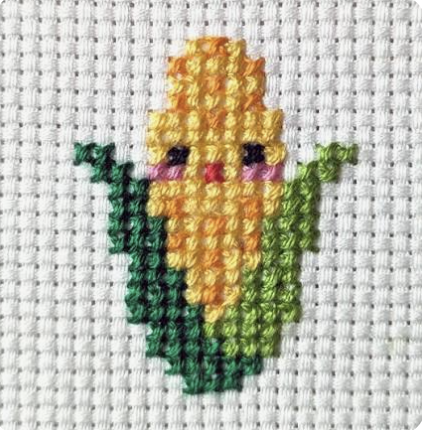 Cross Stitch |
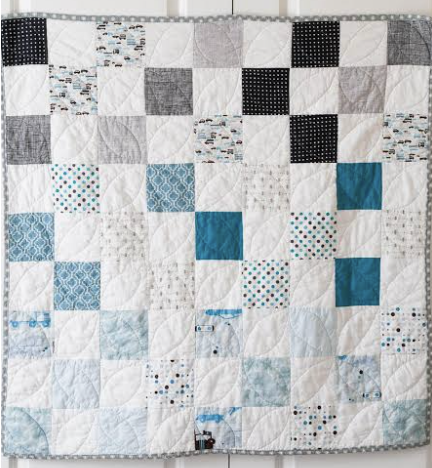 Block Quilt |
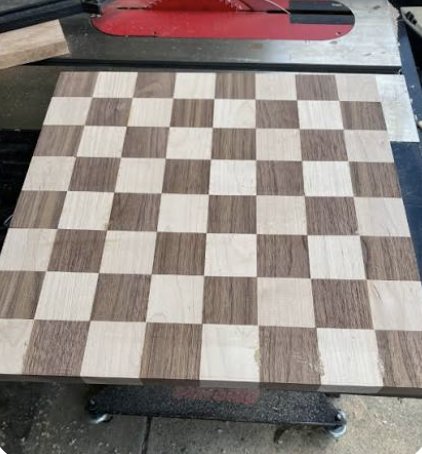 Handmade wooden chess board |
 |
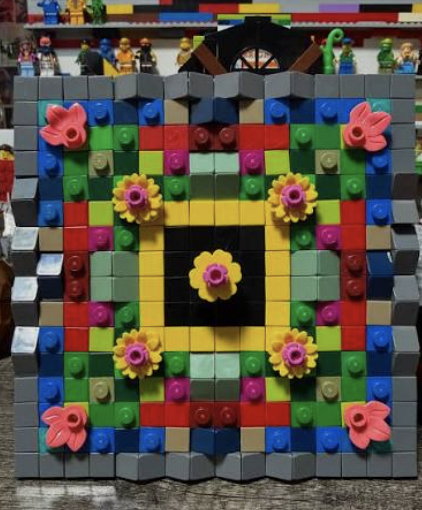 Lego mosaic |
JANUARY
Biomimicry
Become a Bio-Explorer: Solve Human Problems with Nature's Superpowers!
What if the answer to humanity's biggest engineering challenges has been growing in your backyard all along?
Nature has had 3.8 billion years to research, test, and perfect its designs. From silent trains inspired by kingfisher beaks to super-strong tape modeled after gecko feet, biomimicry is the secret art of copying nature to build a smarter, cooler world. Now it's your turn!
4 Steps to Design Like Nature
-
Find a Real-World Problem
What annoys you or needs fixing? Think about keeping things clean, moving faster, staying warm, reducing waste, etc. -
Ask Nature How It Solves It
Search for animals, plants, or insects that deal with similar challenges. How do lotus leaves stay clean in muddy water? How do pinecones react to rain? -
Borrow the Blueprint
Sketch a model, build a prototype out of craft supplies, or write a proposal using nature’s trick as your key feature. -
Show Off Your Innovation
Test your design, refine it, and share your bio-inspired invention with friends, teachers, or at a science fair!
Some examples of biomimicry in life:
|
The Bullet Train & the Kingfisher
When Japan’s high-speed bullet trains zoomed into narrow tunnels, they pushed air ahead like a giant piston. Upon exiting, that trapped air exploded into a loud, disruptive sonic boom that rattled nearby homes! Engineer and birdwatcher Eiji Nakatsu noticed that the kingfisher bird dives effortlessly from air into dense water without making a splash. By reshaping the train’s front nose like the kingfisher’s long, wedge-shaped beak, the train was able to slice through compressed air in tunnels smoothly. The result? No more loud booms, a smoother ride, and a faster, more energy-efficient train! |
Burrs & Velcro
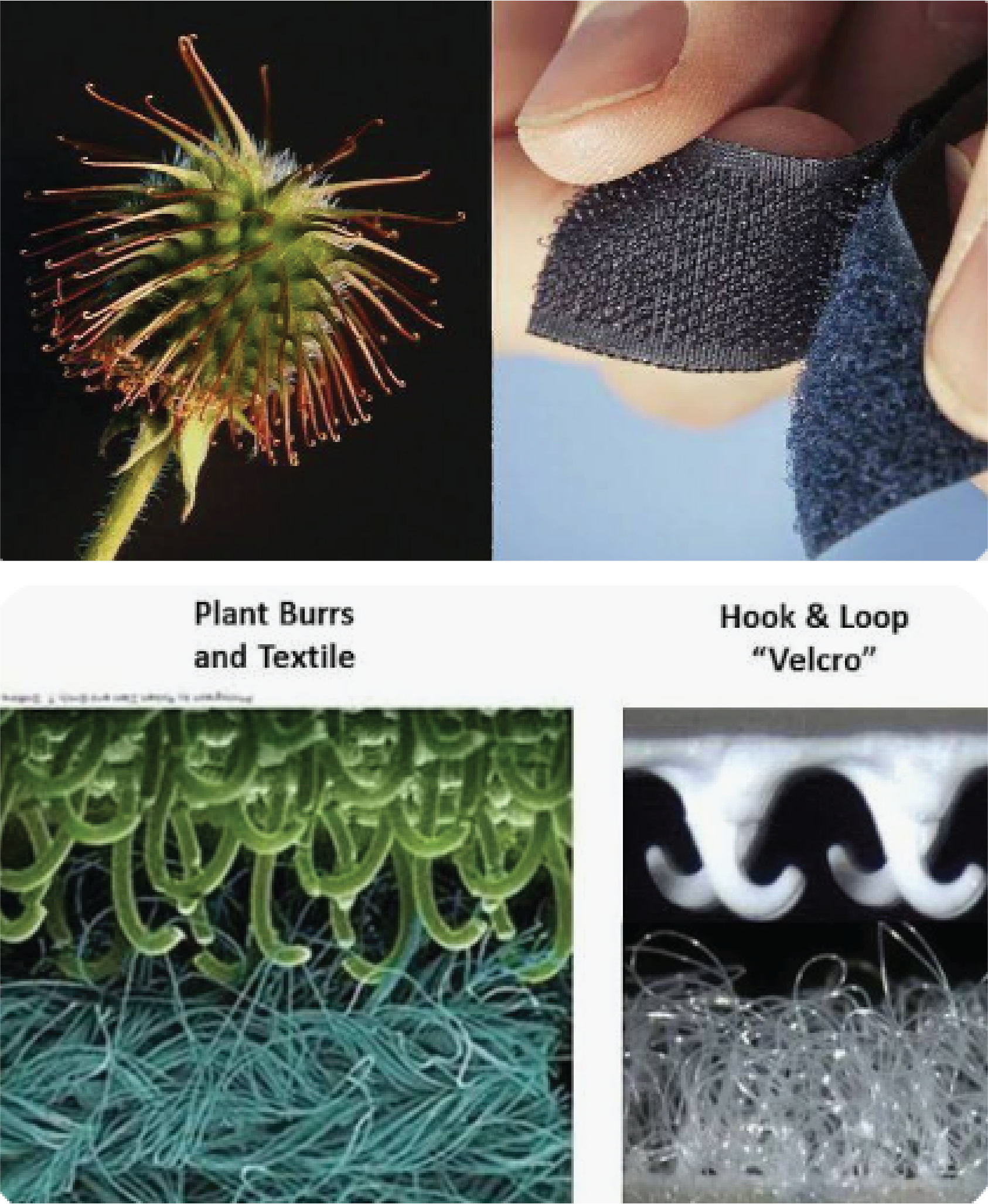
In 1941, Swiss engineer George de Mestral went for a walk in the woods with his dog. When they got home, both his pants and his dog’s fur were covered in pesky seed pods called burrs. Instead of getting annoyed, he got curious! He pulled out a microscope and looked closely at the burrs. He was amazed to see hundreds of tiny, flexible hooks covering the surface. When the burrs brushed against woven clothing or animal fur, these little hooks caught onto the fabric's tiny loops. De Mestral realized he could copy this trick from nature: he created one strip of fabric covered in tiny plastic hooks and another covered in soft loops. Press them together, and they stick; pull them apart, and they release—giving birth to Velcro! |

FEBRUARY
Digital Arts Challenge
A fun competition focusing on digital arts. This includes several categories including photography, videography, 2D, and 3D Digital Arts, as well as a 30 hour video shoot contest and AI generated art
For more information, rules, and guidelines, select your interest below:
• Pixelation
• Artificial Intelligence Art (email Pam for A.I. Art details at: pamela.vanwagoner@usu.edu)
MARCH
Fat Quarter Challenge
Using a Fat Quarter Fabric cut, design an item that can be used to solve a problem you are facing. Do you need a bag to hold your snacks? Do you need a board to put your jewelry on? Design it using a fat quarter of material and enter it into this challenge.
APRIL
STEM in the Wild
Use the design process to help solve a problem we are facing in nature.
Examples: create a new way to prevent erosion after a wildfire, find a way to help wild animals avoid being hit by cars, etc.
MAY
Game Design Challenge
The Game Design Challenge is fun way to create and build your very own board game! Use iterations to create a game concept, test it out and refine it until you have created an amazing game!
Game Design Challenge Rules
Utah Drone Challenge
Using a drone, teamwork, and critical-thinking, Flight Crews (team of 3 youth members) complete challenges, solve problems, a propose solutions to community challenges! This is a fun, hands-on opportunity to experience drones and show off your skills competing against youth across the state!
Utah Drone Challenge
📅 May 1, 2027
📍 Salt Lake County
Register on Zsuite (4h.zsuite.org)
JUNE
Service in STEM
We love to see how you're using STEM to serve in your community!
Email Deb (deborah.ivie@usu.edu) with any questions and for additional details.