
Selecting and Preparing Broilers for Show
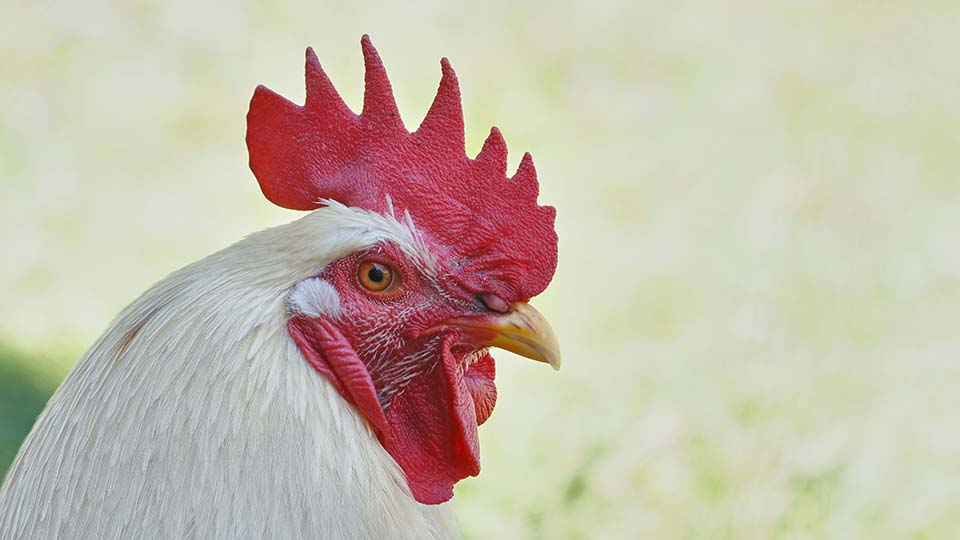
Raising meat-type chickens at home can be a rewarding and productive experience. Not only does it put meat in the freezer, it can also be a great 4-H project for young poultry enthusiasts. Many counties provide opportunities at fairs and other venues to show broilers in competition. The purpose of this fact sheet is to serve as a guide for poultry 4-H project participants and others wishing to participate in preparing their birds for the show.
Initial Preparation
-
Two weeks before the show, make preliminary selection of the broilers. Select three birds for every one you wish to show. Leg band them so that they can be easily identified. Ideally they should be separated from the rest of the flock with their own source of feed, water, and fresh bedding.
-
Two days before the show, place them in coops or temporary catch pen so they can be easily handled.
-
Weigh each broiler. Eliminate all birds above or below the minimum and maximum weights set forth in the show rules.
-
Examine the selected broilers meeting the weight requirements for the following physical faults (do not consider any bird that has one or more of these defects):
General Defects
- Cuts and tears
- Broken or disjointed bones
- Skin or flesh bruises anywhere other than on the wing tip
- Breast blisters
- Extremely dirty feathers
- Large ulcers or sores of the foot pad
- Insect bites
- External parasites (e.g. lice or mites)
Feathering Defects
- Pin feathers, particularly those just coming through the skin.
- Discolored areas of skin caused by sunburn or raw skin resulting from inadequate feathers (i.e., “barebacks”).
- Feather color is important only to the extent that it might detract from the appearance of the ready-to cook poultry. Generally speaking, any color is acceptable.
Conformation Defects
- Breast that is dented, crooked, or knobby.
- V-shaped breast or “slab-sided” (birds which are much deeper than they are wide).
- Back that is narrow, crooked, humped, or hunched.
- Deformed legs and/or wings.
- Body that is definitely wedge-shaped.
- Defects such as crooked toes or beaks. (These may be important considerations in judging for placement of closely matching birds.)
Fleshing Defects
- Width of breast not carried well back to the end of keel, or which is V-shaped or concave rather than full and rounded (U-shaped).
- Thin drumsticks and thighs.
- Back that is not well fleshed along the vertebrae and around the hip bones.
Finish Defects
- Lack of fat cover in the skin between the heavy feather tracts in the collar of the wishbone where the thigh skin joins the breast, or around the tail head and the abdominal region.
-
Place birds that pass the above inspection in a separate coop or pen for consideration as potential show birds.
-
Select your entry from this group of birds considering these factors:
- Length – The breastbone should be long, straight, and free from defects such as dents or knobs and carried well back between the legs. Breastbone should be parallel to backbone.
- Width – back should be long and wide with a broad spring of ribs.
- Depth – The body should be full and deep. Body depth must be consistent with breast width, or balanced. Birds which are extremely deep but are narrow across the back and breast are termed “slab sided.”
- Fleshing – fleshing refers to the amount and distribution of muscle. Breast, drumsticks, and thighs carry the bulk of the meat and should be examined closely. As the breast meat is the most valued part of the broiler, this section should be given considerable attention.
Final Preparations
-
Each broiler intended for the show should have clean legs, feet, and feathers. Wash feet and legs in warm soapy water (use a mild dishwashing detergent). An old toothbrush may be helpful in removing dirt and grime. To clean feathers, dip the bird in a shallow tub of 95°F water to which has been added a small amount of mild dishwashing detergent. Gently work the soapy water through the feathers with your hands. Rinse in another tub of 80°F to 90°F water. It is recommended to rinse in an additional tub of 70°F water in order to remove all detergent and help acclimatize the birds to ambient temperature. Some exhibitors may add a few drops of glycerin or a little bluing agent to this last tub of water giving the feathers an added glossiness and crisp color. Caution should be used not to add too much glycerin or bluing; otherwise, the feathers may take on an unnatural blue coloration or become a sticky after drying. Dry with a towel and place birds on clean shavings in a warm draft-free area. Wash birds at least 24 hours before the show so they have time to thoroughly dry and preen their feathers.
-
While transporting to the show, place each broiler in its own separate cage with floor covered with plenty of clean wood shavings. This will help minimize feather soiling on transit.
-
If the show entry requires a pen of birds, make sure each broiler in the pen is closely matched in size, gender, conformation, and color.
Remember, showing broilers in competition is meant to be an enjoyable experience. Not everyone will raise a grand champion, but everyone is a winner who participates and comes away with a greater understanding of poultry raising.
References
- Dobson, Donald C. and Scott S. McKendrick. Utah 4-H Jr. Broiler Project Members Manual. 1985.
- Frame, David D. and Lynn G. Bagley. Utah Broiler Handbook. Unpublished.
- Mather, F. Ben and Jacqueline P. Jacob, Preparing Poultry for Show. Document No. PS34. University of Florida Cooperative Extension Service, Institute of Food and Agricultural Sciences. 1998/2003.
September 2010
Utah State University Extension
Peer-reviewed fact sheet
Authors
David Frame, DVM, Diplomate ACPV, former Utah State University Extension Poultry Specialist
Related Research
Basic Selection, Nutrition and Care of Show Poultry
The championship potential of a chicken is determined by genetics. Genetics are the traits inherited from its parents. The chicken’s environment dictates if the genetic potential can be met.

Basics for Raising Backyard Chickens
A guide to raising backyard chickens, covering brooding, housing, perches, nest boxes, water, feed, predator control, lighting, egg production and molting.
Basics for Raising Junior Market Turkeys for Junior Turkey Show
This fact sheet is constructed to be used by 4-H and FFA youth for training or as a tool to aid in the growing of market turkeys for the Utah Junior Turkey Show or for local turkey shows.
Biosecurity Principles for Poultry Exhibitors: Protecting Your Investment
A guide on disease prevention for exhibition poultry, covering biosecurity practices like flock isolation, sanitation, equipment disinfection, and quarantine procedures.

Causes and Control of Selected Diseases Related to Backyard Chicken Flocks in Utah
Although most small backyard flocks of chickens remain relatively healthy, it is useful to note a few diseases and abnormalities that may be occasionally encountered.
Handling Baby Poultry
Chickens, ducks, geese, turkeys, peafowl, and game birds can harbor and transmit certain agents that might infect people. These practices will help minimize the chance for disease transmission between you and your poultry.

Hatching and Caring for Chicks
This fact sheet provides essential guidelines for hatching eggs and raising chicks, covering topics such as egg collection, incubation, candling, hatching, and chick care. It includes best practices for ensuring a high hatch rate, proper storage, brooder


Information for the Poultry Showmanship Judge
A guide for judges evaluating youth poultry showmanship competitions, covering how to assess exhibitors' stewardship skills, bird presentation, and poultry knowledge.
Molting and Determining Production of Laying Hens
A guide to better understand and evaluate the status of egg production in the domestic fowl.

Organizing a Poultry Showmanship Contest
A guide to organizing a poultry showmanship contest, including eligibility, class divisions, equipment, location, timing and judge qualifications.

Preparing Your Bird for the Poultry Showmanship Contest
Careful preparation prior to the show is necessary to be an effective show person. The calmness of the chicken is a reflection of how much the bird has been handled and worked with prior to the show.
Principles of Feeding Small Flocks of Chickens at Home
An overview of feeding and nutrition principles for chicken owners, including water, feed quality, feeding systems and feed consumption.
Selecting and Preparing Broilers for Show
Raising meat-type chickens at home can be a rewarding and productive experience. Not only does it put meat in the freezer, it can also be a great 4-H project for young poultry enthusiasts.
What is Expected of the Poultry Showman?
Poultry showmanship is the opportunity for you as a young exhibitor to demonstrate your abilities as a poultry steward and to communicate your knowledge of the poultry industry.

Hatching and Caring for Chicks
Essential guidelines for hatching eggs and raising chicks, covering topics such as egg collection, incubation, candling, hatching, and chick care.

Egg Quality, Safety and Flock Health
This guide offers practical advice to help you raise resilient, high-laying hens and build a successful small-scale egg production system, no matter your level of experience.
Managing Chickens From Chicks to Peak Egg Production
This fact sheet covers poultry history, top egg-laying breeds, egg anatomy, nutrition, and practical tips to help farmers improve productivity and run successful egg production ventures.

A Farmer's Guide to Egg Quality, Safety, and Flock Health
This guide offers practical advice to help you raise resilient, high-laying hens and build a successful small-scale egg production system, no matter your level of experience.