
Molting and Determining Production of Laying Hens
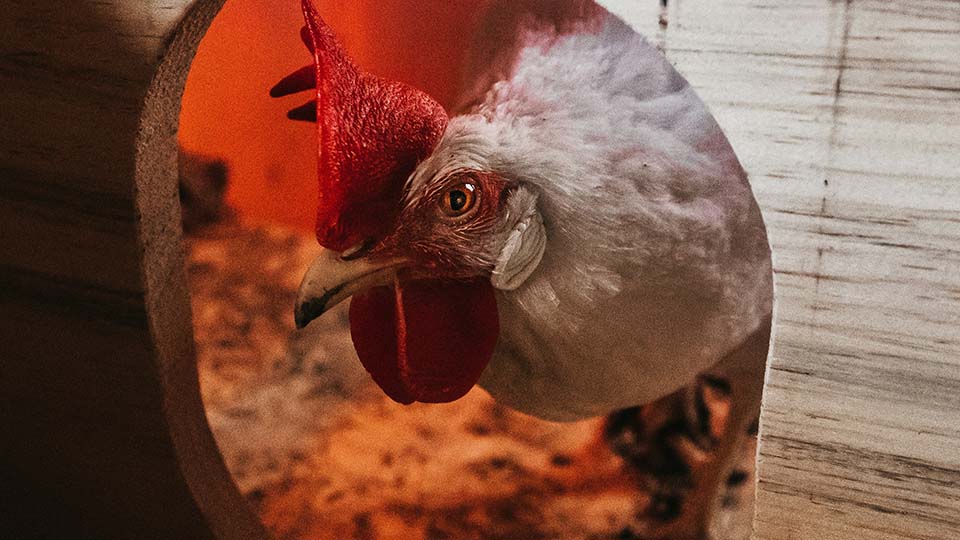
Evaluation of Hens in Production


A frequently asked question from agricultural Extension agents is, “How can I tell if hens are in egg production?” Although there are numerous publications treating this question in profound depth, the purpose of this fact sheet is to provide agricultural agents as well as the inquisitive small flock owner with a brief synopsis that will serve as a helpful guide. Besides the obvious presence or absence of eggs in the nest, the status and duration of egg production in chickens can be evaluated by:
- Pigmentation
- Body condition
- Condition and state of feathering
Each of these criteria will be discussed in subsequent sections.
Pigmentation
Genetically predisposed yellow-skinned chicken breeds (e.g., Mediterranean and Continental) fed a diet containing xanthophyll will exhibit a yellow color to fat, skin, beak, legs, and feet. Xanthophyll, a carotenoid pigment, is found in feed ingredients such as corn, alfalfa, and corn gluten meal. When consumed, this pigment is transferred to the tissues, thus imparting the yellow color. This same pigment is also responsible for the yellow color of egg yolk. When in egg production, the hen will preferentially deposit the pigment into the yolk rather than transferring it to other parts of the body. As production progresses, the yellow areas of the body will gradually be replaced by non-pigmented tissues. This gain and loss of body tissue pigmentation is a valuable tool in assessing the lay status of these hens. (The following pigmentation guidelines do not apply to genetically white-skinned breeds, such as Dorking, Sussex, and Orpington, because no yellow pigment is deposited in the tissues.)
Laying hens will lose their yellow pigmentation in the following order as egg production progresses:
-
Vent (orifice from which eggs are deposited)
. . .fades soon after egg production begins. -
Eye ring (inner edges of eyelids)
. . .loses pigment a little slower than vent. -
Beak (starts fading at base first)
. . .totally faded beak indicates approximately 4 to 6 weeks into production. -
Bottom of feet
. . . fades sometime between about 8 to 12 weeks into production. -
Shanks
. . . a totally depigmented shank is usually a sign that the hen has been in sustained egg production for at least 15 to 20 weeks. -
Hocks and upper side of toes
. . . these areas are the last to lose yellow pigmentation.
Approximate time in lay can be estimated by observing the successive loss of pigment in body parts. For example, a hen with an entirely bleached beak but pigment still on the feet and legs will have been in egg production for about 4 to 6 weeks. After the hen has ceased laying, pigment will reappear in the same order (i.e., vent first, then eye ring, base of beak, etc.). Consequently, length of time since cessation of egg production can be estimated by the location of reappearing pigment. Note that pigment will come back about twice as fast as it bleaches out.
Body condition
High producing hens will have a tendency to lose body weight as sustained egg production progresses. Formation of the egg takes priority over fat deposition. During the rest period between clutches of eggs, the body will be rejuvenated by the loss and replacement of feathers (i.e. molting) and by gaining back optimal body weight. This is dependent, of course, on the birds receiving proper nutrition.
Other body indications of egg production status:
-
Comb and wattles (red appendages on head and neck)
. . . bright red and turgid in hens in production; shrunken and pale in non-producers. -
Vent
. . . soft and pliable in hens in production; shrunken and dry in non-producers. -
Area between pelvic bones just below the vent*
. . .In a non-producer, it is only possible to insert one or two fingers between the bones; a mature hen in production will generally allow sufficient room for the insertion of three to four fingers.
*Guideline for standard-sized fowl.
Feather condition
Molting refers to the orderly loss and replacement of feathers. This generally occurs once per year (normally in the fall) in mature chickens. Feathers are molted in the following order:

- Head
- Neck
- Body (includes breast, back, and abdomen)
- Wings (Primary wing feathers will begin to be shed before secondaries. Primaries will be lost sequentially from innermost #1 to outermost #10.) (See Figure 1.)
- Tail
Condition of the feathers can reveal a lot about the production status of a hen. As the season progresses, feathers will become worn and ragged. High-producing hens will often have an unkempt appearance late into the fall after the normal time when molting should take place. Feathers become worn because they have not yet been replaced. This is caused by persistent egg production, which takes priority over feather replacement.
Keep in mind that the shedding and growing of feathers is a dynamic process. Feathers in some areas will be growing back as others are being lost in other parts of the body. As a general rule, hens will not molt until they have ended their egg-laying cycle (i.e., “clutch”). However, high-producing strains, and even certain individual hens, may tend to continue to lay and molt at the same time, but only if they can maintain their body weight. Both laying eggs and molting require a huge amount of energy, which is the reason it is difficult to do both at the same time. If egg production continues as molting proceeds, the molting process will take longer.
Summary
The ability to determine the lay status would be helpful in small flocks where the owner might be interested in assessing and culling individual hens.
The importance of feather loss and regrowth is to be aware that 1) feather condition is often an indicator of egg-laying status and 2) the molting process requires focused energy. Hens must periodically replace their plumage and regain adequate body weight in order to keep healthy and prepare for the following egg producing season. A properly rejuvenated hen will produce eggs at her optimum rate once she comes back into production.
Although there is variation between breeds and strains of chickens, and even in individual hens of the same breed, the information in this fact sheet serves as a guide to better understand and evaluate the status of egg production in the domestic fowl.
Photos courtesy of Mark C. Bland, DVM
February 2009
Utah State University Extension
Peer-reviewed fact sheet
Authors
David D. Frame, DVM, former Extension Poultry Specialist
Related Research
Basic Selection, Nutrition and Care of Show Poultry
The championship potential of a chicken is determined by genetics. Genetics are the traits inherited from its parents. The chicken’s environment dictates if the genetic potential can be met.

Basics for Raising Backyard Chickens
A guide to raising backyard chickens, covering brooding, housing, perches, nest boxes, water, feed, predator control, lighting, egg production and molting.
Basics for Raising Junior Market Turkeys for Junior Turkey Show
This fact sheet is constructed to be used by 4-H and FFA youth for training or as a tool to aid in the growing of market turkeys for the Utah Junior Turkey Show or for local turkey shows.
Biosecurity Principles for Poultry Exhibitors: Protecting Your Investment
A guide on disease prevention for exhibition poultry, covering biosecurity practices like flock isolation, sanitation, equipment disinfection, and quarantine procedures.

Causes and Control of Selected Diseases Related to Backyard Chicken Flocks in Utah
Although most small backyard flocks of chickens remain relatively healthy, it is useful to note a few diseases and abnormalities that may be occasionally encountered.
Handling Baby Poultry
Chickens, ducks, geese, turkeys, peafowl, and game birds can harbor and transmit certain agents that might infect people. These practices will help minimize the chance for disease transmission between you and your poultry.

Hatching and Caring for Chicks
This fact sheet provides essential guidelines for hatching eggs and raising chicks, covering topics such as egg collection, incubation, candling, hatching, and chick care. It includes best practices for ensuring a high hatch rate, proper storage, brooder


Information for the Poultry Showmanship Judge
A guide for judges evaluating youth poultry showmanship competitions, covering how to assess exhibitors' stewardship skills, bird presentation, and poultry knowledge.
Molting and Determining Production of Laying Hens
A guide to better understand and evaluate the status of egg production in the domestic fowl.

Organizing a Poultry Showmanship Contest
A guide to organizing a poultry showmanship contest, including eligibility, class divisions, equipment, location, timing and judge qualifications.

Preparing Your Bird for the Poultry Showmanship Contest
Careful preparation prior to the show is necessary to be an effective show person. The calmness of the chicken is a reflection of how much the bird has been handled and worked with prior to the show.
Principles of Feeding Small Flocks of Chickens at Home
An overview of feeding and nutrition principles for chicken owners, including water, feed quality, feeding systems and feed consumption.
Selecting and Preparing Broilers for Show
Raising meat-type chickens at home can be a rewarding and productive experience. Not only does it put meat in the freezer, it can also be a great 4-H project for young poultry enthusiasts.
What is Expected of the Poultry Showman?
Poultry showmanship is the opportunity for you as a young exhibitor to demonstrate your abilities as a poultry steward and to communicate your knowledge of the poultry industry.

Hatching and Caring for Chicks
Essential guidelines for hatching eggs and raising chicks, covering topics such as egg collection, incubation, candling, hatching, and chick care.

Egg Quality, Safety and Flock Health
This guide offers practical advice to help you raise resilient, high-laying hens and build a successful small-scale egg production system, no matter your level of experience.
Managing Chickens From Chicks to Peak Egg Production
This fact sheet covers poultry history, top egg-laying breeds, egg anatomy, nutrition, and practical tips to help farmers improve productivity and run successful egg production ventures.

A Farmer's Guide to Egg Quality, Safety, and Flock Health
This guide offers practical advice to help you raise resilient, high-laying hens and build a successful small-scale egg production system, no matter your level of experience.