
Organizing a Poultry Showmanship Contest

Poultry showmanship is an opportunity for young people to demonstrate their ability to present and display their bird and communicate their knowledge of poultry husbandry to others. It is the exhibitor’s time to interact, one on one, with a poultry judge.
Who is eligible to Show?
4-H and FFA members and younger children, who assume the responsibility of caring for their own birds, make good showmanship candidates if they are able to understand the purpose and benefits of this type of competition.
How are Showmanship classes divided?
Ideally, a separate class should be created for each age group by year, for example all 3rd graders, all 4th graders, etc. When there are insufficient numbers to achieve this (aim for four or more entries per class) the competition may be divided as follows: Pre-junior (children in grades K – 2nd) Junior Division for children grades 3rd – 5th, Intermediate Division for children grades 6th – 8th, and Senior Division for grades 9th – 12th. Some shows add a Novice class to meet the needs of those who have never participated in showmanship before, regardless of age.
What equipment is necessary?
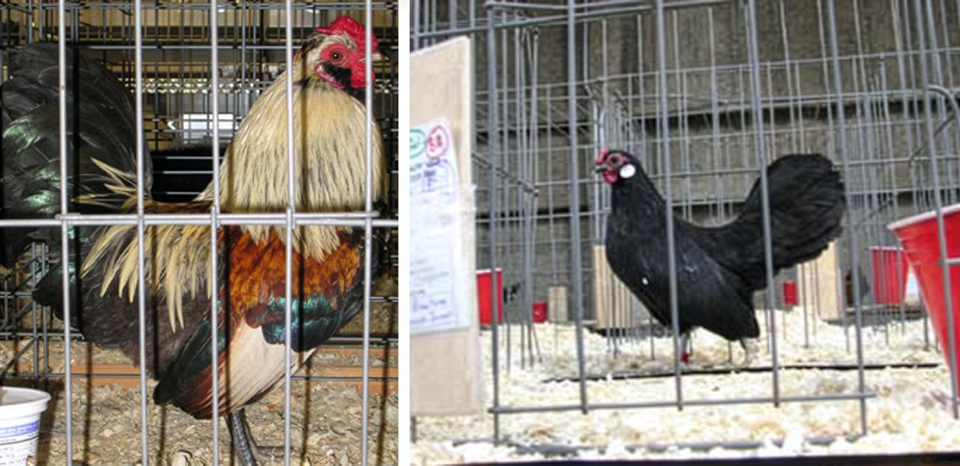
Cages may be needed so exhibitors can demonstrate the proper way birds should be taken from and put in cages. All cages should be bedded with good quality clean shavings for safe footing. A table with a none-slick surface or matting is needed for posing and walking of the bird. A microphone is helpful for calling exhibitors and giving instructions. Sometimes the judge will want to offer advice or elaborate when the class is finished.
Where is the contest held?
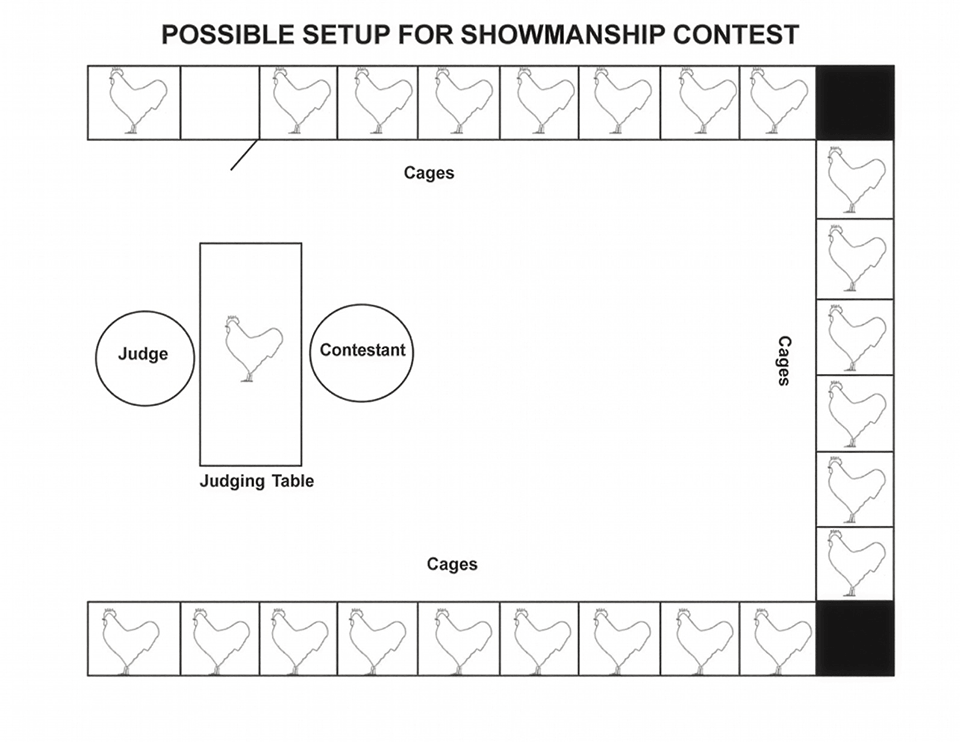
The contest should be visible. It is best held in or near the show rooms. An area large enough to provide freedom of movement is important. A good choice of locations would be a livestock arena if it is available and close by.
When is the contest held?
Some shows set aside an extra day for showmanship. When showmanship is held on the same day as the regular show, it should take place before or after the exhibition judging.
Who should judge the showmanship contest?
Any knowledgeable poultry person with a positive attitude and an interest in youth can judge. 4-H leaders, FFA teachers, and seasoned adult exhibitors also make good candidates. Potential judges must have a good general knowledge of the various breeds and varieties and possess the ability to communicate easily with young people. A good judge must also be able to assess the expected knowledge level of the showmanship class under consideration (i.e., younger vs. older classes), and be able to ask age level appropriate questions.
References
- Poultry Showmanship, A Manual for the Organizer and the Judge. Published by the American Poultry Association.
- American Standard of Perfection 2010, Published by; American Poultry Association, INC. Burgettstown, Pennsylvania.
February 2012
Utah State University Extension
Peer-reviewed fact sheet
Authors
Troy D. Cooper, former Extension Associate Professor, Duchesne County; David D. Frame, DVM, DACPV, former Extension Poultry Specialist, Central Utah Veterinary Diagnostic Laboratory
Related Research
Basic Selection, Nutrition and Care of Show Poultry
The championship potential of a chicken is determined by genetics. Genetics are the traits inherited from its parents. The chicken’s environment dictates if the genetic potential can be met.

Basics for Raising Backyard Chickens
A guide to raising backyard chickens, covering brooding, housing, perches, nest boxes, water, feed, predator control, lighting, egg production and molting.
Basics for Raising Junior Market Turkeys for Junior Turkey Show
This fact sheet is constructed to be used by 4-H and FFA youth for training or as a tool to aid in the growing of market turkeys for the Utah Junior Turkey Show or for local turkey shows.
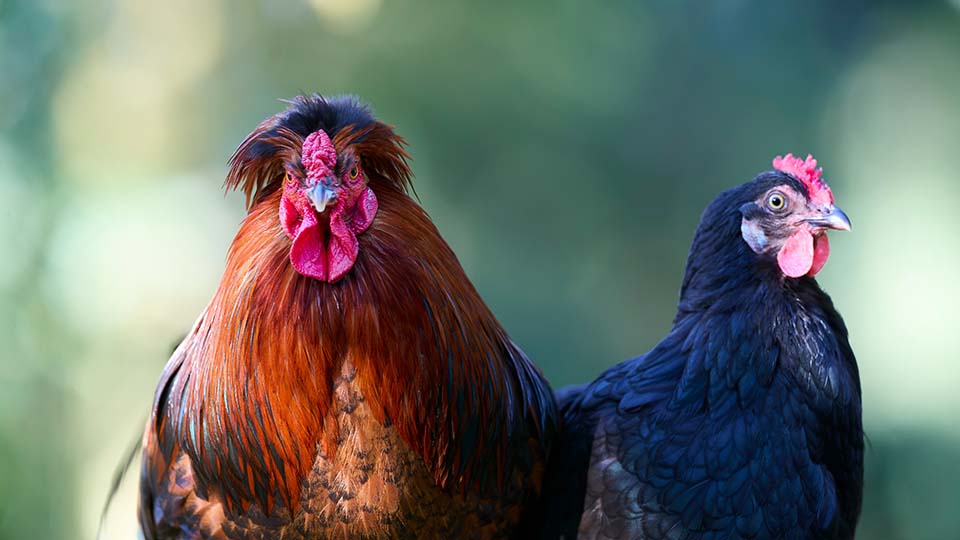
Biosecurity Principles for Poultry Exhibitors: Protecting Your Investment
A guide on disease prevention for exhibition poultry, covering biosecurity practices like flock isolation, sanitation, equipment disinfection, and quarantine procedures.

Causes and Control of Selected Diseases Related to Backyard Chicken Flocks in Utah
Although most small backyard flocks of chickens remain relatively healthy, it is useful to note a few diseases and abnormalities that may be occasionally encountered.
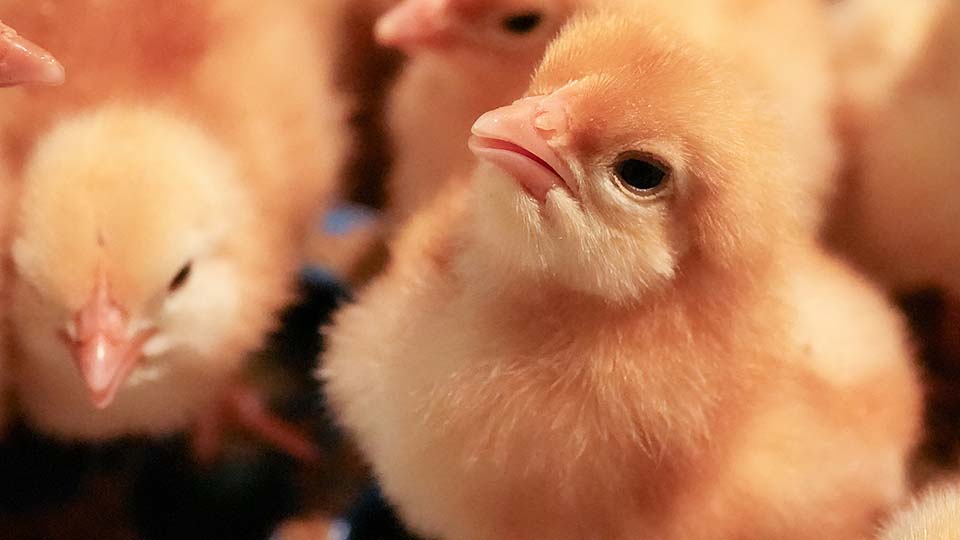
Handling Baby Poultry
Chickens, ducks, geese, turkeys, peafowl, and game birds can harbor and transmit certain agents that might infect people. These practices will help minimize the chance for disease transmission between you and your poultry.

Hatching and Caring for Chicks
This fact sheet provides essential guidelines for hatching eggs and raising chicks, covering topics such as egg collection, incubation, candling, hatching, and chick care. It includes best practices for ensuring a high hatch rate, proper storage, brooder


Information for the Poultry Showmanship Judge
A guide for judges evaluating youth poultry showmanship competitions, covering how to assess exhibitors' stewardship skills, bird presentation, and poultry knowledge.
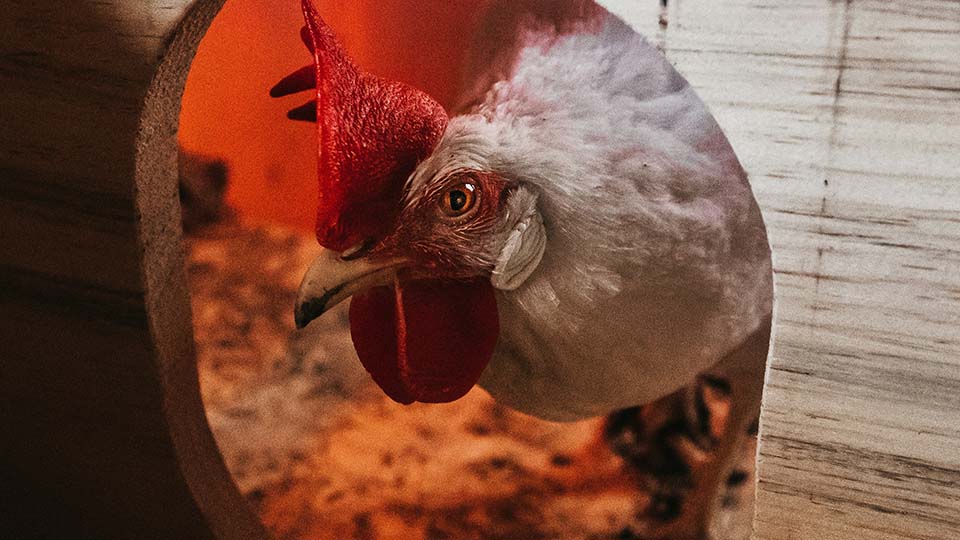
Molting and Determining Production of Laying Hens
A guide to better understand and evaluate the status of egg production in the domestic fowl.
Organizing a Poultry Showmanship Contest
A guide to organizing a poultry showmanship contest, including eligibility, class divisions, equipment, location, timing and judge qualifications.

Preparing Your Bird for the Poultry Showmanship Contest
Careful preparation prior to the show is necessary to be an effective show person. The calmness of the chicken is a reflection of how much the bird has been handled and worked with prior to the show.
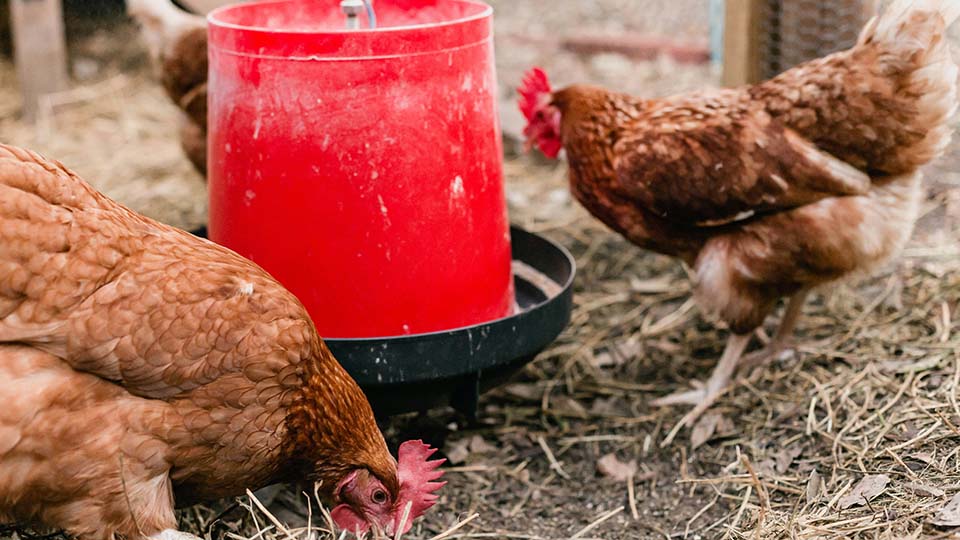
Principles of Feeding Small Flocks of Chickens at Home
An overview of feeding and nutrition principles for chicken owners, including water, feed quality, feeding systems and feed consumption.
Selecting and Preparing Broilers for Show
Raising meat-type chickens at home can be a rewarding and productive experience. Not only does it put meat in the freezer, it can also be a great 4-H project for young poultry enthusiasts.
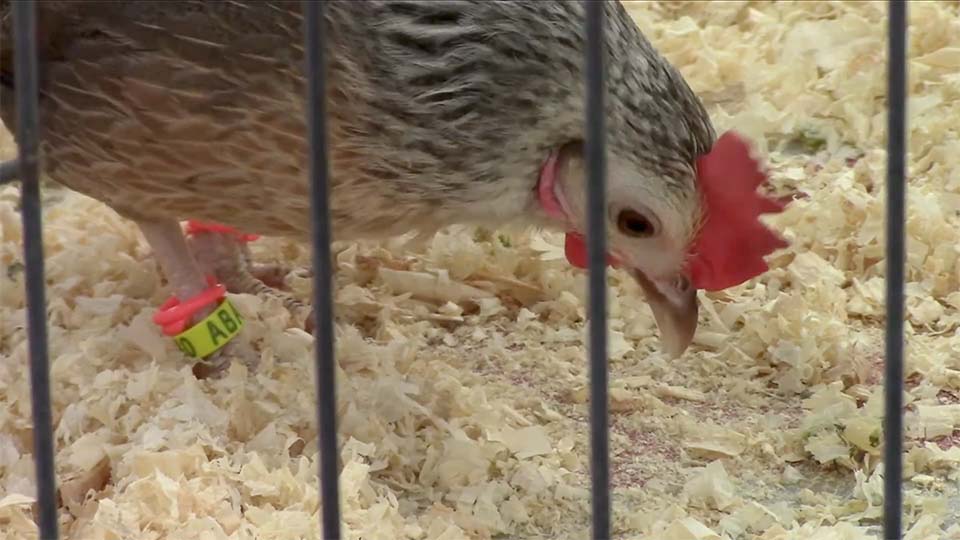
What is Expected of the Poultry Showman?
Poultry showmanship is the opportunity for you as a young exhibitor to demonstrate your abilities as a poultry steward and to communicate your knowledge of the poultry industry.

Hatching and Caring for Chicks
Essential guidelines for hatching eggs and raising chicks, covering topics such as egg collection, incubation, candling, hatching, and chick care.

Egg Quality, Safety and Flock Health
This guide offers practical advice to help you raise resilient, high-laying hens and build a successful small-scale egg production system, no matter your level of experience.
Managing Chickens From Chicks to Peak Egg Production
This fact sheet covers poultry history, top egg-laying breeds, egg anatomy, nutrition, and practical tips to help farmers improve productivity and run successful egg production ventures.

A Farmer's Guide to Egg Quality, Safety, and Flock Health
This guide offers practical advice to help you raise resilient, high-laying hens and build a successful small-scale egg production system, no matter your level of experience.