
Basic Selection, Nutrition and Care of Show Poultry
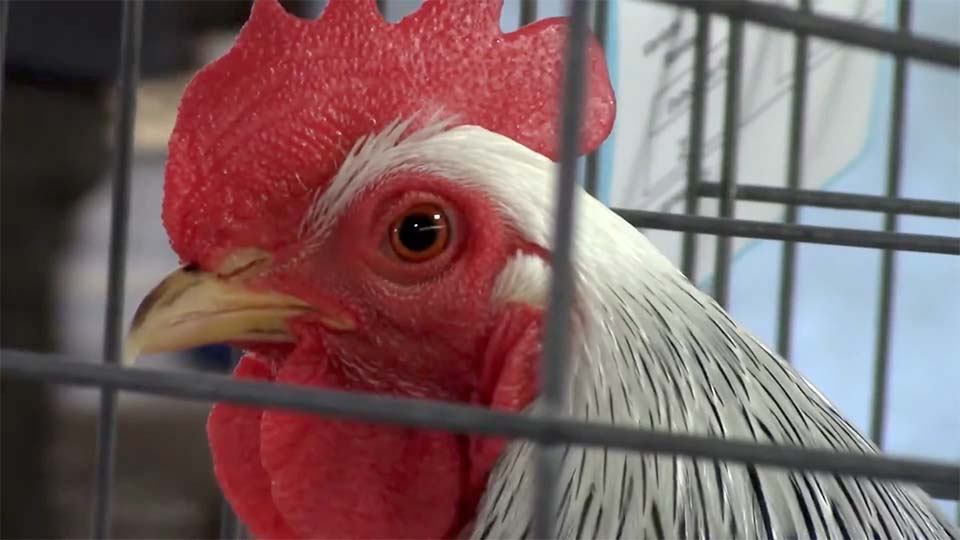
The championship potential of a chicken is determined by genetics. Genetics are the traits inherited from its parents. The chicken’s environment dictates if the genetic potential can be met. The chicken’s environment includes such things as, facilities, care, nutrition, health, training, etc.
Selection
There are many breeds and varieties of chickens both in the bantams and large fowl to choose from. If you cannot decide on a breed there are many books, magazines and Internet websites that can provide pictures, descriptions and positive and negative traits of many breeds. If you are interested in showing at the local level, getting day-old chicks from a mail order catalog or the internet is the most common way. The idea that every chick raised will be of show quality is not true. There are still several steps in selecting the chicken you will show.
There are a number of factors that should be taken into account when evaluating chickens to be shown. In selecting chickens for shows it is important to look at the bird as a whole. You are looking for a good overall bird and not one that just has one or two outstanding features. You should look for certain characteristics and qualities when selecting birds for show. The bird needs to meet breed characteristics such as body shape, tail carriage, comb type, feather pattern, etc., for the breed exhibited. This information can be obtained from the American Standard of Perfection (www.amerpoultryassn.com). This is a good book to own for the serious exhibitor of standard and bantam breeds (Scheidler, S.E.). The following are disqualifications and defects that should be checked out before your final bird selection. You will be looking at your bird’s tail, wings, back, beak, feathers, comb, shank and toes. Some of the tail disqualifications are split tail, wry tail, and squirrel tail, along with twisted feathers in primaries, secondaries, main tail feathers, and sickles.
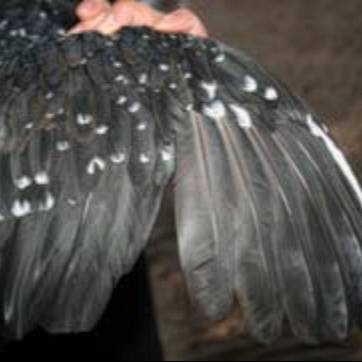
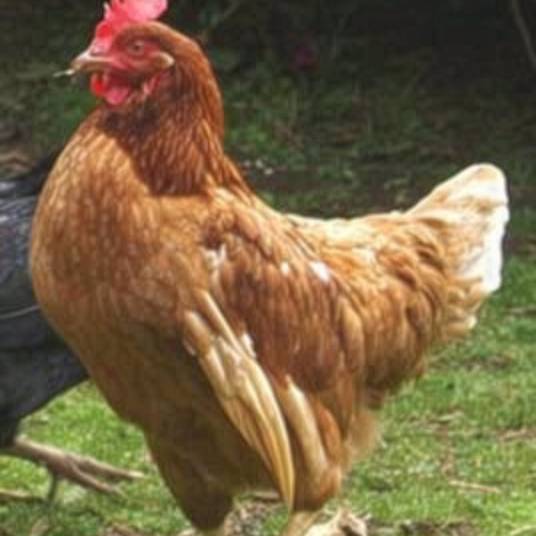
Problems with the wing can be slipped wing, split wing, and clipped wing.
Back defects include crooked or hunchback. Any beak deformity is grounds for disqualification.
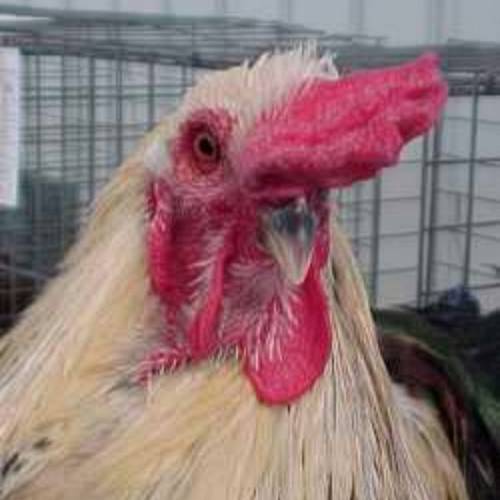
Look for birds with a comb foreign to the breed or variety. Some of the disqualifications that may show up are split single comb, side sprigs on single comb, and lopped comb. Females of Mediterranean breeds, New Hampshire and some rare breeds do have lopped comb.
Shanks and toes should be examined carefully for bowlegs, knock-knees, more or less than the required number of toes, and stubs or down on shanks or toes of all clean legged breeds.
There are also specific disqualifications for each breed and variety. Refer to the American Poultry Association’s Standard of Perfection for details regarding the birds you have (Jacob and Mather, 1997).
In selection of a chicken for showmanship the above items should be considered along with the weight of the bird. A young exhibitor may not be able to hold a standard size bird for the amount of time required. For the younger exhibitor a bantam breed may be more desirable.
Nutrition
According to A. Lee Cartwright, Associate Professor and Extension Poultry Specialist, Texas A&M University, “No matter what a bird is fed it will only grow as well as you feed it, and it cannot grow beyond its maximal potential.” Bird feed should contain all nutrients needed to grow muscle, bone, internal organs, fat and feathers. The nutrients needed are carbohydrates, proteins, fats, minerals, vitamins and water. Fresh clean water and feed must be continuously available to birds at all times. There is a direct relationship between the amount of water a bird consumes and the amount of feed it will eat (Cartwright, L.A.). Chickens will drink approximately three times as much water by weight as they eat in feed. A good rule of thumb is to provide one quart of water for every four chickens. Water intake levels will also increase significantly during warm weather.
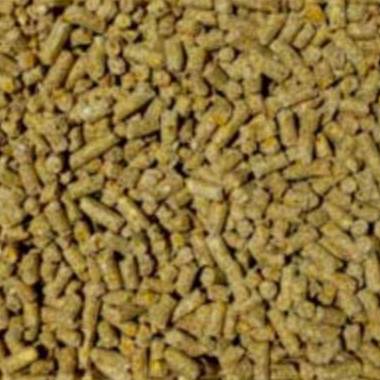
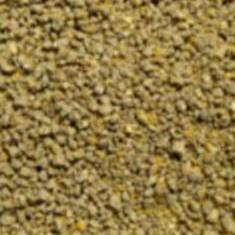
Birds of different ages and function have specific nutrient requirements, which are met by mixing together different feed ingredients. Formulating and mixing poultry feed is a complex process that ensures a diet contains all of the nutrients required by the bird. It is recommended that you feed a high quality commercial feed which can be purchased from most local feed stores. Commercial poultry feeds contain feed ingredients that are designed to meet the nutritional need of the bird and several types of rations are available (for example: starter, grower, finisher, and layer rations). It is important to choose the right ration for the type (pullet, layer, or broiler) and age of bird being fed (Timmons, Rhodes, Nottingham, Johnson, 2010).
It’s OK to let your chickens forage for bugs and greens, but always provide them access to the appropriate type of formulated balanced feed as well (Frame, 2008).
Housing
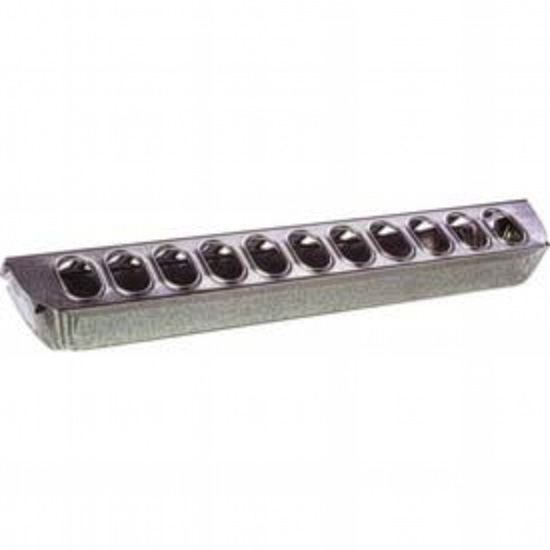
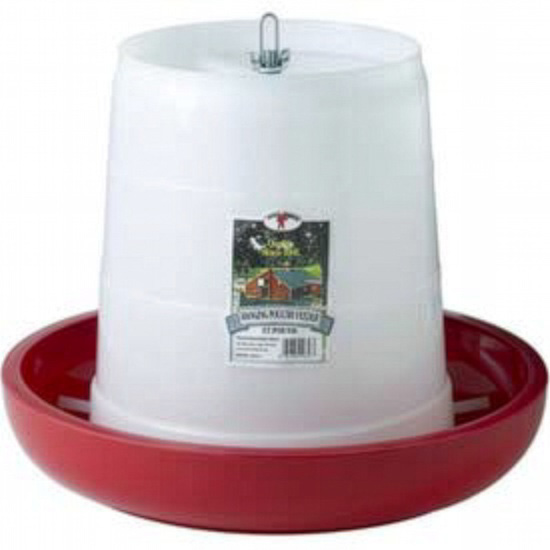
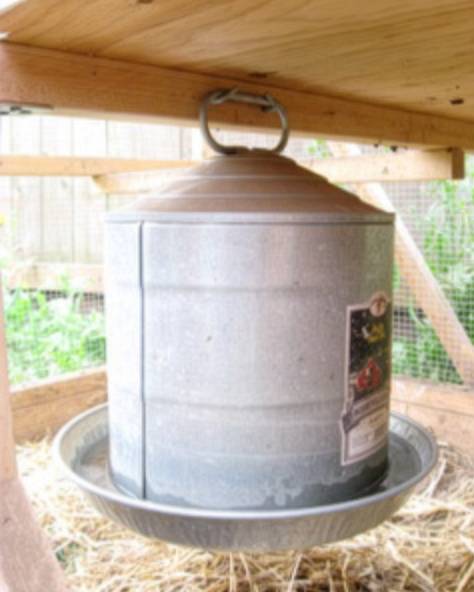
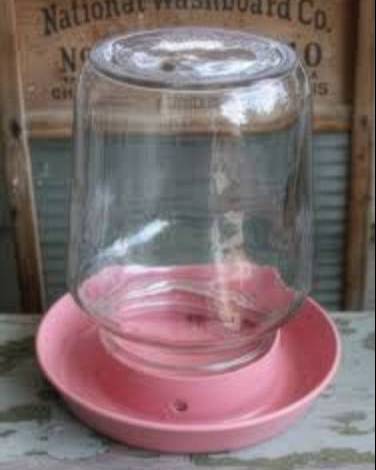
Your show birds should be raised in stress-free environments, safe from predators, with plenty of ventilation and a regulated temperature. Because chickens are vulnerable to temperature extremes, pay close attention to the thermostat so they don’t become heat stressed or have to expend energy warming up. Feeders and waters should be placed conveniently throughout the pen for birds' access. As the chicks grow place the bottom of the waterers and top lip of the feeders at the birds' back height. This will keep the feed and water clean and prevent wastage (Clauer, 2009).
Health Management
The disease agents we are concerned about include viruses, bacteria, fungi, and parasites. Prevention is the most acceptable way to deal with poultry diseases and parasites. Many diseases can be prevented through good management but cannot be cured once they occur without taking further steps for control. Chickens will do their best in a clean and nurturing environment. Removal of soiled litter material and replacing it with fresh litter will help decrease the chance of disease. Clean feeders and waterers when they appear soiled. Signs of disease to watch for include an increase in the number of dead birds, difficult or noisy breathing and bloody droppings. Birds that are not well may try to hide, are inactive, and may appear weak. If you see these signs you will need to separate those birds and disinfect your coop and cages. Certain drugs have been approved for use in poultry feeds. These drugs may help prevent or reduce disease outbreaks, enable birds to overcome stress conditions, and speed the growth of chicks. Drugs should be used to reinforce good management, not as a substitute for it (Lyons, 1997).
Conclusion
Remember select only healthy well developed birds that have been fed and cared for, that mirror the standard of perfection for your breed and variety of chicken. Selection, nutrition, and care are not all that must be considered when deciding to show your chickens. Training and handling are essential in making your bird a show quality bird.
References
- Cartwright, A. Lee. Nutrition and Feeding of Show Poultry L-5159, The Texas A&M University System.
https://agrilifelearn.tamu.edu/s/product/nutrition-and-feeding-of-show-poultry/01t4x000003skEsAAI - Clauer, Phillip, J. 2009. Small Scale Poultry Housing 2902-1092. Virginia Polytechnic Institute and State University.
- Frame, David, D. 2008. Principles of Feeding Small Flocks of Chickens a Home, AG/Poultry/2008-02pr. Utah State University.
- Jacob, Jacqueline, P., and Mather, F. Ben. 1997. Selecting Chickens for Show, Fact Sheet PS-33. University of Florida.
- Lyons, Jesse J. 1997. Small Flock Series: Managing a Family Chicken Flock. University of Missouri Extension.
- Sheidler, Sheila, E. Exhibiting 4-H Poultry EC 282. University of Nebraska Lincoln.
https://extensionpubs.unl.edu/publication/ec282/exhibiting-4-h-poultry - Timmons, Jennifer, R., Rhodes, Jennifer, L., Nottingham, J. Richard. U pdated 2010. Raising Your Home Chicken Flock, MEP-300. University of Maryland Extension.
https://senecacountycce.org/resources/raising-your-home-chicken-flock-university-of-maryland-extension
January 2014
Utah State University Extension
Peer-reviewed fact sheet
Authors
Troy D. Cooper, Former Extension Associate Professor, Duchesne County; Darrell Rothlisberger, Former Extension Associate Professor, Rich County; David D. Frame, DVM, DACPV, Former Extension Poultry Specialist, Central Utah Veterinary Diagnostic Laboratory
Related Research
Basic Selection, Nutrition and Care of Show Poultry
The championship potential of a chicken is determined by genetics. Genetics are the traits inherited from its parents. The chicken’s environment dictates if the genetic potential can be met.

Basics for Raising Backyard Chickens
A guide to raising backyard chickens, covering brooding, housing, perches, nest boxes, water, feed, predator control, lighting, egg production and molting.
Basics for Raising Junior Market Turkeys for Junior Turkey Show
This fact sheet is constructed to be used by 4-H and FFA youth for training or as a tool to aid in the growing of market turkeys for the Utah Junior Turkey Show or for local turkey shows.
Biosecurity Principles for Poultry Exhibitors: Protecting Your Investment
A guide on disease prevention for exhibition poultry, covering biosecurity practices like flock isolation, sanitation, equipment disinfection, and quarantine procedures.

Causes and Control of Selected Diseases Related to Backyard Chicken Flocks in Utah
Although most small backyard flocks of chickens remain relatively healthy, it is useful to note a few diseases and abnormalities that may be occasionally encountered.
Handling Baby Poultry
Chickens, ducks, geese, turkeys, peafowl, and game birds can harbor and transmit certain agents that might infect people. These practices will help minimize the chance for disease transmission between you and your poultry.

Hatching and Caring for Chicks
This fact sheet provides essential guidelines for hatching eggs and raising chicks, covering topics such as egg collection, incubation, candling, hatching, and chick care. It includes best practices for ensuring a high hatch rate, proper storage, brooder


Information for the Poultry Showmanship Judge
A guide for judges evaluating youth poultry showmanship competitions, covering how to assess exhibitors' stewardship skills, bird presentation, and poultry knowledge.
Molting and Determining Production of Laying Hens
A guide to better understand and evaluate the status of egg production in the domestic fowl.

Organizing a Poultry Showmanship Contest
A guide to organizing a poultry showmanship contest, including eligibility, class divisions, equipment, location, timing and judge qualifications.

Preparing Your Bird for the Poultry Showmanship Contest
Careful preparation prior to the show is necessary to be an effective show person. The calmness of the chicken is a reflection of how much the bird has been handled and worked with prior to the show.
Principles of Feeding Small Flocks of Chickens at Home
An overview of feeding and nutrition principles for chicken owners, including water, feed quality, feeding systems and feed consumption.
Selecting and Preparing Broilers for Show
Raising meat-type chickens at home can be a rewarding and productive experience. Not only does it put meat in the freezer, it can also be a great 4-H project for young poultry enthusiasts.
What is Expected of the Poultry Showman?
Poultry showmanship is the opportunity for you as a young exhibitor to demonstrate your abilities as a poultry steward and to communicate your knowledge of the poultry industry.

Hatching and Caring for Chicks
Essential guidelines for hatching eggs and raising chicks, covering topics such as egg collection, incubation, candling, hatching, and chick care.

Egg Quality, Safety and Flock Health
This guide offers practical advice to help you raise resilient, high-laying hens and build a successful small-scale egg production system, no matter your level of experience.
Managing Chickens From Chicks to Peak Egg Production
This fact sheet covers poultry history, top egg-laying breeds, egg anatomy, nutrition, and practical tips to help farmers improve productivity and run successful egg production ventures.

A Farmer's Guide to Egg Quality, Safety, and Flock Health
This guide offers practical advice to help you raise resilient, high-laying hens and build a successful small-scale egg production system, no matter your level of experience.