
Information for the Poultry Showmanship Judge
Who is eligible to enter?
Anyone that the poultry chairman would like to have show is eligible to enter. In reality showmanship is for any young person with an interest in poultry. Members of 4-H or FFA are strongly encouraged to participate. Younger children, who assume the responsibility of caring for their own birds, make good showmanship candidates. The showman must understand the purpose and benefits of this type of competition.
How are showmanship classes divided?
Once again the poultry chairman will make that discussion. Classes are usually separated by grade or age of the exhibitor. Some shows add a Novice class to meet the needs of those who have never participated in showmanship before, regardless of age.
What to look for in the exhibitor?
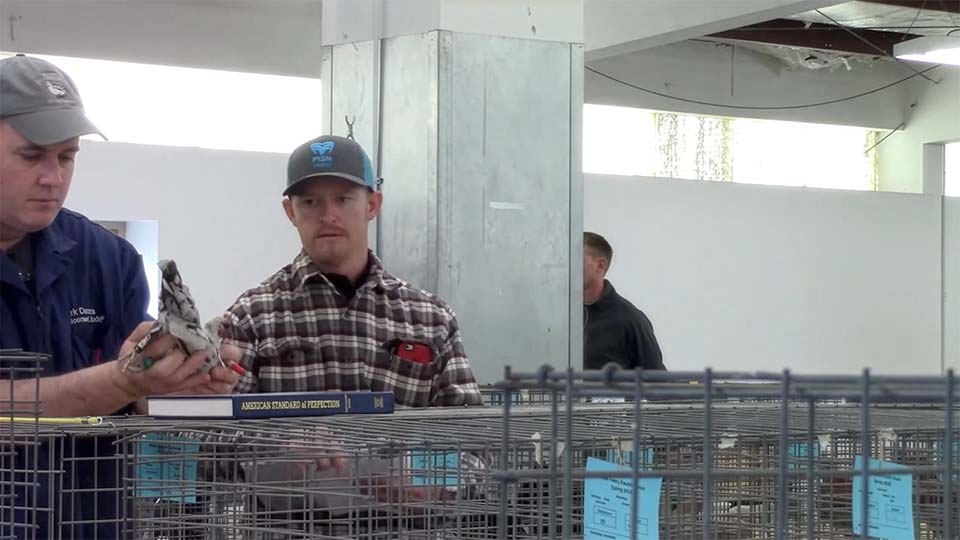
Remember that you are judging showmanship, which is an opportunity for young people to demonstrate their abilities as poultry stewards. The bird serves as a prop; while the young person does the performing. The exhibitor’s attitude, appearance, speaking ability, care and management skills and willingness to follow instructions are all considered in your evaluation. The exhibitors should be able to handle the bird and present it according to your instructions. The judge should not offer help unless it appears the bird is being handled in a way that could injure it or appears to be on the verge of escaping.
What to look for in the bird?
Even though the bird serves as a prop it should show clean, with unbroken feathers as well as clean legs and feet. The bird should not be molting.
The American Poultry Association American Standard of Perfection should be used as a guide for breed characteristics but perfection should not be expected. If there are obvious breed defects or disqualifying characteristics, these things should be quietly pointed out to the exhibitor but should not weigh heavily in the final scoring of the bird. Birds with watery eyes, stuffy nostrils, or an obvious breathing problem should be removed from the competition. Birds with dirty, or manure caked vents, missing toes or toe nails, or any sign of lameness should have points taken away from final score.
Birds showing heavy infestation of external parasites, such as mites or lice, should be disqualified. If only a few external parasites are detected, points can be deducted. In the case of minor infestation on an otherwise apparently clean bird, recognize it’s possible the parasites were picked up at the show and the exhibitor should be given the benefit of the doubt and quietly point out the problem. However, emphasize to the exhibitor that the bird should be quarantined and treated before releasing at home in order to minimize the chance of infesting the home flock. It is a good idea to handle the bird to determine fleshing and general body tone. The size and fleshing of the bird will give an indication as to how knowledgeable the exhibitor has been in terms of the bird’s nutritional needs.
How should the handling presentation be scored?
A well trained bird will offer no resistance and will appear calm. Points can be subtracted for the following: if a bird squawks or flutters or comes out of the cage tail first, improperly posed, if an exhibitor overlooks one of the poultry showmanship steps in bird evaluation, like does not know how to properly open wings or check for width of pelvic bones. Points should be deducted if the exhibitor handles the bird in a careless or harmful manner such as excessive prodding or pushing, striking the bird or pinching, these techniques should be quickly halted. As a judge you should expect the exhibitor to have a good performance in this part of the competition. An exhibitor can lose points when it is obvious they have not spent time with the bird.
How important are questions in the showmanship competition?
Knowledge of poultry husbandry is very important in this competition. Questions should be asked that will help the judge determine the exhibitor’s knowledge about the breed being shown and about the care given to the bird. All exhibitors should be asked similar questions to keep everything on an even field. If another exhibitor overhears a question, it really won’t benefit them since there will be individualized answers. Example questions are: Give the breed, variety, and sex of your bird. What was the original purpose of this breed? How did you prepare your bird for this show? Explain the type of feed you used. Identify different parts of the bird. Name an external parasite of poultry and how to control it. The judge should have a few challenging tie breaker questions ready if numerical scorecard is used because ties may occur.
It is the judge’s responsibility to act in a professional manner and to set an example as a responsible authority figure. It is the judge’s duty to evaluate individual performances. Sometimes it might be necessary to modify procedures to accomplish this end. The judging process should be a learning experience for the young exhibitor. Be serious when scoring and stick to your reasons. Smile a lot, seem happy and be kind. Make showmanship an enjoyable experience for the exhibitor, the spectator and the bird.
As a judge you may want to request a microphone so that you can offer advice or elaborate when the class is finished.
References
- Poultry Showmanship, A Manual for the Organizer and the Judge. Published by the American Poultry Association.
- American Standard of Perfection 2010, Published by; American Poultry Association, INC. Burgettstown, Pennsylvania.
May 2012
Utah State University Extension
Peer-reviewed fact sheet
Authors
Troy D. Cooper, former Extension Associate Professor, Duchesne County; David D. Frame, DVM, DACPV, former Extension Poultry Specialist, Central Utah Veterinary Diagnostic Laboratory
Related Research
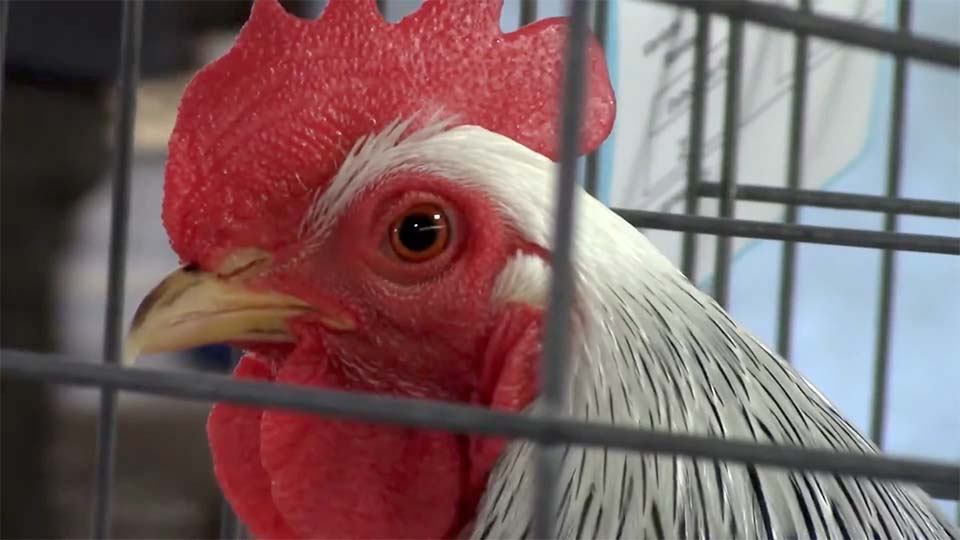
Basic Selection, Nutrition and Care of Show Poultry
The championship potential of a chicken is determined by genetics. Genetics are the traits inherited from its parents. The chicken’s environment dictates if the genetic potential can be met.
Handling Baby Poultry
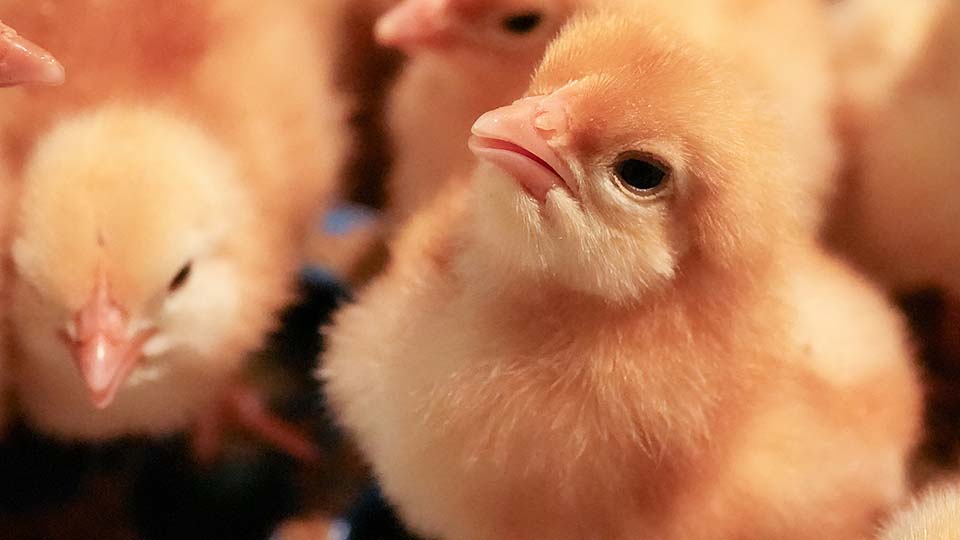
With an increase in backyard poultry raising, and even keeping poultry as pets, it is necessary to keep in mind proper health concerns in handling baby poultry. Chickens, ducks, geese, turkeys, peafowl, and game birds can harbor and transmit certain agent
Information for the Poultry Showmanship Judge
A guide for judges evaluating youth poultry showmanship competitions, covering how to assess exhibitors' stewardship skills, bird presentation, and poultry knowledge.
Organizing a Poultry Showmanship Contest
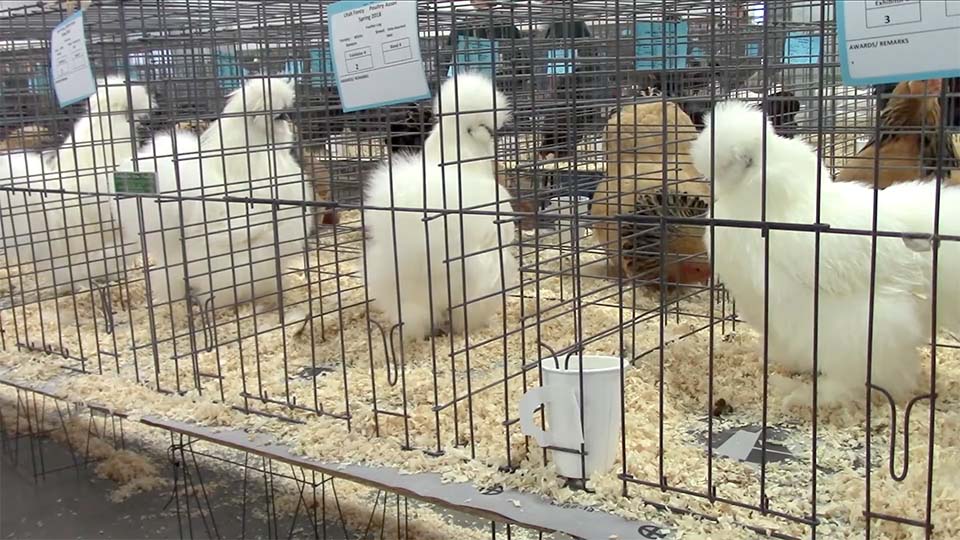
Poultry showmanship is an opportunity for young people to demonstrate their ability to present and display their bird and communicate their knowledge of poultry husbandry to others. It is the exhibitor’s time to interact, one on one, with a poultry judge.
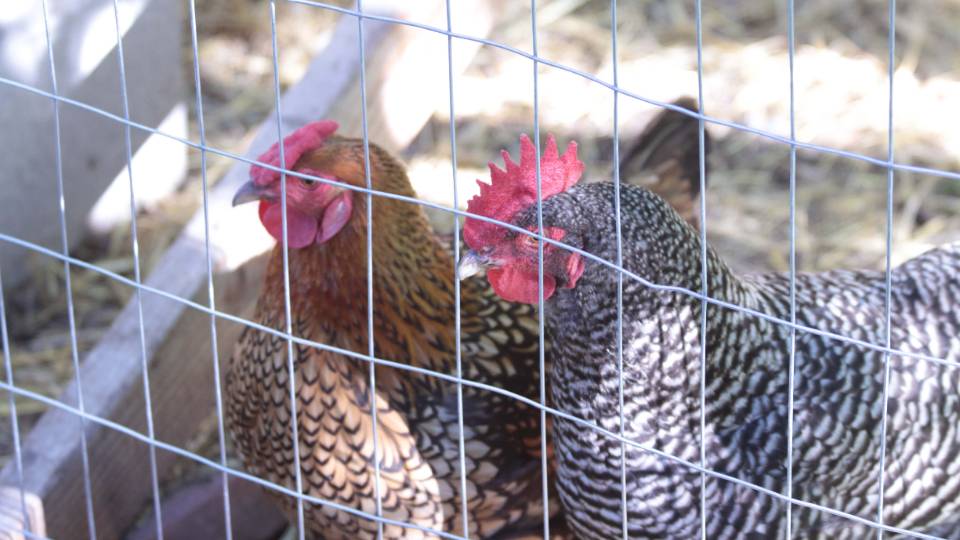
Preparing Your Bird for the Poultry Showmanship Contest
The first and most important rule of showmanship is kindness to your bird. The more cooperative your bird is, the better success you’ll have in the show ring. Careful preparation prior to the show is necessary to be an effective show person. The calmness
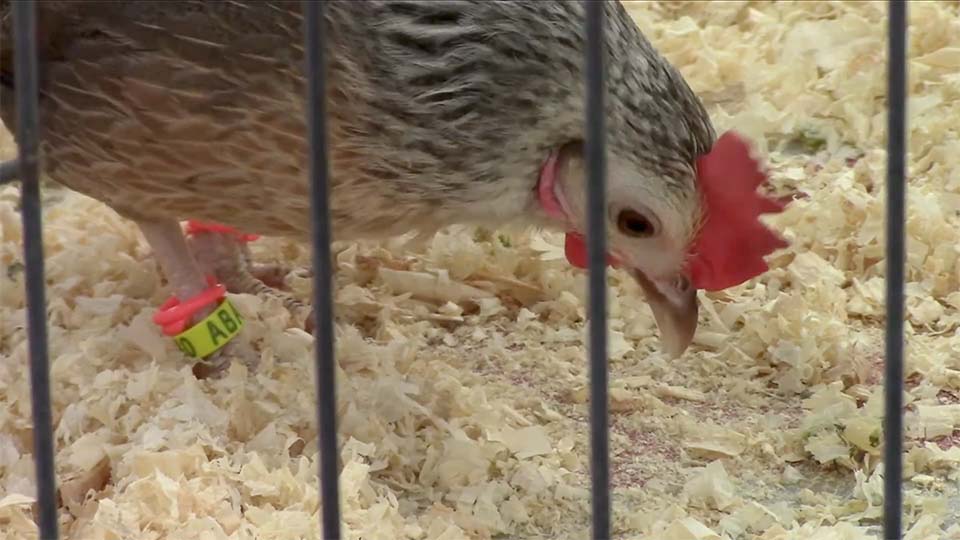
What is Expected of the Poultry Showman?
Showmanship is an exhibitor focused activity. The bird serves as a prop, while the exhibitor does the performing. The young person’s attitude, appearance, speaking ability, care and management skills, and willingness to follow instructions are all on stag
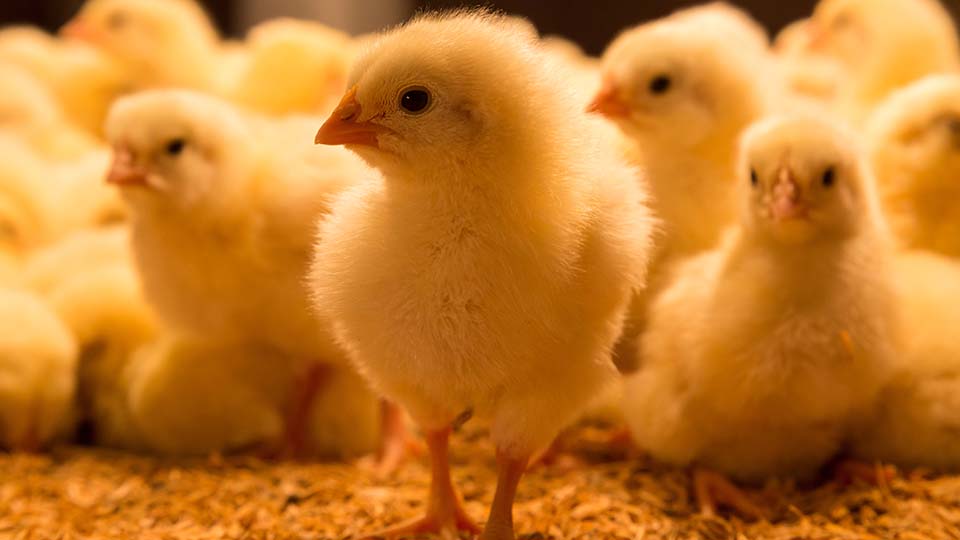
Managing Chickens From Chicks to Peak Egg Production
This fact sheet covers poultry history, top egg-laying breeds, egg anatomy, nutrition, and practical tips to help farmers improve productivity and run successful egg production ventures.

A Farmer's Guide to Egg Quality, Safety, and Flock Health
This guide offers practical advice to help you raise resilient, high-laying hens and build a successful small-scale egg production system, no matter your level of experience.