
Climate Research
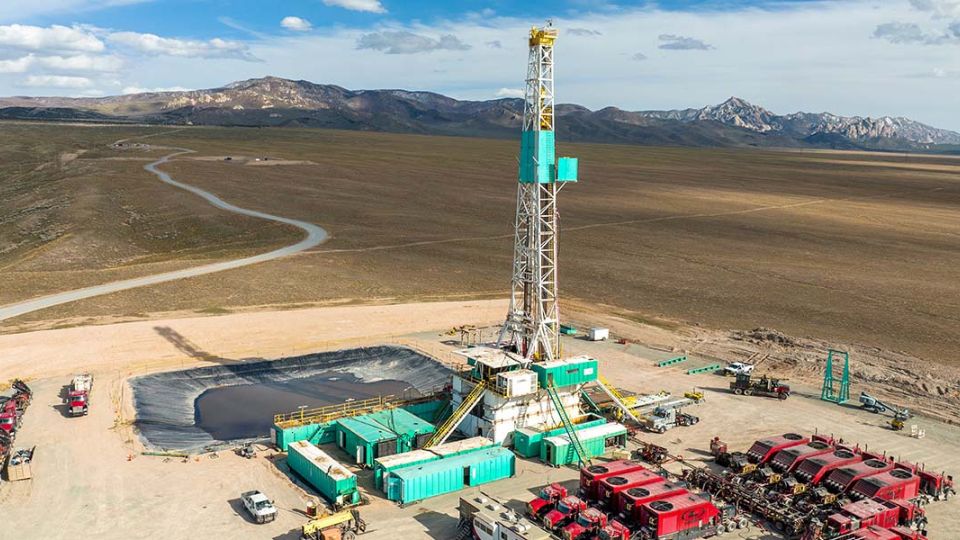
Geothermal Energy in Utah: Massive Potential to Meet Growing Electricity Needs
Learn how geothermal energy can provide reliable, renewable electricity in Utah while reducing greenhouse gas emissions and air pollution. This fact sheet explains geothermal technologies, Utah's energy potential, current projects, and the role geothermal...
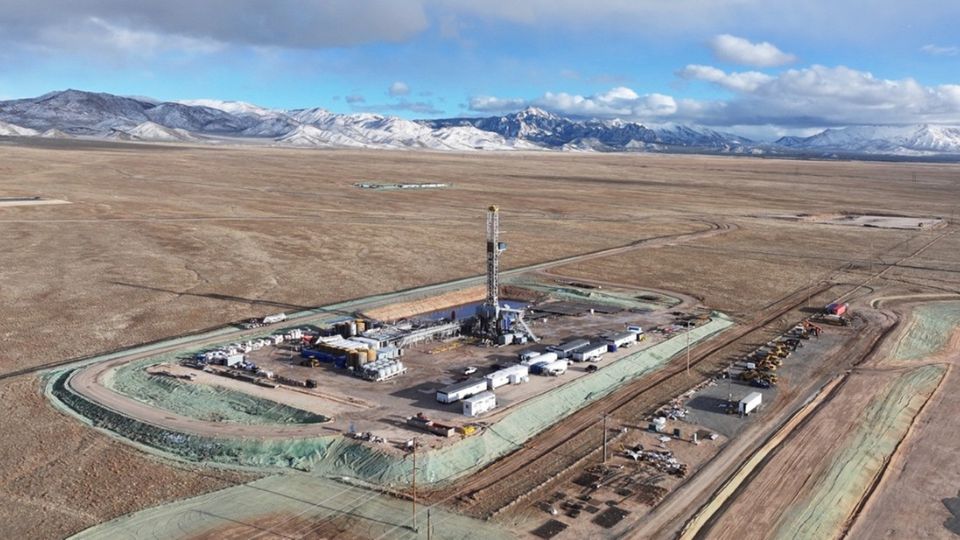
Geothermal Energy in Utah: A Safe Technology With Limited Environmental Impacts
Learn how geothermal energy could provide reliable, low-carbon electricity in Utah. Explore its environmental impacts, including water use, seismic risk, land use, and air quality.

Cloud Seeding: Enhancing Winter Snowpack to Bolster Utah’s Water Supply
This article reviews cloud seeding—a safe, common form of weather modification that augments natural precipitation under suitable conditions by increasing the precipitation capacity of existing clouds.

Creating Wildfire-Resilient Communities in Utah: Fuel Treatments in the Wildland-Urban Interface
This article reviews the growing wildfire risks in Utah caused by fuel buildup, invasive grasses, climate change, and expanding development, while highlighting the role of fuel treatments like thinning, prescribed burns, and grazing in reducing fire sever...
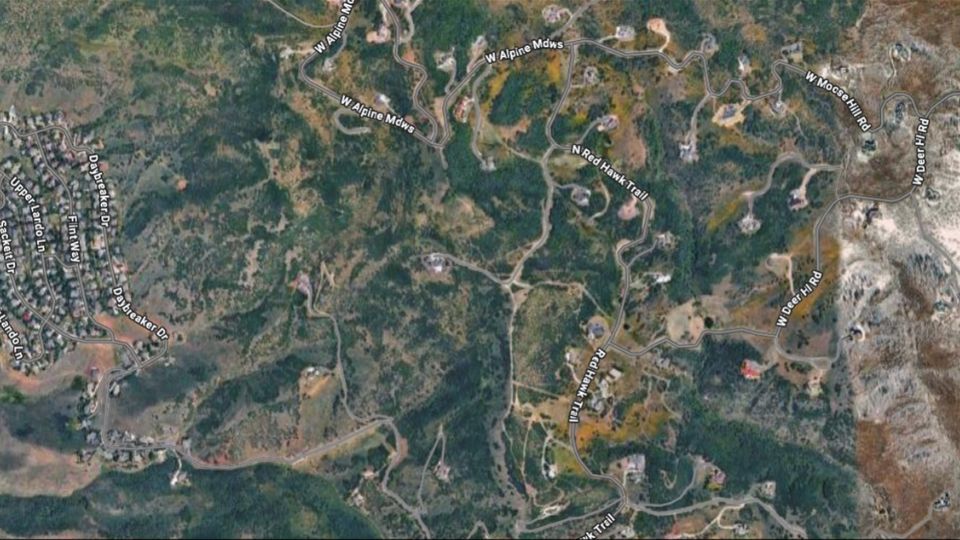
Sagebrush, Wildfire, and Homeowners Associations: Climate Adaptation Opportunities in Summit County, Utah
Summit County’s sagebrush ecosystems face growing wildfire risks due to climate change, invasive cheatgrass, and expanding development in the wildland-urban interface. This fact sheet highlights how homeowners associations can play a key role in mitigatio...

Reducing Residential Landscape Water Use in Utah: Technologies and Strategies
Utah faces increasing pressure on its limited water supply due to climate change and rapid population growth, with residential landscapes accounting for a large share of water use. This fact sheet highlights technologies and strategies—such as smart irrig...

Post-Wildfire Erosion and Sedimentation: An Escalating Threat for Utah’s Fisheries
As wildfires in Utah grow more intense, they threaten native fish populations by triggering erosion that fills streams with harmful sediment. This sediment can suffocate fish, destroy spawning grounds, and prevent recovery—especially in waterways fragment...

Wildfire and Water Security: Post-Fire Erosion and Sedimentation Threaten Utah’s Reservoirs
Wildfires in Utah are threatening the state’s vital water reservoirs by accelerating erosion and sending sediment into water storage systems, reducing capacity and harming water quality. As wildfires grow more intense and frequent due to climate change an...

What Do Utahns Think About Global Warming and Climate Change?
A growing majority of Utahns (68% as of 2023) agree that global warming is happening, with increasing recognition of its human causes and scientific consensus, though support for related policies like renewable energy research and carbon taxes has remaine...

Climate Change and the Logan River: Past, Present, and Future
The Logan River runs through Idaho and northern Utah, beginning in the Bear River Mountains and flowing through Logan Canyon to Cutler Reservoir. The river is socially and ecologically significant to the Cache Valley community. Throughout its history, the...

Irrigation Companies and the Great Salt Lake: Managing Water in Utah Amidst Climate Change
The Great Salt Lake in Utah is experiencing significant water level declines due to irrigation for agriculture, municipal and industrial water use, and climate change impacts. Irrigation companies play a crucial role in water management, as they control a...

Policies and Programs for Water-Wise Residential Landscaping in Utah
Water-wise landscaping is the practice of using plants in a landscape that are adapted to local conditions and only need small amounts of water. Converting yards to water-wise landscaping conserves water and is a climate adaptation action residents can ta...
Recent Climate Change in Utah, 1870–2023
Climate change is impacting Utah. Forty-five years of temperature data show that Utah is steadily warming which, in turn, is driving declines in winter snowpack, shifting the timing and amount of available water, increasing fire risk, and causing ecologic...

Cap-and-Trade Carbon Pricing in Utah: Challenges and Potential Impact
Burning fossil fuels emits both harmful air pollutants and carbon-based greenhouse gases, contributing to two major concerns for Utahns: poor air quality and warming due to climate change.

Artificial Carbon Sequestration in Utah
Carbon dioxide is an important greenhouse gas that helps keep Earth warm and habitable. But since humans began burning large quantities of fossil fuels during the Industrial Revolution, there has been a rapid increase in atmospheric carbon dioxide from a...

Could a Carbon Tax Improve Utah’s Air Quality and Mitigate Climate Change?
Urban areas in Utah have suffered from poor air quality since Euro-American settlement in 1847. Because today’s harmful air pollutants and carbon dioxide—the most significant driver of contemporary climate change—are often emitted together, a carbon tax c...

Rock Glaciers In Utah
Rock glaciers are large masses of talus and debris that “flow” downhill due to the deformation of substantial internal ice. Rock glaciers accumulate new ice in their higher elevation portions, typically when rockfall covers seasonal snowpack and insulates...

Sustainable Transportation: Transforming Utah Through Community Action
Transportation in the United States accounts for 4% of global greenhouse gas emissions. Over half of these emissions come from on-road vehicles.