
Spread the Word (and the Seeds!)
By Margaux Klingensmith | August 6, 2026
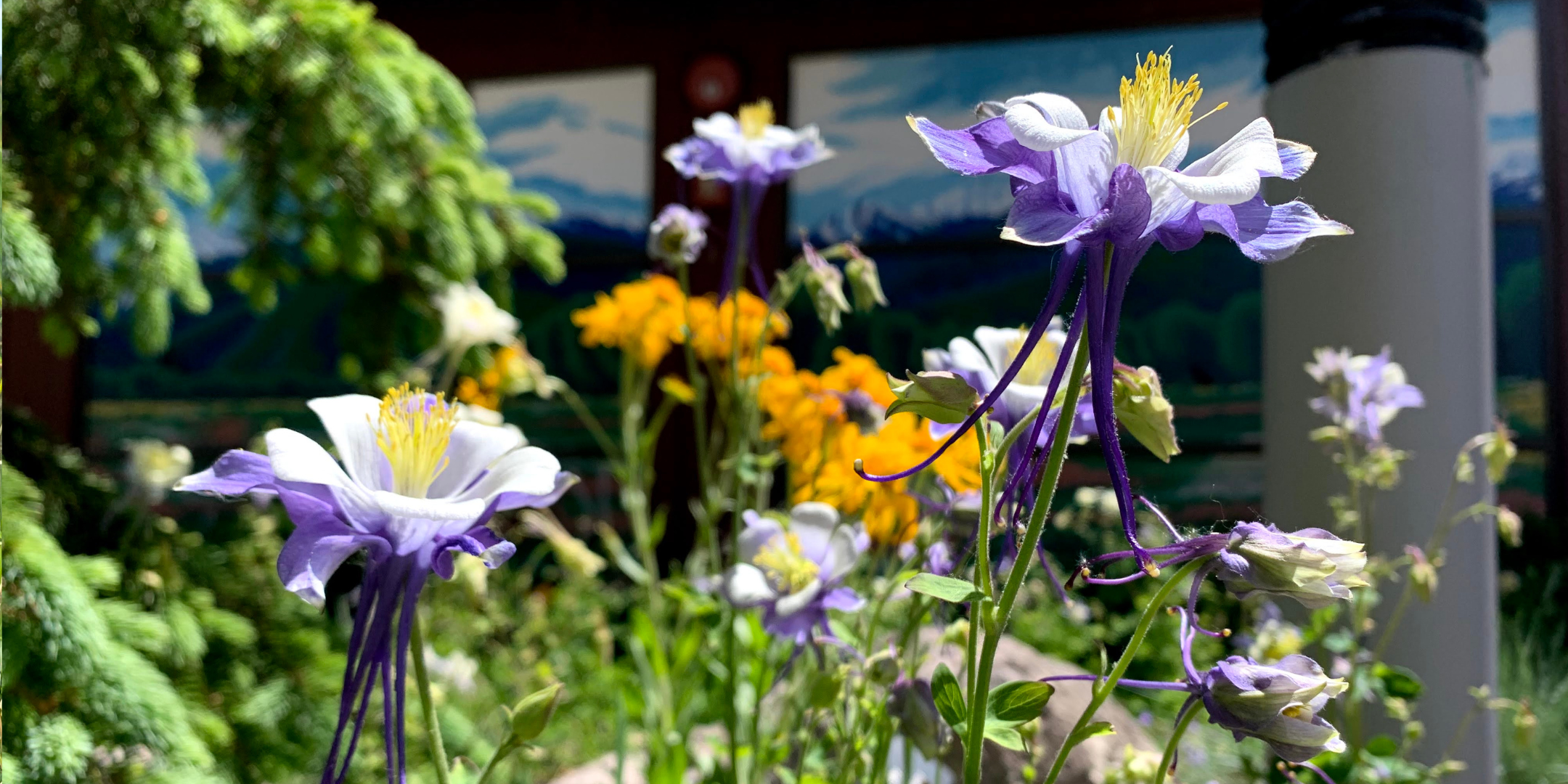
You heard it here first: Swaner Preserve is starting a little free native seed library! This resource, intended to provide native seeds to the public, is set to open in conjunction with the Ephemeral Art Show this September at the EcoCenter. The library will feature seeds for plants native to Utah, primarily plants native to the Wasatch Back. The library’s purpose is to provide a native seed exchange and resources for community members, homeowners, and land managers to help create fire-wise, waterwise, native landscapes that increase wildlife habitat and biodiversity.
Home lawns and gardens can play a huge role in habitat fragmentation, either acting as ecological dead zones or as a mosaic of wildlife refuge that can connect habitat. One of the easiest ways to create pollinator and wildlife habitat is to choose native plants for landscaping around your home. The library will create a resource for native seed exchange to facilitate these landscapes. Sourcing seeds locally increases seed success; plants can be better adapted to regional climate, soils, and pests.
We need your help to grow the library! Interested in donating seeds? Here’s a how-to on adding your seeds to the native seed library.
Collecting and Donating Seeds
- Where can you collect seeds? Collecting from your own garden is the easiest! You can ask a friend if they have a nice collection of native plants in their yard. You always need landowner permission to collect seeds and will need a permit and permission if you are collecting on public lands.
- Learn about your plants! Make sure you know what plant you are donating and its status in Utah. You can use local guidebooks, iNaturalist, and resources on our website to help! It is easiest to determine what plants you have while they are in bloom before they go to seed in the late summer/fall.
- Collect the seeds. Learn when to harvest seeds and what they look like. Most native plants seeds are easiest to collect after they dry on the plant. If you have permission to harvest wild populations, only collect 10% of the population and only collect from robust, healthy populations.
- Clean and process your seeds. You may need to allow your seeds to dry more before processing them. Separate the seed as best as you can from the rest of the plant material.
- Package in a breathable container and label.
- Bring your seeds to the library! Drop off seeds at the EcoCenter front desk during open hours (Wednesday-Sunday 10 am-4 pm). You will need to fill out a donation slip with some plant and harvest information. Swaner staff will check your seeds and add them to the library.
- Come back in the fall to check out the library and gather new species for your landscape, or learn more about local species!
Additional Resources
- Native plant seed collection and germination by Front Range
- Wild Collection of Seeds by EcoRestore Utah, USU
- Native Gardening by the US Forest Service
Other Naturalist News
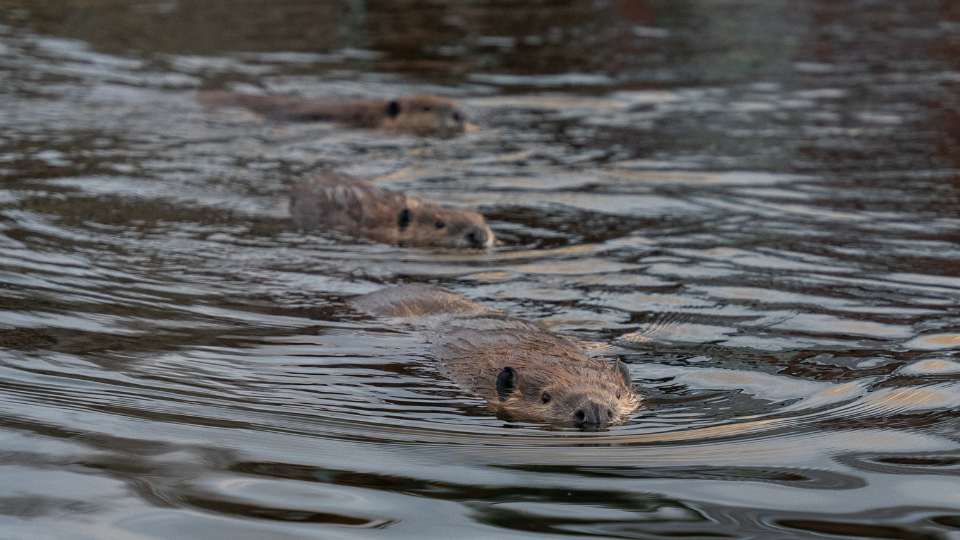
Loss of Beaver Population Next to Swaner EcoCenter
Between March 23 and April 2, five dead beavers were discovered near the Swaner Preserve & EcoCenter by Swaner staff. All five beavers shared one lodge outside the EcoCenter, and samples collected from one of the beavers tested positive for tularemia.
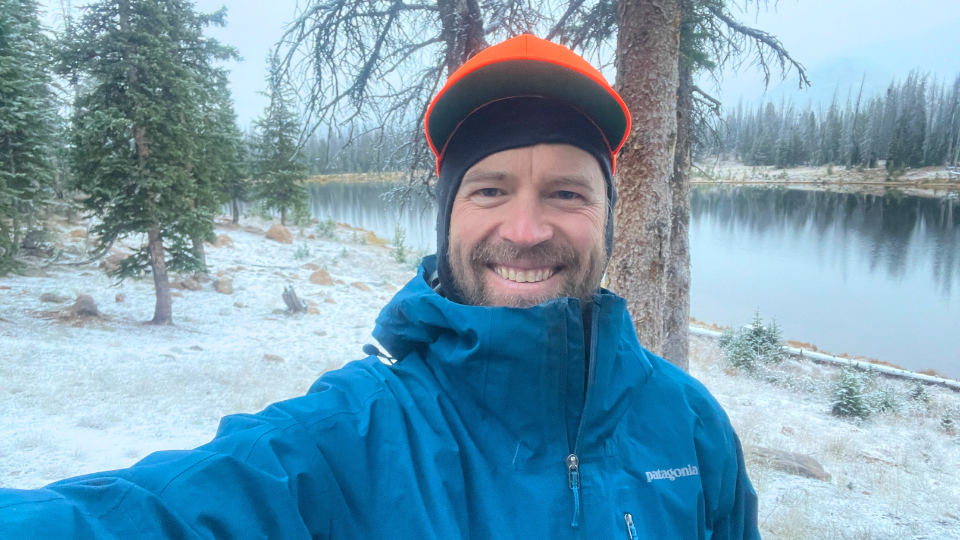
Swaner Preserve & EcoCenter Welcomes New Executive Director
We are thrilled to announce our new executive director, Lewis Kogan. Learn more about his impressive career and excitement to join the organization.
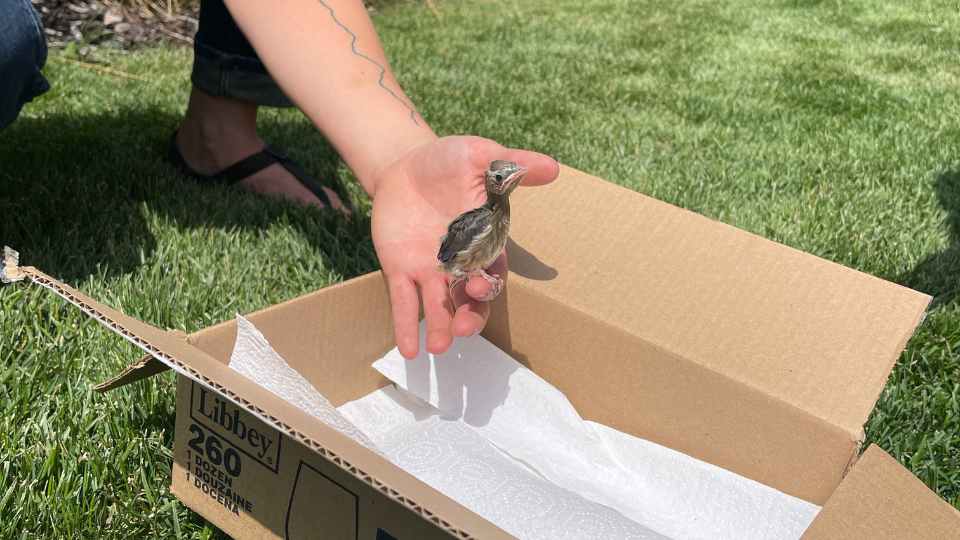
What To Do If You Find a Baby Bird
It’s spring, which means baby animals of all kinds are starting to appear! Learn what to do if you find a baby bird during this time of year.

Amazing Butterflies
If you enjoy summer days hiking in the local mountains or sitting among the flowers in a nearby garden, you have undoubtedly observed butterflies flitting from flower to flower or gliding on updrafts overhead. These small fragile creatures have withstood

American Wetlands Month
Did you know that May is American Wetlands Month? It's the perfect time to celebrate the amazing wetlands right here in the Wasatch Back! Wetlands are one of the most important—and rare—ecosystems in Utah. In fact, less than 1% of our entire state is cons

Clever Creatures: How Local Wildlife Prepares for Winter
All around us, wildlife here on the Wasatch Back are making remarkable adjustments to survive the cold months ahead. Some tuck themselves away in a kind of suspended animation, while others stay active, transforming their behavior to endure freezing tempe
Spread the Word (and the Seeds!)
You heard it here first: Swaner Preserve is starting a little free native seed library! This resource, intended to provide native seeds to the public, is set to open in conjunction with the “Ephemeral” Art Show this September at the EcoCenter.

Become a Community Scientist
Towards the end of April, you have a unique opportunity to become a part of something big – the City Nature Challenge! In Park City, this event is a collaboration between Swaner Preserve & EcoCenter and Basin Recreation, and it's all about observing and d
Life on the Edge: Extreme Environments
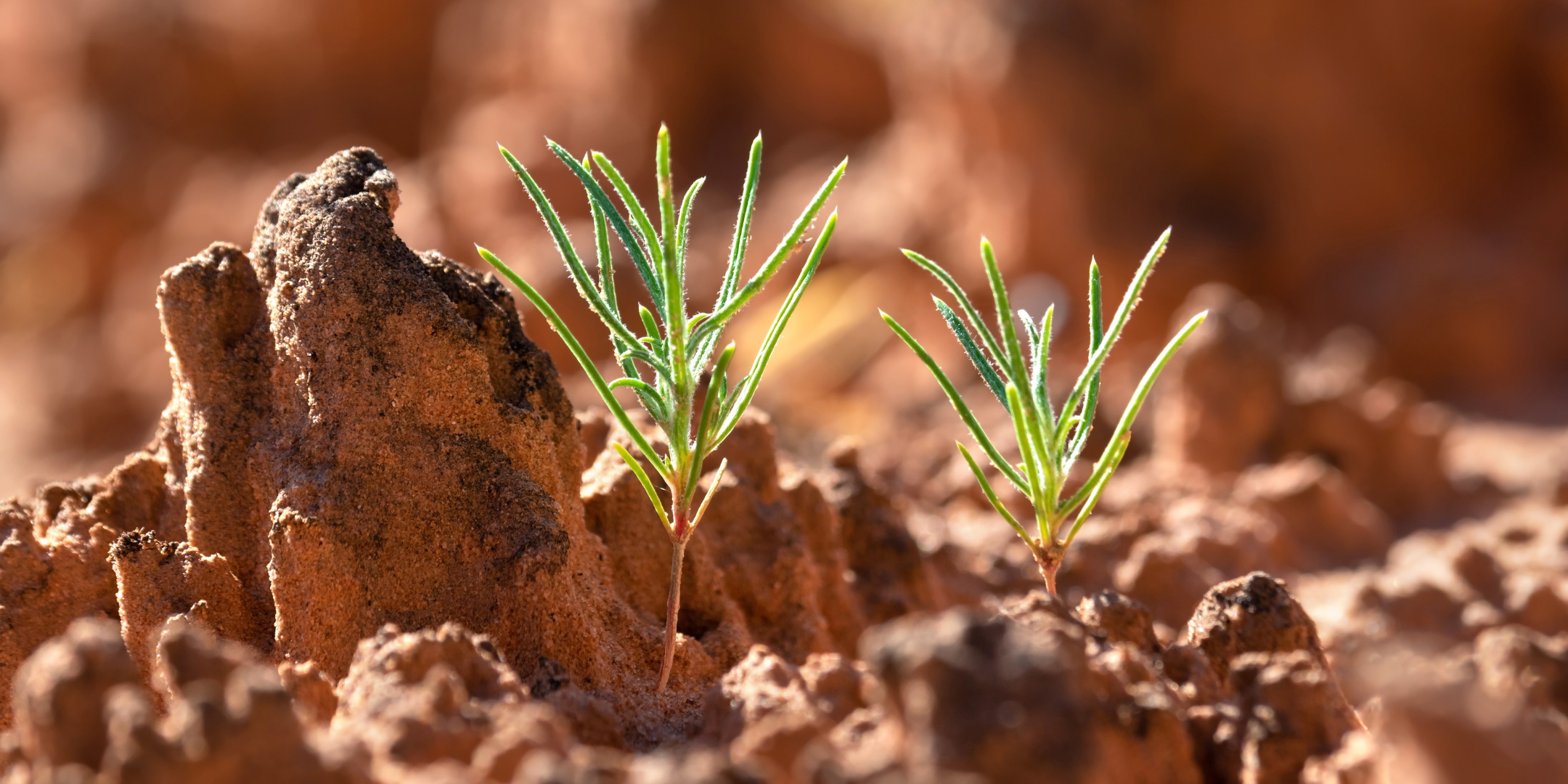
Utah is home to a plethora of unique habitats and ecosystems, some of which create especially challenging conditions for survival! Many organisms in Utah depend on special adaptations to help them survive and even thrive in these extreme environments.

How Stars and Nature Guide Us Through Change
Places like the Swaner Preserve have become increasingly rare. Behind a shopping plaza with diverse restaurants, boutiques, and condos, there lies a 1,200-acre piece of permanently protected open space. It starkly contrasts the life around its border—a sl
Events
Location, Hours & Contact
Physical & Mailing Address
1258 Center Drive
Park City, Utah 84098
EcoCenter Hours
Wednesday – Sunday, 10 am – 4 pm
The EcoCenter will be closed on Wednesday, October 7 and Thursday, October 8.
Email
swanerecocenter@usu.edu
Phone
435-649-1767
