
Stewardship in Action: Intern Insights
By Lucy Aikin and Kate Clapier | September 30, 2026
What’s it like to spend a summer caring for 1,200 acres of wildlife habitat? Our 2026 Conservation and Outreach interns just finished up their season, and they're here to tell you all about it. Read on for their reflections!

By Lucy Aikin
As the summer comes to an end, my time at Swaner Preserve and EcoCenter has been one that I will never forget. I have met some amazing people throughout the summer, all with a deep passion for the environment and educating young minds. I have learned so much through my time here out on the field that I wouldn’t get anywhere else. Conservation and restoration are an ongoing project. A lot of the things we do don’t have immediate changes but in the long term, they have a significant impact on the environment. It is not easy work, but if it’s your passion, it’s extremely rewarding.
What we do in a day is constantly changing. In the mornings, we’re normally out on the Preserve trying to beat the heat. In the early summer we are pulling noxious weeds, repairing fences, mapping signage, and other tasks around the EcoCenter. Later in the summer and into early fall we start collecting native seeds to reseed open areas of the Preserve, repairing beaver dam analogs, and doing things around the barn. On Wednesday mornings, throughout the summer, we have help from volunteers in collecting seeds, weeding, and repairing beaver dam analogs. It is great to see how many people come out to volunteer with Swaner in their free time. We wouldn’t be able to get as much done without the help of all the volunteers.
In the early summer afternoons, we’re doing mountain blue bird box monitoring, checking to see if the boxes are being occupied and aging fledglings. We monitor 4 American kestrel boxes and have been lucky enough to see two of the boxes used by kestrels this summer! We submit all of the kestrel box data to HawkWatch International. Throughout the summer, in the afternoons, we do one of my favorite things which is setting up camera traps to observe wildlife. Camera trapping is a great non-invasive way to monitor wildlife behavior and patterns. We write articles for the newsletter and social media, package seeds for the native seed library, get trash out of the detention ponds and beaver dams, and release biocontrols for invasive weeds.
As interns, we've been lucky enough to attend different events and courses like planting in the greenhouse and Bike n’ Botany event with the Basin Recreation open space team. We participated in the Utah Master Naturalist Watershed Course led by Swaner staff, and attended the Summit County CWMA training to learn about noxious weeds and plant identification. We learned and conducted a BumbleBee Atlas Survey and observed one of boxes of kestrel fledglings get banded by HawkWatch International. We also attended a community day at the 910 Ranch, pulling weeds and repairing beaver dam analogs, and volunteered with Sageland Collaborative to build beaver dam analogs along Huff Creek and attended many volunteer events at Swaner!
Overall, my experience at Swaner has been one of growth, learning and collaboration. It has been an amazing introduction into seasonal fieldwork, and I am glad I chose Swaner to start my career in conservation.
By Kate Clapier
This summer, I took a chance on an entirely new field of work when I received an internship in the conservation department at Swaner Preserve and EcoCenter. Which has turned out to be one of the best experiences I’ve had, both in a personal and professional sense.
Having grown up in Park City, I have spent much of my free time outside, enjoying the natural surroundings. However, it wasn’t until my time at Swaner that my appreciation for nature turned into a true desire to understand and to become more involved in the natural world for its sake, not just for my own interests.
Working in conservation includes a variety of jobs - depending on the season, the forecast for the week, and even the weather that day. In late spring or late summer, there is lots of weeding across Swaner’s 1,200 acres before the invasive weeds go to seed. That time of year also overlaps with nesting season which is when we perform weekly monitoring of several sections of bird boxes, although there are many more boxes on the Preserve which we check for a nest when they are cleaned out in the fall. Throughout the summer, we maintain the human infrastructure like repairing fencing or replacing missing or out-of-date signage. We set up trail cameras as another means to observe wildlife on parts of the Preserve we don’t often get to. As summer ends, we are finishing up our seasonal work with lots of native seed collection. These seeds are used annually for replanting across the Preserve as part of Swaner’s restoration from ranchland to wetland. And starting this fall, Swaner has their own native seed library (see Spread the Word (and the Seeds!)).
Yes, there are challenging moments. Like any work outdoors, you’re subject to the weather - be it the late spring and late summer thunderstorm, the hot midsummer sun, or even oddities like wildfire smoke. Many of the tasks out on the Preserve require carrying tools and other materials out to the work site. Oftentimes, you return with more than you started with – bags of trash, or weeds, or seeds. However, no matter what you’re doing, being out on the Preserve means you always see something interesting.
You never know exactly what each day will bring. Such as the day when we were headed to our weekly Wednesday volunteer weeding event and came across a young Sandhill crane stuck on the wrong side of the wildlife fencing between I-80 and Highland Drive. It took a while for the four of us to try to herd the crane colt out, all while monitoring the stressed parents who were on the other side of Highland. I even had to pretend to be a crane -raising and slowly ‘flapping’ my arms- in order to keep one of the parents on the Preserve who was acting like they were going to hop over fence and onto the road. Eventually, after the better part of an hour, we were able to reunite the baby crane on the Preserve with its parents.
Even the work that is not so fun to do, does have a silver lining to it. Take weeding, one of the endless and almost daily tasks of the job. It may take many hours in the hot sun, walking across the Preserve, all while carrying a bag of weeds that is always growing heavier. But it is rewarding to look back at where you’ve been and see a lack of invasive species – both the ones you’ve removed and the knowledge that there will be less to pull next year. Afterall, one of the tendencies this internship is to make you notice all the invasive species wherever you go.
And this is not the only new habit I will take with me after this summer internship. I’ve also gained new hobbies, such as bird watching and native seed collection for my own garden. But my biggest insight this summer has been finding a new career path. After a day at Swaner, while I come home sweaty and tired, it doesn’t feel like work in the way other jobs have. I know that my efforts are aiding the natural world, oftentimes reversing harmful human impacts, from hands-on projects outside to simply spreading the passion for nature (and wanting to protect it) with visitors. For this reason, I plan to continue working in conservation in some capacity. I also plan to continue volunteering at Swaner (when I can) through the numerous opportunities they have.
Other Naturalist News
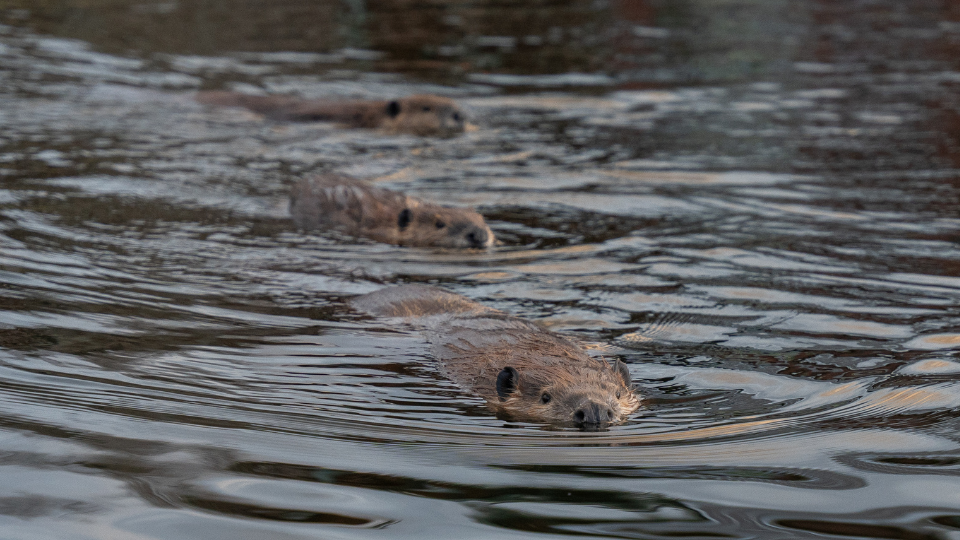
Loss of Beaver Population Next to Swaner EcoCenter
Between March 23 and April 2, five dead beavers were discovered near the Swaner Preserve & EcoCenter by Swaner staff. All five beavers shared one lodge outside the EcoCenter, and samples collected from one of the beavers tested positive for tularemia.
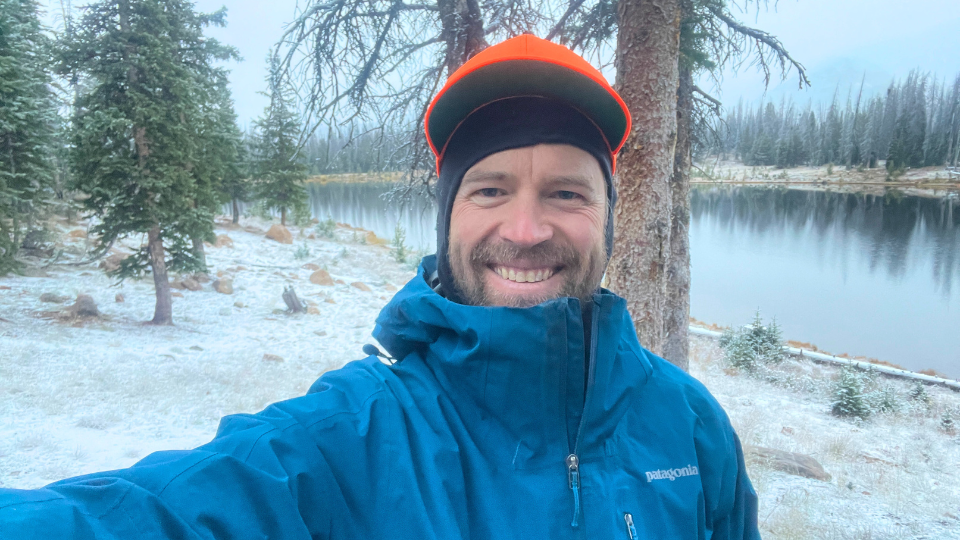
Swaner Preserve & EcoCenter Welcomes New Executive Director
We are thrilled to announce our new executive director, Lewis Kogan. Learn more about his impressive career and excitement to join the organization.
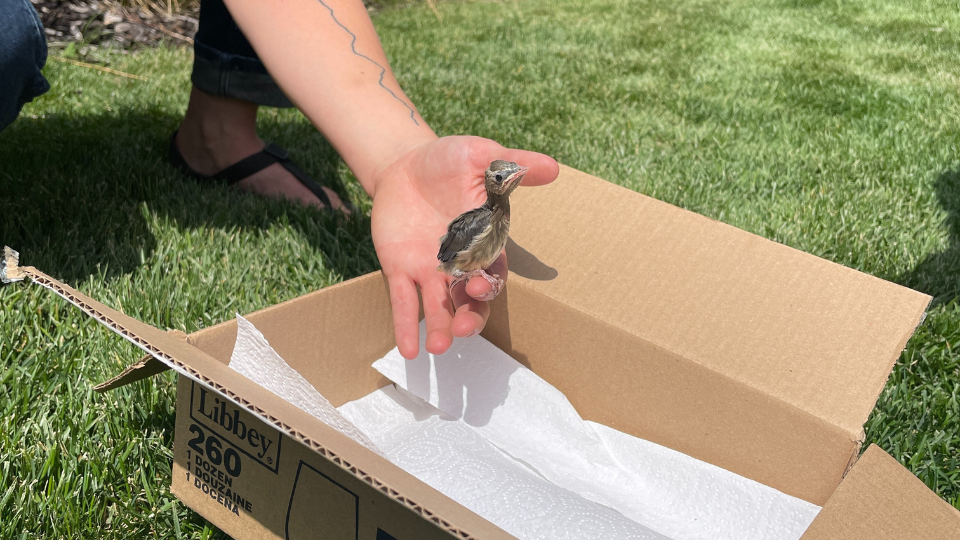
What To Do If You Find a Baby Bird
It’s spring, which means baby animals of all kinds are starting to appear! Learn what to do if you find a baby bird during this time of year.
Stewardship in Action: Intern Insights
What’s it like to spend a summer caring for 1,200 acres of wildlife habitat? Our 2026 Conservation and Outreach interns just finished up their season, and they're here to tell you all about it. Read on for their reflections!

Amazing Butterflies
If you enjoy summer days hiking in the local mountains or sitting among the flowers in a nearby garden, you have undoubtedly observed butterflies flitting from flower to flower or gliding on updrafts overhead. These small fragile creatures have withstood

American Wetlands Month
Did you know that May is American Wetlands Month? It's the perfect time to celebrate the amazing wetlands right here in the Wasatch Back! Wetlands are one of the most important—and rare—ecosystems in Utah. In fact, less than 1% of our entire state is cons

Clever Creatures: How Local Wildlife Prepares for Winter
All around us, wildlife here on the Wasatch Back are making remarkable adjustments to survive the cold months ahead. Some tuck themselves away in a kind of suspended animation, while others stay active, transforming their behavior to endure freezing tempe
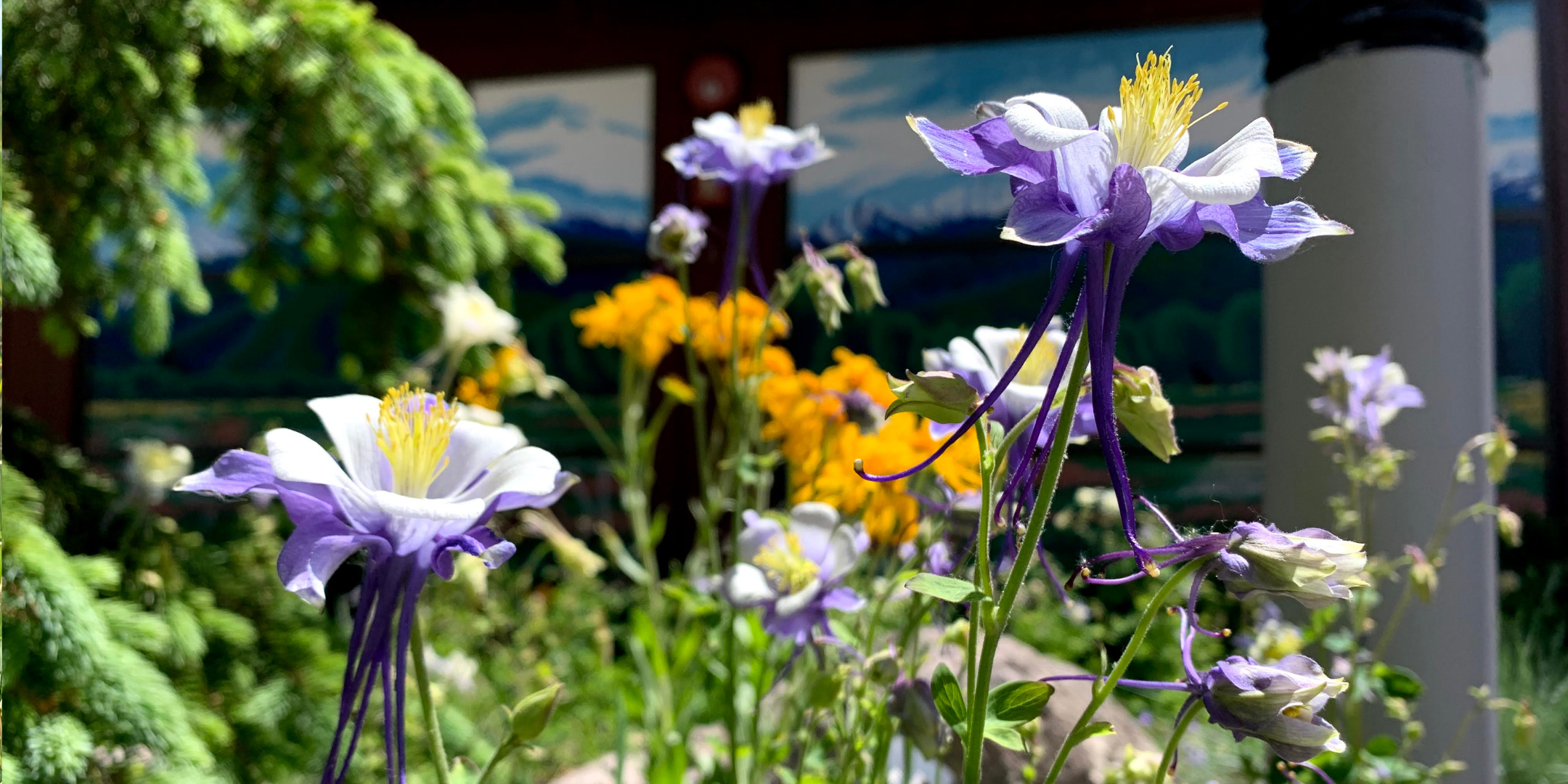
Spread the Word (and the Seeds!)
You heard it here first: Swaner Preserve is starting a little free native seed library! This resource, intended to provide native seeds to the public, is set to open in conjunction with the “Ephemeral” Art Show this September at the EcoCenter.

Become a Community Scientist
Towards the end of April, you have a unique opportunity to become a part of something big – the City Nature Challenge! In Park City, this event is a collaboration between Swaner Preserve & EcoCenter and Basin Recreation, and it's all about observing and d
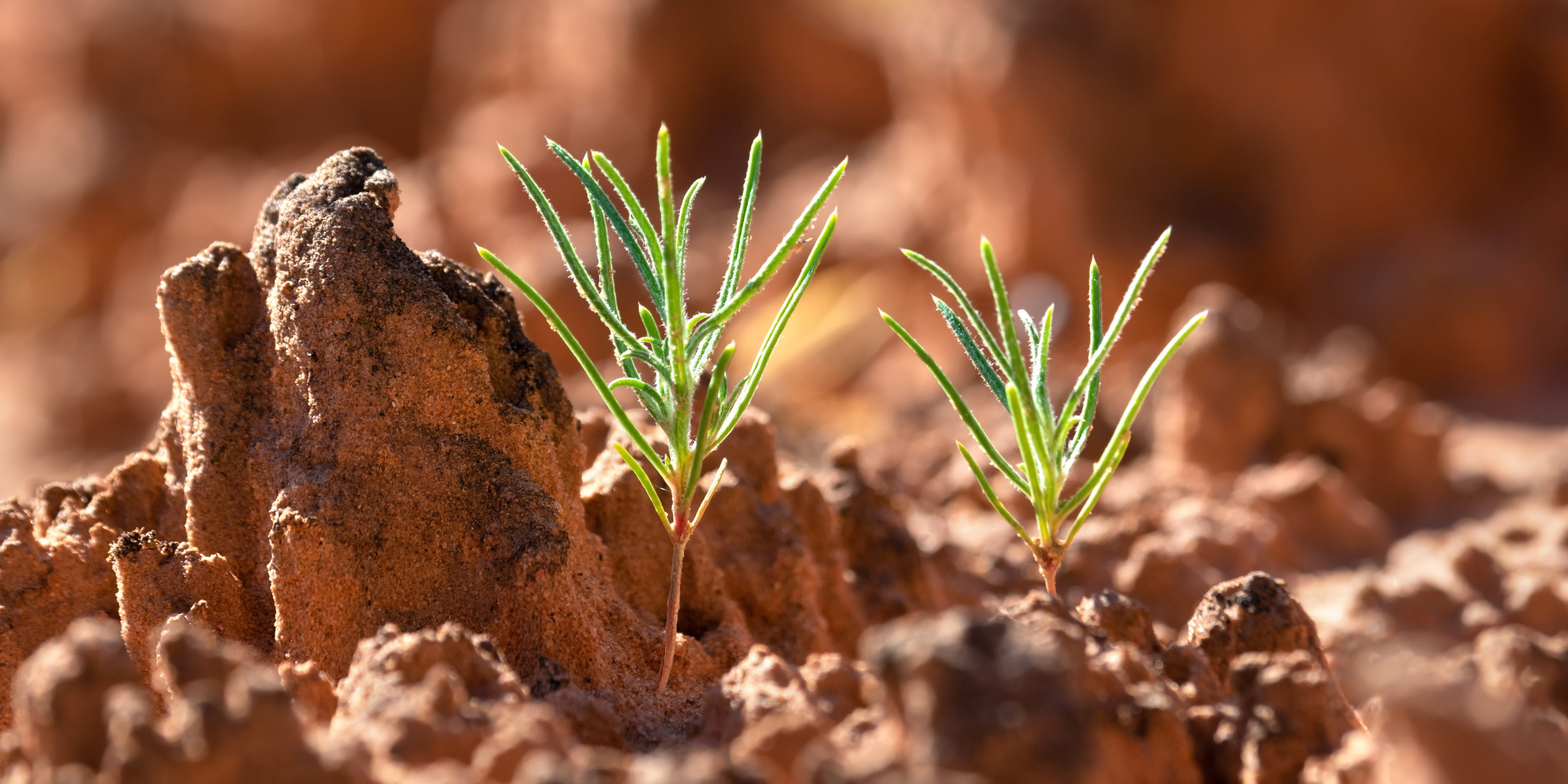
Life on the Edge: Extreme Environments
Utah is home to a plethora of unique habitats and ecosystems, some of which create especially challenging conditions for survival! Many organisms in Utah depend on special adaptations to help them survive and even thrive in these extreme environments.
Events
Location, Hours & Contact
Physical & Mailing Address
1258 Center Drive
Park City, Utah 84098
EcoCenter Hours
Wednesday – Sunday, 10 am – 4 pm
The EcoCenter will be closed on Thursday, November 26.
Email
swanerecocenter@usu.edu
Phone
435-649-1767
