
Clever Creatures: How Local Wildlife Prepares for Winter
By Lewis Kogan | October 6, 2025
As the aspens turn gold and morning frost appears in the meadows, many of us in Park City begin our own winter rituals—pulling out coats, stacking firewood, and waxing skis. But we’re not the only ones getting ready. All around us, wildlife here on the Wasatch Back are making remarkable adjustments to survive the cold months ahead. Some tuck themselves away in a kind of suspended animation, while others stay active, transforming their behavior to endure freezing temperatures and scarce food. Two local animals in particular—one small and easy to overlook, the other a bit larger and easier to spot—show us just how ingenious nature can be.
If you’ve ever strolled past a wet meadow in June, you’ve probably heard the high-pitched call of the western chorus frog—it sounds like running your finger along the teeth of a comb. But once autumn sets in, these little amphibians vanish. Where do they go?
The answer is remarkable: western chorus frogs survive winter by freezing solid. As temperatures drop, they crawl beneath leaves, soil, or logs. Ice crystals form in their bodies—sometimes up to 70% of the frog freezes. Their hearts stop, their blood halts. It sounds fatal, but special sugars in their blood act like antifreeze, protecting their cells from bursting. Come spring, the thaw awakens them, and they hop back to life as if nothing happened!
Unlike the frogs, muskrats don’t disappear for the season. These semi-aquatic mammals—often mistaken for small beavers—stay active in ponds and wetlands year-round. Named for the musky scent they use to mark territory, muskrats build dome-shaped lodges of cattails, reeds, and mud, often in shallow water. Inside, the lodges are snug and dry, with tunnels that lead below the ice to open water.
When the weather turns cold, muskrats adapt in ingenious ways. In early winter, muskrats create smaller shelters called “push-ups.” By chewing holes through the ice and covering them with mud and plants, they form breathing stations—often three feet tall and hundreds of feet from the lodge. These clever hideouts let them surface while staying hidden from predators and shielded from the cold.
Unlike beavers, muskrats don’t stockpile food. Even on the coldest days, they must dive under the ice for roots, stems, snails, or crayfish, surfacing at a push-up for a breath. Imagine grocery shopping in near-freezing water, in the dark, with no chance to skip a day! Their dense waterproof fur helps—it works like both an insulated parka and a lifejacket, with glossy guard hairs that repel water and a thick underfur that traps air to keep them buoyant and warm. They also conserve energy through “regional heterothermia,” reducing blood flow to their tail and feet so those parts stay colder while vital organs remain warm—like turning down the thermostat in the guest bedroom to save on heating costs.
While we humans rely on insulation, electricity, and hot cocoa, wildlife survives through strategies honed over millennia. This October, as you unpack your winter gear, take a moment to reflect on the hidden lives of the animals around us. A frog may be hibernating underfoot. A muskrat may be building its cozy lodge just a few steps from the trail. And a quiet pause at the pond beside the Swaner EcoCenter could give you a front-row seat to the marvels of winter wildlife.

Other Naturalist News
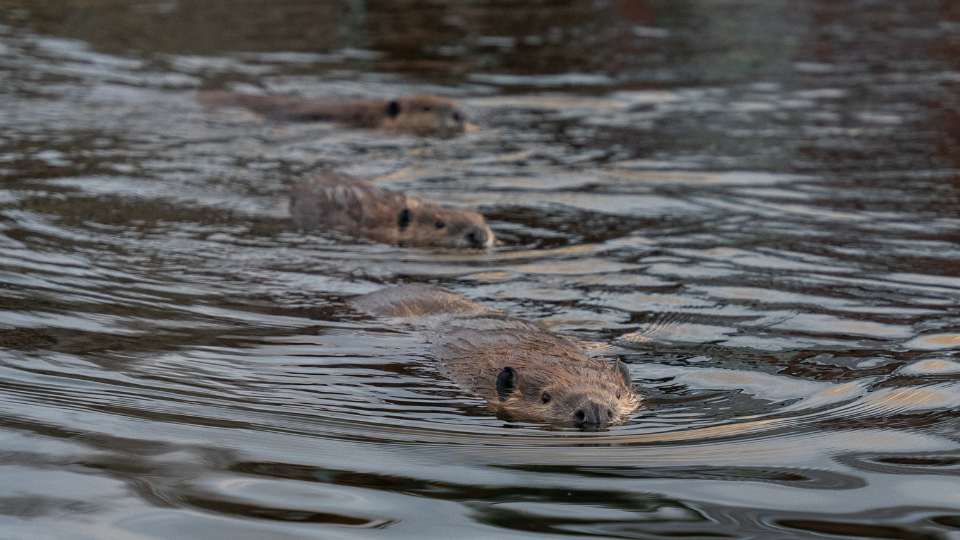
Loss of Beaver Population Next to Swaner EcoCenter
Between March 23 and April 2, five dead beavers were discovered near the Swaner Preserve & EcoCenter by Swaner staff. All five beavers shared one lodge outside the EcoCenter, and samples collected from one of the beavers tested positive for tularemia.
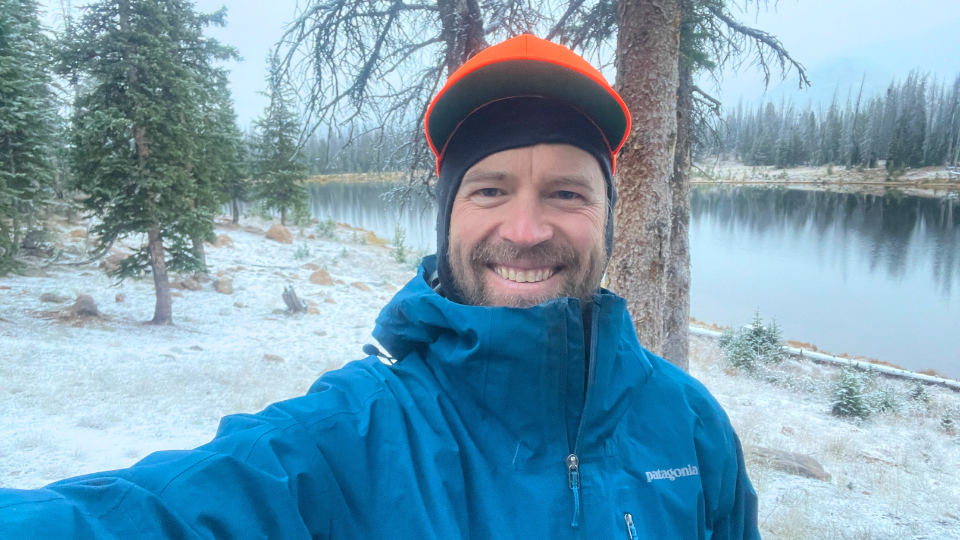
Swaner Preserve & EcoCenter Welcomes New Executive Director
We are thrilled to announce our new executive director, Lewis Kogan. Learn more about his impressive career and excitement to join the organization.
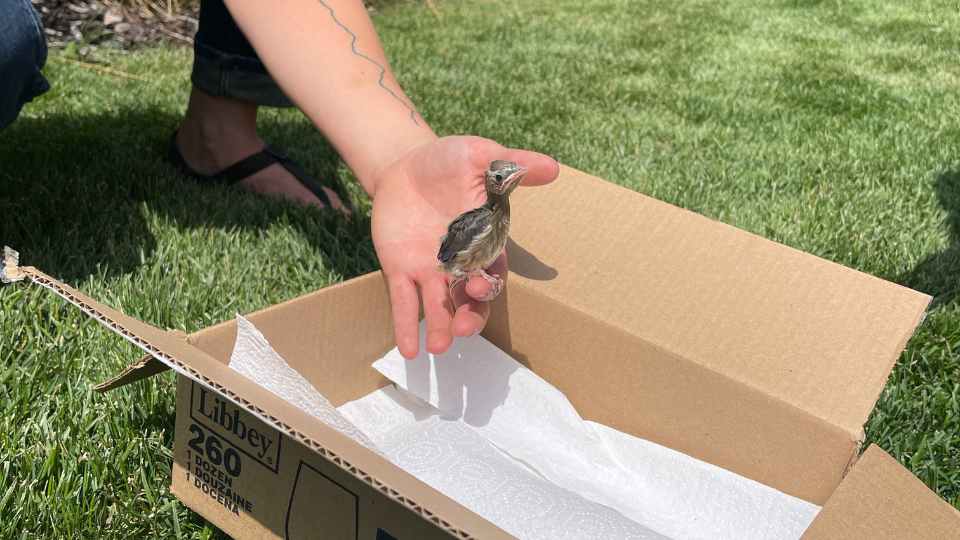
What To Do If You Find a Baby Bird
It’s spring, which means baby animals of all kinds are starting to appear! Learn what to do if you find a baby bird during this time of year.

Amazing Butterflies
If you enjoy summer days hiking in the local mountains or sitting among the flowers in a nearby garden, you have undoubtedly observed butterflies flitting from flower to flower or gliding on updrafts overhead. These small fragile creatures have withstood

American Wetlands Month
Did you know that May is American Wetlands Month? It's the perfect time to celebrate the amazing wetlands right here in the Wasatch Back! Wetlands are one of the most important—and rare—ecosystems in Utah. In fact, less than 1% of our entire state is cons
Clever Creatures: How Local Wildlife Prepares for Winter
All around us, wildlife here on the Wasatch Back are making remarkable adjustments to survive the cold months ahead. Some tuck themselves away in a kind of suspended animation, while others stay active, transforming their behavior to endure freezing tempe
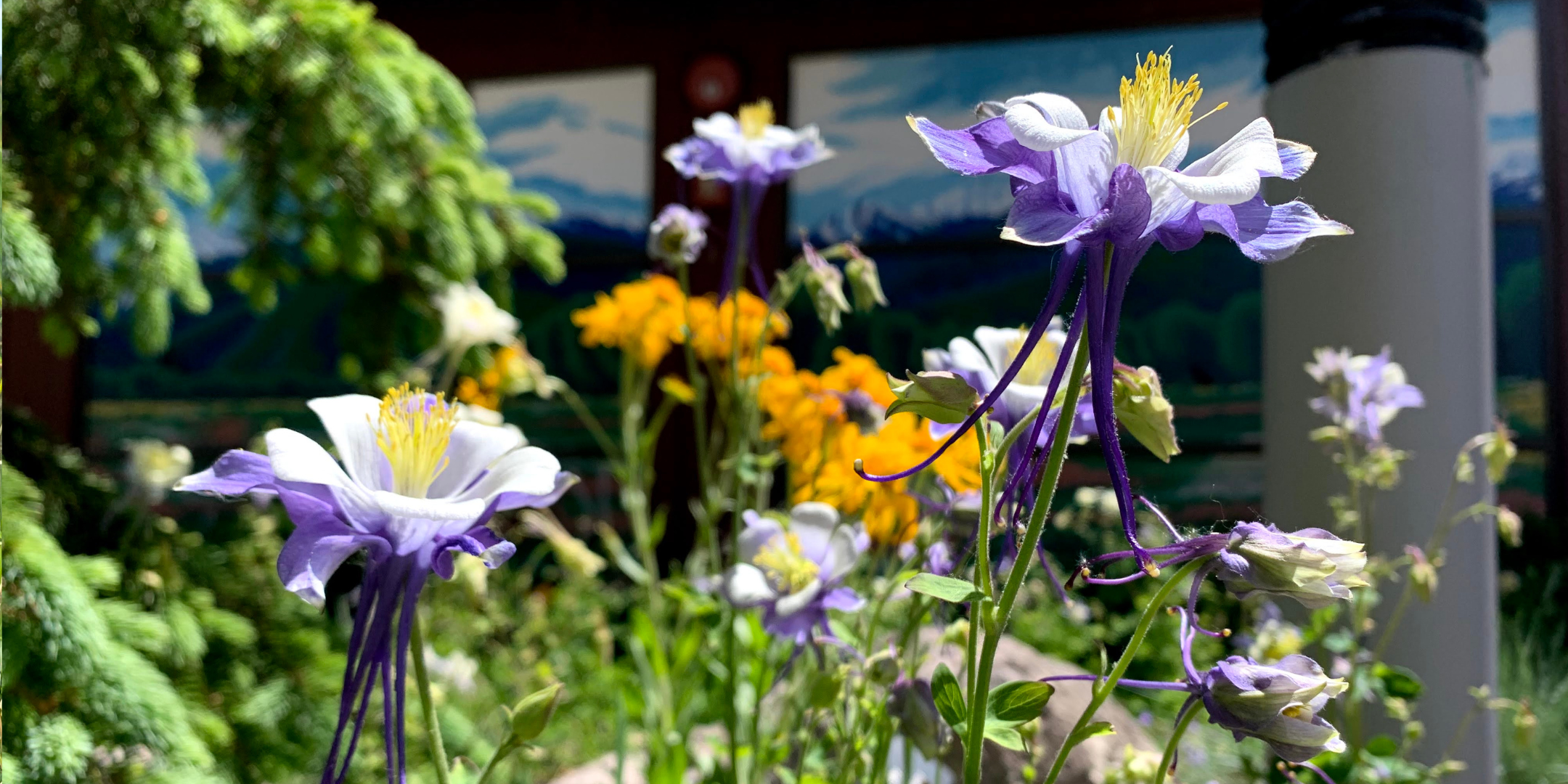
Spread the Word (and the Seeds!)
You heard it here first: Swaner Preserve is starting a little free native seed library! This resource, intended to provide native seeds to the public, is set to open in conjunction with the “Ephemeral” Art Show this September at the EcoCenter.

Become a Community Scientist
Towards the end of April, you have a unique opportunity to become a part of something big – the City Nature Challenge! In Park City, this event is a collaboration between Swaner Preserve & EcoCenter and Basin Recreation, and it's all about observing and d
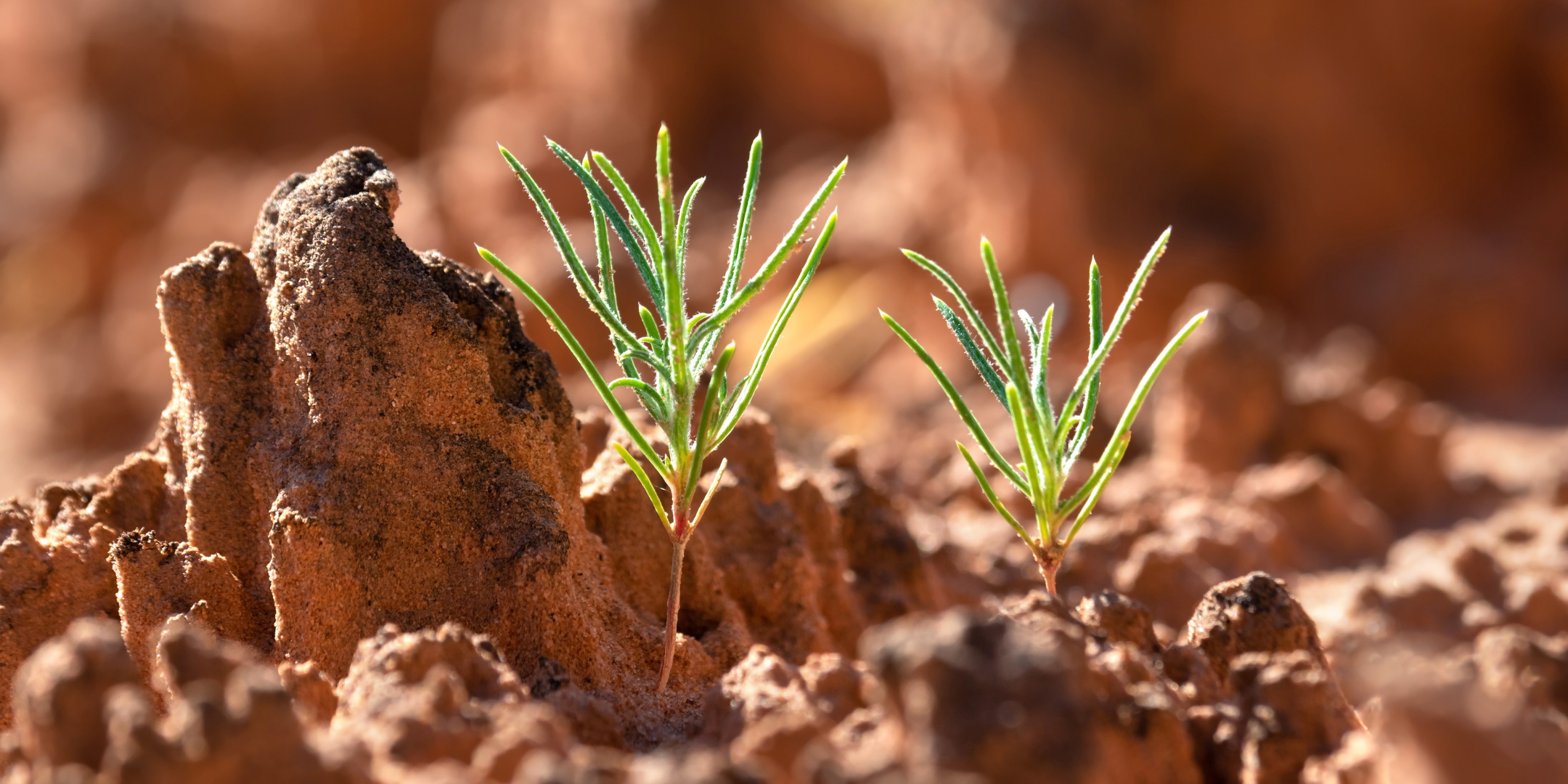
Life on the Edge: Extreme Environments
Utah is home to a plethora of unique habitats and ecosystems, some of which create especially challenging conditions for survival! Many organisms in Utah depend on special adaptations to help them survive and even thrive in these extreme environments.

How Stars and Nature Guide Us Through Change
Places like the Swaner Preserve have become increasingly rare. Behind a shopping plaza with diverse restaurants, boutiques, and condos, there lies a 1,200-acre piece of permanently protected open space. It starkly contrasts the life around its border—a sl
Events
Location, Hours & Contact
Physical & Mailing Address
1258 Center Drive
Park City, Utah 84098
EcoCenter Hours
Wednesday – Sunday, 10 am – 4 pm
The EcoCenter will close early at 1 PM on Wednesday, August 19.
Email
swanerecocenter@usu.edu
Phone
435-649-1767
