
Life on the Edge: Extreme Environments
By Hunter Klingensmith | January 9, 2026
Utah is home to a plethora of unique habitats and ecosystems, some of which create especially challenging conditions for survival! Many organisms in Utah depend on special adaptations to help them survive and even thrive in these extreme environments.
From snowy mountain peaks to dry deserts and the Great Salt Lake – let’s explore some of these organisms who live their life on the edge.
Snow Algae
These often colorful, cold-loving algae thrive at low temperatures with high amounts of light. Their specialized cellular adaptations allow them to survive in the extreme environments of Utah’s mountain snowfields. These algal blooms usually start when there is enough meltwater in the snowpack, often in the spring and early summer. Sometimes called “watermelon snow”, the algae can turn the surface of the snow a pink, red, orange, or even green color.
Researchers at USU are working to better understand snow algae, how it impacts the reflective properties of snow, and how climate change impacts it.
Cryptobiotic Soil Crusts
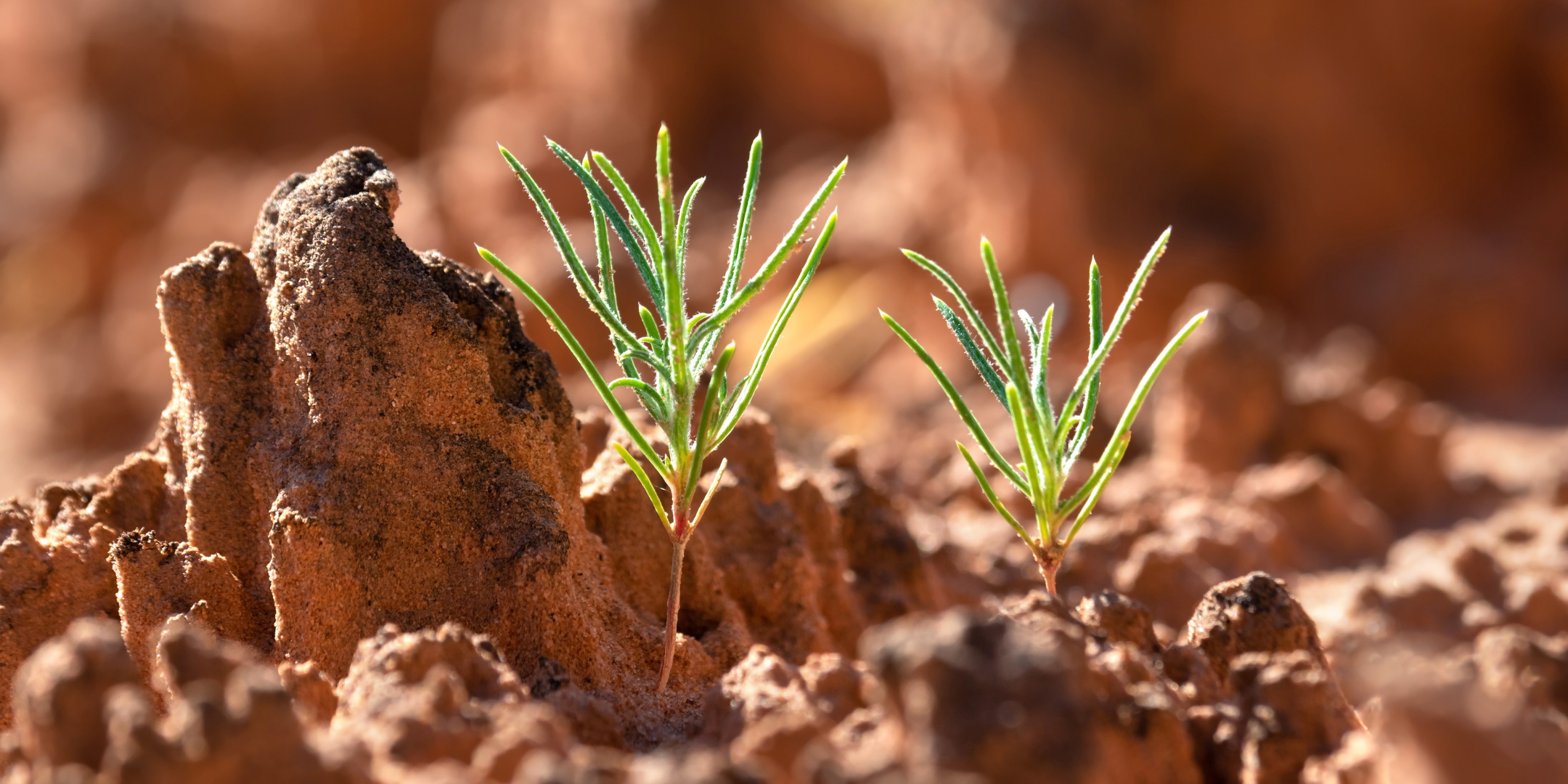
These dark, bumpy “living soils” thrive in Utah’s dry deserts, where intense sun, limited water, and shifting sands create harsh conditions for life. Made of cyanobacteria, mosses, lichens, and fungi, cryptobiotic crusts lock the soil together with tiny filaments that act like nature’s rebar. Their slow-growing communities stabilize dunes, store nutrients, and help desert plants take root.
These fragile, living surface layers on desert soils can take decades—or even centuries—to recover once crushed by footsteps, tires, or livestock. Research into how cryptobiotic crusts cycle nutrients, support desert ecosystems, and respond to a warming climate can help us better understand success in extreme desert environments.
Brine Shrimp
These tiny, salt-loving crustaceans thrive in the extreme waters of the Great Salt Lake, one of the saltiest large lakes in the world (2 – 9 times saltier than the ocean!). Brine shrimps are perfectly adapted to high salinity, using specialized gills and hardy life cycles to survive where most other animals cannot. When conditions are right, they can give birth to live young, or when conditions are more extreme, they lay cysts - dormant eggs that can withstand drying, freezing, and intense salinity that hatch when the ideal conditions return.
Though small, brine shrimp are a powerhouse of the lake’s ecosystem. They graze on algae, recycle nutrients, and serve as an essential food source for millions of migratory birds that rely on the Great Salt Lake as a critical stopover. Research at the lake by the Great Salt Lake Institute is even being used to help model where life might exist on Mars!
Want to learn more about extreme environments on Earth and even how they help us understand possibilities for life in space? Visit Swaner’s newest temporary exhibition Life on the Edge at the EcoCenter opening January 24 and on display through May 10!
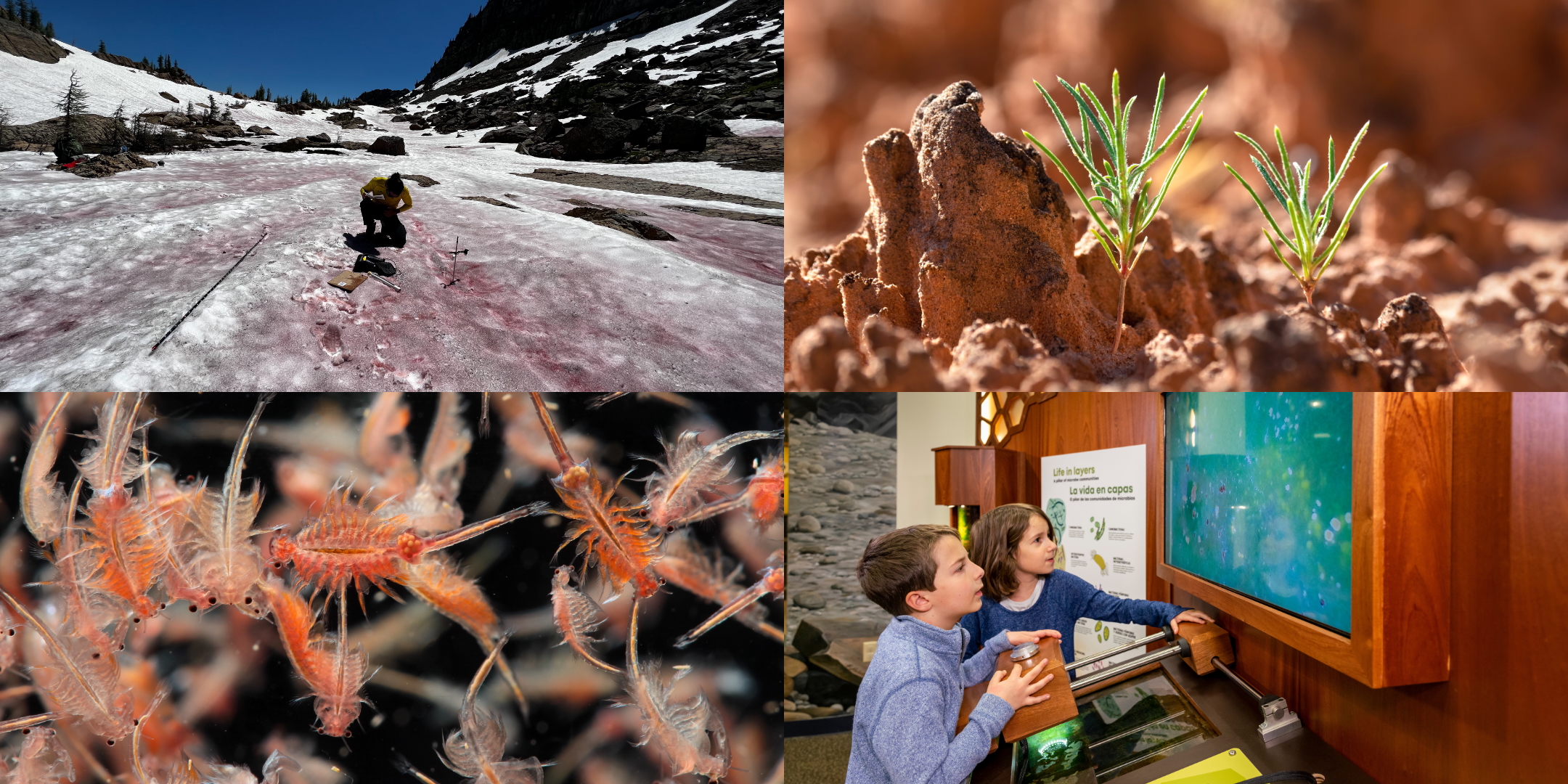
From top left image to bottom right: USU Researchers studying snow algae (photo by Joe Giersch), Green plant germinating on the biological soil crust (Canyonlands National Park, UT), Brine shrimp, Visitors to Life on the Edge learning how microbes contribute to nutrient cycling by using a movable video microscope (Sciencenter)
Other Naturalist News
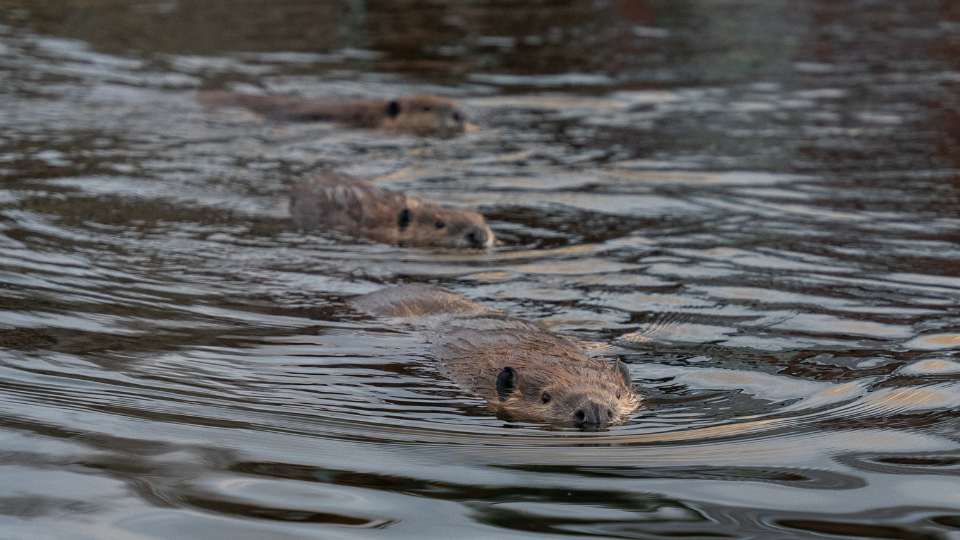
Loss of Beaver Population Next to Swaner EcoCenter
Between March 23 and April 2, five dead beavers were discovered near the Swaner Preserve & EcoCenter by Swaner staff. All five beavers shared one lodge outside the EcoCenter, and samples collected from one of the beavers tested positive for tularemia.
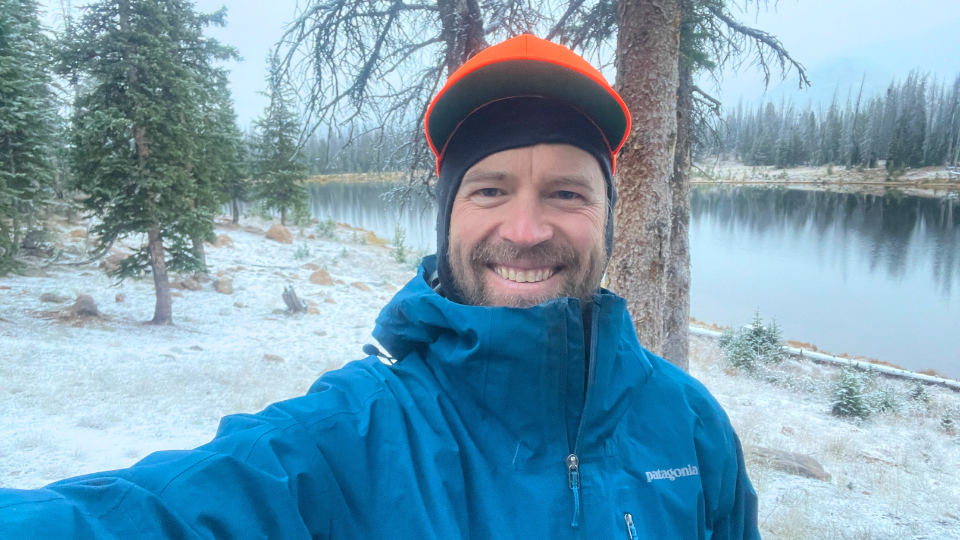
Swaner Preserve & EcoCenter Welcomes New Executive Director
We are thrilled to announce our new executive director, Lewis Kogan. Learn more about his impressive career and excitement to join the organization.
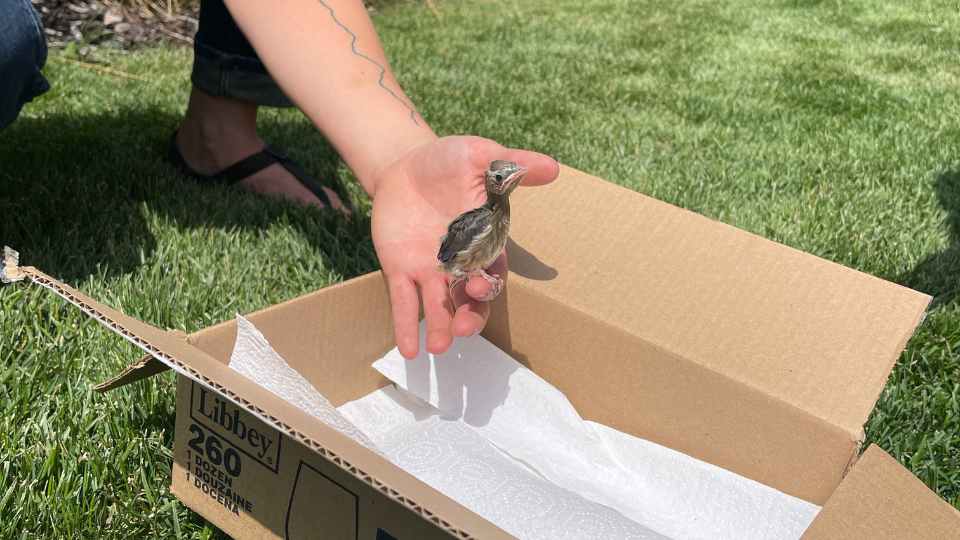
What To Do If You Find a Baby Bird
It’s spring, which means baby animals of all kinds are starting to appear! Learn what to do if you find a baby bird during this time of year.

Amazing Butterflies
If you enjoy summer days hiking in the local mountains or sitting among the flowers in a nearby garden, you have undoubtedly observed butterflies flitting from flower to flower or gliding on updrafts overhead. These small fragile creatures have withstood

American Wetlands Month
Did you know that May is American Wetlands Month? It's the perfect time to celebrate the amazing wetlands right here in the Wasatch Back! Wetlands are one of the most important—and rare—ecosystems in Utah. In fact, less than 1% of our entire state is cons

Clever Creatures: How Local Wildlife Prepares for Winter
All around us, wildlife here on the Wasatch Back are making remarkable adjustments to survive the cold months ahead. Some tuck themselves away in a kind of suspended animation, while others stay active, transforming their behavior to endure freezing tempe
Spread the Word (and the Seeds!)
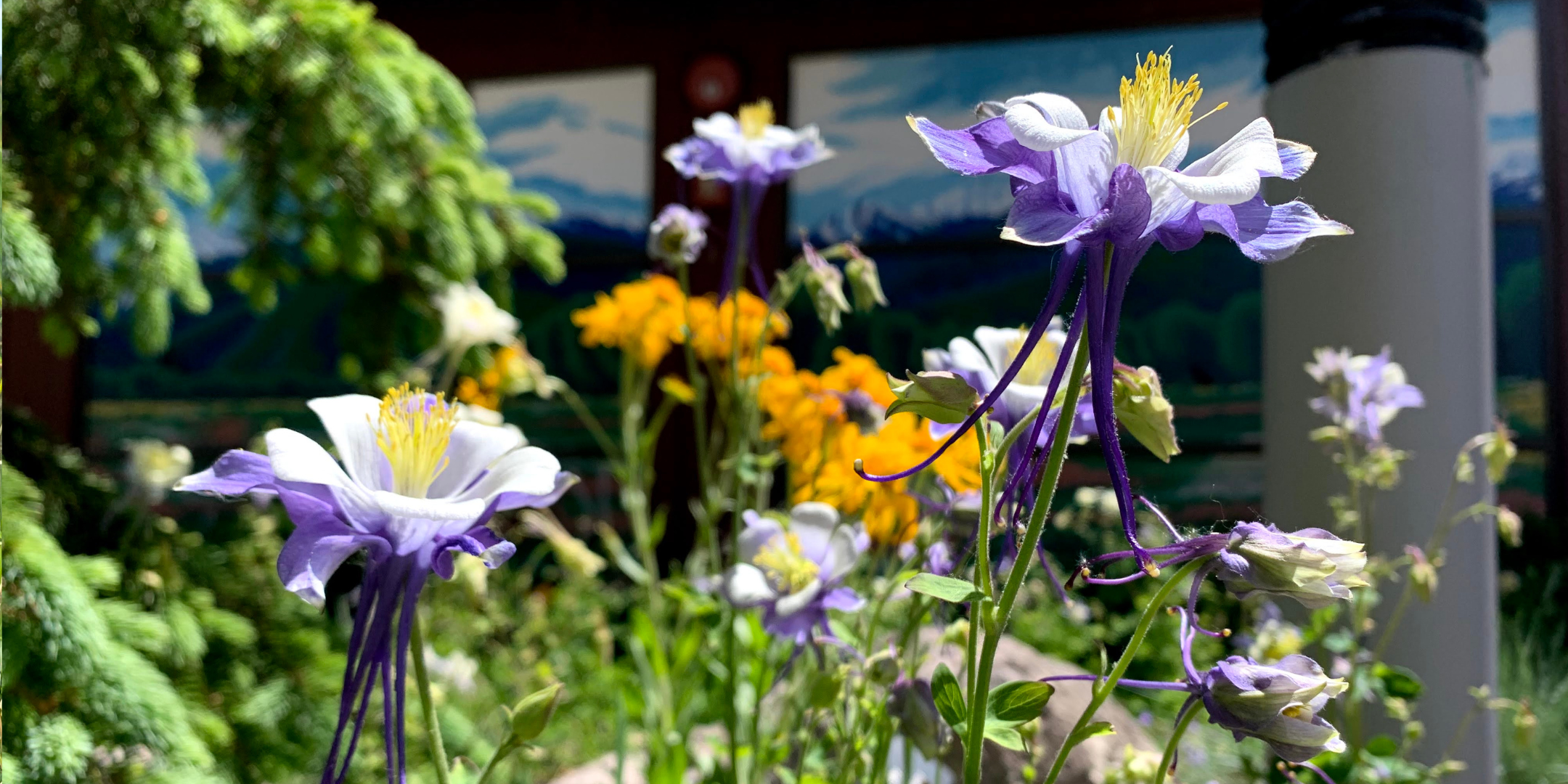
You heard it here first: Swaner Preserve is starting a little free native seed library! This resource, intended to provide native seeds to the public, is set to open in conjunction with the “Ephemeral” Art Show this September at the EcoCenter.

Become a Community Scientist
Towards the end of April, you have a unique opportunity to become a part of something big – the City Nature Challenge! In Park City, this event is a collaboration between Swaner Preserve & EcoCenter and Basin Recreation, and it's all about observing and d
Life on the Edge: Extreme Environments
Utah is home to a plethora of unique habitats and ecosystems, some of which create especially challenging conditions for survival! Many organisms in Utah depend on special adaptations to help them survive and even thrive in these extreme environments.

How Stars and Nature Guide Us Through Change
Places like the Swaner Preserve have become increasingly rare. Behind a shopping plaza with diverse restaurants, boutiques, and condos, there lies a 1,200-acre piece of permanently protected open space. It starkly contrasts the life around its border—a sl
Events
Location, Hours & Contact
Physical & Mailing Address
1258 Center Drive
Park City, Utah 84098
EcoCenter Hours
Wednesday – Sunday, 10 am – 4 pm
The EcoCenter will close early at 1 PM on Wednesday, August 19.
Email
swanerecocenter@usu.edu
Phone
435-649-1767
