
Weed It and Reap: How Swaner Tackles Invasive Plants
By Margaux Klingensmith | June 10, 2025
Weed season is here in Park City! In addition to seeing weeds, you may be hearing terms like noxious, invasive, weedy, native, and non-native- what do they all mean? Weeds are unwanted plants. What qualifies any plant as a “weed” changes with context and situation. On a farm, a weed may be any plant except the intended crop. Something you consider a weed in your garden or lawn may be a welcome sight in the middle of the Swaner Preserve. We love to see western yarrow (a native bloom) on the preserve, but it does spread in and can be considered weedy in a home garden.
When we talk about weed management at Swaner Preserve we are usually referring to invasive or noxious weeds. Many weeds fall into both categories of noxious and invasive, you'll often hear these terms used interchangeably. Invasive weeds have mechanisms that allow them to out-compete other plants, blocking native plant growth, spreading aggressively, and limiting biodiversity. Noxious weeds are invasive weeds that have been listed by the Department of Agriculture and Food as a threat to economy, agriculture, recreation, wildlife, or health and safety. There are different classes of noxious weeds and depending on the classification landowners are legally required to mitigate noxious weeds on their property. You can learn about Utah’s noxious weeds with USU’s Noxious Weed Field Guide for Utah. Additionally, check out Summit CWMA’s list of Summit County’s noxious weeds and classifications.
So why do we need to control noxious weeds? Native plants are plants that have historically presided in a certain area and occur naturally, they are essential to ecosystem heath and function. Removing invasive weeds protects native plant populations that are pillars of ecosystem health and function. Native plants have natural barriers to growth, while some may have weedy or fast-growing tendencies there are mechanisms that keep populations in check. Animals will recognize and eat them, they compete with other plants for space, or insects and fungi limit growth. Non-native plants are introduced from another area, intentionally or unintentionally, and can become invasive. However, not all non-native plants will become invasive. Many introduced non-native plants will not survive outside the ideal conditions of your garden or yard. Non-native plants can become naturalized, meaning over time they are ubiquitous, but act like a native plant. Animals recognize them to eat, insects will utilize them, and they do not aggressively outcompete other plants for space, but rather, coexist with native plants and wildlife.
How does Swaner deal with weeds? By using integrated weed management with tools like physical removal, biocontrols, seeding native plants, planting native species, targeted herbicide, and restoration projects, we can create more ideal conditions for native plants to thrive. The most prolific noxious weeds we see at Swaner are Hoary Cress, Dyers Woad, Garlic Mustard, Spotted Knapweed, Black Henbane, Houndstongue, Musk Thistle, Canada Thistle, and Scotch Thistle.
Want to learn about what noxious weeds live in Park City or help out? Join the experts at Summit County Weed Division for a variety of events each season. Volunteer with Swaner Preserve’s conservation team for weekly weed pull events every Wednesday morning from 8:30am to 10:30am, sign up here. Join Summit CWMA for Garlic Mustard Games, form a team or join solo and compete to pull the most garlic mustard in Summit County, check out their website for noxious weed info, community programs, upcoming events and more.

Other Naturalist News
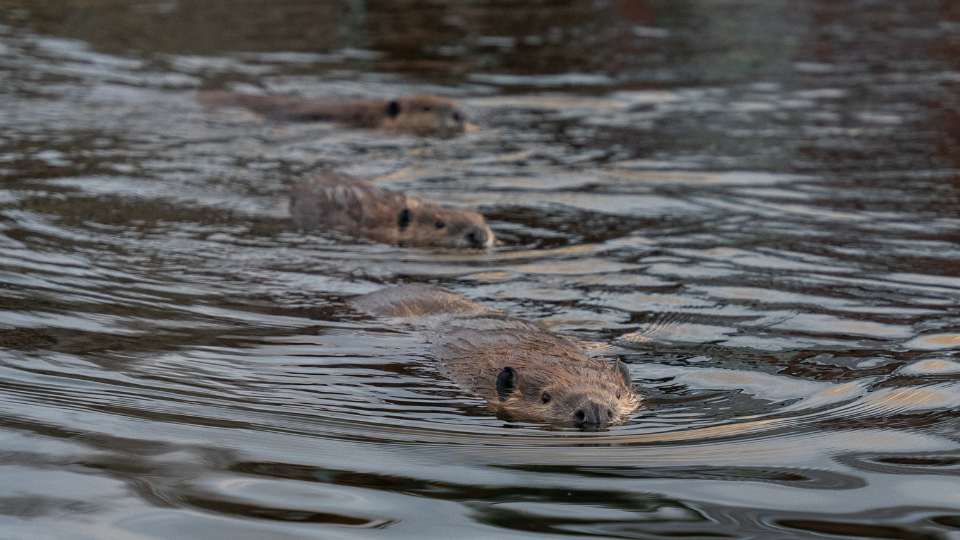
Loss of Beaver Population Next to Swaner EcoCenter
Between March 23 and April 2, five dead beavers were discovered near the Swaner Preserve & EcoCenter by Swaner staff. All five beavers shared one lodge outside the EcoCenter, and samples collected from one of the beavers tested positive for tularemia.
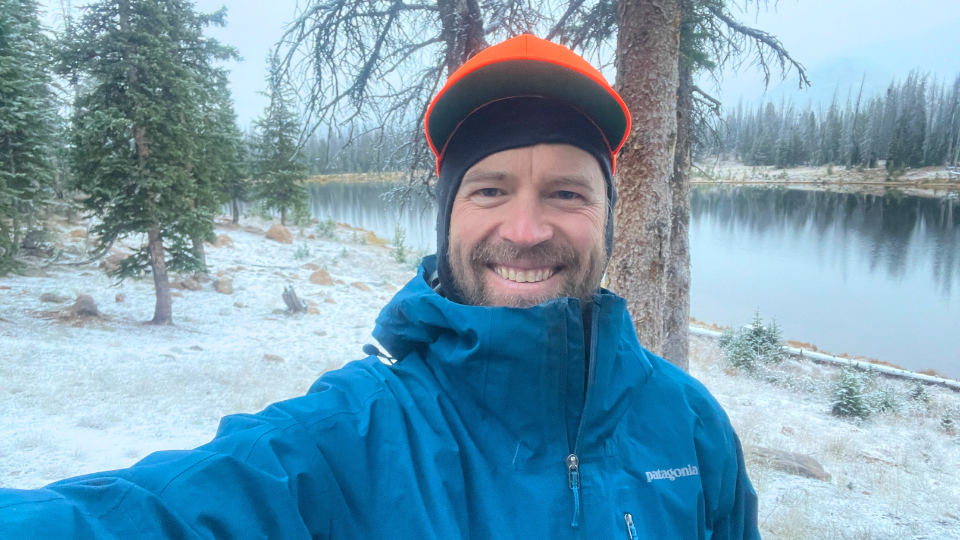
Swaner Preserve & EcoCenter Welcomes New Executive Director
We are thrilled to announce our new executive director, Lewis Kogan. Learn more about his impressive career and excitement to join the organization.
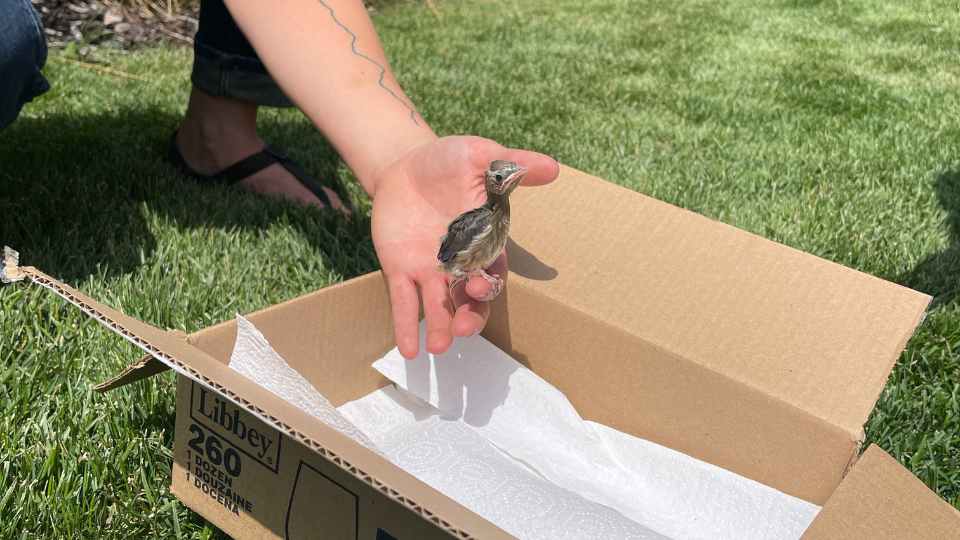
What To Do If You Find a Baby Bird
It’s spring, which means baby animals of all kinds are starting to appear! Learn what to do if you find a baby bird during this time of year.

Stewardship in Action: Intern Insights
What’s it like to spend a summer caring for 1,200 acres of wildlife habitat? Our 2026 Conservation and Outreach interns just finished up their season, and they're here to tell you all about it. Read on for their reflections!

Amazing Butterflies
If you enjoy summer days hiking in the local mountains or sitting among the flowers in a nearby garden, you have undoubtedly observed butterflies flitting from flower to flower or gliding on updrafts overhead. These small fragile creatures have withstood

American Wetlands Month
Did you know that May is American Wetlands Month? It's the perfect time to celebrate the amazing wetlands right here in the Wasatch Back! Wetlands are one of the most important—and rare—ecosystems in Utah. In fact, less than 1% of our entire state is cons

Clever Creatures: How Local Wildlife Prepares for Winter
All around us, wildlife here on the Wasatch Back are making remarkable adjustments to survive the cold months ahead. Some tuck themselves away in a kind of suspended animation, while others stay active, transforming their behavior to endure freezing tempe
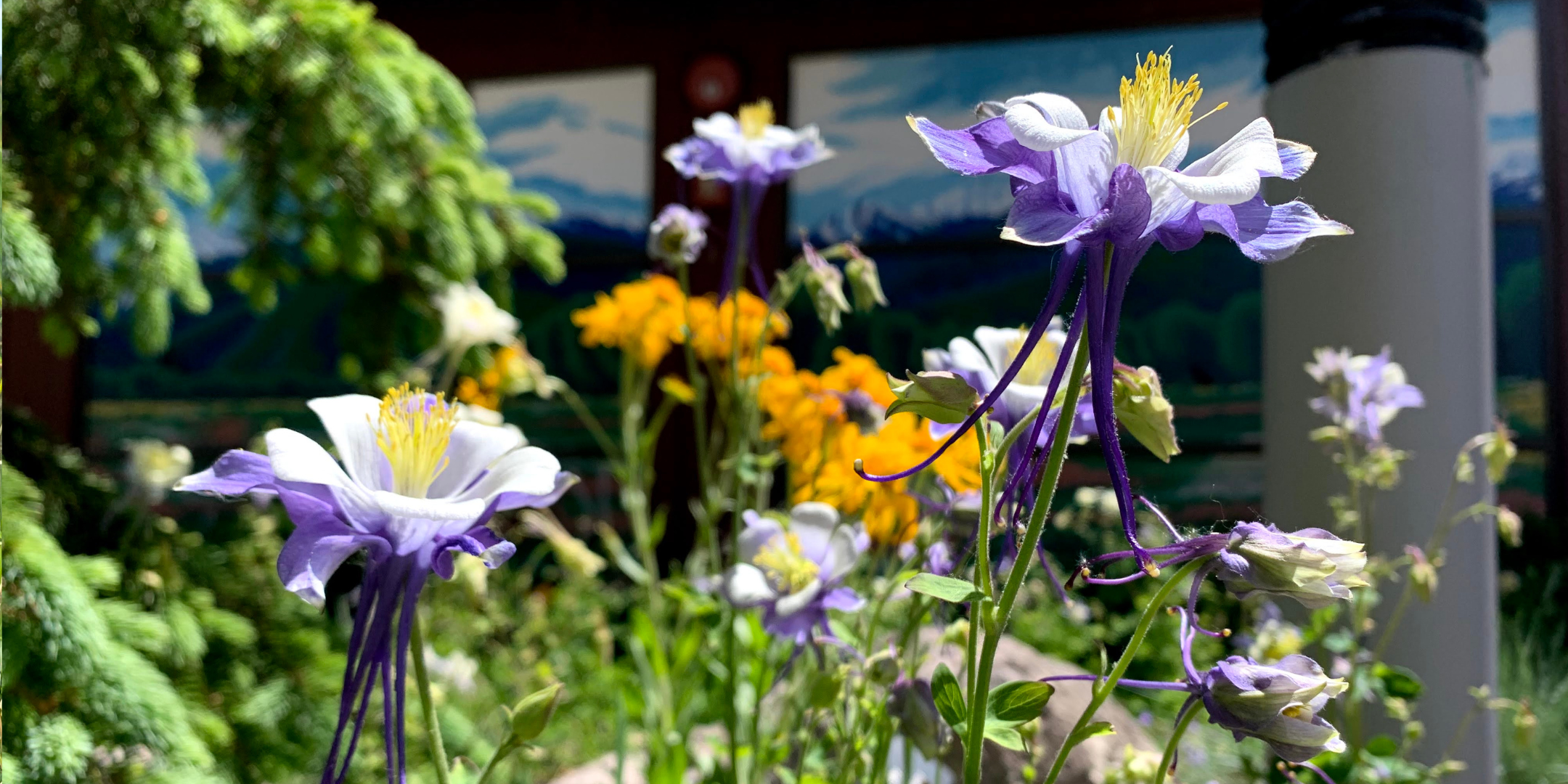
Spread the Word (and the Seeds!)
You heard it here first: Swaner Preserve is starting a little free native seed library! This resource, intended to provide native seeds to the public, is set to open in conjunction with the “Ephemeral” Art Show this September at the EcoCenter.

Become a Community Scientist
Towards the end of April, you have a unique opportunity to become a part of something big – the City Nature Challenge! In Park City, this event is a collaboration between Swaner Preserve & EcoCenter and Basin Recreation, and it's all about observing and d
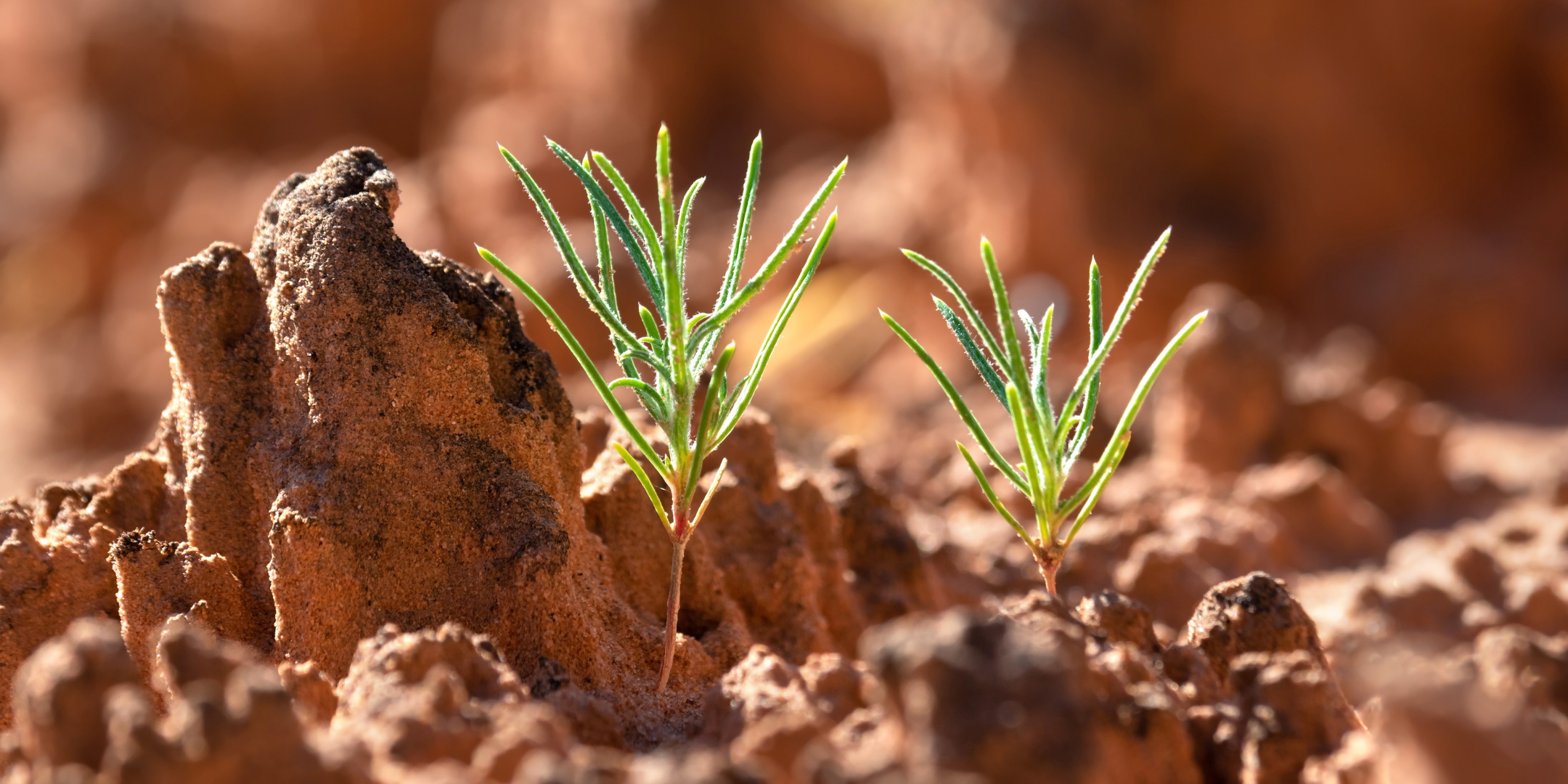
Life on the Edge: Extreme Environments
Utah is home to a plethora of unique habitats and ecosystems, some of which create especially challenging conditions for survival! Many organisms in Utah depend on special adaptations to help them survive and even thrive in these extreme environments.
Events
Location, Hours & Contact
Physical & Mailing Address
1258 Center Drive
Park City, Utah 84098
EcoCenter Hours
Wednesday – Sunday, 10 am – 4 pm
The EcoCenter will be closed on Thursday, November 26.
Email
swanerecocenter@usu.edu
Phone
435-649-1767
