
Tales of a Seasoned Astronomy Ranger
An interview with Steve Moore, Career Park Ranger, California State Parks and National Park Service
By Lisa Stoner, Coordinator for the Colorado Plateau and Basin and Range Dark Sky Cooperatives
A life-long commitment to the Cosmos
A Dedicated Mindset
Steve’s draw to space and astronomy began at an early age. He was hooked after learning about the subject in 2nd grade, and with a love of the outdoors, Steve knew by the time he was 12, he would be a Park Ranger one day.

Darkening sky and Comet Neowise, Natural Bridges NM, 2020 - What natural dark skies should look like
Photo credit: Steve Moore
After receiving a degree in Biology in the spring of 1970 from what is now Sonoma State University, Steve’s first step into his professional journey took him to Natural Bridges National Monument where he worked for the next two summers. Natural Bridges was and remains, extremely isolated, at the time, sitting at the end of a 25-mile dirt road that included a hairy precipice. (That same road is now much improved.) Steve reflects fondly on his time living and working in the monument, fully appreciating the natural beauty, significant cultural resources, geographic isolation, and some of the darkest skies in the world; qualities that later earned its status as the world’s first International Dark Sky Park in 2007. “We were really living out there, a true western outback experience!” Steve suggests reading Edward Abbey’s Desert Solitaire to get an idea…
Just a year later, Steve was offered his first permanent position by California State Parks, aligning him perfectly with his North Star and career ambitions. Steve served for the State Parks for the next 31 years with multiple assignments in northern California. He was the sole Night Sky Ranger at many of those locations, leading astronomy programs, and interpreting for local astronomy groups from across the San Fransisco Bay Area. Steve formally “retired” from the career leaving his Supervising Ranger position at Mount Tamalpais and China Camp State Parks in 2002.

Steve Moore giving his Astronomy Talk at
Natural Bridges NM, 2021
Photo credit: Becca Miller
Shortly after retirement however, Steve decided he wasn't quite done with work, so he took on a few seasonal assignments at Redwood National and State Parks and McArthur-Burney Falls Memorial State Park allowing him to explore new environments. During this time, he realized how much he enjoyed teaching. He launched astronomy programs in both locations and restarted the night sky program at Burney Falls. “Proud of the Stetson,” and equipped with the knowledge and passion, Steve says he “found the perfect balance between work and play.”
Transition to the National Park Service
In 2010 Steve began doing seasonal work for the NPS, with his first assignment at Great Basin National Park. He worked for 4 months the first year and longer assignments in the years thereafter. He was at Great Basin when the importance of dark skies and concerns over the effects of increasing light pollution became a prominent message.
In his first season at Great Basin, Steve, with his colleague Kelly Carroll, created one of the park’s earliest astronomy programs. By the next year, they planned and launched the first full-blown astronomy festival, modeled after the well-known Astro-Fest at Bryce Canyon that had been happening for the last decade. Additionally, when Great Basin NP partnered with the Nevada Star Train in 2014, Steve was the first astronomy guide. He mentions how the Stair Train grew in popularity overnight after a TV crew came in for an interview and aired the program on Christmas morning. The next day, the phones were off the hook.
Humble, to say the least, yet deservedly proud of these earlier accomplishments, Steve mentions the beautiful Astro Center that now stands at Great Basin and the notable distinction of it being the first National Park with a research-grade astronomical observatory.
Well into his retirement years, Steve still loves his work. Since his time at Great Basin, he has now served at Death Valley, Natural Bridges, Cedar Breaks, and currently serves at Lava Beds National Monument.
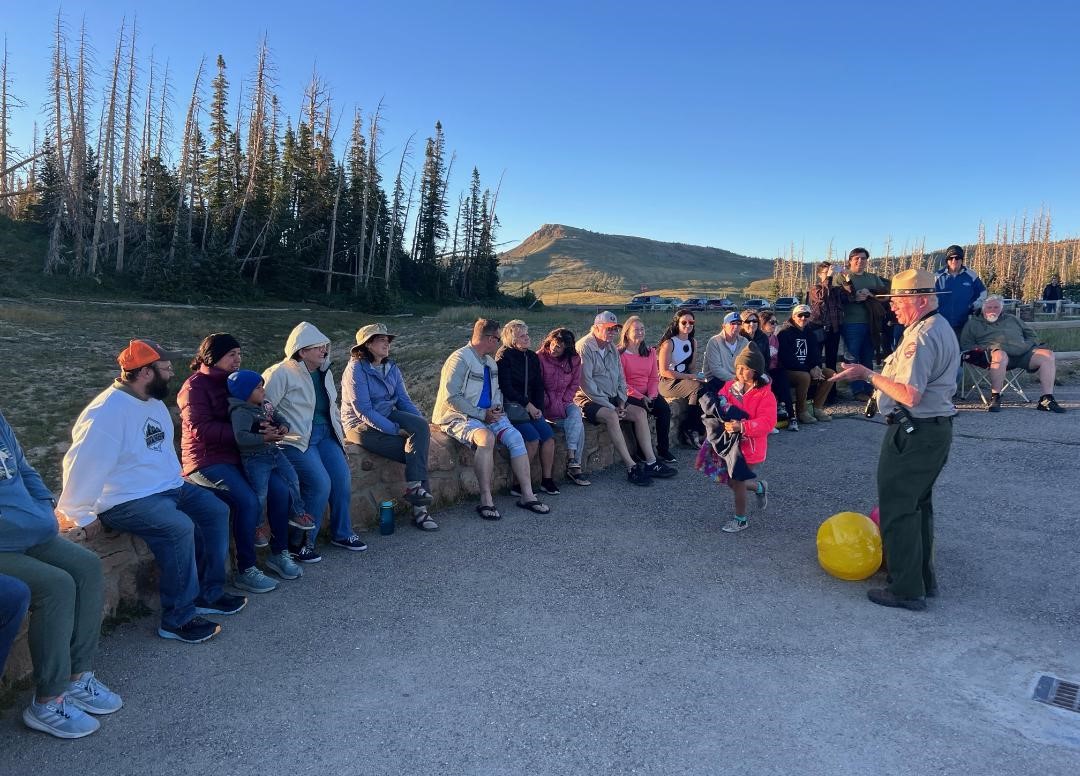
Steve explaining sun-earth scale and distance during an Astronomy Program at Cedar Breaks NM, 2023
Photo credit: Matthias Schmitt
The Growing Popularity of Astronomy Programs
Astronomy talks have become the most popular evening programs in the parks where he has worked, and are increasingly attracting larger audiences. Even in the most remote campgrounds, like Natural Bridges, it is typical to have 20 to 25 people who travel the distance for that unique night sky experience. “Astronomy programs used to be once a week, now it's the #1 program, with 3 nights a week in the summer at some parks.” The number of programs offered depends on staffing. Not all parks are equipped with multiple rangers. At Lava Beds, Steve is the only Night Sky Ranger.
“Every ranger has their schtick.” Steve keeps his talks science-based and tries to make them as relevant as possible. He refers to his moon-based astronomy programs as “Looney Nights at Lava Beds,” adjusting the name depending on his current location. Steve loves sharing a variety of moon lore and moon facts. During his constellation tours, he covers the way distance is measured and the life history of stars. Steve considers himself “an Astronomy Ranger with a Dark Sky pitch.” While pointing out the stars, he also points out “how fortunate we are to have this primeval view of the night sky.”
Pieces of the Fabric
Early in his career, while working at McArthur-Burney Falls and the nearby Ahjumawi Lava Spring State Park, Steve had the opportunity to work with Floyd Buckskin, a member of the local Pit River Tribe, a cultural resources expert, and later a tribal elder. Floyd wanted to share with Steve certain cultural stories and legends that evolved on that landscape as a way to preserve his culture and awareness of his tribe’s connection to the area. Steve holds dear these precious stories of native American points of view saying, “they are pieces of the fabric.” Steve talked about his recent trip to the area to see the newly built Floyd Buckskin Memorial Trail.
And the Journey Continues
"So," I asked Steve, “what’s next?” His assignment at Lava Beds ends in late September, he explains, “another six weeks of programs to give for the season, then its back to Bend." He looks forward to getting back to his hometown in Bend, Oregon, where he will pick back up on his volunteer work at the Sun River Nature Center and Observatory and with the Sisters Astronomy Club.

Steve's Astronomy Program at Natural Bridges NM, 2019
Photo credit: Emily Ficker
More About Steve
- See Steve’s version of Johnny Cash’s Ring of Fire, performed the day of the Annular Solar Eclipse at Cedar Breaks NM, October 14, 2023
Related Articles
13th annual Amazing Earthfest in Kanab to host five Moon and Star Parties May 11 – 17, 2019!
Amazing Earthfest is a 501c3 nonprofit organization based in Kanab, Utah, established in 2007 to produce an annual public festival celebrating National and State Parks, National Forests, Monuments and Public Lands of the Colorado Plateau, delivering exper
A Cultural Connectedness to the Night Sky
There are certain sections on the reservation where new constructions are permitted but the rest of the 122,000 acres remains untouched. The Paiute are caretakers of the land because we come from the land, live off the land, and then go back to the land.
A Dark Sky Course for Electrical Contractors
The Dark Skies course at Salt Lake Community College offers 3 CE credits to Utah-licensed Electrical Contractors. Students learn the benefits, specifications, and installation of fixtures that comply with municipal dark sky codes and ordinances.
A high-tech town strives to shine less brightly
Los Alamos is a small town of some 20,000 residents in the Jemez Mountains of northern New Mexico. The town is well known for being home to the Los Alamos National Laboratory (LANL) and is bordered to the south and west by two National Park System units:
All Aboard the Star Train!
Nevada Northern Railway’s Star Train offers a truly unique experience. On select summer evenings, the Star Train pulls out of Ely to take visitors on a journey to experience what our ancestors saw when they looked up into the night sky hundreds of years a
An astrophotographer’s perspective on protecting dark skies
Areas that are far away from city lights and that also have interesting landscapes make the Basin and Range Dark Sky Cooperative region exceptional for astrophotography. Shooting in the BRDSC offers an incredible amount of opportunity for nightscape shoot
Announcing a New Home for the Dark Sky Cooperatives
The Institute of Outdoor Recreation & Tourism at USU becomes new home to the Western Dark Sky Cooperatives
Birds Need Darkness Too
Many people don’t realize that most songbirds that migrate do so at night. It isn’t something we think about as we lie in bed, but on a given spring night there could be hundreds, or even millions of birds flying high above us through the dark sky.
Dark Skies Paonia
Dark Skies Paonia is a 501c3 non-profit organization working towards the goal of International Dark Sky Community Certification for the Town of Paonia, Colorado. Dark Skies Paonia was formed by a group of community members who enjoy the night sky but are
Developing Lighting Ordinances That Serve and Protect
This spotlight presents information shared during a series of interviews with dark sky community champions on the challenges and promises to ensure night-friendly lighting through the development of outdoor lighting ordinances.
Documenting the Universe
Shooting night skies is a special experience because it allows me to capture the brilliance of the universe in a photograph and bring forth a volume of light that may not be seen so simply by the naked eye.
Finding Peace Under Dark Skies
Dark Skies of the Wet Mountain Valley was founded in 1999 with the primary purpose of limiting light pollution of the night sky in the towns of Westcliffe and Silver Cliff, CO. After many years spent diligently working with and educating the local communi
Finding the Rabbit in the Moon: Tips for a Successful Dark Sky Application
The Japanese say that there is not a man in the full moon, but a rabbit. It is much easier to see a rabbit than a man. Similarly, we can learn to see the rabbit in our obstacles. Viewing challenges in different ways can help us get past them.
Great Basin National Heritage Area
The Great Basin National Heritage Area was designated by Congress in 2006 and includes White Pine County, Nevada; Millard County, Utah; and the Ely Shoshone, Duckwater Shoshone, Goshute and Utah Kanosh-Paiute nations.
IDA Chapters & Networking
IDA is dedicated to protecting the night skies for present and future generations with goals to advocate for the protection of the night sky, educate the public and policymakers about night sky conservation, promote environmentally responsible outdoor lig
Introducing the Basin and Range Dark Sky Cooperative
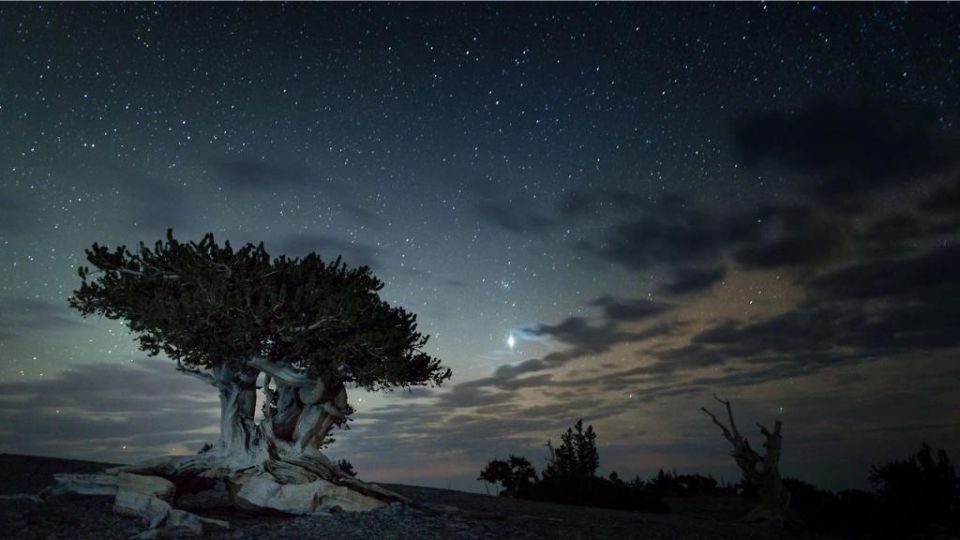
Natural night sky environments are restorative inspirational places for people and are essential for all living things on our planet. In today’s developed world there are very few places where we can access a truly natural night sky.
Introducing: Dark Sky Studies at the University of Utah
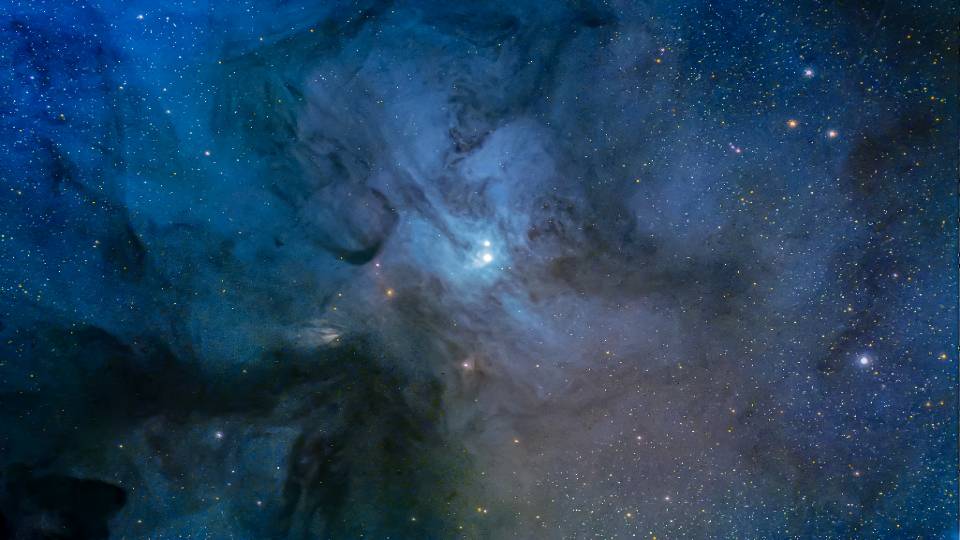
The University of Utah is home to a unique transdisciplinary academic program – the newly developed Dark Sky Studies (DSS) Minor, recently approved by the Utah Board of Regents.
Introducing: The Western Night Skies Council
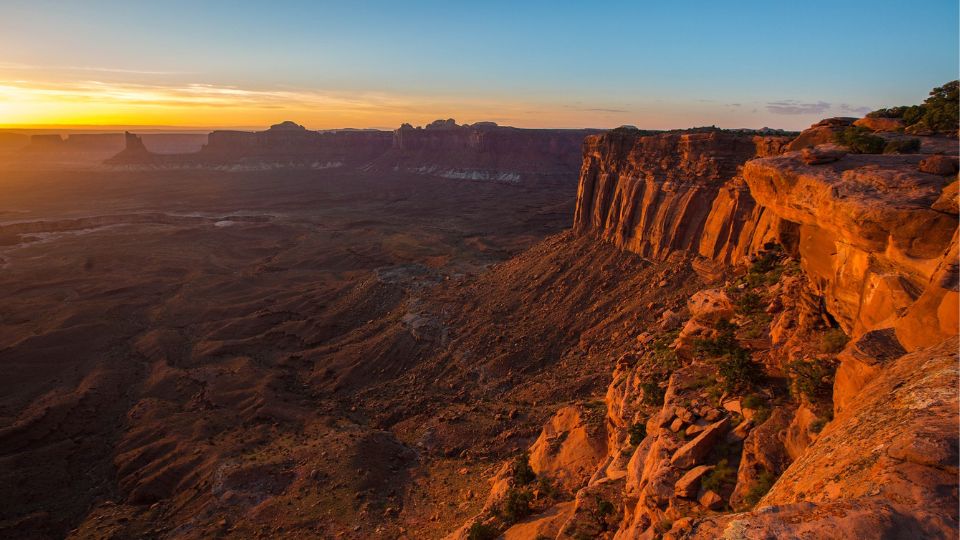
To provide a platform for sharing resources and information, increasing dialogue, and providing mutual support for the diverse groups of night sky conservation advocates throughout the Western United States, the Colorado Plateau Dark Sky Cooperative in pa
It Takes a Community
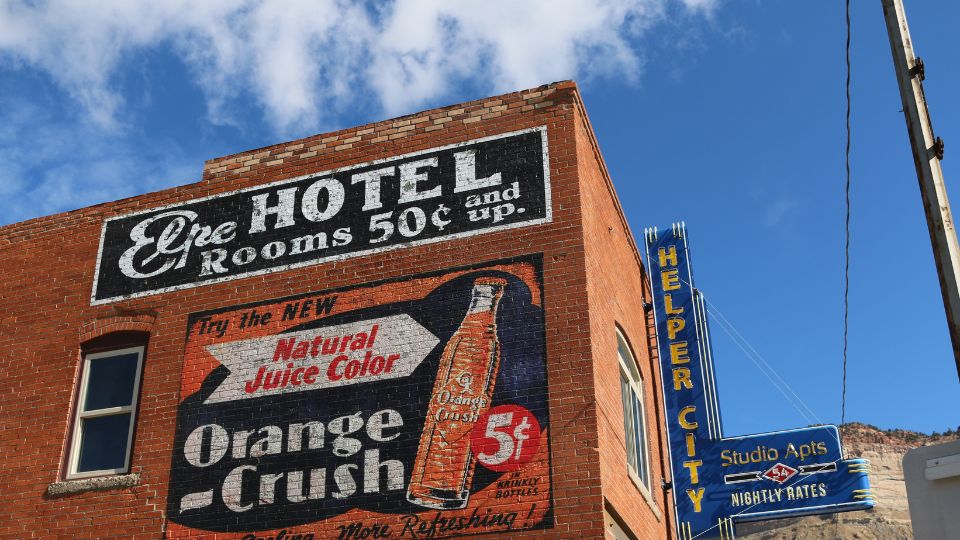
Mayor Peterman reached out to the University of Utah to build a partnership and work together to conserve the town’s rural night sky. Through this valuable partnership, Helper will receive important resources, knowledge, and technology while students will
Light, Planning, and Biophilia
Humans have always altered the natural world to better meet our needs and wants. Indeed, many other species alter the physical environment to create better conditions. These animals are called ecosystem engineers.
Nevada's Dark Sky Initiative Prepares to Dim the Lights in Boulder City
Nevada Division of Outdoor Recreation (NDOR) and the City of Boulder City, Nevada are awarded $1.9 million in federal funds from the American Rescue Plan Act (ARPA). This funding will support Nevada’s Dark Sky Initiative and will be used to purchase and i
Park to Park in the Dark
Park to Park in the Dark is Nevada’s first astrotourism route that connects two International Dark Sky Parks Death Valley National Park and Great Basin National Park, via Highways US-95 and US-6, and the rural communities along the route: Beatty, Goldfiel
Quarterly CONNECTIONS - A Shared Stewardship of Quality Night Skies
The program includes four interactive virtual meetings focused on ways to minimize light pollution and support the preservation and promotion of dark night skies. Through organized discussion with key speakers, stakeholders, and experts in the field, and
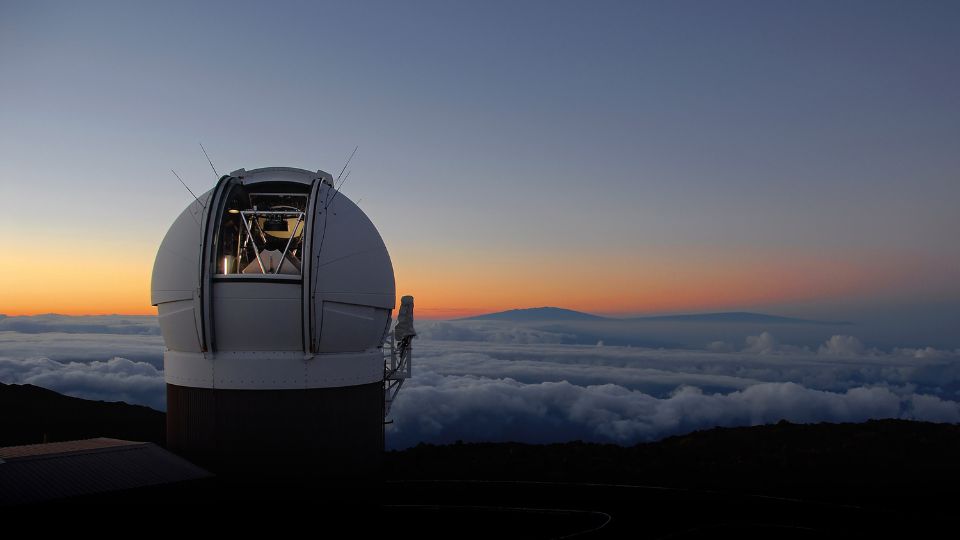
Residents Pursue Astronomical Observatory for Kanab
How cool would it be to create a facility in Kanab, Utah, for students, residents and visitors to learn about the wonders of outer space, and to see, maybe even for the very first time, what’s really out there?
Sedona’s Grandson: How Sedona Arizona got its name and other musings
My grandpa named the town after my grandma when the U.S. Postmaster General sent back his application for post office names (Schnebly Station and Oak Creek Crossing were too long to fit on the Arizona Territory cancellation stamp). Sedona was rather embar
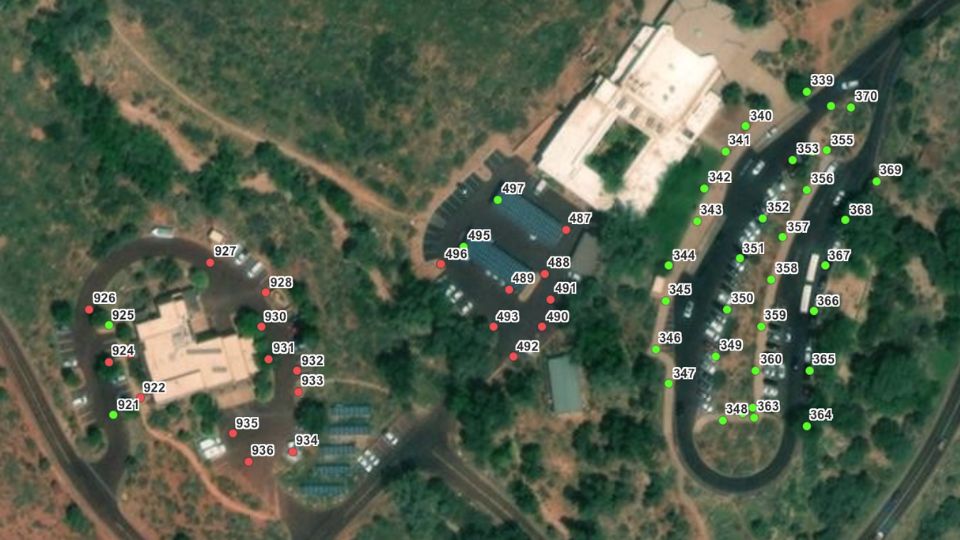
Show me the data: lighting inventory innovations
For the majority of us, what we see of the night sky from where we live is a partial reality. In fact, most of humanity is now living under a lesser version of the natural night sky without even realizing what has been lost. If you are reading this, you m
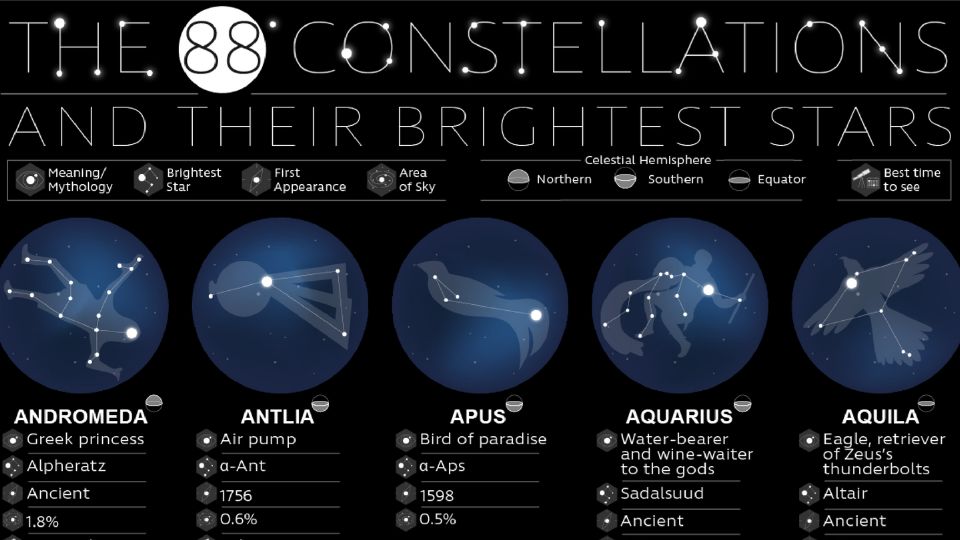
The 88 Constellations & Their Brightest Stars
In modern astronomy, the International Astronomical Union officially recognizes 88 constellations. 42 represent animals, 29 represent inanimate objects, and 17 represent humans or mythological characters.
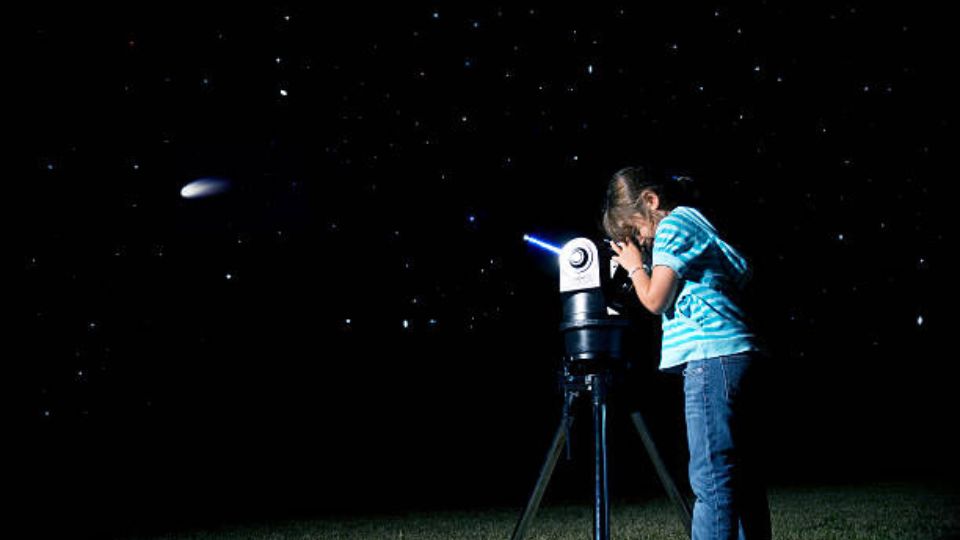
The Every Kid Outdoors Initiative
The Utah Office of Outdoor Recreation, following direction from the 2019 Utah Legislative session (House Concurrent Resolution 4), has launched a new initiative aimed at getting kids outdoors to enjoy nature and realize the benefits of being active.
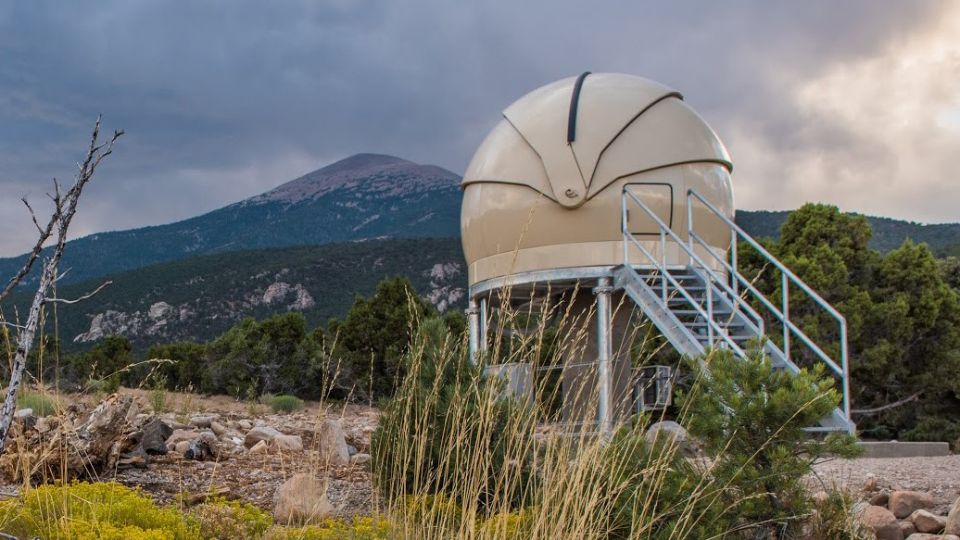
The Great Basin Observatory
A century ago, star-filled night skies were taken for granted. Today, our night skies are imperiled and our national parks are among the few places we can see the stars as our ancestors did.
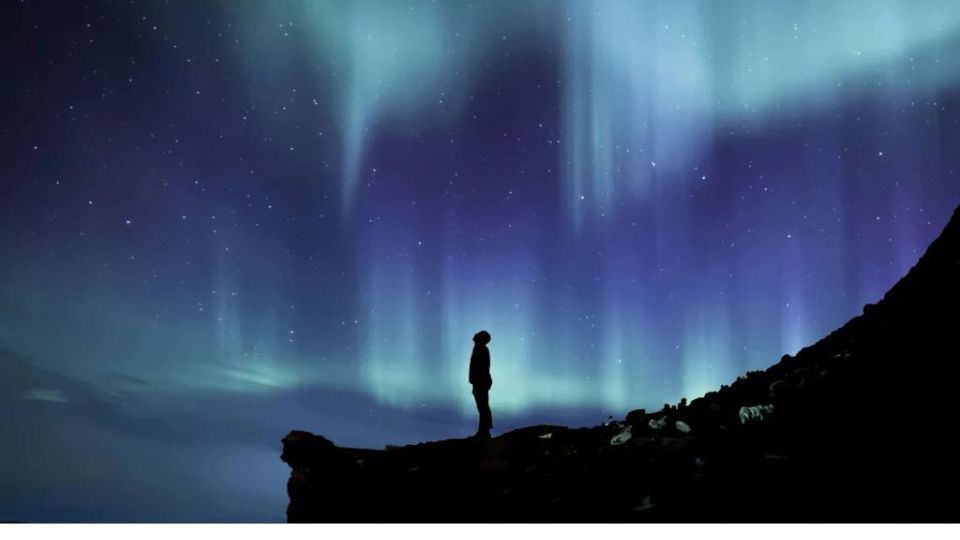
The Importance of Cultural Astronomy
Imagine yourself on a warm summer night camping far from city lights. The night is dark, but the sky glows subtly with points, veils, and occasional streaks of light. Over the course of a few hours, you watch as these sources of light move across the sky.
The Kid Who Can’t Grow Up and Doesn’t Want To
The kid grew up in the town of Kanab, Utah. Well, he tried to “grow up” but never could get the hang of it. His decade older sister calls him “The mean widdle kid” – a reference to a role played by comedian Red Skelton.
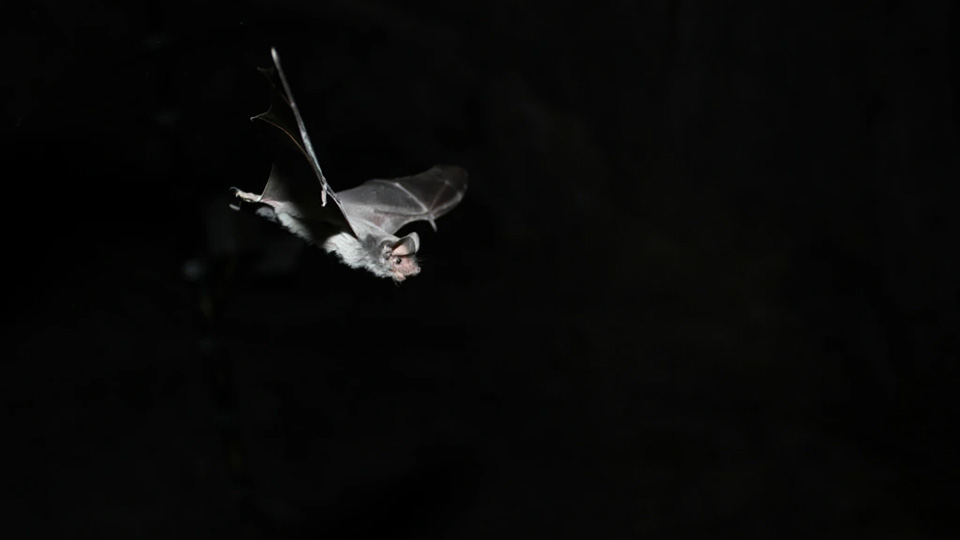
The Mojave Desert Inventory and Monitoring Network
The National Park Service created the Inventory and Monitoring (I&M) Division 20 years ago to inventory natural resources and monitor some of those resources over time.
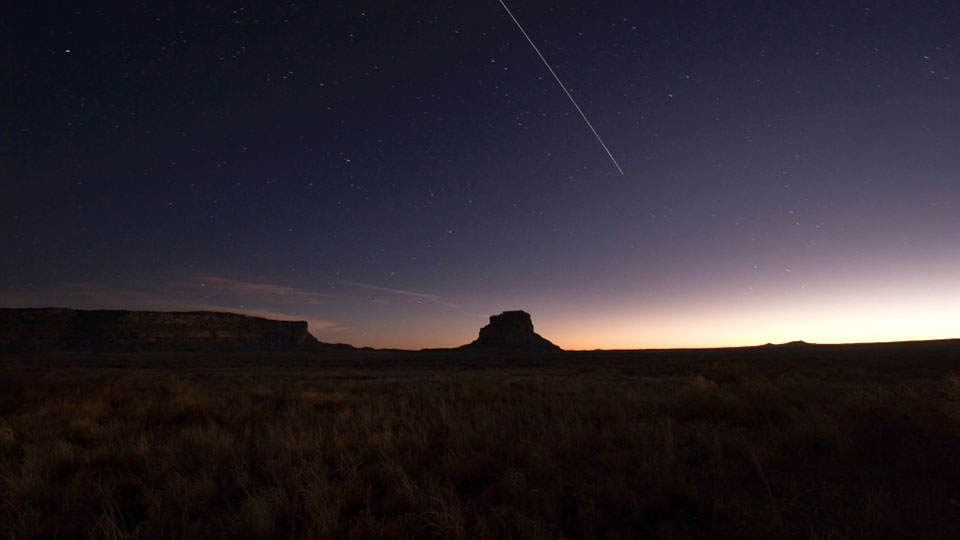
Why NEPA matters and what does it have to do with the night sky?
The National Environmental Policy Act (NEPA) was passed in 1969 requiring federal decision makers to fully consider the environmental impacts of a proposed action.
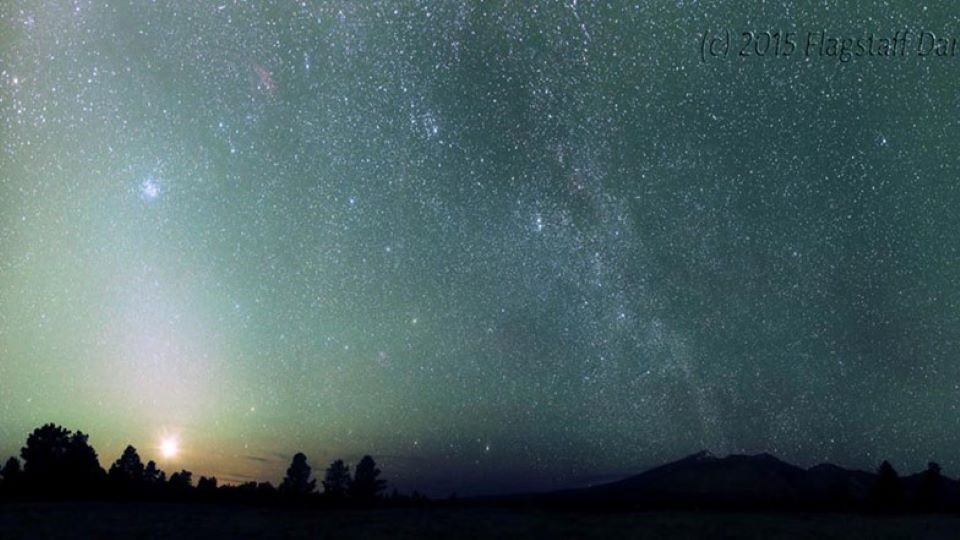
Time for the Next Step – Night Sky Restoration
The world’s first International Dark Sky City is taking the next step from awareness to dark sky restoration through the implementation of a simple, enforceable, and effective lighting code, The Flagstaff Solution.

Entering the World of Light Pollution Science
The career beginnings of a physical scientist. From Missouri, to California, to Wyoming, to Nevada, and now on to the Gulf Coast.
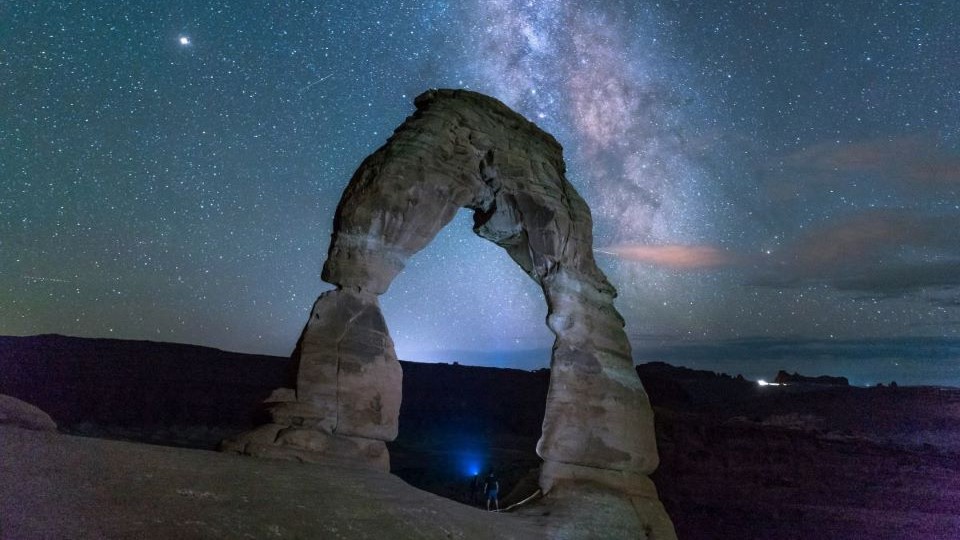
Dark Sky Cooperatives - 2023 Year in Review
Looking back at 2023, the Dark Sky Cooperatives had several notable accomplishments aimed at promoting and protecting the exceptional night skies of the Western U.S.

Tales of a Seasoned Astronomy Ranger
A “Career Park Ranger,” Steve Moore, shares his decades of experience and life-long commitment to the cosmos working for the California State Parks and National Park Service.
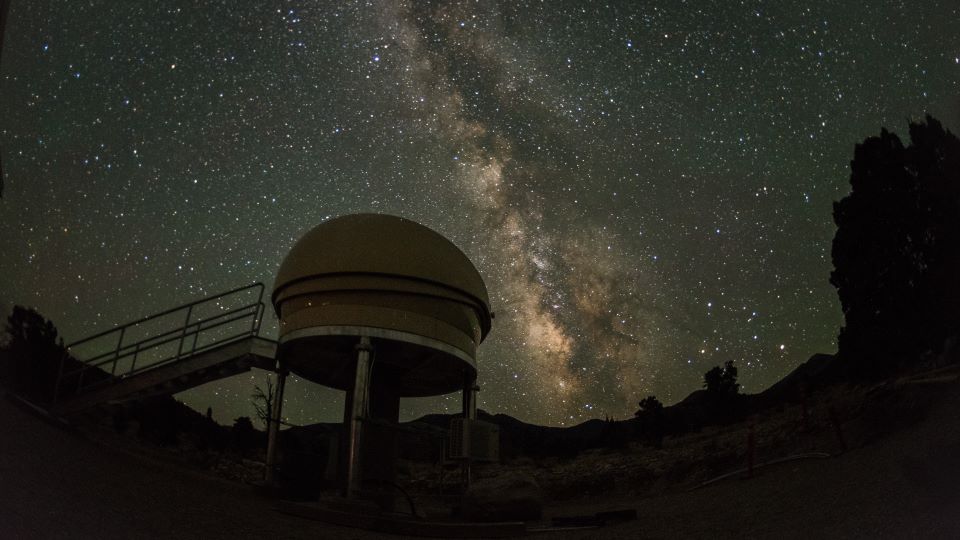
Great Basin National Park Foundation
A visit to Great Basin National Park can feel like a transport through time and space, an experience enhanced and preserved through the dedicated support of the Great Basin National Park Foundation.
Celebrating the Night Skies Over New Mexico
The newest International DarkSky Chapter is in New Mexico. With a long history in astrophysics research and support of dark skies, the chapter is updating the state’s Night Sky Protection Act and working with communities on local lighting codes.

The Night Sky Isn’t Black
Personal reflections and observations of a young woman and her relationship with the night sky after growing up in a small, rural town in northern Utah.

How Dark Skies Inspire
How a trip to Goosenecks State Park opened the eyes and heart of a nature writer and children’s book author to Utah’s magical dark skies and beyond.

On the Path to Convergence
A synthesis of results from three recent international conferences highlighting the progress, challenges, and potential of light pollution research.
Sacred Skies
Recognized as the Loneliest Highway in America, U.S. Route 50 runs through central Nevada, a place with more mountain ranges, some of the darkest night skies, and sacred connections of a people that go back thousands of years.
Connecting Night Skies to Healthy Public Lands
Voices of dark sky advocates are needed to respond to a new Proposed Public Lands Rule (Federal Register, 4/3/23) to encourage the BLM to recognize the importance of dark skies and to manage it with the same level of protection as land, water, and air.
A Career Observing Nature
Studying the details of the natural landscape and the night sky, and the processes of their formation, became my principal focus of interest.
The National Natural Landmarks Program
NNL’s are natural sites found across the country that best illustrate the nations biological and geological heritage. Landmark sites are deemed nationally significant based on their outstanding condition, illustrative character, rarity, diversity and valu
Got Stars, Central Oregon?
Got Stars, Central Oregon? is a project supported by the 2023 Visit Central Oregon Future Fund and a consortium of organizations to educate residents and visitors about the ecologic and economic value of dark skies in Central Oregon.
Dark Sky Month
To celebrate its new position as the world leader in dark sky preservation, Governor Spencer Cox of Utah declared April 2021 as “Utah Dark Sky Month.”
Dark Skies Down Under
An interview with Matthias Schmitt, Astronomy Guide, Night Sky Program Coordinator at Cedar Breaks National Monument, and eclipse chaser, on the development of a partnership with an International Dark Sky place in Australia.
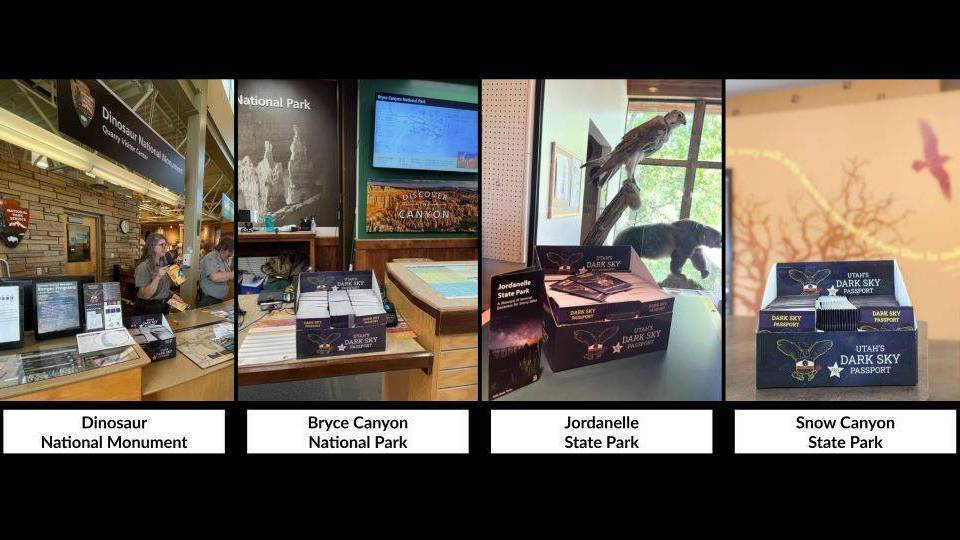
Utah's Dark Sky Passport Program
Utah’s Dark Sky Passport is a new educational tool to connect youth and their families to the cosmos while encouraging an appreciation for nighttime environments and the precious night sky resource that exists in Utah and the greater Colorado Plateau regi