
Entering the World of Light Pollution Science
By Benjamin Banet, Physical Scientist, NPS Natural Sounds and Night Skies Division
The career beginnings of a physical scientist
In 2014, I was 18 years old and driving to college in Los Angeles from Missouri, where I’d grown up. Every day, we’d drive about half the day and spend the night in a national park. Out of all the parks we saw on the trip, Great Basin National Park excited me the most with the promise of some of the darkest skies in the Lower 48. I’d grown up camping in Missouri and spent dozens of nights under the stars, but even the Milky Way was just a faint band on the best of nights.

Las Vegas, Nevada from 200 miles, USFS
Photo Credit: Ben Banet
A few days later, outside my dorm room, two miles south of downtown Los Angeles, I looked up at the sky at night and saw the luminous haze of light pollution with only a handful of the brightest stars peeking through. The contrast with the starry sky above Great Basin National Park just a few days earlier was so great that I wanted to learn more about light pollution from that day forward.
Coincidentally, Dr. Travis Longcore, a leading expert on ecological effects of light pollution, was at the University of Southern California when I was there. We crossed paths for the first time in December 2014 and within a few months, I was doing research alongside him. From taking long-exposure measurements with a fisheye camera at 104 different sites across the west, to analyzing satellite imagery of the earth at night, and writing a thesis on light pollution measurements collected from a 70-mile hike across Sequoia National Park, the work I got to be involved with was fascinating and kept me out under the stars for hours on many nights. I learned so much about measuring the night sky, data analysis, the importance of partnerships and collaboration in science, and got to present our work at the 2018 Artificial Light at Night conference.

A meteor falling over Santa Cruz Island in the Channel Islands National Park, with lights from a military radar installation in the distance.

Stars spinning over Mt. Whitney Summit,
Sequoia National Park
The above photos were collected while coducting research with Dr. Longcore. The photo on the left was taken on Santa Cruz Island, while on a research backpacking trip to collect transect data of light pollution values from downtown Los Angeles, thru the Santa Monica Mountains, and up to 45 miles offshore at Channel Islands National Park. I took images from Anacapa, Santa Cruz and Santa Rosa islands. The photo on the right was taken at the top of Mt. Whitney, while collecting data for my senior thesis.
In the months after graduation, I got to assist Perpetua Resources (Midas Gold at the time) develop a lighting plan for their proposed mine near the Central Idaho Dark Sky Reserve. Being able to advocate for better lighting in the initial plans for a project was an exciting way to get ahead of light pollution before it’s even a problem. Seeing that better lighting design could help improve both the night sky quality for surrounding areas and the safety for the workers at the mine led to some eye-opening & productive conversations.
After a few years of doing Geographic Information Systems for the Department of Transportation in Bishop, CA from 2019-2021, I went to Yellowstone National Park as a Physical Science Technician to manage their climate stations. There was a lot of data collection and also a lot of rebuilding data collection towers after bison used them as scratching posts. Between seasons at Yellowstone, I got to work with Ashley Pipkin and the NPS Natural Sounds and Night Skies Division as a Scientist in the Parks intern at Lake Mead National Recreation Area.

Collecting climate data in Yellowstone National Park,
July 2021

Collecting spectral data over Boulder City, NV,
July 2023
In the summer of 2022, I moved to Fort Collins to work in the Natural Sounds and Night Sky Division as a Physical Scientist on the Night Sky Assessment at Bon Secour National Wildlife Refuge and Gulf Islands National Seashore project. This project is focused on quantifying and characterizing skyglow and light pollution from ten sites in these two protected areas on the Gulf Coast in collaboration with the US Fish and Wildlife Service. This project is funded as a night sky restoration effort by the Deepwater Horizon Fund.
My role is focused on the technical aspects of operating our three camera systems on data collection trips to Alabama and Florida. Each camera system is targeted to collect a different aspect of data on night sky quality. Used together with a nighttime overflight to acquire high-resolution imagery and ground-based lightning inventory, we will identify and target lights in developments and coastal cities for a lighting retrofit and replacement effort.
For more information about the funding, partnerships involved, or camera systems used in the Night Sky Assessment at Bon Secour National Wildlife Refuge and Gulf Islands National Seashore project, details can be found in this technical progress report.
Timelapse at Perdido Key, Gulf Islands National Seashore, October 2022
Video Credit: Jeremy White, NPS
Learn More
- NPS - Natural Sounds and Night Skies Division
- Technical Report for the Night Sky Assessment at Bon Secour National Wildlife Refuge and Gulf Islands National Seashore
- Ben Banet can be contacted at benjamin_banet@nps.gov, or followed at @ben_banet on Instagram.
Related Articles
13th annual Amazing Earthfest in Kanab to host five Moon and Star Parties May 11 – 17, 2019!
Amazing Earthfest is a 501c3 nonprofit organization based in Kanab, Utah, established in 2007 to produce an annual public festival celebrating National and State Parks, National Forests, Monuments and Public Lands of the Colorado Plateau, delivering exper
A Cultural Connectedness to the Night Sky
There are certain sections on the reservation where new constructions are permitted but the rest of the 122,000 acres remains untouched. The Paiute are caretakers of the land because we come from the land, live off the land, and then go back to the land.
A Dark Sky Course for Electrical Contractors
The Dark Skies course at Salt Lake Community College offers 3 CE credits to Utah-licensed Electrical Contractors. Students learn the benefits, specifications, and installation of fixtures that comply with municipal dark sky codes and ordinances.
A high-tech town strives to shine less brightly
Los Alamos is a small town of some 20,000 residents in the Jemez Mountains of northern New Mexico. The town is well known for being home to the Los Alamos National Laboratory (LANL) and is bordered to the south and west by two National Park System units:
All Aboard the Star Train!
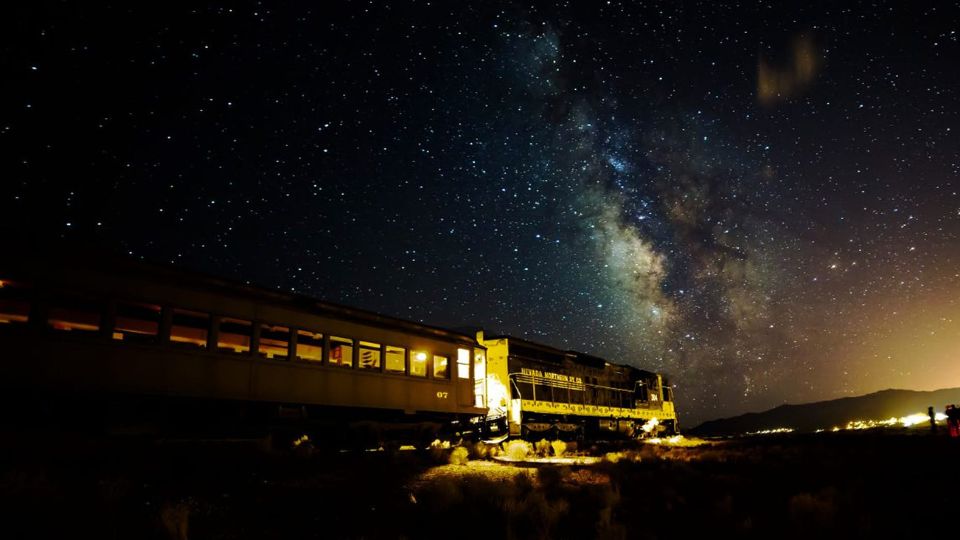
Nevada Northern Railway’s Star Train offers a truly unique experience. On select summer evenings, the Star Train pulls out of Ely to take visitors on a journey to experience what our ancestors saw when they looked up into the night sky hundreds of years a
An astrophotographer’s perspective on protecting dark skies
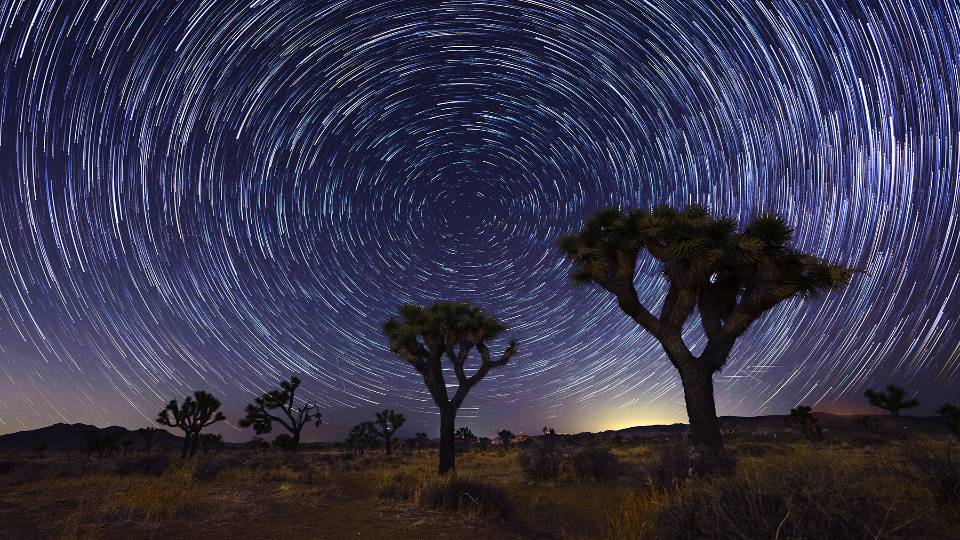
Areas that are far away from city lights and that also have interesting landscapes make the Basin and Range Dark Sky Cooperative region exceptional for astrophotography. Shooting in the BRDSC offers an incredible amount of opportunity for nightscape shoot
Announcing a New Home for the Dark Sky Cooperatives
The Institute of Outdoor Recreation & Tourism at USU becomes new home to the Western Dark Sky Cooperatives
Birds Need Darkness Too
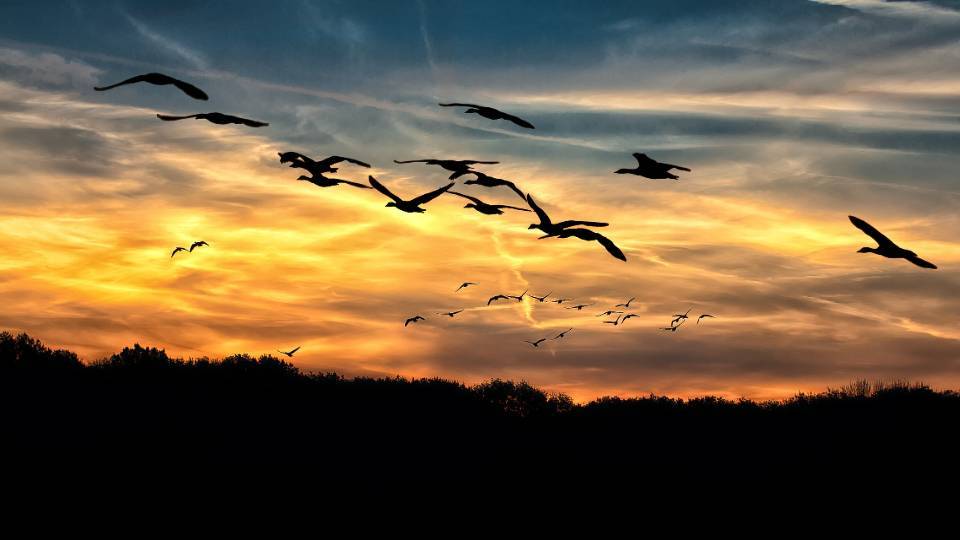
Many people don’t realize that most songbirds that migrate do so at night. It isn’t something we think about as we lie in bed, but on a given spring night there could be hundreds, or even millions of birds flying high above us through the dark sky.
Dark Skies Paonia
Dark Skies Paonia is a 501c3 non-profit organization working towards the goal of International Dark Sky Community Certification for the Town of Paonia, Colorado. Dark Skies Paonia was formed by a group of community members who enjoy the night sky but are
Developing Lighting Ordinances That Serve and Protect
This spotlight presents information shared during a series of interviews with dark sky community champions on the challenges and promises to ensure night-friendly lighting through the development of outdoor lighting ordinances.
Documenting the Universe
Shooting night skies is a special experience because it allows me to capture the brilliance of the universe in a photograph and bring forth a volume of light that may not be seen so simply by the naked eye.
Finding Peace Under Dark Skies
Dark Skies of the Wet Mountain Valley was founded in 1999 with the primary purpose of limiting light pollution of the night sky in the towns of Westcliffe and Silver Cliff, CO. After many years spent diligently working with and educating the local communi
Finding the Rabbit in the Moon: Tips for a Successful Dark Sky Application
The Japanese say that there is not a man in the full moon, but a rabbit. It is much easier to see a rabbit than a man. Similarly, we can learn to see the rabbit in our obstacles. Viewing challenges in different ways can help us get past them.
Great Basin National Heritage Area
The Great Basin National Heritage Area was designated by Congress in 2006 and includes White Pine County, Nevada; Millard County, Utah; and the Ely Shoshone, Duckwater Shoshone, Goshute and Utah Kanosh-Paiute nations.
IDA Chapters & Networking
IDA is dedicated to protecting the night skies for present and future generations with goals to advocate for the protection of the night sky, educate the public and policymakers about night sky conservation, promote environmentally responsible outdoor lig
Introducing the Basin and Range Dark Sky Cooperative
Natural night sky environments are restorative inspirational places for people and are essential for all living things on our planet. In today’s developed world there are very few places where we can access a truly natural night sky.
Introducing: Dark Sky Studies at the University of Utah
The University of Utah is home to a unique transdisciplinary academic program – the newly developed Dark Sky Studies (DSS) Minor, recently approved by the Utah Board of Regents.
Introducing: The Western Night Skies Council
To provide a platform for sharing resources and information, increasing dialogue, and providing mutual support for the diverse groups of night sky conservation advocates throughout the Western United States, the Colorado Plateau Dark Sky Cooperative in pa
It Takes a Community
Mayor Peterman reached out to the University of Utah to build a partnership and work together to conserve the town’s rural night sky. Through this valuable partnership, Helper will receive important resources, knowledge, and technology while students will
Light, Planning, and Biophilia
Humans have always altered the natural world to better meet our needs and wants. Indeed, many other species alter the physical environment to create better conditions. These animals are called ecosystem engineers.
Nevada's Dark Sky Initiative Prepares to Dim the Lights in Boulder City
Nevada Division of Outdoor Recreation (NDOR) and the City of Boulder City, Nevada are awarded $1.9 million in federal funds from the American Rescue Plan Act (ARPA). This funding will support Nevada’s Dark Sky Initiative and will be used to purchase and i
Park to Park in the Dark
Park to Park in the Dark is Nevada’s first astrotourism route that connects two International Dark Sky Parks Death Valley National Park and Great Basin National Park, via Highways US-95 and US-6, and the rural communities along the route: Beatty, Goldfiel
Quarterly CONNECTIONS - A Shared Stewardship of Quality Night Skies
The program includes four interactive virtual meetings focused on ways to minimize light pollution and support the preservation and promotion of dark night skies. Through organized discussion with key speakers, stakeholders, and experts in the field, and
Residents Pursue Astronomical Observatory for Kanab
How cool would it be to create a facility in Kanab, Utah, for students, residents and visitors to learn about the wonders of outer space, and to see, maybe even for the very first time, what’s really out there?
Sedona’s Grandson: How Sedona Arizona got its name and other musings
My grandpa named the town after my grandma when the U.S. Postmaster General sent back his application for post office names (Schnebly Station and Oak Creek Crossing were too long to fit on the Arizona Territory cancellation stamp). Sedona was rather embar
Show me the data: lighting inventory innovations
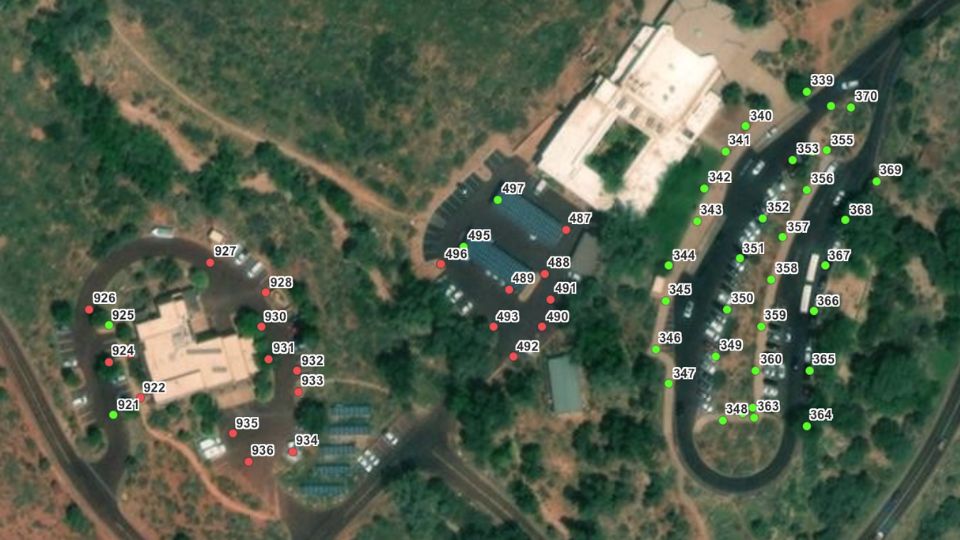
For the majority of us, what we see of the night sky from where we live is a partial reality. In fact, most of humanity is now living under a lesser version of the natural night sky without even realizing what has been lost. If you are reading this, you m
The 88 Constellations & Their Brightest Stars
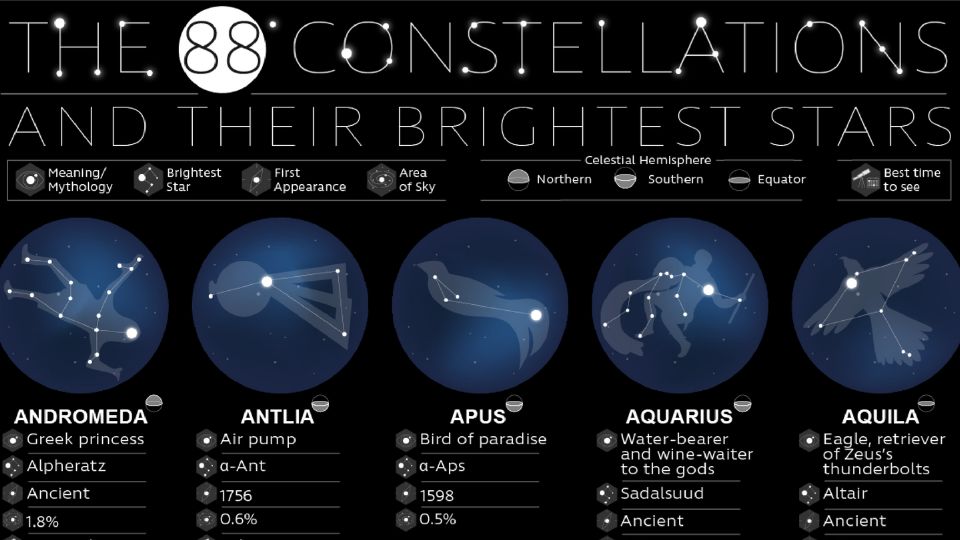
In modern astronomy, the International Astronomical Union officially recognizes 88 constellations. 42 represent animals, 29 represent inanimate objects, and 17 represent humans or mythological characters.
The Every Kid Outdoors Initiative
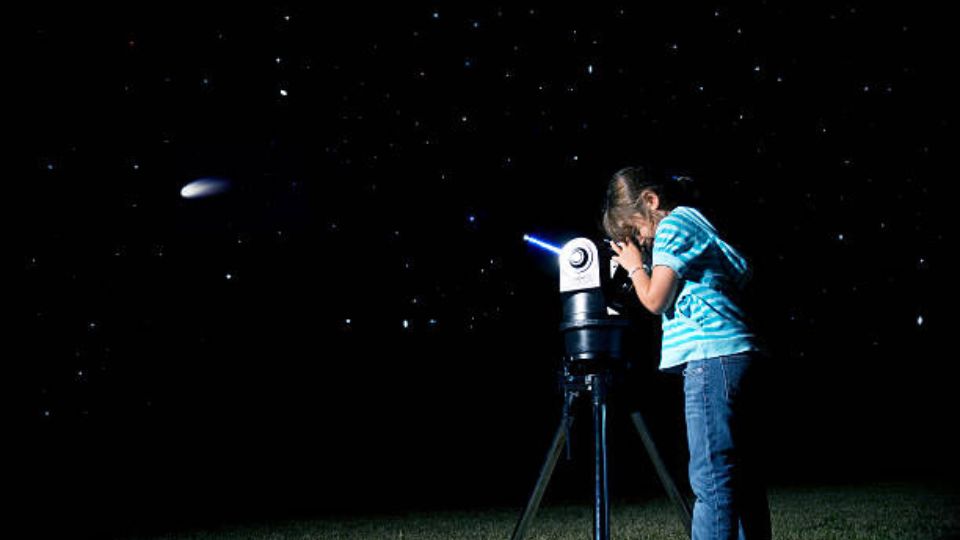
The Utah Office of Outdoor Recreation, following direction from the 2019 Utah Legislative session (House Concurrent Resolution 4), has launched a new initiative aimed at getting kids outdoors to enjoy nature and realize the benefits of being active.
The Great Basin Observatory
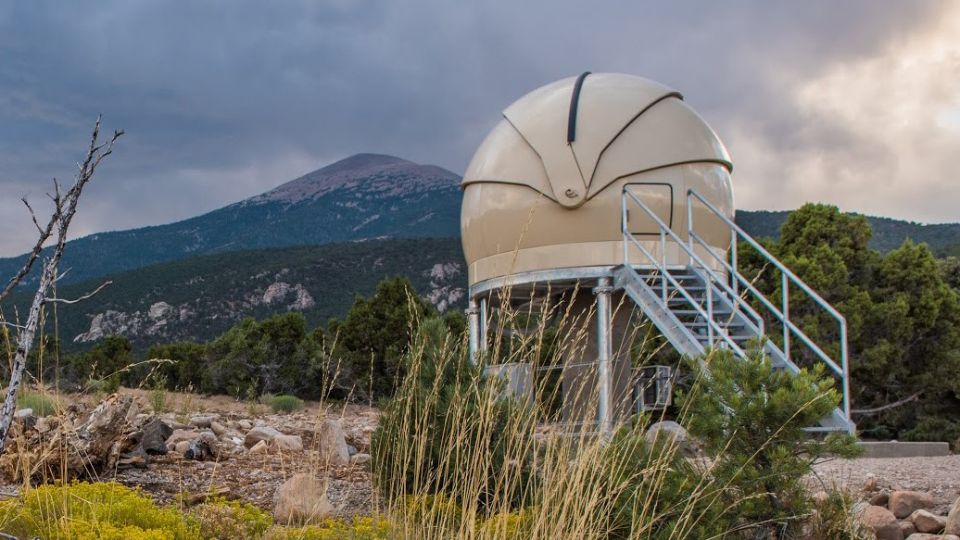
A century ago, star-filled night skies were taken for granted. Today, our night skies are imperiled and our national parks are among the few places we can see the stars as our ancestors did.
The Importance of Cultural Astronomy
Imagine yourself on a warm summer night camping far from city lights. The night is dark, but the sky glows subtly with points, veils, and occasional streaks of light. Over the course of a few hours, you watch as these sources of light move across the sky.
The Kid Who Can’t Grow Up and Doesn’t Want To
The kid grew up in the town of Kanab, Utah. Well, he tried to “grow up” but never could get the hang of it. His decade older sister calls him “The mean widdle kid” – a reference to a role played by comedian Red Skelton.
The Mojave Desert Inventory and Monitoring Network
The National Park Service created the Inventory and Monitoring (I&M) Division 20 years ago to inventory natural resources and monitor some of those resources over time.
Why NEPA matters and what does it have to do with the night sky?
The National Environmental Policy Act (NEPA) was passed in 1969 requiring federal decision makers to fully consider the environmental impacts of a proposed action.
Time for the Next Step – Night Sky Restoration
The world’s first International Dark Sky City is taking the next step from awareness to dark sky restoration through the implementation of a simple, enforceable, and effective lighting code, The Flagstaff Solution.

Entering the World of Light Pollution Science
The career beginnings of a physical scientist. From Missouri, to California, to Wyoming, to Nevada, and now on to the Gulf Coast.
Dark Sky Cooperatives - 2023 Year in Review
Looking back at 2023, the Dark Sky Cooperatives had several notable accomplishments aimed at promoting and protecting the exceptional night skies of the Western U.S.

Tales of a Seasoned Astronomy Ranger
A “Career Park Ranger,” Steve Moore, shares his decades of experience and life-long commitment to the cosmos working for the California State Parks and National Park Service.
Great Basin National Park Foundation
A visit to Great Basin National Park can feel like a transport through time and space, an experience enhanced and preserved through the dedicated support of the Great Basin National Park Foundation.
Celebrating the Night Skies Over New Mexico
The newest International DarkSky Chapter is in New Mexico. With a long history in astrophysics research and support of dark skies, the chapter is updating the state’s Night Sky Protection Act and working with communities on local lighting codes.

The Night Sky Isn’t Black
Personal reflections and observations of a young woman and her relationship with the night sky after growing up in a small, rural town in northern Utah.

How Dark Skies Inspire
How a trip to Goosenecks State Park opened the eyes and heart of a nature writer and children’s book author to Utah’s magical dark skies and beyond.

On the Path to Convergence
A synthesis of results from three recent international conferences highlighting the progress, challenges, and potential of light pollution research.

Seize the Night!
A portrait of the economic potential behind a dark sky gateway town in southcentral Utah.
Sacred Skies
Recognized as the Loneliest Highway in America, U.S. Route 50 runs through central Nevada, a place with more mountain ranges, some of the darkest night skies, and sacred connections of a people that go back thousands of years.
Connecting Night Skies to Healthy Public Lands
Voices of dark sky advocates are needed to respond to a new Proposed Public Lands Rule (Federal Register, 4/3/23) to encourage the BLM to recognize the importance of dark skies and to manage it with the same level of protection as land, water, and air.
A Career Observing Nature
Studying the details of the natural landscape and the night sky, and the processes of their formation, became my principal focus of interest.
The National Natural Landmarks Program
NNL’s are natural sites found across the country that best illustrate the nations biological and geological heritage. Landmark sites are deemed nationally significant based on their outstanding condition, illustrative character, rarity, diversity and valu
Got Stars, Central Oregon?
Got Stars, Central Oregon? is a project supported by the 2023 Visit Central Oregon Future Fund and a consortium of organizations to educate residents and visitors about the ecologic and economic value of dark skies in Central Oregon.
Dark Sky Month
To celebrate its new position as the world leader in dark sky preservation, Governor Spencer Cox of Utah declared April 2021 as “Utah Dark Sky Month.”
Dark Skies Down Under
An interview with Matthias Schmitt, Astronomy Guide, Night Sky Program Coordinator at Cedar Breaks National Monument, and eclipse chaser, on the development of a partnership with an International Dark Sky place in Australia.