
Ladybug, Ladybird, Ladybeetle—Fly Away Home!
By Kate Clapier | June 30, 2026
A shining red shell with black spots is a classic summer sight. However, these seemingly omnipresent insects are actually composed of many different species. In North America, there are an estimated 400 species of lady beetles, including both introduced and native species. In Utah, there are still dozens of lady beetle species, although some species are much more common to see than others.
Common non-native and invasive species to Utah:
Common native species to Utah:
While the main visual trait of lady beetles is almost always a red exterior with black spots, appearance can vary widely. The color, for example, can range from cream to shades of orange to a deep red. However, there are some specific traits you can use to differentiate the species:
- The spot pattern of the lady beetle’s shell is most useful for identification. Spot patterns are composed by the shape and location of each spot on the shell, and when put together into a single pattern, this provides the easiest means of identification for a ladybug.
- The white markings on the black head. This is another easy visual for identification, which is important to be considered since there are some species that don’t have a standard spot pattern on the shell. Mainly, this includes the Asian Lady Beetle, who can have many, many spots or not a single one! Thus, the black and white pattern on the Asian Lady Beetle’s head is the best means for identification of this species, which happens to be a black “M” shape that can be used as a mnemonic to remember that these bugs are an invasive species and a menace.
Many additional tools exist to help anyone identify species in nature. One common tool is iNaturalist, an app which can upload photos or sound recordings to ID species using both AI as well as other users input. Another resource that specifically for identifying ladybugs is a free website, Discover Life, which uses preset multiple choice questions to filter down to what the most likely species of ladybug is.
Aside from encounters in the wild, many people may have experiences with ladybeetles in their own gardens. That is partially because ladybeetles are commonly sold as a biocontrol for garden pests like aphids. While native insects can do an excellent job, there are several reasons to NOT buy them:
- Many are collected from the wild, specifically as the ladybeetles collect in groups and begin diapause (a dormant state) to overwinter.
- When released, the ladybeetles assume they’re located where they migrated to last fall and will fly off once released - before they do anything beneficial (eating pests or laying eggs).
- Insects are almost always sold as adults, who will eat some pests, but it’s really the ladybeetle larvae that have a voracious appetite and impact pest populations.
- Adding new individuals to the existing population always has a chance of introducing disease or unwanted genetics.
- There is always the chance you’re being sold invasive species, not the natives!
So next time you see a ladybug, if you get a good look or a picture, check to see if you have seen one of our own native lady beetles!

Invasive: Multicolored Asian Lady Beetle (Harmonia axyridis). Photo credit.
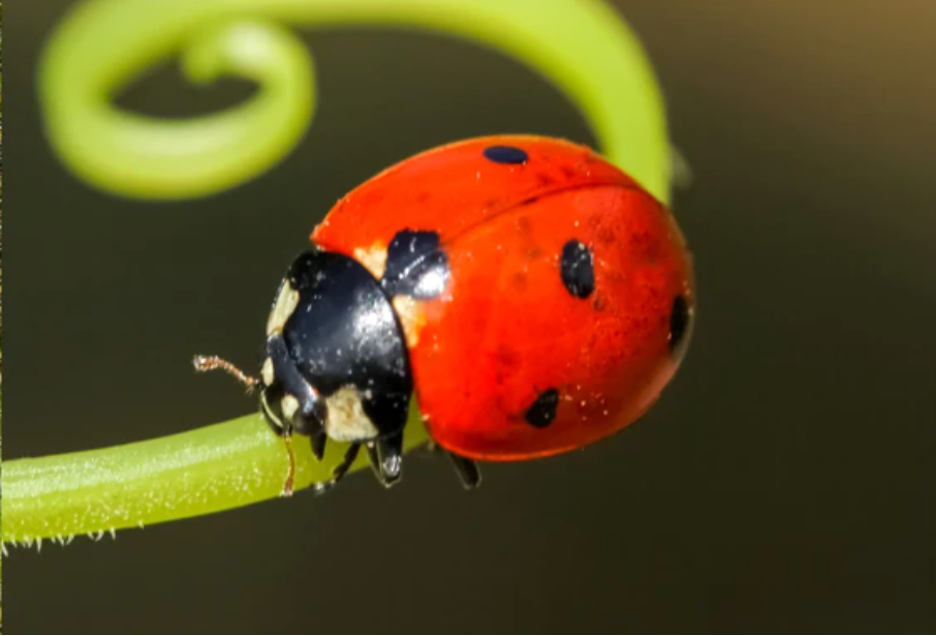
Invasive: Seven-Spotted Lady Beetle (Coccinella septempunctata). Photo credit.

Native: Convergent Lady Beetle (Hippodamia convergens). Photo credit.
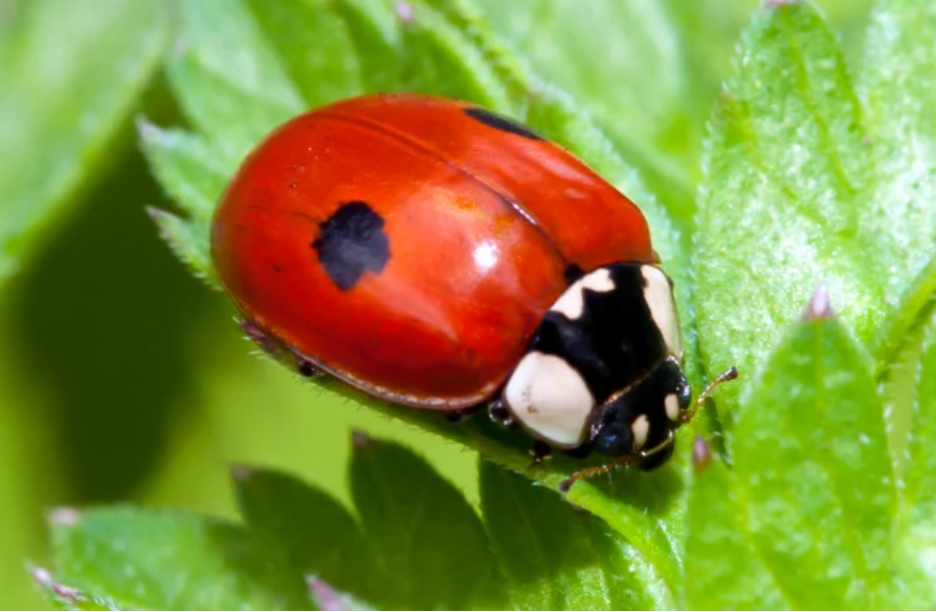
Native: Two-Spotted Lady Beetle (Adalia bipunctata). Photo credit.
Sources
https://redbuttegarden.org/gardening-information/beneficial-bugs/
https://birdwatchinghq.com/ladybugs-in-utah/
https://www.invasivespeciesinfo.gov/what-are-invasive-species
https://www.ag.ndsu.edu/news/columns/dakota-gardener/dakota-gardener-do-not-buy-ladybugs
Other Naturalist News
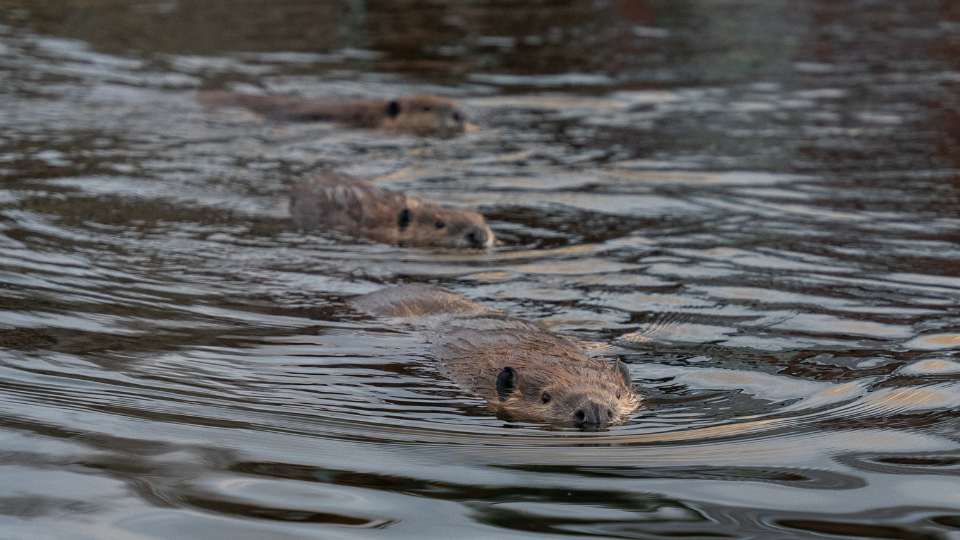
Loss of Beaver Population Next to Swaner EcoCenter
Between March 23 and April 2, five dead beavers were discovered near the Swaner Preserve & EcoCenter by Swaner staff. All five beavers shared one lodge outside the EcoCenter, and samples collected from one of the beavers tested positive for tularemia.
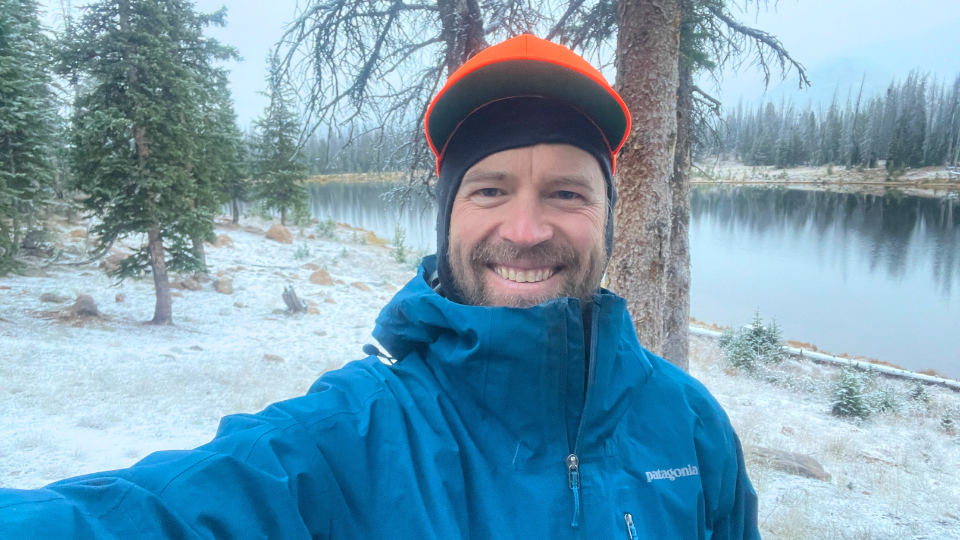
Swaner Preserve & EcoCenter Welcomes New Executive Director
We are thrilled to announce our new executive director, Lewis Kogan. Learn more about his impressive career and excitement to join the organization.
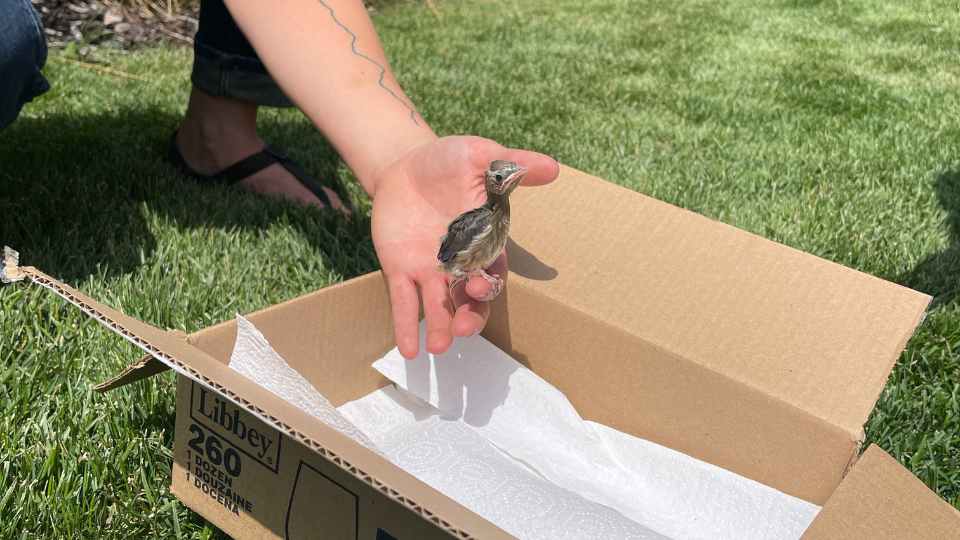
What To Do If You Find a Baby Bird
It’s spring, which means baby animals of all kinds are starting to appear! Learn what to do if you find a baby bird during this time of year.

Amazing Butterflies
If you enjoy summer days hiking in the local mountains or sitting among the flowers in a nearby garden, you have undoubtedly observed butterflies flitting from flower to flower or gliding on updrafts overhead. These small fragile creatures have withstood

American Wetlands Month
Did you know that May is American Wetlands Month? It's the perfect time to celebrate the amazing wetlands right here in the Wasatch Back! Wetlands are one of the most important—and rare—ecosystems in Utah. In fact, less than 1% of our entire state is cons

Clever Creatures: How Local Wildlife Prepares for Winter
All around us, wildlife here on the Wasatch Back are making remarkable adjustments to survive the cold months ahead. Some tuck themselves away in a kind of suspended animation, while others stay active, transforming their behavior to endure freezing tempe
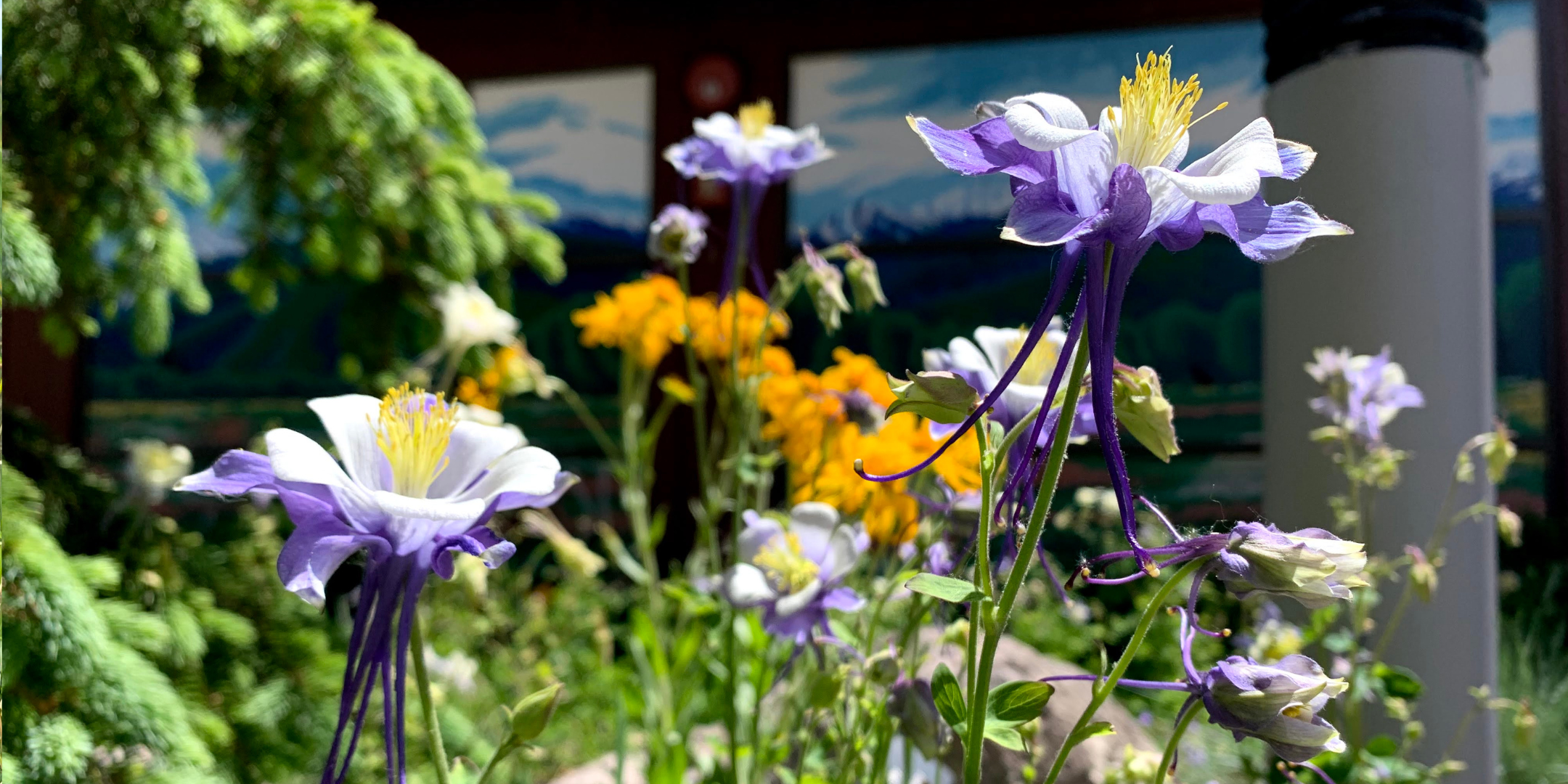
Spread the Word (and the Seeds!)
You heard it here first: Swaner Preserve is starting a little free native seed library! This resource, intended to provide native seeds to the public, is set to open in conjunction with the “Ephemeral” Art Show this September at the EcoCenter.

Become a Community Scientist
Towards the end of April, you have a unique opportunity to become a part of something big – the City Nature Challenge! In Park City, this event is a collaboration between Swaner Preserve & EcoCenter and Basin Recreation, and it's all about observing and d
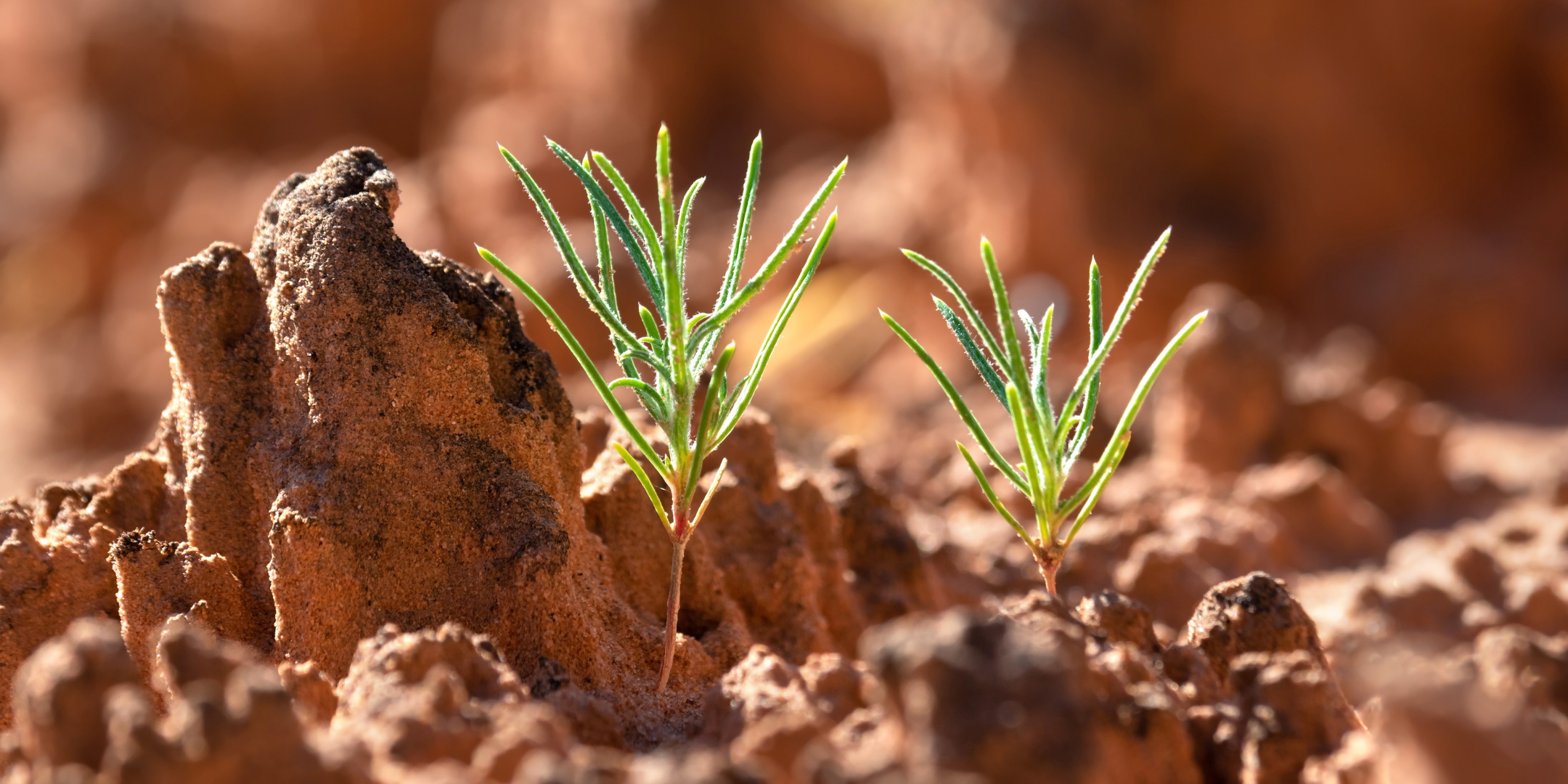
Life on the Edge: Extreme Environments
Utah is home to a plethora of unique habitats and ecosystems, some of which create especially challenging conditions for survival! Many organisms in Utah depend on special adaptations to help them survive and even thrive in these extreme environments.

How Stars and Nature Guide Us Through Change
Places like the Swaner Preserve have become increasingly rare. Behind a shopping plaza with diverse restaurants, boutiques, and condos, there lies a 1,200-acre piece of permanently protected open space. It starkly contrasts the life around its border—a sl
Events
Location, Hours & Contact
Physical & Mailing Address
1258 Center Drive
Park City, Utah 84098
EcoCenter Hours
Wednesday – Sunday, 10 am – 4 pm
The EcoCenter will close early at 1 PM on Wednesday, August 19.
Email
swanerecocenter@usu.edu
Phone
435-649-1767
