
Western Conifer Seed Bug (Leptoglossus occidentalis)
Description
Quick Facts
- The western conifer seed bugs are leaf-footed bugs with a leaf-like expansion of their hind legs.
- Adults have a faint, thin white zigzag across their backs, unlike other leaf-footed bug species.
- They feed on conifer needles and on seeds of conifer cones.
- In fall, conifer seed bugs seek shelter in homes and structures.
- They do not bite nor do they damage houses.
- Exclusion is the best strategy to manage them.
The western conifer seed bug (Leptoglossus occidentalis) belongs to the family Coreidae, also known as leaf-footed bugs. Almost all insects in this family have hind legs (i.e., back legs) with expanded tibiae (fourth segment of the leg) that look like leaves, hence the name “leaf-footed” bug.
Besides the western conifer seed bug, three other species of leaf-footed bug are commonly present in Utah: the squash bug (Anasa tristis), Leptoglossus zonatus, and L. clypealis. The squash bug is considered the most economically important species in Utah due to the damage it causes to squash. Unlike other leaf-footed bugs, the squash bug lacks the characteristic leaf-like tibia, making it easier to distinguish from other species. Adults western conifer seed bugs are similar in appearance to L. zonatus and L. clypealis, but they have a faint white zigzag across the back. In contrast, in the other two species, the white line is thicker (Fig. 1). Other distinguishable features include the presence of a pointed spine called a clypeus at the front of the head of L. clypealis and two yellow spots just behind the head of L. zonatus. Additionally, both L. clypealis and L. zonatus feed on a variety of plants, whereas the western conifer seed bug primarily feeds on conifer needles and seeds.
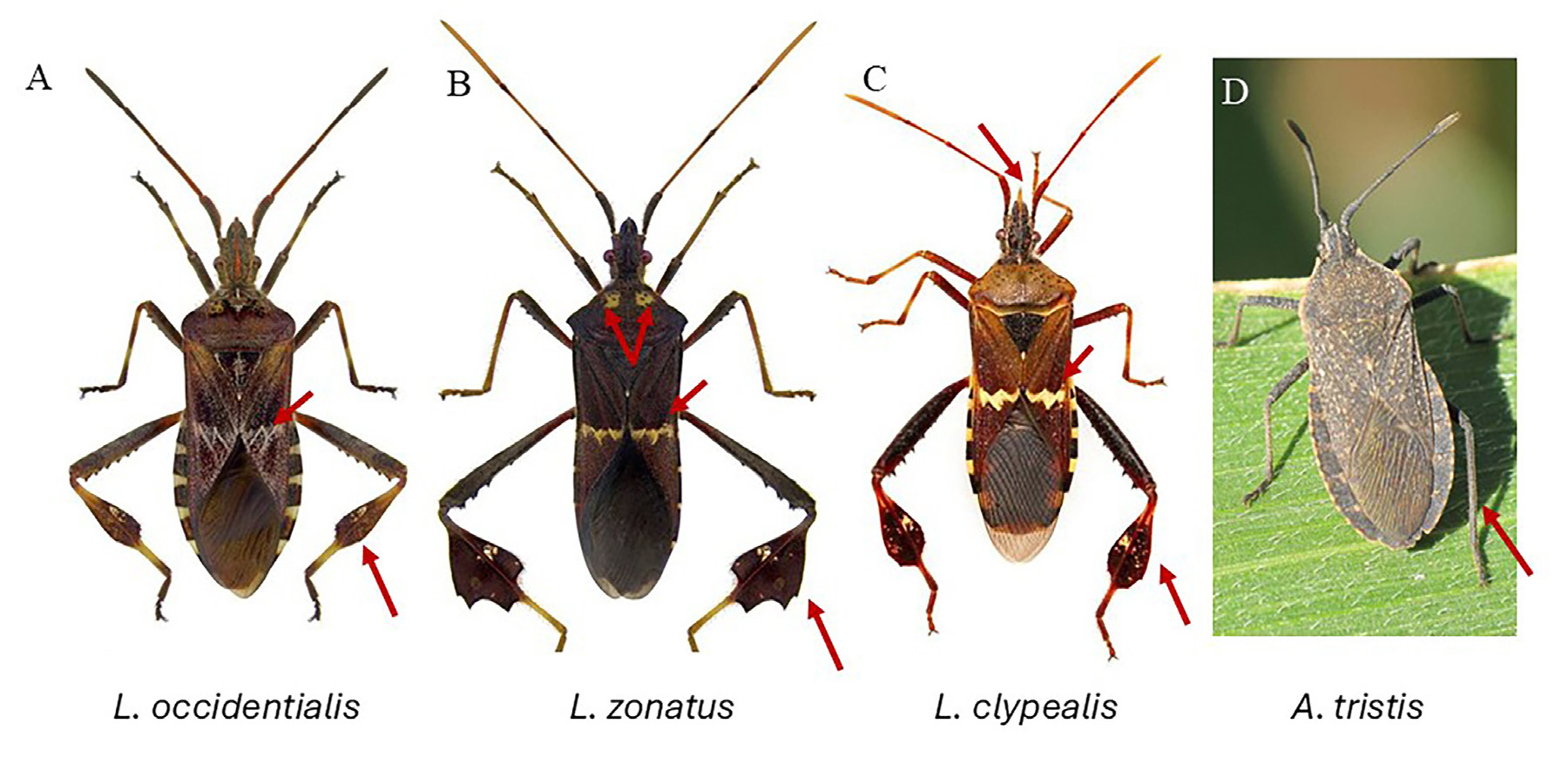
(A) The western conifer seed bug, Leptoglossus occidentalis, is characterized by a faded white zigzag line on its back1; (B) Leptoglossus zonatus is distinguishable by two yellow spots just behind its head1; (C) Leptoglossus clypealis bears a long clypeus2; (D) The squash bug, Anasa tristis, note the absence of leaf-shaped tibia. Credit: USU Extension.

Adults: Adults are about 3/4 inch long and brown to reddish in color. The abdomen is yellow or light orange with five black stripes on the edge. The full orange and black patterns appear on the abdomen during flight when wings are opened (Fig. 2). Adults produce a loud buzz when flying and have scent glands that emit an odor similar to pine. Adults also have long legs and long, thin antennae.
Nymphs: Young nymphs are orange and become reddish to brownish as they molt into older instars (Fig. 3). Nymphs are distinguished from adults by having wing pads instead of fully developed wings. There are five nymphal stages in total.

Eggs: Eggs are about 0.08 inch each and light brown when freshly laid, becoming reddish when older. Females deposit eggs in chains on needles.
Native Range
The western conifer seed bug was first reported in Utah in 1910. Its original western U.S. range spanned from Canada to Mexico and from the Pacific Coast to Colorado. With the help of transportation and commerce, the insect reached the Midwest by the end of the 1960s and the East Coast by the 1980s. In the 1990s, it was reported in the Northeastern U.S. and Southeastern Canada. In addition, the western conifer seed bug has spread to many regions of the world, including Europe, South America, South Africa, and Australia.
Life Cycle
Western conifer seed bug has one generation per year in Utah. Adults emerge from their overwintering sites in May and June and begin to lay eggs on needles. Eggs hatch in about 10 days. Newly hatched nymphs feed on needles and tender tissues of cone scales. Older nymphs and adults feed on the seeds using their piercing-sucking mouthparts. Adults lay eggs throughout the summer. In the fall, as temperatures decrease, adults look for overwintering sites, including homes and other structures.
Plant Hosts
Douglas-fir, pines, spruces, hemlocks, and other conifers are common hosts.
Symptoms and Damage
Western conifer seed bugs use their piercing-sucking mouthparts to feed on conifer needles and seeds within developing cones. They consume individual seeds by destroying the endosperm, leaving damaged cones with shrunken endosperms. The feeding damage does not hurt the tree, but it can reduce seed production by decreasing seed germinability and viability. Occasionally, the western conifer seed bug can be a pest in pine seed nursery production.
In Utah, the insects become a nuisance pest when large numbers of adults enter buildings in search of protected sites to overwinter. The insect generally does not bite or transmit disease, although one report of a human bite was recorded and interpreted as a mistake during an attempted feed. The western conifer seed bug does not damage homes.
Management

Mechanical Control
Managing the western conifer seed bug, as a nuisance pest, should focus on preventing its entry into homes via physical exclusion. Check that any possible entry points, including screens, wall vents, windows, doors, door sweeps, chimney, and attic vents, are in good repair (Fig. 4). Seal cracks and crevices around windows, walls, and doors, especially on south- and west-facing sides of a structure. If adults successfully enter the house, remove them with a vacuum or manually transfer them into a jar and release them outside.
Chemical Control
A fall application of a synthetic pyrethroid insecticide around windows, doors, under leaves, and exterior cracks, when the first insects are agglomerating, could reduce the number of conifer seed bugs. When using insecticides, make sure to read and follow directions on the pesticide label. Always wear gloves, a long-sleeved shirt, and pants when spraying.

Biological Control
In Europe, where the western conifer seed bug has been accidentally introduced, it is considered an invasive species damaging the conifers’ seed production. Several studies have investigated using parasitoids (micro-wasps) as biological control agents for use in commercial forestry and natural coniferous stands. In Italy and Spain, researchers identified egg-parasitoids from the family Eupelmidae (Anastatus spp.) and Encyrtidae (Ooencyrtus spp.). In the U.S., the most common egg-parasitoid of leaf-footed bugs is Hadronotus pennsylvanicus (previously classified as Gryon pennsylvanicum), which belongs to the family Scelionidae (Fig. 5).
References and Image Credits
Hornok, S., & Kontschán, J. (2017). The Western conifer seed bug (Hemiptera: Coreidae) has the potential to bite humans. Journal of Medical Entomology, 54, 1073–1075.
Koerber, T. W. (1963). Leptoglossus occidentalis (Hemiptera, Coreidae), a newly discovered pest of coniferous seed. Annals of the Entomological Society of America, 56, 229–234.
Lesieur, V., Lombaert, E., Guillemaud, T., Courtial, B., Strong, W., Roques, A., & Auger-Rozenberg, M. A. (2019). The rapid spread of Leptoglossus occidentalis in Europe: a bridgehead invasion. Journal of Pest Science, 92, 189–200.
Lesieur, V., & Farinha, A. O. (2021). Responses of native egg parasitoids to the invasive seed bug Leptoglossus occidentalis. Agricultural and Forest Entomology, 23, 323–333.
Ponce-Herrero, L., Farinha, A. O., Pando Fernández, V., Pajares Alonso, J. A., & Alves Santos, F. M. (2022). Native egg parasitoids on Leptoglossus occidentalis Heidemann (Hemiptera: Coreidae) in Spain: Potential biological control agents? Journal of Applied Entomology 146, 525–538.
Sabbatini Peverieri, G., Furlan, P., Simoni, S., Strong, W. B., & Roversi, P. F. (2012). Laboratory evaluation of Gryon pennsylvanicum (Ashmead) (Hymenoptera, Platygastridae) as a biological control agent of Leptoglossus occidentalis Heidemann (Heteroptera, Coreidae). Biological Control, 61, 104–111.
References Cited in Figures
1 Taszakowski, A., et al. (2023). Closer view of antennal sensory organs of two Leptoglossus species (Insecta, Hemiptera, Coreidae). Scientific Reports, 13, 617.
2 Keller, J. (2014). Western Leaf-footed bug (Leptoglossus clypealis). https://www.inaturalist.org/photos/1301581.
3 Lee, J.-W., et al. (2023). Morphological and biological characteristics of the Korean population of Leptoglossus occidentalis Heidemann (Heteroptera: Coreidae), an invasive insect pest of conifer cones. Journal of Asia-Pacific Entomology, 26, 102057.
4 Richards, K. (2022). Western Conifer Seed Bug nymph - Leptoglossus occidentalis – Leptoglossus. https://www.bugguide.net/node/view/2187677/bgimage.
5 Maltese, M., et al. (2012). Parasitoids of Leptoglossus occidentalis Heidemann (Heteroptera: Coreidae) recovered in western North America and first record of its egg parasitoid Gryon pennsylvanicum (Ashmead) (Hymenoptera: Platygastridae) in California. The Pan-Pacific Entomologist 88, 347–355.
March 2026
Utah State University Extension
Peer-reviewed fact sheet
Authors
Emilie Demard; Entomology Extension Specialist

Emilie Demard
Assistant Professor | Entomology Extension Specialist
Biology
Related Research
Spongy Moth
Spongy moths (Lepidoptera: Erebidae) are invasive leaf-eating (defoliating) pests that threaten trees and shrubs in urban, suburban, and rural landscapes. The spongy moth was accidentally introduced to the U.S. in 1869 by an amateur French entomologis

Asian Longhorned Beetle
Asian longhorned beetle is an invasive wood-boring pest that threatens maple and other hardwood tree species, fall-foliage tourism, and maple syrup production in North America.
Invasive Insects Lookalikes
Learn how to identify some invasive insects and their look-alikes. Here, we provide a quick identification guide for brown marmorated stink bug, Japanese beetle, emerald ash borer, and Asian longhorned beetle.
Brown Marmorated Stink Bug
BMSB was first detected in Utah in 2012; it is now established in four counties (Weber, Davis, Salt Lake, and Utah) and has been detected in two other counties (Cache and Box Elder). As an aggressive generalist herbivore, BMSB infests a broad range of pla
European Cherry Fruit Fly
European Cherry Fruit Fly (ECFF) is a new invasive cherry-infesting pest that is not known to occur in Utah. Host plants include cherry and honeysuckle. Heavy infestations in Europe have resulted in 100% fruit loss. Since adults fly only short distances,
Emerald Ash Borer
Emerald ash borer (EAB) (Coleoptera: Buprestidae) is an invasive woodboring beetle that has caused the decline and mortality of tens of millions of ash trees (Fraxinus spp.) in the U.S. It is considered the most destructive forest pest to ever invade Nort
Elm Seed Bug
First detected in 2014 in Utah, elm seed bug is now widely distributed along the Wasatch Front and Cache Valley, and has been reported west to Duchesne County, east to Tooele County, and south to Grand County. Elm seed bug activity peaks in mid-summer whe
Japanese Beetle
This fact sheet describes the invasive Japanese beetle (JB) and lists vegetative hosts that can be affected by JB, including ornamental plants, trees, shrubs, turfgrass and vegetables. This pest can cause significant damage in high numbers. It was first d
Small Hive Beetle
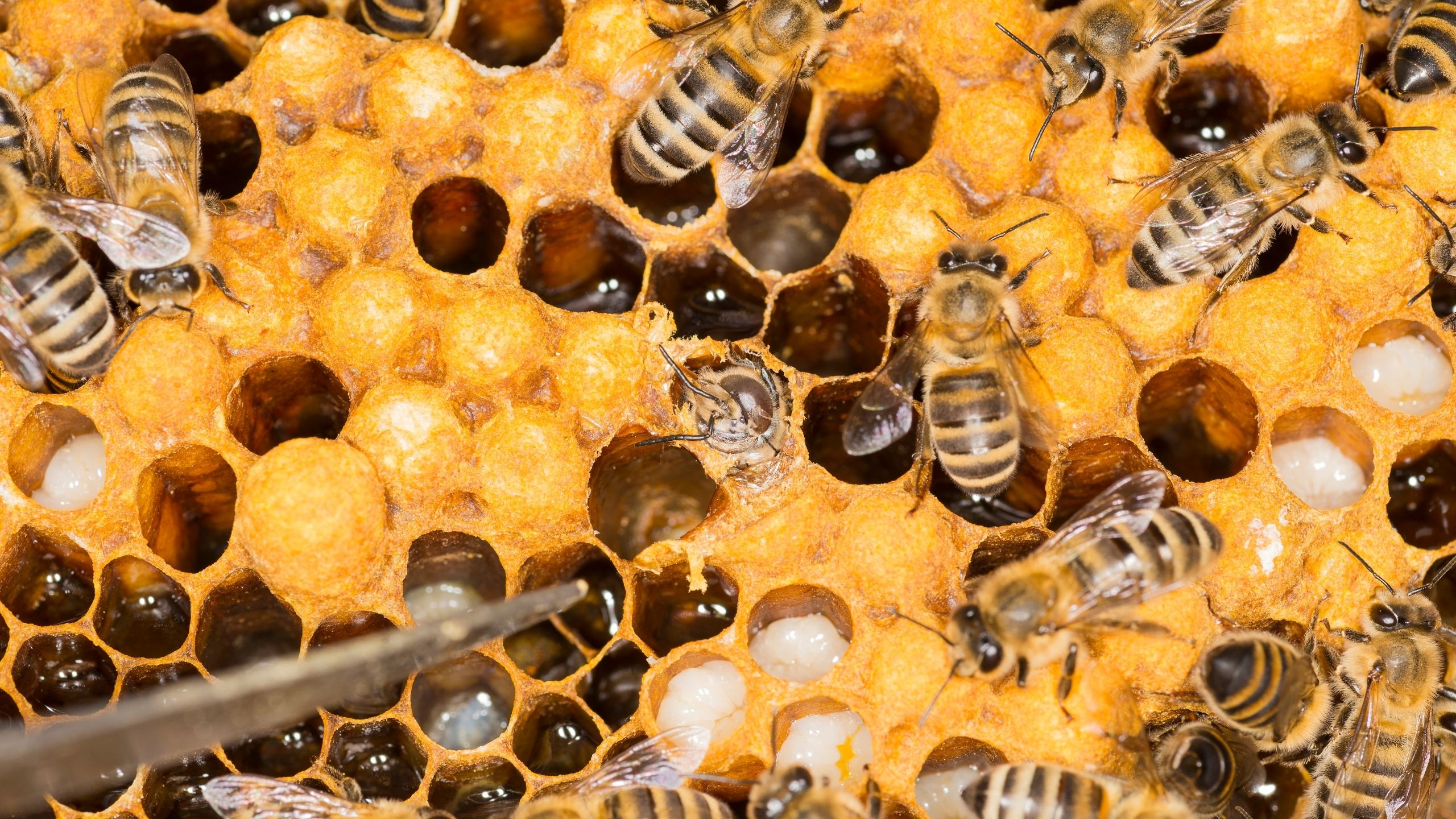
Small hive beetle (SHB) is a pest of honey and bumble bee colonies that is native to Africa. SHB feeds on pollen and honey, kills bee brood and workers, and causes honey to discolor and ferment.
Spotted Wing Drosophila
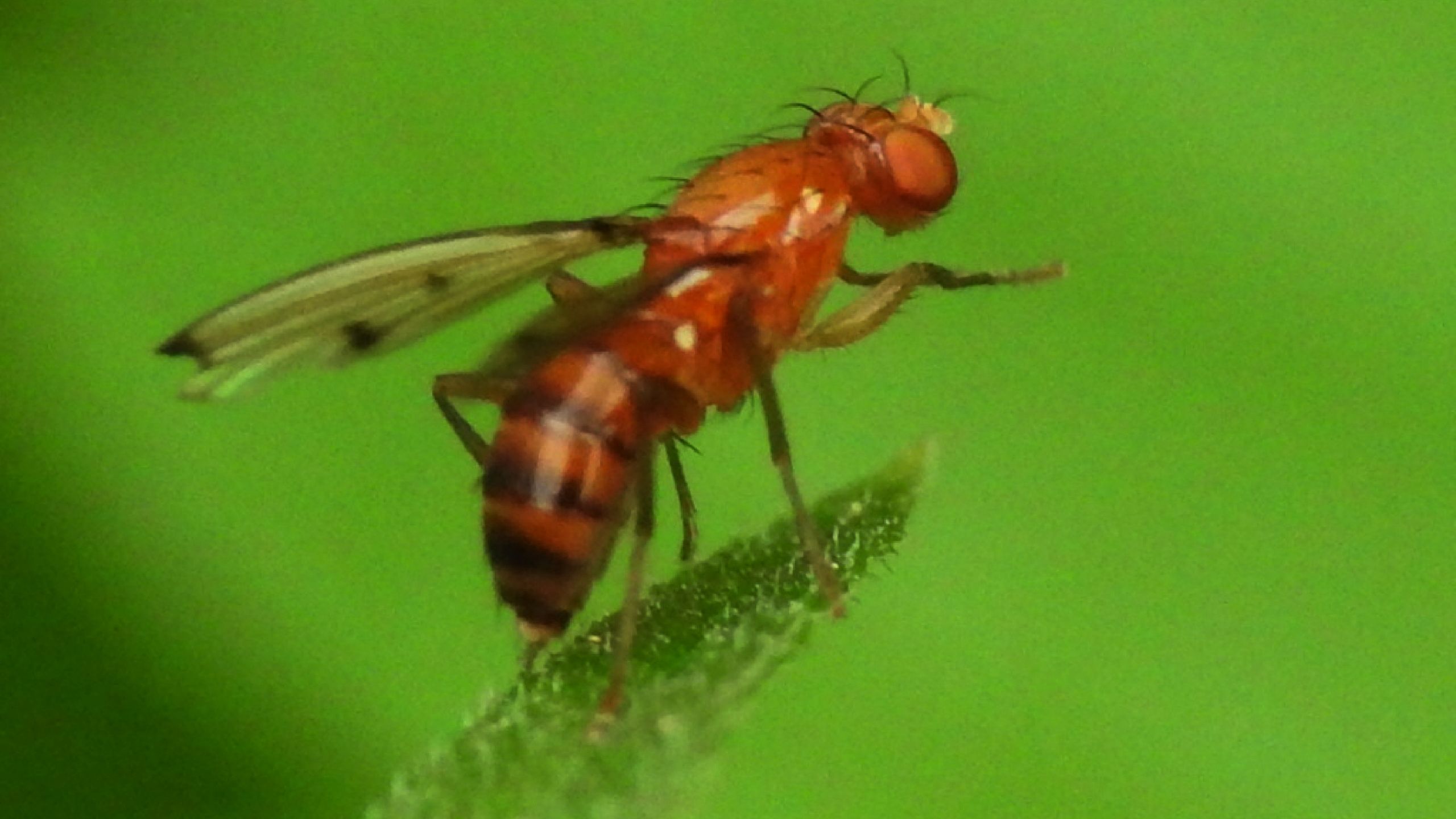
Spotted wing drosophila (SWD) is an invasive insect native to Southeast Asia; it was first detected in Utah in 2010. SWD management tactics include removing nearby alternative host plants, timely harvest of fruit, expanding the preventive insecticide prog
Spotted Wing Drosophila Monitoring
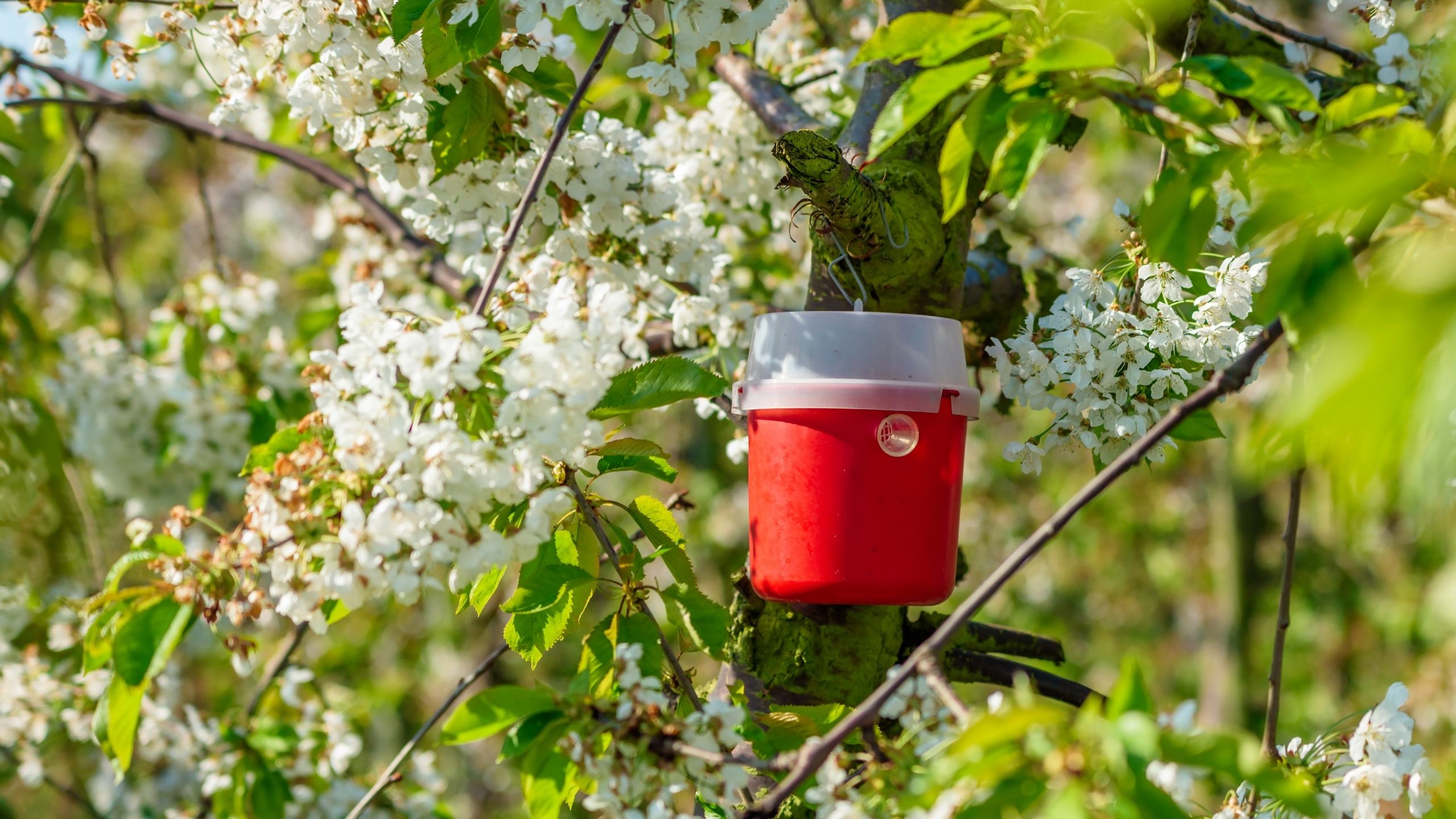
Spotted wing drosophila can attack fruit as soon as it begins to ripen, so that is when monitoring should begin. For example, place a trap in a cherry tree when the fruits begin to turn pink. Continue trapping for at least two weeks after harvest. Because
Velvet Longhorned Beetle
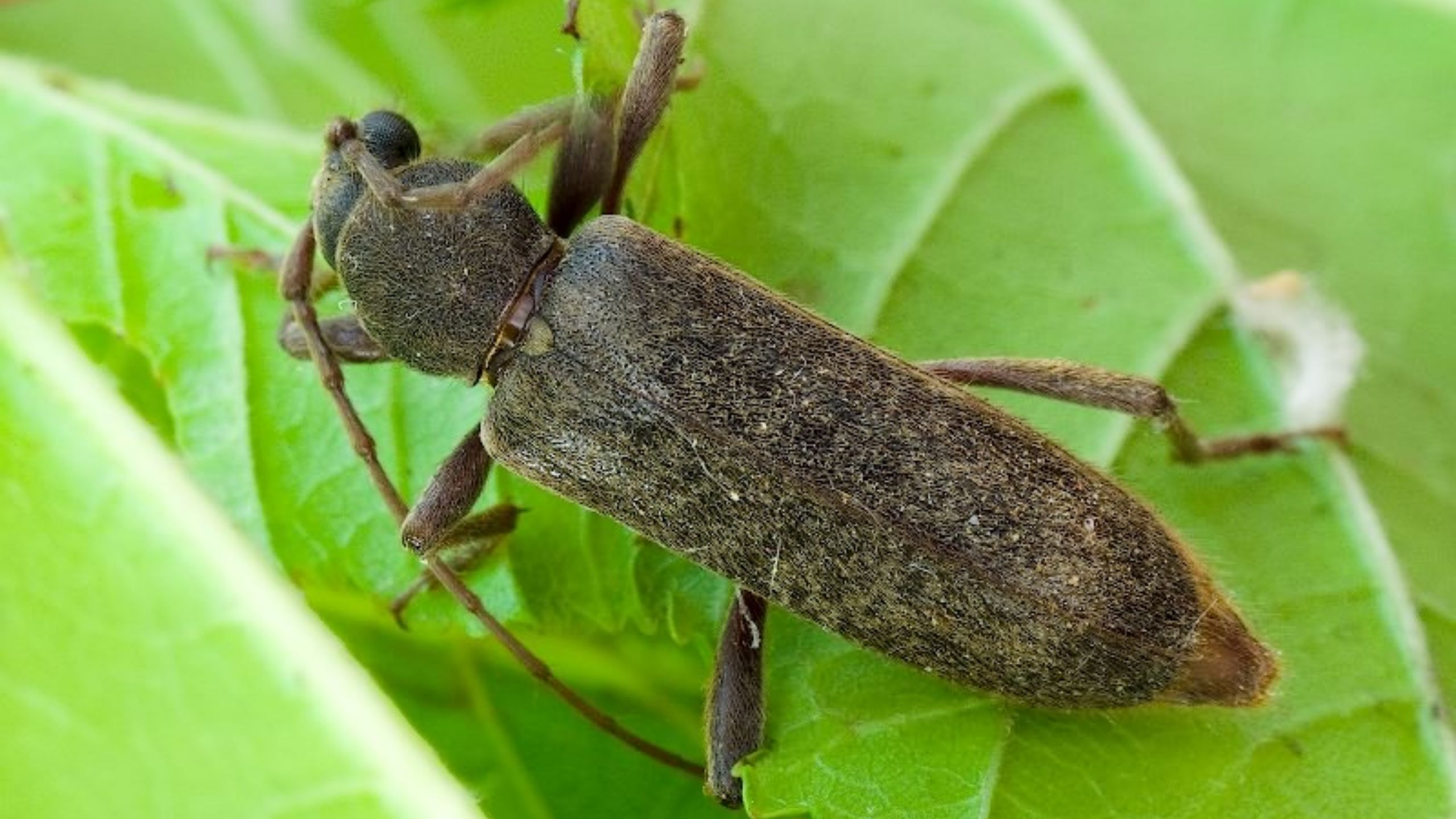
Velvet longhorned beetle is an invasive wood-boring beetle first detected in Utah in 2010. VLB can negatively impact fruit yield, tree longevity, and wood marketability. Prevention, monitoring, and early detection are the key management recommendations fo

Parasitoid Wasps of the Invasive Brown Marmorated Stink Bug in Utah
There are at least two families of stink bug parasitoids in Utah, Eupelmidae and Scelionidae. These are small, typically black wasps that may be mistaken for small gnats or ants. They will fly in search of stink bug egg masses. Once they find the eggs, th
BMSB Management for Fruits and Vegetables
A fact sheet detailing the brown marmorated stink bug (BMSB, Halyomorpha halys Stål), a recent invasive insect to North America from eastern Asia. In the last decade, it has become a severe urban nuisance and agricultural pest in the mid-Atlantic and nort
Balsam Woolly Adelgid
Invasive balsam woolly adelgid is a tiny sucking insect that was introduced to North America from Europe. In the U.S., it is a serious pest of true firs in forests, landscapes, and in seed and Christmas tree production.

Quagga Mussel and Zebra Mussel
The quagga mussel (Dreissena bugensis) and zebra mussel (D. polymorpha) are invasive mussels that threaten Western U.S. waterbodies. Zebra mussels were discovered in early 2021 in imported moss balls (algal balls) sold in aquarium and pet stores nationwid
Asian Giant Hornet (a.k.a. Northern Giant Hornet)
[Update 8/2022: Northern giant hornet is the new common name for this pest.] Asian giant hornet is an invasive wasp that was detected in northwest Washington and British Columbia, Canada in fall 2019 and spring 2020; however, it is not known to be establi
Imported Fire Ants
The red and black imported fire ants (IFA) are an invasive and aggressive pest not known to occur in Utah, but parts of southern Utah may be suitable for colony establishment. IFA can be easily distinguished from other ants in Utah by both the varying siz
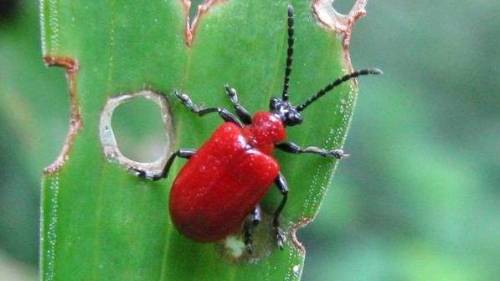
Lily Leaf Beetle (Lilioceris lilii)
Lily leaf beetle (LLB) is an exotic pest from Eurasia that causes damage to plants in the Liliaceae family. Native and cultivated Lilium and Fritillaria are sensitive to attack, including rare and endangered species. LLB can cause economic and aesthetic l
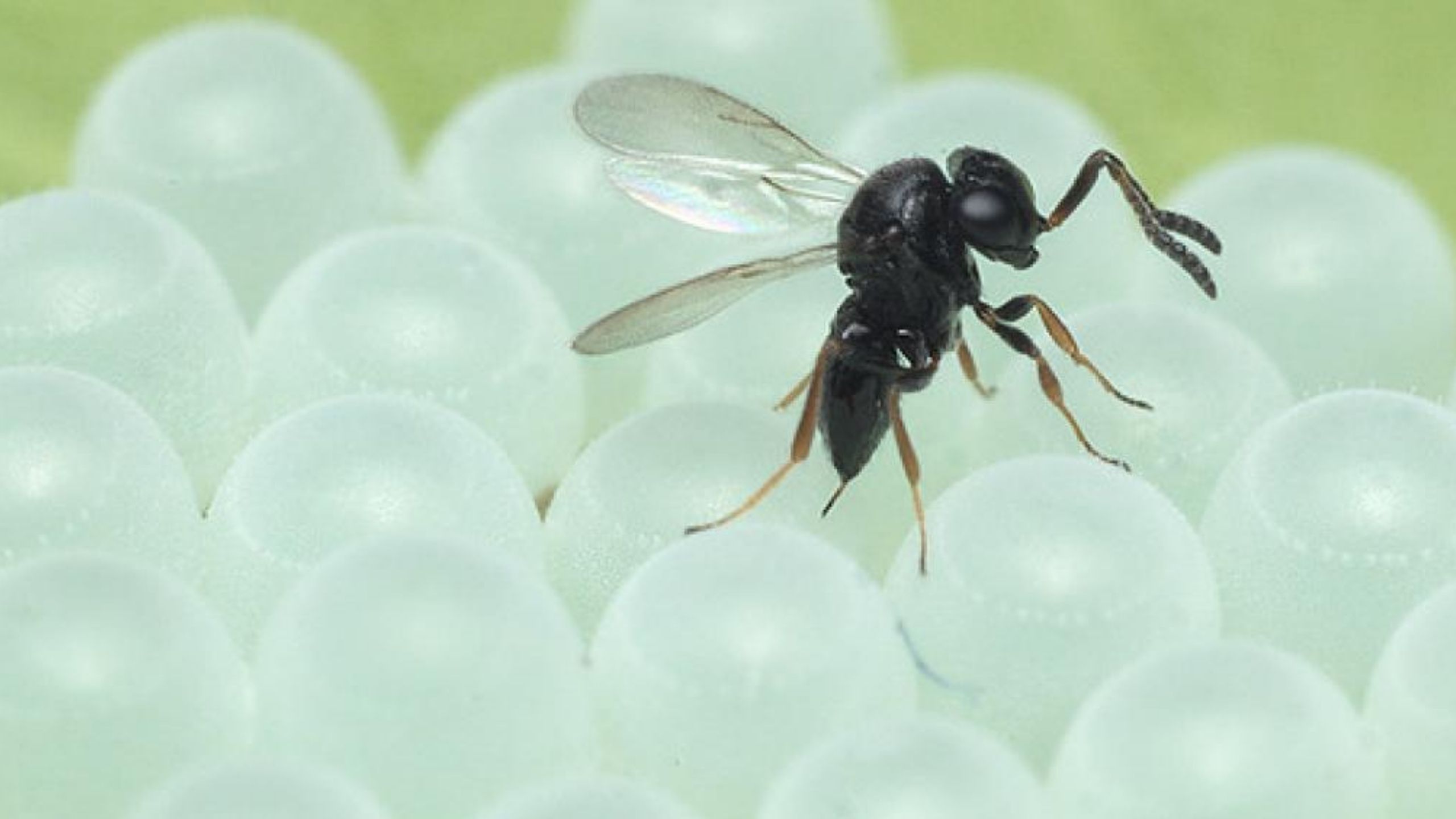
The Samurai Wasp: New Hope in Fight Against BMSB
In June 2019, the samurai wasp [Trissolcus japonicus (Ashmead)] was discovered in Salt Lake City. This exotic parasitoid wasp is the most promising agent for biological control of BMSB and is uniquely evolved to lay its eggs inside of BMSB eggs. Help us p
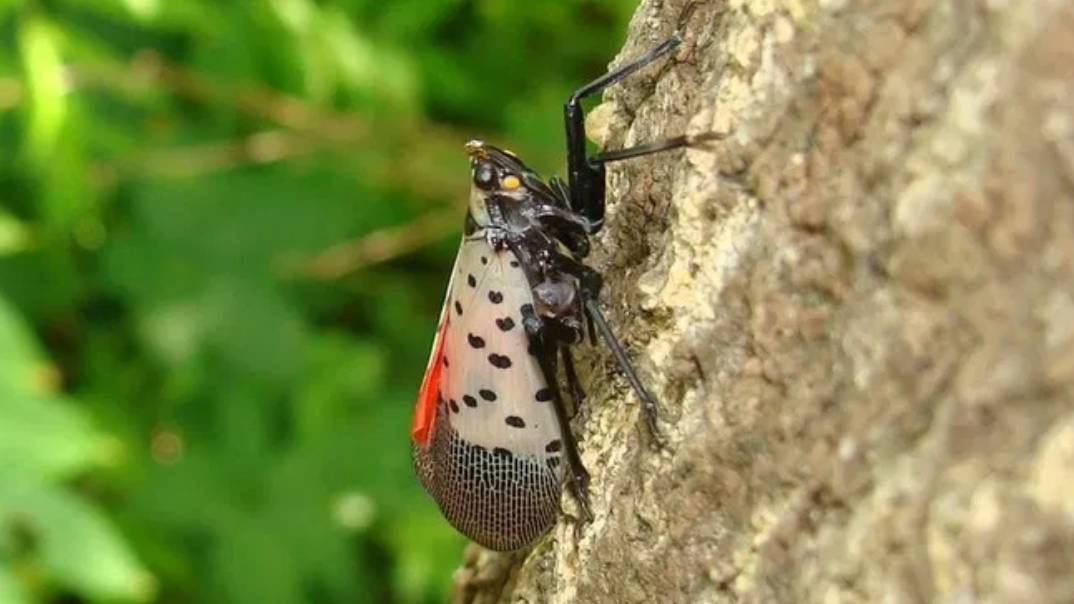
Spotted Lanternfly
The spotted lanternfly (SLF) is a new invasive pest from China that was first detected in the U.S. in Pennsylvania in 2014 and has since spread to other states. SLF attacks more than 100 host plants, including grapes, fruit trees, hops, and hardwood and o

Dotted Paropsine Beetle
Eucalyptus in Utah is usually pest-free, but the dotted paropsine leaf beetle (Paropsis atomaria) appeared in 2022 in southern California and may spread to Utah, especially in warm, dry areas with few natural predators.

The Link Between Environmental Change and Invasive Species
Climate change and invasive species are major environmental threats to global biodiversity and ecosystem stability. Rising temperatures and disrupted ecosystems create conditions that help invasive species spread, establish in new areas, and outcompete na

How Invasive Species Affect Ecosystems
Invasive species can have profound impacts on ecosystems worldwide. In the absence of their natural enemies, invasive species thrive and reproduce quickly. In many cases, they outcompete or prey on native species, leading to changes in habitat structure a
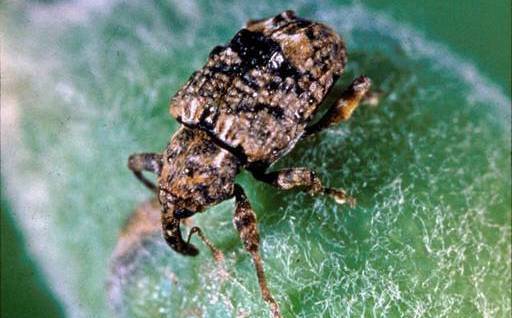
Plum Curculio
Plum curculio, Conotrachelus nenuphar (Coleoptera: Curculionidae), is a small brown weevil (beetle with a snout) native to eastern North America where it is a major pest of pome and stone fruits. It thrives in environments where orchards are located nex
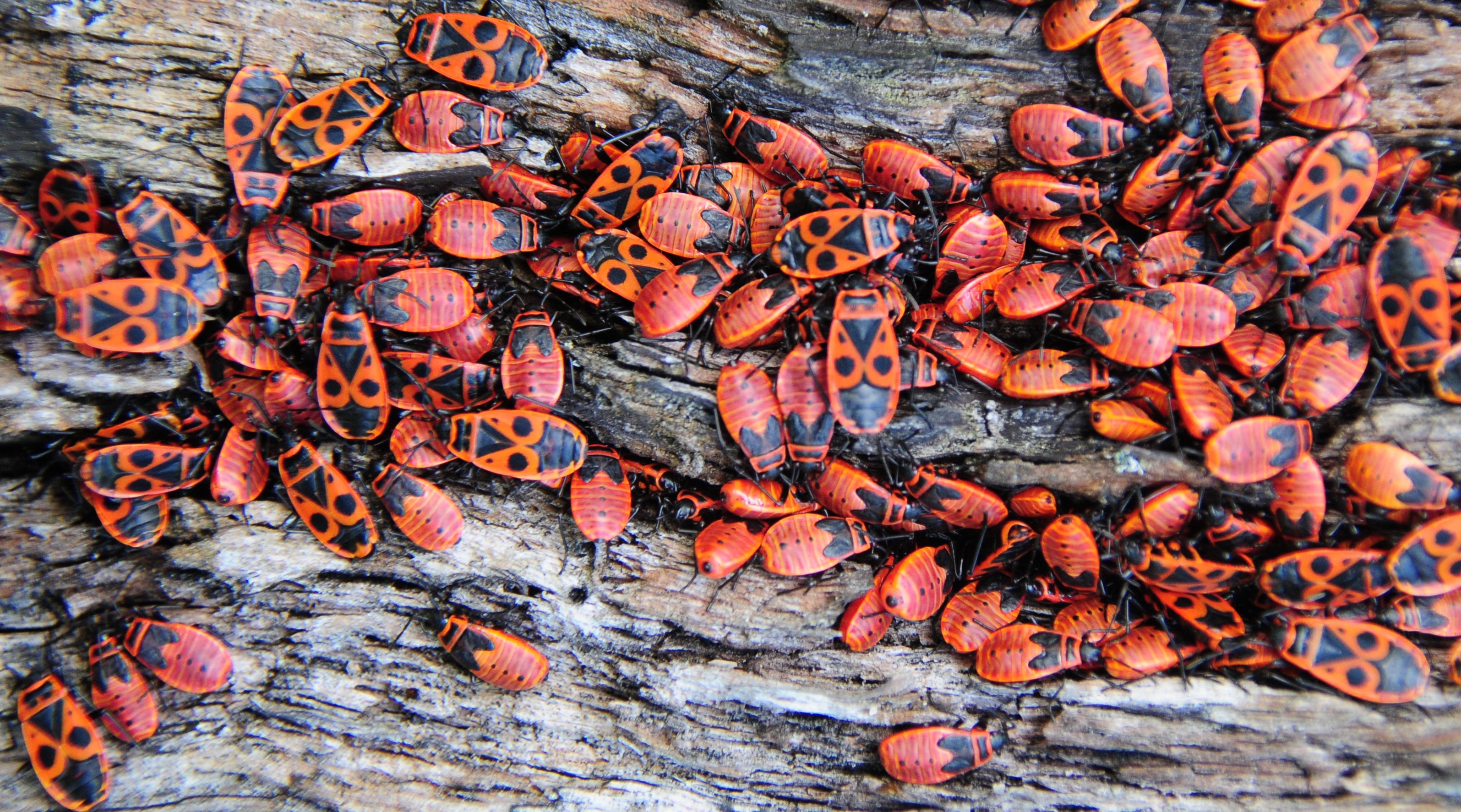
Red Firebug
Red firebugs were first discovered in North America in Salt Lake City, Utah in 2008. These insects are seed feeders on a wide range of plants, including linden and mallow.

Rose Stem Girdler
The rose stem girdler is a small, metallic flat-headed beetle in the family Buprestidae. Introduced to the eastern United States from Europe in the early 1900s through infested roses, it was first reported in Utah in 1955 in American Fork. It is now a com
Featured Pests
Be on the lookout for these invasive pests that could negatively alter our unique ecosystem. Many of the things that make Utah exceptional are threatened by invasive species. Understand the risks, and act to protect Utah from invasive ecosystem-altering p
Featured Pests
Be on the lookout for these invasive pests that could negatively alter our unique ecosystem. Many of the things that make Utah exceptional are threatened by invasive species. Understand the risks, and act to protect Utah from invasive ecosystem-altering p
Featured Pests
Be on the lookout for these invasive pests that could negatively alter our unique ecosystem. Many of the things that make Utah exceptional are threatened by invasive species. Understand the risks, and act to protect Utah from invasive ecosystem-altering p
Featured Pests
Be on the lookout for these invasive pests that could negatively alter our unique ecosystem. Many of the things that make Utah exceptional are threatened by invasive species. Understand the risks, and act to protect Utah from invasive ecosystem-altering p
Guides
The following publications were written by the Utah Pests team and other authors. Arranged alphabetically, they cover topics such as beneficial insects; fruit, vegetable, and ornamental pests; and structural and health-related pests.
Invasive Pest News & Notes
New in 2022! Invasive Pest News and Notes focuses on insects that should be on your radar that either already occur in Utah or have the potential to occur here. IPN&N is published 3 times annually (summer, fall, and winter/spring. Subscribe to keep curren