
Potential Impact of Dotted Paropsine Beetle and Other Leaf Beetles on Eucalyptus in Utah
July 2025
Marion Murray, IPM Specialist • Victoria Xiong, Horticulture Assistant Professor, Kane County • Megan Kast, IPM Associate
Quick Facts


Dianne Clarke, naturemapr.org/users/27431

- Dotted paropsine leaf beetle (DPLB) is an invasive eucalyptus pest native to Australia. Its first U.S. detection was in California in 2022.
- DPLB feeds on several eucalyptus species, with blue gum as its primary host.
- Feeding damage includes semicircular notches on leaf edges, defoliation of young leaves, and dieback of shoot tips.
- DPLB poses a threat to eucalyptus plantings across the western U.S. and to cut foliage producers in Utah.
Eucalyptus is grown on several cut flower and foliage farms in Utah and is typically pest-free. In 2022, the dotted paropsine leaf beetle (Paropsis atomaria, DPLB) (Fig. 1) was detected on a lemon-scented gum tree (Corymbia citriodora) in Los Angeles County as the first report in North America. It has since established populations throughout southern California in ornamental and commercial eucalyptus plantings (Patton, 2023) and as of 2025, does not occur in Utah. The beetle may continue to spread to other areas in the western U.S., including Utah, where few natural enemies exist. Although the beetle reportedly tolerates a wide range of environmental conditions, areas with warm, dry summers and mild winters are especially at risk (Schutz et al., 2006).
DPLB is native to eastern Australia, where it is a common pest of several eucalyptus species (Schutz et al., 2006). Both the adults and larvae feed on foliage, and their ability to consume massive amounts of leaf tissue in two generations per year in California’s mild climate has contributed to its spread and impact (Arakelian, 2022).
Hosts
Hosts include approximately 21 eucalyptus-type trees
grown in ornamental, cut flower, and forestry settings
(Schutz et al., 2006), such as:
- Blue gum (Eucalyptus globulus) – primary host
- Mountain gum (E. dalrympleana)
- Red gum (E. camaldulensis)
- Silver dollar gum (E. polyanthemos)
- Lemon scented gum (Corymbia citriodora) – potential host if resources are limited
Description
Eggs are about half the size of a grain of rice, cylindrical, and tan. Laid in a pattern of 20 to 100, they wrap around young eucalyptus shoots, resembling a flower (Fig. 2). The location provides larvae immediate access to food after hatching.
Larvae have a black head and hind region (Fig. 3). The body is initially yellow and as larvae progress through their four growth stages (called “instars”), they develop a black longitudinal stripe along the back and sides of their body. Larvae feed in groups throughout their development, and when threatened, they raise their hind end and expel a defensive fluid through specialized glands. Mature larvae are about 4–8 mm long.
Pupation occurs in the soil directly under feeding sites.
Adults resemble lady beetles in size and shape but have longer antennae. They are oval-shaped and approximately 3/8-inch long. They are tan with numerous tiny orange dots and faint black markings scattered across the elytra (wing covers; Fig. 1).
Life Cycle


In southern California, DPLB has two generations per year (Patton, 2023). Adults overwinter in leaf litter and under bark, emerging in spring (Carne, 1966); however, the exact timing for populations in the western U.S. is still unknown. After mating, females lay eggs on the young shoots of the first eucalyptus host they encounter, not flying far (Carne, 1966). The average female can lay 600 eggs or more (Carne, 1966). Eggs hatch within several days, and larvae feed only on the youngest, most succulent leaves and progress through four growth stages (instars) over several weeks. When mature, larvae drop to the ground, burrow into the soil, and form a pupal chamber. Adults emerge, feed, and reproduce to continue the cycle. In ideal conditions, development from egg to adult can take as little as five weeks.
Symptoms
Larvae prefer young eucalyptus leaves, where they may consume a majority of the leaf or cause defoliation of partially fed leaves (Fig. 4). Healthy trees can produce a fresh flush of foliage.
Adults prefer to feed on mature leaves, creating semicircular notches along the edges (Fig. 4).
Repeated and annual feeding and defoliation by DPLB can stress and kill young trees.
Look-Alikes


Two other species of eucalyptus leaf beetles are established in California (Millar et al., 2009) and have also not been reported in Utah. Trachymela sloanei was found in 1998 in Riverside County and now occurs throughout most areas of California where eucalyptus grows (Fig. 5). Paropsisterna m-fuscum (Fig. 5) was discovered in Orange County in 2003 and remains in southern California. All three beetles cause comparable damage and have similar life cycles.
Management
As of July 2025, none of the eucalyptus beetles mentioned in this fact sheet have been detected in Utah. The management strategies outlined below are only recommended for where they currently exist or if they are ever detected in the state. Preventing their introduction into Utah is the most effective strategy at this stage.
Regardless, eucalyptus growers and homeowners with eucalyptus trees are encouraged to routinely inspect their plants for signs of insect activity and discouraged from transporting infested plant material. Key indicators to examine include:
- Flower-like pattern of eggs on new shoots.
- Larvae feeding in groups.
- Visible feeding damage on leaves.
Cultural Controls
In California, eucalyptus trees are vulnerable to a variety of introduced insect pests, including DPLB, eucalyptus longhorned borers, and eucalyptus tortoise beetles. Preventive strategies are the most effective options for these pests, and they share common emphases: maintaining proper horticultural practices and avoiding actions that may harm beneficial biological control agents.
Maintain Plant Health
- Deeply and regularly water plants, especially during prolonged drought, to minimize drought stress.
- Avoid applying nitrogen fertilizer unless absolutely necessary. Excessive nitrogen has a limited impact on overall plant growth but leads to tender shoot growth, which attracts beetle egg-laying.
Sanitation and Biocontrol
- After proper identification, promptly remove affected shoots with congregations of larvae.
- For small numbers of young trees, collect adults and larvae into soapy water. Scrape off eggs on shoots and hose off larvae on foliage.
- In cases of severe infestation, remove the entire plant to limit further spread.
- Natural predators in Australia include shield bugs, ladybirds, wasps, spiders, and tachinid flies; however, California reports no known natural enemies (Shogren, 2025).
Chemical Controls
In areas where DPLB occurs, avoid using broad-spectrum insecticides (e.g., carbaryl, pyrethroids) on landscape eucalyptus due to drift and runoff risks. However, the following are options.
- When young larvae are present, apply a product containing the organic ingredient spinosad to the tree canopy.
- A systemic insecticide (imidacloprid) could be soil-applied in spring for suppression of severe infestations.
Potential Impact on Utah's Cut Flower Industry
In Utah, eucalyptus is primarily grown by cut flower producers, with operations occurring across the state from Brigham City to St. George and Kanab. These growers typically start plants from seed or purchase propagation material from California-based nurseries. When used as greenery in floral arrangements, growers prefer tender, flexible shoots, which are especially vulnerable to damage from DPLB.
Even minor feeding injury can reduce market value, and the young shoots are more vulnerable to leaf deformation and aesthetic flaws. Although DPLB is not currently found in Utah, growers and homeowners should raise awareness and learn to recognize early signs of infestation. If you suspect DPLB or observe unusual feeding damage, contact your local county Extension agent for assistance.
References
- Arakelian, G. (2022). Dotted paropsine leaf beetle (Paropsis atomaria) [Fact sheet]. Los Angeles County Department of Agricultural Commissioner Weights and Measures. Retrieved March 10, 2025 from: file.lacounty.gov/SDSInter/acwm/1134554_Dottedparopsine.pdf
- Carne, P. (1966). Ecological characteristics of the eucalypt-defoliating chrysomelid Paropsis atomaria Ol. Australian Journal of Zoology, 4, 647–672.
- Millar, G. Paine, T. D., Bethke, J. A., Garrison, R. W., Campbell, K. A., & Dreistadt, S. H. (2009). Eucalyptus tortoise beetles [Fact sheet, Pest Notes Publication 74104]. University of California Agriculture and Natural Resources.
- Patton, M. F. (2023). Another eucalyptus pest: The dotted paropsine leaf beetle [Fact sheet]. University of California Agriculture and Natural Resources. Retrieved March 10, 2025 from: ucanr.edu/blog/pests-urban-landscape/article/another-eucalyptus-pest-dotted-paropsine-leaf-beetle
- Schutze, M., Mather, P., & Clarke, A. (2006) Species status and population structure of the Australian eucalyptus pest Paropsis atomaria Olivier (Coleoptera: Chrysomelidae). Agricultural and Forest Entomology, 8, 323–332. doi.org/10.1111/j.1461-9563.2006.00316.x
- Shogren, C. (2025). The dotted paropsine leaf beetle threatens California’s eucalyptus [Fact sheet]. UC Nursery and Floriculture Alliance, University of California - Davis. Retrieved March 10, 2025 from: ucnfa.ucdavis.edu/news/dotted-paropsine-leaf-beetle-threatens-californias-eucalyptus
Related Research
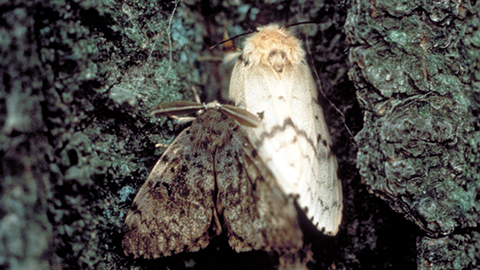
Spongy Moth
Spongy moths (Lepidoptera: Erebidae) are invasive leaf-eating (defoliating) pests that threaten trees and shrubs in urban, suburban, and rural landscapes. The spongy moth was accidentally introduced to the U.S. in 1869 by an amateur French entomologis

Asian Longhorned Beetle
Asian longhorned beetle is an invasive wood-boring pest that threatens maple and other hardwood tree species, fall-foliage tourism, and maple syrup production in North America.
Invasive Insects Lookalikes
Learn how to identify some invasive insects and their look-alikes. Here, we provide a quick identification guide for brown marmorated stink bug, Japanese beetle, emerald ash borer, and Asian longhorned beetle.
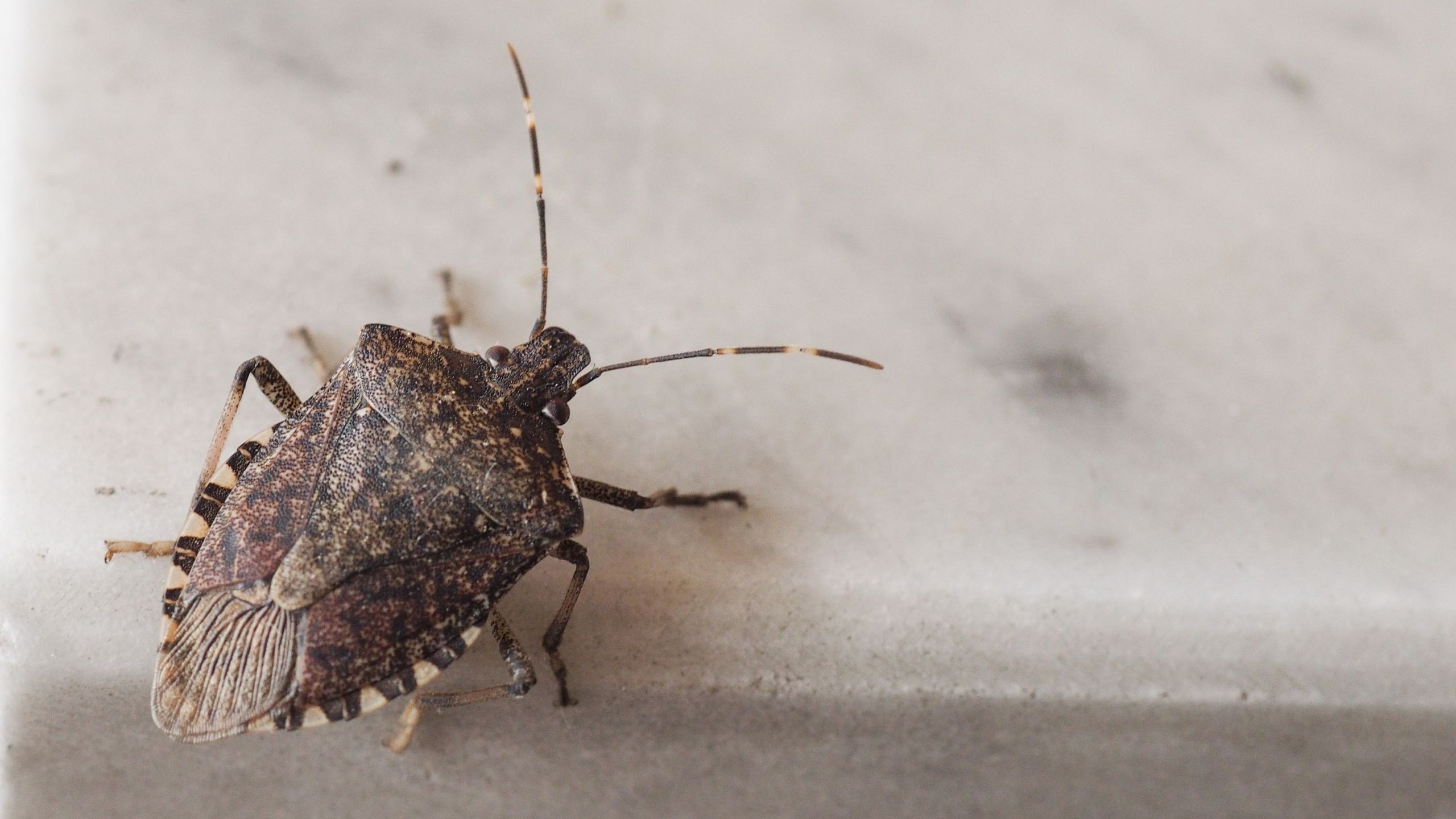
Brown Marmorated Stink Bug
BMSB was first detected in Utah in 2012; it is now established in four counties (Weber, Davis, Salt Lake, and Utah) and has been detected in two other counties (Cache and Box Elder). As an aggressive generalist herbivore, BMSB infests a broad range of pla
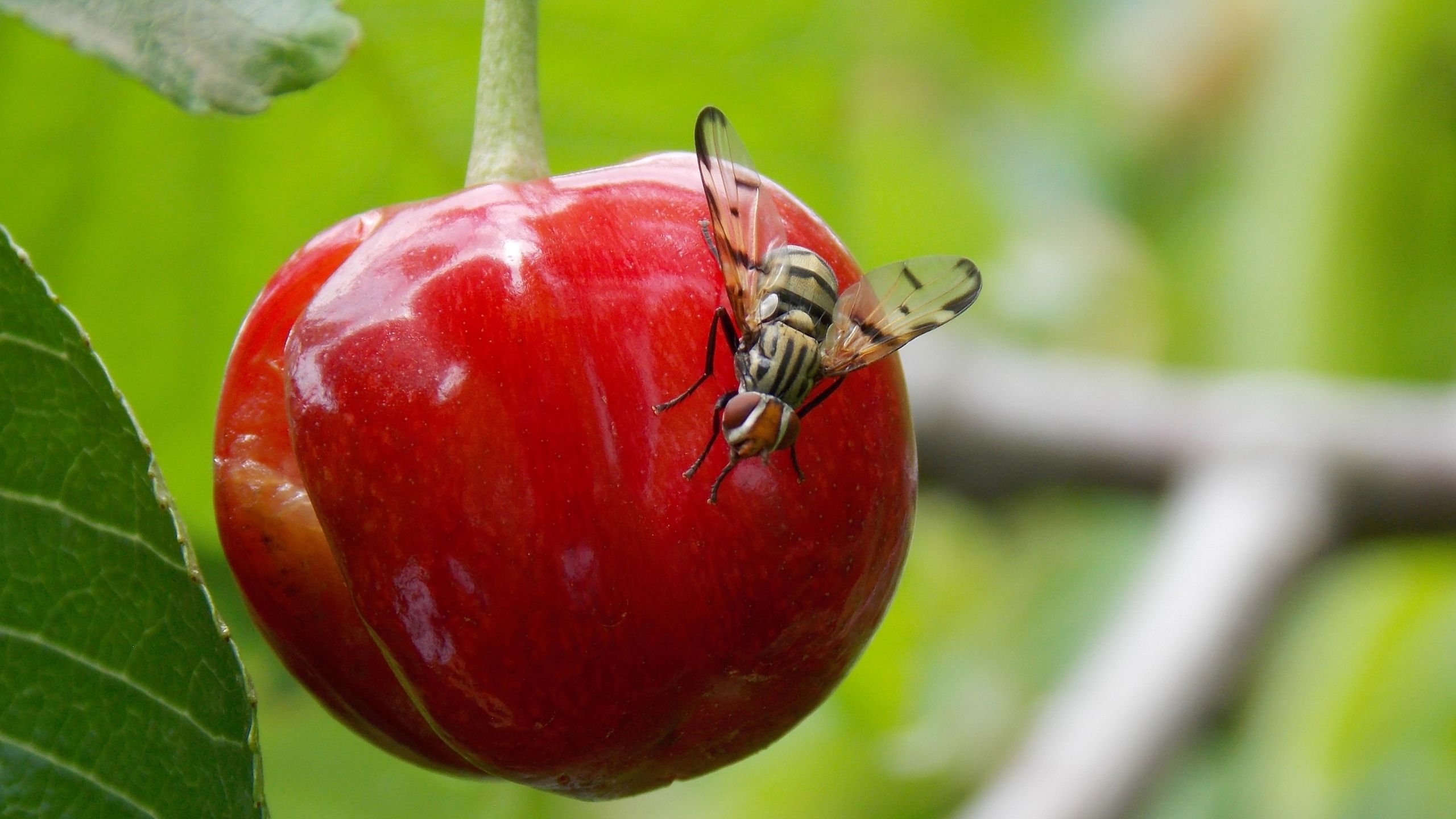
European Cherry Fruit Fly
European Cherry Fruit Fly (ECFF) is a new invasive cherry-infesting pest that is not known to occur in Utah. Host plants include cherry and honeysuckle. Heavy infestations in Europe have resulted in 100% fruit loss. Since adults fly only short distances,
Emerald Ash Borer
Emerald ash borer (EAB) (Coleoptera: Buprestidae) is an invasive woodboring beetle that has caused the decline and mortality of tens of millions of ash trees (Fraxinus spp.) in the U.S. It is considered the most destructive forest pest to ever invade Nort
Elm Seed Bug
First detected in 2014 in Utah, elm seed bug is now widely distributed along the Wasatch Front and Cache Valley, and has been reported west to Duchesne County, east to Tooele County, and south to Grand County. Elm seed bug activity peaks in mid-summer whe
Japanese Beetle
This fact sheet describes the invasive Japanese beetle (JB) and lists vegetative hosts that can be affected by JB, including ornamental plants, trees, shrubs, turfgrass and vegetables. This pest can cause significant damage in high numbers. It was first d
Small Hive Beetle
Small hive beetle (SHB) is a pest of honey and bumble bee colonies that is native to Africa. SHB feeds on pollen and honey, kills bee brood and workers, and causes honey to discolor and ferment.
Spotted Wing Drosophila
Spotted wing drosophila (SWD) is an invasive insect native to Southeast Asia; it was first detected in Utah in 2010. SWD management tactics include removing nearby alternative host plants, timely harvest of fruit, expanding the preventive insecticide prog
Spotted Wing Drosophila Monitoring
Spotted wing drosophila can attack fruit as soon as it begins to ripen, so that is when monitoring should begin. For example, place a trap in a cherry tree when the fruits begin to turn pink. Continue trapping for at least two weeks after harvest. Because
Velvet Longhorned Beetle
Velvet longhorned beetle is an invasive wood-boring beetle first detected in Utah in 2010. VLB can negatively impact fruit yield, tree longevity, and wood marketability. Prevention, monitoring, and early detection are the key management recommendations fo

Parasitoid Wasps of the Invasive Brown Marmorated Stink Bug in Utah
There are at least two families of stink bug parasitoids in Utah, Eupelmidae and Scelionidae. These are small, typically black wasps that may be mistaken for small gnats or ants. They will fly in search of stink bug egg masses. Once they find the eggs, th
BMSB Management for Fruits and Vegetables
A fact sheet detailing the brown marmorated stink bug (BMSB, Halyomorpha halys Stål), a recent invasive insect to North America from eastern Asia. In the last decade, it has become a severe urban nuisance and agricultural pest in the mid-Atlantic and nort
Balsam Woolly Adelgid
Invasive balsam woolly adelgid is a tiny sucking insect that was introduced to North America from Europe. In the U.S., it is a serious pest of true firs in forests, landscapes, and in seed and Christmas tree production.

Quagga Mussel and Zebra Mussel
The quagga mussel (Dreissena bugensis) and zebra mussel (D. polymorpha) are invasive mussels that threaten Western U.S. waterbodies. Zebra mussels were discovered in early 2021 in imported moss balls (algal balls) sold in aquarium and pet stores nationwid
Asian Giant Hornet (a.k.a. Northern Giant Hornet)
[Update 8/2022: Northern giant hornet is the new common name for this pest.] Asian giant hornet is an invasive wasp that was detected in northwest Washington and British Columbia, Canada in fall 2019 and spring 2020; however, it is not known to be establi
Imported Fire Ants
The red and black imported fire ants (IFA) are an invasive and aggressive pest not known to occur in Utah, but parts of southern Utah may be suitable for colony establishment. IFA can be easily distinguished from other ants in Utah by both the varying siz
Lily Leaf Beetle (Lilioceris lilii)
Lily leaf beetle (LLB) is an exotic pest from Eurasia that causes damage to plants in the Liliaceae family. Native and cultivated Lilium and Fritillaria are sensitive to attack, including rare and endangered species. LLB can cause economic and aesthetic l
The Samurai Wasp: New Hope in Fight Against BMSB
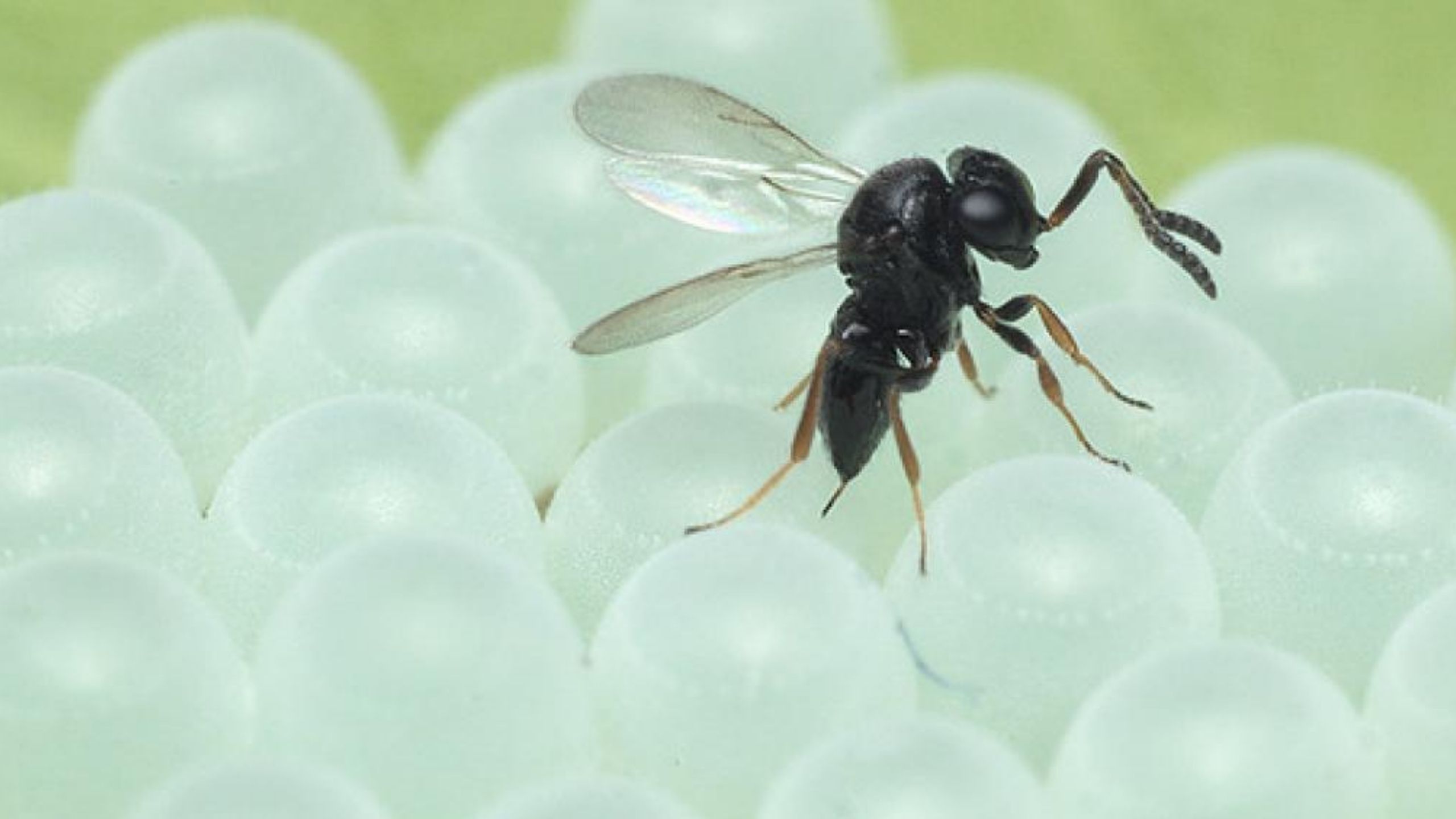
In June 2019, the samurai wasp [Trissolcus japonicus (Ashmead)] was discovered in Salt Lake City. This exotic parasitoid wasp is the most promising agent for biological control of BMSB and is uniquely evolved to lay its eggs inside of BMSB eggs. Help us p
Spotted Lanternfly
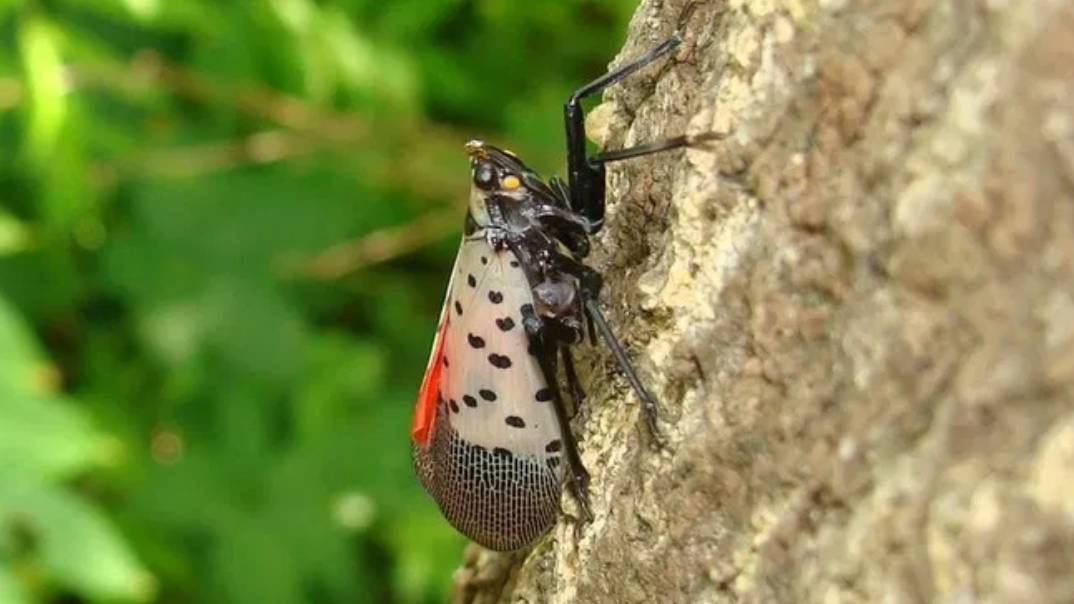
The spotted lanternfly (SLF) is a new invasive pest from China that was first detected in the U.S. in Pennsylvania in 2014 and has since spread to other states. SLF attacks more than 100 host plants, including grapes, fruit trees, hops, and hardwood and o

Dotted Paropsine Beetle
Eucalyptus in Utah is usually pest-free, but the dotted paropsine leaf beetle (Paropsis atomaria) appeared in 2022 in southern California and may spread to Utah, especially in warm, dry areas with few natural predators.

The Link Between Environmental Change and Invasive Species
Climate change and invasive species are major environmental threats to global biodiversity and ecosystem stability. Rising temperatures and disrupted ecosystems create conditions that help invasive species spread, establish in new areas, and outcompete na

How Invasive Species Affect Ecosystems
Invasive species can have profound impacts on ecosystems worldwide. In the absence of their natural enemies, invasive species thrive and reproduce quickly. In many cases, they outcompete or prey on native species, leading to changes in habitat structure a
Plum Curculio
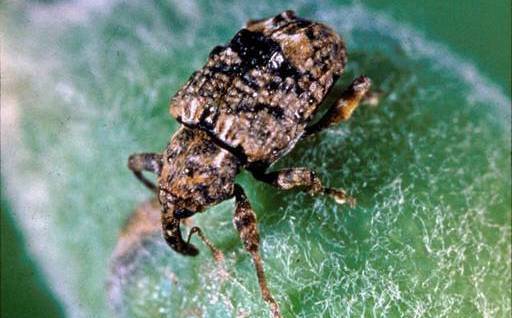
Plum curculio, Conotrachelus nenuphar (Coleoptera: Curculionidae), is a small brown weevil (beetle with a snout) native to eastern North America where it is a major pest of pome and stone fruits. It thrives in environments where orchards are located nex
Red Firebug
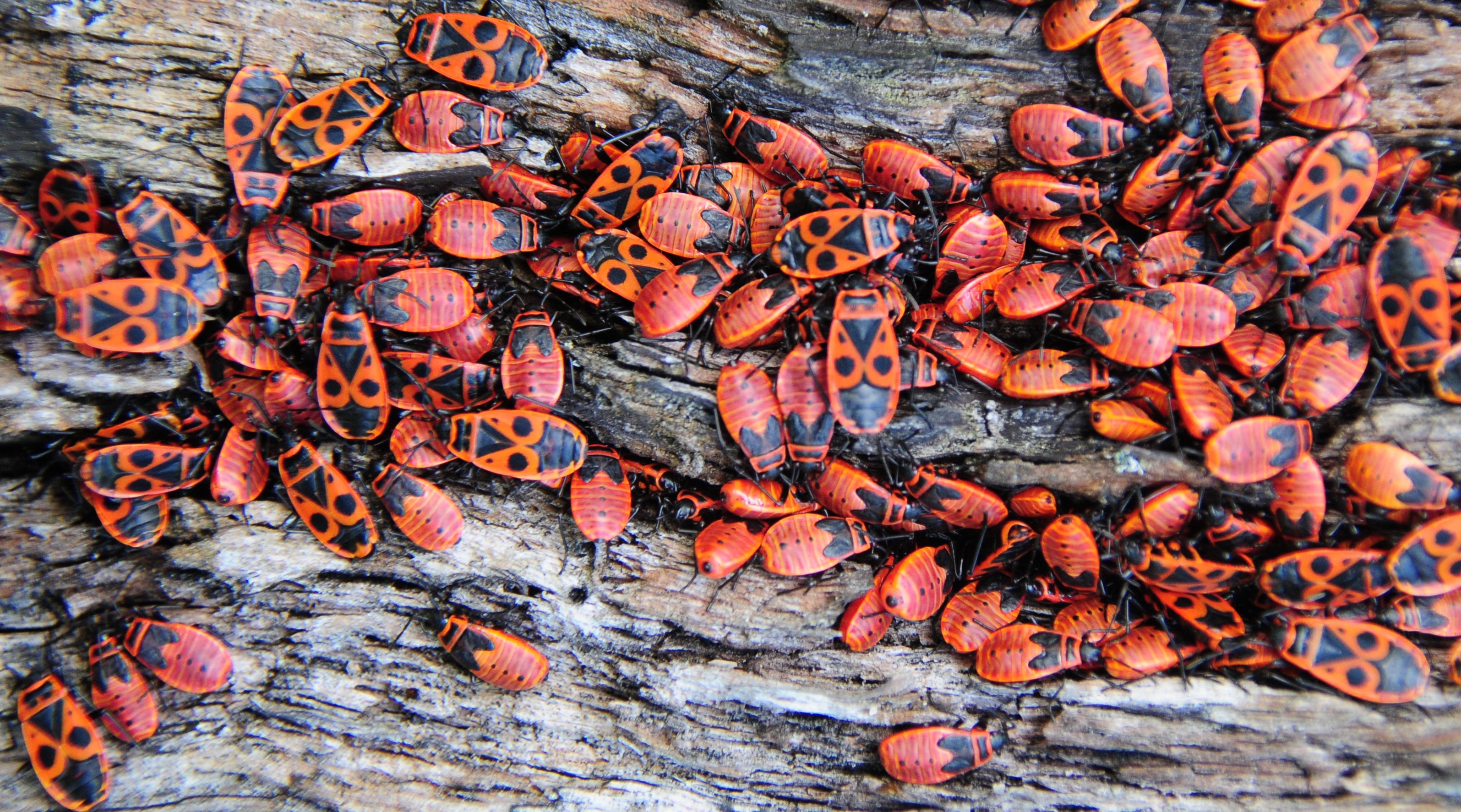
Red firebugs were first discovered in North America in Salt Lake City, Utah in 2008. These insects are seed feeders on a wide range of plants, including linden and mallow.
Featured Pests
Be on the lookout for these invasive pests that could negatively alter our unique ecosystem. Many of the things that make Utah exceptional are threatened by invasive species. Understand the risks, and act to protect Utah from invasive ecosystem-altering p
Featured Pests
Be on the lookout for these invasive pests that could negatively alter our unique ecosystem. Many of the things that make Utah exceptional are threatened by invasive species. Understand the risks, and act to protect Utah from invasive ecosystem-altering p
Featured Pests
Be on the lookout for these invasive pests that could negatively alter our unique ecosystem. Many of the things that make Utah exceptional are threatened by invasive species. Understand the risks, and act to protect Utah from invasive ecosystem-altering p
Featured Pests
Be on the lookout for these invasive pests that could negatively alter our unique ecosystem. Many of the things that make Utah exceptional are threatened by invasive species. Understand the risks, and act to protect Utah from invasive ecosystem-altering p
Guides
The following publications were written by the Utah Pests team and other authors. Arranged alphabetically, they cover topics such as beneficial insects; fruit, vegetable, and ornamental pests; and structural and health-related pests.
Invasive Pest News & Notes
New in 2022! Invasive Pest News and Notes focuses on insects that should be on your radar that either already occur in Utah or have the potential to occur here. IPN&N is published 3 times annually (summer, fall, and winter/spring. Subscribe to keep curren