
How Invasive Species Affect Ecosystems
June 2025
Marion Murray, Extension IPM Specialist • Meg Kast, Extension IPM Associate
Quick Facts

Impact on Biodiversity
Invasive species are a threat to biodiversity through mechanisms such as competition, predation, and vectors for disease. Studies have shown that invasive species are one of the leading threats to threatened and endangered species, behind habitat loss and overexploitation (Dueñas et al., 2021).

Competition
When invasive species are introduced into new ecosystems, they may outcompete native species for resources like food, space, and light. This competitive advantage is frequently due to their ability to grow faster, reproduce more quickly, or tolerate environmental conditions that native species cannot. The invasive spotted lanternfly (SLF) has a diverse diet and feeds on over 70 plant species in the U.S. In addition to its wide range of hosts, a female SLF can lay up to 100 eggs during her one-year lifespan. As a result, SLF consumes more resources each year away from native insects (Acosta, 2023).
Predation
Introduced invasive predators are often allowed to increase their populations unchecked. Native species that evolved without these predators are unable to adapt quickly enough, leading to a decrease in their populations. The multicolored Asian lady beetle (Fig. 2) was intentionally introduced to the U.S. in the early 1900s to control aphids in agriculture. It is now one of the most common lady beetles encountered and has, in fact, become an invasive pest in some regions. It not only competes with native lady beetles for habitat and food sources, but it also consumes them along with other beneficial native insects. Native lady beetle species populations have declined throughout North America, causing an imbalance in biodiversity (Brown et al., 2011).
Disease
Invasives also include pathogens (fungi, bacteria, etc.) or insect vectors for plant diseases that native species have not evolved defenses against. One prominent example of this is Dutch elm disease (DED), brought to the U.S. through imported elm logs from Europe. Since then, DED has spread throughout the country, including in Utah, causing widespread death of ornamental and native American elm trees (Fig. 3). Native and invasive elm bark beetles carry the fungal pathogen that causes the infection, and both transmit the disease. Once the fungus infects an elm tree, it blocks the flow of water and nutrients, leading to the tree’s death. The ongoing spread of this disease highlights the vulnerability of native species to introduced pathogens (Bainbridge, 2023).

Altering Nutrient Cycles
Soil Health
Invasive trees, shrubs, perennials, and annuals have been shown to significantly alter soil microbial communities, with studies indicating these changes can occur in as little as three months following the introduction of a non-native plant (Kourtev et al., 2003). These shifts in microbial composition can have cascading effects on soil characteristics, leading to increased nitrification rates and a rise in soil pH. Such alterations to soil microbiota can change the nutrient cycling process and increase nitrogen availability in the soil. However, overabundant nitrates can have negative consequences, including contaminating groundwater through leaching, which can degrade water quality (Kourtev et al., 2003). This reduction in structural integrity can make plants more susceptible to damage from environmental stressors and herbivory.
Invasive plant species can significantly influence the carbon content of soil, presumably due to the distinct differences in leaf litter traits between native and invasive plants (Vujanović et al., 2022). This increase in carbon can, in turn, promote the growth of nitrogen-fixing bacteria populations, which leads to higher concentrations of nitrates in the soil. These changes can disrupt the natural nutrient balance, further impacting ecosystem dynamics.
Water Quality
The introduction of zebra mussels into the Great Lakes region has had significant and lasting impacts on water quality and ecosystem dynamics. Research shows that zebra mussels have caused a 50% to 60% reduction in chlorophyll and phosphorus concentrations in the Lakes, as well as an increase in Secchi disk transparency, a measure used to assess the clarity of a body of water (Fahnenstiel et al., 1995). These changes have profound consequences for the aquatic ecosystem, as phosphorus and chlorophyll are critical nutrients for aquatic plant growth. Without sufficient phosphorus, these plants struggle to thrive, ultimately reducing food availability for a variety of native aquatic herbivores, such as invertebrates, fish, and mammals, including beavers (Fahnenstiel et al., 1995). These food shortages can lead to shifts in population dynamics, disrupt the balance of the aquatic food web, and reduce the abundance and biodiversity of native species.
Economic Consequences
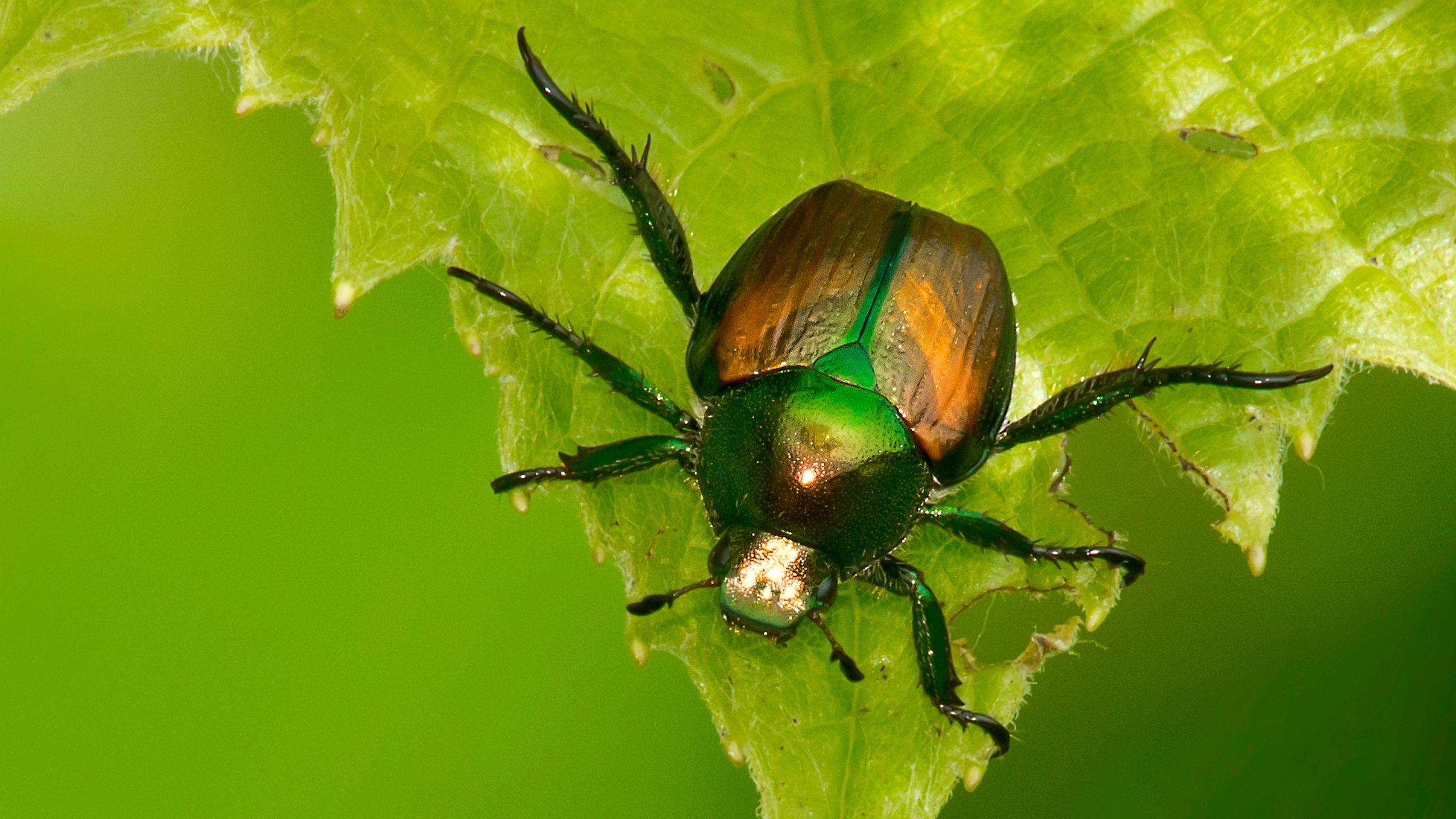
Invasive species not only have a major impact on ecosystems, but they also have a significant economic impact. Agriculture is often one of the most affected sectors, as invasive species like Japanese beetle can damage crops (Fig. 4), reduce yields, and increase the need for costly pest control. Other invasive pests like emerald ash borer have caused extensive damage to timber industries by killing millions of ash trees in forests. In aquatic systems, zebra mussels clog water intake pipes and damage infrastructure, costing millions of dollars in maintenance and repairs. In North America, the economic cost of invasive species has been estimated at $1.288 trillion over the last 50 years (Zenni et al., 2021), with $1.21 trillion of that cost being in the United States alone (Crystal-Ornelas et al., 2021) (Fig. 5). This cost also includes the conservation of habitat damaged by invasive species. Restoring damaged habitats can be a costly and complex process. Efforts often require extensive resources for removal, monitoring, and rehabilitation of native ecosystems, as well as long-term management to prevent re-invasion. These restoration projects can range from hundreds of thousands to millions of dollars, depending on the scale and location of the damage (Bainbridge, 2023).


What Can We Do?
There are several preventive actions everyone can take to help stop the spread of invasive species and reduce their impact on native ecosystems and biodiversity, such as:
- Cleaning boats, fishing gear, and hiking boots before moving them between habitats.
- Choosing native plants for gardens.
- Avoiding the release of non-native species into the wild.
- Raising awareness to neighbors and friends.
- Reporting invasive species to local authoritiesto help control their spread.
- Participating in local conservation efforts, such as invasive species removal programs.
References
- Acosta, C. (2023). Spotted lanternfly: The race to control an invasive threat [Fact sheet]. Cornell Cooperative Extension. Retrieved May 2025, from allegany.cce.cornell.edu/gardening/pest-management/spotted-lanternfly-the-race-to-control-an-invasive-threat
- Bainbridge, D. (2023). Restoration cost as a proxy for ecosystem value. Ecological Restoration, 41(2–3), 65–66. doi.org/10.3368/er.41.2-3.65
- Brown, P., Frost, R., Doberski, J., Sparks, T., Harrington, R., & Roy, H. E. (2011). Decline in native ladybirds in response to the arrival of Harmonia axyridis: Early evidence from England. Ecological Entomology, 36(2), 231–240. doi.org/10.1111/j.1365-2311.2011.01264.x
- Crystal-Ornelas, R., Hudgins, E. J., Cuthbert, R. N., Haubrock, P. J., Fantle-Lepczyk, J., Angulo, E., Kramer, A. M., Ballesteros-Mejia, L., Leroy, B., Leung, B., Lopez-Lopez, E., Diagne, C., & Courchamp, F. (2021). Economic costs of biological invasions within North America. NeoBiota, 67, 485–510. doi.org/10.3897/neobiota.67.58038
- Dueñas, M., Hemming, D. J., Roberts, A., & Diaz-Soltero, H. (2021). The threat of invasive species to IUCN-listed critically endangered species: A systematic review. Global Ecology and Conservation, 26. doi.org/10.1016/j.gecco.2021.e01476
- Fahnenstiel, G., Lang, G. A., Nalepa, T. F., & Johengen, T. H. (1995). Effects of zebra mussel (Dreissena polymorpha) colonization on water quality parameters in Saginaw Bay, Lake Huron. Journal of Great Lakes Research, 21(4), 435–448. doi.org/10.1016/s0380-1330(95)71057-7
- Fantle-Lepczyk, J., Haubrock, P. J., Kramer, A. M., Cuthbert, R. N., Turbelin, A. J., Crystal-Ornelas, R., Diagne, C., & Courchamp, F. (2022). Economic costs of biological invasions in the United States. Science of The Total Environment, 806(3). doi.org/10.1016/j.scitotenv.2021.151318
- Kourtev, P., Ehrenfeld, J. G., & Häggblom, M. (2003). Experimental analysis of the effect of exotic and native plant species on the structure and function of soil microbial communities. Soil Biology and Biochemistry, 35(7), 895–905. doi.org/10.1016/s0038-0717(03)00120-2
- Vujanović, D., Losapio, G.., Milić, S., & Milić, D. (2022). The impact of multiple species invasion on soil and plant communities increases with invasive species co-occurrence. Frontiers in Plant Science, 13. doi.org/10.3389/fpls.2022.875824
- Zenni, R., Essl, F., Garcia-Berthou, E., & McDermott, S. M. (2021). The economic costs of biological invasions around the world. NeoBiota, 67, 1–9. doi.org/10.3897/neobiota.67.69971
Related Research
Spongy Moth
Spongy moths (Lepidoptera: Erebidae) are invasive leaf-eating (defoliating) pests that threaten trees and shrubs in urban, suburban, and rural landscapes. The spongy moth was accidentally introduced to the U.S. in 1869 by an amateur French entomologis

Asian Longhorned Beetle
Asian longhorned beetle is an invasive wood-boring pest that threatens maple and other hardwood tree species, fall-foliage tourism, and maple syrup production in North America.
Invasive Insects Lookalikes
Learn how to identify some invasive insects and their look-alikes. Here, we provide a quick identification guide for brown marmorated stink bug, Japanese beetle, emerald ash borer, and Asian longhorned beetle.
Brown Marmorated Stink Bug
BMSB was first detected in Utah in 2012; it is now established in four counties (Weber, Davis, Salt Lake, and Utah) and has been detected in two other counties (Cache and Box Elder). As an aggressive generalist herbivore, BMSB infests a broad range of pla
European Cherry Fruit Fly
European Cherry Fruit Fly (ECFF) is a new invasive cherry-infesting pest that is not known to occur in Utah. Host plants include cherry and honeysuckle. Heavy infestations in Europe have resulted in 100% fruit loss. Since adults fly only short distances,
Emerald Ash Borer
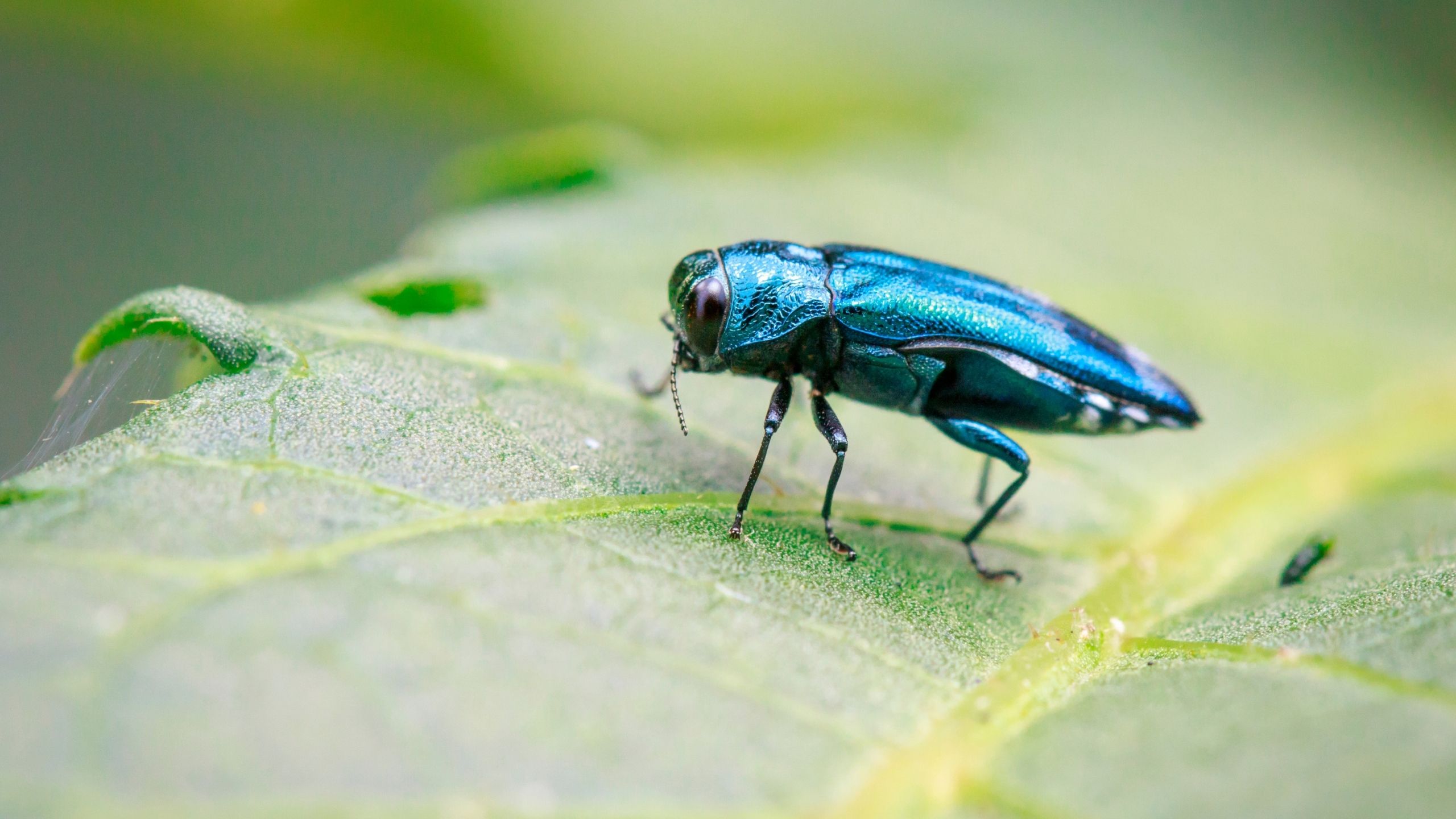
Emerald ash borer (EAB) (Coleoptera: Buprestidae) is an invasive woodboring beetle that has caused the decline and mortality of tens of millions of ash trees (Fraxinus spp.) in the U.S. It is considered the most destructive forest pest to ever invade Nort
Elm Seed Bug
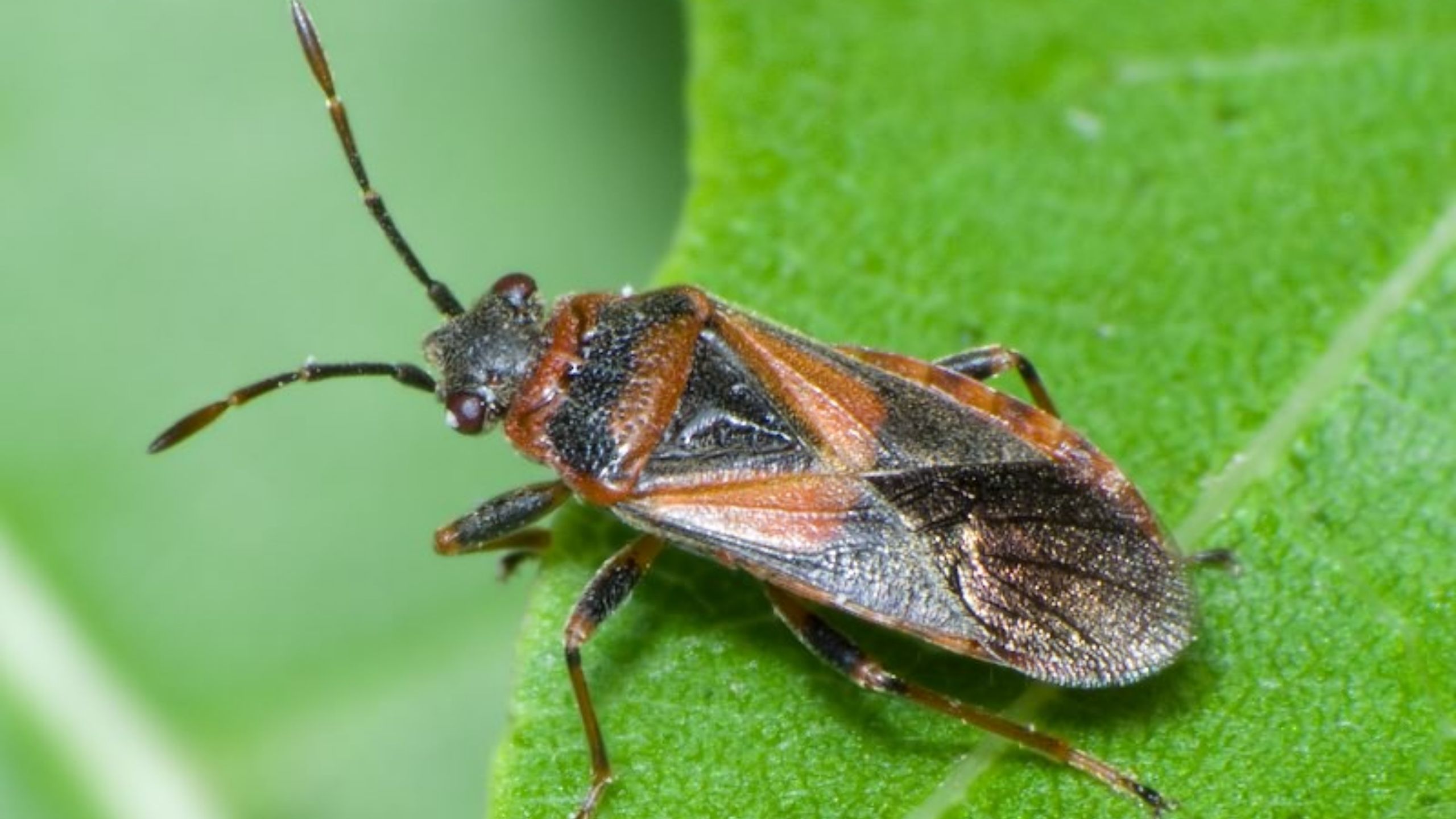
First detected in 2014 in Utah, elm seed bug is now widely distributed along the Wasatch Front and Cache Valley, and has been reported west to Duchesne County, east to Tooele County, and south to Grand County. Elm seed bug activity peaks in mid-summer whe
Japanese Beetle
This fact sheet describes the invasive Japanese beetle (JB) and lists vegetative hosts that can be affected by JB, including ornamental plants, trees, shrubs, turfgrass and vegetables. This pest can cause significant damage in high numbers. It was first d
Small Hive Beetle
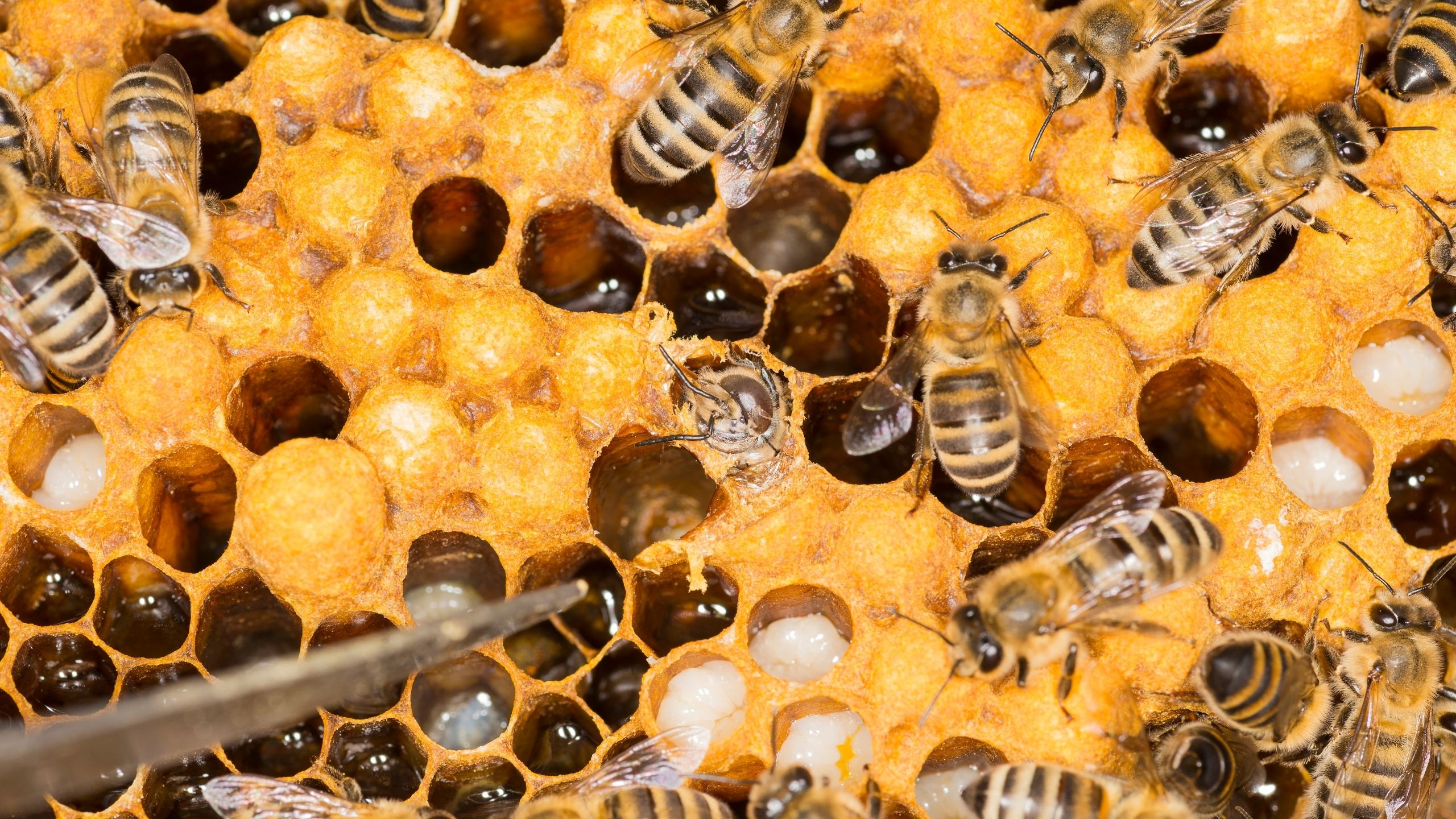
Small hive beetle (SHB) is a pest of honey and bumble bee colonies that is native to Africa. SHB feeds on pollen and honey, kills bee brood and workers, and causes honey to discolor and ferment.
Spotted Wing Drosophila
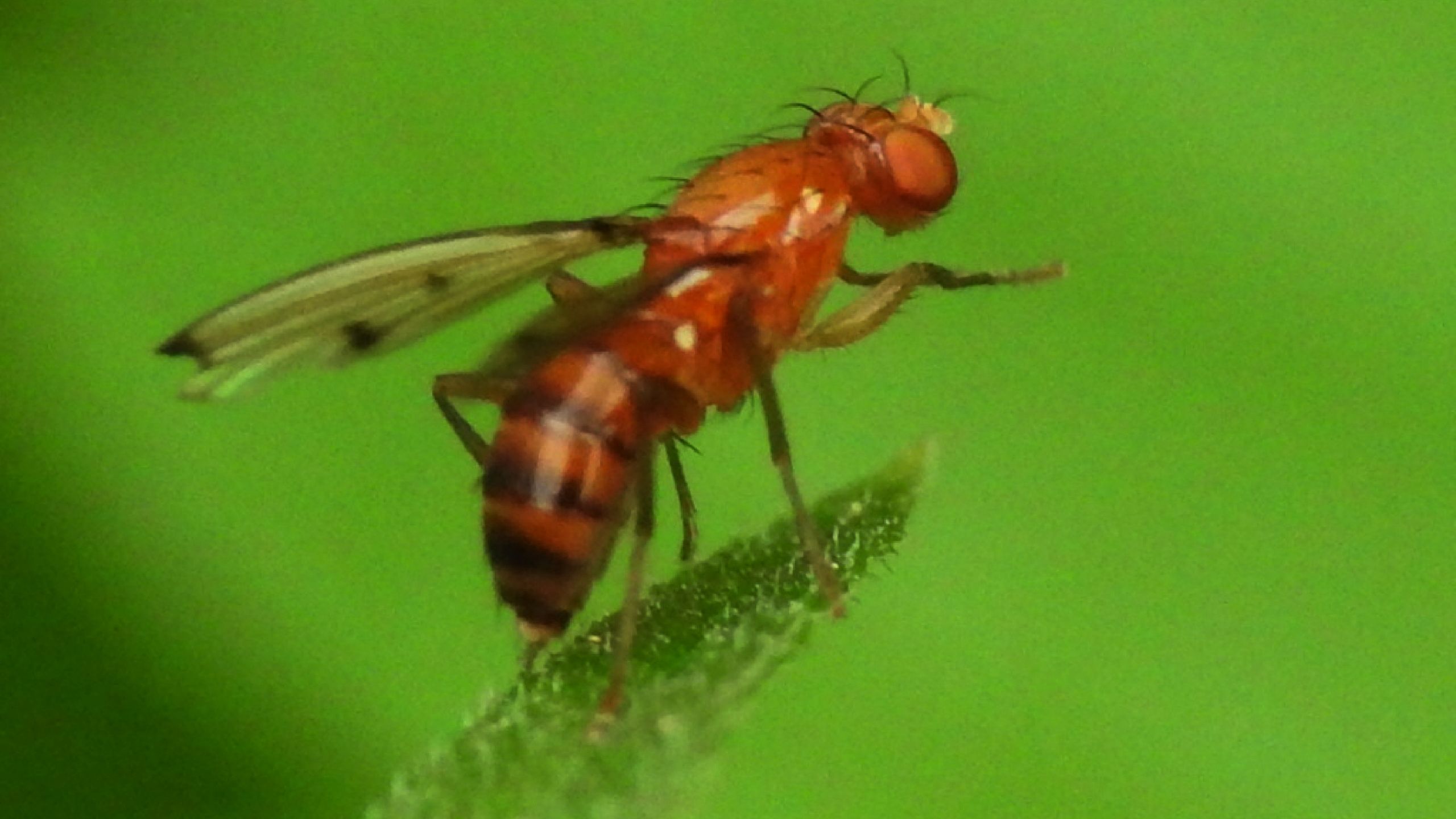
Spotted wing drosophila (SWD) is an invasive insect native to Southeast Asia; it was first detected in Utah in 2010. SWD management tactics include removing nearby alternative host plants, timely harvest of fruit, expanding the preventive insecticide prog
Spotted Wing Drosophila Monitoring
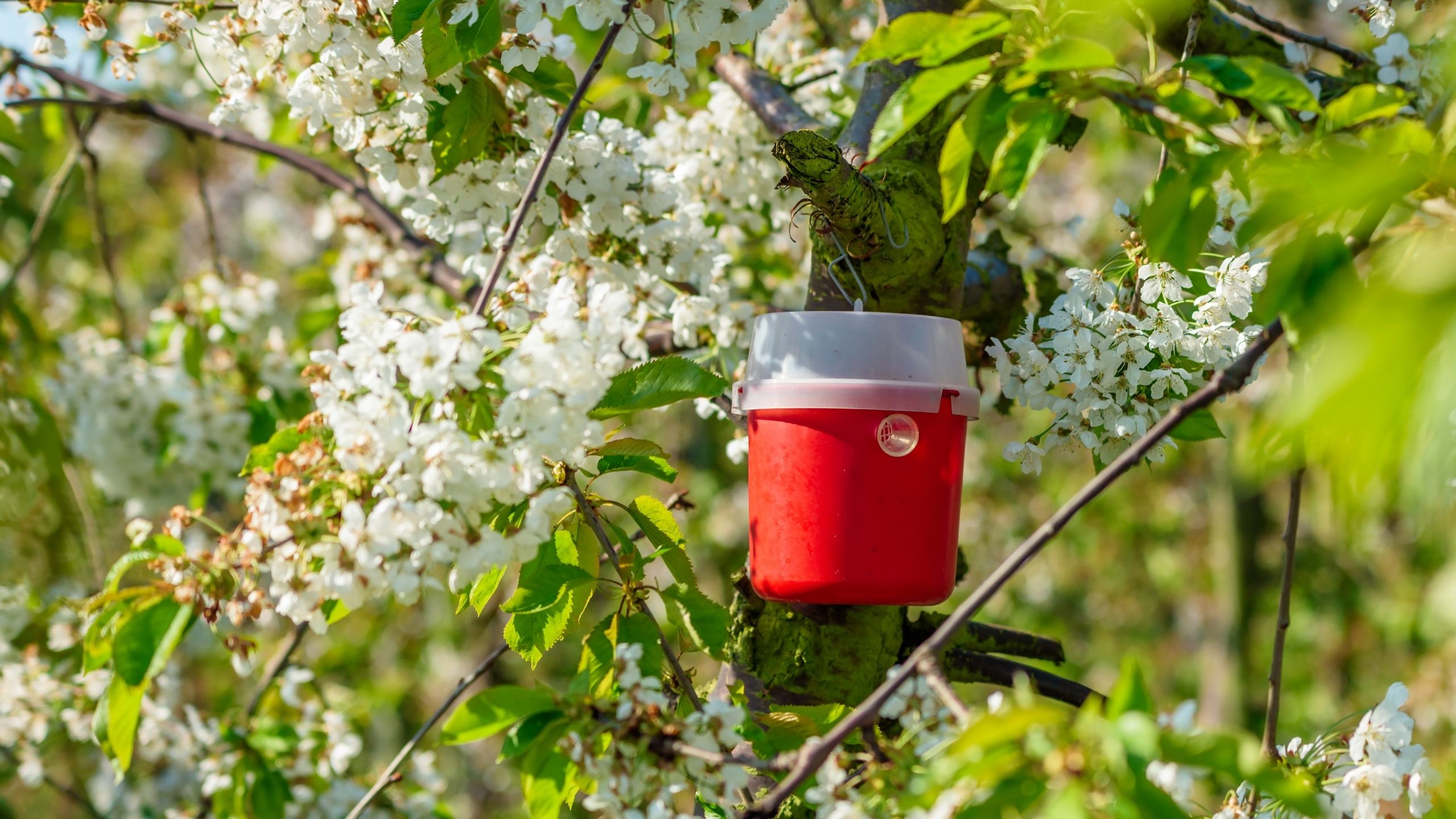
Spotted wing drosophila can attack fruit as soon as it begins to ripen, so that is when monitoring should begin. For example, place a trap in a cherry tree when the fruits begin to turn pink. Continue trapping for at least two weeks after harvest. Because
Velvet Longhorned Beetle
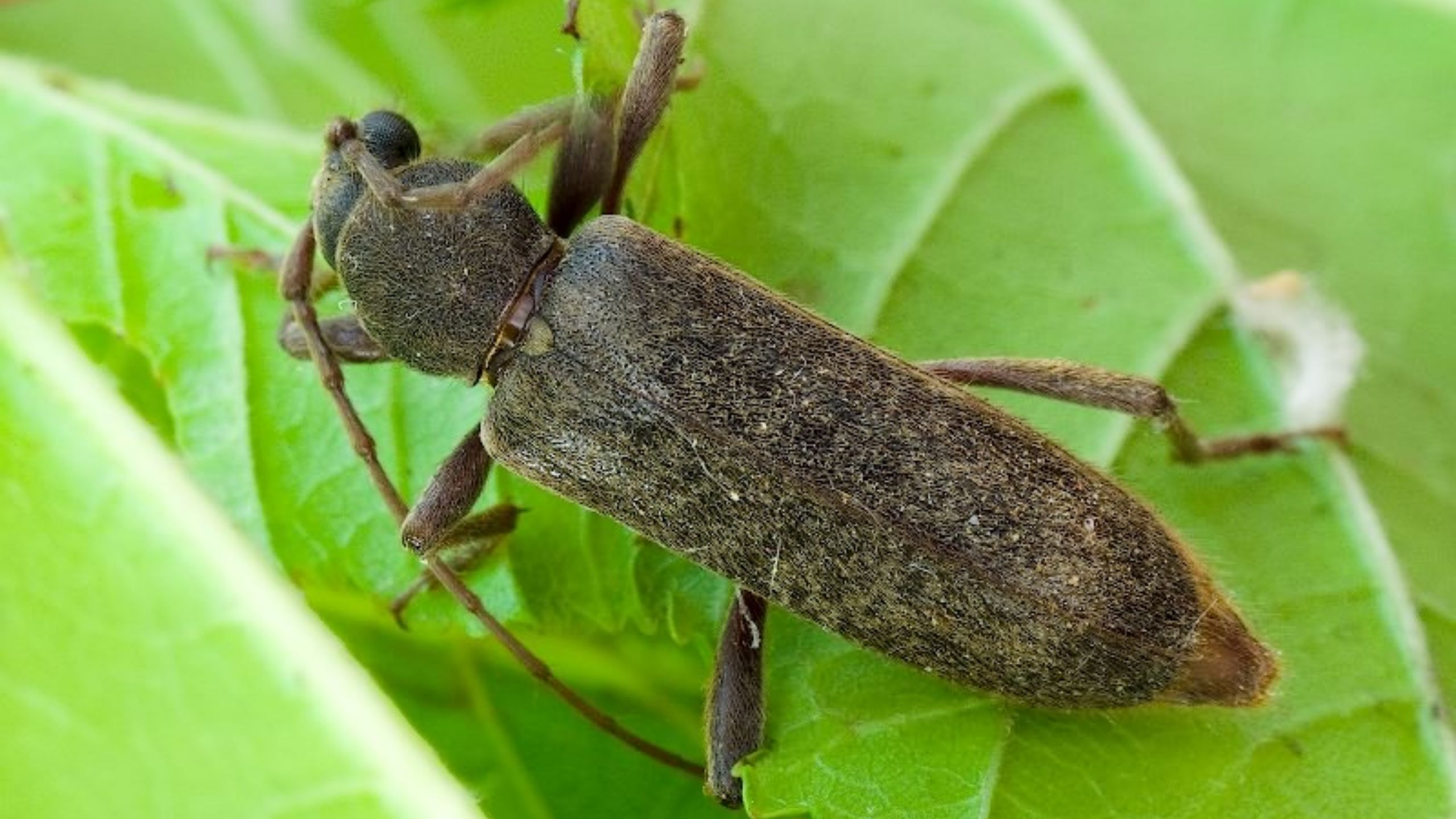
Velvet longhorned beetle is an invasive wood-boring beetle first detected in Utah in 2010. VLB can negatively impact fruit yield, tree longevity, and wood marketability. Prevention, monitoring, and early detection are the key management recommendations fo

Parasitoid Wasps of the Invasive Brown Marmorated Stink Bug in Utah
There are at least two families of stink bug parasitoids in Utah, Eupelmidae and Scelionidae. These are small, typically black wasps that may be mistaken for small gnats or ants. They will fly in search of stink bug egg masses. Once they find the eggs, th
BMSB Management for Fruits and Vegetables
A fact sheet detailing the brown marmorated stink bug (BMSB, Halyomorpha halys Stål), a recent invasive insect to North America from eastern Asia. In the last decade, it has become a severe urban nuisance and agricultural pest in the mid-Atlantic and nort
Balsam Woolly Adelgid
Invasive balsam woolly adelgid is a tiny sucking insect that was introduced to North America from Europe. In the U.S., it is a serious pest of true firs in forests, landscapes, and in seed and Christmas tree production.

Quagga Mussel and Zebra Mussel
The quagga mussel (Dreissena bugensis) and zebra mussel (D. polymorpha) are invasive mussels that threaten Western U.S. waterbodies. Zebra mussels were discovered in early 2021 in imported moss balls (algal balls) sold in aquarium and pet stores nationwid
Asian Giant Hornet (a.k.a. Northern Giant Hornet)
[Update 8/2022: Northern giant hornet is the new common name for this pest.] Asian giant hornet is an invasive wasp that was detected in northwest Washington and British Columbia, Canada in fall 2019 and spring 2020; however, it is not known to be establi
Imported Fire Ants
The red and black imported fire ants (IFA) are an invasive and aggressive pest not known to occur in Utah, but parts of southern Utah may be suitable for colony establishment. IFA can be easily distinguished from other ants in Utah by both the varying siz
Lily Leaf Beetle (Lilioceris lilii)
Lily leaf beetle (LLB) is an exotic pest from Eurasia that causes damage to plants in the Liliaceae family. Native and cultivated Lilium and Fritillaria are sensitive to attack, including rare and endangered species. LLB can cause economic and aesthetic l
The Samurai Wasp: New Hope in Fight Against BMSB
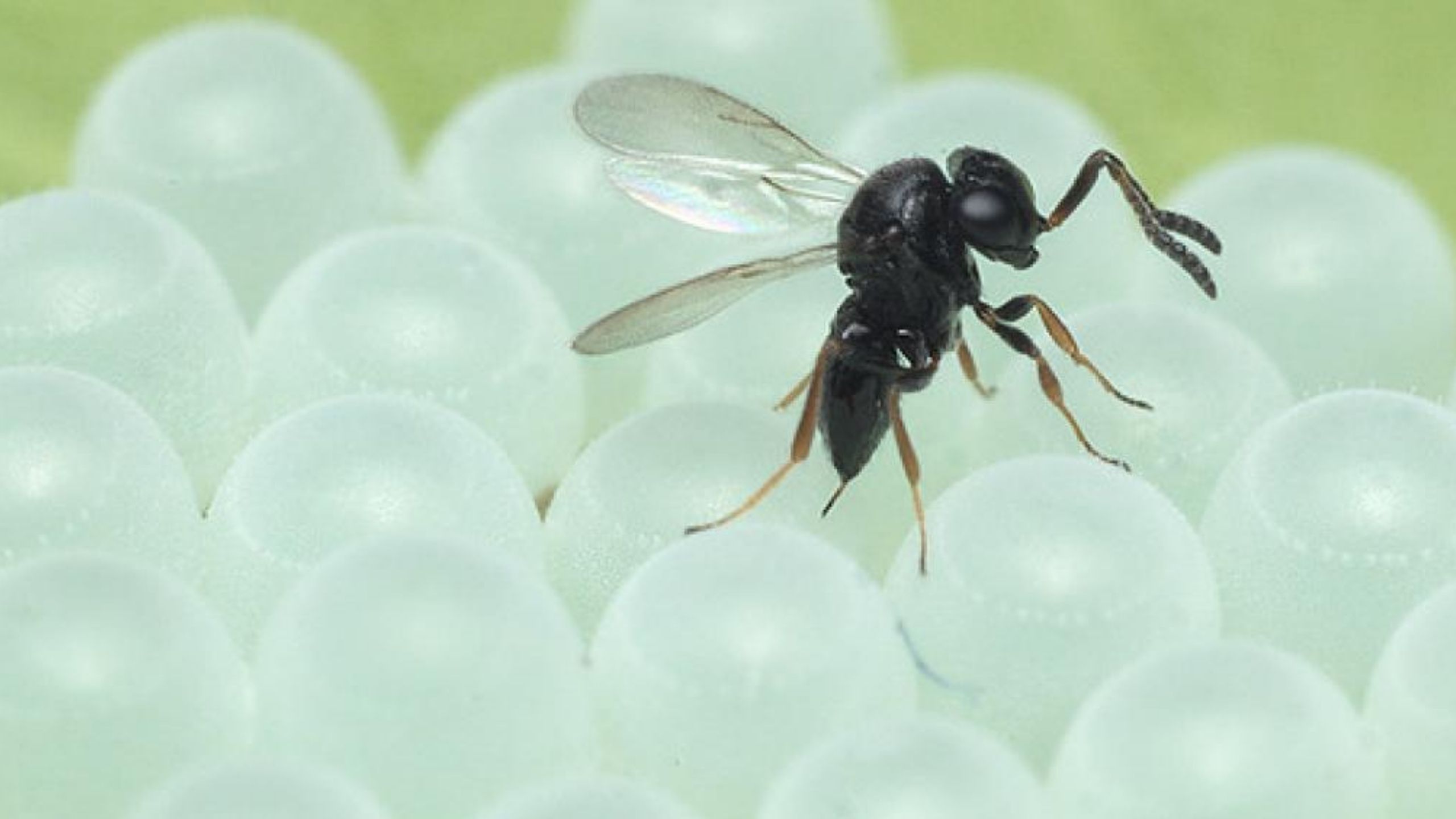
In June 2019, the samurai wasp [Trissolcus japonicus (Ashmead)] was discovered in Salt Lake City. This exotic parasitoid wasp is the most promising agent for biological control of BMSB and is uniquely evolved to lay its eggs inside of BMSB eggs. Help us p
Spotted Lanternfly
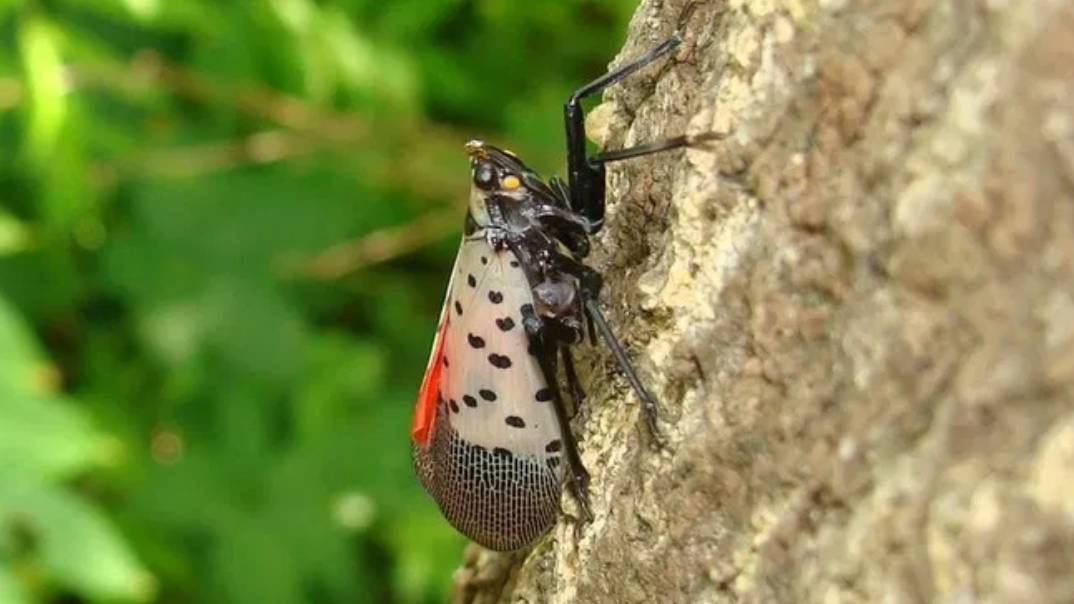
The spotted lanternfly (SLF) is a new invasive pest from China that was first detected in the U.S. in Pennsylvania in 2014 and has since spread to other states. SLF attacks more than 100 host plants, including grapes, fruit trees, hops, and hardwood and o

Dotted Paropsine Beetle
Eucalyptus in Utah is usually pest-free, but the dotted paropsine leaf beetle (Paropsis atomaria) appeared in 2022 in southern California and may spread to Utah, especially in warm, dry areas with few natural predators.

The Link Between Environmental Change and Invasive Species
Climate change and invasive species are major environmental threats to global biodiversity and ecosystem stability. Rising temperatures and disrupted ecosystems create conditions that help invasive species spread, establish in new areas, and outcompete na

How Invasive Species Affect Ecosystems
Invasive species can have profound impacts on ecosystems worldwide. In the absence of their natural enemies, invasive species thrive and reproduce quickly. In many cases, they outcompete or prey on native species, leading to changes in habitat structure a
Plum Curculio
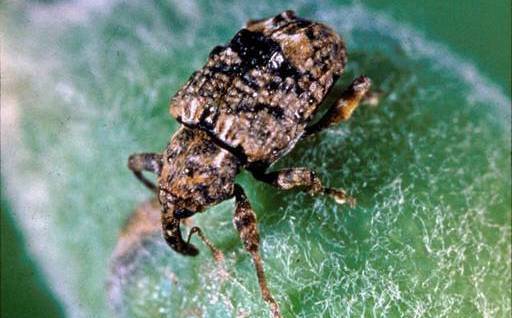
Plum curculio, Conotrachelus nenuphar (Coleoptera: Curculionidae), is a small brown weevil (beetle with a snout) native to eastern North America where it is a major pest of pome and stone fruits. It thrives in environments where orchards are located nex
Red Firebug
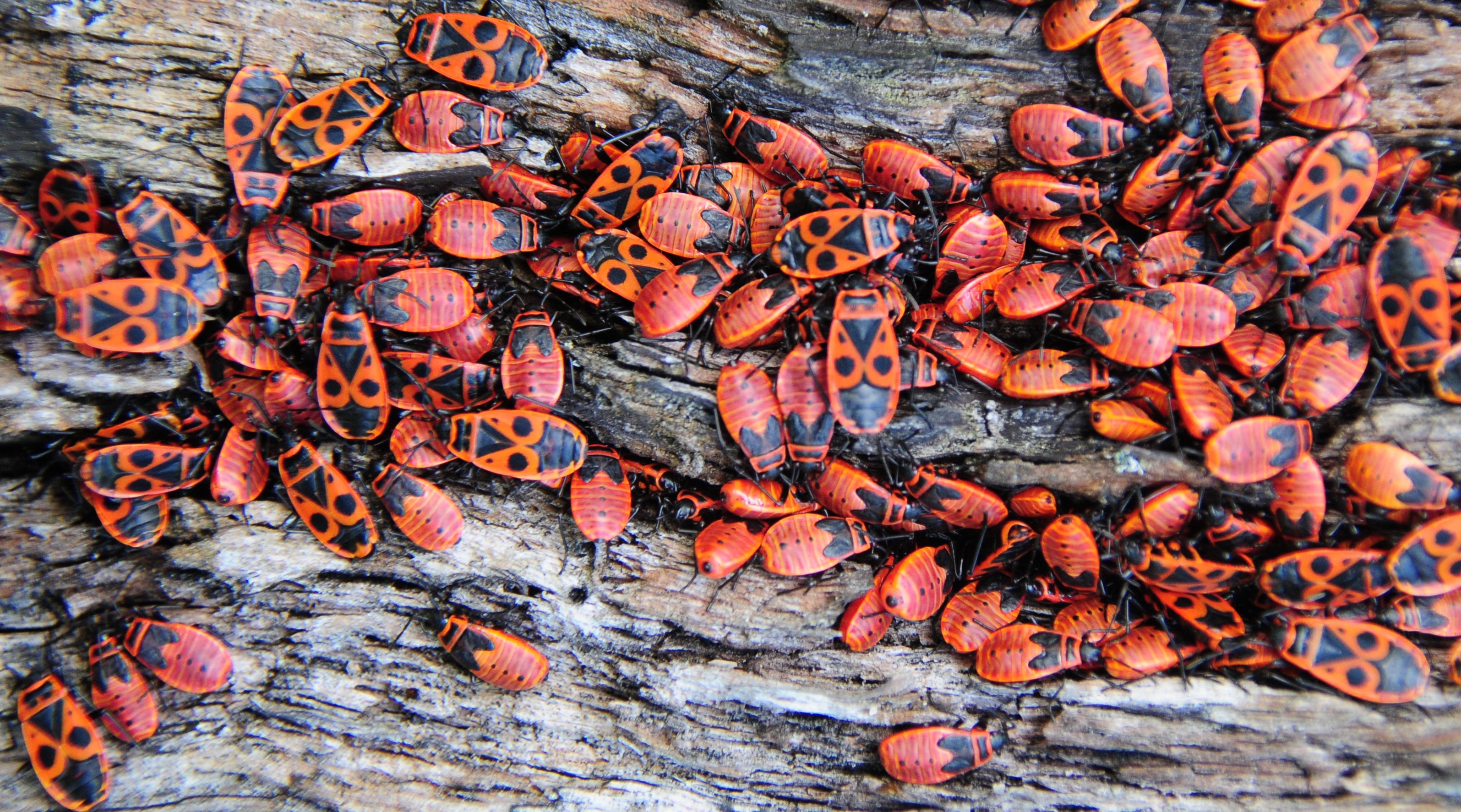
Red firebugs were first discovered in North America in Salt Lake City, Utah in 2008. These insects are seed feeders on a wide range of plants, including linden and mallow.
Featured Pests
Be on the lookout for these invasive pests that could negatively alter our unique ecosystem. Many of the things that make Utah exceptional are threatened by invasive species. Understand the risks, and act to protect Utah from invasive ecosystem-altering p
Featured Pests
Be on the lookout for these invasive pests that could negatively alter our unique ecosystem. Many of the things that make Utah exceptional are threatened by invasive species. Understand the risks, and act to protect Utah from invasive ecosystem-altering p
Featured Pests
Be on the lookout for these invasive pests that could negatively alter our unique ecosystem. Many of the things that make Utah exceptional are threatened by invasive species. Understand the risks, and act to protect Utah from invasive ecosystem-altering p
Featured Pests
Be on the lookout for these invasive pests that could negatively alter our unique ecosystem. Many of the things that make Utah exceptional are threatened by invasive species. Understand the risks, and act to protect Utah from invasive ecosystem-altering p
Guides
The following publications were written by the Utah Pests team and other authors. Arranged alphabetically, they cover topics such as beneficial insects; fruit, vegetable, and ornamental pests; and structural and health-related pests.
Invasive Pest News & Notes
New in 2022! Invasive Pest News and Notes focuses on insects that should be on your radar that either already occur in Utah or have the potential to occur here. IPN&N is published 3 times annually (summer, fall, and winter/spring. Subscribe to keep curren