
The Link Between Environmental Change and Invasive Species
December 2024
Marion Murray, Extension IPM Specialist • Meg Kast, Extension IPM Associate
Quick Facts


- Climate change and invasive species are interconnected threats impacting biodiversity and ecosystem stability.
- Warming temperatures enable invasive species to expand into new areas and outcompete native species.
- Extreme weather and fire events create disturbances that invasive species exploit due to their adaptability and rapid reproduction.
- Climate change can weaken biological control efforts against invasive species.
Climate change and invasive species represent two pressing environmental challenges facing our planet (Fig. 1). Each poses a threat to global biodiversity and ecosystem stability, and together, they amplify each other’s impacts. As global temperatures rise and ecosystems are disrupted, new conditions are created that allow invasive species to spread more easily, establish themselves in new areas, and outcompete native species (Ma & Ma, 2022).
How Climate Change Facilitates Invasions
Range Expansion
As global temperatures rise, many species are shifting their geographic range to higher latitudes or elevations (Lenoir & Svenning, 2014). This shift opens ecological niches that invasive species, known for their adaptability and rapid reproduction, often exploit (Fig 2). In contrast, some native species may be less mobile or less able to cope with the rapid pace of change, making them more vulnerable to competition by invasive species (Early & Sax, 2014). Once established in these regions, invasive species can displace native organisms, leading to biodiversity loss and ecosystem disruption (Sanders et al., 2003).
This phenomenon is already happening in Utah and beyond. In Utah, the sycamore scale, originating in southern California, has shifted its range northward over the last few decades into northern Utah. In the eastern U.S., the potential spread of emerald ash borer (EAB) also illustrates this dynamic. Currently, colder winter temperatures provide a natural barrier to the spread of EAB. A team of researchers recently developed a model to predict the spread of EAB in response to climate change. The model projected that areas across North America where native ash species occur are at significant risk of EAB presence within the next 20 years (Barker et al., 2023). This risk is due not only to warming temperatures enabling EAB to survive in previously unsuitable regions but also to heat stress impacting EAB in areas where it is already established.
Stress Tolerance

Invasive organisms are often more resilient to drought, heat, salinity, and pollution than native species. As climate stressors become more intense, this resilience allows invasive species to continue expanding into degraded or marginal habitats where native species may struggle to survive.
These extreme climate conditions also impact how invasives are controlled. A prime example is the spongy moth, an invasive insect accidentally introduced to the U.S. over a century ago. It continues to cause millions of dollars in damage annually (Morin & Liebhold, 2015). Scientists introduced Entomophaga maimaiga, a specialist fungal pathogen highly effective at reducing spongy moth populations in cool, moist environments (Fig 3). This biological control method has proven successful in the past, but as climate change leads to hotter and drier conditions, the fungus’s ability to suppress the moth is expected to decline (Liu et al., 2025). This will likely result in rising spongy moth populations, leading to increased economic losses and greater environmental damage.
Climate-Related Disturbances
In addition to a warming climate, the world is seeing increases in the frequency and severity of weather and fire events. These events can create sudden disturbances in ecosystems, such as habitat destruction, altered resource availability, or reductions in native species populations. Invasive species are often well-adapted to exploit such disturbances due to their biological characteristics, including broad environmental tolerances, high reproductive rates, rapid growth, and opportunistic dispersal strategies. Because of this, invasive species often colonize newly available niches or weakened ecosystems before native species have a chance to reestablish after an extreme weather event (Parmesan et al., 2000).
Phenological Shifts
Shifts in seasonal patterns also play a role. Earlier springs and longer growing seasons can create mismatches between native species and their environment. In its native European range, spongy moth lays its eggs on red and black oaks. If the eggs hatch too long after bud break, larvae are likely to die of starvation unless alternate host plants are available (Ward & Masters, 2007). There is already evidence that earlier phenological events, such as earlier flowering, are linked to climate change (Fitter & Fitter, 2002). This mismatch between native species and their environment will create ecological opportunities for invasive species to establish themselves and displace the native species.
What Can We Do?
Detect invasive species early and track them using tools like satellite imaging, eDNA analysis, and predictive models.
Educate and engage the public through citizen science and reporting platforms.
Prevent introduction by enforcing biosecurity measures to stop invasive species from spreading via trade, travel, and ballast water.
Promote biodiversity and restore native habitats to enhance ecosystem resistance to invasion.
The issue of invasive species should be integrated into climate policy and biodiversity conservation efforts, ensuring that strategies address both immediate and long-term drivers of ecosystem change. A combined approach that tackles both climate change and biological invasions is essential to protect our global ecosystems.
References
- Barker, B., Coop, L., Duan, J., & Petrice, T. (2023) An integrative phenology and climatic suitability model for emerald ash borer. Frontiers in Insect Science, 3. doi.org/10.3389/finsc.2023.1239173
- Bobryk, C. (2024). Sleeper species: Increasing threats to Great lakes’ ecological security and what to do about it. Council on Strategic Risks.
- Early, R., & Sax, D. (2014) Climatic niche shifts between species’ native and naturalized ranges raise concern for ecological forecasts during invasions and climate change. Global Ecology and Biogeography, 23(12), 1356–1365. doi.org/10.1111/geb.12208
- Fitter, A., & Fitter, R. (2002) Rapid changes in flowering time in British plants. Science, 296(5573), 1689–1691. doi.org/10.1126/science.1071617
- Lenoir, J., & Svenning, J. (2014) Climate‐related range shifts – A global multidimensional synthesis and new research directions. Ecography, 38(1), 15–28. doi.org/10.1111/ecog.00967
- Liu, J., Kyle, C., Wang, J., Kotamarthi, R., Koval, W., Dukic, V., & Dwyer, G. (2025) Climate change drives reduced biocontrol of the invasive spongy moth. Nature Climate Change, 15(2), 210–217. doi.org/10.1038/s41558-024-02204-x
- Ma, G., & Ma, C.. (2022) Potential distribution of invasive crop pests under climate change: Incorporating mitigation responses of insects into prediction models. Current Opinion in Insect Science, 49, 15–21. doi.org/10.1016/j.cois.2021.10.006
- Morin, R., & Liebhold, A. (2015) Invasive forest defoliator contributes to the impending downward trend of oak dominance in eastern North America. Forestry: An International Journal of Forest Research, 89(3), 284–289. doi.org/10.1093/forestry/cpv053
- Parmesan, C., Root, T., & Willig, M. (2000) Impacts of extreme weather and climate on terrestrial Biota. Bulletin of the American Meteorological Society, 81(3), 443–450. doi.org/10.1175/1520-0477(2000)081<0443:IOEWAC>2.3.CO;2
- Sanders., N., Gotelli, N., Heller, N., & Gordon, D. (2003) Community disassembly by an invasive species. Proceedings of the National Academy of Sciences, 100(5), 2474–2477. doi.org/10.1073/pnas.0437913100
- Ward, N., & Masters, G. (2007) Linking climate change and species invasion: An illustration using insect herbivores. Global Change Biology, 13(8), 1605–1615. doi.org/10.1111/j.1365-2486.2007.01399.x
Related Research
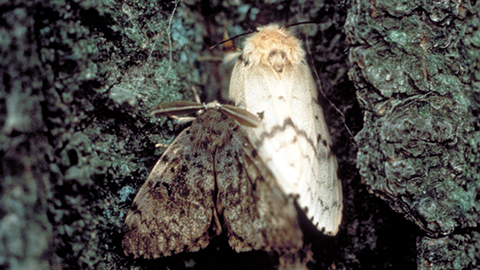
Spongy Moth
Spongy moths (Lepidoptera: Erebidae) are invasive leaf-eating (defoliating) pests that threaten trees and shrubs in urban, suburban, and rural landscapes. The spongy moth was accidentally introduced to the U.S. in 1869 by an amateur French entomologis

Asian Longhorned Beetle
Asian longhorned beetle is an invasive wood-boring pest that threatens maple and other hardwood tree species, fall-foliage tourism, and maple syrup production in North America.
Invasive Insects Lookalikes
Learn how to identify some invasive insects and their look-alikes. Here, we provide a quick identification guide for brown marmorated stink bug, Japanese beetle, emerald ash borer, and Asian longhorned beetle.
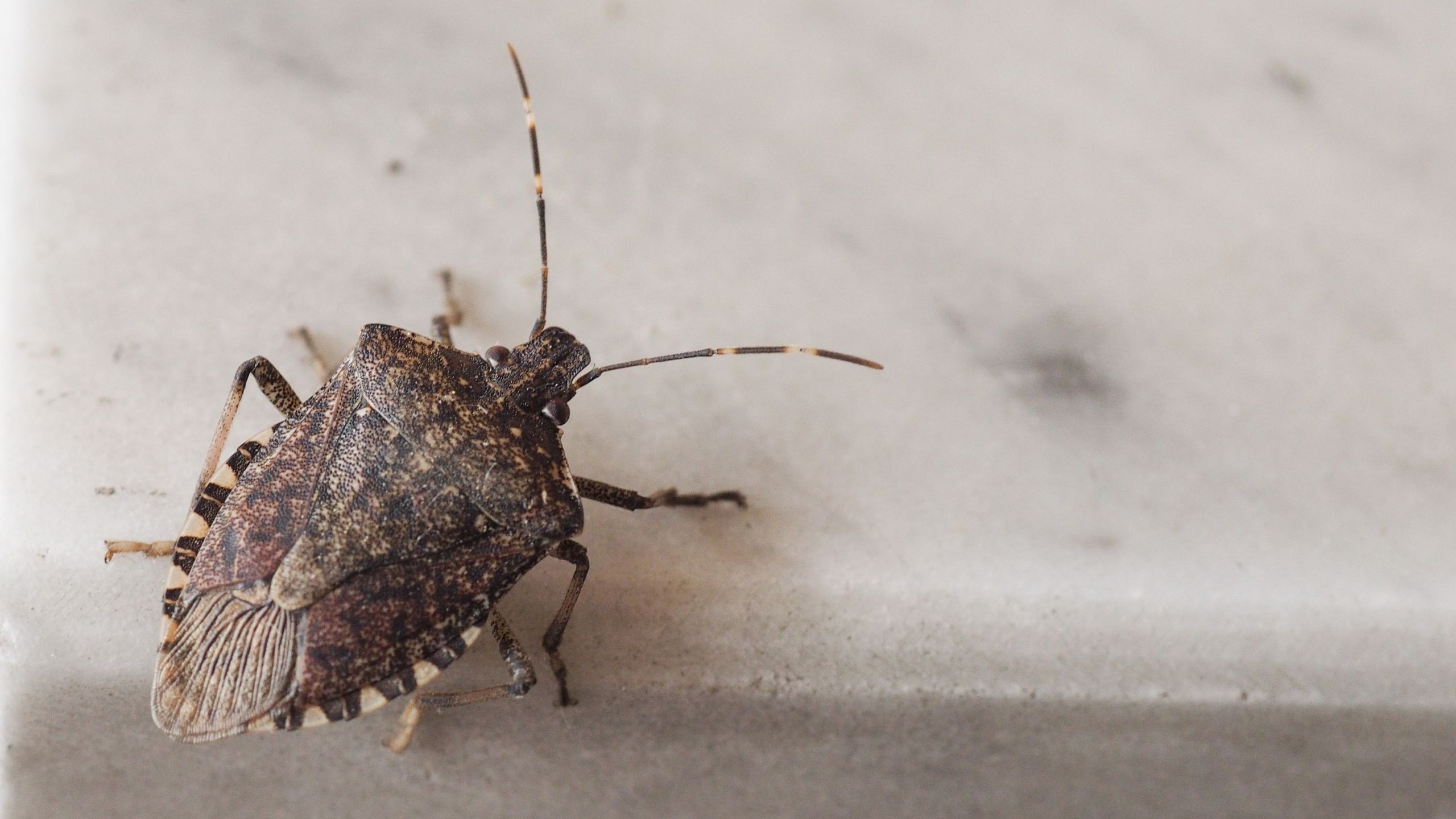
Brown Marmorated Stink Bug
BMSB was first detected in Utah in 2012; it is now established in four counties (Weber, Davis, Salt Lake, and Utah) and has been detected in two other counties (Cache and Box Elder). As an aggressive generalist herbivore, BMSB infests a broad range of pla
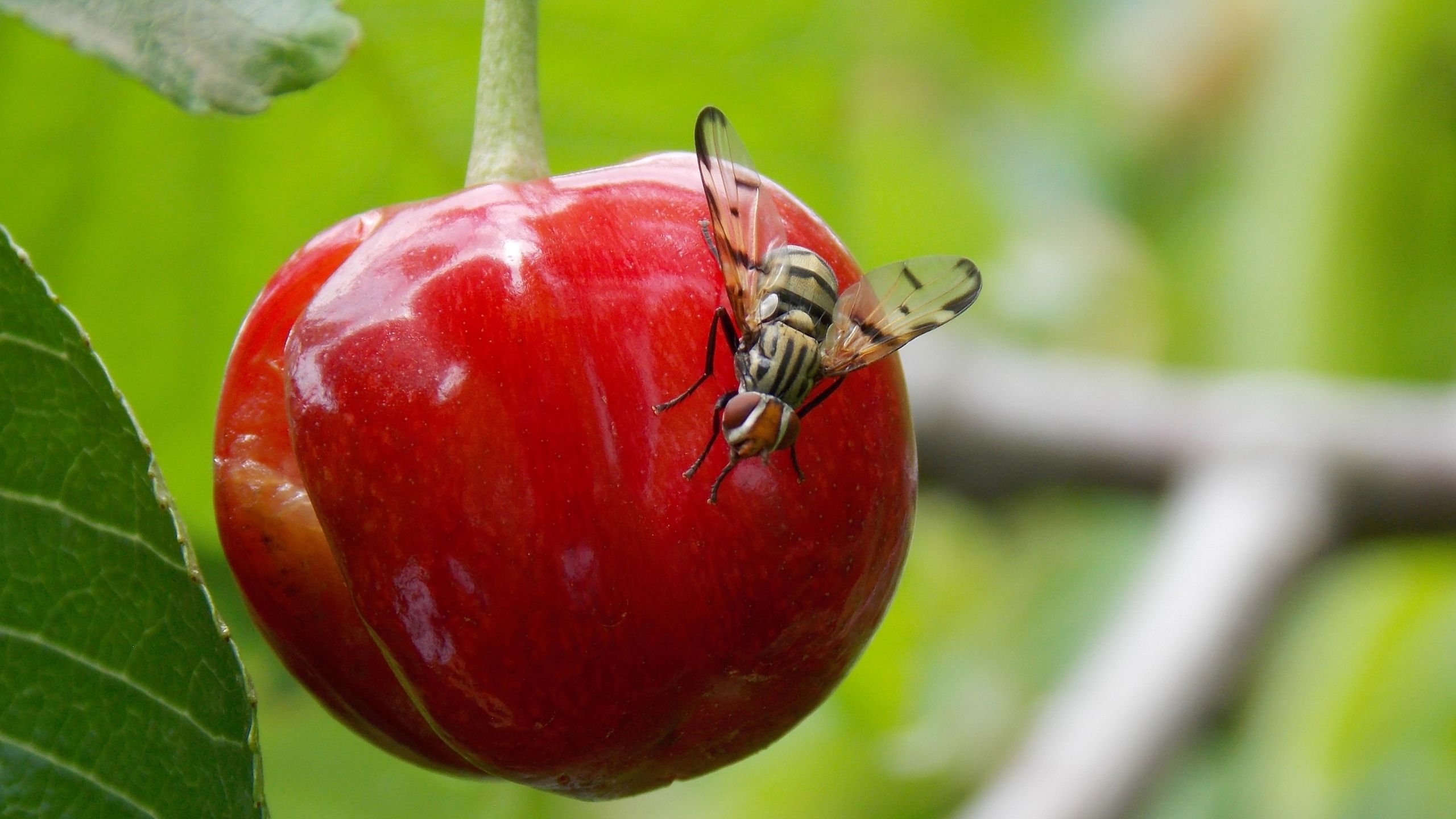
European Cherry Fruit Fly
European Cherry Fruit Fly (ECFF) is a new invasive cherry-infesting pest that is not known to occur in Utah. Host plants include cherry and honeysuckle. Heavy infestations in Europe have resulted in 100% fruit loss. Since adults fly only short distances,
Emerald Ash Borer
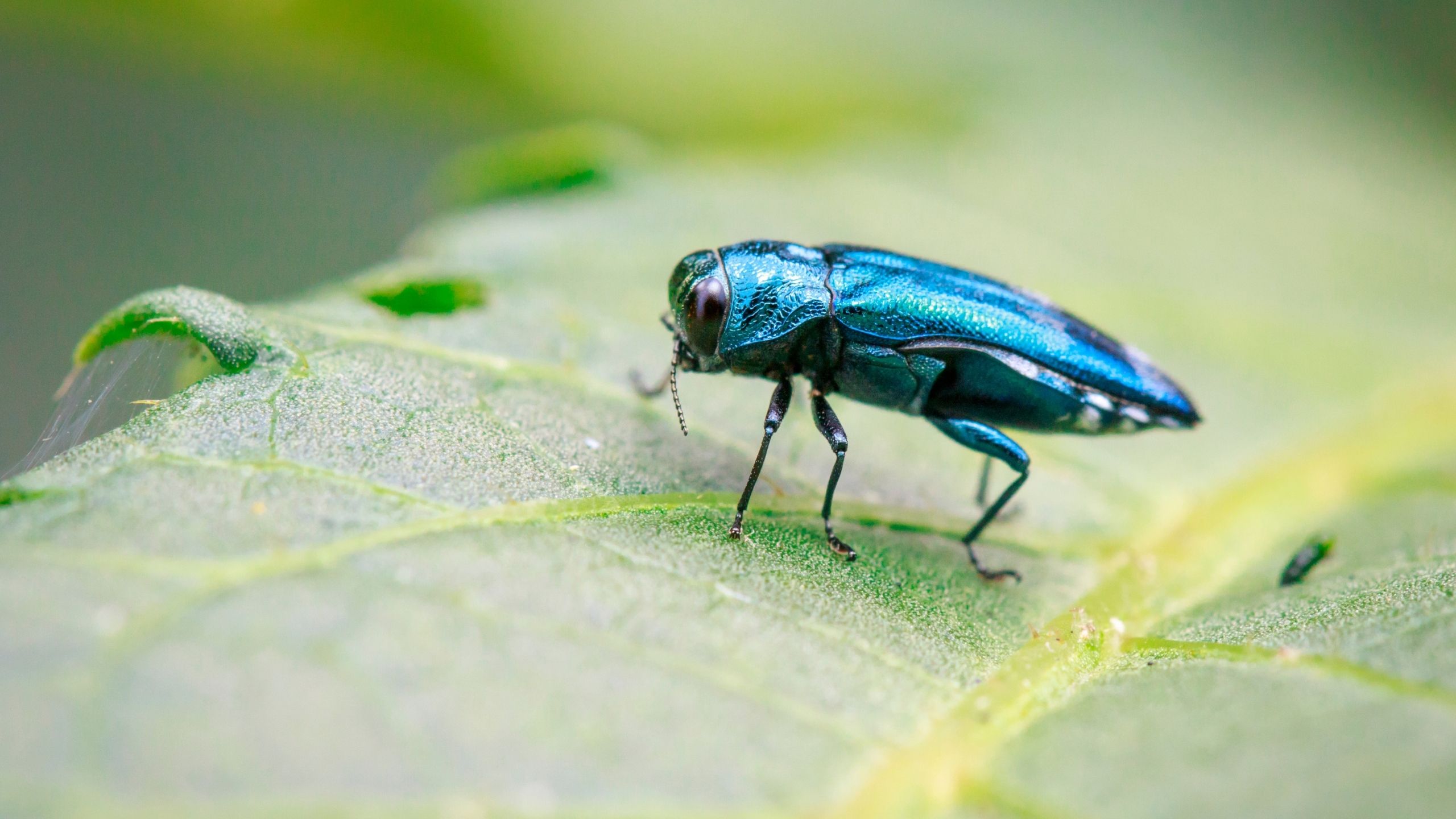
Emerald ash borer (EAB) (Coleoptera: Buprestidae) is an invasive woodboring beetle that has caused the decline and mortality of tens of millions of ash trees (Fraxinus spp.) in the U.S. It is considered the most destructive forest pest to ever invade Nort
Elm Seed Bug
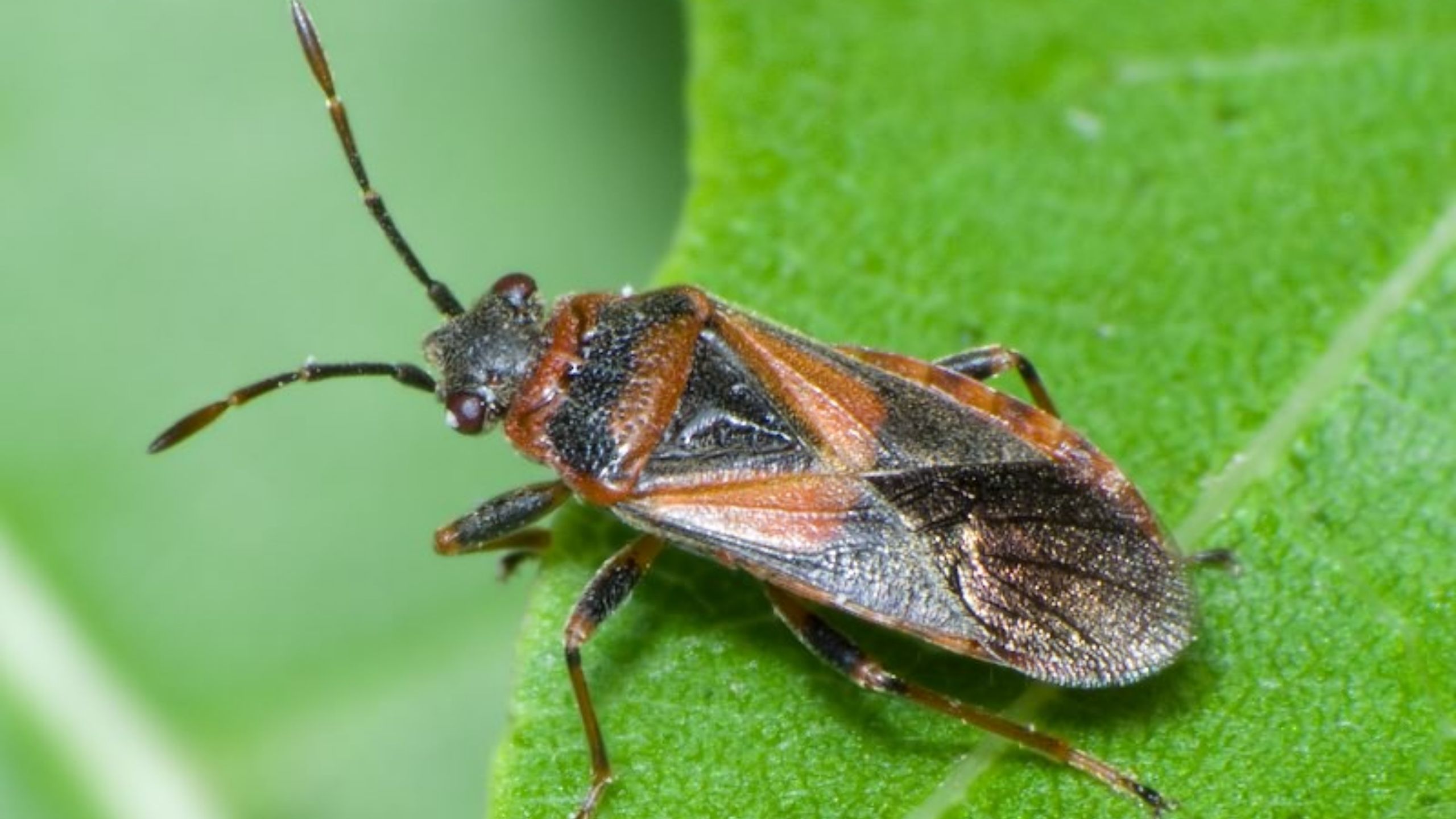
First detected in 2014 in Utah, elm seed bug is now widely distributed along the Wasatch Front and Cache Valley, and has been reported west to Duchesne County, east to Tooele County, and south to Grand County. Elm seed bug activity peaks in mid-summer whe
Japanese Beetle
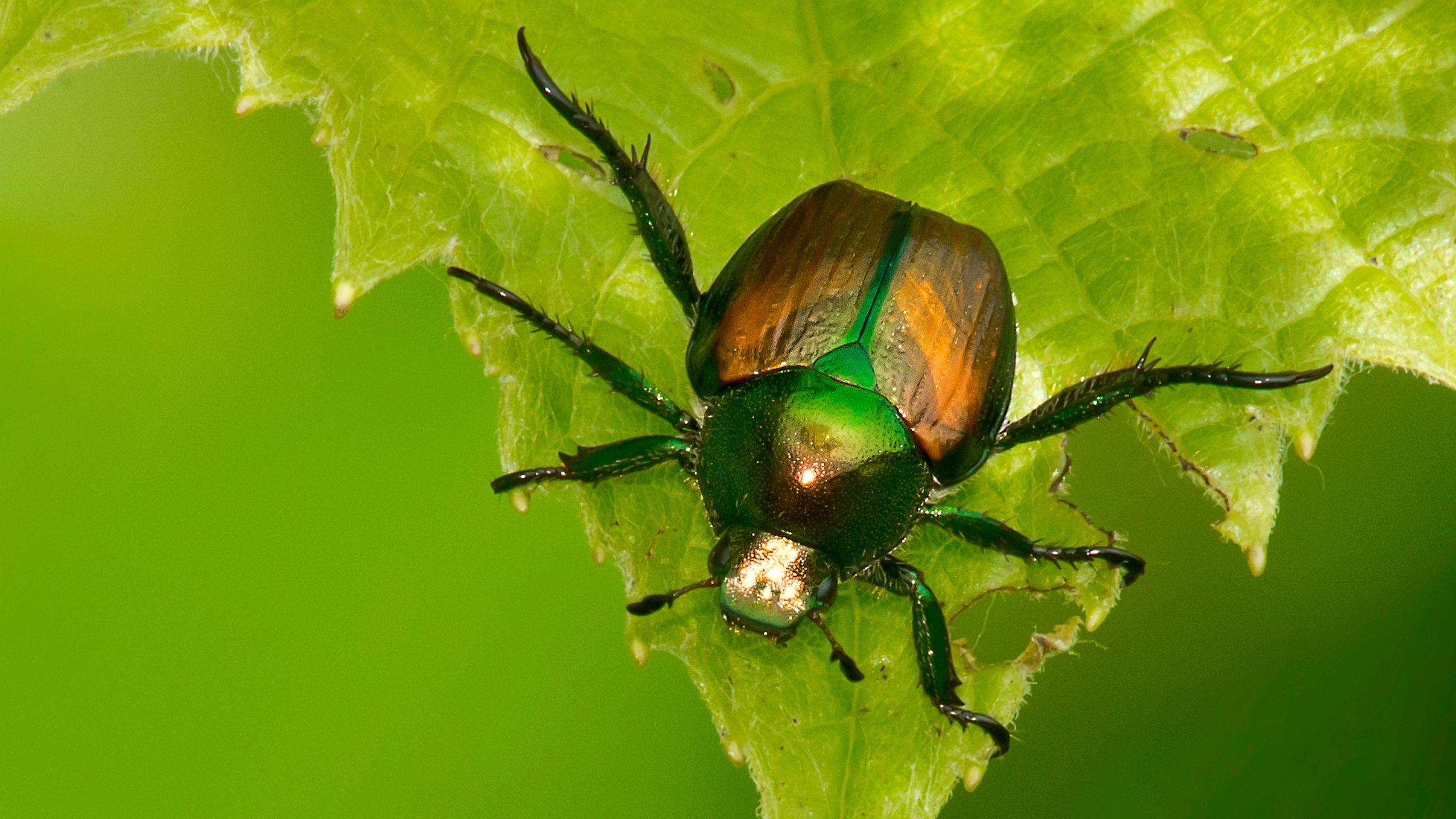
This fact sheet describes the invasive Japanese beetle (JB) and lists vegetative hosts that can be affected by JB, including ornamental plants, trees, shrubs, turfgrass and vegetables. This pest can cause significant damage in high numbers. It was first d
Small Hive Beetle
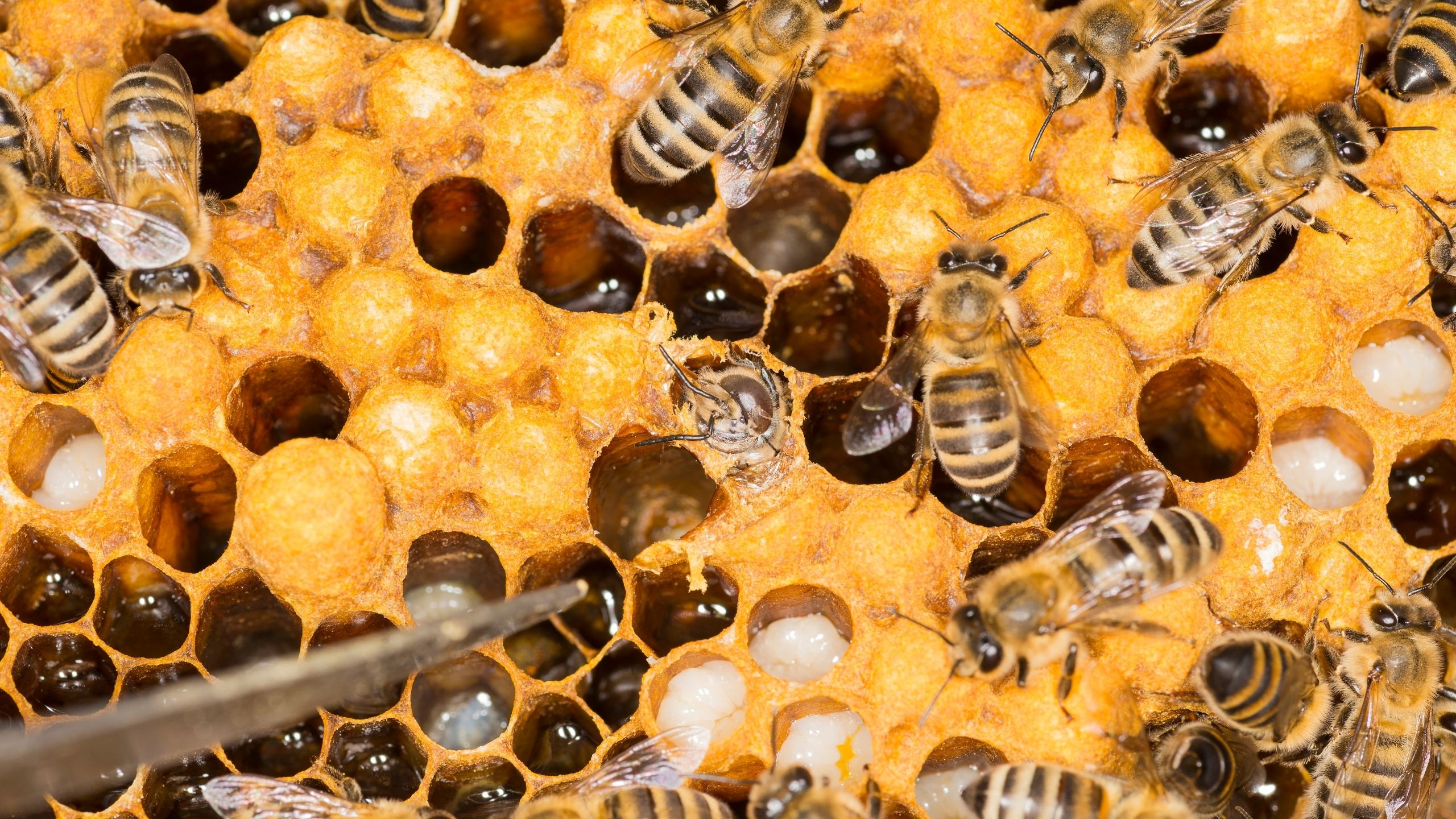
Small hive beetle (SHB) is a pest of honey and bumble bee colonies that is native to Africa. SHB feeds on pollen and honey, kills bee brood and workers, and causes honey to discolor and ferment.
Spotted Wing Drosophila
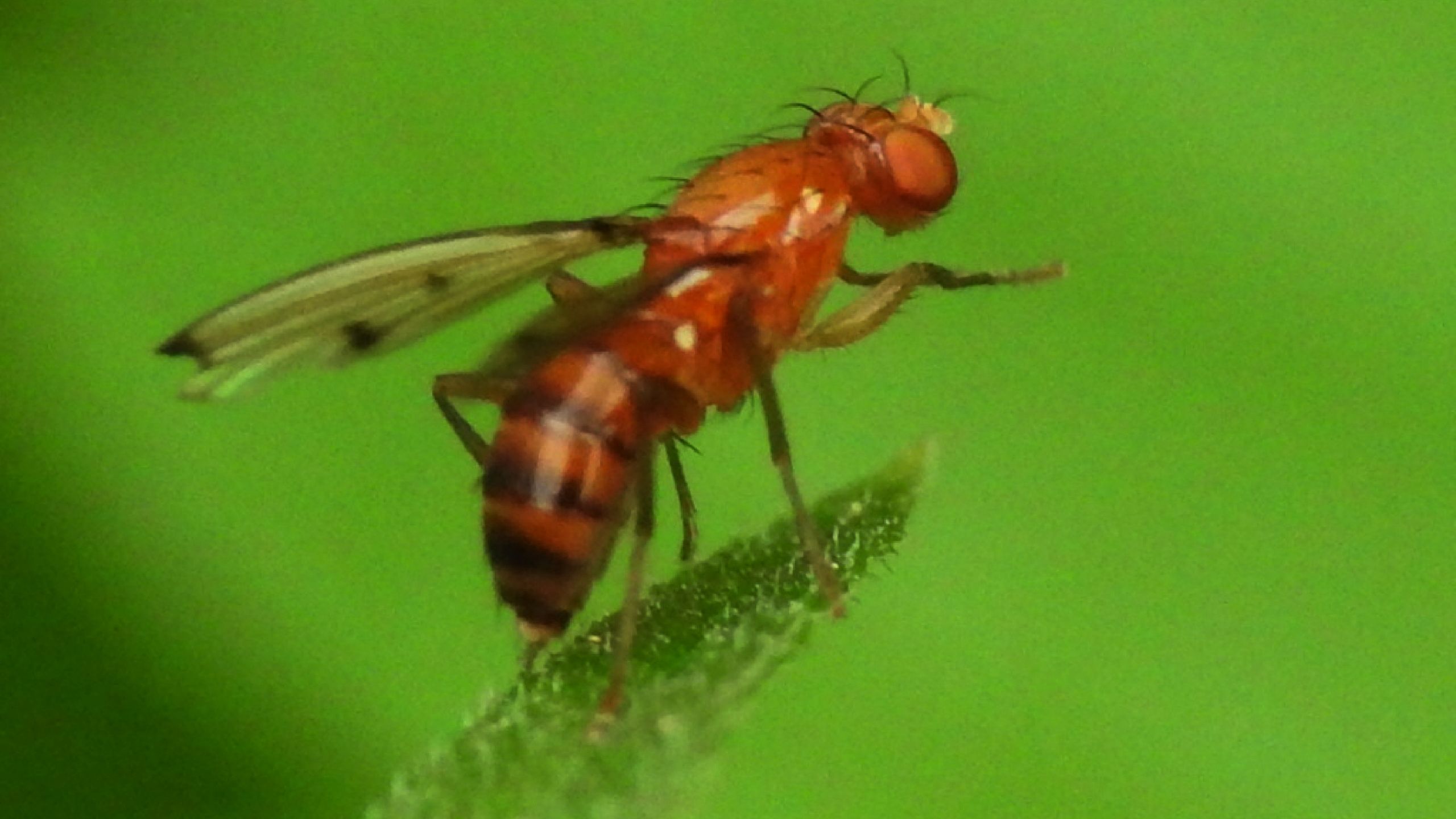
Spotted wing drosophila (SWD) is an invasive insect native to Southeast Asia; it was first detected in Utah in 2010. SWD management tactics include removing nearby alternative host plants, timely harvest of fruit, expanding the preventive insecticide prog
Spotted Wing Drosophila Monitoring
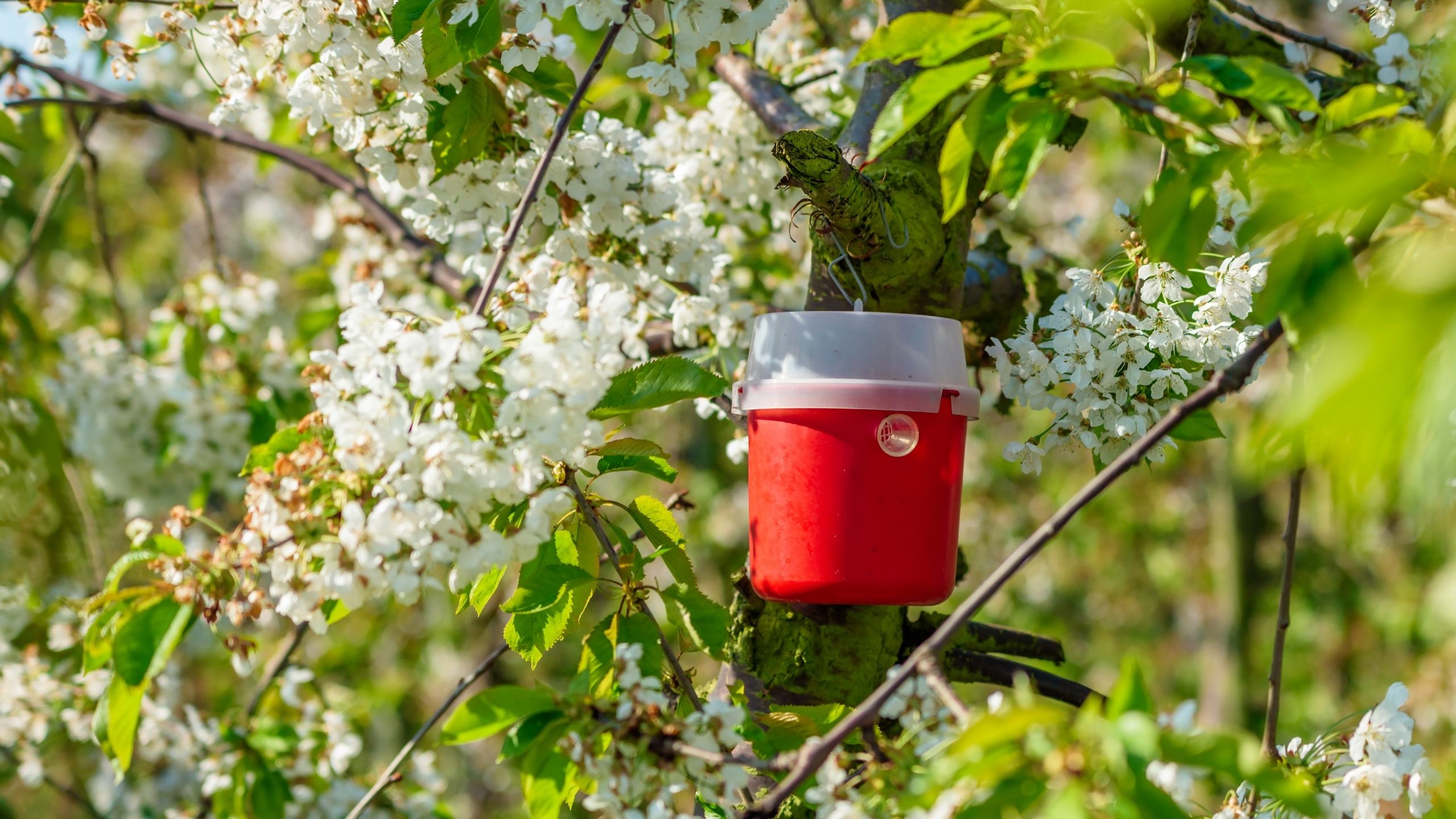
Spotted wing drosophila can attack fruit as soon as it begins to ripen, so that is when monitoring should begin. For example, place a trap in a cherry tree when the fruits begin to turn pink. Continue trapping for at least two weeks after harvest. Because
Velvet Longhorned Beetle
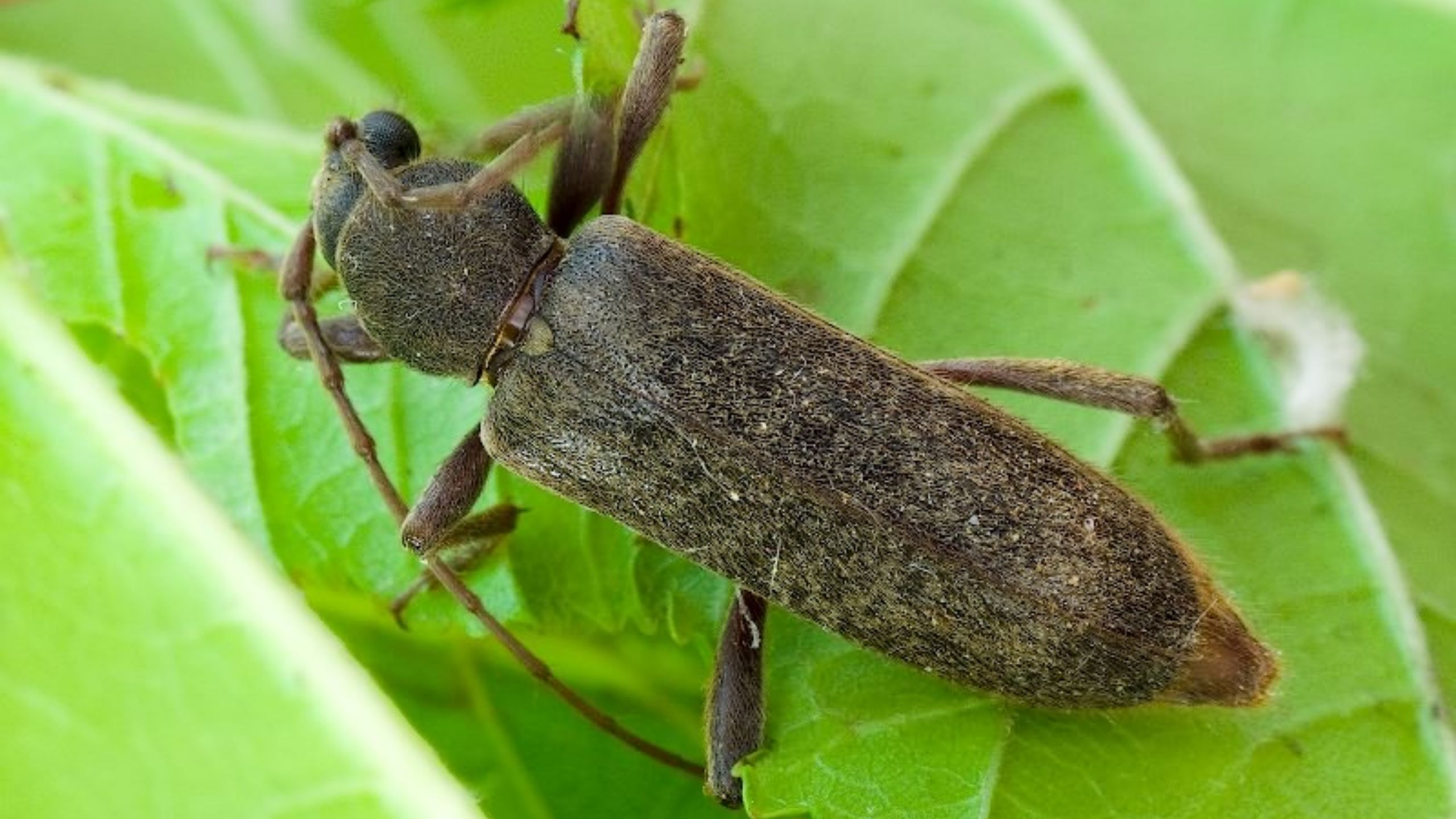
Velvet longhorned beetle is an invasive wood-boring beetle first detected in Utah in 2010. VLB can negatively impact fruit yield, tree longevity, and wood marketability. Prevention, monitoring, and early detection are the key management recommendations fo

Parasitoid Wasps of the Invasive Brown Marmorated Stink Bug in Utah
There are at least two families of stink bug parasitoids in Utah, Eupelmidae and Scelionidae. These are small, typically black wasps that may be mistaken for small gnats or ants. They will fly in search of stink bug egg masses. Once they find the eggs, th
BMSB Management for Fruits and Vegetables
A fact sheet detailing the brown marmorated stink bug (BMSB, Halyomorpha halys Stål), a recent invasive insect to North America from eastern Asia. In the last decade, it has become a severe urban nuisance and agricultural pest in the mid-Atlantic and nort
Balsam Woolly Adelgid
Invasive balsam woolly adelgid is a tiny sucking insect that was introduced to North America from Europe. In the U.S., it is a serious pest of true firs in forests, landscapes, and in seed and Christmas tree production.

Quagga Mussel and Zebra Mussel
The quagga mussel (Dreissena bugensis) and zebra mussel (D. polymorpha) are invasive mussels that threaten Western U.S. waterbodies. Zebra mussels were discovered in early 2021 in imported moss balls (algal balls) sold in aquarium and pet stores nationwid
Asian Giant Hornet (a.k.a. Northern Giant Hornet)
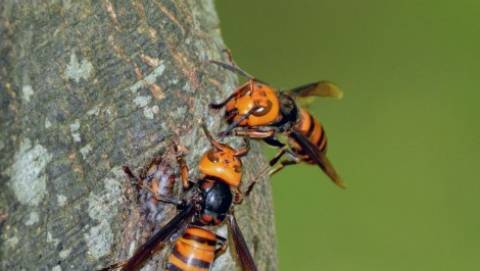
[Update 8/2022: Northern giant hornet is the new common name for this pest.] Asian giant hornet is an invasive wasp that was detected in northwest Washington and British Columbia, Canada in fall 2019 and spring 2020; however, it is not known to be establi
Imported Fire Ants
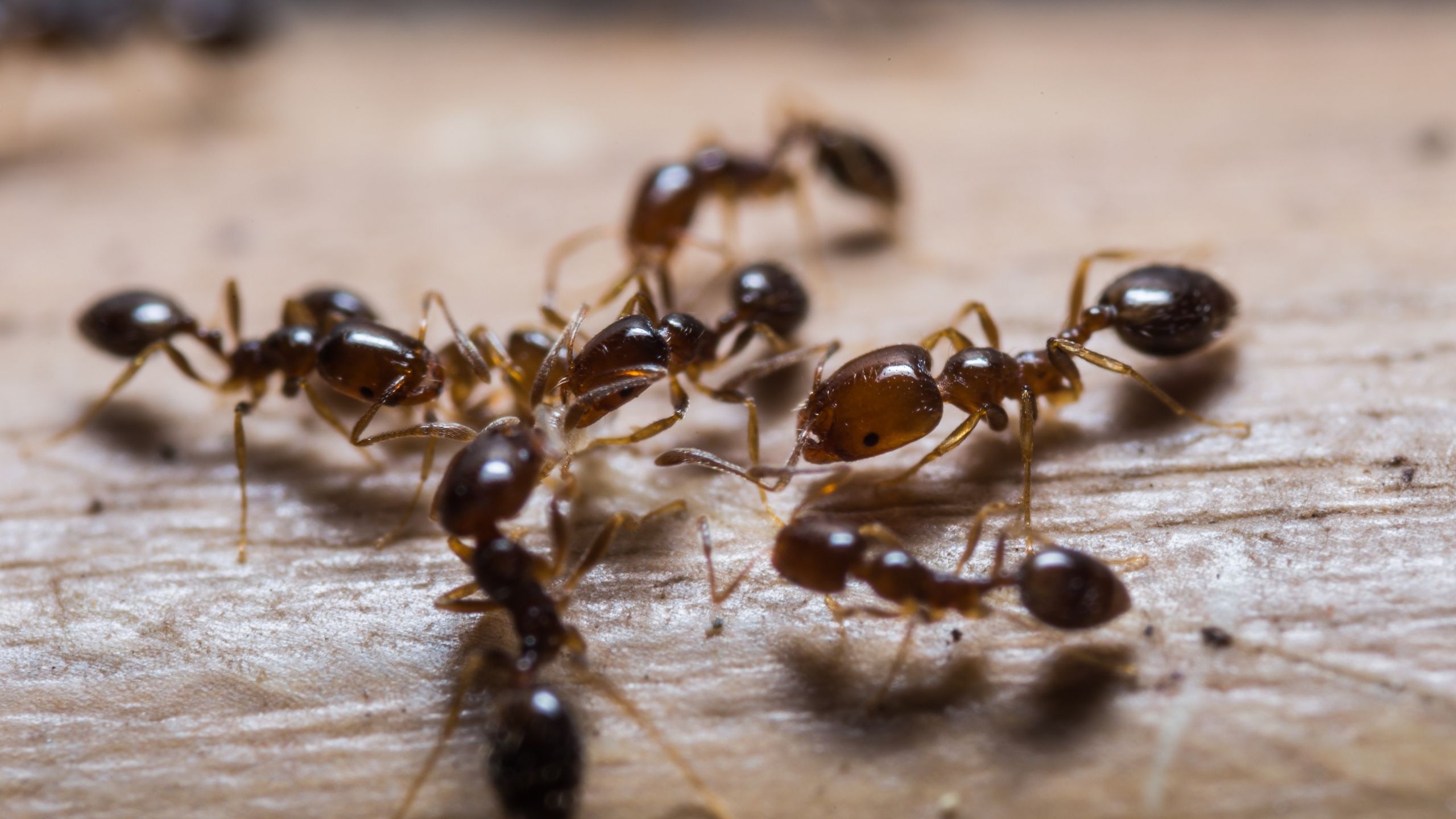
The red and black imported fire ants (IFA) are an invasive and aggressive pest not known to occur in Utah, but parts of southern Utah may be suitable for colony establishment. IFA can be easily distinguished from other ants in Utah by both the varying siz
Lily Leaf Beetle (Lilioceris lilii)
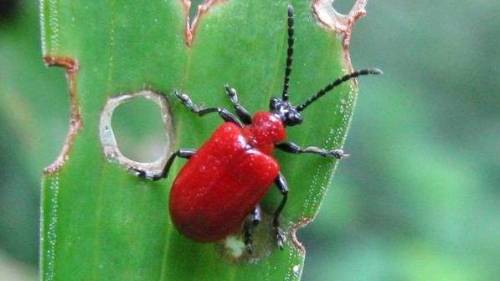
Lily leaf beetle (LLB) is an exotic pest from Eurasia that causes damage to plants in the Liliaceae family. Native and cultivated Lilium and Fritillaria are sensitive to attack, including rare and endangered species. LLB can cause economic and aesthetic l
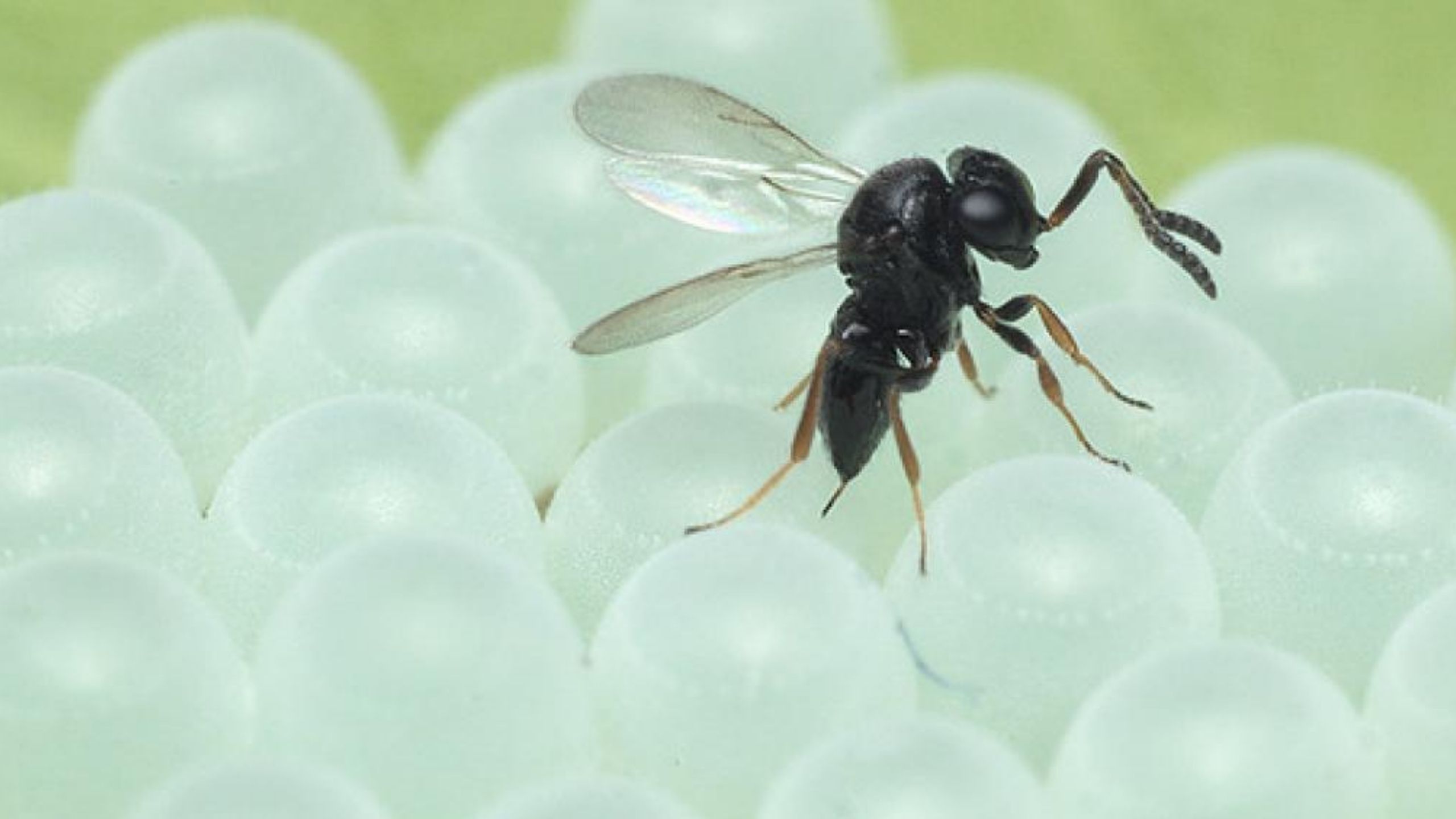
The Samurai Wasp: New Hope in Fight Against BMSB
In June 2019, the samurai wasp [Trissolcus japonicus (Ashmead)] was discovered in Salt Lake City. This exotic parasitoid wasp is the most promising agent for biological control of BMSB and is uniquely evolved to lay its eggs inside of BMSB eggs. Help us p
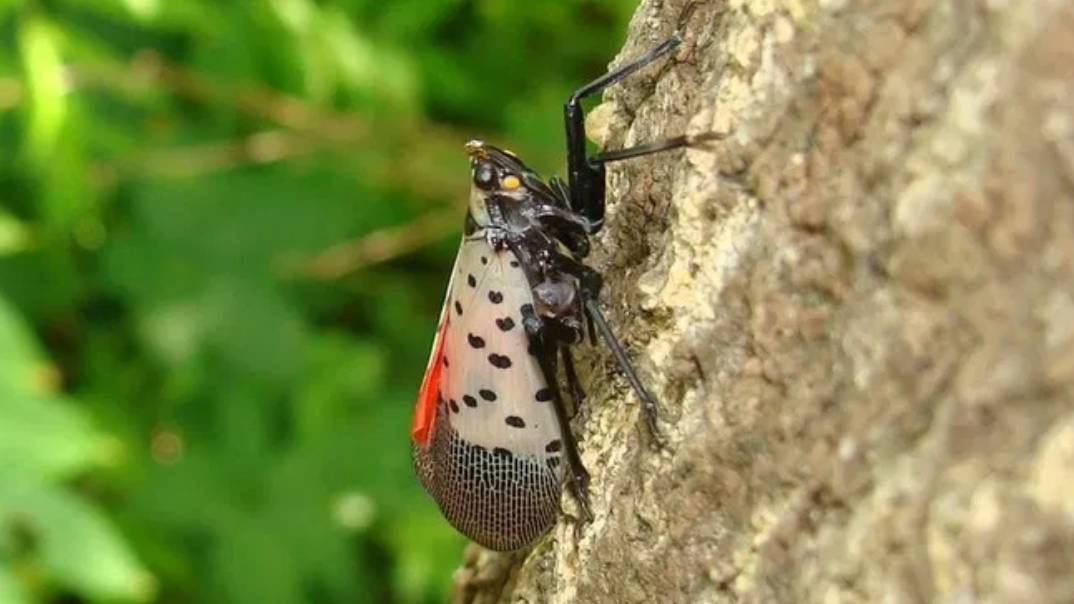
Spotted Lanternfly
The spotted lanternfly (SLF) is a new invasive pest from China that was first detected in the U.S. in Pennsylvania in 2014 and has since spread to other states. SLF attacks more than 100 host plants, including grapes, fruit trees, hops, and hardwood and o

Dotted Paropsine Beetle
Eucalyptus in Utah is usually pest-free, but the dotted paropsine leaf beetle (Paropsis atomaria) appeared in 2022 in southern California and may spread to Utah, especially in warm, dry areas with few natural predators.

The Link Between Environmental Change and Invasive Species
Climate change and invasive species are major environmental threats to global biodiversity and ecosystem stability. Rising temperatures and disrupted ecosystems create conditions that help invasive species spread, establish in new areas, and outcompete na

How Invasive Species Affect Ecosystems
Invasive species can have profound impacts on ecosystems worldwide. In the absence of their natural enemies, invasive species thrive and reproduce quickly. In many cases, they outcompete or prey on native species, leading to changes in habitat structure a
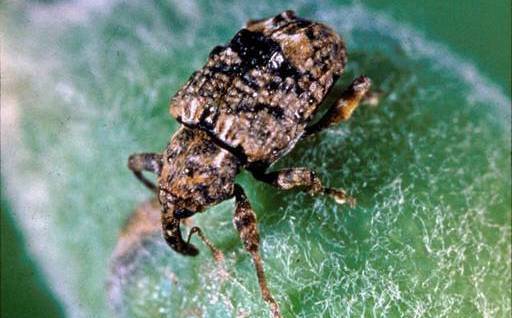
Plum Curculio
Plum curculio, Conotrachelus nenuphar (Coleoptera: Curculionidae), is a small brown weevil (beetle with a snout) native to eastern North America where it is a major pest of pome and stone fruits. It thrives in environments where orchards are located nex
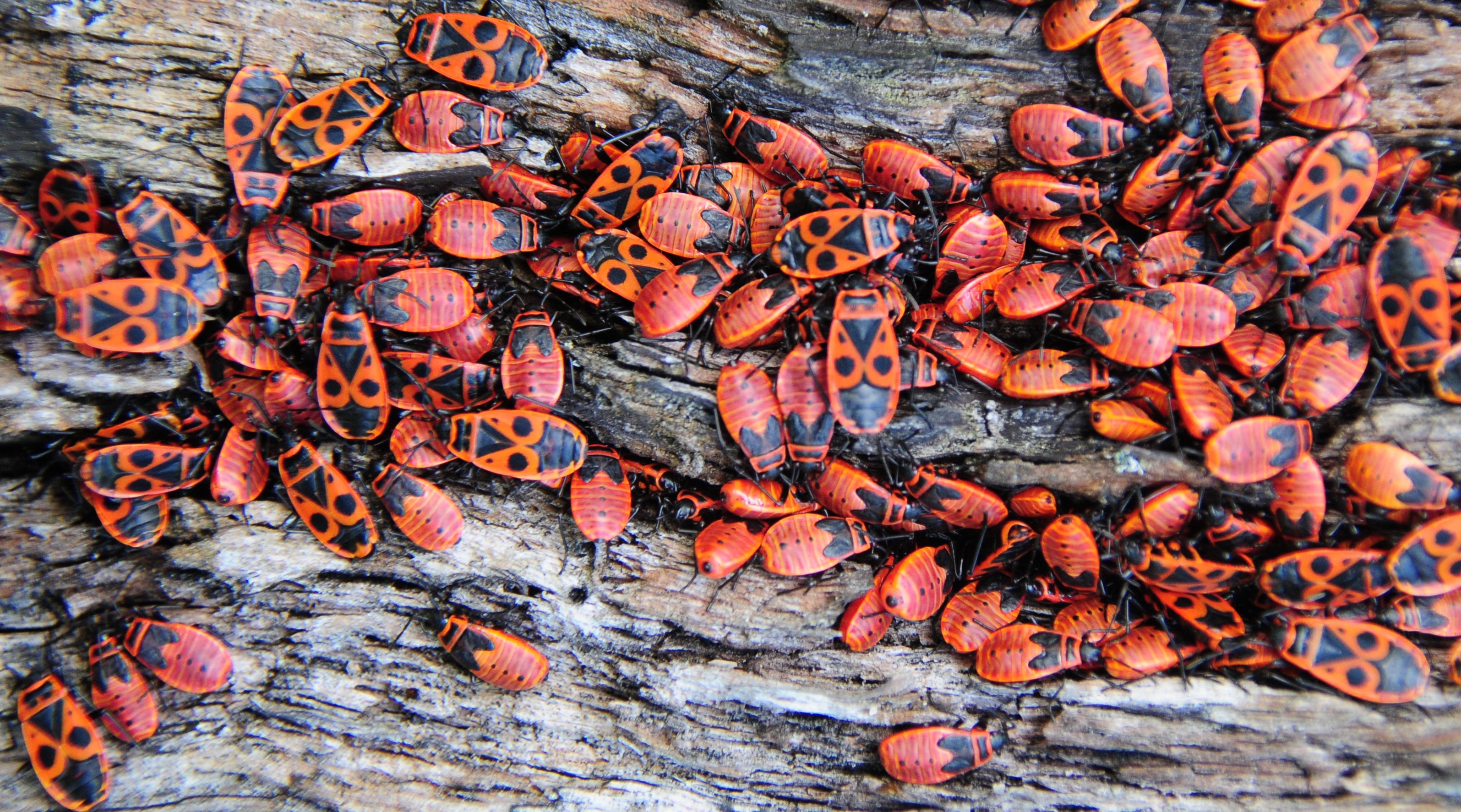
Red Firebug
Red firebugs were first discovered in North America in Salt Lake City, Utah in 2008. These insects are seed feeders on a wide range of plants, including linden and mallow.
Featured Pests
Be on the lookout for these invasive pests that could negatively alter our unique ecosystem. Many of the things that make Utah exceptional are threatened by invasive species. Understand the risks, and act to protect Utah from invasive ecosystem-altering p
Featured Pests
Be on the lookout for these invasive pests that could negatively alter our unique ecosystem. Many of the things that make Utah exceptional are threatened by invasive species. Understand the risks, and act to protect Utah from invasive ecosystem-altering p
Featured Pests
Be on the lookout for these invasive pests that could negatively alter our unique ecosystem. Many of the things that make Utah exceptional are threatened by invasive species. Understand the risks, and act to protect Utah from invasive ecosystem-altering p
Featured Pests
Be on the lookout for these invasive pests that could negatively alter our unique ecosystem. Many of the things that make Utah exceptional are threatened by invasive species. Understand the risks, and act to protect Utah from invasive ecosystem-altering p
Guides
The following publications were written by the Utah Pests team and other authors. Arranged alphabetically, they cover topics such as beneficial insects; fruit, vegetable, and ornamental pests; and structural and health-related pests.
Invasive Pest News & Notes
New in 2022! Invasive Pest News and Notes focuses on insects that should be on your radar that either already occur in Utah or have the potential to occur here. IPN&N is published 3 times annually (summer, fall, and winter/spring. Subscribe to keep curren