
Rose Stem Girdler [Agrilus cuprescens]
October 2015
Diane Alston, Entomologist
Quick Facts


a rose stem girdler larva. The cane broke at the girdling
site².


caused by girdling of a rose stem girdler larva4.
- Rose stem girdler is a common cane-boring beetle of raspberry and blackberry in central and northern Utah.
- Larval feeding in the cambium under the cane bark causes spiral grooves and gall-like swellings; injured canes may wilt and break off.
- Severe infestations in ever-bearing and first-year canes of vigorous summer-bearing cultivars can kill out plant stands.
- Avoid planting raspberries and blackberries near infested roses (wild and cultivated), prune and destroy infested canes, use proper fertility and water management to minimize stress to berry plantings, and apply insecticides during adult beetle activity in May and June.
The rose stem girdler is a small flat-headed, metallic beetle (Coleoptera) in the Family Buprestidae (Fig. 1). It was first introduced into the eastern U.S. from Europe in the early 1900s in infested roses. It was first reported in Utah in American Fork in 1955. Today, it is a common cane-boring pest of raspberry, blackberry, and wild rose in central and northern regions of the state. It has been observed in Rich, Cache, Box Elder, Weber, Davis, Salt Lake, Utah, Wasatch, and Sanpete counties. Larvae tunnel in the canes causing gall-like swellings and cane breakage (Fig. 2). The rose stem girdler can dramatically reduce stands of red raspberry canes, and even kill out a planting.
Host Plants
Raspberry (red and black), blackberry, related brambles (Rubus spp.), and wild and cultivated roses (Rosa spp.) are host plants.
Life History
The rose stem girdler has a single generation per year in Utah. The winter is spent as a 4th instar (4th molt) larva within the pith of canes (Fig. 3). Pupation occurs in the spring when daytime temperatures average 55°F, and adult beetles emerge from infested canes in May to June. Adults rest on plant foliage at night and become active during mid-morning hours as temperatures warm. Eggs hatch in 4-14 days, depending on temperatures, and young larvae chew directly into the cambium through the bottom of the eggs. The tunneling larva forms spiral grooves in the cambium of the mid-section of the cane, just under the bark (Fig. 4). In June and July, the 3rd instar larva tunnels upward in the cane, entering the pith. The cane is swollen at the girdling site, and often breaks revealing a hollow pith (Fig. 2). By this point the larva no longer requires living tissue to complete its development. It can survive in the pith of the broken upper cane. By August, larvae are fully mature 4th instars; they remain in the cane pith through the winter.
The rose stem girdler has a single generation per year in Utah. The winter is spent as a 4th instar (4th molt) larva within the pith of canes (Fig. 3). Pupation occurs in the spring when daytime temperatures average 55°F, and adult beetles emerge from infested canes in May to June. Adults rest on plant foliage at night and become active during mid-morning hours as temperatures warm. Eggs hatch in 4-14 days, depending on temperatures, and young larvae chew directly into the cambium through the bottom of the eggs. The tunneling larva forms spiral grooves in the cambium of the mid-section of the cane, just under the bark (Fig. 4). In June and July, the 3rd instar larva tunnels upward in the cane, entering the pith. The cane is swollen at the girdling site, and often breaks revealing a hollow pith (Fig. 2). By this point the larva no longer requires living tissue to complete its development. It can survive in the pith of the broken upper cane. By August, larvae are fully mature 4th instars; they remain in the cane pith through the winter.
Mature Larva: Overwintering Stage
- About ½ inch (12-15 mm) long and 1/16 inch (2 mm) wide, cylindrical, and creamy white body.
- Body is slightly flattened with segments separated by distinct constrictions; first segment behind the head is enlarged and covers most of the head; brown to black chewing mouthparts are evident (Fig. 3).
- There are two short, tooth-like projections on the tail end.
Pupa
- Slightly less than ¼ inch (4-5 mm) long, shiny white, and turning light brown with age.
- Well-developed wing pads and other adult characters (antennae, legs) evident.
Adult: Reproductive and Dispersal Stage
- Slender, flattened, metallic beetles slightly less than ¼ inch (4-5 mm) long (Fig. 1).
- Copper-colored wing covers (elytra); males have a metallic green “face.”
Egg
- Small (1/16 inch or 1.5 mm diameter), round and flattened.
- Laid singly on canes and cemented in place with a viscous substance that turns lemon yellow and becomes brittle giving the appearance of an insect scale.
Larva: Damaging Stage
- Instars 1-3 are milky white with the first segment behind the head slightly yellow and mouthparts brown to black; ¼ - 3/8 inch (6-10 mm) long.
Monitoring and Thresholds
Infested canes are evident due to their wilted top growth during June and July. Infested first-year canes can be identified by the gall-like swellings at the base of the wilted growth. Rose stem girdler larvae can be observed by slicing open canes in the galled region. After the 3rd instar tunnels upward in the pith, canes may break and tip over.
No economic thresholds have been established for this pest. Ever-bearing raspberry cultivars that produce fruit on first- year canes (primocanes), and summer-bearing cultivars (floricanes) that produce lush first-year growth are more susceptible to attack by rose stem girdler.
Management
Good cultural practices, such as proper fertility and irrigation management are critical to growth of healthy, non-stressed brambles. Healthy plants are in turn less susceptible to attack by pests.
Sanitation and Pruning
Avoid planting raspberry and blackberry stands near roses, or remove nearby roses before planting brambles. Wild and shrub-like roses are particularly attractive hosts, and can increase the population of rose stem girdler in the nearby vicinity.
Prune out and destroy infested canes in spring through summer to remove larvae. Prune below the point of insect boring activity, or remove entire canes. Second-year canes generally wilt before harvest and should be removed at that time. Infested canes should be destroyed by burning, composting, or burying in soil at least 2 inches deep to prevent adults from emerging. If an infestation is substantial, pruning should be supplemented with chemical control.
Insecticides
Insecticide applications are ineffective against larvae because the chemicals cannot reach them inside the canes. Applications should be timed with adult emergence in an attempt to prevent egg deposition on canes. Begin applications in early May, or just before bloom, and repeat based on the reapplication interval of the product through early June. If applications are made during bloom, wait until nearly dusk when bee activity has ceased for the day. Materials should be applied as full cover sprays to entire canes. Always read and follow all product label directions. Strictly follow all bee protection guidelines. Note and follow the required time interval to re-enter the site after application (re-entry interval) and wait-time until harvest of fruit (pre-harvest interval).
Insecticides recommended for COMMERCIAL raspberry and blackberry production in Utah.
| Chemical Name | Examples of Brand Names | Insecticide Class1 |
|---|---|---|
| carbaryl | Sevin | Carbamate (1A) |
| diazinon | DiazinonR | Organophosphate (1B) |
| malathion | Malathion | Organophosphate (1B) |
| bifentrhin | BrigadeR, CaptureR | Pyrethroid (3) |
| esfenvalerate | AsanaR | Pyrethroid (3) |
| fenpropathrin | DanitolR | Pyrethroid (3) |
| zeta-cypermethrin | Mustang MaxR | Pyrethroid (3) |
| acetamiprid | Assail | Neonicotinoid (4A) |
| chlorantraniliprole | Altacor | Diamide (28) |
| azadirachtin | Aza-DirectO, NeemixO | Anti-feedant, Insect Growth Regulator (UN) |
| pyrethrin | PyganicO | Botanical (3) |
Insecticides recommended for HOME garden raspberries and blackberries in Utah.
| Chemical Name | Examples of Brand Names | Insecticide Class1 |
|---|---|---|
| carbaryl | Sevin, Bonide Fruit Spray | Carbamate (1A) |
| malathion | Malathion | Organophosphate (1B) |
| gamma-cyhalothrin | Spectracide, Triazicide | Pyrethroid (3) |
| permethrin | Hi-Yield Lawn, Garden, and Livestock Insect Control | Pyrethroid (3) |
| acetamiprid | Ortho Max Flower, Fruit, and Vegetable Spray | Neonicotinoid (4A) |
| neem oil | Neem OilO, Garden SafeO | Anti-feedant, Insect Growth Regulator (UN) |
| pyrethrin | PyrganicO | Botanical (3) |
IInsecticide Resistance Action Committee (IRAC) mode of action classification codes. To minimize resistance development in the insect population, rotate among classes.
OOMRI approved for organic production.
RRestricted use products.
All brands are registered trademarks. Examples of brands may not be all-inclusive, but are meant to provide examples of products registered on caneberries in Utah. The availability of insecticides changes frequently. ALWAYS READ THE LABEL FOR REGISTERED USES, APPLICATION AND SAFETY INFORMATION, AND PROTECTION, RE-ENTRY, AND PRE-HARVEST INTERVALS.
References
- Davis, D. W., and N. N. Raghuvir. 1963. The control of the rose stem girdler on raspberries in Utah. Journal of Economic Entomology 56 (5): 674-677.
- Davis, D. W., and N. N. Raghuvir. 1964. The biology of the rose stem girdler, Agrilus rubicola communis, on raspberries in Utah (Coleoptera: Buprestidae). Annals of the Entomological Society of America 57 (2): 154-159.
Related Research
Spongy Moth
Spongy moths (Lepidoptera: Erebidae) are invasive leaf-eating (defoliating) pests that threaten trees and shrubs in urban, suburban, and rural landscapes. The spongy moth was accidentally introduced to the U.S. in 1869 by an amateur French entomologis

Asian Longhorned Beetle
Asian longhorned beetle is an invasive wood-boring pest that threatens maple and other hardwood tree species, fall-foliage tourism, and maple syrup production in North America.
Invasive Insects Lookalikes
Learn how to identify some invasive insects and their look-alikes. Here, we provide a quick identification guide for brown marmorated stink bug, Japanese beetle, emerald ash borer, and Asian longhorned beetle.
Brown Marmorated Stink Bug
BMSB was first detected in Utah in 2012; it is now established in four counties (Weber, Davis, Salt Lake, and Utah) and has been detected in two other counties (Cache and Box Elder). As an aggressive generalist herbivore, BMSB infests a broad range of pla
European Cherry Fruit Fly
European Cherry Fruit Fly (ECFF) is a new invasive cherry-infesting pest that is not known to occur in Utah. Host plants include cherry and honeysuckle. Heavy infestations in Europe have resulted in 100% fruit loss. Since adults fly only short distances,
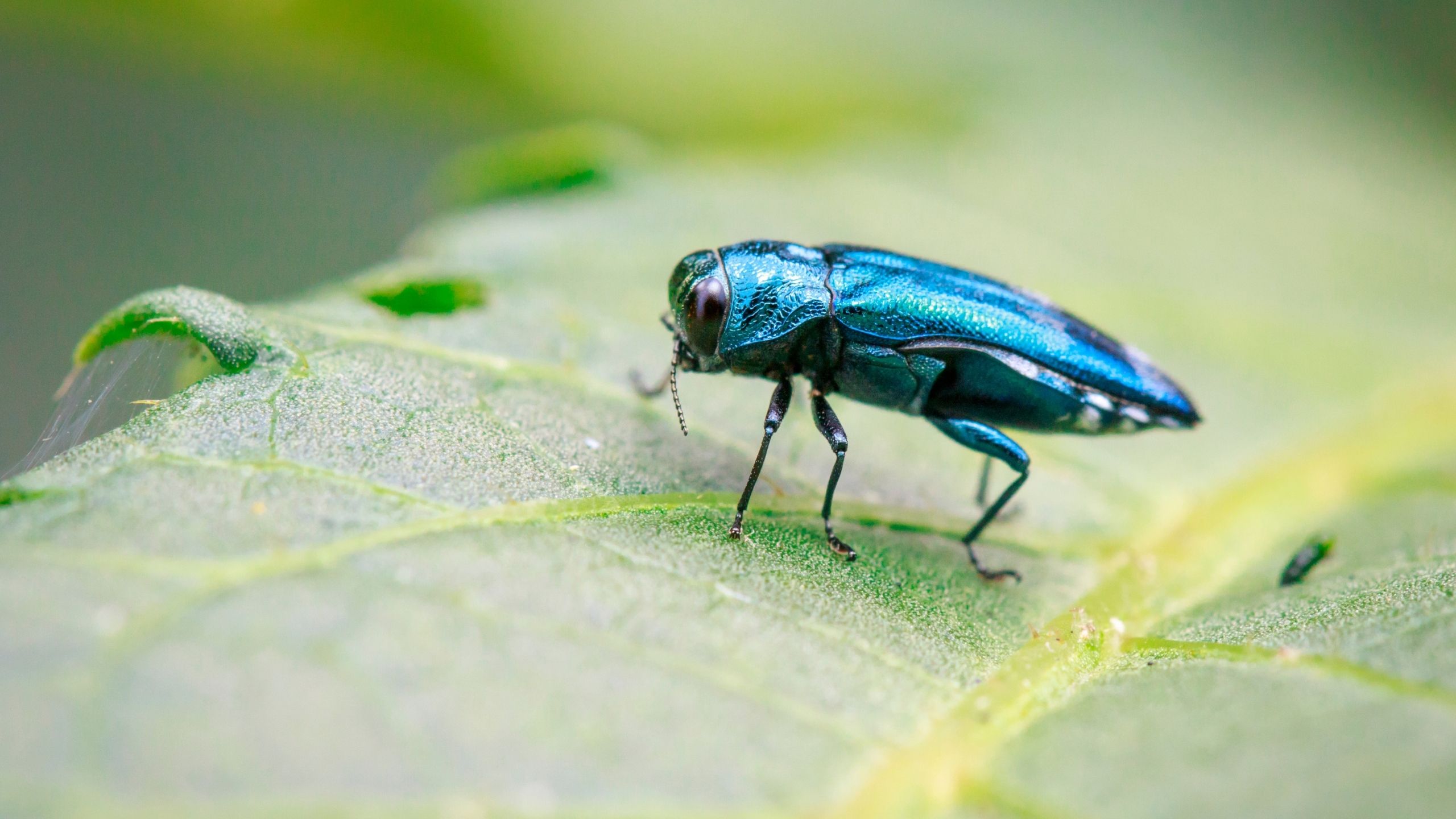
Emerald Ash Borer
Emerald ash borer (EAB) (Coleoptera: Buprestidae) is an invasive woodboring beetle that has caused the decline and mortality of tens of millions of ash trees (Fraxinus spp.) in the U.S. It is considered the most destructive forest pest to ever invade Nort
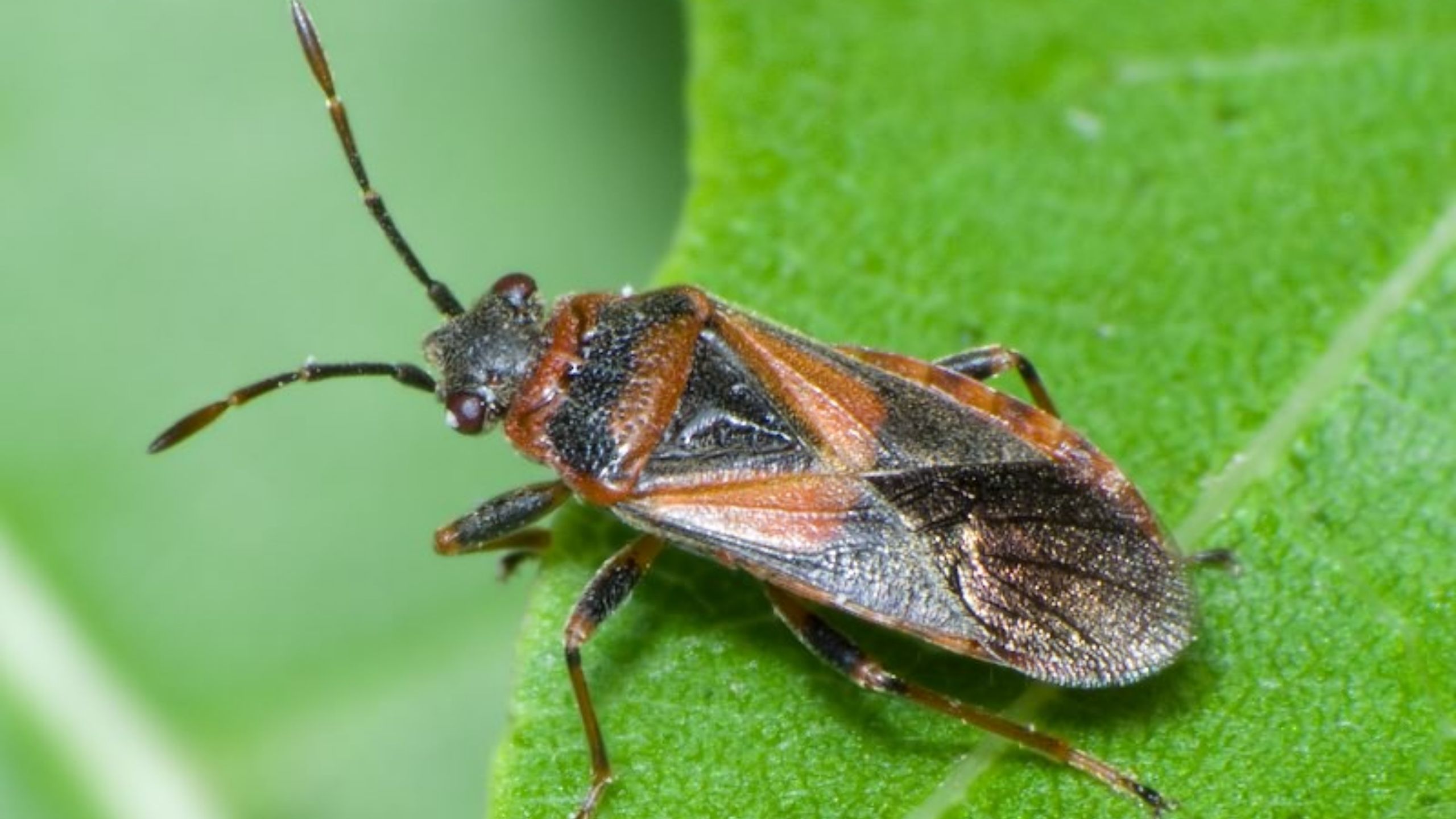
Elm Seed Bug
First detected in 2014 in Utah, elm seed bug is now widely distributed along the Wasatch Front and Cache Valley, and has been reported west to Duchesne County, east to Tooele County, and south to Grand County. Elm seed bug activity peaks in mid-summer whe
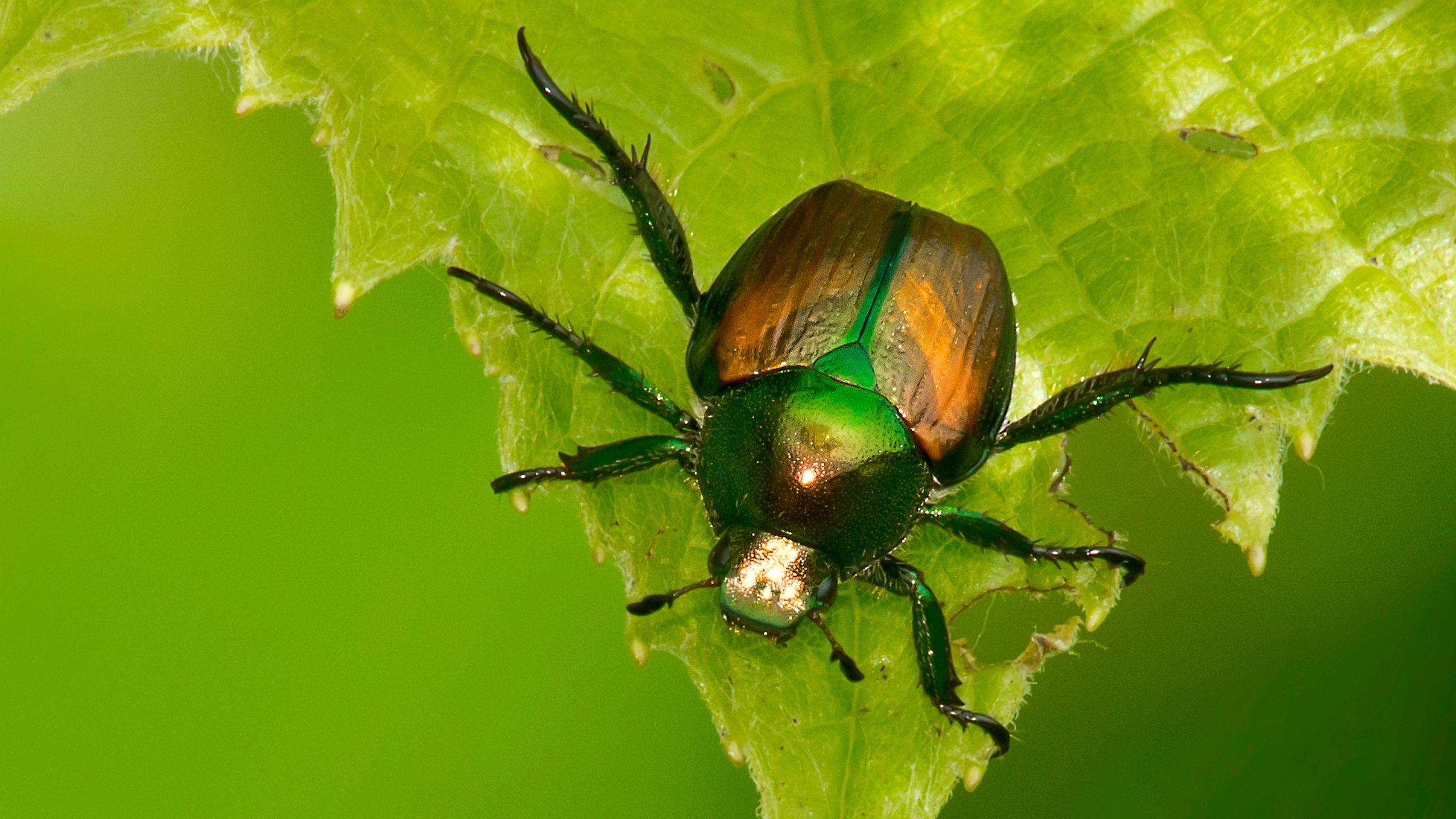
Japanese Beetle
This fact sheet describes the invasive Japanese beetle (JB) and lists vegetative hosts that can be affected by JB, including ornamental plants, trees, shrubs, turfgrass and vegetables. This pest can cause significant damage in high numbers. It was first d
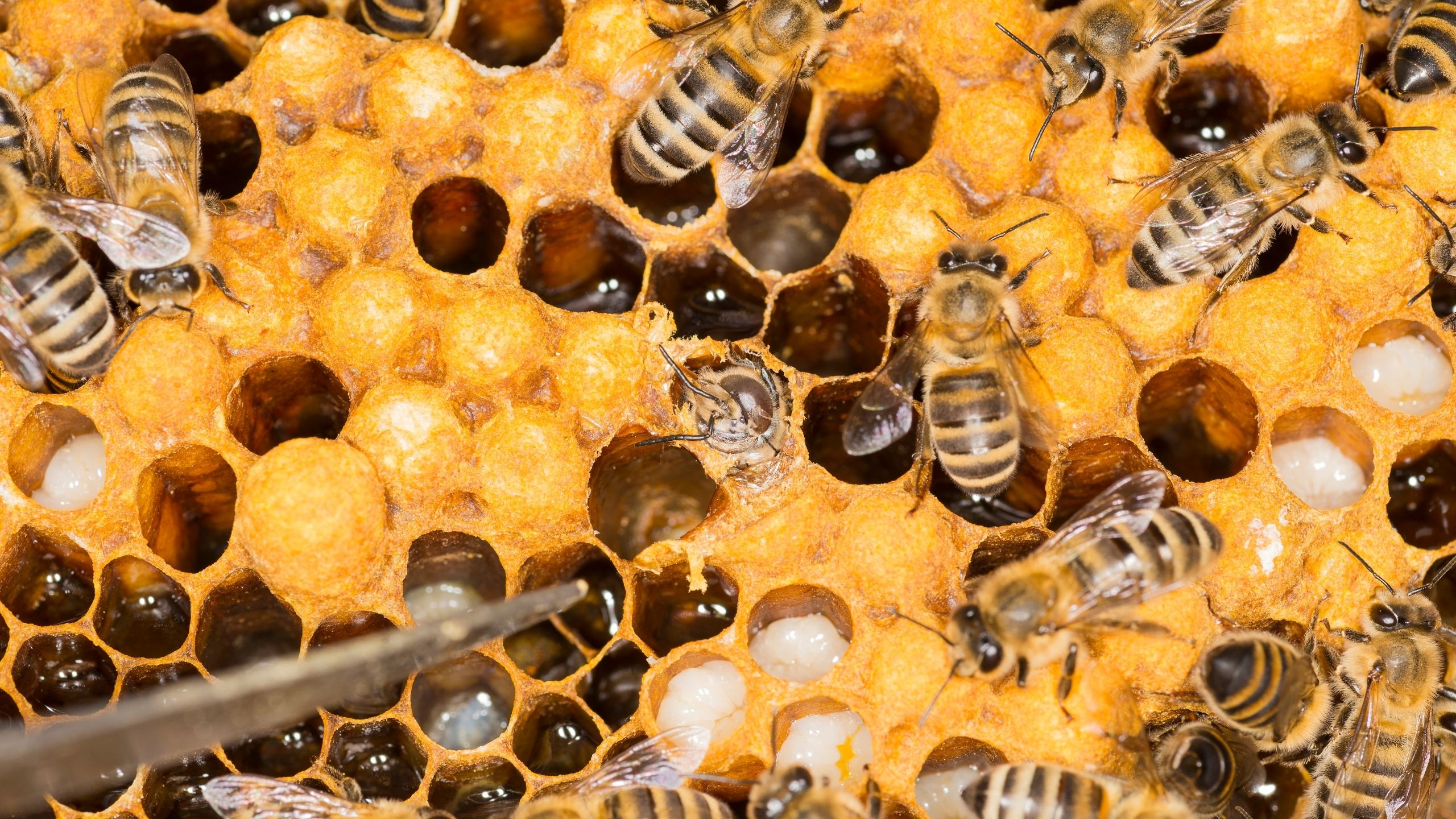
Small Hive Beetle
Small hive beetle (SHB) is a pest of honey and bumble bee colonies that is native to Africa. SHB feeds on pollen and honey, kills bee brood and workers, and causes honey to discolor and ferment.
Spotted Wing Drosophila
Spotted wing drosophila (SWD) is an invasive insect native to Southeast Asia; it was first detected in Utah in 2010. SWD management tactics include removing nearby alternative host plants, timely harvest of fruit, expanding the preventive insecticide prog
Spotted Wing Drosophila Monitoring
Spotted wing drosophila can attack fruit as soon as it begins to ripen, so that is when monitoring should begin. For example, place a trap in a cherry tree when the fruits begin to turn pink. Continue trapping for at least two weeks after harvest. Because
Velvet Longhorned Beetle
Velvet longhorned beetle is an invasive wood-boring beetle first detected in Utah in 2010. VLB can negatively impact fruit yield, tree longevity, and wood marketability. Prevention, monitoring, and early detection are the key management recommendations fo

Parasitoid Wasps of the Invasive Brown Marmorated Stink Bug in Utah
There are at least two families of stink bug parasitoids in Utah, Eupelmidae and Scelionidae. These are small, typically black wasps that may be mistaken for small gnats or ants. They will fly in search of stink bug egg masses. Once they find the eggs, th
BMSB Management for Fruits and Vegetables
A fact sheet detailing the brown marmorated stink bug (BMSB, Halyomorpha halys Stål), a recent invasive insect to North America from eastern Asia. In the last decade, it has become a severe urban nuisance and agricultural pest in the mid-Atlantic and nort
Balsam Woolly Adelgid
Invasive balsam woolly adelgid is a tiny sucking insect that was introduced to North America from Europe. In the U.S., it is a serious pest of true firs in forests, landscapes, and in seed and Christmas tree production.

Quagga Mussel and Zebra Mussel
The quagga mussel (Dreissena bugensis) and zebra mussel (D. polymorpha) are invasive mussels that threaten Western U.S. waterbodies. Zebra mussels were discovered in early 2021 in imported moss balls (algal balls) sold in aquarium and pet stores nationwid
Asian Giant Hornet (a.k.a. Northern Giant Hornet)
[Update 8/2022: Northern giant hornet is the new common name for this pest.] Asian giant hornet is an invasive wasp that was detected in northwest Washington and British Columbia, Canada in fall 2019 and spring 2020; however, it is not known to be establi
Imported Fire Ants
The red and black imported fire ants (IFA) are an invasive and aggressive pest not known to occur in Utah, but parts of southern Utah may be suitable for colony establishment. IFA can be easily distinguished from other ants in Utah by both the varying siz
Lily Leaf Beetle (Lilioceris lilii)
Lily leaf beetle (LLB) is an exotic pest from Eurasia that causes damage to plants in the Liliaceae family. Native and cultivated Lilium and Fritillaria are sensitive to attack, including rare and endangered species. LLB can cause economic and aesthetic l
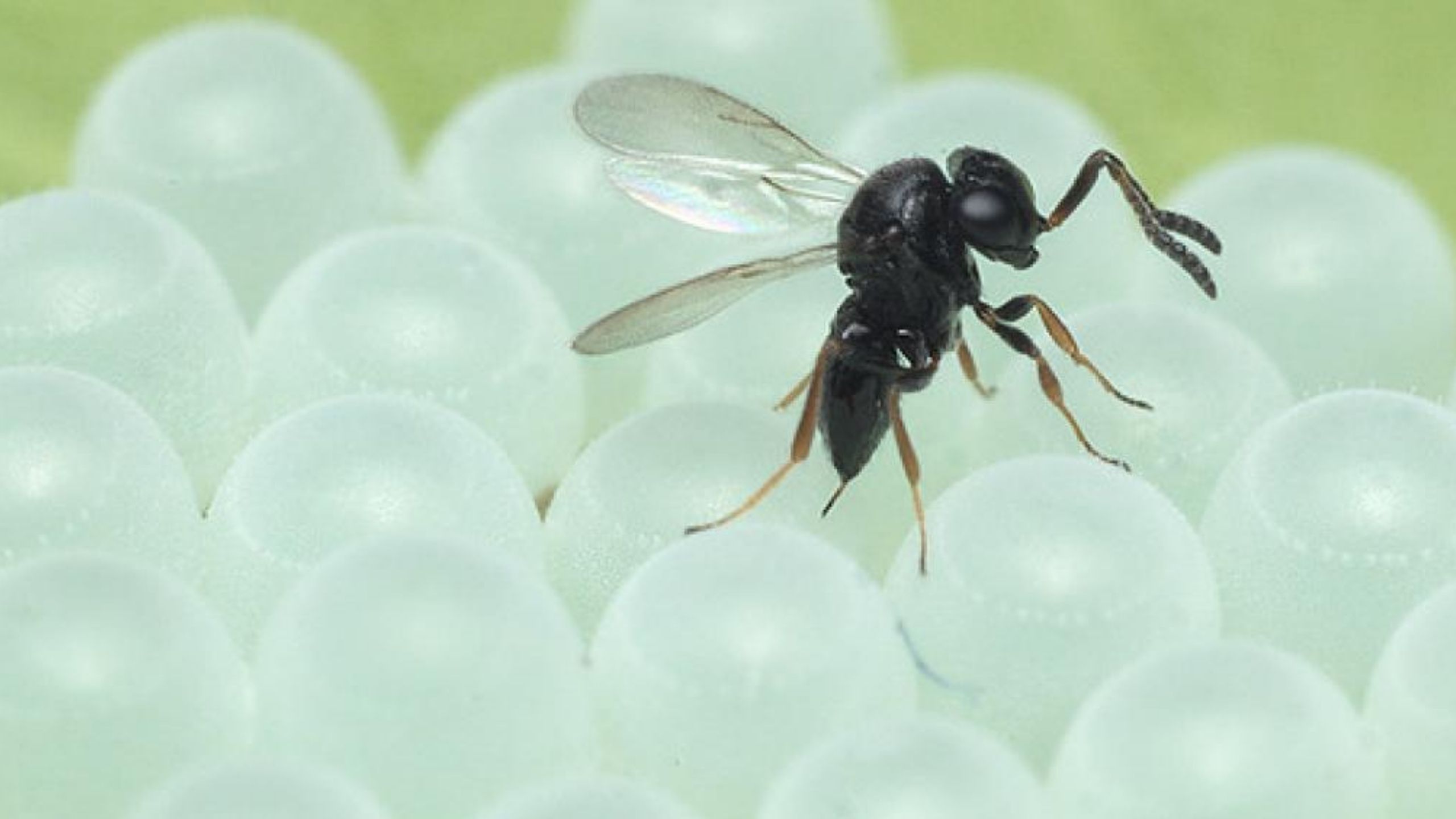
The Samurai Wasp: New Hope in Fight Against BMSB
In June 2019, the samurai wasp [Trissolcus japonicus (Ashmead)] was discovered in Salt Lake City. This exotic parasitoid wasp is the most promising agent for biological control of BMSB and is uniquely evolved to lay its eggs inside of BMSB eggs. Help us p
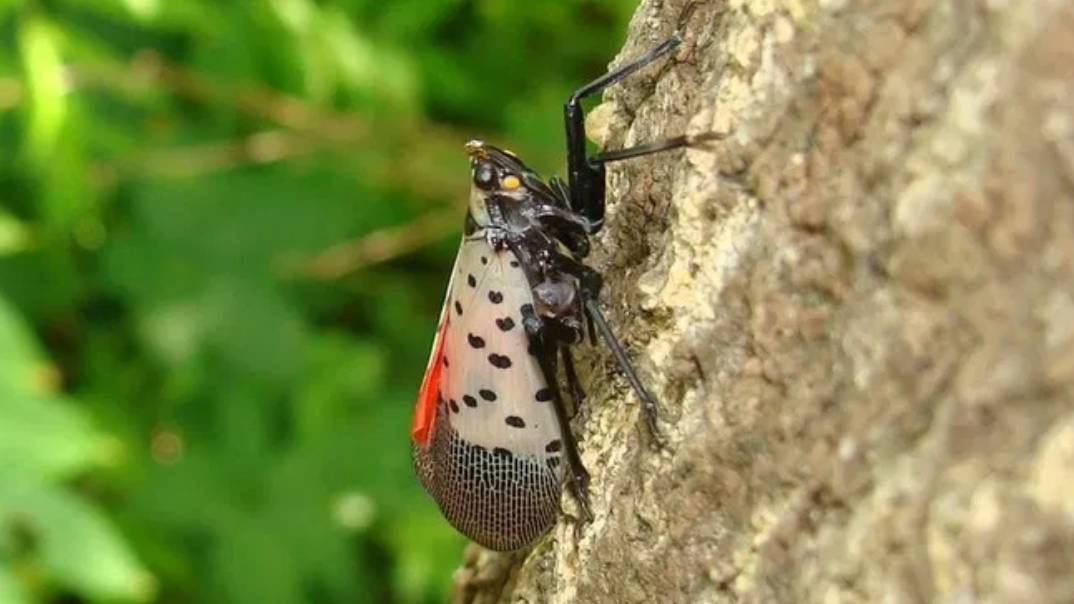
Spotted Lanternfly
The spotted lanternfly (SLF) is a new invasive pest from China that was first detected in the U.S. in Pennsylvania in 2014 and has since spread to other states. SLF attacks more than 100 host plants, including grapes, fruit trees, hops, and hardwood and o

Dotted Paropsine Beetle
Eucalyptus in Utah is usually pest-free, but the dotted paropsine leaf beetle (Paropsis atomaria) appeared in 2022 in southern California and may spread to Utah, especially in warm, dry areas with few natural predators.

The Link Between Environmental Change and Invasive Species
Climate change and invasive species are major environmental threats to global biodiversity and ecosystem stability. Rising temperatures and disrupted ecosystems create conditions that help invasive species spread, establish in new areas, and outcompete na

How Invasive Species Affect Ecosystems
Invasive species can have profound impacts on ecosystems worldwide. In the absence of their natural enemies, invasive species thrive and reproduce quickly. In many cases, they outcompete or prey on native species, leading to changes in habitat structure a
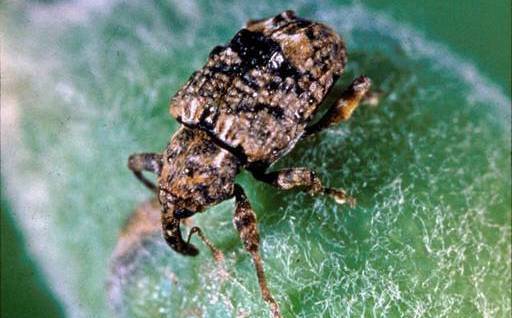
Plum Curculio
Plum curculio, Conotrachelus nenuphar (Coleoptera: Curculionidae), is a small brown weevil (beetle with a snout) native to eastern North America where it is a major pest of pome and stone fruits. It thrives in environments where orchards are located nex
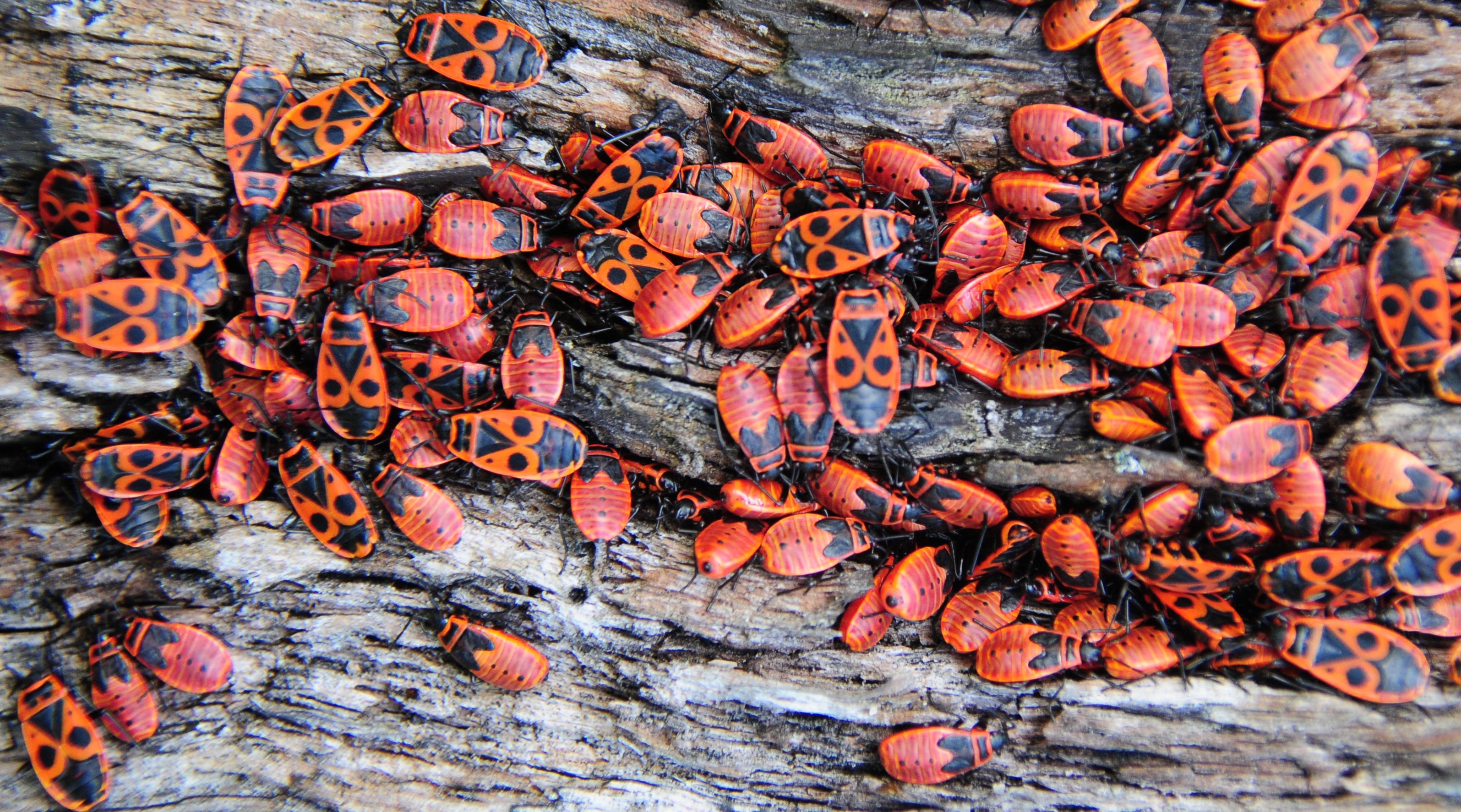
Red Firebug
Red firebugs were first discovered in North America in Salt Lake City, Utah in 2008. These insects are seed feeders on a wide range of plants, including linden and mallow.

Rose Stem Girdler
The rose stem girdler is a small, metallic flat-headed beetle in the family Buprestidae. Introduced to the eastern United States from Europe in the early 1900s through infested roses, it was first reported in Utah in 1955 in American Fork. It is now a com
Featured Pests
Be on the lookout for these invasive pests that could negatively alter our unique ecosystem. Many of the things that make Utah exceptional are threatened by invasive species. Understand the risks, and act to protect Utah from invasive ecosystem-altering p
Featured Pests
Be on the lookout for these invasive pests that could negatively alter our unique ecosystem. Many of the things that make Utah exceptional are threatened by invasive species. Understand the risks, and act to protect Utah from invasive ecosystem-altering p
Featured Pests
Be on the lookout for these invasive pests that could negatively alter our unique ecosystem. Many of the things that make Utah exceptional are threatened by invasive species. Understand the risks, and act to protect Utah from invasive ecosystem-altering p
Featured Pests
Be on the lookout for these invasive pests that could negatively alter our unique ecosystem. Many of the things that make Utah exceptional are threatened by invasive species. Understand the risks, and act to protect Utah from invasive ecosystem-altering p
Guides
The following publications were written by the Utah Pests team and other authors. Arranged alphabetically, they cover topics such as beneficial insects; fruit, vegetable, and ornamental pests; and structural and health-related pests.
Invasive Pest News & Notes
New in 2022! Invasive Pest News and Notes focuses on insects that should be on your radar that either already occur in Utah or have the potential to occur here. IPN&N is published 3 times annually (summer, fall, and winter/spring. Subscribe to keep curren