
Our Why
Among Utah’s teens, we are seeing resiliency decrease, while anxiety, social disconnect, and feelings of inadequacy are all on the rise. Our research has shown that to increase protective factors and decrease risk factors in youth they need:
- To feel connection (Relationships)
- To feel confident and competent (Teens Teaching Teens)
- To feel capable of overcoming challenges… (Resiliency)
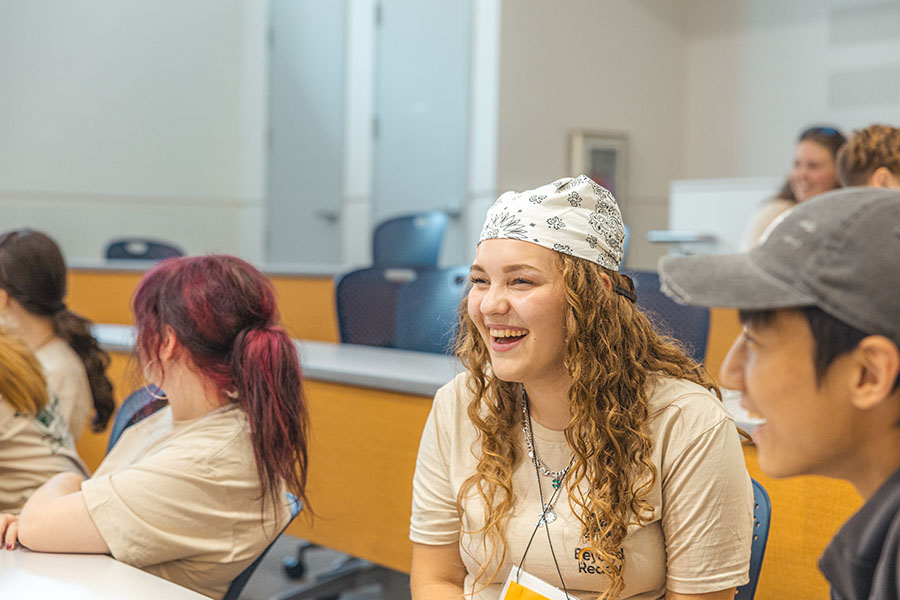
The TLT program helps meet these needs through service learning, Teens Teaching Teens (TTT), community outreach events, developing leadership skills, and providing youth with opportunities to lead and mentor others.
Teens Lifting Teens (TLT) Program Expectations
Leadership Structure
Youth should have meaningful roles within the youth council. This can look like establishing youth presidencies, having committees in charge of different aspects of event planning, set expectations for the youth. When a youth has a leadership role it should come with real responsibilities that they are accountable for.
The Youth Officer/ Presidency Workbook
Youth Presidency Annual Training Materials
4-H Club Leadership Handbook
Develop a Culture of Connection and Belonging
Creating a council culture of belonging has to be done intentionally. Teaching youth the skills of how to connect with people even if they are different. Helping them learn to recognize another youth who may feel isolated and lonely, then helping them feel like a part of the group.
Resource: Creating a Social ContractSocial Contract
How to develop a sense of belonging within the teamDevelop Sense of Belonging
Networking
How To Build A Culture of Connection & BelongingBuild the Culture
Teaching Curriculum
We have provided curriculum on Service Learning, on Leadership and interpersonal skills, and on Teens teaching teens. We expect youth to be taught at least 2 hours of each of these curriculums throughout the year. The teen presidencies can lead these short 15 minute lessons at monthly meetings, they can be used to plan community outreach events, and events where teens have the opportunity to teach other teens.
Outreach Events
Must attend a minimum of 3 events per year
Example sheet of events - This provides a list of ideas of previous community outreach events that have been done that are good examples of how to incorporate service learning & Teens Teaching Teens.
Monthly Meetings
Must attend a minimum of 10 times per year
We expect that you will meet once a month for at least 10 months out of the year. At these monthly meetings there will be some form teaching youth from the curriculums mentioned above as well as planning for upcoming outreach events.
Example sheet of events - This provides a list of ideas of previous community outreach events that have been done that are good examples of how to incorporate service learning & Teens Teaching Teens.
Youth Council Guide - This guidebook has resources in it helping you learn how to set up a successful youth council, and provide structure to your monthly meetings.
Quarterly Check-In's (on Zoom)
We expect once every 3 months to complete a Zoom call with Megan or Jessica (depending on your location). They also may give you phone calls monthly to discuss how your youth council is doing, what events you are planning, and how we can best support you.
TLT Program Director Phone: (801) 708–2331
Email: megan.o.hall@usu.edu
TLT Program Coordinator Phone: (435) 559–5052
Email: jessica.wayman@usu.edu
Event Attendance
Youth must attend at least 2 of the 4 events held throughout the year
TLT sponsors four state events. It is required that some of your youth attend at least 2 of these events a year. We also ask that you strongly encourage all of your youth to attend at least one of these events a year. We realize some youth are busier than others. These events are an opportunity for us to collect survey data, which helps us directly improve program, curriculum, and impact.
All TLT state events and other important deadlines.Year-long Calendar
All TLT State Events
• Teen Winter Retreat
This event focuses on building confidence through hands-on workshops on communication, healthy relationships, and connection.
• T.R.Y. Team Training
T.R.Y. stands for "Teens Reaching Youth". Teens come together from across Utah to learn leadership skills and strategies to be a good teacher. They participate in hands-on interactive lessons on a curriculum, then return to their own counties and teach what they have learned to younger youth and peers. Curriculum topics can include: FCS/Healthy Living – Happiness & Meaning, STEM, Agri-science, civic engagement, and more.
• Design Team Training
The purpose of this Design Team Training is for youth to come together from across the state and learn how to plan an effective community outreach event. This will help advisors and youth alike learn how to create youth Design Teams in their own youth councils that can design and pull off successful events.
• Teen Summit
Teen Summit is a 3-day leadership conference for teens, empowering youth to see their ability to effect change now and in the future. The focus is on teens developing leadership skills, building new friendships, and strengthening skills that promote success.
Target Demographic: Underserved Youth
Our goal is for you to reach the youth who could benefit from this program the most. That looks like making an effort to recruit youth who have the greatest needs (both temporally and emotionally needy) and making an effort for your youth council to reach out and teach that demographic of youth through your program.
At-Risk Youth: Training Activity
This is a short activity you could potentially do with your youth council to teach them the importance of making an effort to recruit and teach the youth who need it most.
Surveys & Evaluation
Youth who attend any of the state events mentioned above will be surveyed on how they improved on resiliency, relationships, and their ability to teach other teens. Advisors will be surveyed quarterly on how many youth are participating in their program and attending the outreach events planned and implemented.
Official Documentation
For Youth

Citizenship verification - It is now required by the Department of Workforce Services for youth to document their citizenship. This is as simple as taking a picture of their birth certificate and uploading it to a secure encrypted link where no one will be able to see their personal data.
For Advisors
Background checks - Advisors participating in the TLT program are required to complete a background check. Even if you have a background check through your job, DWS requires that we verify advisors don’t have a criminal history if they are participating in this program.
Non-disclosure - This form is required for advisors to fill out by DWS to protect sensitive business information and intellectual property.
Code of Conduct - This form is required for advisors to fill out by DWS to ensure they will act with honestly, respect, and safety.
BUDGET
Approved Use of Funds:
• Materials and supplies for service projects and community outreach events
• Monthly meeting costs
• Food
• Drinks
• Entertainment
• Travel
How to Access the Funds:
**Please use your site code in the description when submitting receipts!
How the Budget Works:
Funding per Youth Council
Depending on the size and needs of the Youth Council, Youth Councils can be given $1,000–$2,000 a year. This budget is to be used primarily on outreach events, service projects, and Teens Teaching Teens (TTT) projects and events. We re-allocate funds in January to those who use them.
Additional Funding
We have funds available in addition to your budget to rent spaces for your events and for Youth Council Advisors to complete their background checks.
There is also funding set aside for sending your teens to TLT state events, as well as to provide training to the advisors. See chart below:
| Youth Participating in TLT | Youth Who Can Attend Using TLT Funds |
|---|---|
| 5–10 | 4 |
| 11–15 | 5 |
| 16–20 | 6 |
| 21–25 | 7 |
| 26+ | 8 |
Contact TLT Staff
Teens Lifting Teens Program Director Phone: (801) 708-2331 Email: megan.o.hall@usu.edu
Teens Lifting Teens Program Coordinator Phone: (435) 559–5052 Email:
jessica.wayman@usu.edu
Extension Assistant Professor, Youth Programs: Leadership & Civic Engagement Phone: (385) 468-4832 Email: vernon.parent@usu.edu