
Moose Safety 101: What Park City Residents & Visitors Need to Know
By Rhea Cone | January 27, 2026
Moose are a symbol of the mountains and natural spaces that Park City has to offer. They provide excellent wildlife viewing opportunities for locals and visitors alike across the Wasatch Back. However, moose can be incredibly dangerous and it is critical to give them the space they need.
Moose (Alces alces), the largest members of the deer family, are an iconic and impressive species in Utah’s northern landscapes. In Utah they are represented by the Shiras subspecies (Alces alces shirasi), the smallest of the North American moose, but still formidable animals, with adults often weighing 800–1,200lbs and bulls standing about six feet tall at the shoulder. According to Utah’s Division of Wildlife Resources, Utah is home to between 2,500 and 3,000 moose. Moose are relatively recent arrivals in Utah’s wildlife community. Historical records suggest they were not present in the state before the early 1900s and made their way naturally to the Beehive State.
Where can you spot a moose? The Park City area provides critical stream, forest, and high elevation meadow habitat. Moose are seen occasionally on the Swaner Preserve, where their favorite food, aquatic plants, can be found in the wetlands and woody willows hide mothers and calves. They are seen commonly in high elevation forests such as Guardsman Pass, surrounding ski areas, and residential areas like Summit Park, Park Meadows, and Jeremy Ranch. They can be seen year-round in the Park City area, but are typically in lower elevation areas during winter and in forage areas like the Swaner Preserve and neighboring ski areas in spring and summer. During the fall rut, or breeding season, bull moose may be more visible but can be dangerous to humans. Dawn and dusk are the best time to see moose, as well as many other wildlife species in the area.
While these large herbivores may look harmless, injuries to people or pets by moose are much more common than bears, cougars, and other wildlife. How can you keep yourself, your family, and your pets safe? Follow the tips below next time you spot a moose!
- Keep your distance: Never approach, feed, or try to interact with a moose. Give them plenty of space. Binoculars make a great tool for observing wildlife from afar!
- Watch for warning signs: A moose that lowers its head, pins back its ears, or raises hair on its neck may be preparing to charge.
- Control pets: Moose often view dogs as predators, and dogs running free can trigger aggressive reactions. Keeping dogs leashed and under control is both safer and required by Utah law.
- Stay calm: If a moose behaves aggressively, back away slowly, avoid running, and seek cover behind a solid object.
- Report dangerous animals: If a moose wanders into city limits or heavily populated areas, report it to the Utah Division of Wildlife Resources so they can relocate the animal before it injures someone or damages property.
Check out Wild Aware Utah for more resources on staying safe in moose country. Want to hear more about the folks that manage Utah’s moose populations? Tune into the Utah DWR’s “Wild” podcast episode all about moose.
Remember: moose aren’t aggressive—they’re defensive. Respecting their space keeps everyone safe, including the moose. Stay alert, stay respectful, and enjoy wild places safely. Want to learn more? Check out our free “The Moose Next Door” webinar on February 24, 2026 at 6 pm learn more.

Photo by Anna Schmitz.
Other Naturalist News
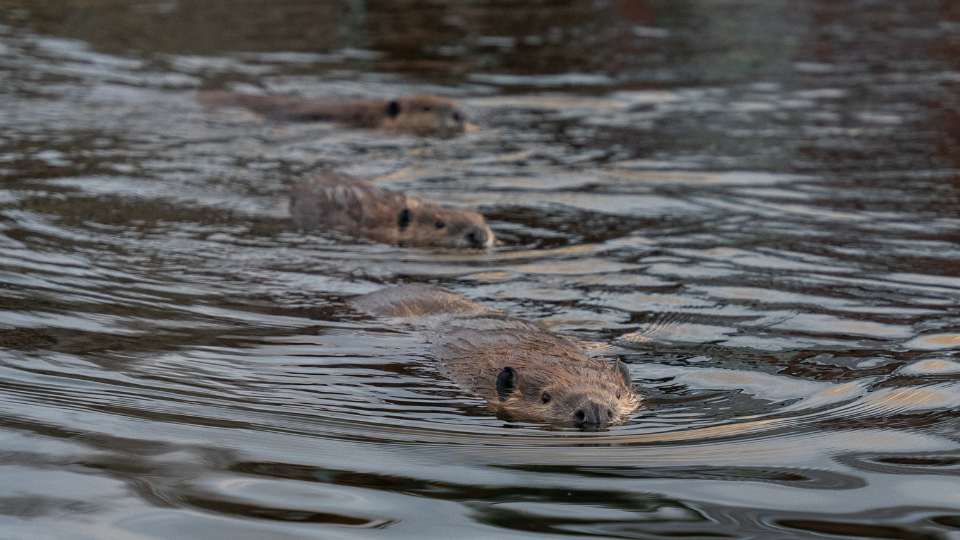
Loss of Beaver Population Next to Swaner EcoCenter
Between March 23 and April 2, five dead beavers were discovered near the Swaner Preserve & EcoCenter by Swaner staff. All five beavers shared one lodge outside the EcoCenter, and samples collected from one of the beavers tested positive for tularemia.
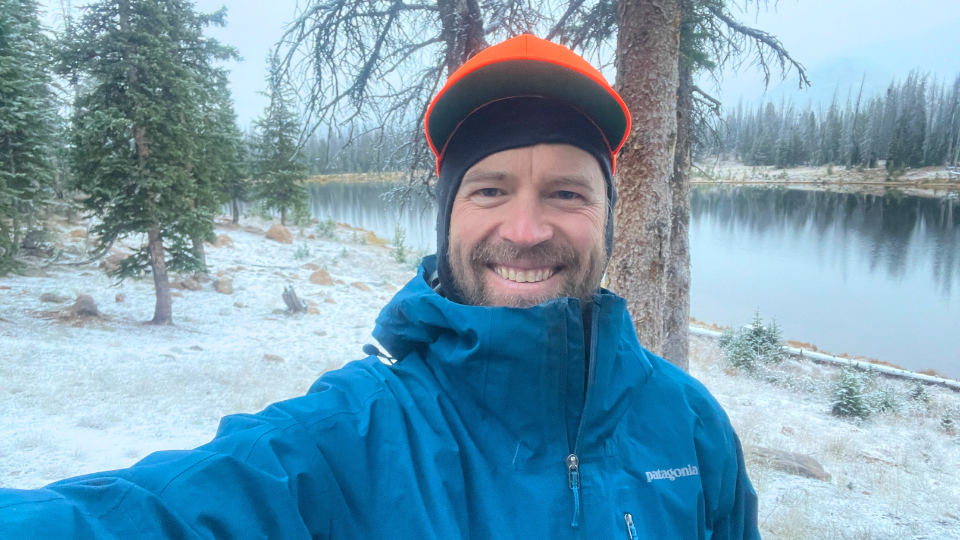
Swaner Preserve & EcoCenter Welcomes New Executive Director
We are thrilled to announce our new executive director, Lewis Kogan. Learn more about his impressive career and excitement to join the organization.
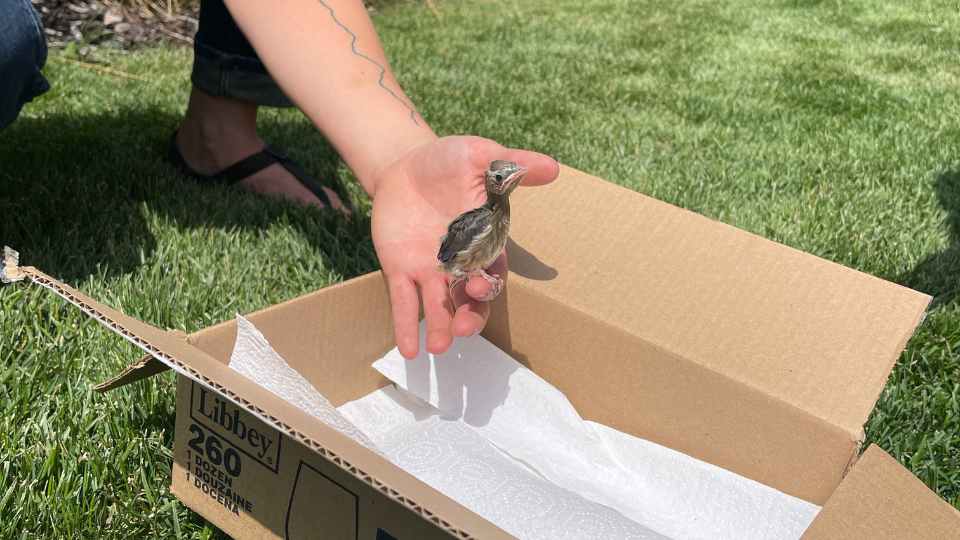
What To Do If You Find a Baby Bird
It’s spring, which means baby animals of all kinds are starting to appear! Learn what to do if you find a baby bird during this time of year.

Amazing Butterflies
If you enjoy summer days hiking in the local mountains or sitting among the flowers in a nearby garden, you have undoubtedly observed butterflies flitting from flower to flower or gliding on updrafts overhead. These small fragile creatures have withstood

American Wetlands Month
Did you know that May is American Wetlands Month? It's the perfect time to celebrate the amazing wetlands right here in the Wasatch Back! Wetlands are one of the most important—and rare—ecosystems in Utah. In fact, less than 1% of our entire state is cons

Clever Creatures: How Local Wildlife Prepares for Winter
All around us, wildlife here on the Wasatch Back are making remarkable adjustments to survive the cold months ahead. Some tuck themselves away in a kind of suspended animation, while others stay active, transforming their behavior to endure freezing tempe
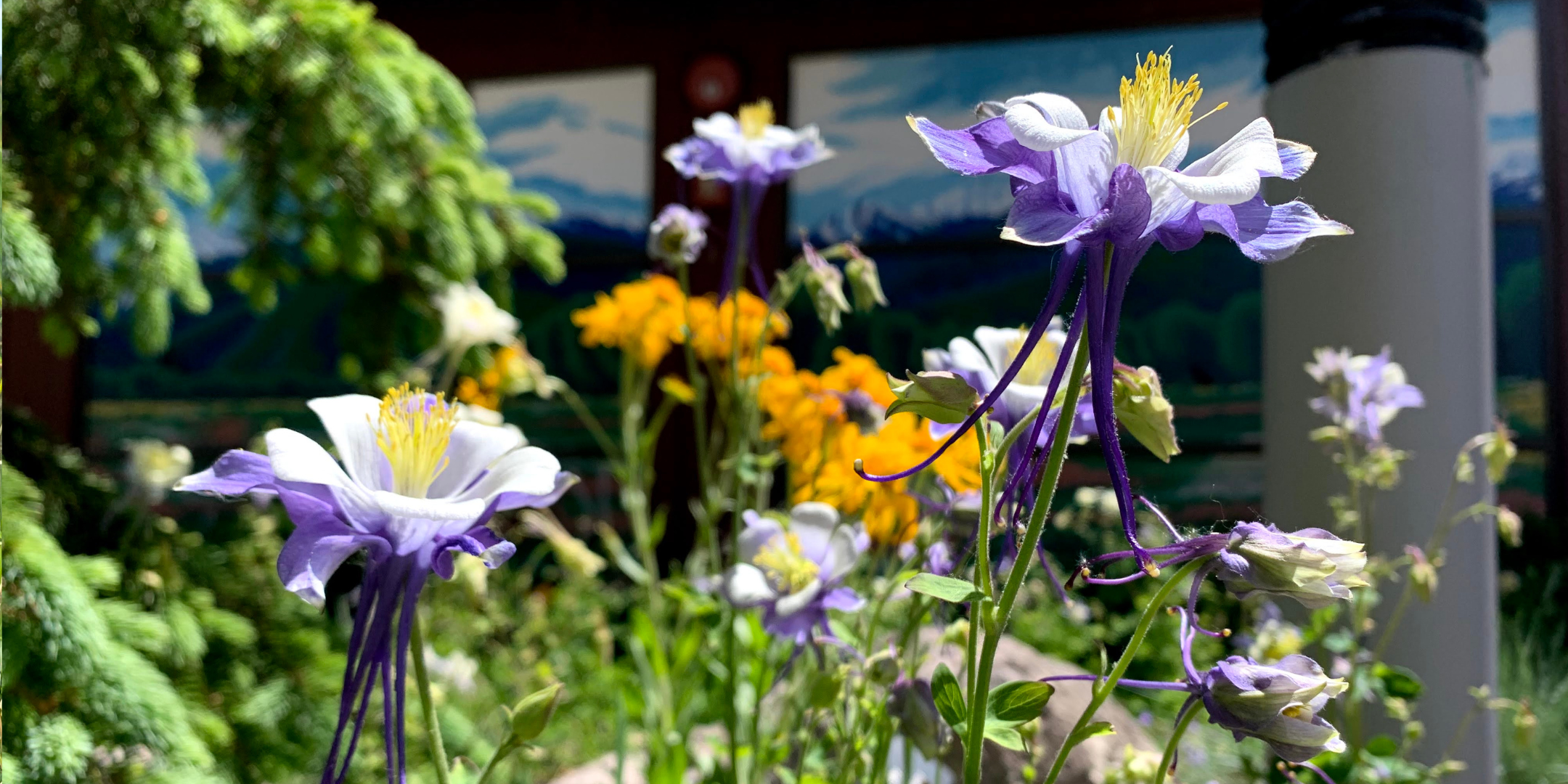
Spread the Word (and the Seeds!)
You heard it here first: Swaner Preserve is starting a little free native seed library! This resource, intended to provide native seeds to the public, is set to open in conjunction with the “Ephemeral” Art Show this September at the EcoCenter.

Become a Community Scientist
Towards the end of April, you have a unique opportunity to become a part of something big – the City Nature Challenge! In Park City, this event is a collaboration between Swaner Preserve & EcoCenter and Basin Recreation, and it's all about observing and d
Life on the Edge: Extreme Environments
Utah is home to a plethora of unique habitats and ecosystems, some of which create especially challenging conditions for survival! Many organisms in Utah depend on special adaptations to help them survive and even thrive in these extreme environments.

How Stars and Nature Guide Us Through Change
Places like the Swaner Preserve have become increasingly rare. Behind a shopping plaza with diverse restaurants, boutiques, and condos, there lies a 1,200-acre piece of permanently protected open space. It starkly contrasts the life around its border—a sl
Events
Location, Hours & Contact
Physical & Mailing Address
1258 Center Drive
Park City, Utah 84098
EcoCenter Hours
Wednesday – Sunday, 10 am – 4 pm
The EcoCenter will close early at 1 PM on Wednesday, August 19.
Email
swanerecocenter@usu.edu
Phone
435-649-1767
