
Stewardship in Action: Intern Insights
By Alivia Preston and Thomas Jameson | September 24, 2025
What’s it like to spend a summer caring for 1,200 acres of wildlife habitat? Our 2025 Conservation and Outreach interns just finished up their season, and they're here to tell you all about it. Read on for their reflections!

Day in the Life: Conservation and Outreach Intern
By Alivia Preston
As a conservation and outreach intern at Swaner Nature Preserve, every day is full of new adventures, plant identifications, conservation projects, community engagement, and meaningful lessons. Our day-to-day work on the conservation team varies on what tasks we will aim to tackle that day.
Our days start bright and early to beat the heat. Typically, mornings are spent outside on the preserve, waking up with the wildlife around us; a beaver swims towards its lodge to rest, swallows chirp and soar overhead, and a fawn stretches under a willow tree. Through early to mid-summer, the majority of our mornings are spent tackling noxious weeds. We manage species such as dyer’s woad, musk thistle, and houndstongue through a variety of techniques. Check out Weed it and Reap: How Swaner Tackles Invasive Plants to learn more about these efforts. Every week, we lead a volunteer weed management group on Wednesday mornings. These experiences are filled with community building and sharing a variety of information going on in Park City. Often times, other community organizations attend weeding sessions as a group and share more about their own organizations as we work together. I learned so much about local organizations and individual efforts in our community. This summer, we have collected close to 5,000 pounds of invasive weeds as a conservation team and with our helpful volunteers. As we move into early fall, the weeds are starting to go to seed. This is our final push for eradication. Around this time, we start collecting native seeds from flora that are on the preserve. We collect about half of the population that is going to seed so that we can revegetate and reseed areas that were previously dominated by noxious weeds. Throughout this time on the preserve, I am immersed in an environment full of new information. I am constantly learning new plants, wildflowers, birds, behaviors, adaptations, and relationships of organisms. I am so grateful and lucky to learn from the nature that surrounds me.
The afternoon section of our day changes based on necessity. Once a week, we monitor Kestrel and Bluebird boxes that are placed throughout the preserve. The Kestrel monitoring is in conjunction with HawkWatch International’s Cavity Adopting Raptor Ecological Studies (CARES), who collects and analyzes our data. This year we monitored three Kestrel boxes and to our excitement, one of the boxes had a clutch of eggs. From early May until mid-July, we got to witness five small eggs become stumbling and fluffy hatchlings into fledglings and leave the nest. One of my favorite days this summer was watching the young Kestrel babies learning how to fly - playing like siblings in the sky just outside their nest. We also monitored 15 smaller cavity boxes for Mountain Bluebird populations. This year, we did not have any bluebird populations, however, we had Tree Swallow populations lay eggs in eight nests. Of those nests, four had a complete clutch with fledglings. The monitoring is an important effort because it gives us insight into native bird populations throughout Utah and provides critical habitat to cavity nesting birds.
Another task that we spend our time on is setting up camera traps and looking through photos. For more information on this see Camera and Critters: The Secret Life of a Wetland Preserve. In the hot afternoons, we will spend a good chunk of time sorting through these photos and identifying what organisms are caught on camera. This year we have seen elk, deer, cranes, beavers, badgers, raccoons, foxes, and birds of all kinds. These glimpses offer fascinating insight into the secretive lives these animals live.
In addition to these primary responsibilities, our days often include a variety of other tasks: making repairs, picking up trash, releasing biocontrol insects to control invasive weed populations, sanding and staining, watering pollinator gardens, pressing plant specimens, and participating in broader community initiatives. These include the Utah Master Naturalist Watersheds course, Utah’s Cooperative Weed Management Areas (CWMA) noxious weed training, and Swaner’s Walks, Talks, and Workshops for adult education.
As a Park City local, I spent my childhood with Swaner Nature Preserve behind my backyard. The interactions I had as a kid with the wild spaces around me shaped so much of who I am today. I never could have imagined all of the work that goes into the conservation efforts to keep this land beautiful. I am so grateful for the opportunity to return to my home and partake in the conservation projects and land management practices of a space that is so special to me. I have learned so much from this internship already and continue to love every day of work!
My Summer at Swaner Preserve
By Thomas Jameson
My summer as a conservation and outreach intern at Swaner Preserve and Ecocenter has been filled to the brim with so many wonderful experiences so far. I’ve been tasked with helping to care for and protect the ecosystems that comprise the Preserve. Alongside the rest of our small conservation team, I’ve carried out that mission through a wide variety of conservation and public engagement activities.
Each week fellow intern and I monitored dozens of bird boxes housing chickadees, tree swallows, and American kestrels—watching nests get built, eggs hatch, grow, and eventually take flight. I also learned how to set and monitor camera traps-tracking wildlife activity across the preserve and getting some pretty amazing pictures along the way. As summertime begins to wind down, the conservation team has begun seed collection, accumulating bags upon bags of native seed to be scattered around the preserve, strengthening an already vibrant ecosystem.
While this internship has been an excellent time, it is most certainly not for the faint hearted. A significant part of my role has noxious weed management, helping to lead volunteer groups and limit the spread of these invasives. So far, the conservation team and volunteers have pulled nearly 5,000 pounds of invasive weeds, which has been no easy feat during this swelteringly hot summer. But hey, it might be the coldest summer for the rest of our lives! All jokes aside, it has been incredibly gratifying to have a small part in tackling such a pervasive issue as invasive weeds.
One of the highlights of my time so far has been completing the Utah Master Naturalist Watershed course, which gave me a much deeper appreciation for the interconnected systems of our region. I was able to experience firsthand the entire watershed journey — from the rushing headwaters of the high Uintas, through threatened East Canyon Creek and a state-of-the-art East Canyon Water Reclamation Facility, and finally to the terminal waters of the Great Salt Lake. Along the way, I not only learned a ton about ecology, and water management, but also had the chance to engage with some great people.
Altogether, my time at Swaner so far has been both challenging and deeply rewarding, blending hard work in the field with learning and growth. The skills I’ve gained, the people I’ve met, and the perspective I’ve developed will stay with me long after this summer, opening my eyes to the ways I can make the world a better place.

Removing invasive weeds. From left to right: Thomas holding Dyer's Woad, Liv holding Houndstongue.
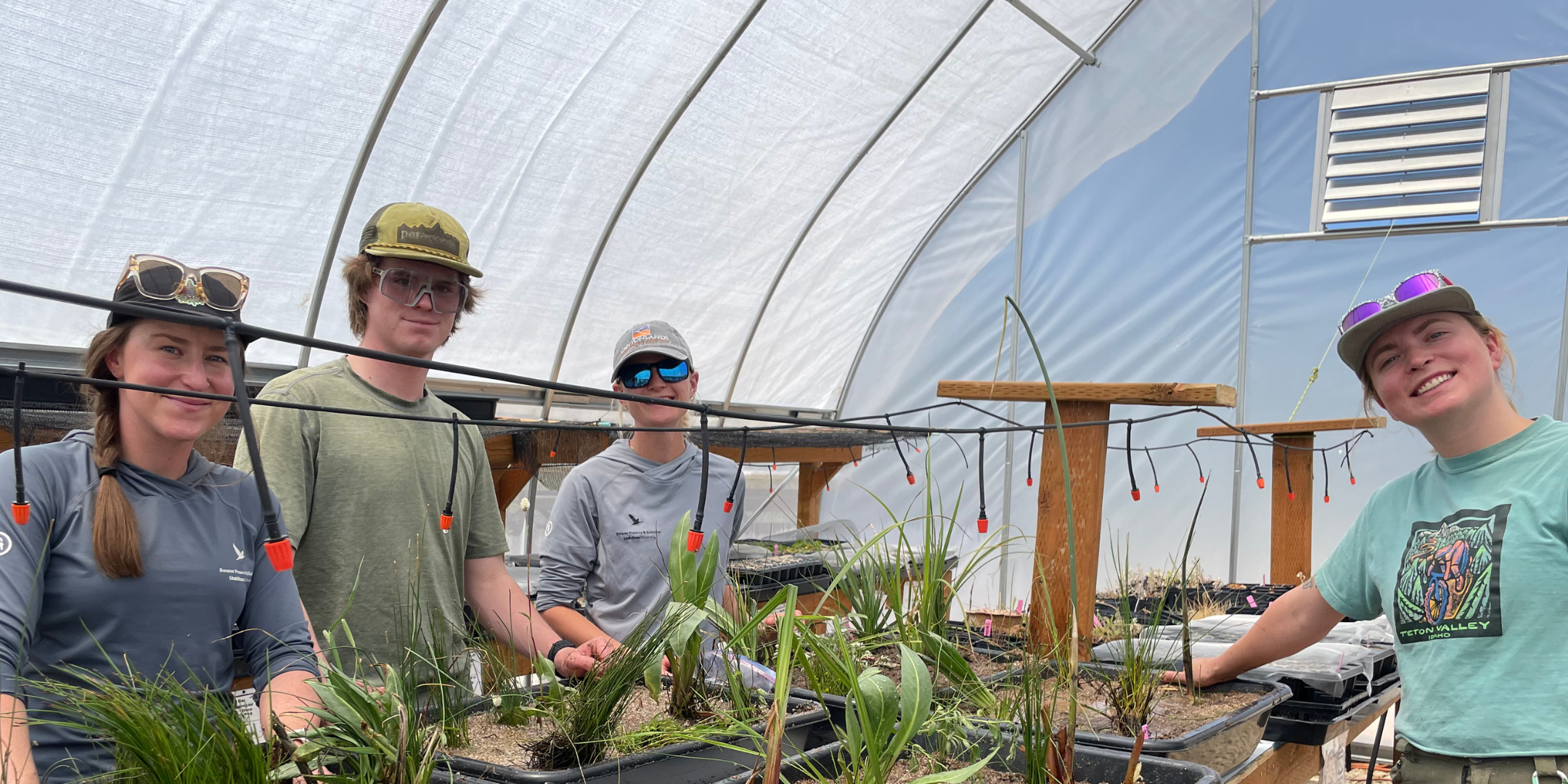
Propagating wetland plants in Basin Recreation greenhouse. From left to right: Rhea (Director of Conservation), Thomas, Liv, and Margaux (Conservation & Outreach Assistant)
Other Naturalist News
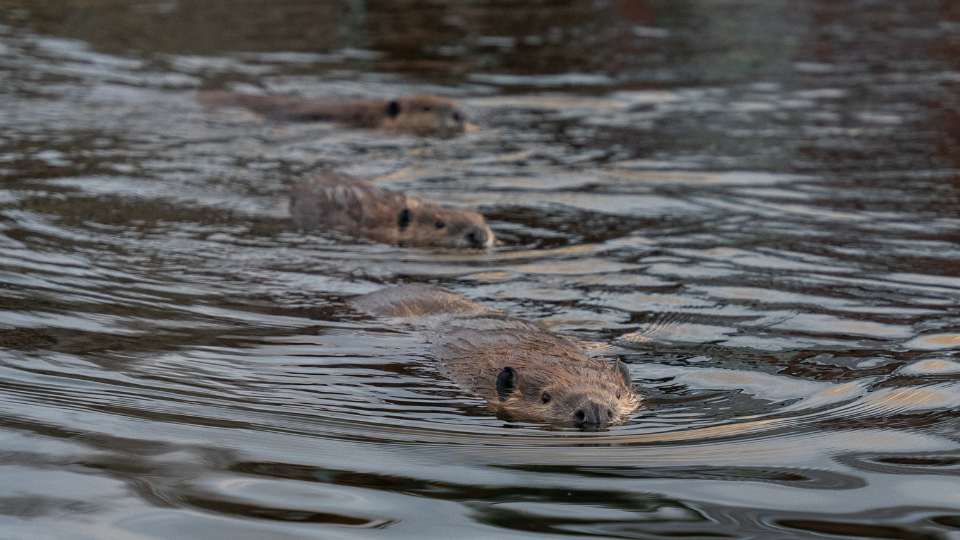
Loss of Beaver Population Next to Swaner EcoCenter
Between March 23 and April 2, five dead beavers were discovered near the Swaner Preserve & EcoCenter by Swaner staff. All five beavers shared one lodge outside the EcoCenter, and samples collected from one of the beavers tested positive for tularemia.
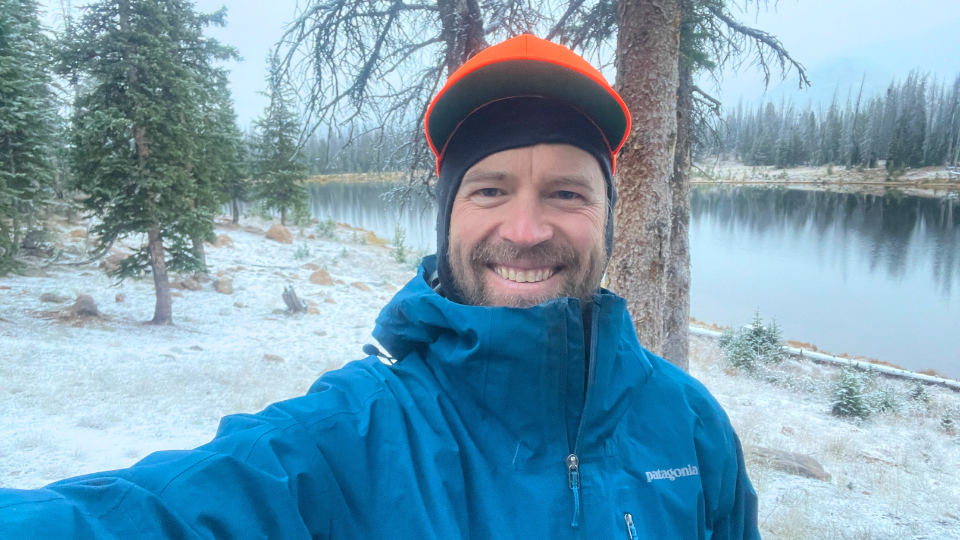
Swaner Preserve & EcoCenter Welcomes New Executive Director
We are thrilled to announce our new executive director, Lewis Kogan. Learn more about his impressive career and excitement to join the organization.
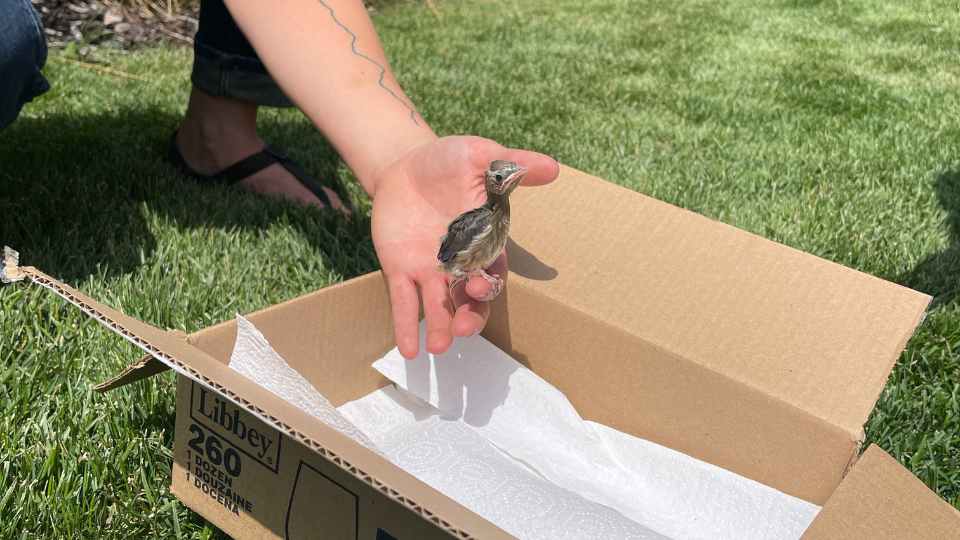
What To Do If You Find a Baby Bird
It’s spring, which means baby animals of all kinds are starting to appear! Learn what to do if you find a baby bird during this time of year.

Stewardship in Action: Intern Insights
What’s it like to spend a summer caring for 1,200 acres of wildlife habitat? Our 2026 Conservation and Outreach interns just finished up their season, and they're here to tell you all about it. Read on for their reflections!

Amazing Butterflies
If you enjoy summer days hiking in the local mountains or sitting among the flowers in a nearby garden, you have undoubtedly observed butterflies flitting from flower to flower or gliding on updrafts overhead. These small fragile creatures have withstood

American Wetlands Month
Did you know that May is American Wetlands Month? It's the perfect time to celebrate the amazing wetlands right here in the Wasatch Back! Wetlands are one of the most important—and rare—ecosystems in Utah. In fact, less than 1% of our entire state is cons

Clever Creatures: How Local Wildlife Prepares for Winter
All around us, wildlife here on the Wasatch Back are making remarkable adjustments to survive the cold months ahead. Some tuck themselves away in a kind of suspended animation, while others stay active, transforming their behavior to endure freezing tempe
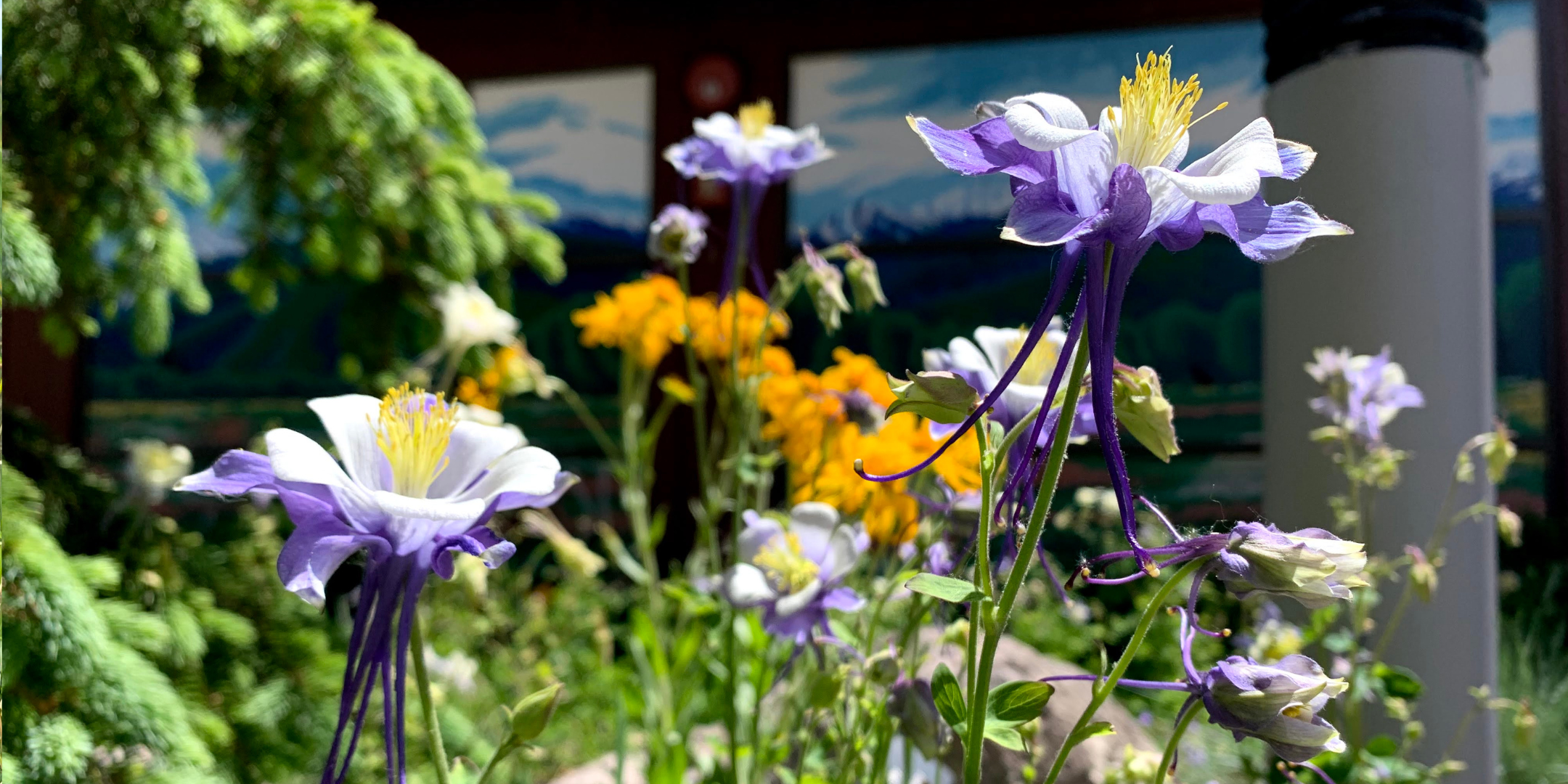
Spread the Word (and the Seeds!)
You heard it here first: Swaner Preserve is starting a little free native seed library! This resource, intended to provide native seeds to the public, is set to open in conjunction with the “Ephemeral” Art Show this September at the EcoCenter.

Become a Community Scientist
Towards the end of April, you have a unique opportunity to become a part of something big – the City Nature Challenge! In Park City, this event is a collaboration between Swaner Preserve & EcoCenter and Basin Recreation, and it's all about observing and d
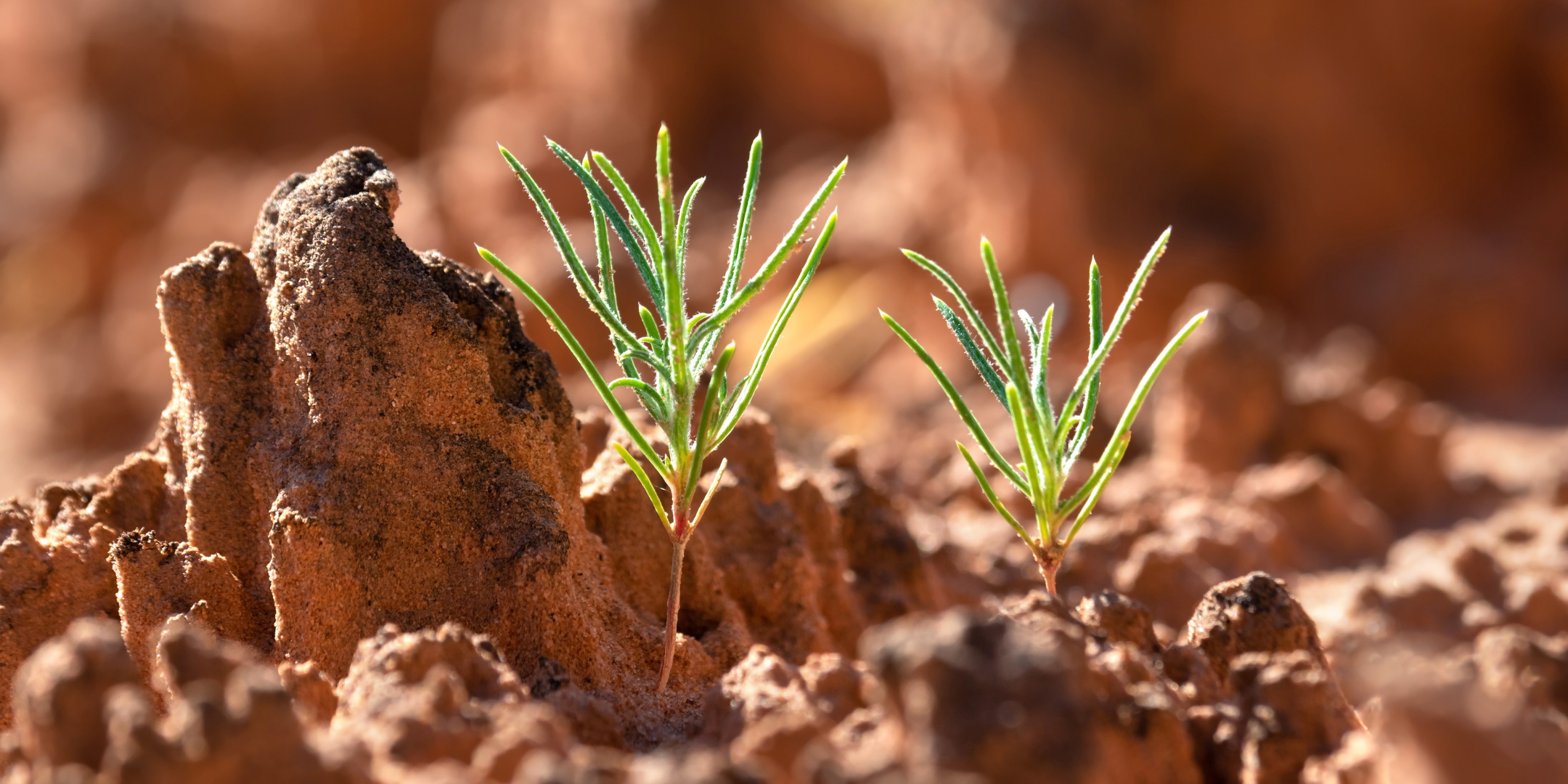
Life on the Edge: Extreme Environments
Utah is home to a plethora of unique habitats and ecosystems, some of which create especially challenging conditions for survival! Many organisms in Utah depend on special adaptations to help them survive and even thrive in these extreme environments.
Events
Location, Hours & Contact
Physical & Mailing Address
1258 Center Drive
Park City, Utah 84098
EcoCenter Hours
Wednesday – Sunday, 10 am – 4 pm
The EcoCenter will be closed on Thursday, November 26.
Email
swanerecocenter@usu.edu
Phone
435-649-1767
