
Invasive Pests
Outreach and Educational Materials
FACT SHEETS
Asian Giant Hornet
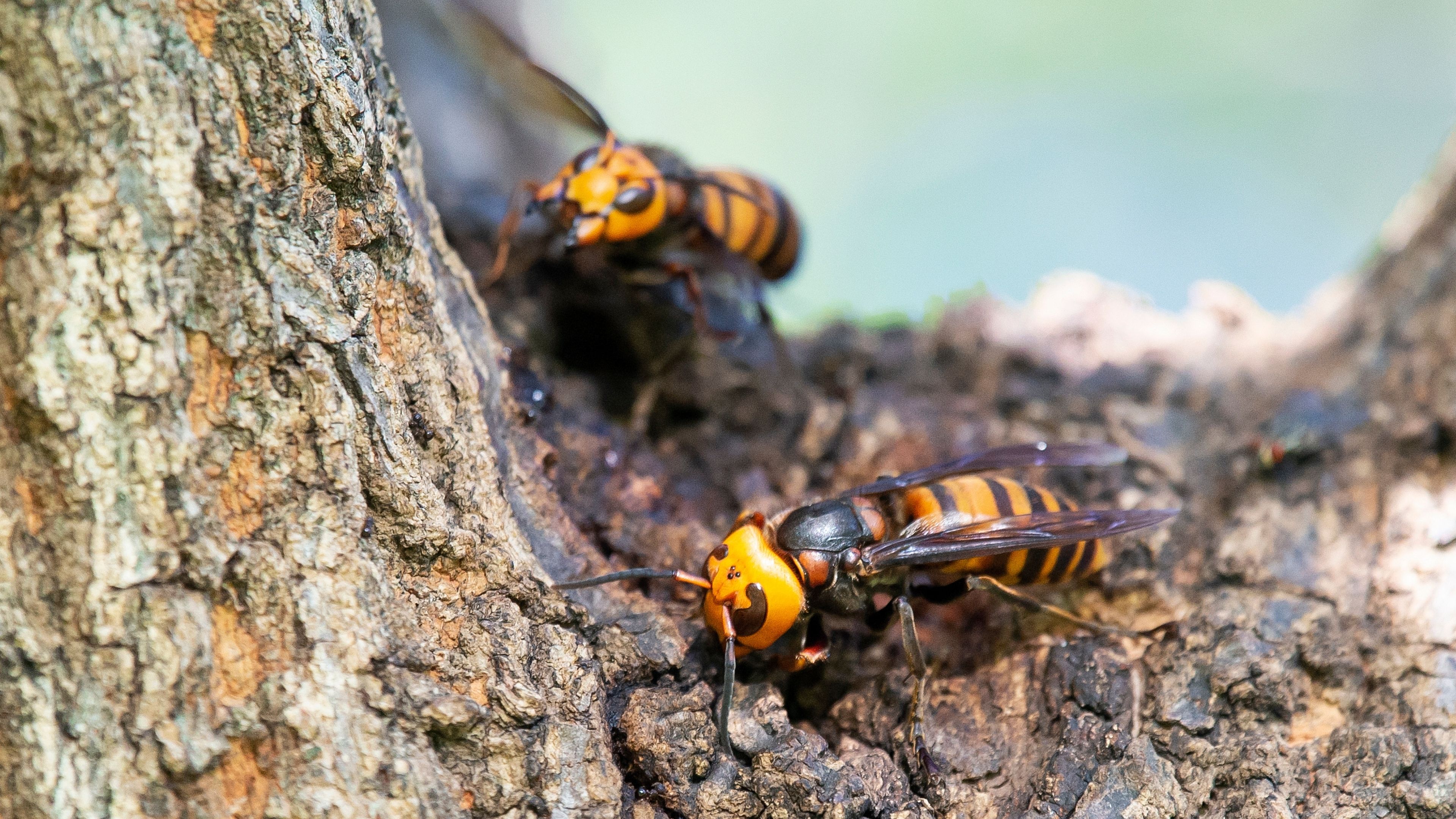
The Asian giant hornet (AGH) is an invasive wasp native to Southeast Asia that was recently detected in a small area of North America, but is not known to be established in that region. This insect is a concern to beekeepers because it can quickly destroy honey bee colonies. Stings can cause pain and swelling and are a health concern for people with bee or wasp allergies. At roughly 2 inches in length, AGH is the world's largest hornet.
Asian Longhorned Beetle
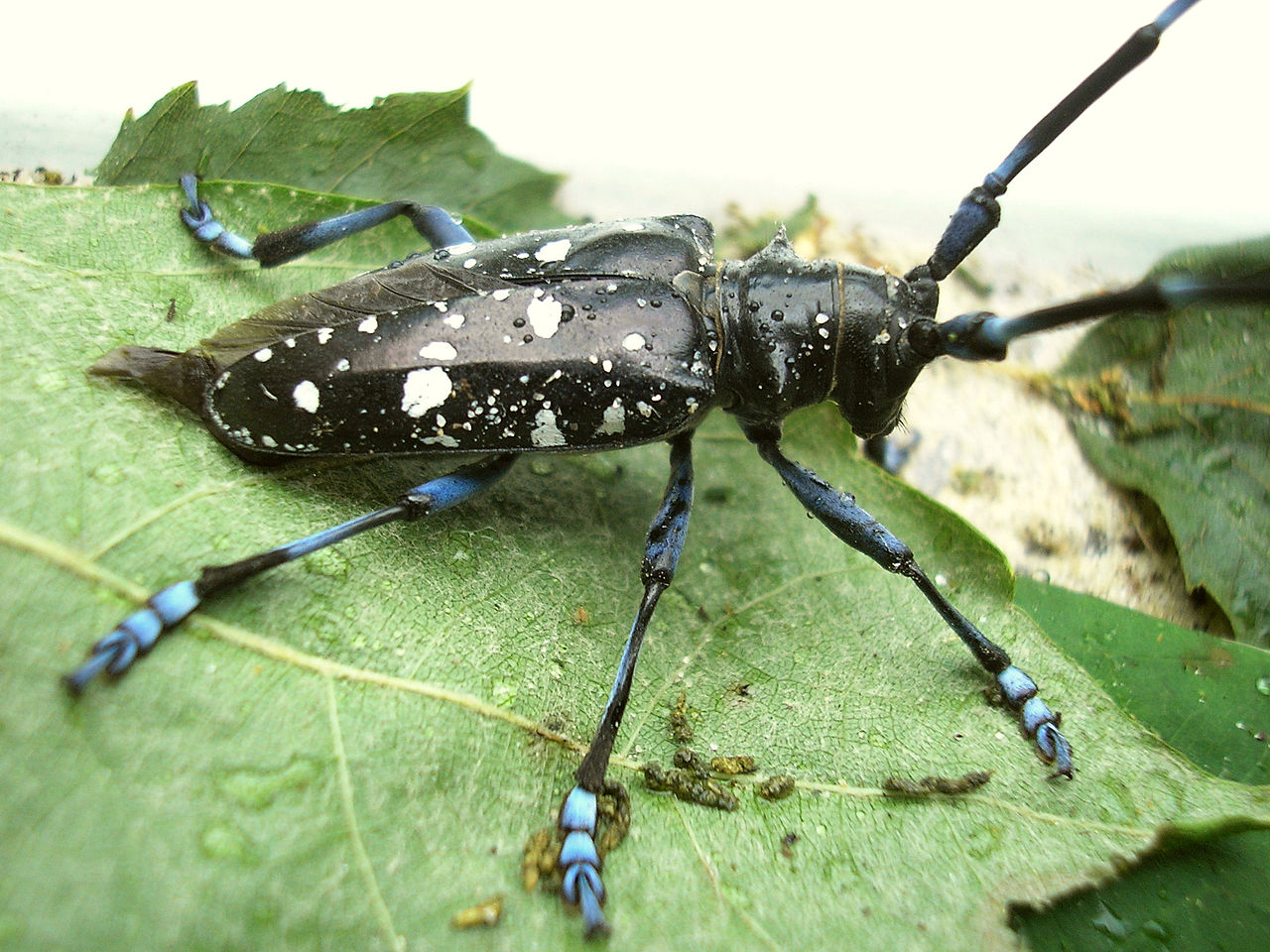
Asian longhorned beetle (ALB) is an invasive wood-boring pest that threatens over 100 hardwood tree species and maple syrup production. ALB is currently known to occur in Massachusetts, New York, South Carolina, and Ohio. Citizen reports of this pest have been critical in restricting the movement of this pest, which has no known enemies in North America.
Balsam Woolly Adelgid

Balsam Woolly Adelgid (BWA) is a tiny sucking insect that was introduced to North America from Europe. In the U.S., it is a serious pest of true firs in forests, landscapes, and in seed and Christmas tree production. In some areas of North America, BWA has completely removed true firs from forest stands. In Utah, subalpine fir is a highly susceptible host tree. Be on the lookout for signs of this destructive pest.
Brown Marmorated Stink Bug
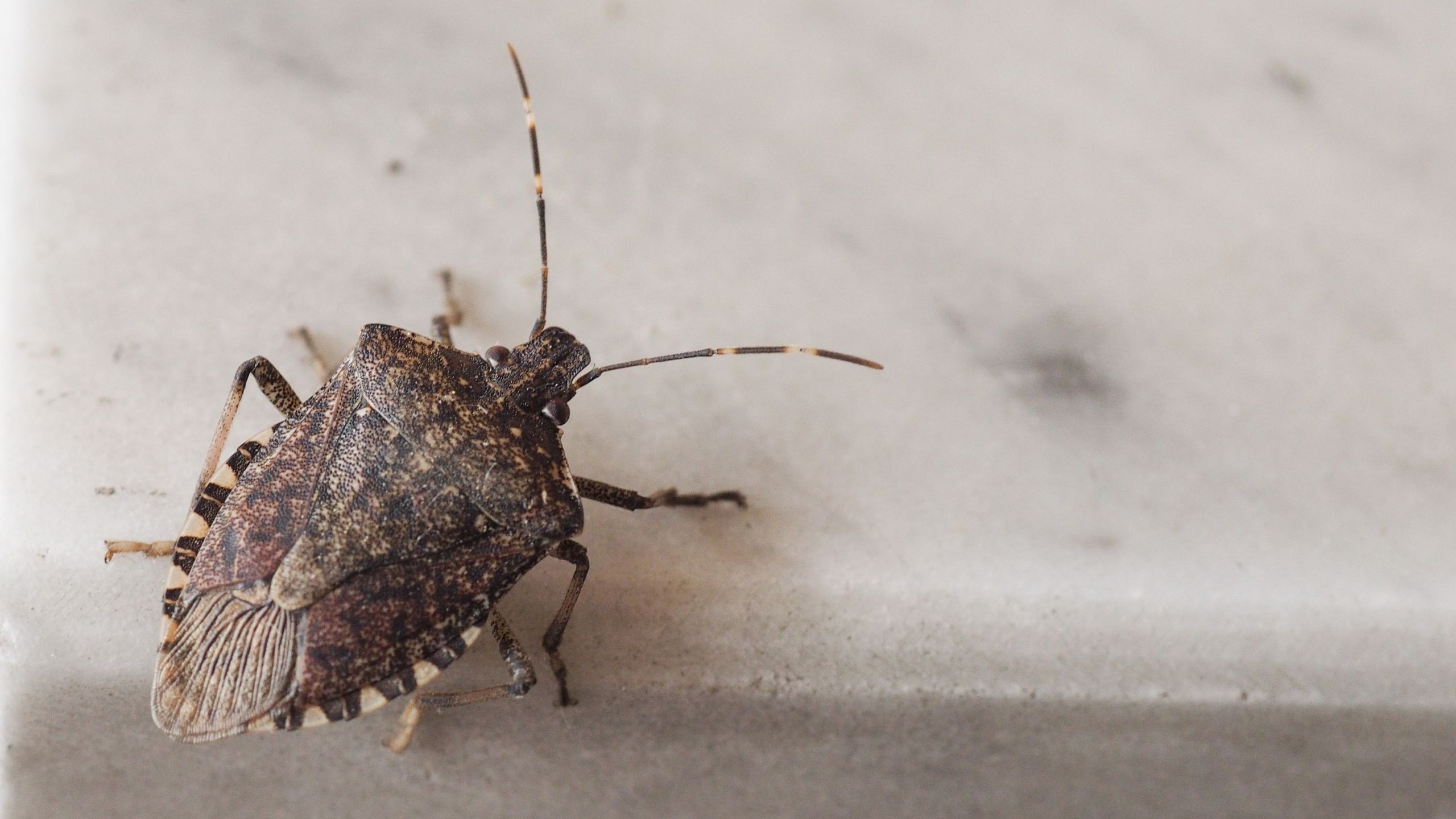
The brown marmorated stink bug (BMSB) was accidentally introduced into the eastern U.S. from Asia in the late 1990s and was first detected in Utah in 2012. BMSB now occurs in several northern Utah counties. BMSB can be a nuisance pest as it aggregates in large numbers, and it has a broad host range that includes fruit, vegetable, ornamental, and field crop plants.
Brown Marmorated Stink Bug - Management for Fruits and Vegetables

Brown marmorated stink bug (BMSB) is an invasive insect that attacks fruit and vegetable crops in Utah. BMSB was first detected in Utah in 2012, and since 2017 it has caused damage to fruits and vegetables in some Northern Utah counties. More detailed monitoring and management strategies are included here.
Brown Marmorated Stink Bug - Parasitoids
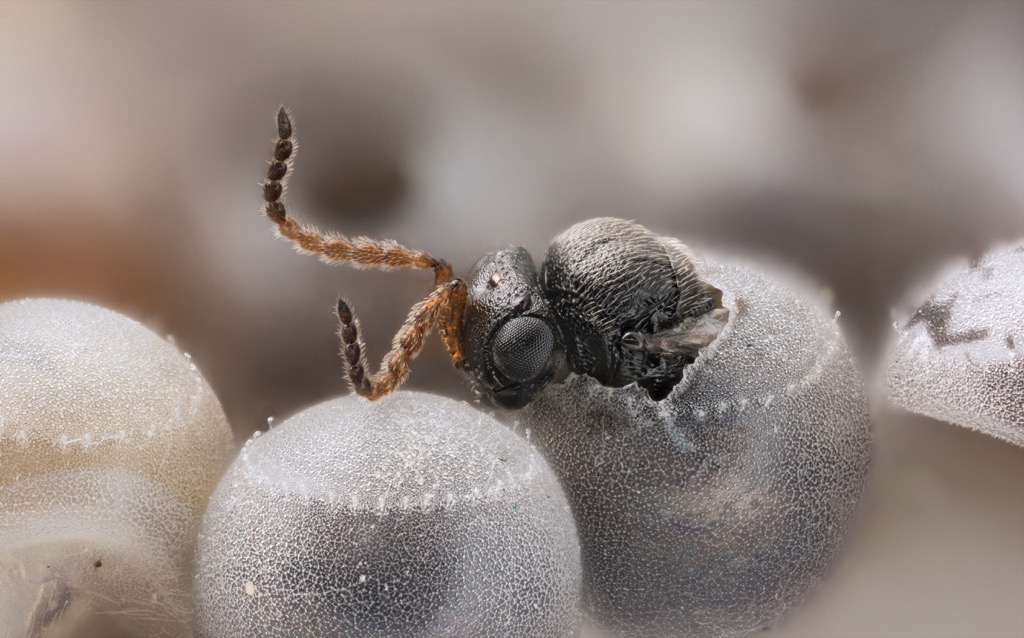
Parasitoid wasps that sting and kill brown marmorated stink bug (BMSB) eggs are the most promising type of biological control for this invasive pest. Parasitoid wasps found in Utah that can affect BMSB are discussed here, including the highly specialized samurai wasp, Trissolcus japonicus, that is native to BMSB’s home range and was detected in Utah in June 2019.
Brown Marmorated Stink Bug - Predatory Samurai Wasp in Utah
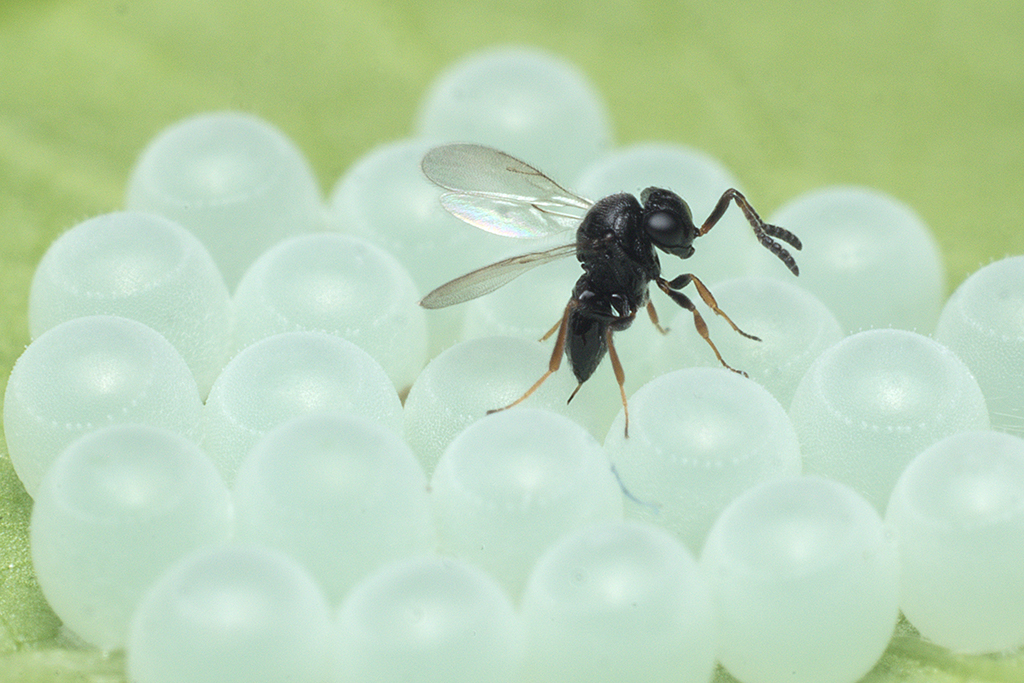
In June 2019, the exotic parasitoid "samurai wasp" (Trissolcus japonicus) was discovered in Salt Lake City. This wasp targets the brown marmorated stink bug (BMSB) in its native Asia and is currently the most promising biological control agent for BMSB.
Elm Seed Bug

The elm seed bug (ESB) was first discovered in the U.S. in Idaho in 2012. In Utah, ESB is now a nuisance pest as it enters homes and buildings in great numbers, similar to the boxelder bug's behavior. ESB is now widely distributed along the Wasatch Front and within Cache County as well as other counties in Utah.
Emerald Ash Borer

The emerald ash borer (EAB) is a highly-destructive invasive pest that has caused extensive damage to ash trees where it has become established in North America. Although it has not been detected in Utah, EAB is now established most closely in Colorado where it is causing extensive damage to ash trees. EAB initially infests tree crowns, and emerging adults leave behind distinctive D-shaped exit holes on the tree trunk. EAB larvae create serpentine shaped, excrement-filled channels that appear on peeled bark.
European Cherry Fruit Fly

The European cherry fruit fly (ECFF) is a new invasive pest from Europe that infests cherry fruit. It was first detected in North America in Ontario (2016). Larvae are the damaging life stage as they feed within fruits, causing them to rot and fall off the tree. In Europe, heavy infestations have resulted in 100% fruit loss. Spread occurs primarily through movement of infested fruit.
Imported Fire Ants
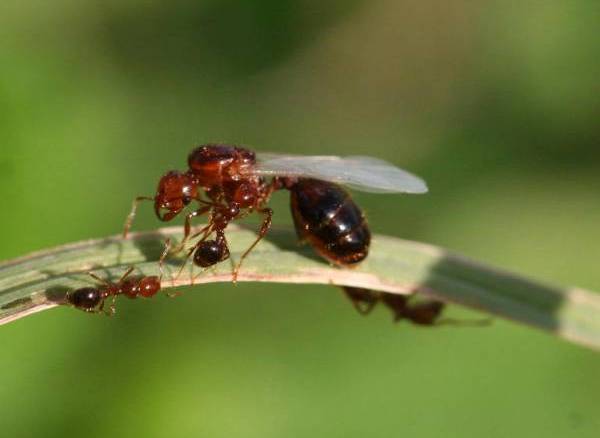
The red and black imported fire ants (IFA) are an invasive and aggressive pest from South America. IFA are not known to occur in Utah, but parts of southern Utah may be suitable for colony establishment, particularly in areas that have accessible water from irrigation or natural sources. IFA cause agricultural, ecological, economical, nuisance, and public health issues. This pest can be easily distinguished from other ants in Utah by the various sizes of workers within a colony coupled with its aggressive nature.
Invasive Insect Look-alikes
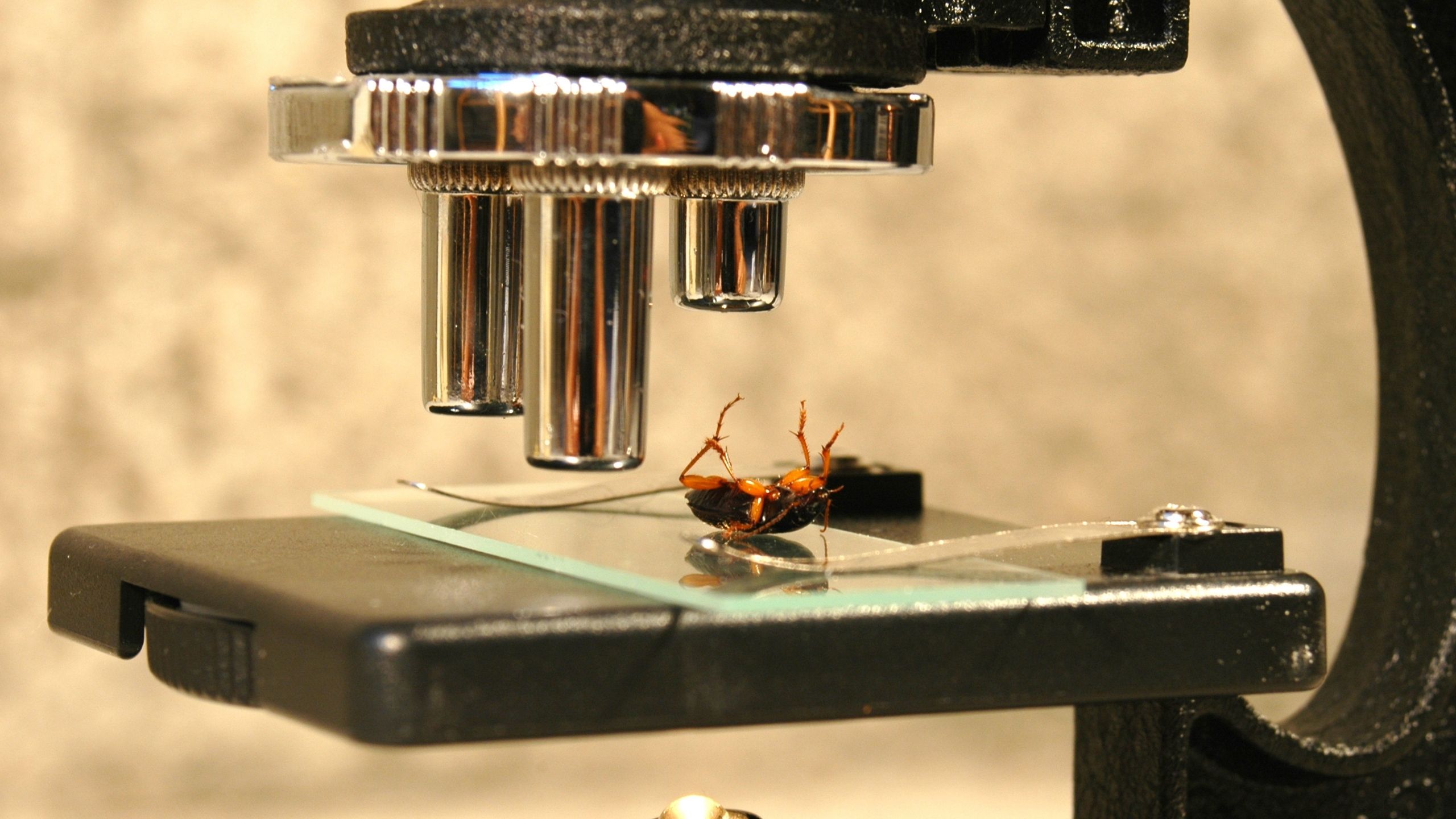
Learn how to identify some invasive insects and their look-alikes. Here, we provide a quick identification guide for brown marmorated stink bug (BMSB) and Japanese beetle (JB)--both of which currently occur in Utah--as well as emerald ash borer (EAB) and Asian longhorned beetle (ALB).
Japanese Beetle
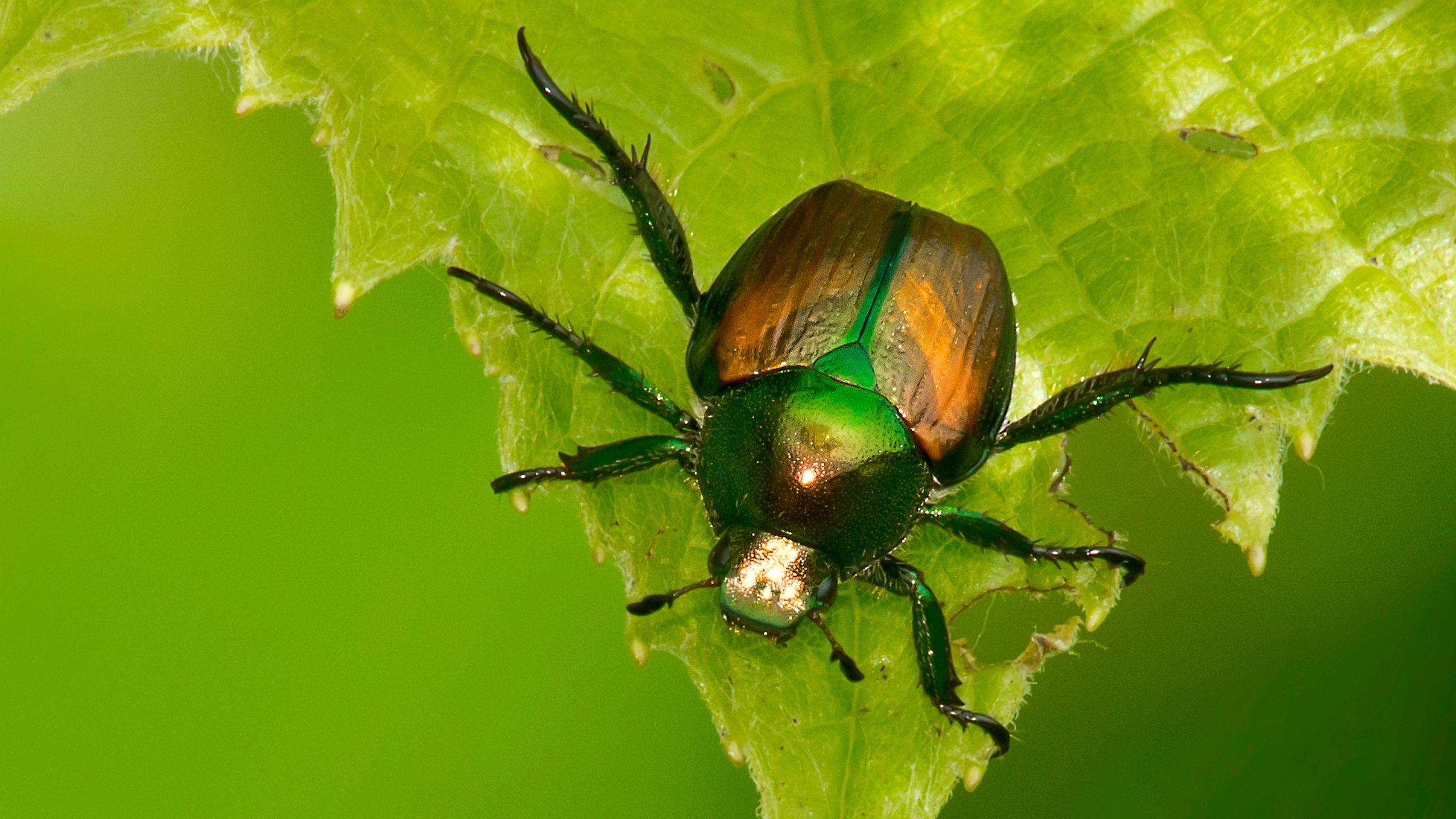
Japanese beetle was initially detected in Utah in 2006 in Orem. Past eradication efforts were highly successful, but constant pressure from travel and trade has resulted in a few additional captures in monitoring traps in recent years. Adults have a broad host range (over 300 plant species) and can cause significant damage.
Lily Leaf Beetle
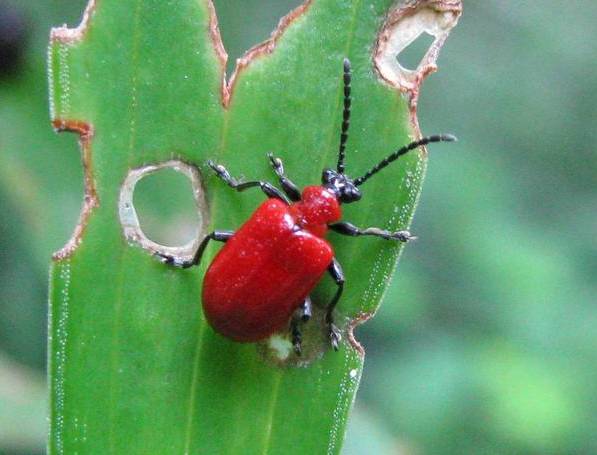
The lily leaf beetle (LLB) is a an important pest from Eurasia that threatens native and cultivated true lilies and fritillaries. LLB adults and larvae create large holes as they feed, and all parts of host plants can be consumed. LLB has not been detected in Utah, but it is likely capable of establishing throughout most of the U.S. where plants in the Liliaceae family occur, which includes Utah.
Quagga Mussel and Zebra Mussel

Quagga and zebra mussel are invasive dreissenid mussels native to eastern Europe and western Asia that cause severe disruptions of aquatic ecosystems and critical water infrastructure systems. The quagga mussel was detected in Lake Powell in 2012 and quickly infested the reservoir. Zebra mussel is not known to occur in Utah waterbodies, but it was detected in aquarium "moss balls" sold in Utah in 2021. Important disposal details are included here.
Small Hive Beetle

Small Hive Beetle (SHB) is an exotic pest of honey and bumble bee colonies that is native to Africa. SHB feeds on pollen and honey, kills bee brood and workers, and causes honey to discolor and ferment. This pest is now found throughout much of the U.S. with highest infestations occurring in the Southeast. It was first detected in Utah in 2016. Infestations can be prevented by early detection, using good husbandry techniques, maintaining a high ratio of bees to comb, and keeping hives in partial to full sun. Chemical control options for SHB are limited due to toxicity to bees.
Spongy Moth

Spongy moth, formerly known as European gypsy moth, is one of the most notorious invasive pests of North American forests. Lymantria dispar asiatica is a closely related Asian subspecies that is not established in the U.S. but has been found and eradicated from foreign shipping containers entering U.S. ports. Spongy moth has been eradicated on several occasions in Utah, and monitoring efforts continue in the state.
Spotted Lanternfly

Spotted Lanternfly (SLF) is a new invasive pest from China that was first detected in the U.S. in Pennsylvania in 2014. SLF attacks more than 70 host plants, including grapes, fruit trees, hops, and hardwood ornamental trees. Extensive feeding results in weeping wounds, which combined with SLF's sugary excrement, can promote the growth of sooty mold, a gray-black fungus that can impact plant vigor and crop yield.
Spotted Wing Drosophila - General Information
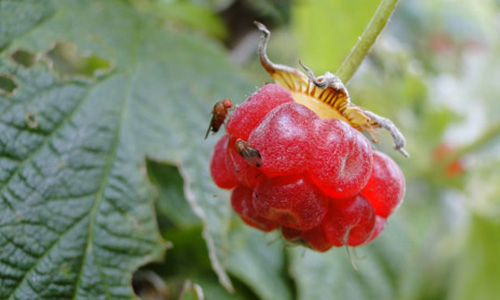
The spotted wing drosophila (SWD) is an invasive pest from Asia that has been detected in many counties in northern Utah. SWD can be controlled using insecticides common in fruit integrated pest management plants. If SWD is caught in monitoring traps, insecticide applications must be used during the unripe fruit stage to prevent damage. Be on the lookout for this pest.
Spotted Wing Drosophila - Monitoring
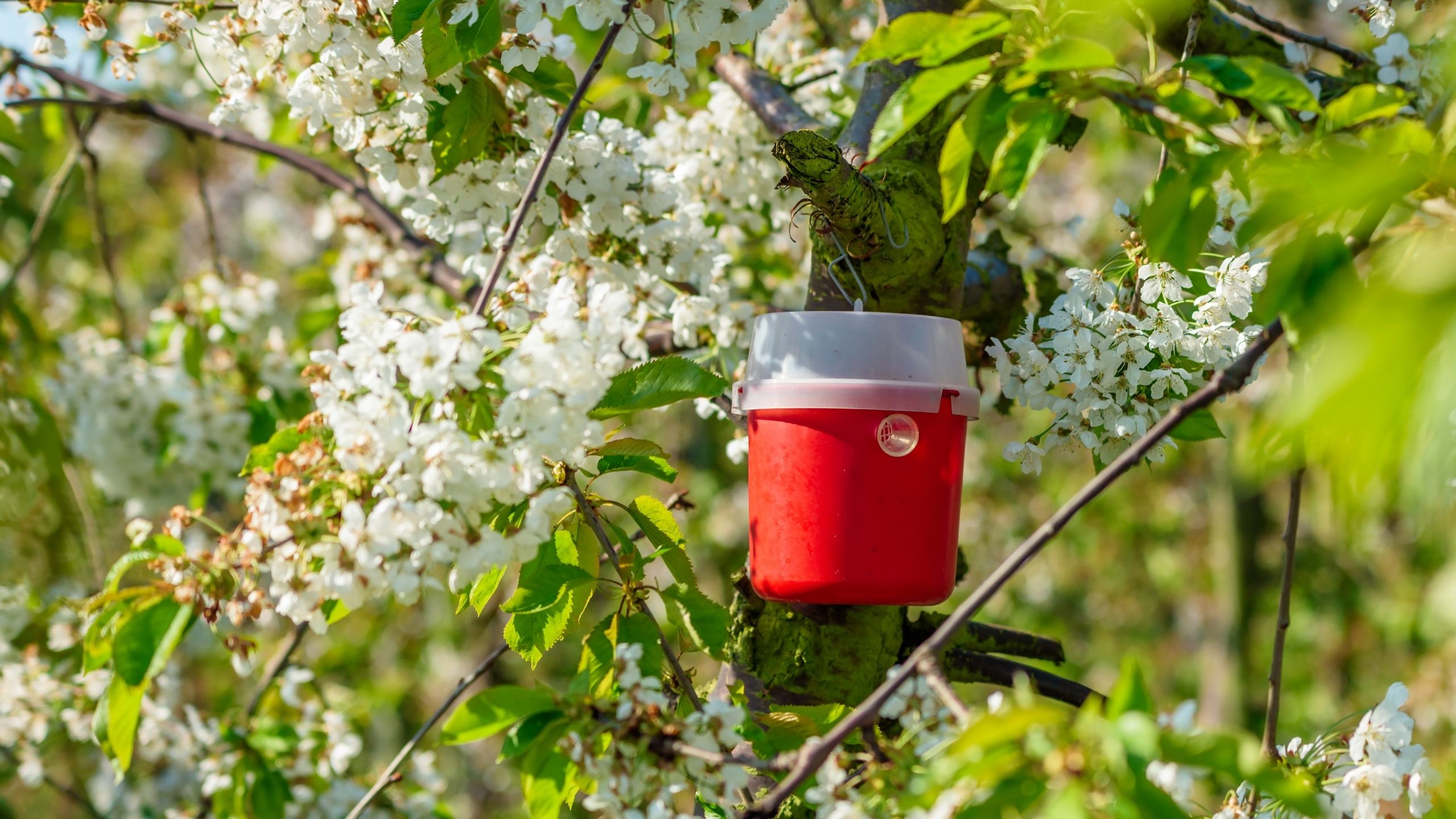
Monitoring is a crucial first step for managing the invasive spotted wing drosophila (SWD). Methods for monitoring and diagnosing SWD are discussed here. Suspected SWD caught in monitoring traps can be sent to the Utah Plant Pest Diagnostic Lab (UPPDL) for identification before applying an insecticide.
Spotted Wing Drosophila - Identification & Trapping

Utah State University Extension specialists explain how to identify the invasive spotted wing drosophila (SWD), and how to attract and trap this exotic pest by using hot water, yeast, sugar, and dish soap.
Velvet Longhorned Beetle

The velvet longhorned beetle (VLB) is an invasive wood-boring beetle native to Asia and Russia that was first detected in Utah in 2010. VLB will attack living and dying trees, as well as green and dried wood; it can infest apple, cherry, mulberry, peach, and a number of deciduous and conifer tree species. Fruit yield, tree longevity, and wood marketability can all be negativly impacted by VLB. Be on the lookout for this pest.
FIELD GUIDES
First Detector Guide to Invasive Insects

This publication covers background, identification, and plant hosts of invasive insects to Utah with an emphasis on preparing citizens to be First Detectors of these pests. It also provides information on monitoring, management, lookalike insects, and what you can do as a First Detector.
Invasive Fruit Pest Guide for Utah

This publication provides detailed information about the identification, monitoring, and management of invasive fruit insects and diseases that threaten fruit production in Utah. Pests include brown marmorated stink bug, spotted wing drosophila, velvet longhorned beetle, Japanese beetle, plum pox virus, and more.
Invasive Pests of Landscape Trees in Utah
This publication covers background, identification, and plant hosts of invasive insects to landscape trees common in Utah. It also provides information on monitoring, management, and lookalike insects.
Invasive Species Handbook: A Resource for Educators
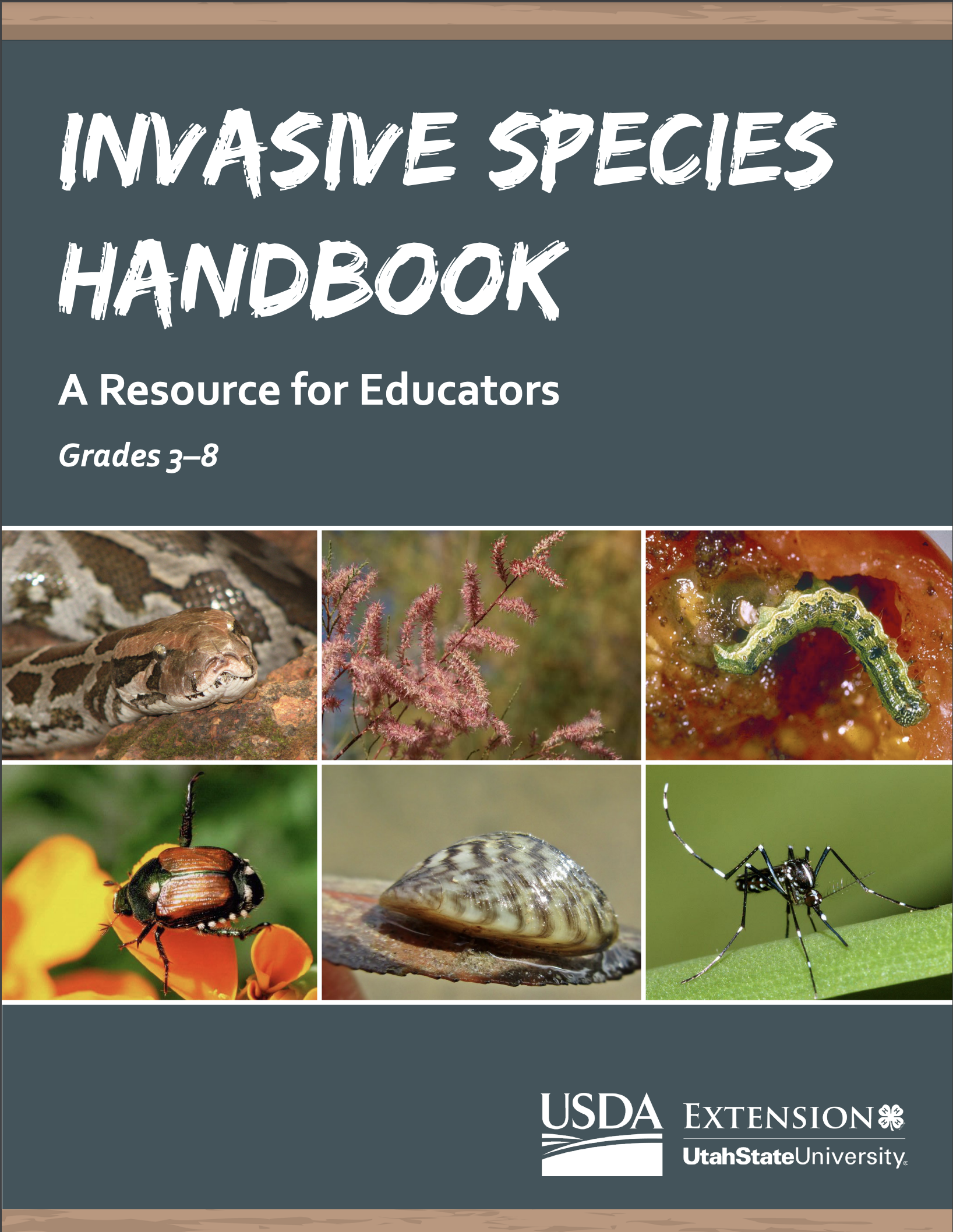
This publication defines "invasive species" and discusses the environmental, economic, and health impacts they have on the planet and on society. It also provides information on how invasive species spread, and lists actions each person can take to prevent this spread from occuring. Information on their monitoring and control is also included.
INFORMATIONAL WEBINARS and POWERPOINTS
First Detector Training - September 27, 2022
- Welcome (Lori Spears, USU)
- Northern Giant Hornet (Lori Spears, USU)
- Diseases of Landscape Trees (Mair Murray, USU)
- Japanese Beetle and Emerald Ash Borer (Joey Caputo, UDAF)
- Spotted Lanternfly and Spongy Moth (Lori Spears, USU)
- Responding to Invasive Species (Dawn Holzer, USDA APHIS PPQ)
- Gardening for Native Pollinators (Skyler Burrows, USU)
Invasive Pest Workshop - March 16, 2022
- Diseases: Bacterial Scorch, Pine Wilt, Phytophthora Crown and Trunk Diseases, Thousand Cankers, and Others (Mair Murray, USU)
- Asian Giant Hornet (Zach Schumm, USU)
- Balsam Woolly Adelgid (Liz Rideout, USU)
- Emerald Ash Borer (Dawn Holzer, USDA APHIS)
- Japanese Beetle (Joey Caputo, UDAF)
- Spotted Lanternfly (Lori Spears, USU)
First Detector Training - September 30, 2021
- Welcome (Lori Spears, USU)
- Partner Agencies and their Roles (Dawn Holzer, USDA APHIS PPQ)
- Asian Giant Hornet (Zach Schumm, USU)
- Spotted Lanternfly (Lori Spears, USU)
- Japanese Beetle and Emerald Ash Borer (Joey Caputo, UDAF)
- Balsam Woolly Adelgid (Liz Rideout, USU)
- Biological Control of Brown Marmorated Stink Bug (Kate Richardson, USU)
- Beneficials in the Garden (Mair Murray, USU)
- Native Bees (Sheriden Hansen, USU)
Invasive Species Webinars (2020-2021)
- Protecting Utah from the Japanese Beetle - Joey Caputo, UDAF, Feb 2021
- Invasion of the Lanternflies: Response and Impact in the Eastern U.S. - Heather Leach, PSU, Jan 2020
- Asian Giant Hornet and its Lookalikes - Joe Wilson, USU, Dec 2020
- Emerald Ash Borer and Common Pests of Ash Trees - Zach Schumm, USU, Nov 2020
- Spotted Wing Drosophila and Other Berry Pests - Lori Spears, USU, Oct 2020
RACK CARDS
Asian Longhorned Beetle (ALB)

This rack card on Asian longhorned beetle contains information on its identification, life stages, actual size, look-alikes, and damage. The card alerts citizens to beware of hitchhikers, take preventative action, and be prepared for proper identification. Rack cards can be placed in racks or handed out individually.
Brown Marmorated Stink Bug (BMSB)

This rack card on brown marmorated stink bug contains information on its identification, life stages, actual size, look-alikes, and damage. The card alerts citizens to beware of hitchhikers, take preventative action, and be prepared for proper identification. Rack cards can be placed in racks or handed out individually.
Emerald Ash Borer (EAB)

This rack card on emerald ash borer contains information on its identification, life stages, actual size, look-alikes, and damage. The card alerts citizens to beware of hitchhikers, take preventative action, and be prepared for proper identification. Rack cards can be placed in racks or handed out individually.
Gypsy Moth (GM)

This rack card on gypsy moth contains information on its identification, life stages, actual size, look-alikes, and damage. The card alerts citizens to beware of hitchhikers, take preventative action, and be prepared for proper identification. Rack cards can be placed in racks or handed out individually.
Japanese Beetle (JB)

This rack card on Japanese beetle contains information on its identification, life stages, actual size, look-alikes, and damage. The card alerts citizens to beware of hitchhikers, take preventative action, and be prepared for proper identification. Rack cards can be placed in racks or handed out individually.
Emerald Ash Borer (EAB)

This rack card on Emerald ash borer provides a second version of information concerning this invasive pest. EAB is considered to be the most destructive forest insect to ever invade the United States, and will attack both healthy and unhealthy trees. Rack cards can be placed in racks or handed out individually.
POSTERS
Asian Longhorned Beetle (ALB)

This poster alerts citizens to beware of hitchhikers, take preventative action, and be prepared for proper identification of the invasive Asian longhorned beetle.
Brown Marmorated Stink Bug (BMSB)

This poster alerts citizens to beware of hitchhikers, take preventative action, and be prepared for proper identification of the invasive brown marmorated stink bug.
Emerald Ash Borer (EAB)

This poster alerts citizens to beware of hitchhikers, take preventative action, and be prepared for proper identification of the invasive emerald ash borer.
Gypsy Moth (GM adult)

This poster alerts citizens to beware of hitchhikers, take preventative action, and be prepared for proper identification of the invasive gypsy moth.
Gypsy Moth (GM larva)

This poster alerts citizens to beware of hitchhikers, take preventative action, and be prepared for proper identification of the invasive gypsy moth.
Japanese Beetle (JB)

This poster alerts citizens to beware of hitchhikers, take preventative action, and be prepared for proper identification of the invasive Japanese beetle.
Don't Move Firewood

This poster alerts citizens that moving firewood can transport tree-killing insects and diseases. Keep your backyard, campgrounds and favorite places safe from insects like Asian longhorned beetle, emerald ash borer, and gypsy moth.
Don't Move Firewood

This poster alerts citizens to buy firewood where they are going to burn it and other ways to help stop the spread of invasive pests and diseases. This poster encourages people to leave firewood at home, buy or collect only what is needed, and use any moved firewood immediately.
Door Hangers
Asian Longhorned Beetle (ALB) Door Hanger

This door hanger on Asian longhorned beetle contains information on its identification, life stages, actual size, look-alikes, and damage. The hanger alerts citizens to beware of hitchhikers, take preventative action, and be prepared for proper identification. Door hangers can be placed on door knobs or handed out individually.
Brown Marmorated Stink Bug (BMSB) Door Hanger

This door hanger on brown marmorated stink bug contains information on its identification, life stages, actual size, look-alikes, and damage. The hanger alerts citizens to beware of hitchhikers, take preventative action, and be prepared for proper identification. Door hangers can be placed on door knobs or handed out individually.
Emerald Ash Borer (EAB) Door Hanger

This door hanger on emerald ash borer contains information on its identification, life stages, actual size, look-alikes, and damage. The hanger alerts citizens to beware of hitchhikers, take preventative action, and be prepared for proper identification. Door hangers can be placed on door knobs or handed out individually.
Gypsy Moth (GM) Door Hanger

This door hanger on gypsy moth contains information on its identification, life stages, actual size, look-alikes, and damage. The hanger alerts citizens to beware of hitchhikers, take preventative action, and be prepared for proper identification. Door hangers can be placed on door knobs or handed out individually.
Japanese Beetle (JB) Door Hanger

This door hanger on Japanese beetle contains information on its identification, life stages, actual size, look-alikes, and damage. The hanger alerts citizens to beware of hitchhikers, take preventative action, and be prepared for proper identification. Door hangers can be placed on door knobs or handed out individually.