
Lactose Intolerance: Practical Solutions for Adults
Written by Caleb Cottle, Dietetic Intern
Reviewed by Lea Palmer, MBA, MPH, RDN
What is Lactose Intolerance?
Lactose intolerance happens when your small intestine does not make enough lactase. Lactase is an enzyme that helps break down the sugar in milk, called lactose.
Symptoms can include:
- Gas
- Bloating
- Stomach cramps
- Nausea & Vomiting
- Diarrhea
MyPlate and Calcium
MyPlate suggests drinking 2 to 3 cups of milk every day to get about 1,000 milligrams of calcium. Calcium helps keep your bones and teeth strong. It also helps your muscles and nerves work well. If you don’t drink milk, you can eat yogurt, cheese, calcium-fortified soy or almond milk, leafy greens like kale, canned salmon with bones, or fortified cereal. Adults need about 1,000 milligrams of calcium each day.
Some dairy sources, such as aged cheeses and yogurts with live active cultures, may be more tolerable for individuals with mild lactose intolerance because they naturally contain less lactose or include bacteria that help digest it. Additionally, lactose-free dairy products and lactase enzyme supplements are available to help improve digestion and reduce symptoms.
| Alternatives to Milk | Serving Size | Calcium (mg) | Lactose (g) |
|---|---|---|---|
| Lactose-Free Milk | 1 cup | ~300 mg | 0 g |
| Yogurt with Live Cultures | 1 cup | ~300 mg | ~5-8 g |
| Cheddar Cheese | 1 slice or 1 oz | 200 mg | 0 g |
| Fortified Soy Milk | 1 cup | 200-400 mg | 0 g |
| Tofu | 1/2 cup | 430 mg | 0 g |
| Collard Greens | 1 cup | ~80 mg | 0 g |
| Broccoli (cooked) | 1 cup | 60 mg | 0 g |
| Almonds | 1 oz | ~420 mg | 0 g |
Why Calcium Matters
Calcium is a mineral that keeps your bones and teeth strong. Getting enough calcium helps prevent osteoporosis. Calcium also helps your muscles move, your nerves send signals, and your blood clot when you get a cut. Eating food with calcium every day is important for good health. For personalized support on incorporating calcium into your diet when dealing with lactose intolerance or an allergy, please consult a Registered Dietitian.
Broccoli with Toasted Almonds Recipe
Ingredients
- 2 cups broccoli florets
- 2 tablespoons sliced or slivered almonds
- 1 teaspoon olive oil (optional)
- Pinch of salt
Instructions
- Steam or microwave broccoli until tender but still bright green (about 3–4 minutes).
- In a small dry pan, toast almonds over medium heat for 2–3 minutes until lightly golden.
- Place broccoli in a bowl, drizzle with olive oil if using, and sprinkle almonds and salt on top.
- Serve warm as a side dish or snack.
References
Office of Dietary Supplements, National Institutes of Health. (2023, October 6). Calcium: Fact sheet for health professionals. https://ods.od.nih.gov/factsheets/Calcium-HealthProfessional/
U.S. Department of Agriculture. (n.d.). Dairy group – One of the five food groups. MyPlate.gov. Retrieved July 2, 2025, from https://www.myplate.gov/eat-healthy/dairy
U.S. Department of Agriculture, Agricultural Research Service. (n.d.). FoodData Central: Milk, whole, 3.25% milkfat, with added vitamin D. Retrieved July 2, 2025, from https://fdc.nal.usda.gov/food-details/173414/nutrients
National Institute of Diabetes and Digestive and Kidney Diseases. (n.d.). Lactose intolerance. Retrieved July 2, 2025, from https://www.niddk.nih.gov/health-information/digestive-diseases/lactose-intolerance
Related Research

Ensuring Adequate Vitamin D Intake Among Infants and Children
Many people in the United States, including children, do not get enough vitamin D in their diet’s. In fact, about 52% of children have low levels of vitamin D in their blood.
Added Sugars: What You Need to Know
Why and how to limit added sugar in your diet, what it is, and where to find it.

Almond Whole Wheat Toaster Waffles
I love this recipe because it has a great nutty flavor and crisp, light texture. It really sticks with me! The whole-wheat flour means I am getting plenty of fiber and phytochemicals. The almond flour adds a wonderful nutty flavor, and some healthy fats,

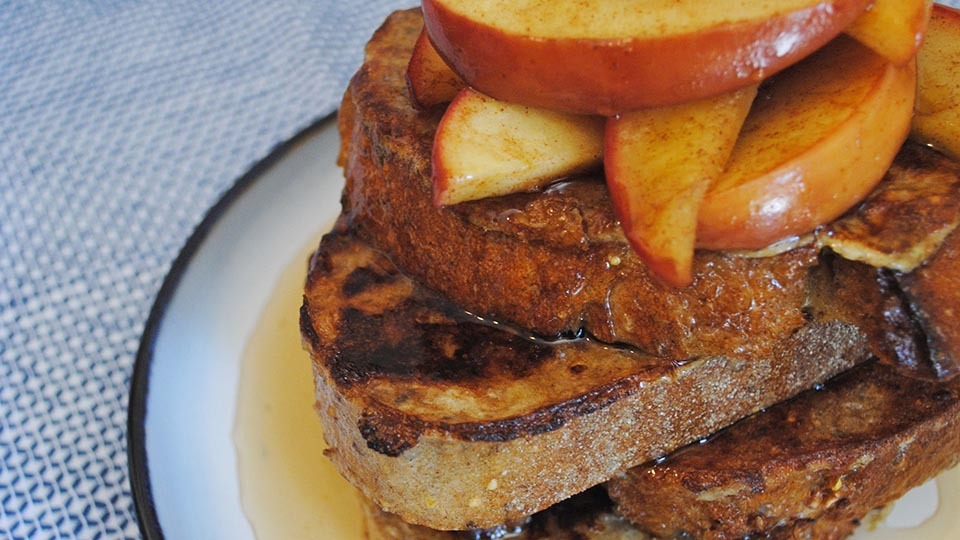
Apple Cinnamon French Toast
Fruity breakfast classic: perfect for family mornings or weeknight dinners. Serves 6-8 people.

Baby-Led Weaning: An Approach to Introducing Solid Foods to Infants
Baby-Led Weaning (BLW) is a safe and effective alternative to the traditional method as it introduces solid foods in a way that respects an infant’s autonomy, provides supplemental nutrition, and promotes healthy weight and eating behaviors (Rapley 2015).

Body Image in Adolescence
This fact sheet addresses risk factors and protective factors in order to help adolescents navigate this critical time frame.
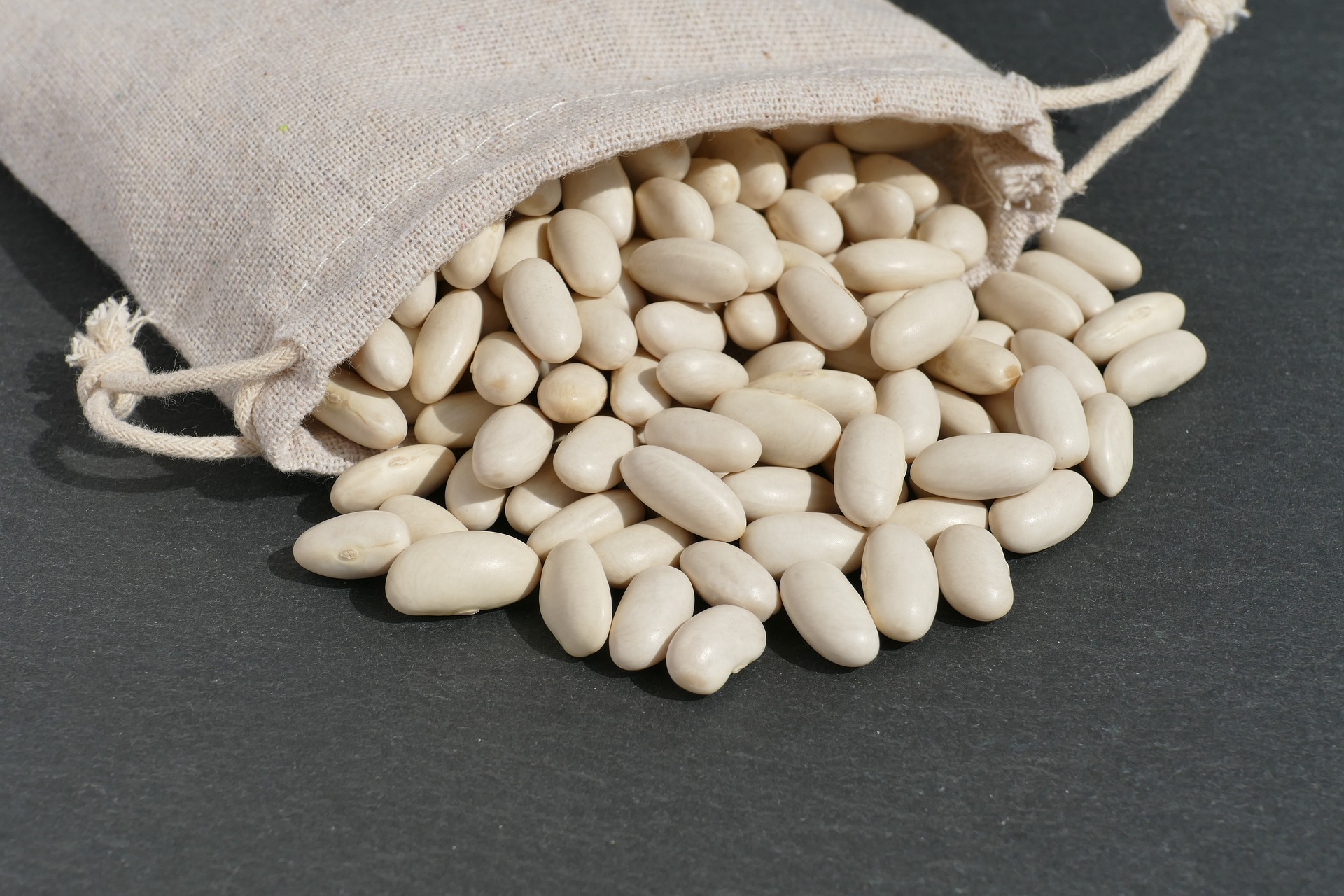
Boost the Benefits with Beans
Replacing fats with bean puree can reduce calories, fat, and cholesterol while adding nutrients.

Breastfeeding or Formula Feeding: A Mother’s Choice
Deciding how to feed an infant is a decision that should be made by a mother and her family. The benefits of exclusively breastfeeding an infant for the first six months of life are well established (World Health Organization [WHO], 2017); however, it may
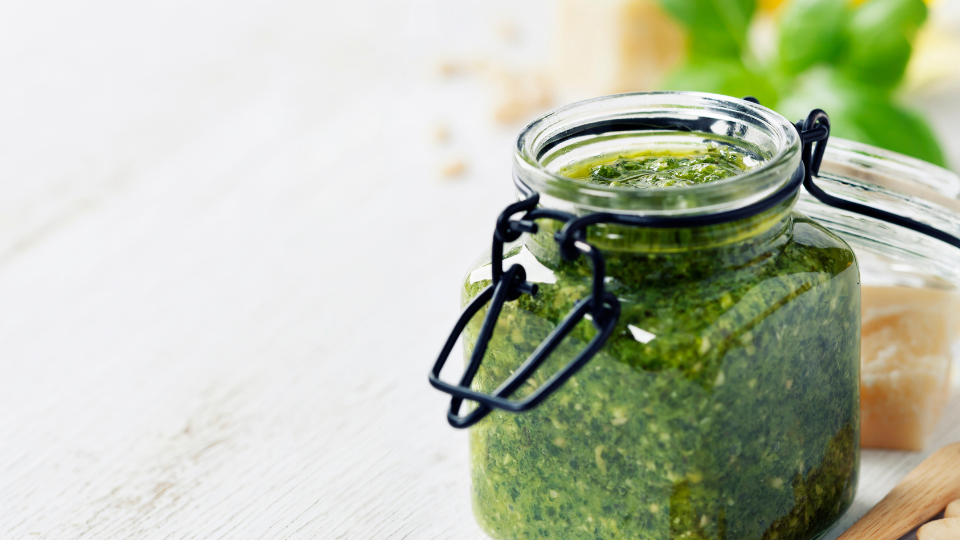
Carrot-Top Pesto Pasta
Carrot top pesto pasta: fresh, zesty, and minty with optional walnuts for crunch.
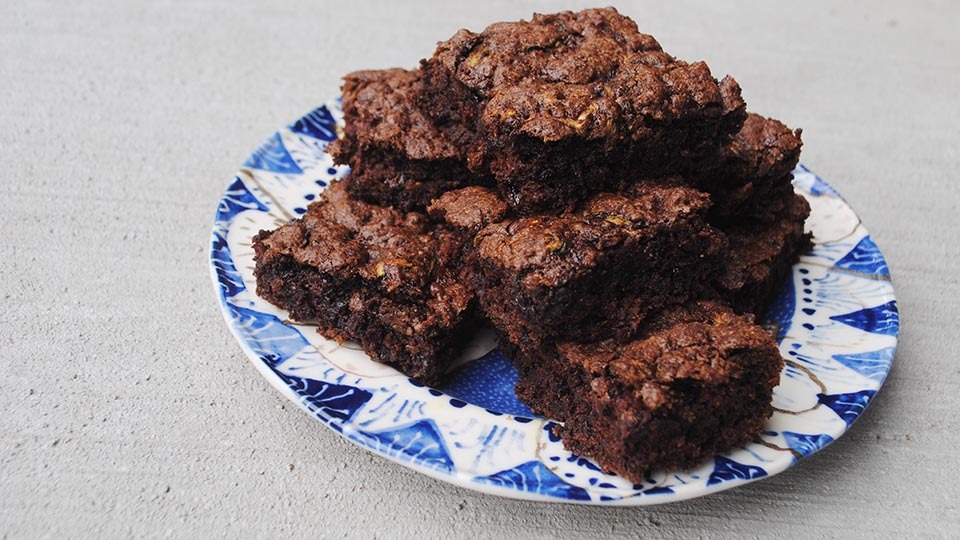
Chocolate Zucchini Brownies
This hybrid of zucchini bread and homemade brownies will get even the pickiest of eaters to ask for seconds. The mild and adaptable taste of zucchini is perfect to blend into a dark, thick brownie. Also the batter is perfect for tasting because there are

Controlling Blood Glucose Levels Through Diet
Individuals with diabetes can better manage their blood glucose levels by changing the amount of fiber, protein, and fat they eat regularly. This article will discuss these three components of food in detail and will provide suggestions for recipes to he
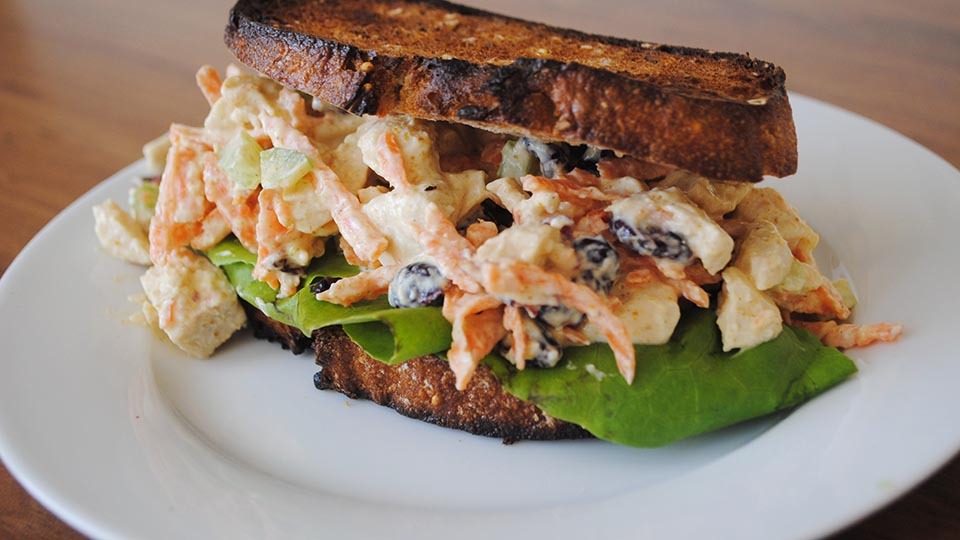
Curried Chicken Salad Sandwich
Most store-bought chicken salads have lots of mayonnaise, making them high in calories. This low-calorie alternative is made with plain Greek yogurt. You won’t even be able to tell the difference!
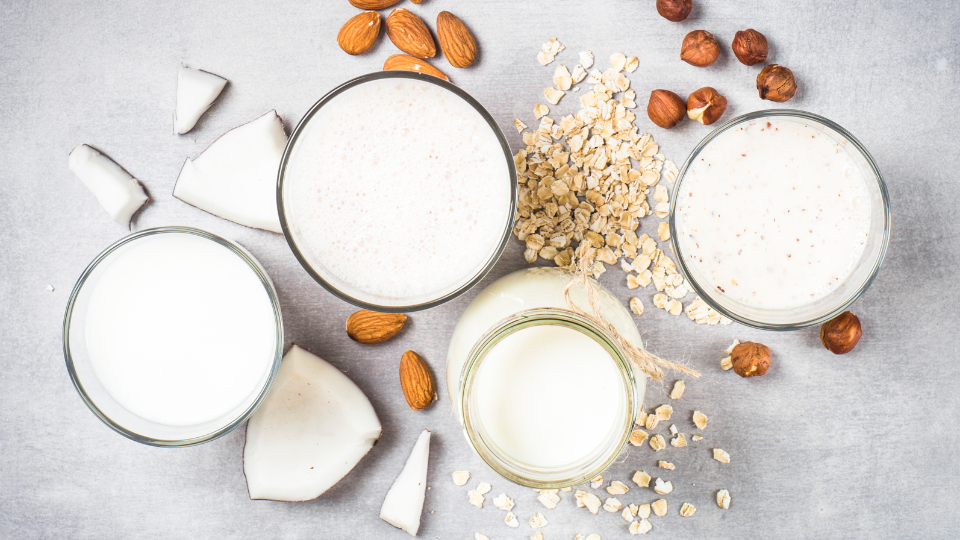

Dairy in Your Child's Diet
For many people, a healthy and well-balanced diet includes foods from all the food groups. The dairy group is especially important for children and youth because of the high amounts of protein, calcium, and vitamin D that are used to build strong bones an
Diabetes Education Resources
Many educational resources are available for you and your family that address a wide variety of diabetes topics.

Diabetes and the Holidays
Dealing with diabetes symptoms during the holidays can be frustrating. This article provides practical tips to help you better manage your symptoms while enjoying the holiday season.
Does Healthy Eating Cost More?
Decisions regarding food choices are based on a variety of factors including cost, taste, convenience, and availability. Many people feel that nutritious foods cost more than foods high in calories and low in important nutrients. In an effort to save mone

Fasting Diets: Are They Safe, Healthy, and Effective?
Diets are commonly prescribed to induce weight loss and reduce the risk of many diseases. Because a standard daily calorie restriction diet is often hard to maintain, other diet alternatives such as fasting diets were created. Fasting diets have been foun

Finding a Diabetes Community
Connecting with others can be an excellent way for you to find others who “get it” and understand the unique challenges associated with T1D. A community can be where you can get and give support, share practical strategies, and minimize isolation.

Fluoride: From Birth to Adolescence
In this fact sheet we will discuss the benefits of using fluoride, the most common concerns about fluoride intake in children, and recommendations from birth to adolescence.

Food Security – What It Is and Why It Matters
This website provides comprehensive information on food security, including its definition, pillars, health consequences, resources available, and ways to support food security efforts. It offers a detailed list of federal programs, food banks, and other

Food Waste Part 6: Introduction to Increasing Cooking Skills and Preserving Foods
Learn the basic skills for preserving and cooking foods so that you can save time, money, and decrease the amount of food wasted in your home.
Food Waste Part 7: “Wait! Don’t throw that away!” Composting and Creative Recipes
Learn to reduce food waste through composting and creative recipes.

Food Waste Prevention Part 1: Introduction
No one likes wasting food, but in the United States each person wastes on average about a pound of food every day. Thirty million acres of cropland is used to produce this wasted food every year. To learn more about options to reduce food waste and resour
Food Waste Prevention Part 2: Meal Planning
Prevent food waste through meal planning and shopping habits.
Food Waste Prevention Part 4: Using Leftovers
Don’t waste food or money: learn to safely use leftovers to make delicious meals.
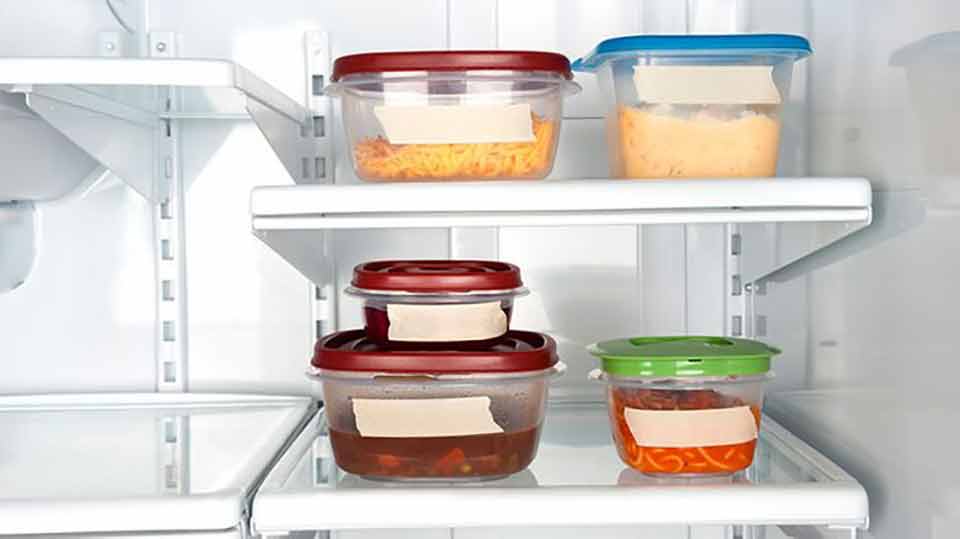
Food Waste Prevention Part 5: Food Labels and Food Safety
Stop wasting food and money: learn what the dates on your food mean and safe food storage.

Fresh and Easy: How to Make Pureed Baby Food
Starting the transition from breast milk or formula to solid foods can be quite daunting for parents.To add to the challenge, there are hundreds of commercial pureed baby food options on the market to choose from. In
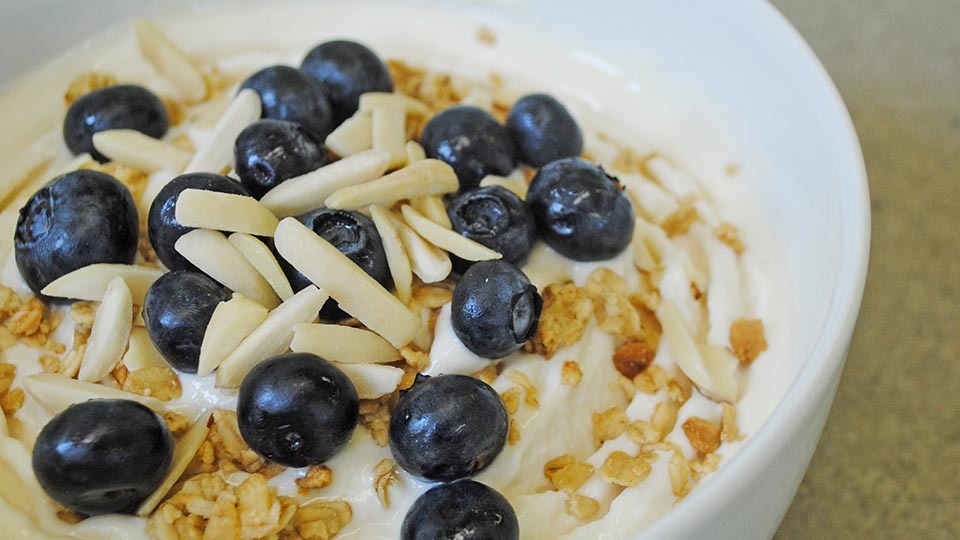
Frozen Yogurt in a Bag
This recipe is a great family activity where everyone can get involved! Once the bags are ready to shake, have everyone sit in a circle (outside is best because the bag might drip water). Take turns having each person shake the bag and passing to the next
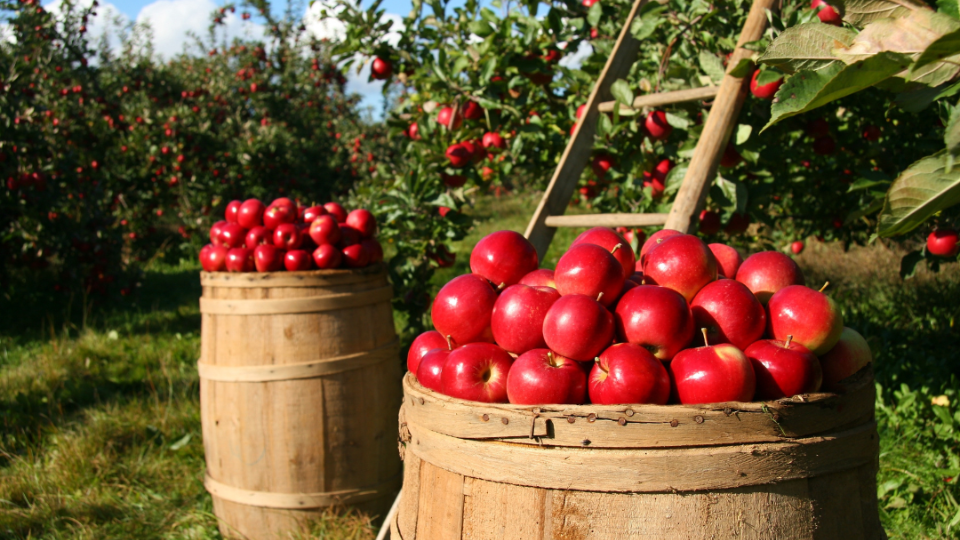
Fruit and Vegetable Guide Series: Apples
This guide includes information on selecting, preparing, cooking, and storing apples.
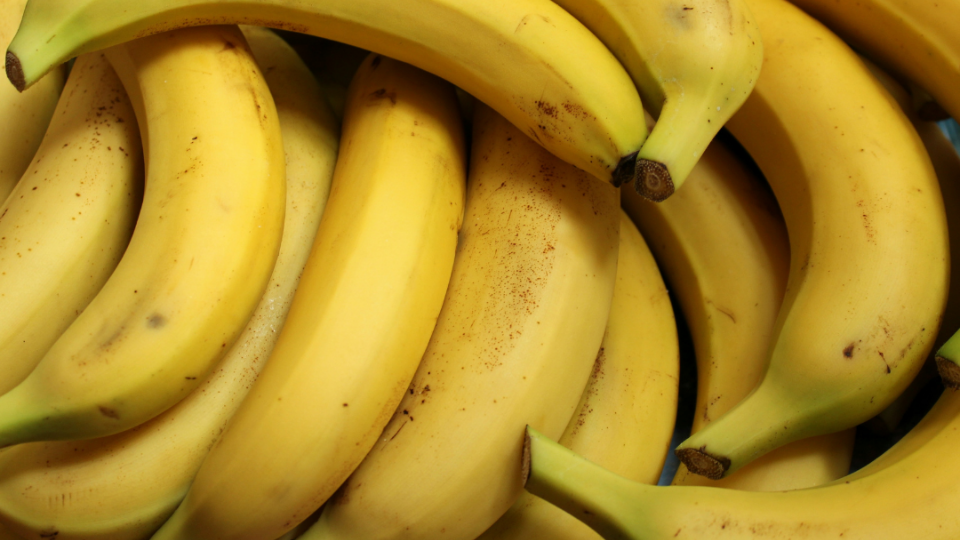
Fruit and Vegetable Guide Series: Bananas
This guide includes information on selecting, preparing, cooking, and storing bananas.
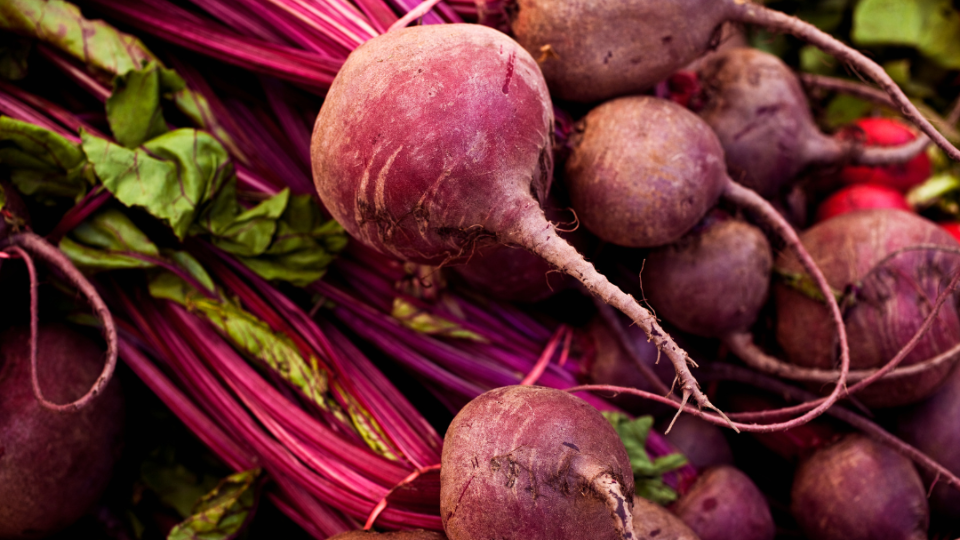
Fruit and Vegetable Guide Series: Beets
This guide includes information on selecting, preparing, cooking, and storing Beets.
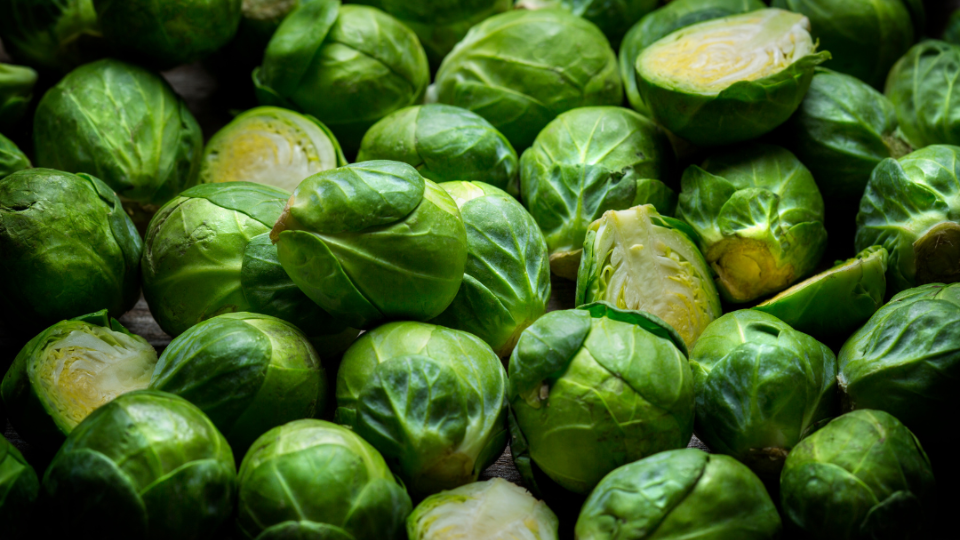
Fruit and Vegetable Guide Series: Brussel Sprouts
This guide includes information on selecting, preparing, cooking, and storing Brussel Sprouts.
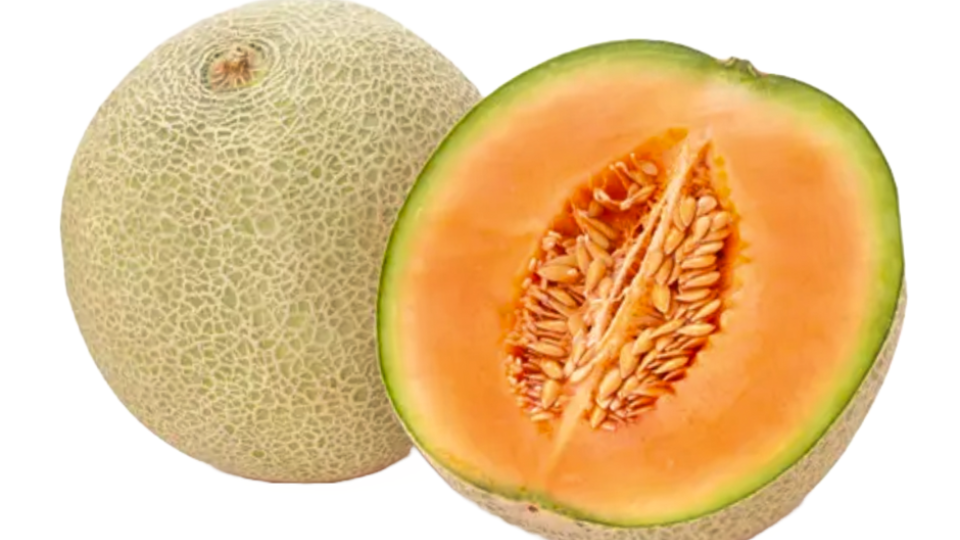
Fruit and Vegetable Guide Series: Cantaloupe
This guide includes information on selecting, preparing, cooking, and storing Cantaloupe.
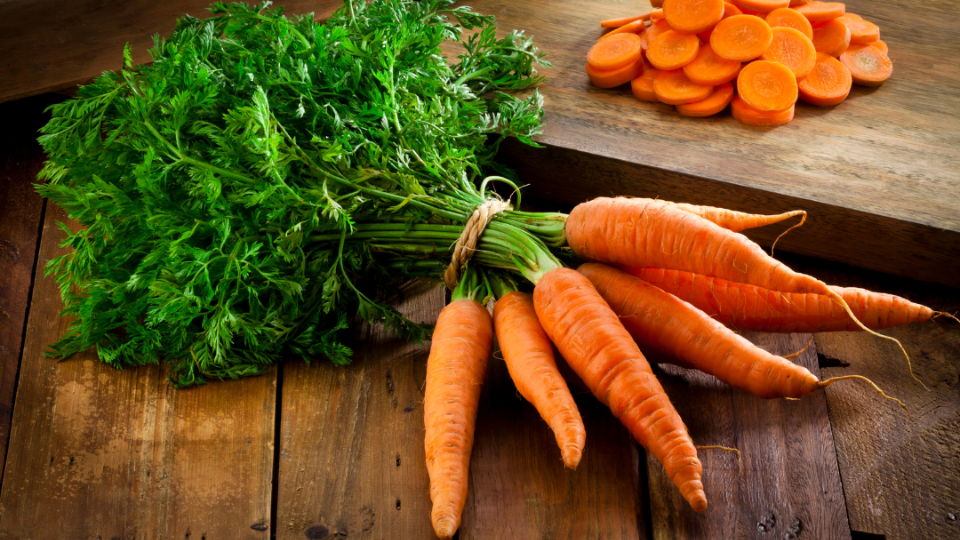
Fruit and Vegetable Guide Series: Carrots
This guide includes information on selecting, preparing, cooking, and storing Carrots.
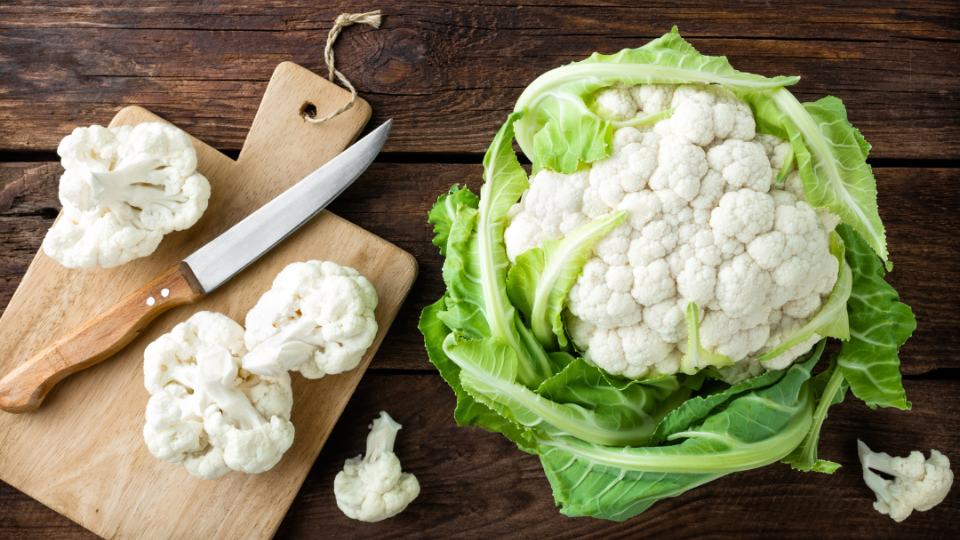
Fruit and Vegetable Guide Series: Cauliflower
This guide includes information on selecting, preparing, cooking, and storing Cauliflower.
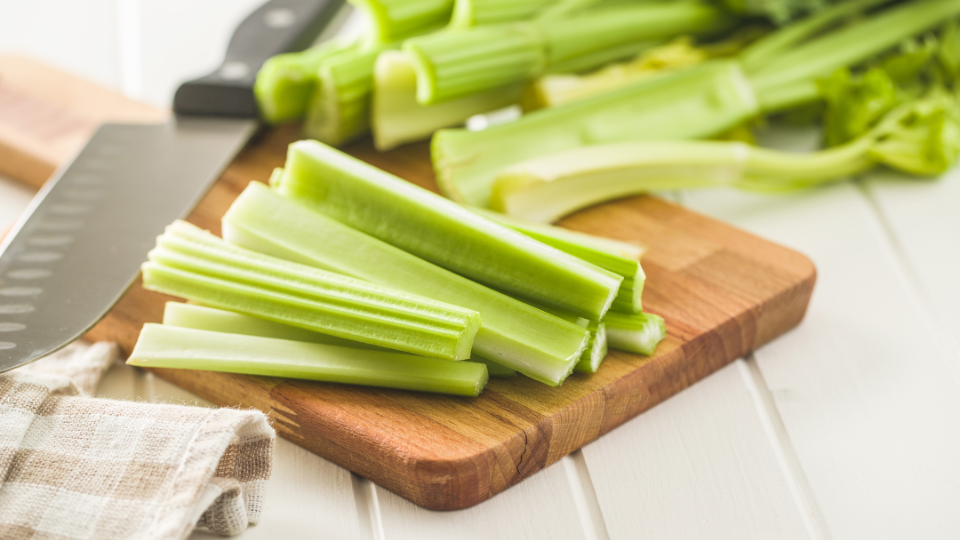
Fruit and Vegetable Guide Series: Celery
This guide includes information on selecting, preparing, cooking, and storing Celery.
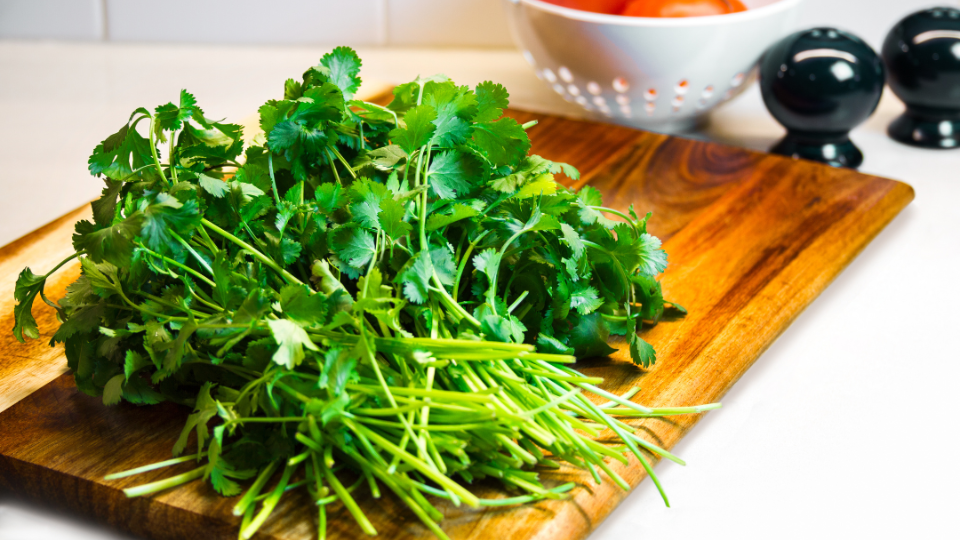
Fruit and Vegetable Guide Series: Cilantro
This guide includes information on selecting, preparing, cooking, and storing Cilantro.
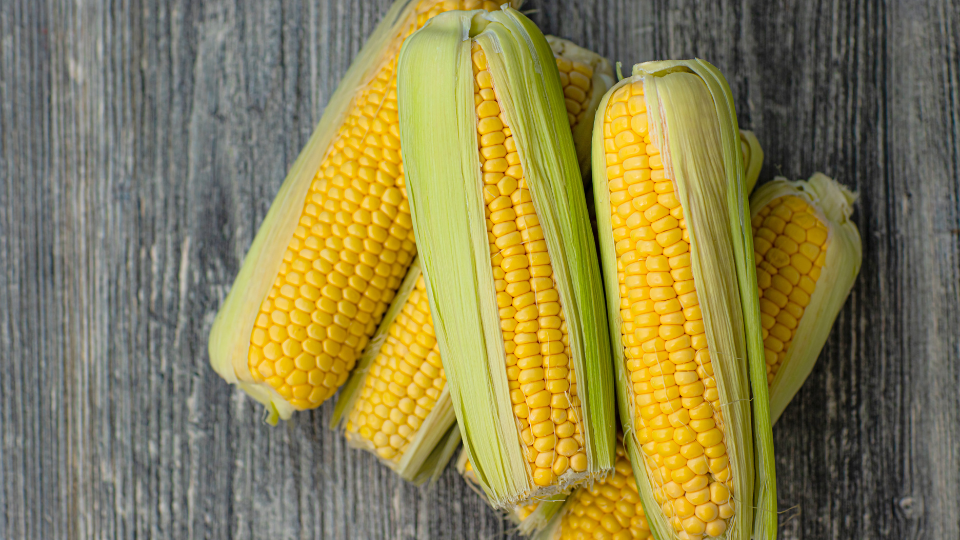
Fruit and Vegetable Guide Series: Corn
This guide includes information on selecting, preparing, cooking, and storing corn.
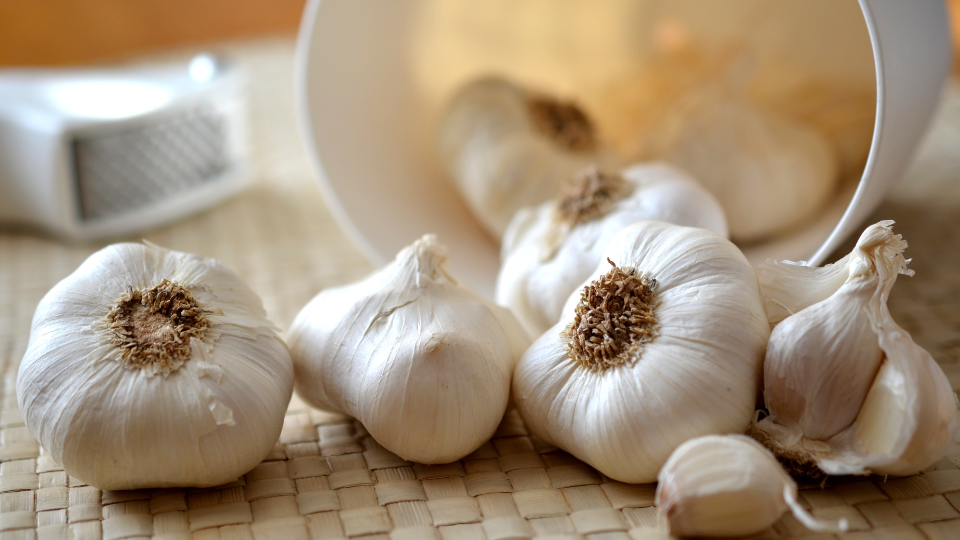
Fruit and Vegetable Guide Series: Garlic
This guide includes information on selecting, preparing, cooking, and storing garlic.
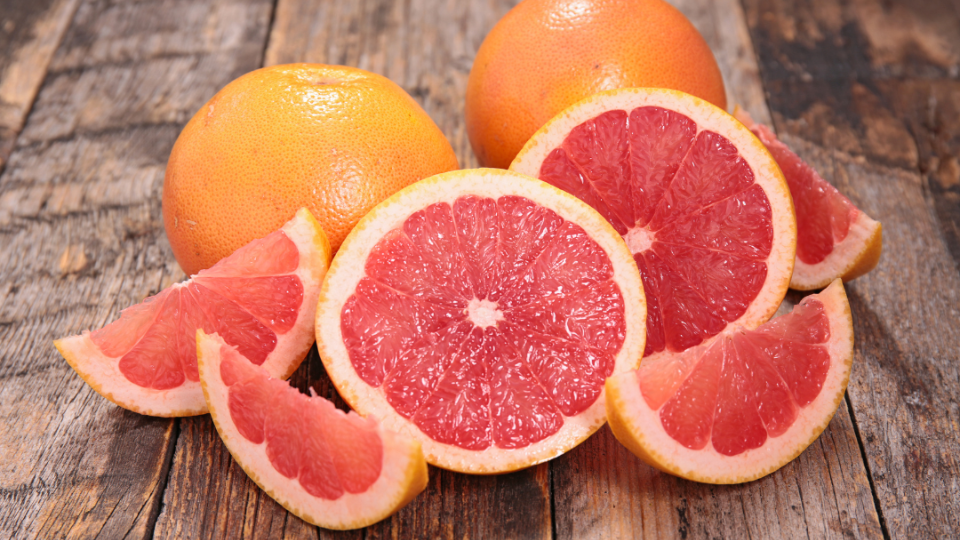
Fruit and Vegetable Guide Series: Grapefruit
This guide includes information on selecting, preparing, cooking, and storing Grapefruit.
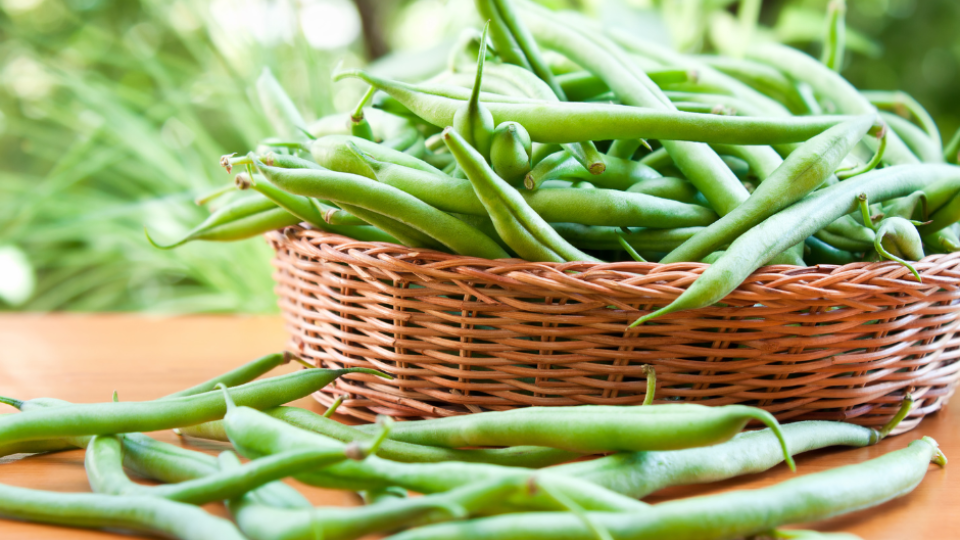
Fruit and Vegetable Guide Series: Green Beans
This guide includes information on selecting, preparing, cooking, and storing Green Beans.
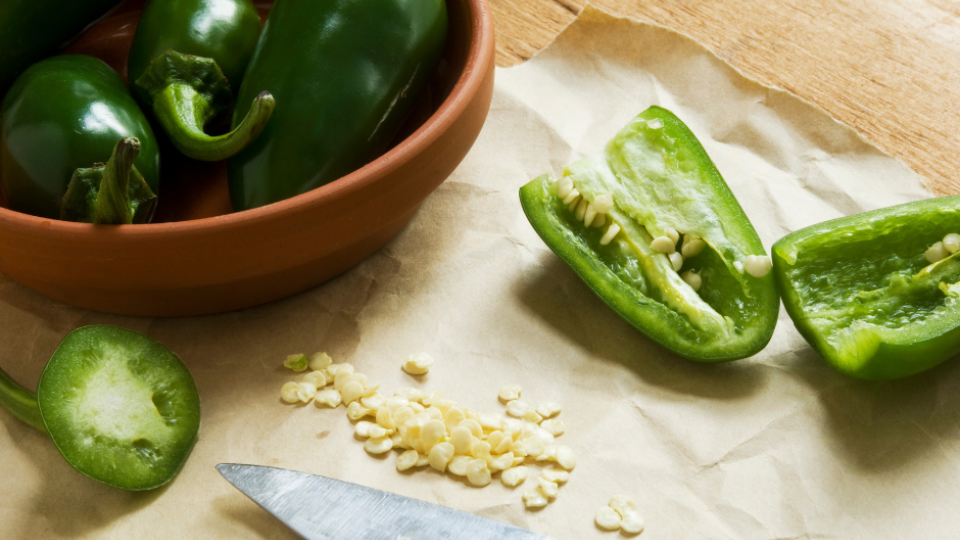
Fruit and Vegetable Guide Series: Jalapeno
This guide includes information on selecting, preparing, cooking, and storing Jalapeno.
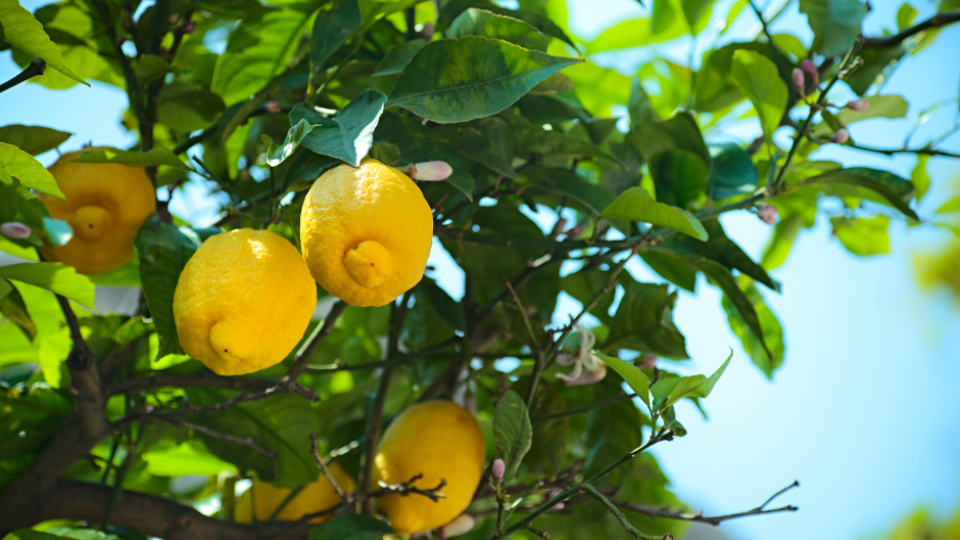
Fruit and Vegetable Guide Series: Lemons
This guide includes information on selecting, preparing, cooking, and storing Lemons.
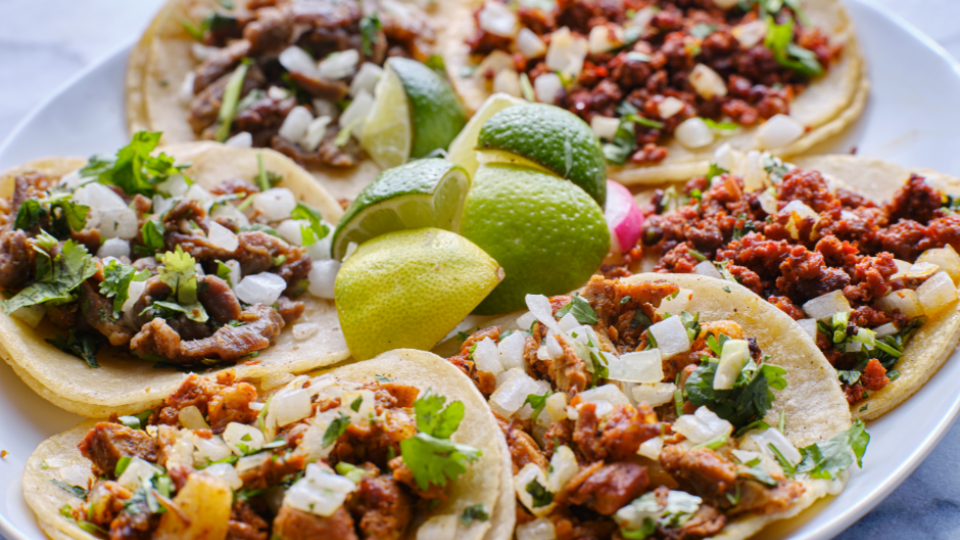
Fruit and Vegetable Guide Series: Limes
This guide includes information on selecting, preparing, cooking, and storing Limes.