
Food Safety for Older Adults: Why Food Safety Matters More As You Age

Food safety is important for everyone, but some groups, such as older adults, are at a higher risk of getting sick from foodborne illnesses. Adults aged 65 and older are more likely to develop severe symptoms, be hospitalized, or even die from a foodborne illness. That’s why understanding and practicing safe food handling is especially important for this age group.
A Real-Life Example:
One summer evening, a family gathered for dinner. They enjoyed a delicious meal and good conversation. But by the next morning, the grandmother felt nauseated. Later that day, the grandfather and two other older family members also experienced vomiting and stomach discomfort. All four were 65 or older. None of the younger family members had any symptoms.
The cause? The meat used in the main dish had been left in a hot car too long after grocery shopping. This simple mistake led to bacterial growth that made several family members sick, highlighting how critical proper food handling is, especially for older adults.
Why are older adults more vulnerable to foodborne illnesses?
Older adults face a greater risk of foodborne illness due to three main reasons:
- Weakened Immune System
- The immune system defends our body again any bacteria, viruses, parasites found in food that could cause us to get sick. Unfortunately, as we age our immune system weakens. When we have a weakened immune system our bodies ability to fight off infection is lowered. This decline often begins around age 50–60 and continues with age, significantly increasing the risk of illness by age 75.
- Slower Digestive System
- Aging slows digestion, which means food stays in the system longer. At the same time, stomach acid production decreases. These changes allow harmful bacteria more time and opportunity to grow and cause illness.
- Decreased Organ Function
- The liver and kidneys play key roles in filtering out toxins and harmful bacteria. As these organs age, they may not function as efficiently, making it harder for the body to get rid of foodborne pathogens.
How can I practice good food safety at home?
Four basic strategies to implement to practice good food safety in the home include clean, separate, cook, and chill. These principles help prevent the spread of bacteria and keep your food safe. Let’s explore a few tips on how to implement each of these strategies.
- Clean
- Wash your hands with warm, soapy water for 20 seconds before and after handling food.
- Clean countertops, kitchen tools, and cutting boards before and after food prep.
- Rinse all fruits and vegetables under running water, even if you don’t eat the skin.
- Separate
- Keep raw meat, poultry, seafood, and eggs separate from ready-to-eat foods.
- Use different cutting boards and utensils for raw meat and other ingredients.
- Store raw foods in sealed containers away from cooked items in the fridge.
- Cook
- Use a food thermometer to ensure foods are cooked to safe internal temperatures.
- Don’t rely on appearance alone, color and texture aren’t always accurate indicators.
- Avoid the “Temperature Danger Zone” (40°F to 140°F), where bacteria grow quickly.
- Chill
- Refrigerate perishable foods promptly and keep your fridge at or below 40°F.
- Freeze leftovers if you won’t eat them within 3–4 days.
- Thaw frozen food safely in the refrigerator, cold water, or microwave, never on the counter.
If you want to learn more about the four principles of practicing food safety at home, you can read the article, Food Safety 101: Four Essential Practices for Safe food at Home.
Additional Food Safety Tips for Older Adults
- Shop smart: Choose cold and frozen foods last at the grocery store to keep them cold until you get home.
- Store leftovers safely: Refrigerate leftovers within two hours and eat them within 3–4 days, or freeze for longer storage.
- Reheat properly: Always heat leftovers to 165°F, using a food thermometer to check.
- Stay informed: Visit trusted websites like www.foodsafety.gov for food recall updates and safety alerts.
Conclusion
Older adults are more vulnerable to foodborne illness due to natural changes in immunity, digestion, and organ function. But by following the four food safety principles of clean, separate, cook, and chill, and take extra precautions, you can lower your risk and enjoy meals safely. Safe food handling is a simple but powerful way to protect your health and well-being as you age.
Authors
Jenna Dyckman, MS, RDN Extension Assistant Professor

Jenna Dyckman
Extension Assistant Professor | Cache County
Home and Community Department
Related Research

Ensuring Adequate Vitamin D Intake Among Infants and Children
Many people in the United States, including children, do not get enough vitamin D in their diet’s. In fact, about 52% of children have low levels of vitamin D in their blood.
Added Sugars: What You Need to Know
Why and how to limit added sugar in your diet, what it is, and where to find it.

Almond Whole Wheat Toaster Waffles
I love this recipe because it has a great nutty flavor and crisp, light texture. It really sticks with me! The whole-wheat flour means I am getting plenty of fiber and phytochemicals. The almond flour adds a wonderful nutty flavor, and some healthy fats,

Apple Cinnamon French Toast
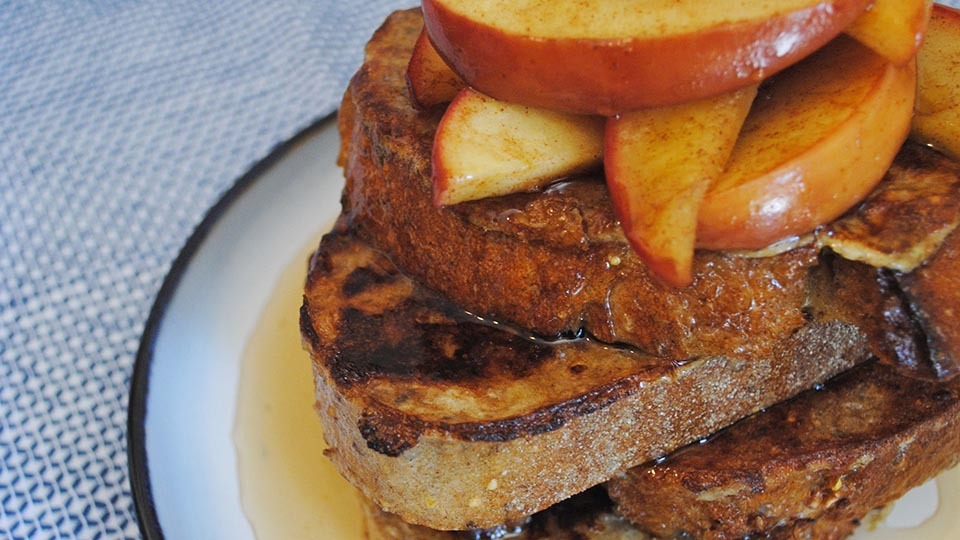
Fruity breakfast classic: perfect for family mornings or weeknight dinners. Serves 6-8 people.

Baby-Led Weaning: An Approach to Introducing Solid Foods to Infants
Baby-Led Weaning (BLW) is a safe and effective alternative to the traditional method as it introduces solid foods in a way that respects an infant’s autonomy, provides supplemental nutrition, and promotes healthy weight and eating behaviors (Rapley 2015).

Body Image in Adolescence
This fact sheet addresses risk factors and protective factors in order to help adolescents navigate this critical time frame.
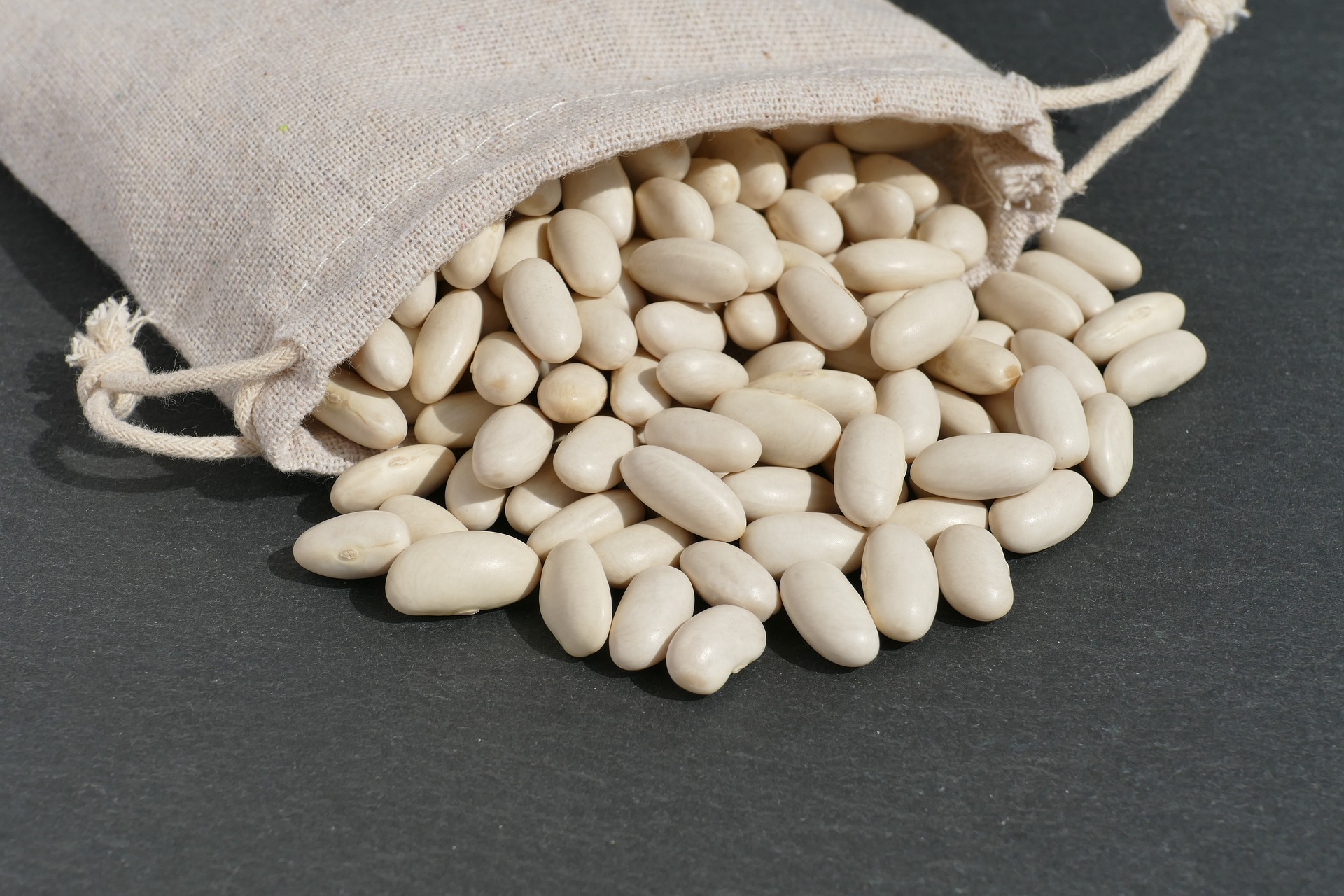
Boost the Benefits with Beans
Replacing fats with bean puree can reduce calories, fat, and cholesterol while adding nutrients.

Breastfeeding or Formula Feeding: A Mother’s Choice
Deciding how to feed an infant is a decision that should be made by a mother and her family. The benefits of exclusively breastfeeding an infant for the first six months of life are well established (World Health Organization [WHO], 2017); however, it may
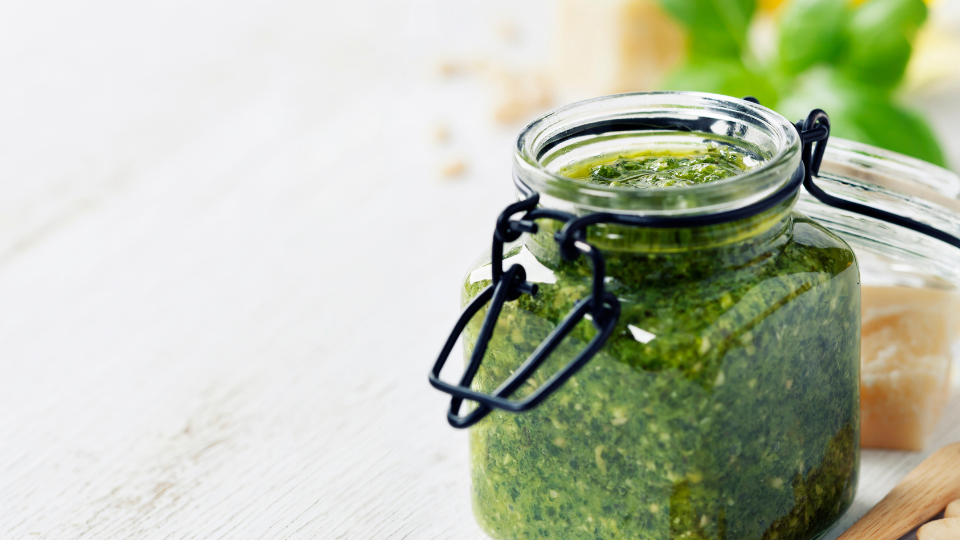
Carrot-Top Pesto Pasta
Carrot top pesto pasta: fresh, zesty, and minty with optional walnuts for crunch.
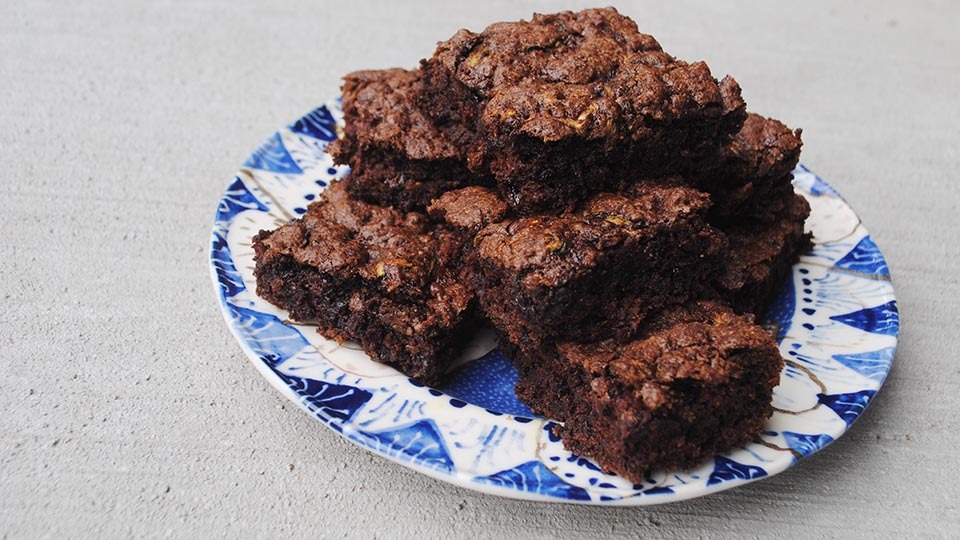
Chocolate Zucchini Brownies
This hybrid of zucchini bread and homemade brownies will get even the pickiest of eaters to ask for seconds. The mild and adaptable taste of zucchini is perfect to blend into a dark, thick brownie. Also the batter is perfect for tasting because there are

Controlling Blood Glucose Levels Through Diet
Individuals with diabetes can better manage their blood glucose levels by changing the amount of fiber, protein, and fat they eat regularly. This article will discuss these three components of food in detail and will provide suggestions for recipes to he
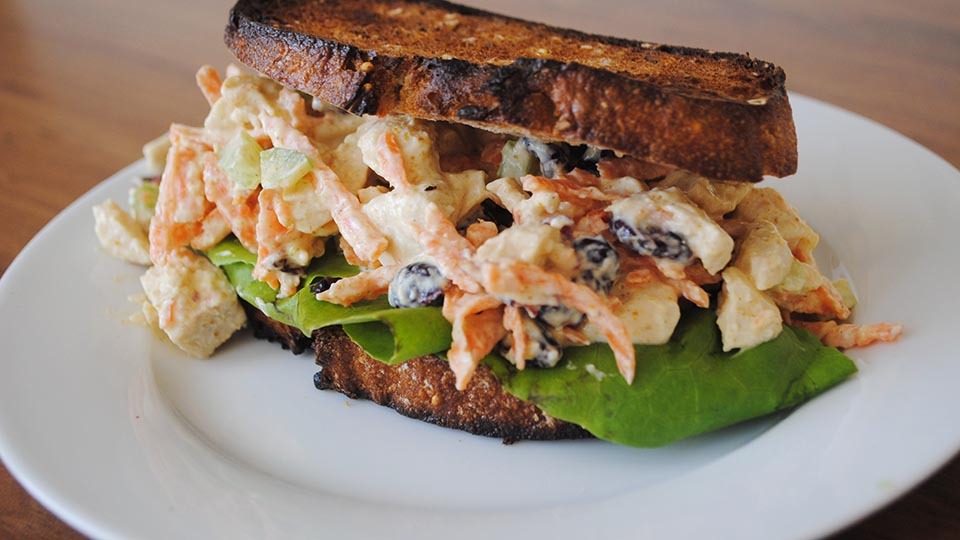
Curried Chicken Salad Sandwich
Most store-bought chicken salads have lots of mayonnaise, making them high in calories. This low-calorie alternative is made with plain Greek yogurt. You won’t even be able to tell the difference!
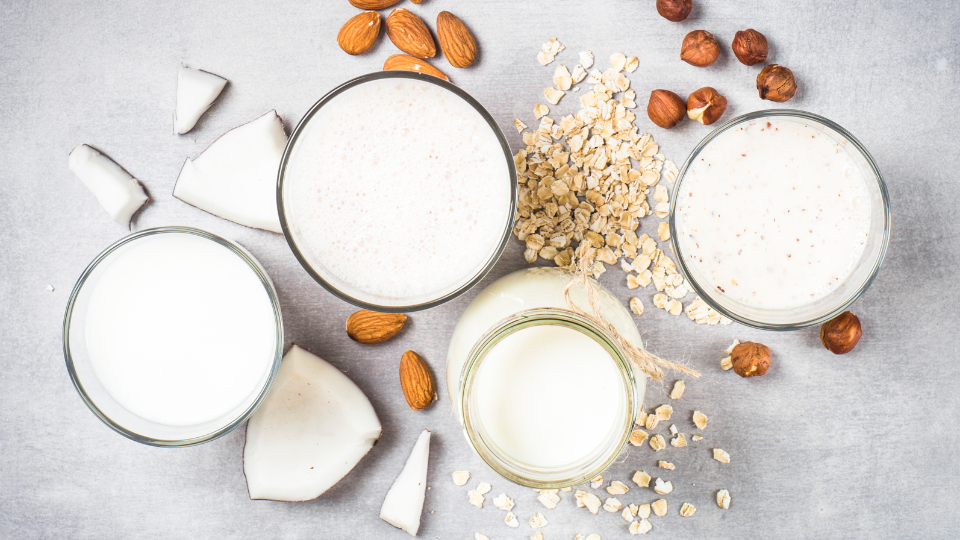

Dairy in Your Child's Diet
For many people, a healthy and well-balanced diet includes foods from all the food groups. The dairy group is especially important for children and youth because of the high amounts of protein, calcium, and vitamin D that are used to build strong bones an
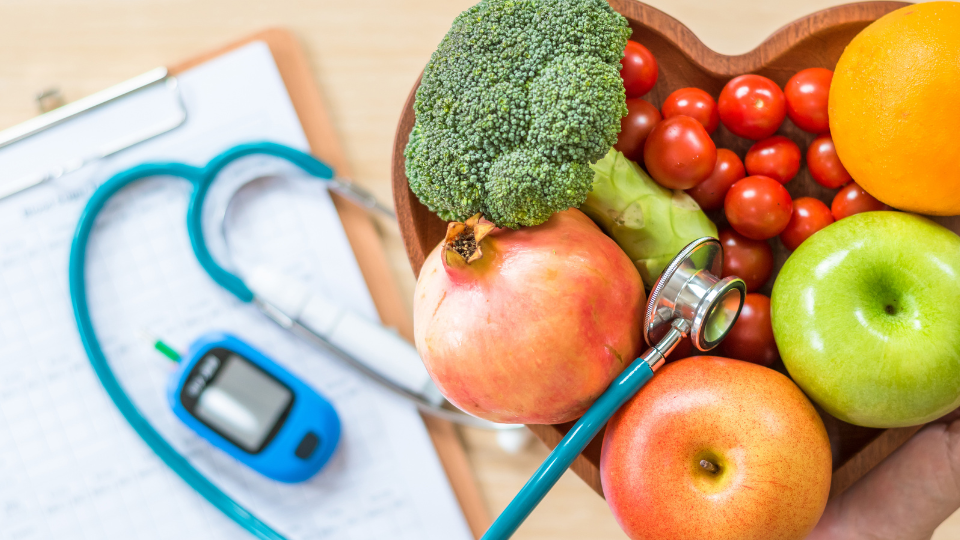
Diabetes Education Resources
Many educational resources are available for you and your family that address a wide variety of diabetes topics.

Diabetes and the Holidays
Dealing with diabetes symptoms during the holidays can be frustrating. This article provides practical tips to help you better manage your symptoms while enjoying the holiday season.
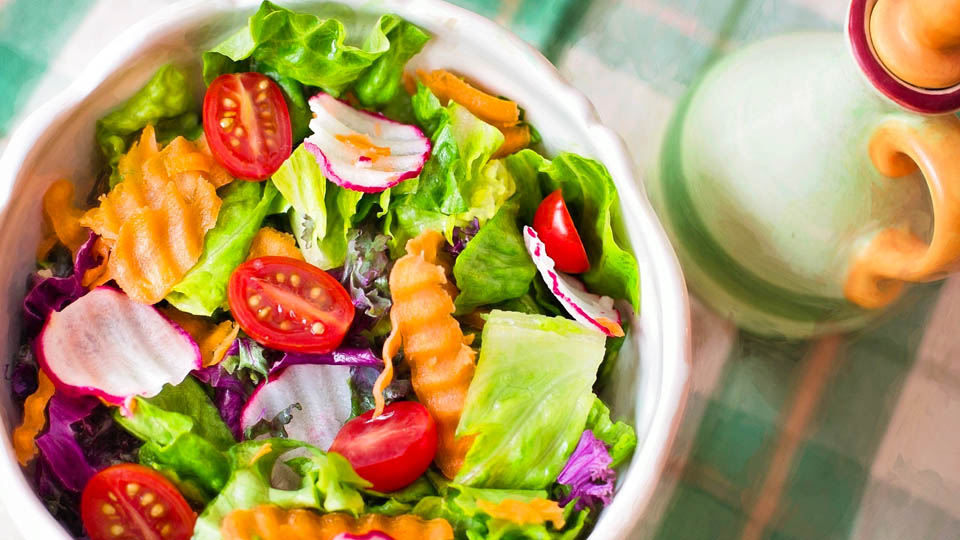
Does Healthy Eating Cost More?
Decisions regarding food choices are based on a variety of factors including cost, taste, convenience, and availability. Many people feel that nutritious foods cost more than foods high in calories and low in important nutrients. In an effort to save mone

Fasting Diets: Are They Safe, Healthy, and Effective?
Diets are commonly prescribed to induce weight loss and reduce the risk of many diseases. Because a standard daily calorie restriction diet is often hard to maintain, other diet alternatives such as fasting diets were created. Fasting diets have been foun

Finding a Diabetes Community
Connecting with others can be an excellent way for you to find others who “get it” and understand the unique challenges associated with T1D. A community can be where you can get and give support, share practical strategies, and minimize isolation.

Fluoride: From Birth to Adolescence
In this fact sheet we will discuss the benefits of using fluoride, the most common concerns about fluoride intake in children, and recommendations from birth to adolescence.
Food Safety for Older Adults: Why Food Safety Matters More As You Age
Learn key food safety tips to protect older adults from illness.

Food Security – What It Is and Why It Matters
This website provides comprehensive information on food security, including its definition, pillars, health consequences, resources available, and ways to support food security efforts. It offers a detailed list of federal programs, food banks, and other

Food Waste Part 6: Introduction to Increasing Cooking Skills and Preserving Foods
Learn the basic skills for preserving and cooking foods so that you can save time, money, and decrease the amount of food wasted in your home.
Food Waste Part 7: “Wait! Don’t throw that away!” Composting and Creative Recipes
Learn to reduce food waste through composting and creative recipes.

Food Waste Prevention Part 1: Introduction
No one likes wasting food, but in the United States each person wastes on average about a pound of food every day. Thirty million acres of cropland is used to produce this wasted food every year. To learn more about options to reduce food waste and resour
Food Waste Prevention Part 2: Meal Planning
Prevent food waste through meal planning and shopping habits.
Food Waste Prevention Part 4: Using Leftovers
Don’t waste food or money: learn to safely use leftovers to make delicious meals.
Food Waste Prevention Part 5: Food Labels and Food Safety
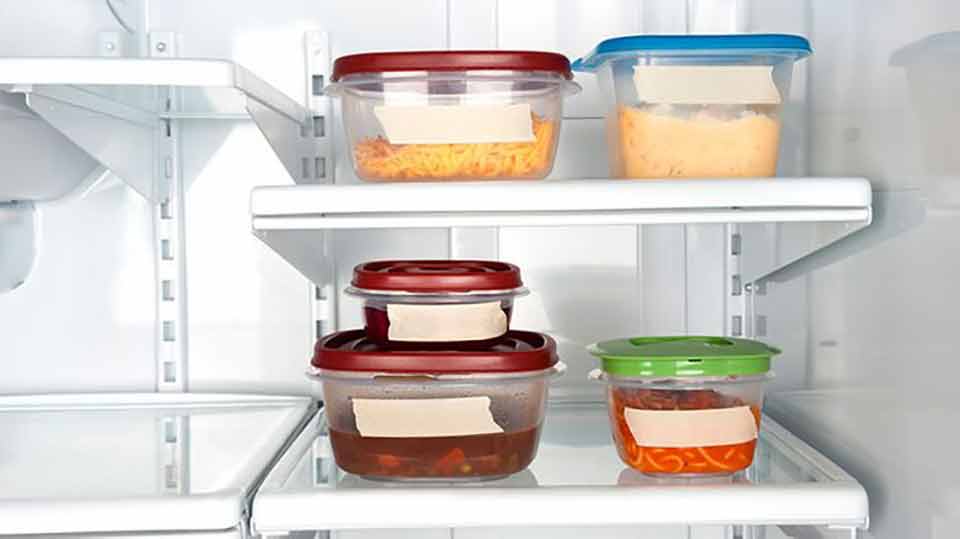
Stop wasting food and money: learn what the dates on your food mean and safe food storage.

Fresh and Easy: How to Make Pureed Baby Food
Starting the transition from breast milk or formula to solid foods can be quite daunting for parents.To add to the challenge, there are hundreds of commercial pureed baby food options on the market to choose from. In
Frozen Yogurt in a Bag
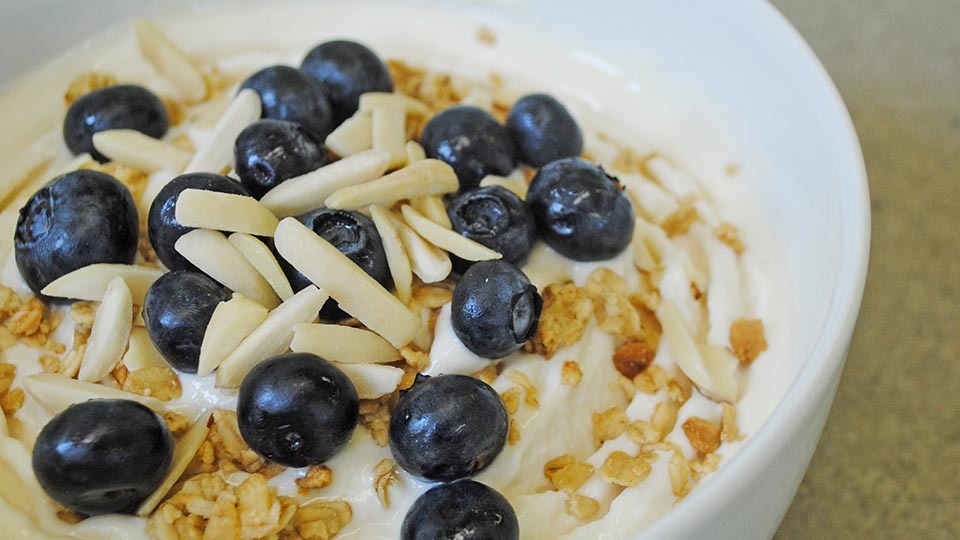
This recipe is a great family activity where everyone can get involved! Once the bags are ready to shake, have everyone sit in a circle (outside is best because the bag might drip water). Take turns having each person shake the bag and passing to the next
Fruit and Vegetable Guide Series: Apples
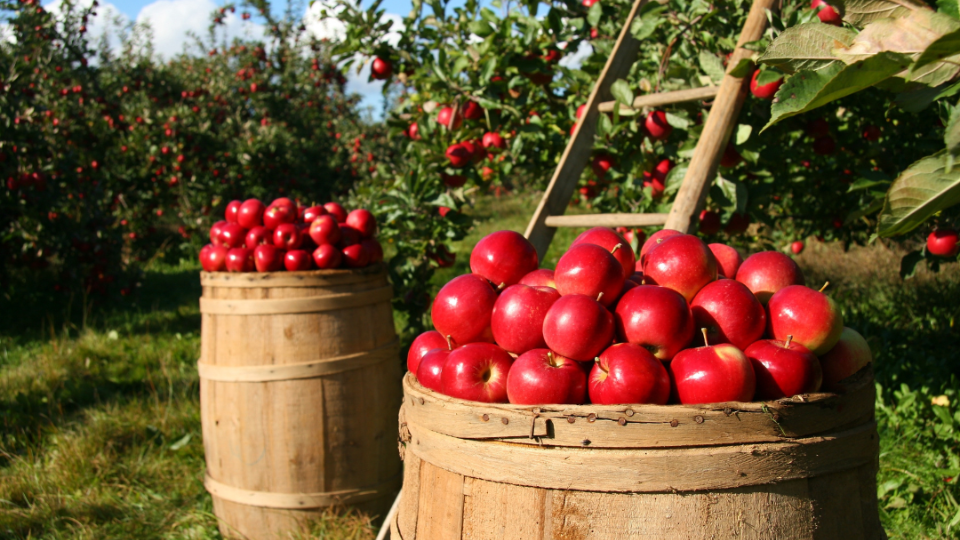
This guide includes information on selecting, preparing, cooking, and storing apples.
Fruit and Vegetable Guide Series: Bananas
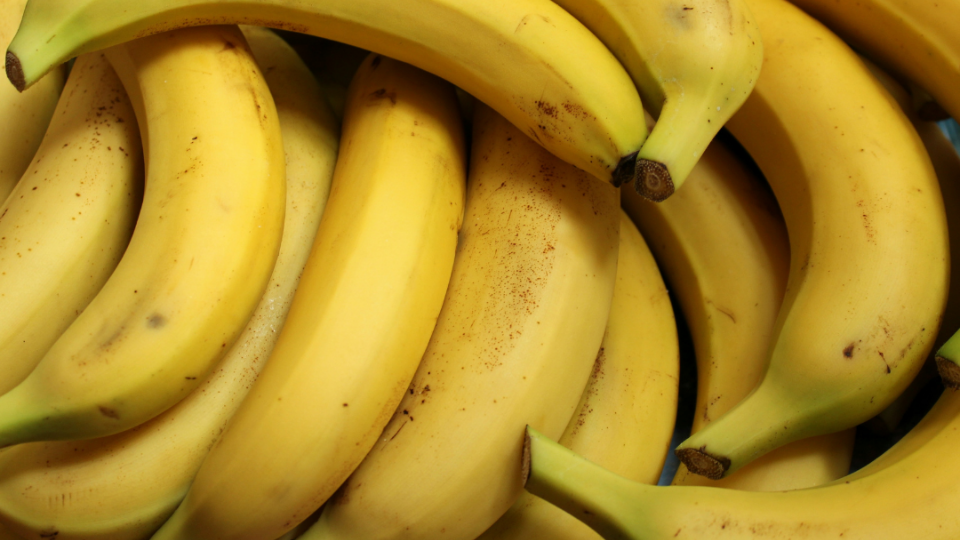
This guide includes information on selecting, preparing, cooking, and storing bananas.
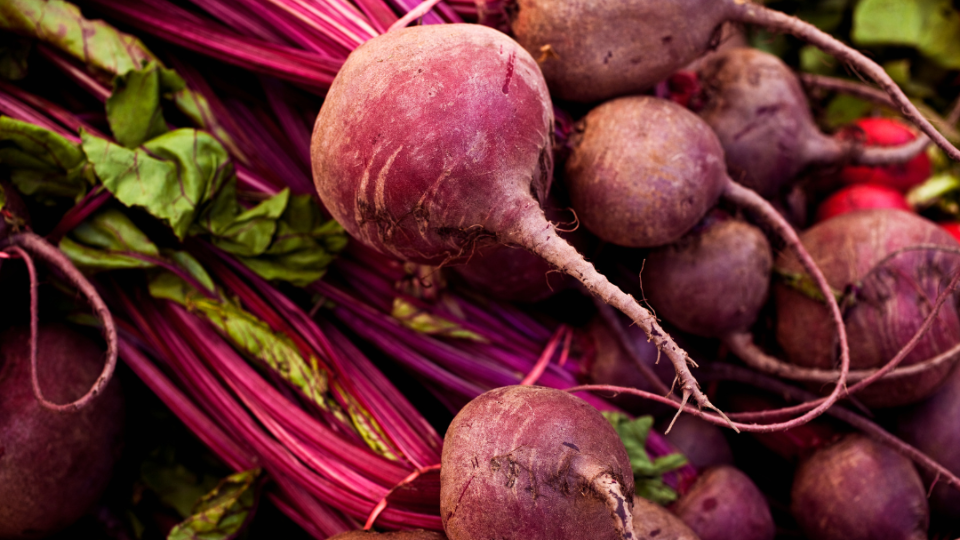
Fruit and Vegetable Guide Series: Beets
This guide includes information on selecting, preparing, cooking, and storing Beets.
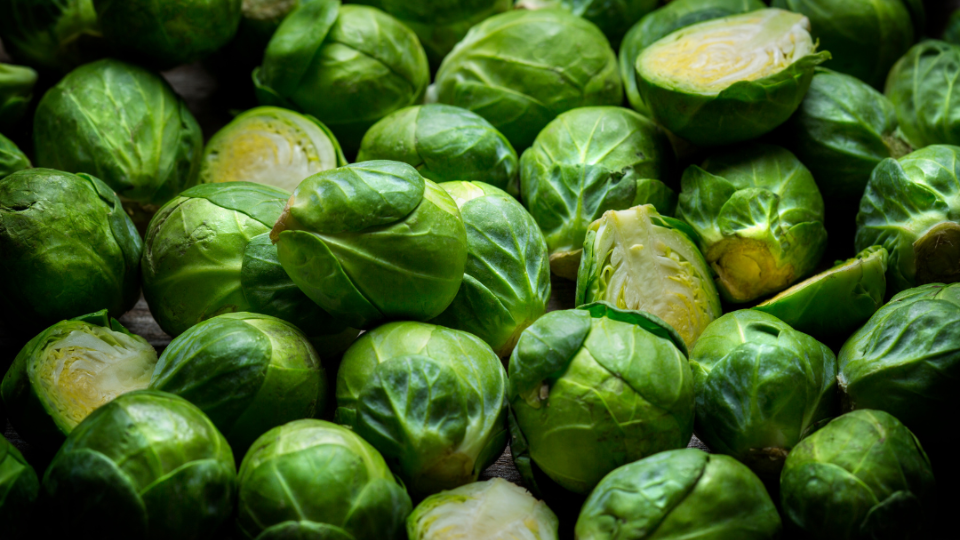
Fruit and Vegetable Guide Series: Brussel Sprouts
This guide includes information on selecting, preparing, cooking, and storing Brussel Sprouts.
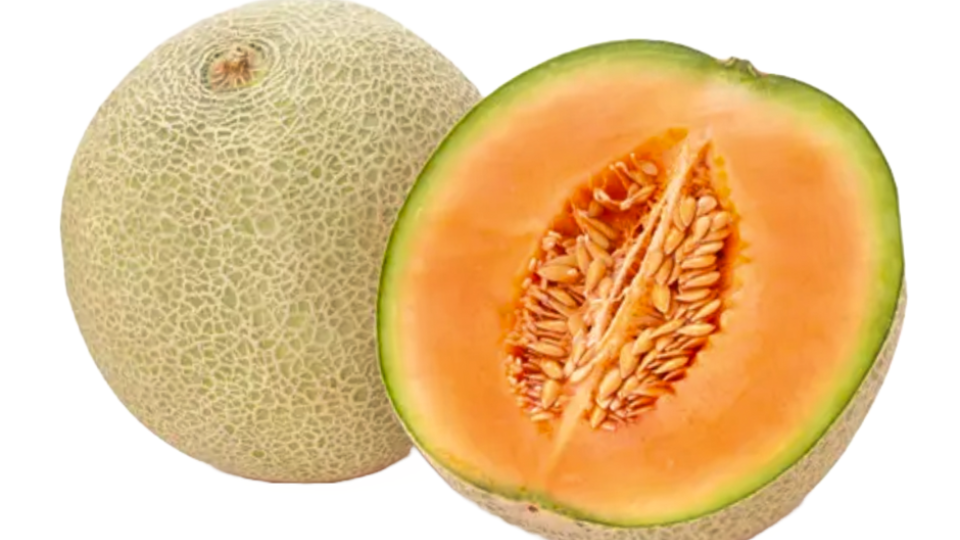
Fruit and Vegetable Guide Series: Cantaloupe
This guide includes information on selecting, preparing, cooking, and storing Cantaloupe.
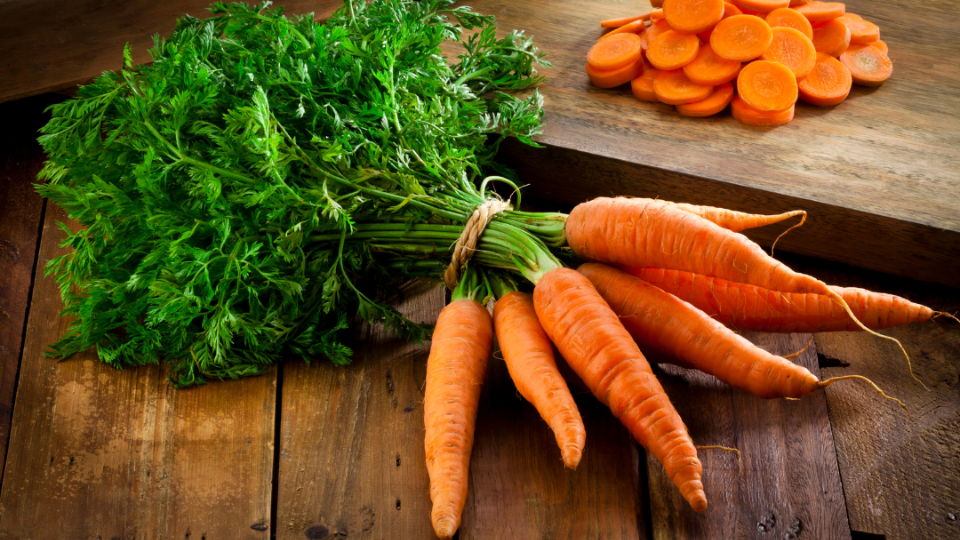
Fruit and Vegetable Guide Series: Carrots
This guide includes information on selecting, preparing, cooking, and storing Carrots.
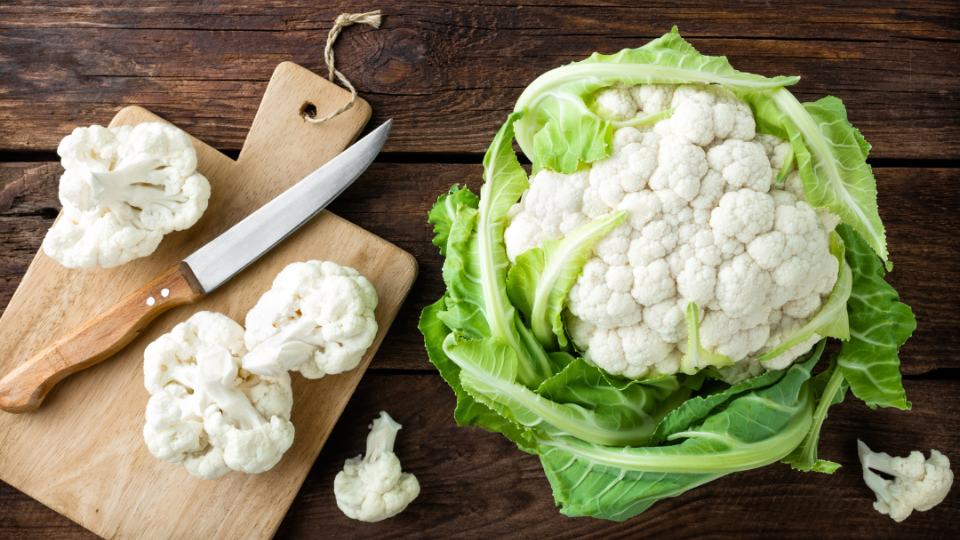
Fruit and Vegetable Guide Series: Cauliflower
This guide includes information on selecting, preparing, cooking, and storing Cauliflower.
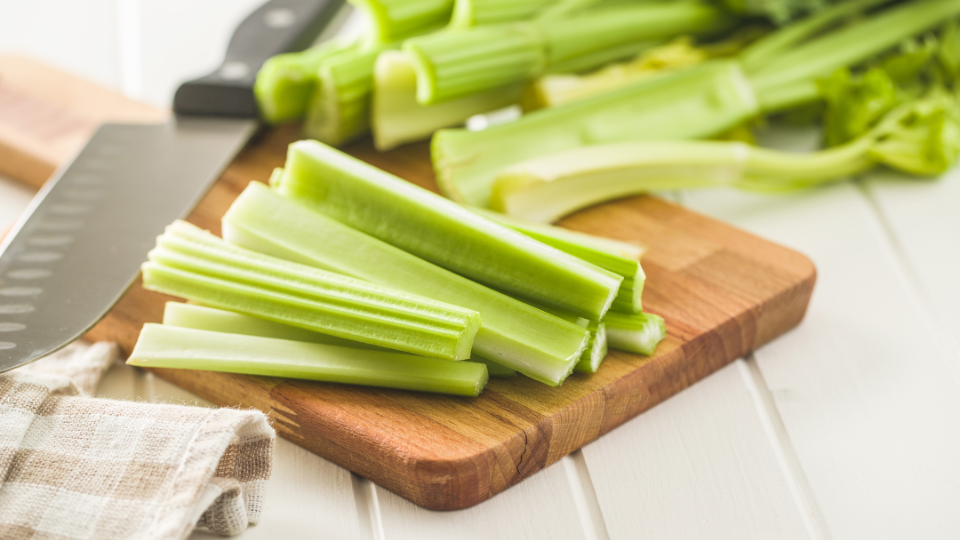
Fruit and Vegetable Guide Series: Celery
This guide includes information on selecting, preparing, cooking, and storing Celery.
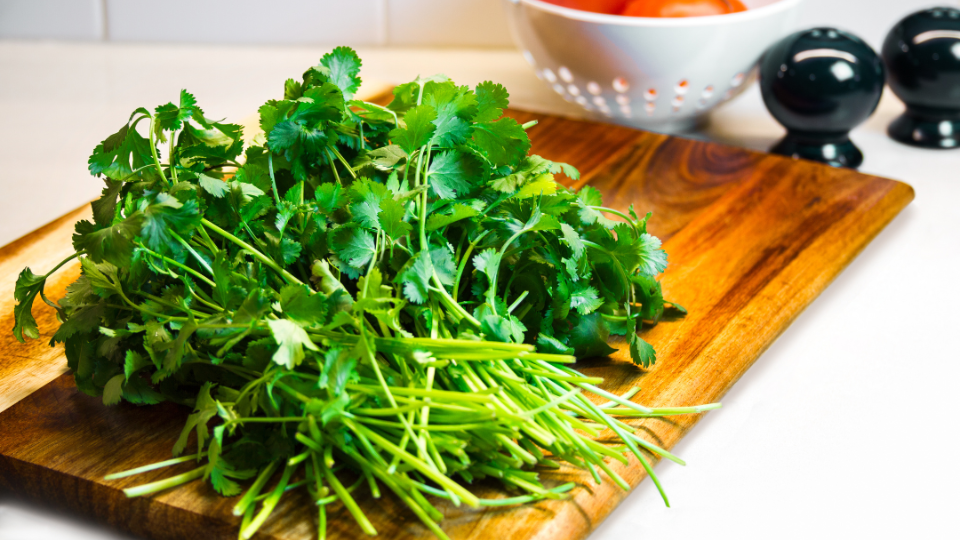
Fruit and Vegetable Guide Series: Cilantro
This guide includes information on selecting, preparing, cooking, and storing Cilantro.
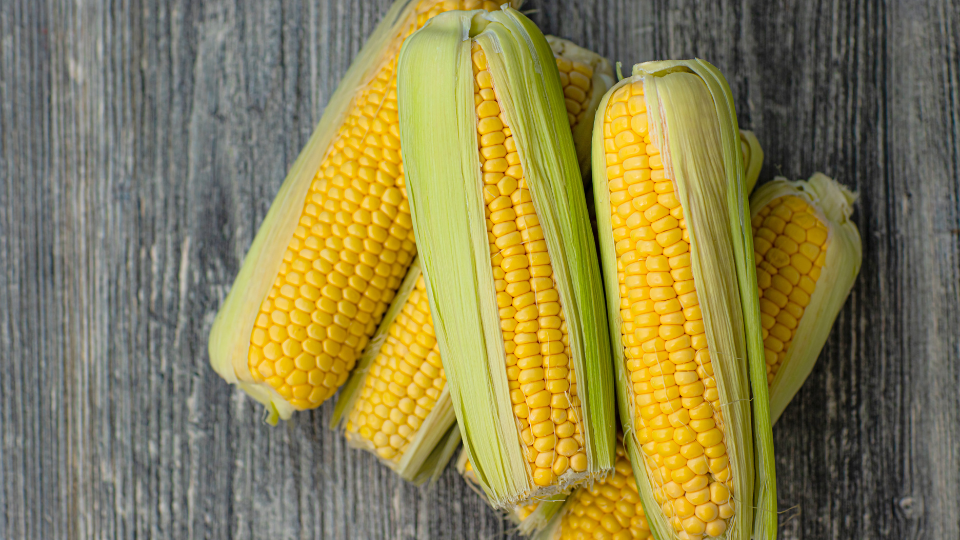
Fruit and Vegetable Guide Series: Corn
This guide includes information on selecting, preparing, cooking, and storing corn.
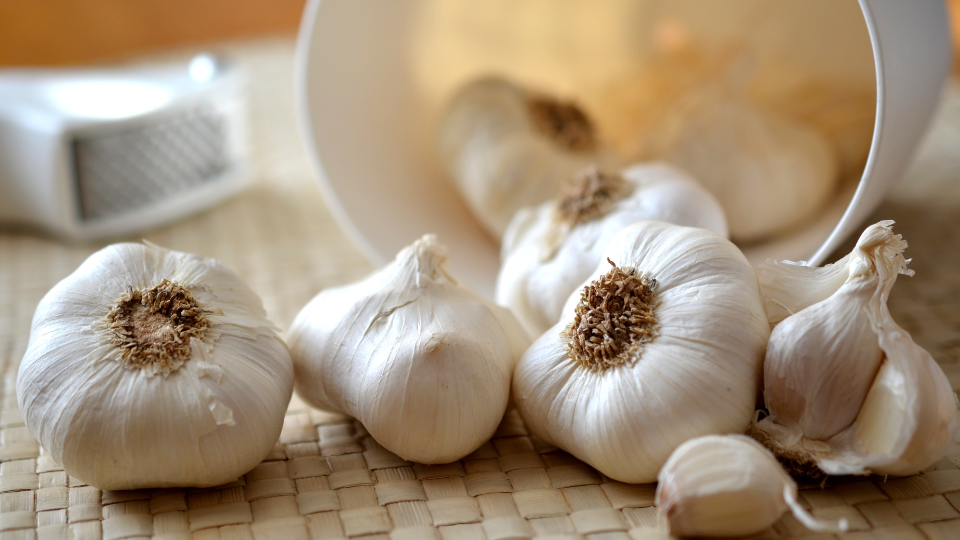
Fruit and Vegetable Guide Series: Garlic
This guide includes information on selecting, preparing, cooking, and storing garlic.
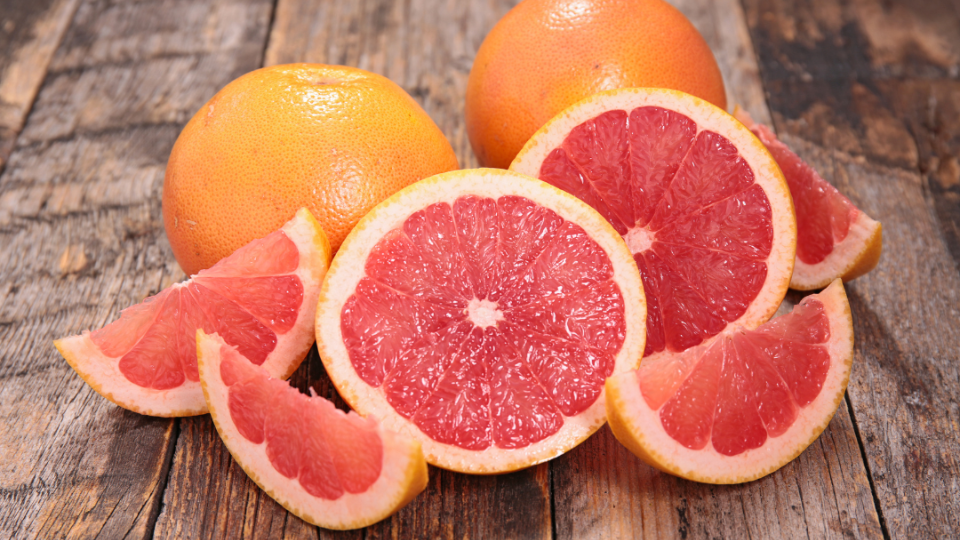
Fruit and Vegetable Guide Series: Grapefruit
This guide includes information on selecting, preparing, cooking, and storing Grapefruit.
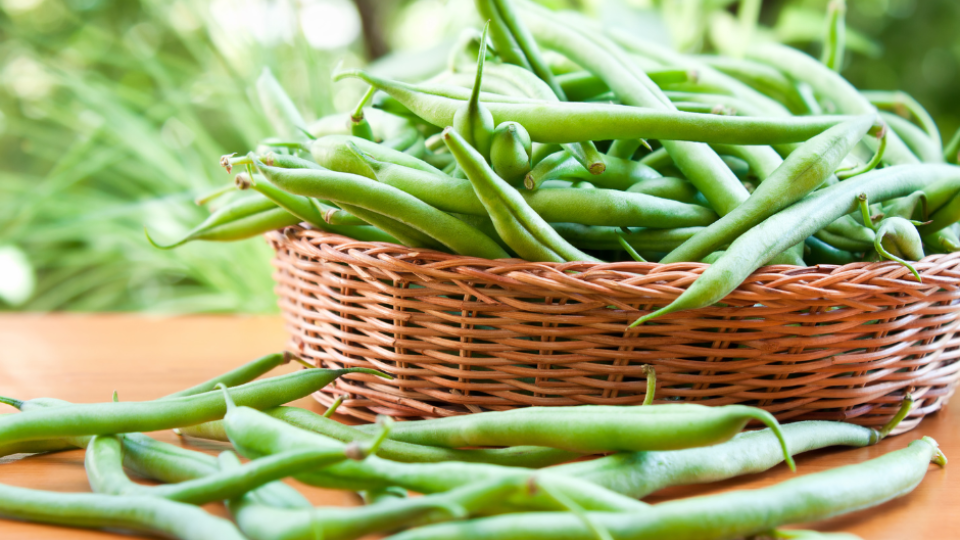
Fruit and Vegetable Guide Series: Green Beans
This guide includes information on selecting, preparing, cooking, and storing Green Beans.
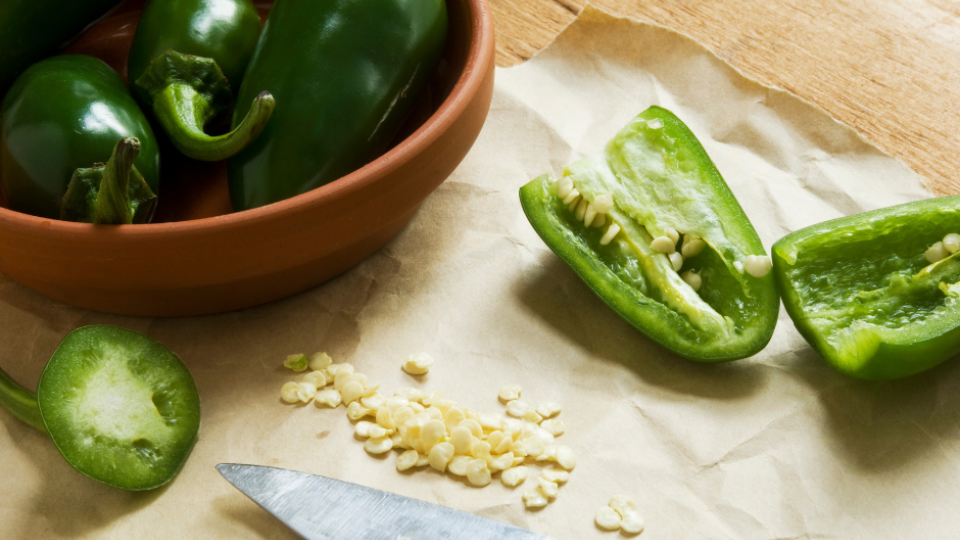
Fruit and Vegetable Guide Series: Jalapeno
This guide includes information on selecting, preparing, cooking, and storing Jalapeno.
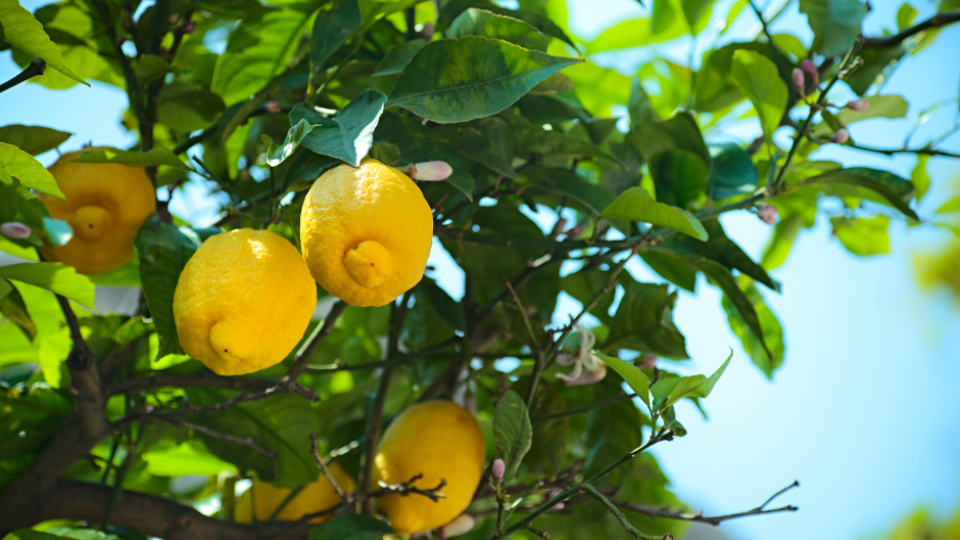
Fruit and Vegetable Guide Series: Lemons
This guide includes information on selecting, preparing, cooking, and storing Lemons.