
Food Safety 101: Four Essential Practices for Safe Food at Home
Written by Jenna Dyckman, Extension Assistant Professor
Reviewed by Kate Chappell, Extension Assistant Professor
Every year, millions of people get sick from foodborne illnesses—many of which are preventable with safe food handling practices. Whether you’re preparing a weeknight dinner or packing lunch for the next day, following a few basic food safety steps can help keep you and your family healthy. This article outlines four essential strategies, which include clean, separate, cook, and chill. Applying these strategies can help you to reduce your risk of foodborne illness when cooking at home.
Food Safety Practice #1: CLEAN
CLEAN the counters
When it comes to preparing food at home, we want to ensure that we start with a clean kitchen. Take time to clean any surfaces that you’ll be cooking on. It is recommended to clean your counters before and after prepping food in the kitchen. You can use warm soapy water or a sanitizer spray to clean off your counters.
CLEAN our hands
You’ll also want to wash your hands before you begin cooking. You might be thinking, “why do I need to wash my hands? I’m just cooking for myself and my family, we all have the same germs.” We can bring many types of germs (bacteria, viruses, parasites, etc.) home with us from school, work, and other public places. If we don’t wash our hands, those germs could get into our food and could cause us or our families to be sick.
Whether you are preparing a meal or making a quick snack, it is best to wash your hands before working with the food. The recommendation is to wash your hands for 20 seconds with warm soapy water. Wash your hands after handling raw meats, before prepping other foods.
CLEAN our kitchen utensils
Just like the counters and our hands, the kitchen utensils must be properly cleaned before prepping a meal or snack. Check to ensure that any kitchen utensils or equipment is clean before using. Wash items in hot, soapy water after each use.
CLEAN the produce
Wash your vegetables and fruits. You can rinse them under running water and if needed, you can clean the skins of produce with a vegetable brush. This is an important practice even if you aren’t eating the skins of fruits or vegetables. For example, because we don’t eat the peel of an orange or the rind of the watermelon, we might not think of washing an orange or watermelon before cutting. If you don’t wash the skin when you cut the produce item, it could introduce bacteria onto the flesh of the fruit or vegetable. The best thing you can do is to get into the habit of washing all fruits or vegetables before using them.
Food Safety Practice #2: SEPERATE
Raw meat, poultry, seafood, and eggs can carry harmful bacteria that spread to other foods if not handled properly. Keeping these foods separate from ready-to-eat items helps prevent cross-contamination. Some tips for keeping food separated include:
- Keep raw meat, poultry, seafood, and eggs in a separate spot in your grocery cart, in different grocery bags, and a separate spot in your fridge.
- Wash your hands after handling raw meat, poultry, seafood, or eggs.
- Prepare raw ingredients, especially meats, on a different counter or work area than other foods.
- Use separate cutting boards and knives for raw meats and other foods. If that’s not possible, prepare all produce and ready-to-eat foods first, then prepare the raw meats.
- After using knives, cutting boards, or other tools with raw meat, wash them thoroughly with warm, soapy water before using them again.
- If you’re marinating raw meat, do not reuse the marinade on other raw foods unless you bring it to a boil first.
- Never place cooked food on a plate, bowl, or surface that previously held raw meat, poultry, seafood, or eggs.
Food Safety Practice #3: COOK
Cooking food to the proper temperature is essential for killing harmful bacteria and other pathogens.
The Temperature Danger Zone
Bacteria grow quickly between 40°F and 140°F. This range is called the "Temperature Danger Zone." Keeping food out of this zone—either by cooking it properly or keeping it cold—reduces the risk of foodborne illness.
When cooking animal products (beef, pork, chicken, fish, etc) it is important to cook food to a safe internal temperature before eating the food. If the food is undercooked there is an increased chance that there are still harmful bacteria in the food that could increase you risk of developing a food borne illness.
What is the best way to know if the food is at a safe internal temperature?
Some people guess whether food is done by checking its color or texture, but this isn’t always accurate. The safest way to make sure food has reached a safe temperature is to use a food thermometer. A thermometer gives you an exact reading and helps you know whether to keep cooking the food or if it's ready to eat. Refer to Table #1 on the safe internal temperature for a variety of different animal products.
Table 1. Safe Internal Temperatures for Animal Products.
| Food | Recommended Internal Temperature (Fahrenheit) |
|---|---|
| Beef, Pork, Veal, Lamb Steaks, Chops, and Roasts | 145 degrees F and allow to rest for at least 3 minutes |
| Ham, fresh or smoked (uncooked) | 145 degrees F and allow to rest for at least 3 minutes |
| Ham, fully cooked (reheating) | Reheat cooked hams packaged in USDA-inspected plants to 140 degrees F and all other to 165 degrees F |
| Fish and Shellfish | 145 degrees F |
| Ground meats | 160 degrees F |
| Eggs | 160 degrees F |
| Ground Poultry | 165 degrees F |
| All Poultry | 165 degrees F |
| Leftovers | 165 degrees F |
| Casseroles | 165 degrees F |
When checking temperature, insert the thermometer into the thickest part of the meat. If the thickest part has reached a safe temperature, the smaller pieces should be safe too. You can check multiple spots if needed.
When reheating cooked food that has been kept in the fridge or freezer, you want leftovers to reach 165 degrees F.
Food Safety Practice #4: CHILL
Just like proper cooking is important, keeping food cold is equally necessary to prevent the growth of bacteria.
Don’t Leave Food Out Too Long
Perishable food should not be left out for more than two hours. If the temperature is 90°F or hotter (like at a picnic or during summer), that time drops to just one hour. Bacteria multiply quickly in the Temperature Danger Zone, so it’s best to chill food quickly and properly.
Set Your Fridge and Freezer to the Right Temperature
Your refrigerator should be at or below 40°F, and your freezer should be at or below 0°F. These temperatures help prevent bacteria from growing and keep your food fresh longer. Some refrigerators and freezers have a built-in thermometer, but if they do not it is recommended to buy a thermometer for your refrigerator and freezer. This will help you to know the current temperatures are of your refrigerator and freezer.
Thawing Food Safely
Never thaw food on the kitchen counter at room temperature. Even frozen food can fall into the danger zone as it thaws, allowing bacteria to multiply.
Here are three safe ways to thaw frozen food:
- In the refrigerator: This method is the safest but takes time. Plan for at least 24 hours of thawing for every 5 pounds of food. For example, a 20-pound turkey would take about four days to thaw in the fridge.
- In cold water: Place the food in a leak-proof bag and submerge it in cold water. Change the water every 30 minutes to keep it cold.
- In the microwave: Use the microwave's defrost setting. Check your appliance’s manual for specific instructions.
Know How Long Food Can Be Stored in the Fridge
Even in the refrigerator, food can spoil if it’s left too long. See Table 2 for the lists of safe storage times for common foods:
Table 2. Safe Recommended Times for Fridge Storage.
| Category | Food Examples | Refrigerator Storage Time (40 degrees F or below) |
|---|---|---|
| Salads | Egg, chicken, ham, tuna, macaroni | 3-5 days |
| Hot Dogs | Opened package | 1 week |
| Unopened package | 2 weeks | |
| Deli Meats | Opened package | 3-5 days |
| Unopened package | 2 weeks | |
| Bacon | Bacon | 7 days |
| Sausage | Sausage | 1-2 days |
| Ground Meat | Ground beef, turkey, veal, pork, lamb | 1-2 days |
| Fresh Meat | Steak, chops, roasts | 3-5 days |
| Fresh Poultry | Chicken or turkey | 1-2 days |
| Soups and Stews | Vegetables or meat added | 3-4 days |
| Leftovers | Any leftovers | 3-4 days |
Conclusion
Practicing food safety at home is one of the best ways to protect yourself and your family from foodborne illnesses. By following the four core principles, clean, separate, cook, and chill, you can greatly reduce your risk. These practices help eliminate harmful bacteria, prevent cross-contamination, ensure your food is cooked safely, and keep leftovers fresh and safe to eat. Making food safety a regular part of your cooking routine leads to healthier meals and peace of mind.
References
- https://www.fda.gov/food/buy-store-serve-safe-food/safe-food-handling
- https://fightbac.org/food-safety-basics/the-core-four-practices/
- https://www.foodsafety.gov
- https://www.fsis.usda.gov/food-safety/safe-food-handling-and-preparation/food-safety-basics/danger-zone-40f-140f
Related Research
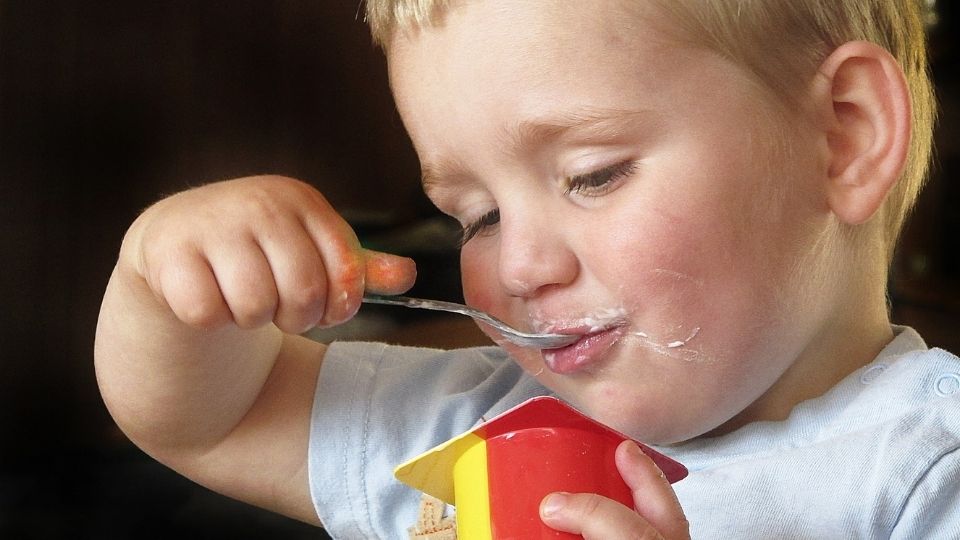
Ensuring Adequate Vitamin D Intake Among Infants and Children
Many people in the United States, including children, do not get enough vitamin D in their diet’s. In fact, about 52% of children have low levels of vitamin D in their blood.
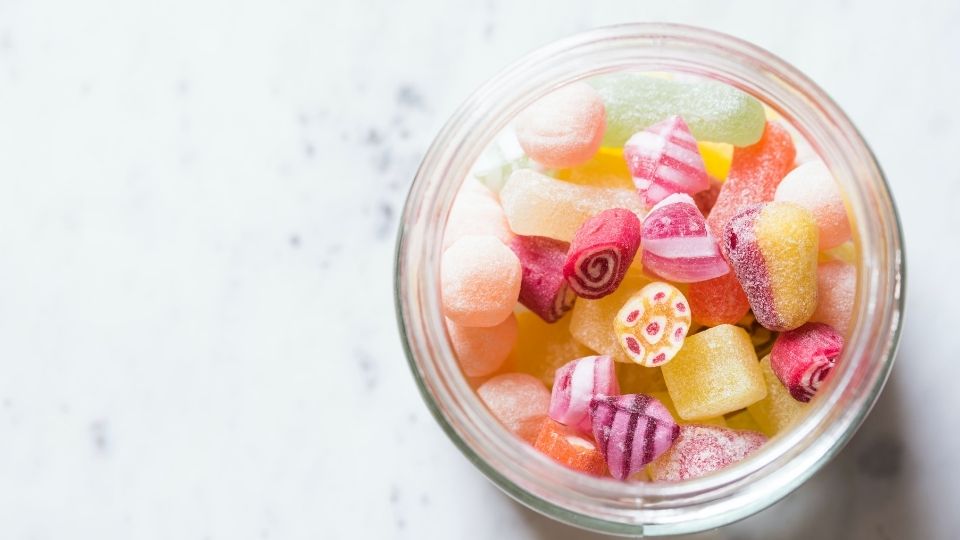
Added Sugars: What You Need to Know
Why and how to limit added sugar in your diet, what it is, and where to find it.

Almond Whole Wheat Toaster Waffles
I love this recipe because it has a great nutty flavor and crisp, light texture. It really sticks with me! The whole-wheat flour means I am getting plenty of fiber and phytochemicals. The almond flour adds a wonderful nutty flavor, and some healthy fats,

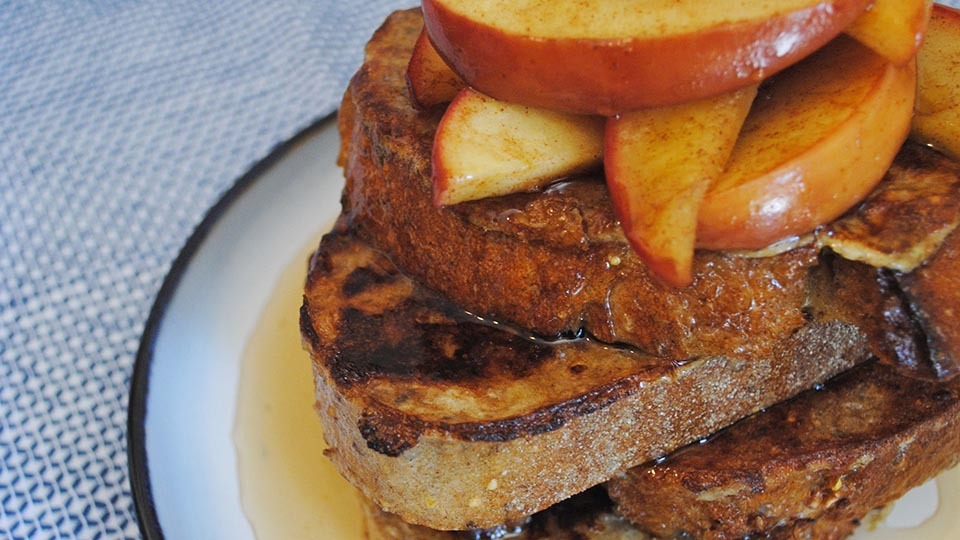
Apple Cinnamon French Toast
Fruity breakfast classic: perfect for family mornings or weeknight dinners. Serves 6-8 people.

Baby-Led Weaning: An Approach to Introducing Solid Foods to Infants
Baby-Led Weaning (BLW) is a safe and effective alternative to the traditional method as it introduces solid foods in a way that respects an infant’s autonomy, provides supplemental nutrition, and promotes healthy weight and eating behaviors (Rapley 2015).

Body Image in Adolescence
This fact sheet addresses risk factors and protective factors in order to help adolescents navigate this critical time frame.
Boost the Benefits with Beans
Replacing fats with bean puree can reduce calories, fat, and cholesterol while adding nutrients.

Breastfeeding or Formula Feeding: A Mother’s Choice
Deciding how to feed an infant is a decision that should be made by a mother and her family. The benefits of exclusively breastfeeding an infant for the first six months of life are well established (World Health Organization [WHO], 2017); however, it may
Carrot-Top Pesto Pasta
Carrot top pesto pasta: fresh, zesty, and minty with optional walnuts for crunch.
Chocolate Zucchini Brownies
This hybrid of zucchini bread and homemade brownies will get even the pickiest of eaters to ask for seconds. The mild and adaptable taste of zucchini is perfect to blend into a dark, thick brownie. Also the batter is perfect for tasting because there are
Controlling Blood Glucose Levels Through Diet
Individuals with diabetes can better manage their blood glucose levels by changing the amount of fiber, protein, and fat they eat regularly. This article will discuss these three components of food in detail and will provide suggestions for recipes to he
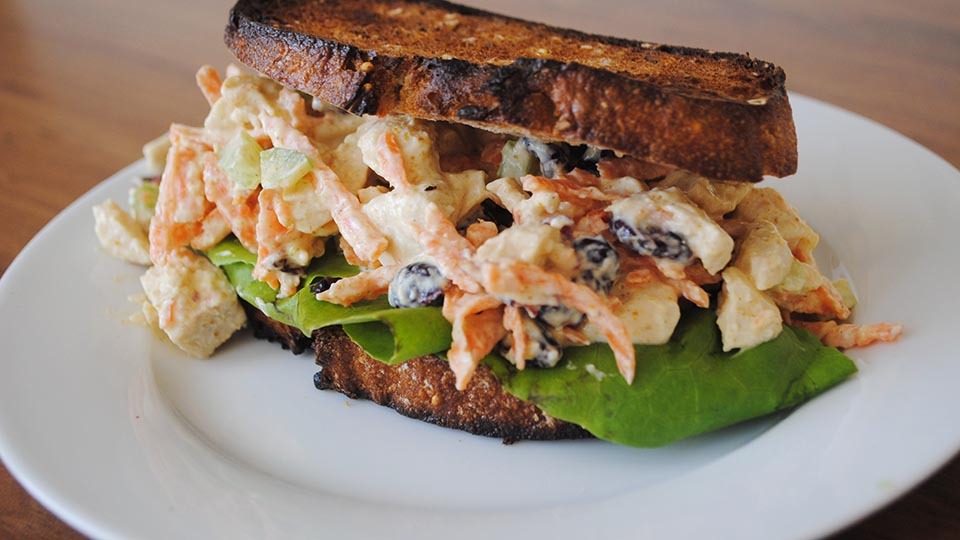
Curried Chicken Salad Sandwich
Most store-bought chicken salads have lots of mayonnaise, making them high in calories. This low-calorie alternative is made with plain Greek yogurt. You won’t even be able to tell the difference!

Dairy in Your Child's Diet
For many people, a healthy and well-balanced diet includes foods from all the food groups. The dairy group is especially important for children and youth because of the high amounts of protein, calcium, and vitamin D that are used to build strong bones an
Diabetes Education Resources
Many educational resources are available for you and your family that address a wide variety of diabetes topics.

Diabetes and the Holidays
Dealing with diabetes symptoms during the holidays can be frustrating. This article provides practical tips to help you better manage your symptoms while enjoying the holiday season.
Does Healthy Eating Cost More?
Decisions regarding food choices are based on a variety of factors including cost, taste, convenience, and availability. Many people feel that nutritious foods cost more than foods high in calories and low in important nutrients. In an effort to save mone
Fasting Diets: Are They Safe, Healthy, and Effective?
Diets are commonly prescribed to induce weight loss and reduce the risk of many diseases. Because a standard daily calorie restriction diet is often hard to maintain, other diet alternatives such as fasting diets were created. Fasting diets have been foun

Finding a Diabetes Community
Connecting with others can be an excellent way for you to find others who “get it” and understand the unique challenges associated with T1D. A community can be where you can get and give support, share practical strategies, and minimize isolation.

Fluoride: From Birth to Adolescence
In this fact sheet we will discuss the benefits of using fluoride, the most common concerns about fluoride intake in children, and recommendations from birth to adolescence.

Food Security – What It Is and Why It Matters
This website provides comprehensive information on food security, including its definition, pillars, health consequences, resources available, and ways to support food security efforts. It offers a detailed list of federal programs, food banks, and other

Food Waste Part 6: Introduction to Increasing Cooking Skills and Preserving Foods
Learn the basic skills for preserving and cooking foods so that you can save time, money, and decrease the amount of food wasted in your home.
Food Waste Part 7: “Wait! Don’t throw that away!” Composting and Creative Recipes
Learn to reduce food waste through composting and creative recipes.

Food Waste Prevention Part 1: Introduction
No one likes wasting food, but in the United States each person wastes on average about a pound of food every day. Thirty million acres of cropland is used to produce this wasted food every year. To learn more about options to reduce food waste and resour
Food Waste Prevention Part 2: Meal Planning
Prevent food waste through meal planning and shopping habits.
Food Waste Prevention Part 4: Using Leftovers
Don’t waste food or money: learn to safely use leftovers to make delicious meals.
Food Waste Prevention Part 5: Food Labels and Food Safety
Stop wasting food and money: learn what the dates on your food mean and safe food storage.

Fresh and Easy: How to Make Pureed Baby Food
Starting the transition from breast milk or formula to solid foods can be quite daunting for parents.To add to the challenge, there are hundreds of commercial pureed baby food options on the market to choose from. In
Frozen Yogurt in a Bag
This recipe is a great family activity where everyone can get involved! Once the bags are ready to shake, have everyone sit in a circle (outside is best because the bag might drip water). Take turns having each person shake the bag and passing to the next
Fruit and Vegetable Guide Series: Apples
This guide includes information on selecting, preparing, cooking, and storing apples.
Fruit and Vegetable Guide Series: Bananas
This guide includes information on selecting, preparing, cooking, and storing bananas.
Fruit and Vegetable Guide Series: Beets
This guide includes information on selecting, preparing, cooking, and storing Beets.
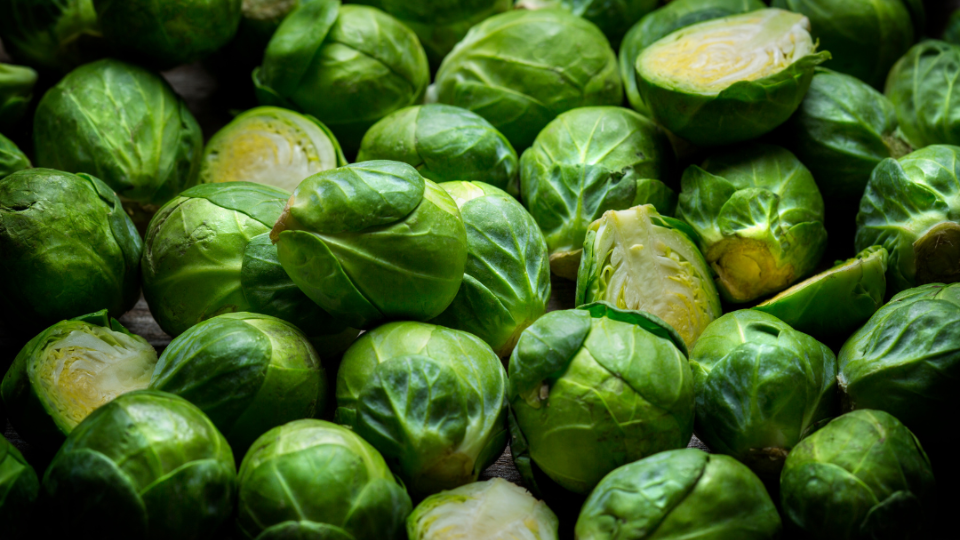
Fruit and Vegetable Guide Series: Brussel Sprouts
This guide includes information on selecting, preparing, cooking, and storing Brussel Sprouts.
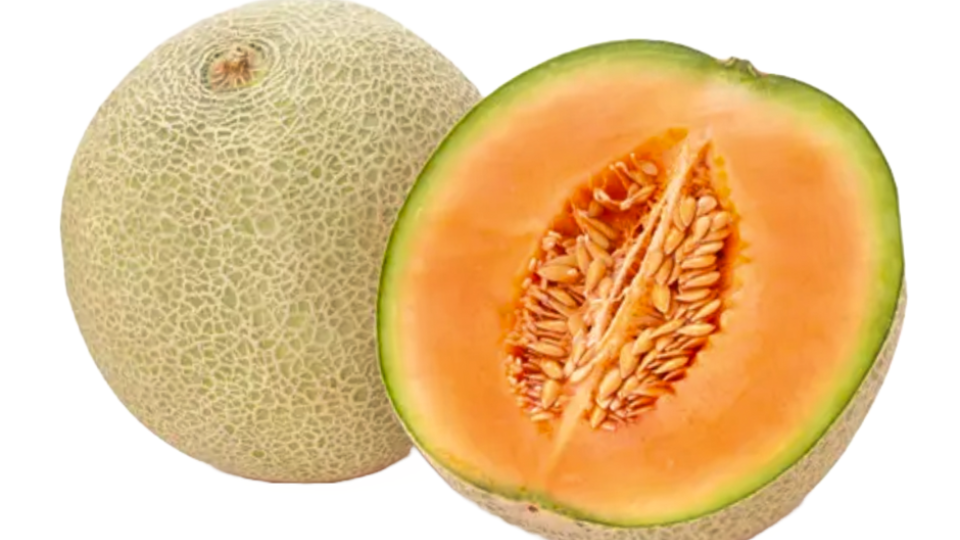
Fruit and Vegetable Guide Series: Cantaloupe
This guide includes information on selecting, preparing, cooking, and storing Cantaloupe.
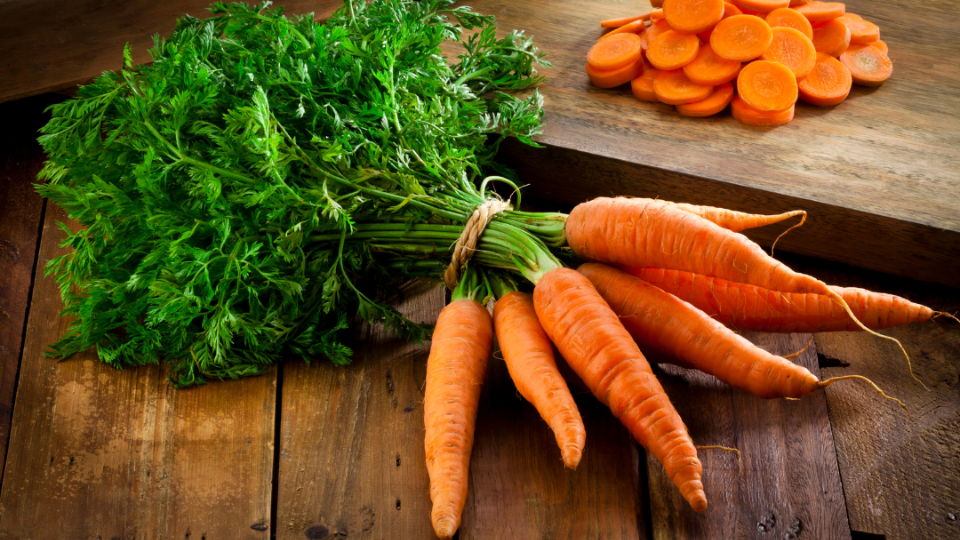
Fruit and Vegetable Guide Series: Carrots
This guide includes information on selecting, preparing, cooking, and storing Carrots.
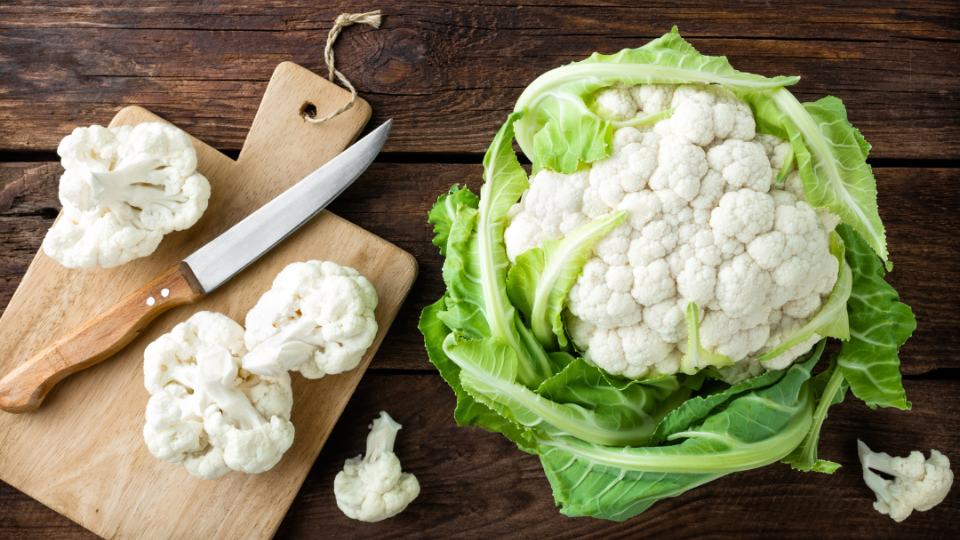
Fruit and Vegetable Guide Series: Cauliflower
This guide includes information on selecting, preparing, cooking, and storing Cauliflower.
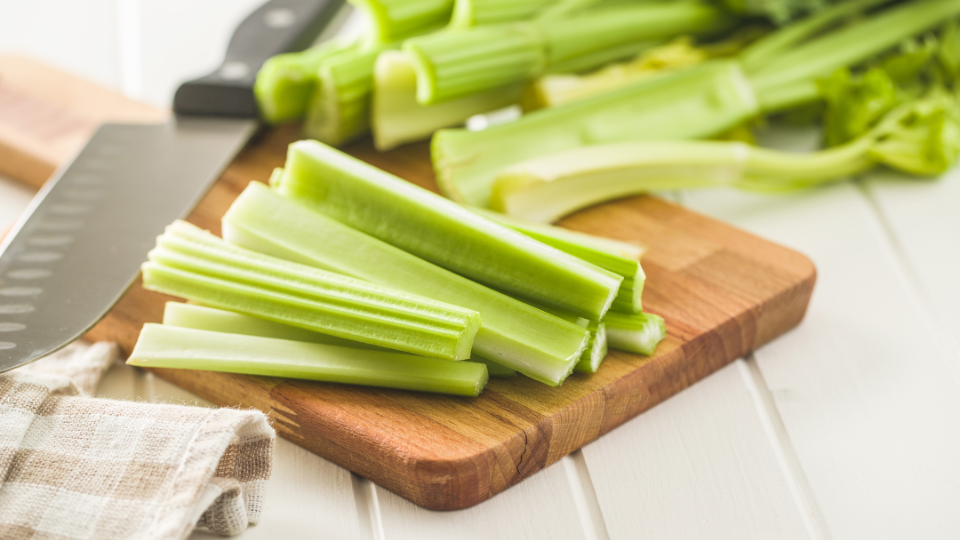
Fruit and Vegetable Guide Series: Celery
This guide includes information on selecting, preparing, cooking, and storing Celery.
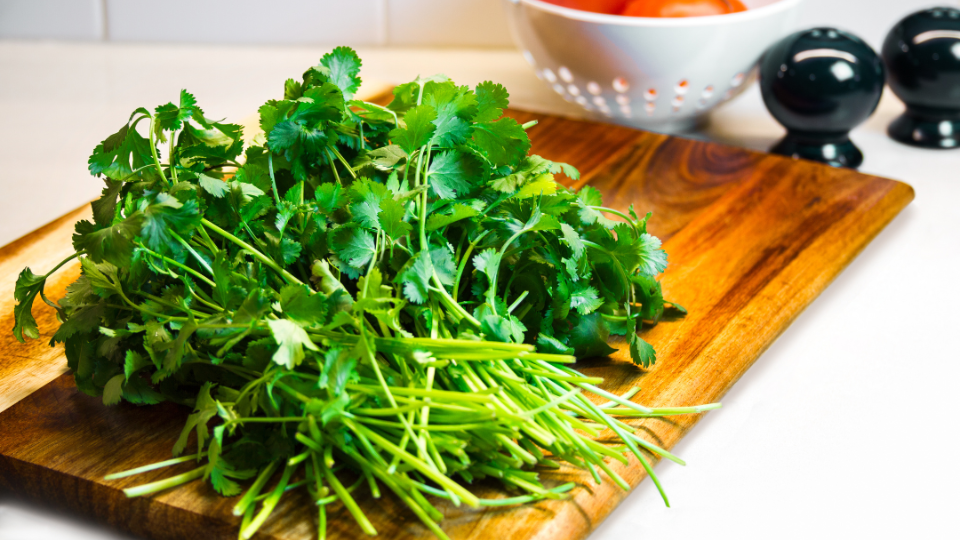
Fruit and Vegetable Guide Series: Cilantro
This guide includes information on selecting, preparing, cooking, and storing Cilantro.
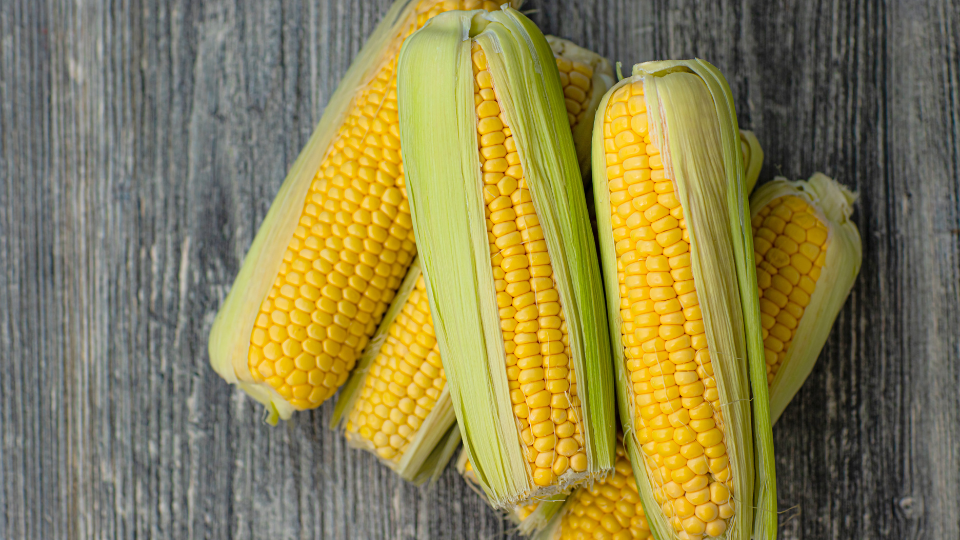
Fruit and Vegetable Guide Series: Corn
This guide includes information on selecting, preparing, cooking, and storing corn.
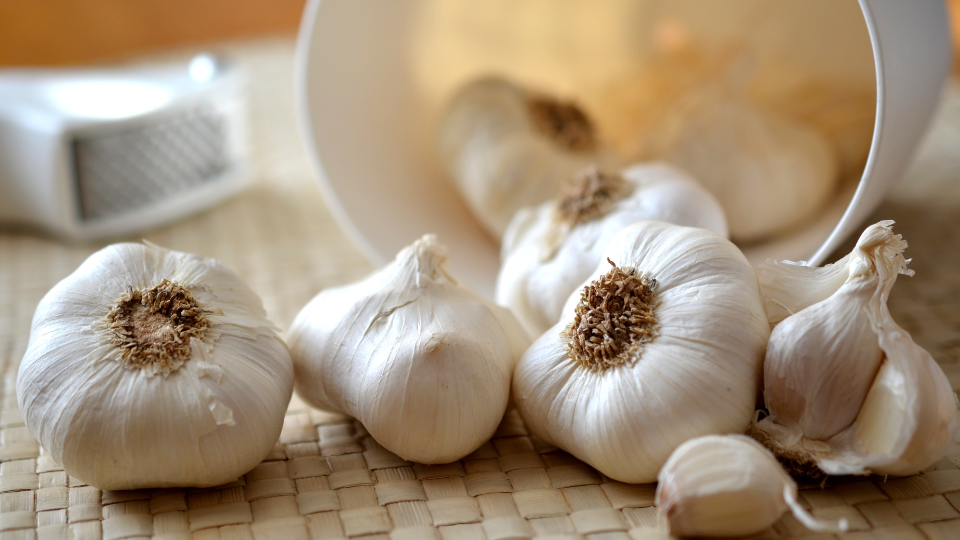
Fruit and Vegetable Guide Series: Garlic
This guide includes information on selecting, preparing, cooking, and storing garlic.
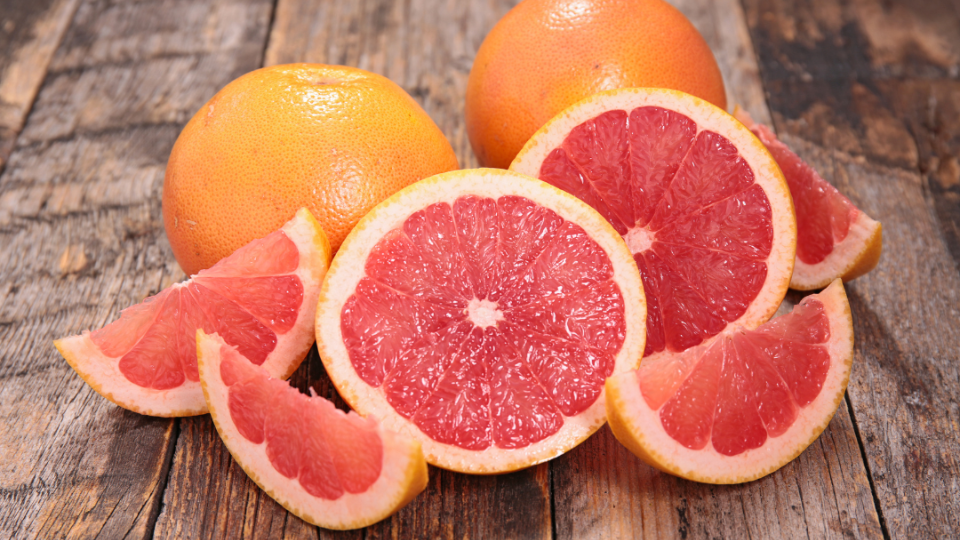
Fruit and Vegetable Guide Series: Grapefruit
This guide includes information on selecting, preparing, cooking, and storing Grapefruit.
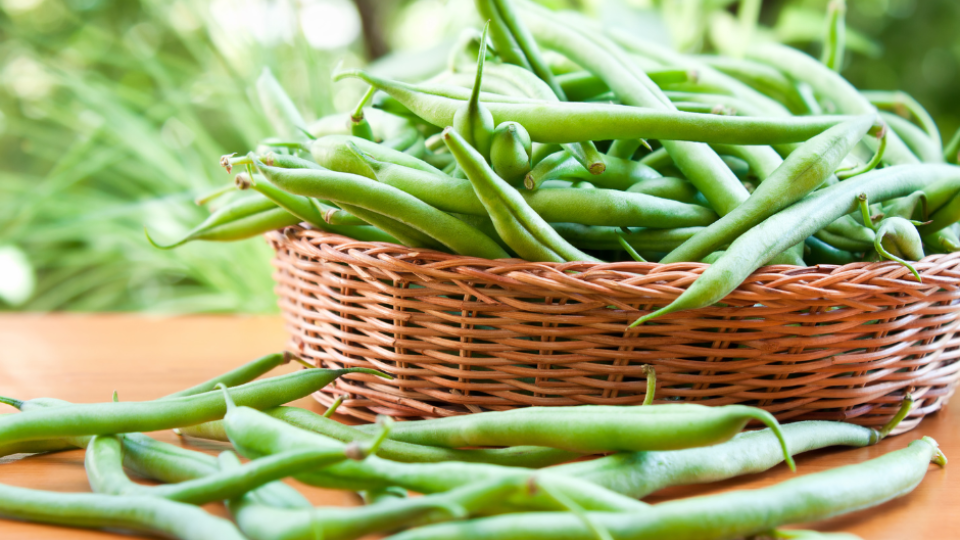
Fruit and Vegetable Guide Series: Green Beans
This guide includes information on selecting, preparing, cooking, and storing Green Beans.
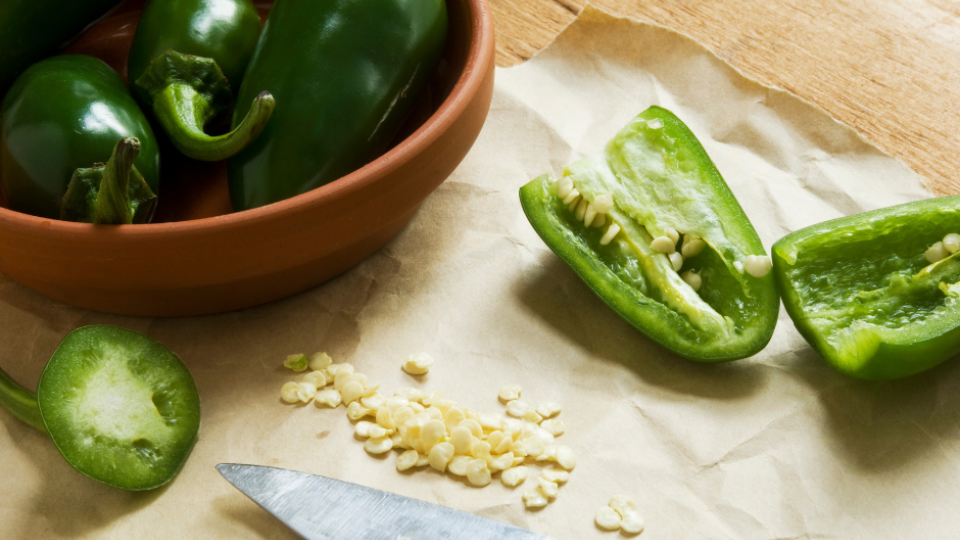
Fruit and Vegetable Guide Series: Jalapeno
This guide includes information on selecting, preparing, cooking, and storing Jalapeno.
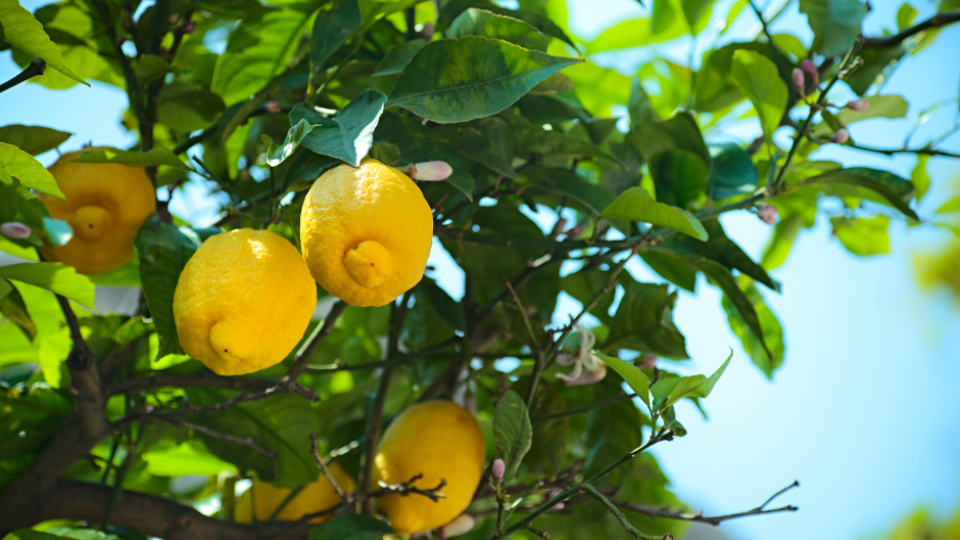
Fruit and Vegetable Guide Series: Lemons
This guide includes information on selecting, preparing, cooking, and storing Lemons.
Fruit and Vegetable Guide Series: Limes
This guide includes information on selecting, preparing, cooking, and storing Limes.