
Energy-Dense Foods vs. Nutrient-Dense Foods: What's the Difference?
When making food choices, many people focus on calories. While calories provide our bodies with energy, it is also important to consider the nutrients in the food we eat. Understanding the difference between energy-dense and nutrient-dense foods can help you make choices that support both health and satisfaction.
Energy density refers to the number of calories in a given amount of food. Energy-dense foods contain a large number of calories in a relatively small serving. Foods high in added sugars and fats, such as chips, cookies, candy, fried foods, and many fast-food items, are often energy dense. While these foods can be enjoyable and fit into a balanced diet, energy-dense foods may provide fewer vitamins, minerals, and fiber compared to other food choices. However, not all energy-dense foods are highly processed. Some energy-dense foods, such as nuts, seeds, avocados, and nut butters, are high in energy, but also contain important nutrients. The key is to balance foods that provide energy with foods that provide a wide variety of nutrients.
Nutrient-dense foods, on the other hand, provide a high number of vitamins, minerals, protein, fiber, and other beneficial nutrients relative to their calorie content. Fruits, vegetables, whole grains, lean proteins, beans, and low-fat dairy products are examples of nutrient-dense foods. These foods help fuel the body while supplying the nutrients needed for growth, repair, and overall health. Many nutrient-dense foods are also rich in fiber and water, which can help promote feelings of fullness and satisfaction after eating. By choosing nutrient-dense foods more often, individuals can make the most of their calories while supporting healthy body functions, maintaining energy levels, and meeting their daily nutrient needs.
For example, a small bag of potato chips and a medium apple may contain a similar number of calories. However, the apple provides fiber, vitamin C, and other beneficial nutrients, while the chips provide fewer essential nutrients. This makes the apple a nutrient-dense choice, and the chips an energy-dense choice. That doesn't mean you have to give up chips entirely. Instead, think about ways to add nutrient-dense foods to your snack. For example, enjoy a serving of tortilla chips with fresh salsa, which adds vitamins and minerals from vegetables like tomatoes, onions, and peppers. Pairing the chips with a small apple or another piece of fruit can add fiber and nutrients while still allowing you to enjoy your favorite snack. Building meals and snacks around nutrient-dense foods while including energy-dense foods in moderation can create a balanced and satisfying eating pattern.
Making nutrient-dense choices more often can help individuals meet their nutritional needs without consuming excess calories. Over time, this could support healthy weight management, improve overall diet quality, and reduce the risk of chronic diseases. It can also help provide steady energy throughout the day and support overall well-being. Remember, healthy eating is not about eliminating favorite foods or striving for perfection. Instead, it is about creating balance by choosing nutrient-dense foods most of the time while still enjoying energy-dense foods in moderation. Small changes, such as adding a fruit, vegetable, or source of lean protein to meals and snacks, can make a meaningful difference in the overall quality of your diet.
Tips for Choosing More Nutrient-Dense Foods
- Fill half your plate with fruit and vegetables.
Fruits and vegetables are naturally rich in vitamins, minerals, fiber, and water, making them nutrient-dense choices that can help you feel satisfied. - Choose snacks that provide both nutrients and energy.
Instead of reaching for chips or candy, try snacks like apple slices with peanut butter, yogurt with fruit, or cheese and whole-grain crackers. - Compare foods beyond the calorie count.
When choosing between foods, ask yourself, "What nutrients am I getting with these calories?" Selecting foods that provide protein, fiber, vitamins, or minerals can help make every calorie count.
Understanding the difference between energy-dense and nutrient-dense foods can help you build balanced meals and snacks. By choosing nutrient-dense foods more often while enjoying energy-dense foods in moderation, you can support your health and still enjoy the foods you love.
References
Biltoft-Jensen, Anja & Matthiessen, Jeppe & Ygil, Karin & Christensen, Tue. (2022). Defining Energy-Dense, Nutrient-Poor Food and Drinks and Estimating the Amount of Discretionary Energy. Nutrients. 14. 1477. 10.3390/nu14071477. (PDF) Defining Energy-Dense, Nutrient-Poor Food and Drinks and Estimating the Amount of Discretionary Energy
Drewnowski, A. (2005). Concept of a nutritious food: Toward a nutrient density score. The American Journal of Clinical Nutrition, 82(4), 721–732. https://doi.org/10.1093/ajcn/82.4.721
Authors
Aubree Harrison, Tiffany Jackson, and Cara Murray

Cara Murray
Professional Practice Extension Assistant Professor | Health and Wellness | 4-H | Uintah County Director
Home and Community
Related Research

Ensuring Adequate Vitamin D Intake Among Infants and Children
Many people in the United States, including children, do not get enough vitamin D in their diet’s. In fact, about 52% of children have low levels of vitamin D in their blood.
Access to Healthy and Nutritious Food in Utah: Results From the 2024 Utah Wellbeing Survey
A statewide assessment shows food and nutrition security are top concerns in Utah, with disparities across income, race, age, health, and location, underscoring the need for improved food access.
Added Sugars: What You Need to Know
Why and how to limit added sugar in your diet, what it is, and where to find it.
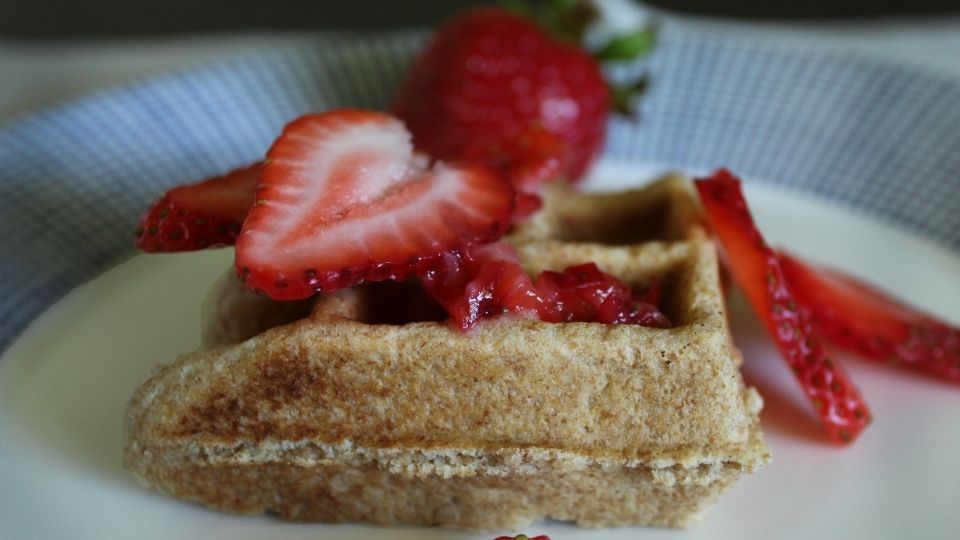
Almond Whole Wheat Toaster Waffles
I love this recipe because it has a great nutty flavor and crisp, light texture. It really sticks with me! The whole-wheat flour means I am getting plenty of fiber and phytochemicals. The almond flour adds a wonderful nutty flavor, and some healthy fats,

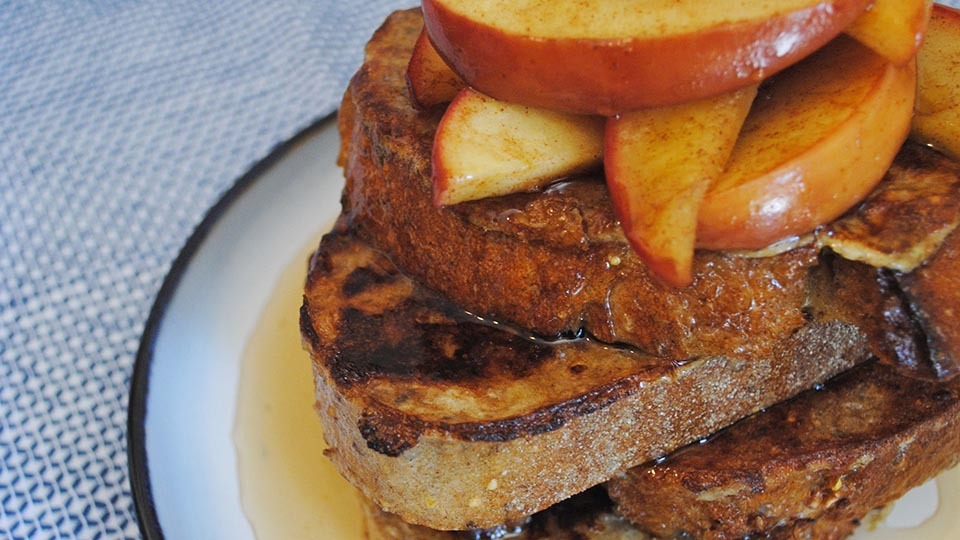
Apple Cinnamon French Toast
Fruity breakfast classic: perfect for family mornings or weeknight dinners. Serves 6-8 people.
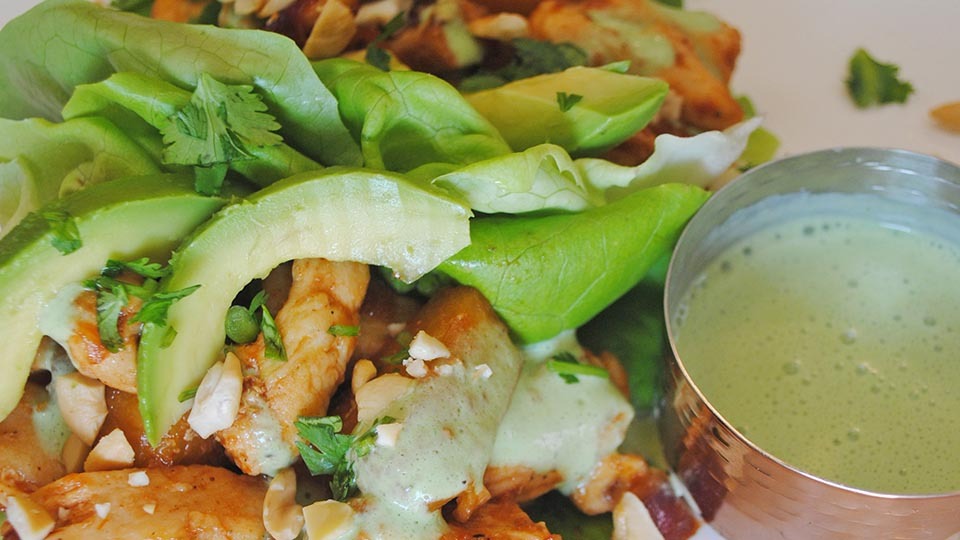

Baby-Led Weaning: An Approach to Introducing Solid Foods to Infants
Baby-Led Weaning (BLW) is a safe and effective alternative to the traditional method as it introduces solid foods in a way that respects an infant’s autonomy, provides supplemental nutrition, and promotes healthy weight and eating behaviors (Rapley 2015).

Body Image in Adolescence
This fact sheet addresses risk factors and protective factors in order to help adolescents navigate this critical time frame.
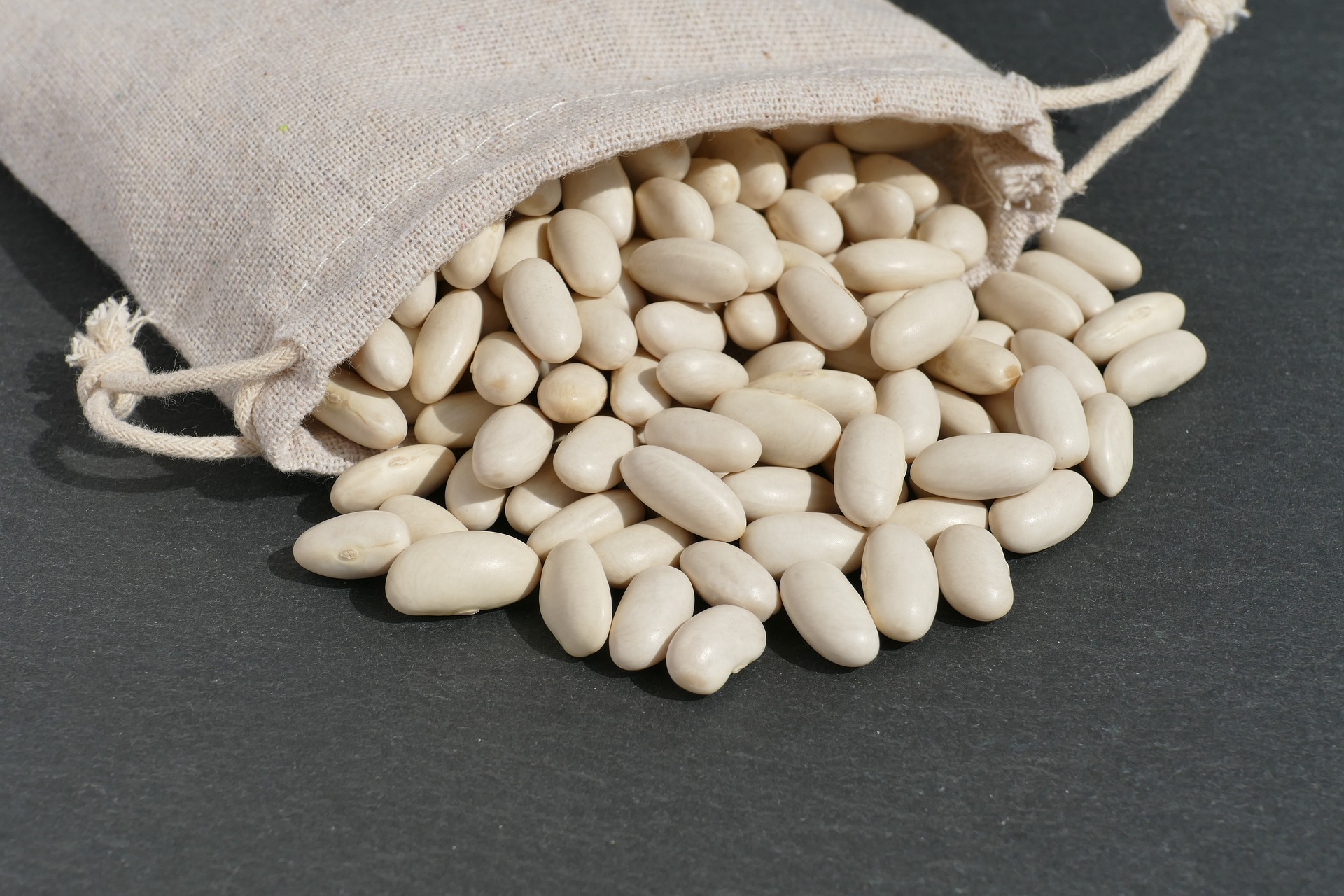
Boost the Benefits with Beans
Replacing fats with bean puree can reduce calories, fat, and cholesterol while adding nutrients.

Breastfeeding or Formula Feeding: A Mother’s Choice
Deciding how to feed an infant is a decision that should be made by a mother and her family. The benefits of exclusively breastfeeding an infant for the first six months of life are well established (World Health Organization [WHO], 2017); however, it may
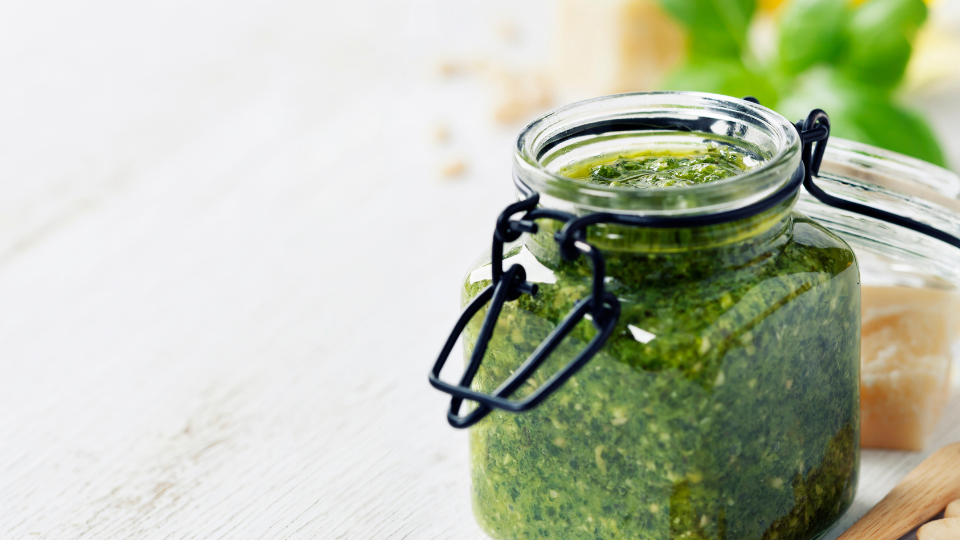
Carrot-Top Pesto Pasta
Carrot top pesto pasta: fresh, zesty, and minty with optional walnuts for crunch.
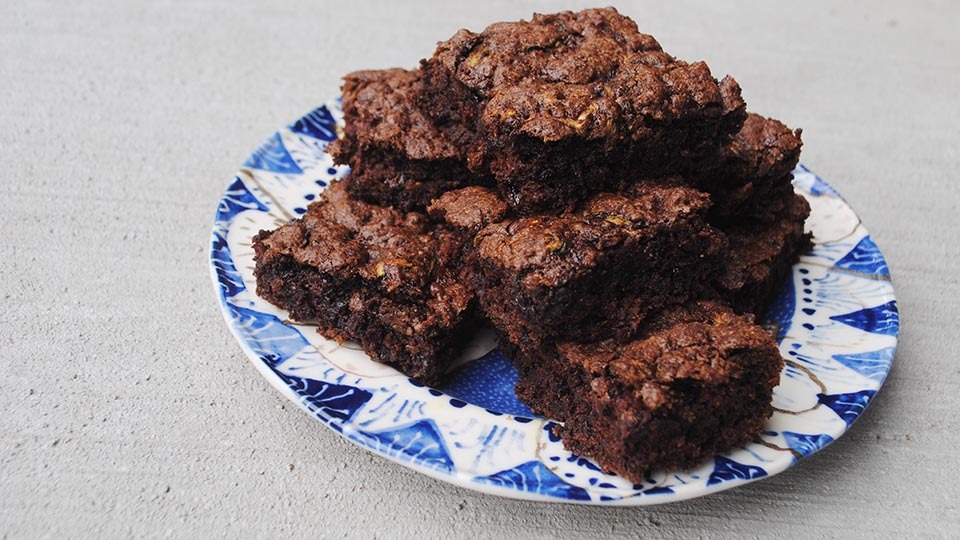
Chocolate Zucchini Brownies
This hybrid of zucchini bread and homemade brownies will get even the pickiest of eaters to ask for seconds. The mild and adaptable taste of zucchini is perfect to blend into a dark, thick brownie. Also the batter is perfect for tasting because there are

Controlling Blood Glucose Levels Through Diet
Individuals with diabetes can better manage their blood glucose levels by changing the amount of fiber, protein, and fat they eat regularly. This article will discuss these three components of food in detail and will provide suggestions for recipes to he
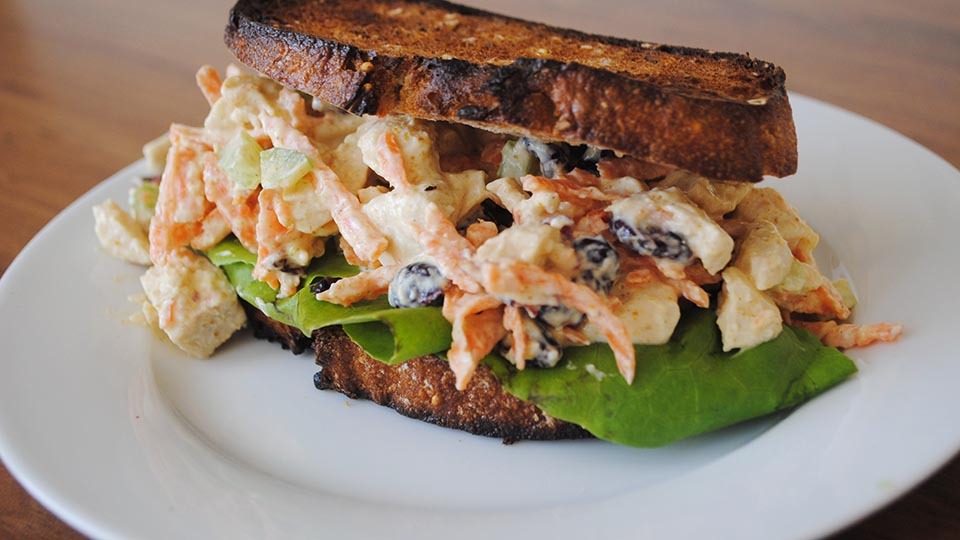
Curried Chicken Salad Sandwich
Most store-bought chicken salads have lots of mayonnaise, making them high in calories. This low-calorie alternative is made with plain Greek yogurt. You won’t even be able to tell the difference!
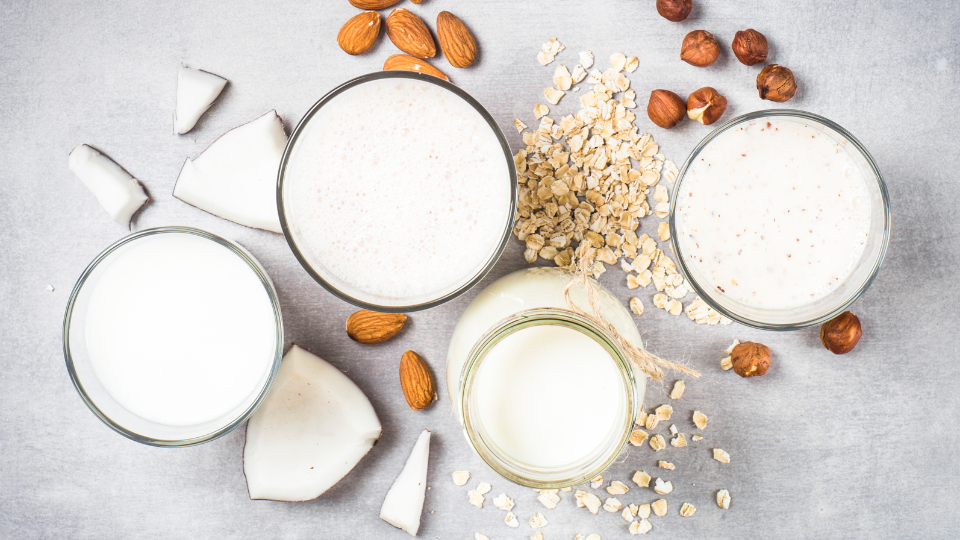

Dairy in Your Child's Diet
For many people, a healthy and well-balanced diet includes foods from all the food groups. The dairy group is especially important for children and youth because of the high amounts of protein, calcium, and vitamin D that are used to build strong bones an
Diabetes Education Resources
Many educational resources are available for you and your family that address a wide variety of diabetes topics.

Diabetes and the Holidays
Dealing with diabetes symptoms during the holidays can be frustrating. This article provides practical tips to help you better manage your symptoms while enjoying the holiday season.
Does Healthy Eating Cost More?
Decisions regarding food choices are based on a variety of factors including cost, taste, convenience, and availability. Many people feel that nutritious foods cost more than foods high in calories and low in important nutrients. In an effort to save mone
Energy-Dense Foods vs. Nutrient-Dense Foods: What’s the Difference?
Learn the difference between nutrient-dense and energy-dense foods and how balanced food choices can support health, energy, and nutrition.
Fasting Diets: Are They Safe, Healthy, and Effective?
Diets are commonly prescribed to induce weight loss and reduce the risk of many diseases. Because a standard daily calorie restriction diet is often hard to maintain, other diet alternatives such as fasting diets were created. Fasting diets have been foun

Finding a Diabetes Community
Connecting with others can be an excellent way for you to find others who “get it” and understand the unique challenges associated with T1D. A community can be where you can get and give support, share practical strategies, and minimize isolation.

Fluoride: From Birth to Adolescence
In this fact sheet we will discuss the benefits of using fluoride, the most common concerns about fluoride intake in children, and recommendations from birth to adolescence.

Food Safety for Older Adults: Why Food Safety Matters More As You Age
Learn key food safety tips to protect older adults from illness.

Food Security – What It Is and Why It Matters
This website provides comprehensive information on food security, including its definition, pillars, health consequences, resources available, and ways to support food security efforts. It offers a detailed list of federal programs, food banks, and other
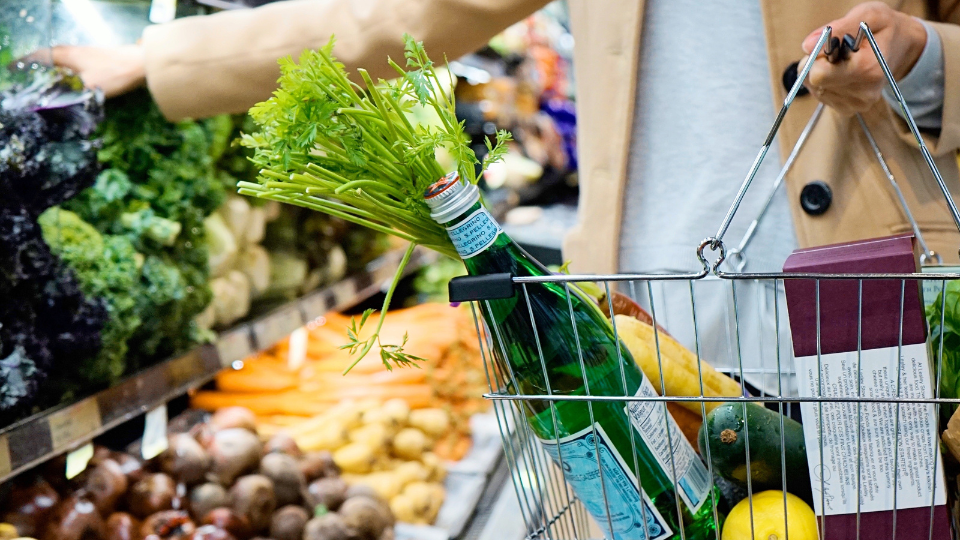

Food Waste Part 6: Introduction to Increasing Cooking Skills and Preserving Foods
Learn the basic skills for preserving and cooking foods so that you can save time, money, and decrease the amount of food wasted in your home.
Food Waste Part 7: “Wait! Don’t throw that away!” Composting and Creative Recipes
Learn to reduce food waste through composting and creative recipes.
Food Waste Prevention Part 1: Introduction
No one likes wasting food, but in the United States each person wastes on average about a pound of food every day. Thirty million acres of cropland is used to produce this wasted food every year. To learn more about options to reduce food waste and resour
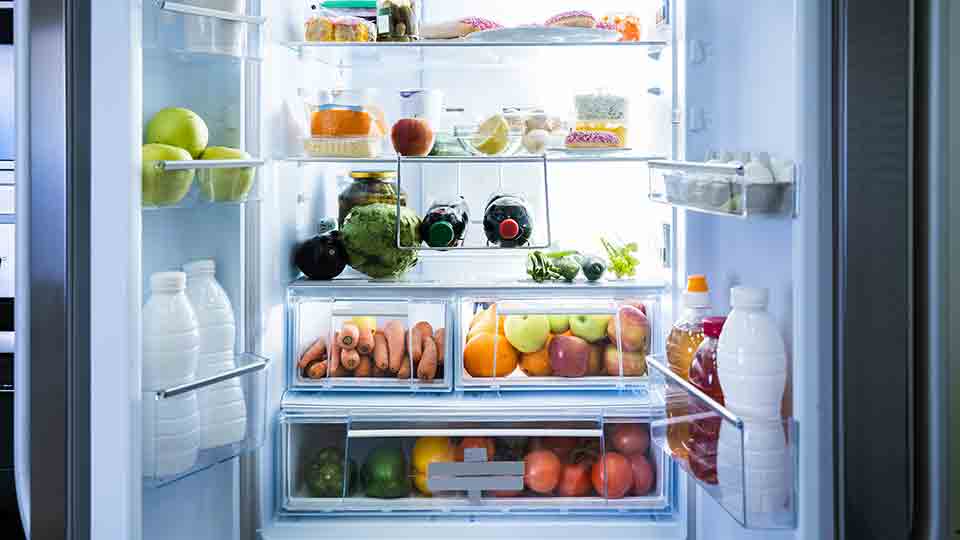
Food Waste Prevention Part 2: Meal Planning
Prevent food waste through meal planning and shopping habits.
Food Waste Prevention Part 4: Using Leftovers
Don’t waste food or money: learn to safely use leftovers to make delicious meals.
Food Waste Prevention Part 5: Food Labels and Food Safety
Stop wasting food and money: learn what the dates on your food mean and safe food storage.

Fresh and Easy: How to Make Pureed Baby Food
Starting the transition from breast milk or formula to solid foods can be quite daunting for parents.To add to the challenge, there are hundreds of commercial pureed baby food options on the market to choose from. In
Frozen Yogurt in a Bag
This recipe is a great family activity where everyone can get involved! Once the bags are ready to shake, have everyone sit in a circle (outside is best because the bag might drip water). Take turns having each person shake the bag and passing to the next
Fruit and Vegetable Guide Series: Apples
This guide includes information on selecting, preparing, cooking, and storing apples.
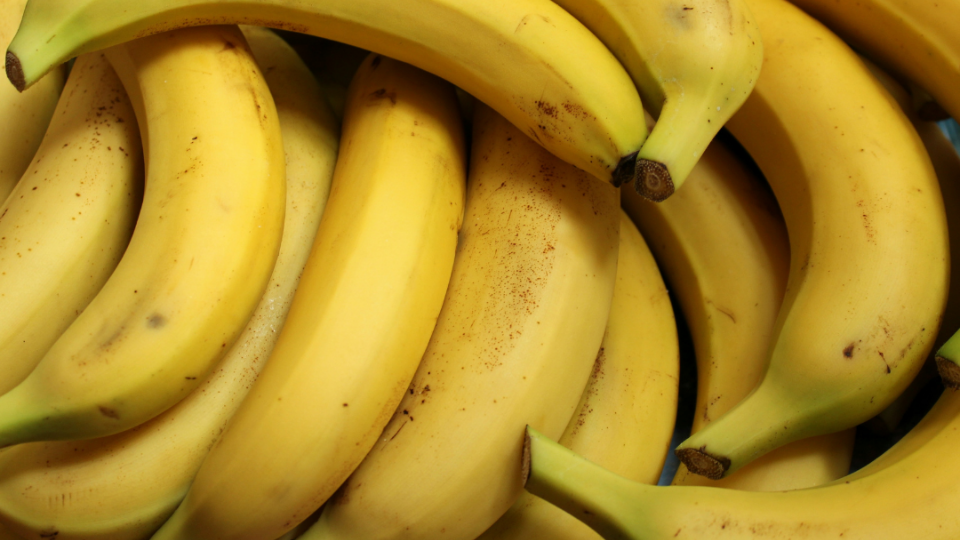
Fruit and Vegetable Guide Series: Bananas
This guide includes information on selecting, preparing, cooking, and storing bananas.
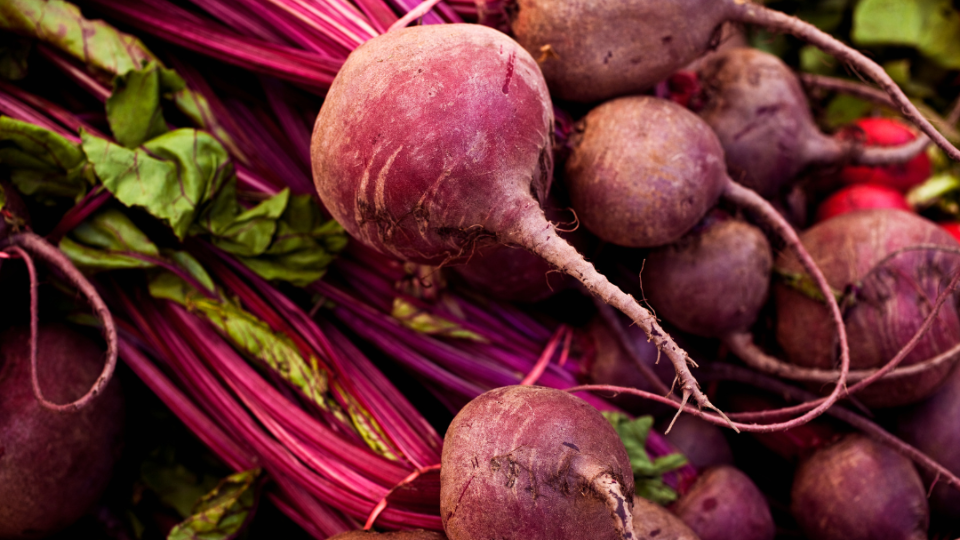
Fruit and Vegetable Guide Series: Beets
This guide includes information on selecting, preparing, cooking, and storing Beets.
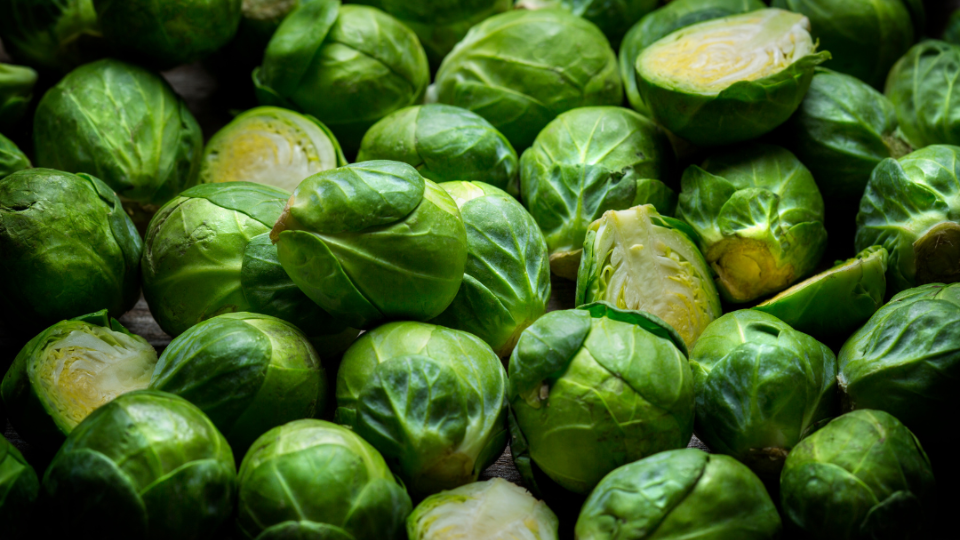
Fruit and Vegetable Guide Series: Brussel Sprouts
This guide includes information on selecting, preparing, cooking, and storing Brussel Sprouts.
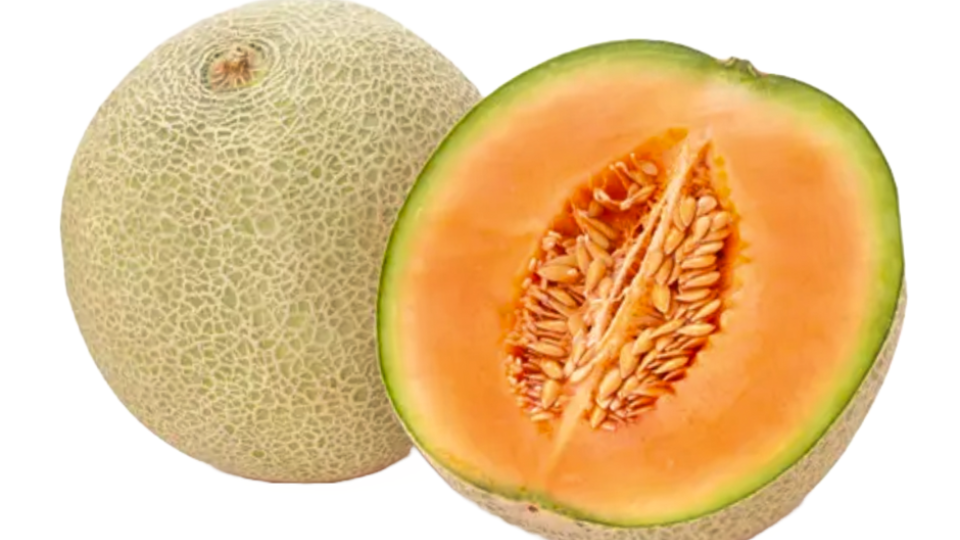
Fruit and Vegetable Guide Series: Cantaloupe
This guide includes information on selecting, preparing, cooking, and storing Cantaloupe.
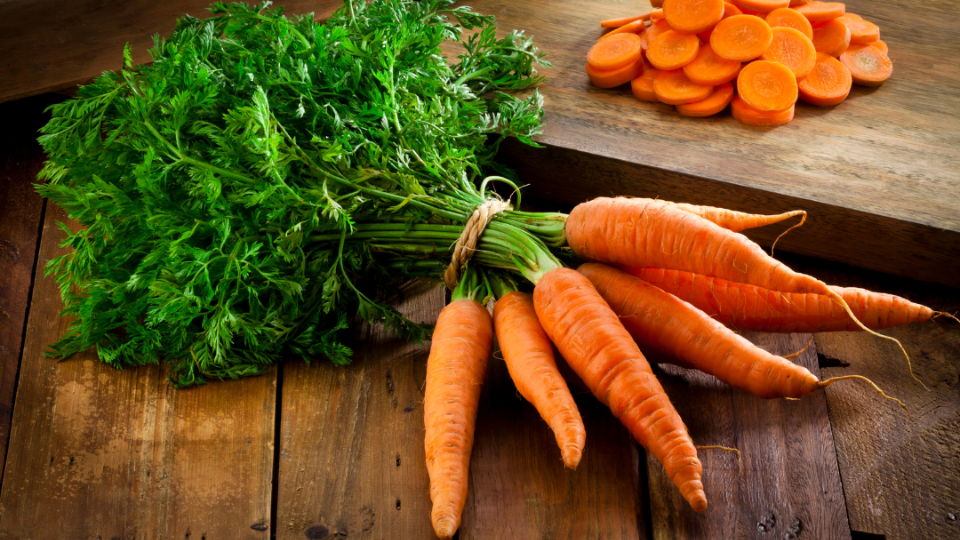
Fruit and Vegetable Guide Series: Carrots
This guide includes information on selecting, preparing, cooking, and storing Carrots.
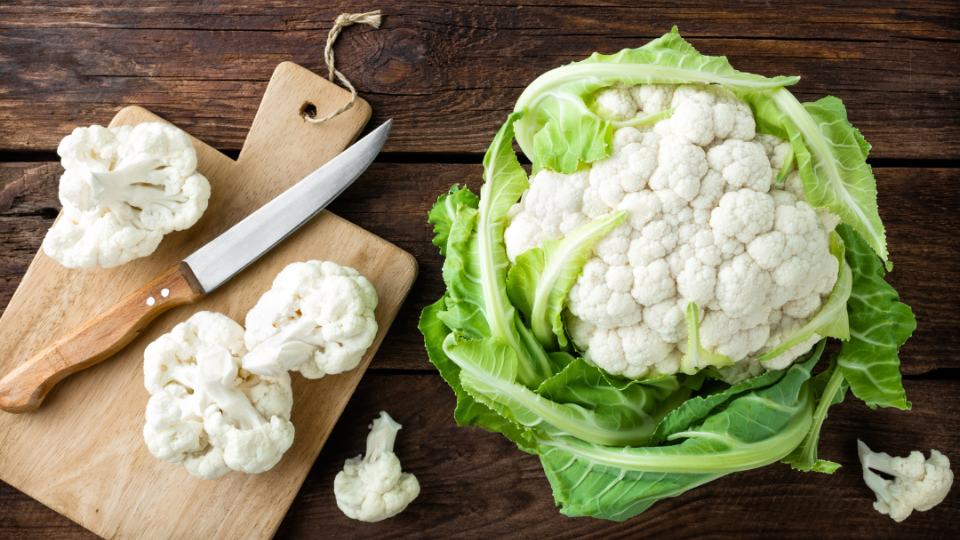
Fruit and Vegetable Guide Series: Cauliflower
This guide includes information on selecting, preparing, cooking, and storing Cauliflower.
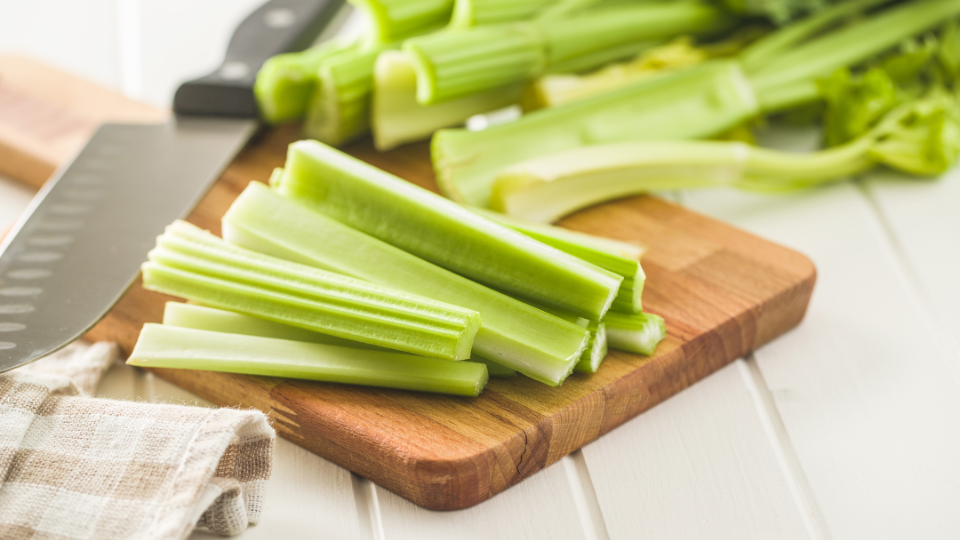
Fruit and Vegetable Guide Series: Celery
This guide includes information on selecting, preparing, cooking, and storing Celery.
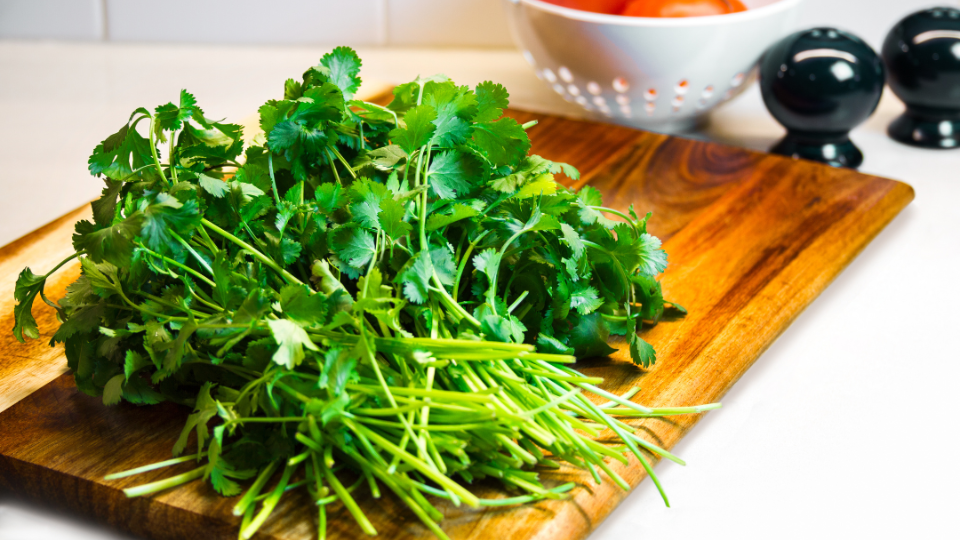
Fruit and Vegetable Guide Series: Cilantro
This guide includes information on selecting, preparing, cooking, and storing Cilantro.
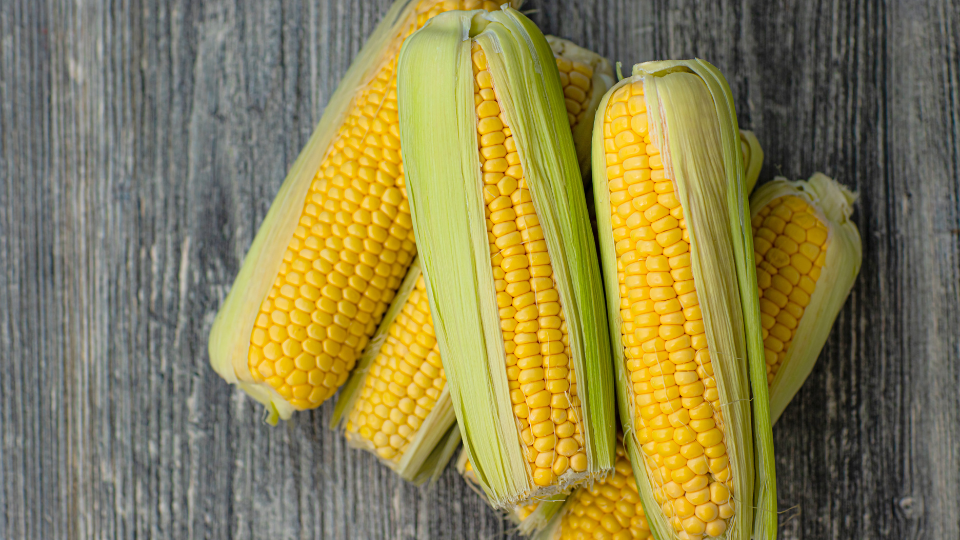
Fruit and Vegetable Guide Series: Corn
This guide includes information on selecting, preparing, cooking, and storing corn.
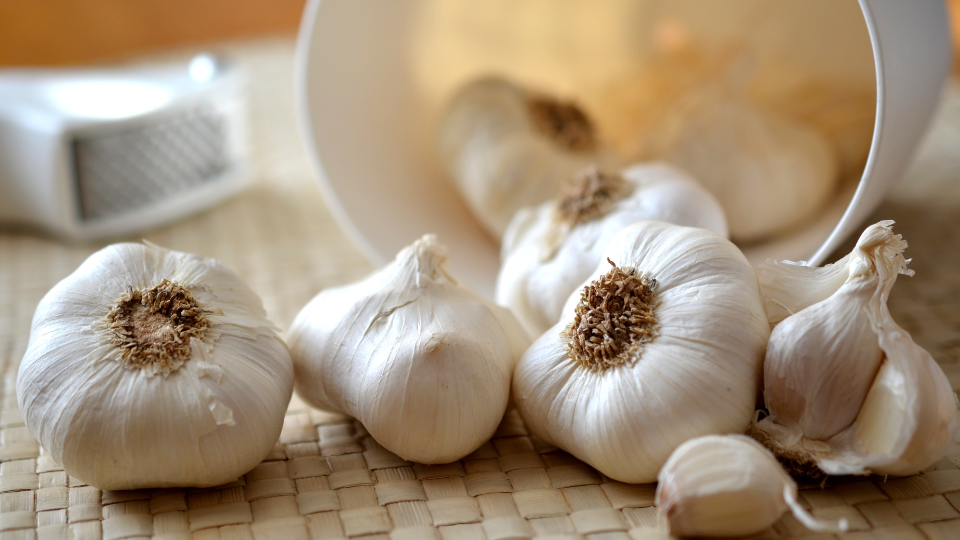
Fruit and Vegetable Guide Series: Garlic
This guide includes information on selecting, preparing, cooking, and storing garlic.
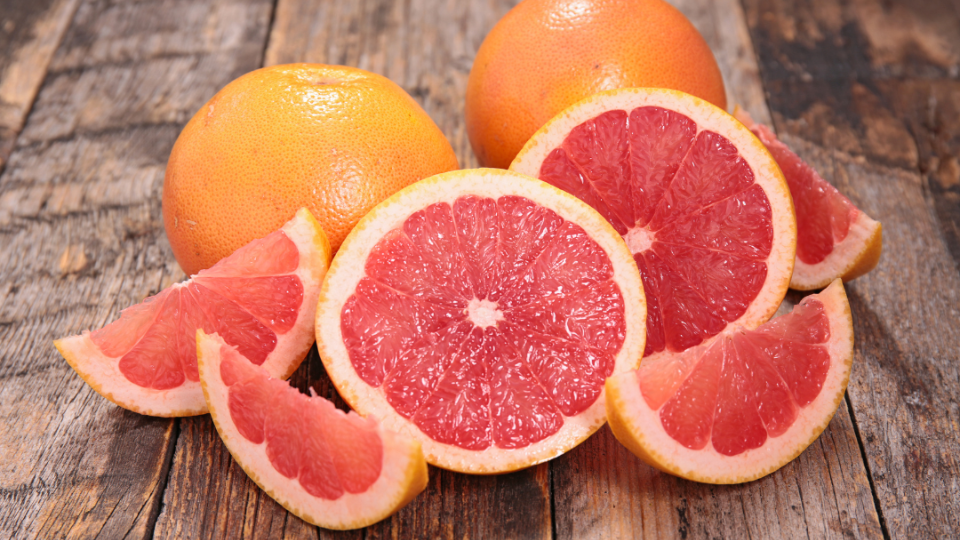
Fruit and Vegetable Guide Series: Grapefruit
This guide includes information on selecting, preparing, cooking, and storing Grapefruit.
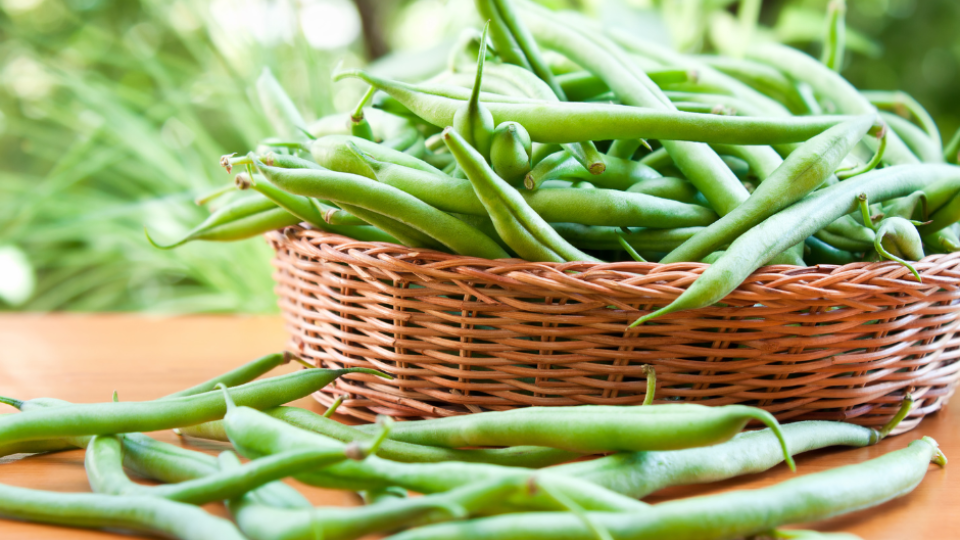
Fruit and Vegetable Guide Series: Green Beans
This guide includes information on selecting, preparing, cooking, and storing Green Beans.