
Central Wasatch Visitor Use Study

The canyons of the Central Wasatch provide some of Utah’s most outstanding outdoor recreation opportunities. Visitors can explore several dozen high elevation lakes, thousands of climbing routes, hike or mountain bike on hundreds of miles of trail, and ski some of the best snow on Earth during the winter months. In recent years however, the increased demand for outdoor recreation opportunities has caused many individuals, user groups, governmental organizations, and other allied interest groups to wonder how to accommodate demand while minimizing the potential impacts that increased use has on the canyon’s ecological and physical resources. The purpose of this study is to explore how outdoor recreation use and its associated impacts can be quantified and monitored over time within the canyons. Establishing indicators of the ecological, physical, and social characteristics of recreation settings throughout the canyons is an essential first step to quantifying and monitoring change. Our goal is to establish a set of indicators that are collaboratively generated and grounded in the best-available science and reflect the unique needs and concerns of the diverse stakeholders and interest groups who use, manage, and depend on the canyons. Through the work detailed below, the Central Wasatch Commission, the State of Utah, and the Uinta-Wasatch-Cache National Forest will gain a clear understanding of what data on outdoor recreation use currently exist and what data are essential to understand the ecological, physical, and social characteristics of recreation settings.
Phase I - Scoping of Potential Indicators
We are conducting a systematic literature review and data search to establish a comprehensive understanding of data concerning outdoor recreation use, and recreation-related impacts, within the Central Wasatch. We are supplementing this review and search with key stakeholder interviews to identify ongoing and past data collection or monitoring efforts related to recreation, develop an understanding of the types of indicators those agencies, organizations, and user groups feel are most important, and gather stakeholder perspectives, concerns, and ideas related to visitor use monitoring in the region. We are also cataloging all the data collection and monitoring efforts identified and evaluated the extent to which each data source could be used to help develop ecological, physical, or social indicators for outdoor recreation settings within the canyons. For each data source, we are providing an overview of why the data are (or were) collected, how they were collected, and insights into how the data can inform the development of ecological, physical, or social indicators. Our scoping process concludes with a comprehensive review of the federal and state legislation as well as federal, state, county, and municipal policies and planning documents that address, or specifically guide, the management of ecological, physical, and social conditions within the canyons. The purpose of this review is to identify and document all legal or managerial processes and standards that apply to altering outdoor recreation use within the canyons.
Interim Report (Updated July 15, 2021)
Our interim report is available HERE. The report was also shared with members of the Central Wasatch Commission, the USDA Forest Service, and other stakeholders in a workshop held on July 28th, 2021. The workshop is can be viewed below.
Workshop 1 - Presentation of Interim Report Findings and Vetting of Initial Indicators
Subsequent workshops are planned for late summer 2021. Project updates will be posted here. For more information, contact Jordan W. Smith at jordan.smith.usu.edu.
Related Research
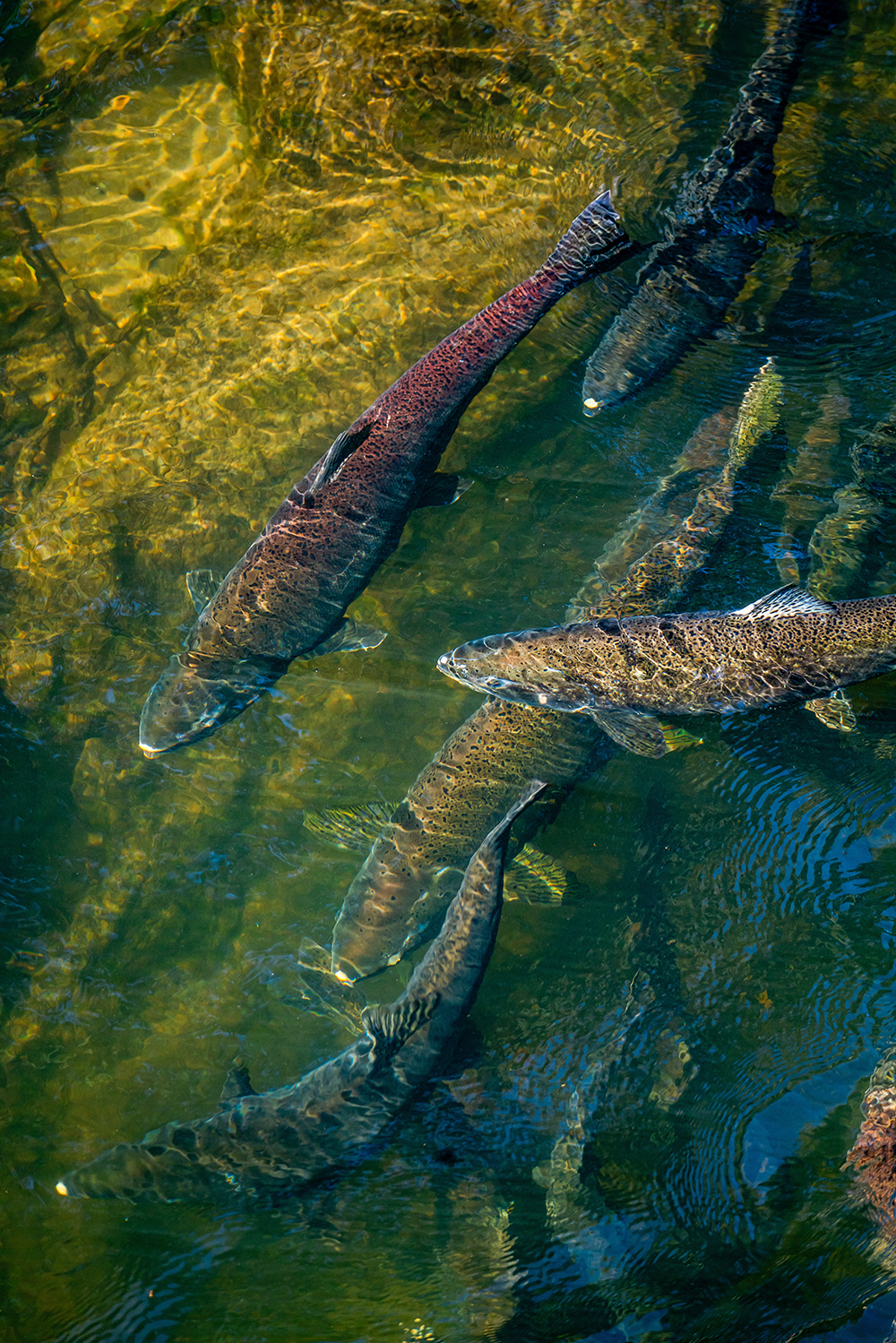
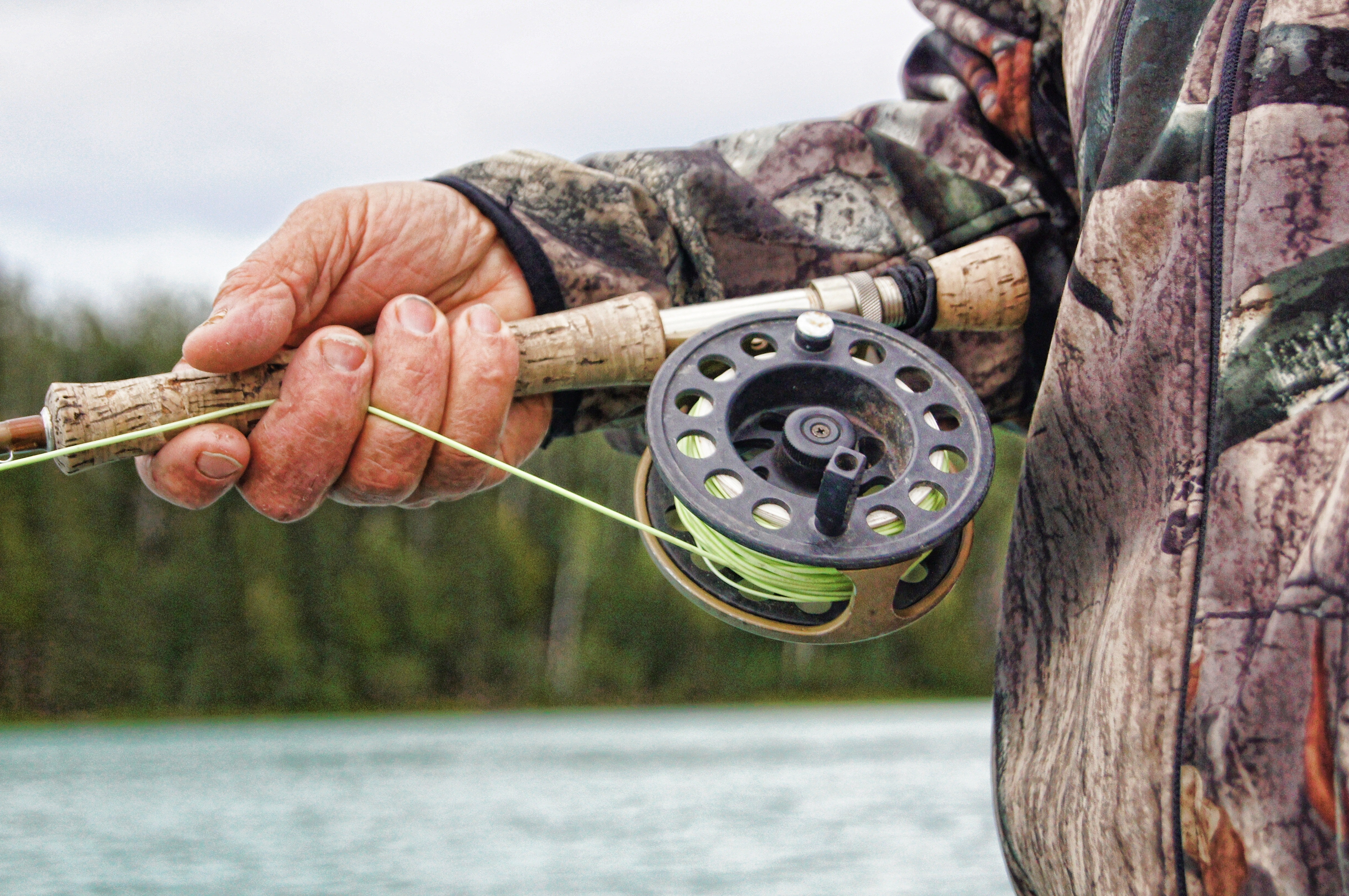
Utah Angling Survey
Since 1967, the Utah Division of Wildlife Resources (DWR) has surveyed anglers approximately every 5 years to assess angler activity in Utah. The Institute of Outdoor Recreation and Tourism has worked closely with the DWR to develop an online survey instr

The Wild Highway: Unintended Consequences of Traffic Management in National Parks
Managing millions of visitors can be tough, but managing those folks' campers, trucks, SUVs and electric-hybrid minis adds an extra challenge. The need to accommodate an armada of vehicles in a 'natural' space can strain park infrastructure to the breakin
Use, Attitudes, and Beliefs About the Great Salt Lake Among Davis County Residents
Davis county residents’ attitudes and awareness about the Great Salt Lake and its recreation/tourism potential.
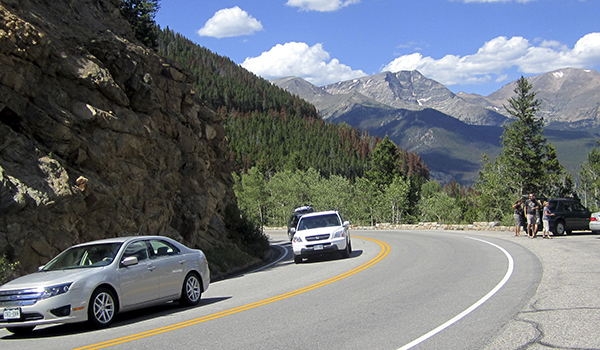
The Wild Highway: Unintended consequences of traffic management in National Parks
In recently published research, IORT scientists examine the effect of this management intervention on visitor behavior at Rocky Mountain National Park, Colorado. Some visitors were voluntarily tracked with GPS throughout their visit to the Park. If they w

Observing Social Distancing at a Busy National Park
IORT researchers observed crowds outside the visitor center at Arches National Park to record how many encounters within six feet individuals had with others outside their group. They found that while just over 60 percent of visitors wore masks, most grou
Which Visitors Can Be Tracked on Public Lands Using Social Media?
As land managers move to using electronic data as a cost-effective way to figure out who is visiting parks and protected areas, some questions remain: How accurately does geotagged data reflect visitors compared to traditional on-the-ground counts?

Agricultural Tourism and Rural Development
Agritourism development may not be an economic panacea for all ag-operators, it can be a vital strategy for diversifying and boosting profits, especially for smaller farms and ranches. Such efforts not only contribute to enabling ag-operators to diversify

Agricultural Tourism in the U.S.
A multi-state project designed to provide information and resources to assist ag-operators in agritourism development. We developed seven fact sheets and checklists based on a review and assessment of existing web-based resources and input from farmers an

Understanding Crowding at Utah's National Parks
Utah has one of the highest concentrations of protected land in the world, with millions of people hiking, driving and visiting the state's parks, forests, and recreation areas every year. A high amount of use requires a high level of management to keep t
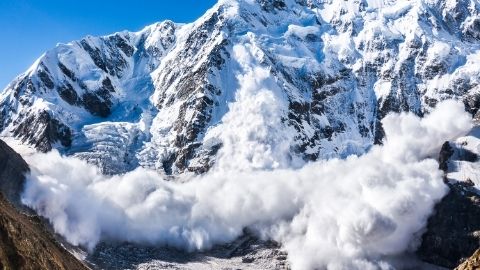
Avalanche Awareness
Backcountry avalanche accidents occur far from organized avalanche rescue resources. While avalanche prevention through safe travel protocol is the ultimate goal, avalanche accidents do occur. The chances of survival decrease very rapidly with time, reach

Strengthening Community Relationships: Key to Successful Festival and Special Events
Guidelines for how to strengthen community relationships through festivals and special events.
Bear River Heritage Area Visitor Survey
A study of the visitors to heritage sites within the Bear River Heritage Area. The research reports on visitor demographics and an importance-performance analysis.
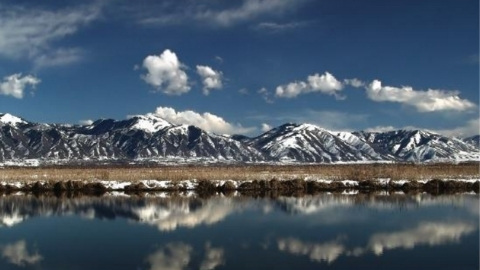
Bear River Heritage Area Visitor Survey
An evaluation of heritage tourists within the Bear River Heritage Area, focusing on gathering baseline data on visitor demographics and characteristics as well as satisfaction with their experiences at sites throughout the BRHA.
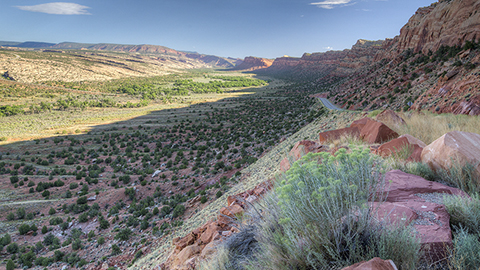
Evaluating Bears Ears: The influence of designation on outdoor recreation & related industries in San Juan County
New research takes a retrospective look at the influence of the monument designation on outdoor recreation and its related industries in San Juan County, Utah. Using geotagged photos from social media sites, and county-level economic indicators, analysis


The Phantom Chorus: Birdsong Boosts Human Well-Being in Protected Areas
Time spent in nature can help us feel happier and healthier, but it's not just from the fresh air and exercise. All of our senses are involved in the experience—sight, touch, smells and sound. In a world of changing natural environments, scientists are wo

Black Bear Conflicts and Safety at Utah Campgrounds
A paper intended to improve education about the bear-safe practices for handling of food and garbage, actions that directly influence the occurrence and nature of bear conflicts with people.
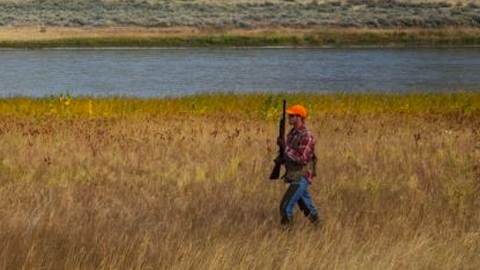
Impacts of Climate Change on Multiple Use Management of BLM Lands
The Bureau of Land Management has a tough job: to manage 248 million acres of lands for multiple, often conflicting uses. Climate change is making this task more difficult, often exacerbating conflicts or creating new ones.
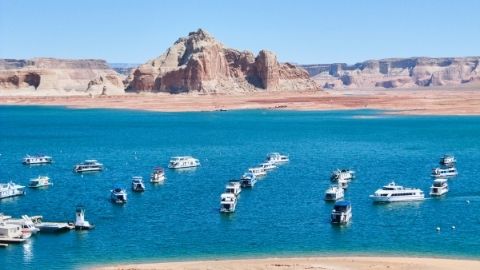
Utah State Park Boating Survey
A report comparing the results of a 2006 telephone survey of registered boaters in Utah with the results of surveys from 1989, 1994, and 1999.

Utah State Park Boater Intercept Survey
An analysis of the type and number of recreational boaters using waterbodies in Utah State Parks.
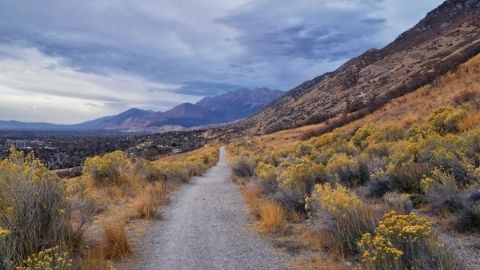
Bonneville Shoreline Trail Study
"An survey to see how residents living near the Bonneville Shoreline Trail. The survey also identified problems associated with the proximity and location of the trail in relation to residents’ property."
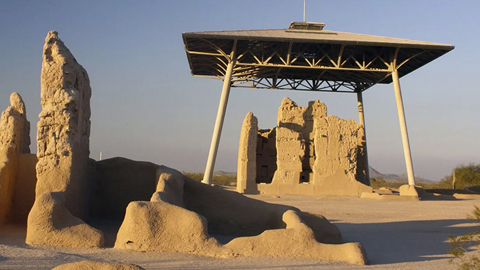
Keeping National Parks Healthy with NRCA Support
With the NRCA program, Brunson and his team help managers pinpoint important natural resources and canary-in-the-mine indicators and provide a science-based look at conditions on each unit – what resources seems to be in good shape, and which are potentia

Rural Leaders’ Perceptions of Tourism Development in San Juan County, Utah
An analysis of rural leaders’ perceptions of the tourism industry in San Juan County, Utah.
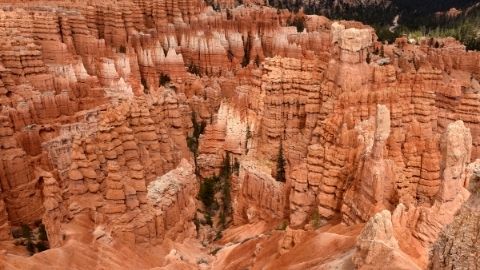
Front Country Visitor Study for Grand Staircase-Escalante National Monument
The collection of baseline data concerning front country recreation use and visitor characteristics, images, and perceptions of the Grand Staircase-Escalante National Monument.

Snowmobile Conflict in the Wasatch-Cache National Forest
An analysis of data collected from the Outdoor Recreation Center backcountry yurt rental program at Utah State University during the 2008 spring semester. This study was prompted by a number of discussions between researchers, avid backcountry non-motoriz

California Condor Non-Lead Ammunition Communication Project
A science-based strategic communication program to increase the use of non-lead ammunition among hunters in the condor range of Utah. The work involves collecting data from Utah hunters to determine what drives or hinders the use of non-lead ammunition.
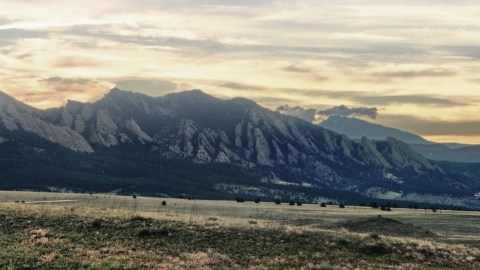
Aesthetic Characteristics of Colorado's Front Range
Visitor use and enjoyment of the city of Boulder’s Open Space and Mountain Parks is related to the visible landscape features at different locations. In this study, we investigate how this relationship varies across the landscape, helping managers' ongoin
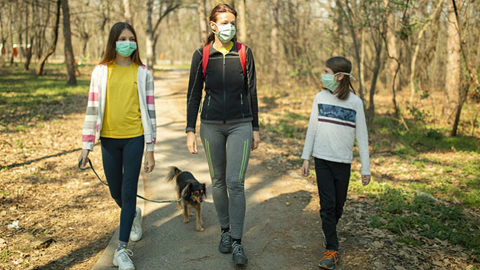
Smartphone Data Shows that Utahns' Park Time during COVID may have Doubled
COVID-19 impacted the lives of Utahns, changing the way they worked, socialized, and recreated. New data suggests that for many of the state’s residents, the new guidelines have not stopped them from getting outside and enjoying local parks, greenways, an

Swing Arm City Factory Butte Survey
A visitor use survey designed to obtain baseline data regarding recreational use of the Factory Butte area tol enable managers to evaluate means of disseminating information about closed and open areas of the SRMA.

Travel Management Planning on the Caribou National Forest
Results of a Collaborative Learning Workshop regarding recreational travel management planning on the Soda Springs and Montpelier Districts of the Caribou National Forest. The workshop was facilitated by IORT, and hosted by Monsanto Corporation.
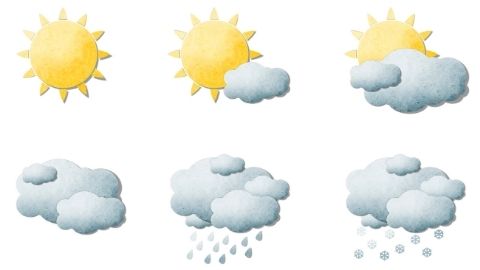
Does Weather Affect National Park Visitor Movement?
A short video from Emily Wilkins describes research exploring how weather affects National Park Visitor Movement.
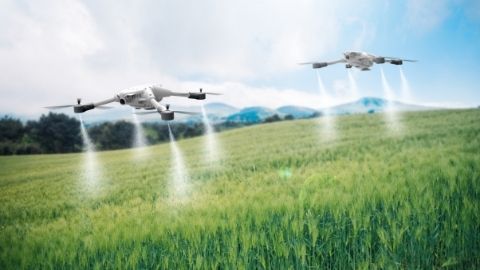
Using Drones To Measure Recreation Impacts in Parks and Protected Areas
How can drones be used to monitor recreation impacts in protected areas? IORT Fellow Chris Monz tested the technology in an area where new tourist facilities were being established in a national park in Norway.

Monitoring Road Dust Emission, Related Dust Effects, and Dust Management in National Parks
A long-term monitoring protocol to provide land managers and field technicians with a tool kit to measure the seasonal emission of dust from unpaved road surfaces.
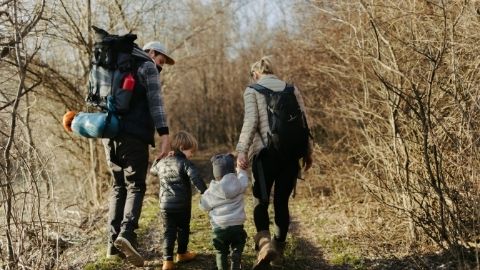
Statewide Phone Survey of Utah Residents' Attitudes Toward Recreational Trails
A statewide phone survey of 2,590 adults in Utah's seven planning districts about their opinions on the values and benefits of recreational trails, their awareness and use of trails, and their perception of needs and preferences related to trails in the s
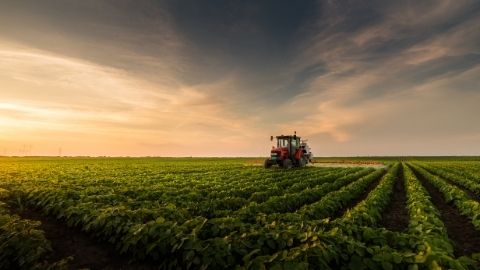
Liability Issues and Agritourism Development
"Agritourism is not without its risks. One potential challenge in starting an agritourism business, and successfully managing it, is the issue of liability. An agritourism owner or operator is liable and legally responsible for the safety and well-being o
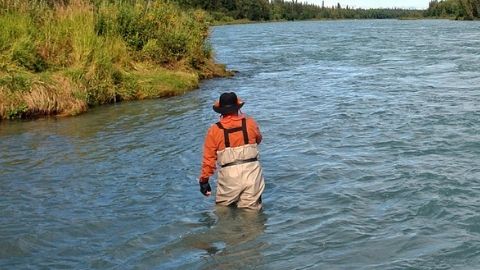
Interpreting Utah’s Wetlands
An assessment of the public’s knowledge of, and values for, wetlands. The study was used to guide the development of interpretive messages for both current wetlands visitors and the general public.

Mystic Lakes Recreational Visitors Survey
A visitor use study of the Black Hills National Forest in South Dakota.

Designation of the Grand Staircase-Escalante National Monument and the Impact on Trust
The exclusionary manner in which designation of natural protected areas occurs often results in detrimental impacts for the residents and produces contentious relations between managers and local residents. This report begins to fill a research void by ex

Visitor Experiences and Resource Protection at Antelope Island State Park
A survey of visitors to Antelope Island State Park intended to measure visitors' satisfactions, preferences, and concerns regarding their experiences at Antelope Island and management actions taken at the park.

Utah’s Rural Communities: Planning for the Future
Strategies used by rural communities to successfully cope with concerns related to rapid growth or stagnation and decline. We looked at what communities have done to make recreation and tourism compatible with other economic activities, and what tactics t
Utah’s Public Lands Socioeconomic Baseline Study
The Six County Association of Governments (SCAOG) requested support for their response to the socioeconomic impact analysis in the BLM Richfield Field Office proposed Resource Management Plan. This study reviews and recommneds specific impact areas that t
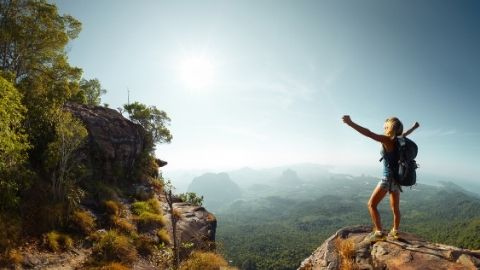
Public Support for Utah’s State Parks
A statewide telephone survey regarding State Park visitation and satisfaction, park protection, funding for park improvements, and the acquisition and sale of State Park lands.

Baseline Information for Outfitters and Guides in USFS Region 4
Federal regulations require that commercial outfitters on National Forest lands be authorized through a Special Use Permit (SUP), and a needs assessment is required for this authorization in order to determine the public need for a service to aid visitors
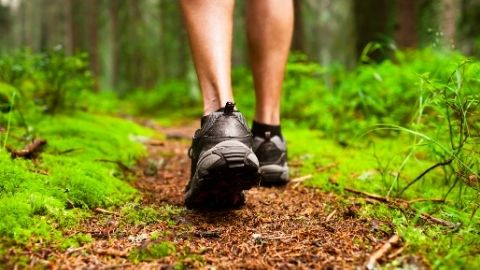
Communicating Low-impact Recreation Behavior Messaging
Impacts of recreation may seem trivial at the individual level, but when these impacts are multiplied by the volume of visitation to recreation settings and repeated over time, they can interact with each other in complicated ways. This study set out to e
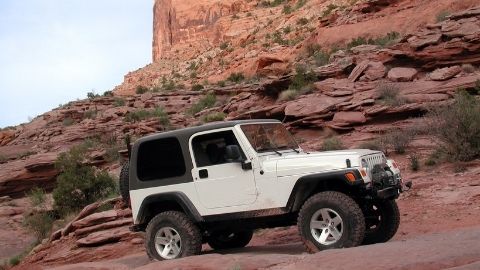
Moab Easter Jeep Safari Participant Survey
A mail survey designed to obtain information about off-highway vehicle users' demographics, experiences (both broadly and locally), motivations, management preferences, economic preferences, and trip characteristics.

Utah State Park Boater Survey
A survey of boaters using visiting Deer Creek, Jordanelle, Willard Bay, and East Canyon reservoirs.
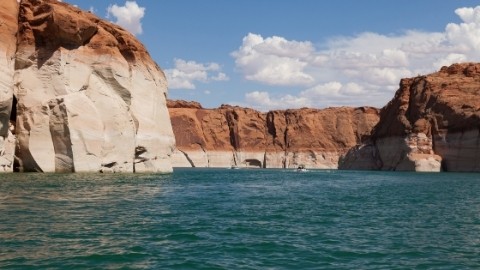
Recreational Water Use Issues and Regional Planning on Utah’s Lakes and Reservoirs
An investigation into recreational water use issues and regional planning on Utah's lakes and reservoirs. Analysis included interviews of managers of recreational water bodies, regional meetings with state and federal employees knowledgeable about recreat