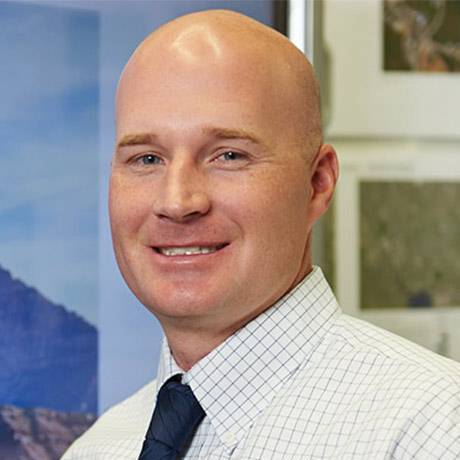
Jordan W. Smith, Ph.D.
Director & Professor
Program areas:
The Institute of Outdoor Recreation and Tourism (IORT) at Utah State University connects research, education, and Extension to help people care for the places and resources that support outdoor recreation and tourism. We work with communities, public land managers, Tribes, businesses, and nonprofit partners across Utah and the American West to understand change, evaluate choices, and put knowledge into practice.
Our roots are in USU’s recreation resource management teaching and research and its land-grant commitment to public service. In 1998, the Utah Legislature established and funded an interdisciplinary teaching, research, and Extension program within the Institute through the Recreation and Tourism Research and Extension Program Act (S.B. 35). The legislation called for work on recreation and tourism use and demand, the social and economic tradeoffs communities face, and the effects of recreation and tourism on public lands and their management. That charge continues to guide our work.
Today, our work brings together outdoor recreation planning, community development, natural resource stewardship, and professional learning through five connected programs:
Across these programs, our faculty, staff, students, and partners turn research into practical tools, training, and collaborative solutions. Our aim is to support meaningful outdoor experiences, thriving communities, and the long-term stewardship of the landscapes, waters, and night skies on which they depend.
Director & Professor
Program areas:
Assistant Director of Research and Operations
Program areas:
Assistant Director of Outreach and Education
Program areas:
Coordinator, Dark Sky Cooperative
Program area:
Faculty Fellow
Program area:
Faculty Fellow
Program area: