Socio-Ecological Systems of Fisheries
The Institute is a leader in the study of socio-ecological systems of fisheries, producing research that advances both scientific understanding and practical management strategies. Our work has been pivotal in applying social-ecological systems frameworks to fisheries, particularly in high-value systems like the Kenai River Fishery in Alaska, where competing stakeholder interests, environmental variability, and resource management challenges converge (1).
Research Excellence in Socio-Ecological Fisheries Systems
The Institute has demonstrated its research excellence through collaborative, interdisciplinary studies that integrate ecological and social science methodologies. Recent work includes:
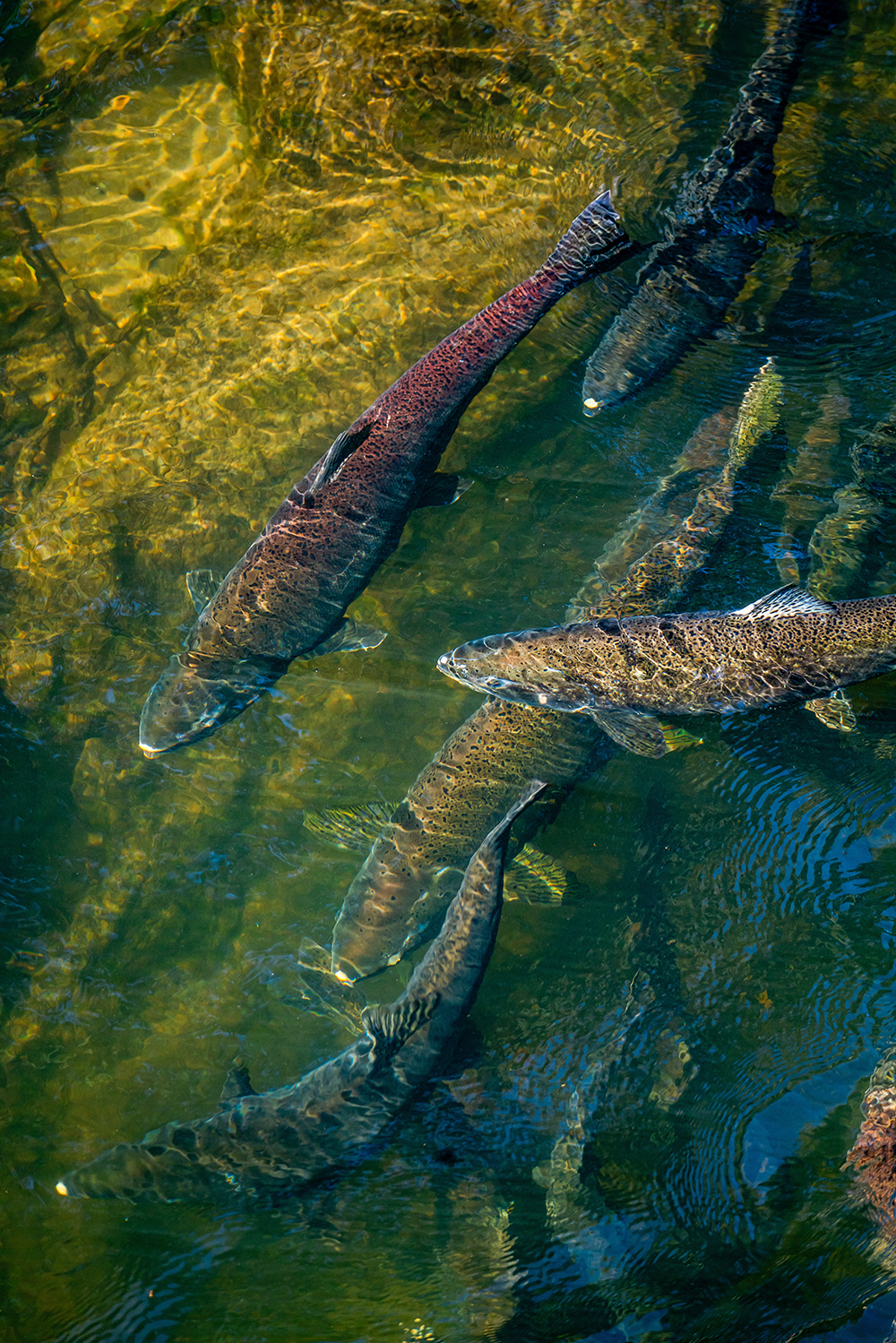
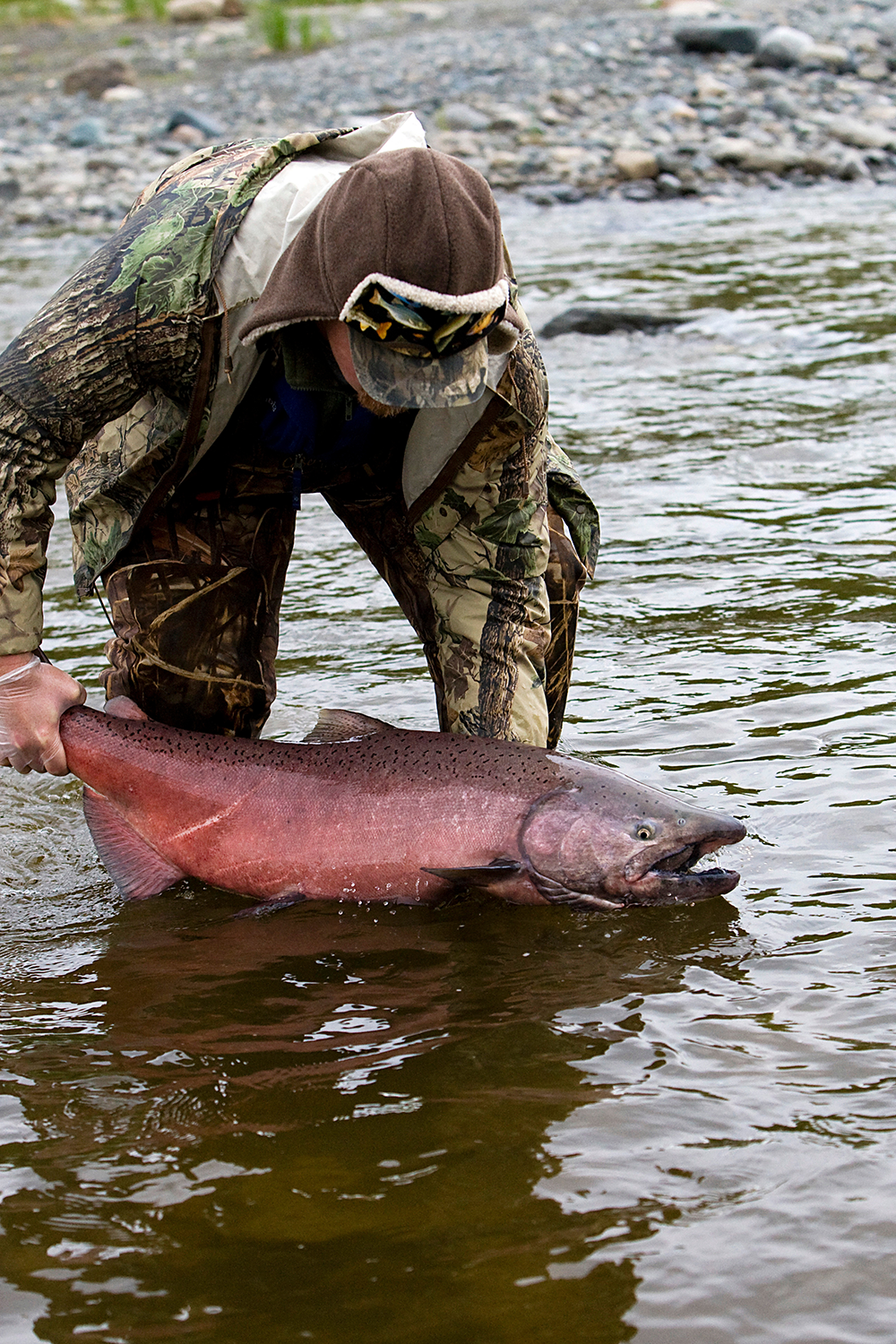
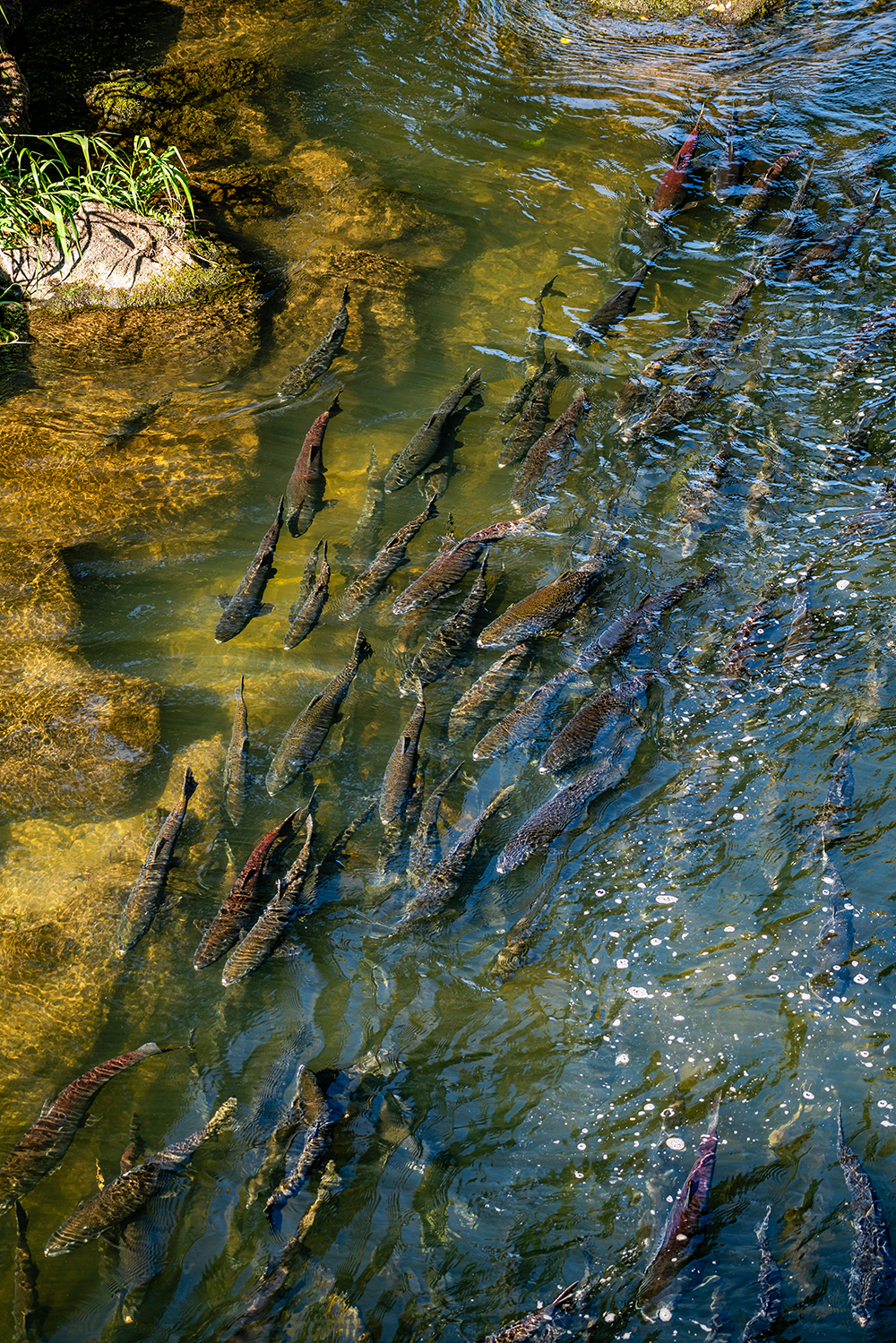
- Synthesizing drivers of Chinook salmon decline, identifying key factors such as marine predation, size-selective harvest, hatchery interactions, and climate-driven ocean productivity changes (2).
- Developing participatory models with fisheries stakeholders, using innovative approaches like Fuzzy Cognitive Mapping to better understand the complex dynamics of fisheries governance (1).
- Assessing climate change and fire impacts on fisheries, illustrating how disturbances such as wildfires affect both ecological conditions and the livelihoods of those dependent on fisheries (3, 4).
The Unique Value of Socio-Ecological Research on Fisheries
Understanding fisheries as socio-ecological systems provides critical insights beyond traditional biological assessments. This approach acknowledges that fisheries are shaped not only by ecological factors (e.g., habitat quality, climate variability) but also by human dimensions such as regulatory decisions, economic dependencies, and cultural values. By integrating both perspectives, the Institute’s research:
- Enhances adaptive fisheries management strategies, ensuring sustainable harvests while maintaining ecological integrity.
- Improves stakeholder engagement by identifying shared priorities and potential trade-offs in decision-making.
- Identifies vulnerabilities and resilience factors within fisheries, helping managers anticipate and mitigate risks from climate change, policy shifts, and resource fluctuations (3, 5).
How the Institute Assists Fisheries Managers, Non-Profits, and Land Management Agencies
The Institute’s faculty and researchers provide actionable insights and decision-support tools for fisheries managers, conservation organizations, and policymakers. They assist in:
- Data-driven decision-making: Providing policymakers with synthesized research findings that can inform regulations, quota adjustments, and conservation priorities.
- Stakeholder engagement & facilitation: Leading participatory modeling efforts that bring together anglers, commercial fishers, tribal representatives, and policymakers to co-develop sustainable fisheries strategies (1).
- Training & capacity building: Offering workshops and technical assistance to state and federal land management agencies on best practices for fisheries co-management.
- Resilience planning: Helping fisheries managers assess and respond to emerging threats, including climate-driven shifts in fish populations, habitat degradation, and socio-economic pressures on fisheries-dependent communities (3–5).
References
- C. C. Lamborn, et al., The social-ecological system of the Kenai River Fishery (Alaska, USA). J. Environ. Manage. 331, 117314 (2023).
- C. C. Lamborn, et al., A review of evidence behind Alaska Chinook Salmon (Oncorhynchus tshawytscha, Salmonidae) trends: Implications for research, management, and policy. Fish Fish. (under review).
- C. C. Lamborn, J. W. Smith, Social and ecological impacts of fire to coastal fisheries: A study of the Kenai River Fishery (Alaska, USA). Mar. Coast. Fish. 15, e10240 (2023).
- A. Hestetune, P. M. Jakus, C. Monz, J. W. Smith, Climate change and angling behavior on the North shore of Lake Superior (USA). Fish. Res. 231, 105717 (2020).
- L. M. Hunt, et al., Identifying alternate pathways for climate change to impact inland recreational fishers. Fisheries 41, 362–372 (2016).
Research Area Leads
- Jordan W. Smith, Ph.D., Director and Professor
- Chase C. Lamborn, Ph.D., Assistant Director