Signup Success
You have successfully signed up! We'll keep you up-to-date on our latest resources in regards to gardening. Keep an eye on your email inbox.
Gardening Recources
Fruit, Vegetable, and Herb Articles
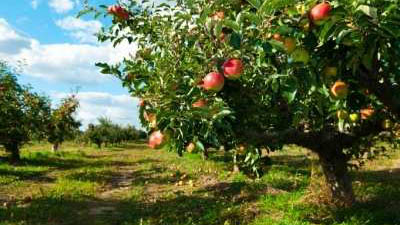
Apple Production and Variety Recommendations for the Utah Home Garden
This bulletin presents appropriate information pertaining to growing apple trees in the home orchard. Success depends on several key factors.
Backyard Fruit Production in Utah’s High Mountain Valleys
Many homeowners who are new to these regions wish to establish perennial fruit crops in their gardens. This publication outlines the challenges to fruit production in Utah’s high mountain valleys, offers mitigation suggestions, and lists plant materials t

Blackberry Management in Utah
Blackberries can be grown successfully in Utah but careful cultivar selection and care is needed. Harsh winters and frequent late spring frosts often result in significant blackberry cane damage and crop loss.
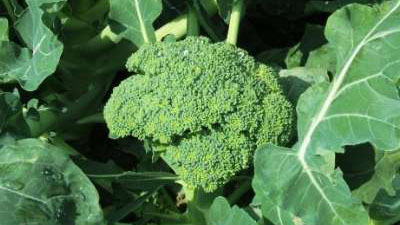
Broccoli in the Garden
Broccoli is a cool season vegetable that prefers sunny locations and fertile, well-drained soil. Incorporate some organic matter and a complete fertilizer into the area before planting.
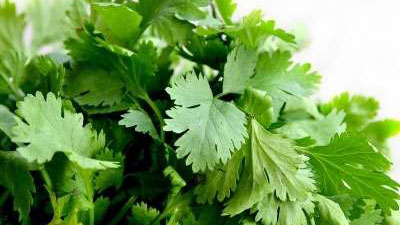
Cilantro/Coriander in the Garden
Cilantro/coriander is a cool-season herb that grows best in full sun and fertile, well-drained soils. Explore the best varieties to grow in Utah, and learn how to properly care for the herb to get a great harvest.
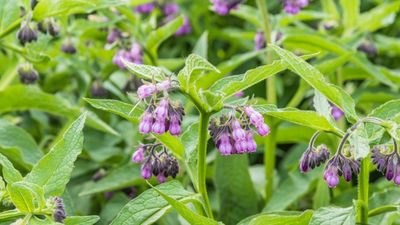
Comfrey in the Garden
Comfrey (Symphytum officinale) is a very hardy perennial herb adaptable to most conditions. Comfrey grows best in partial to full sun in moist, fertile soil. Comfrey is propagated by root cuttings or crown divisions.

Cosmos in the Garden
Cosmos is native to Mexico with daisy like flowers that come in an array of colors. Once established, Cosmos needs little water, no fertilizer and not much care, which makes it well suited to Utah’s climate.
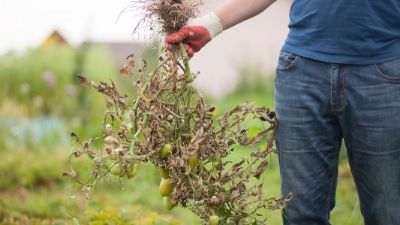
Curly Top of Tomato
BCTV causes the disease known as curly top of tomato. This virus can infect a wide range of host plants and usually occurs in semiarid areas in western North America, from Canada to Mexico. BLH can transmit the disease to a wide variety of plants, includi
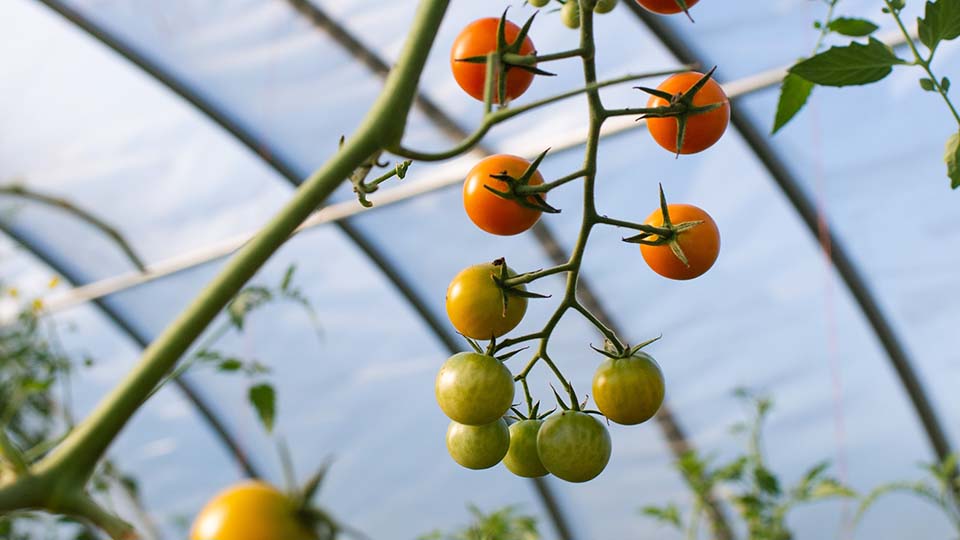
Extending the Garden Season
Information about cloches, cold frames, floating row cover, hotbeds, plastic mulch, low tunnels and high tunnels.
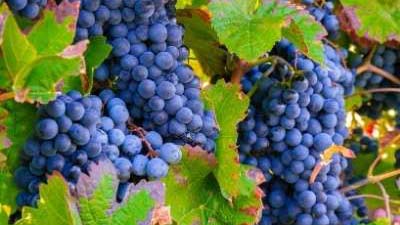
Grape Trellising and Training Basics
Grapes are a wonderful addition to the home garden. Learn basic pruning information and two common training methods suitable for the Utah home garden.

Grow Your Own Microgreens
This guide provides step-by-step instructions for growing microgreens, covering seed selection, planting, germination, lighting, temperature, airflow, and harvesting. It includes a table with key details on different microgreen varieties, such as seeding
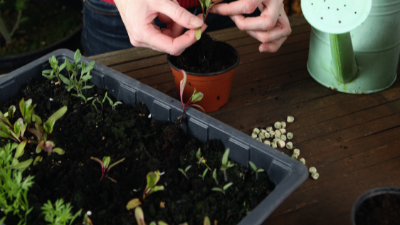
Grow Your Own Transplants At Home
Growing transplants can be a rewarding experience if a few basic principles are followed. Experienced gardeners have a wider range of varieties to pick from if they start their own plants from seed. By selecting your own varieties you will be able to dete

Harvest and Storage of Vegetables and Fruits
You’ve done all of the work to grow great vegetables and fruits. Now, how do you know when to harvest them? Are there ways to store part of the harvest to enjoy during fall and winter time?
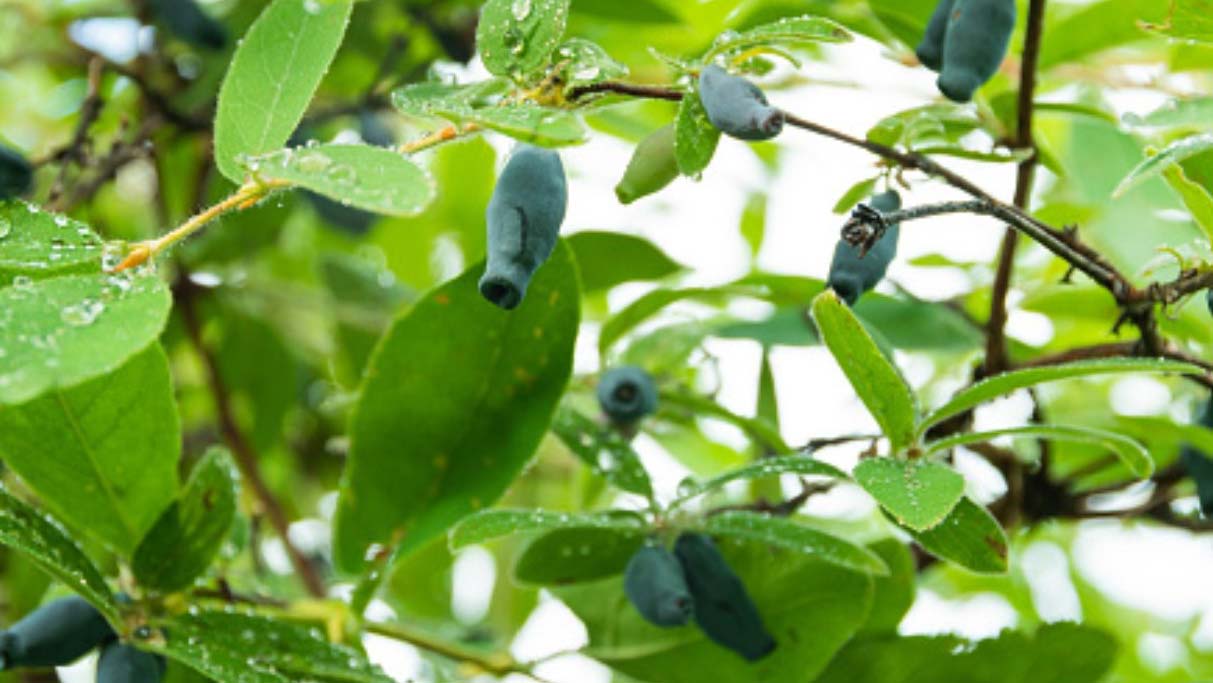
Haskap in the Garden
Summary Haskap berries are a relatively new crop in the United States and subsequently, the home garden. Haskaps, Lonicera caerulea L., are a long-lived, extremely hardy shrub
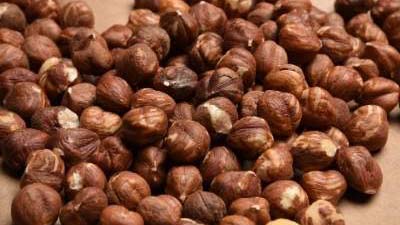
Hazelnuts in the Home Orchard
Hazelnuts or filberts can be useful crops for home food production or hobbyists in Utah. Several species have nuts with good flavor, with American, beaked and certain hybrid types most likely to produce consistently.
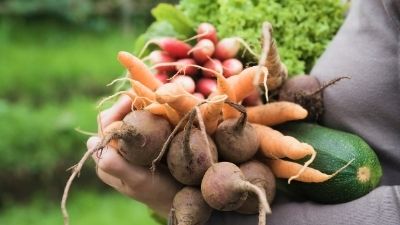
Home Vegetable Garden-Variety Recommendations for Utah
There are so many vegetable varieties available, how do you select good ones for the home garden? Which ones are adapted and grow well in my area? This article gives you some answers to these questions.
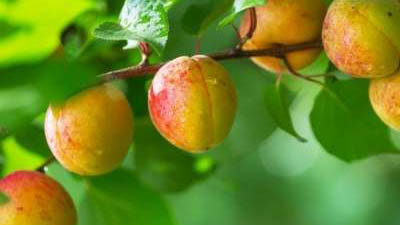
How to Grow Apricots in Your Home Garden
Apricots (Prunus armeniaca) originated in China, but can be grown in most of the western world including much of Utah. Like peaches, plums, and cherries, apricots have a large, hard pit or ‘stone’ in the fruit and are considered ‘stone fruits’.
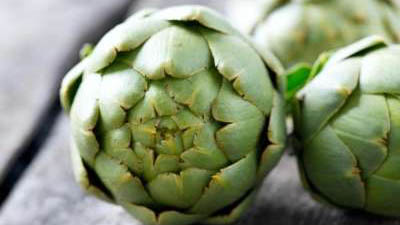
How to Grow Artichoke in Your Garden
Artichoke prefers a sunny location and fertile, well-drained soils. Learn how to grow artichoke successfully, and how to avoid problems with weeds and pests.
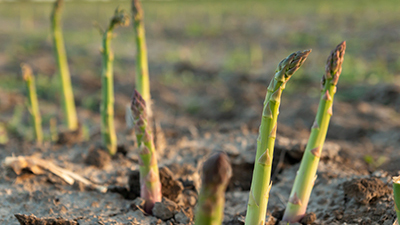
How to Grow Asparagus in Your Garden
How to grow asparagus in the garden by USU Extension Vegetable Specialist Dan Drost.
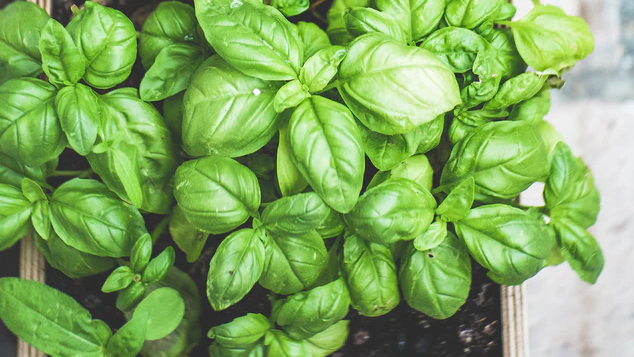
How to Grow Basil in Your Garden
This article describes basil in the garden, varieties, how to grow, problems, harvesting and storage, productivity, nutrition, and frequently asked questions.
Healthy Soil Articles
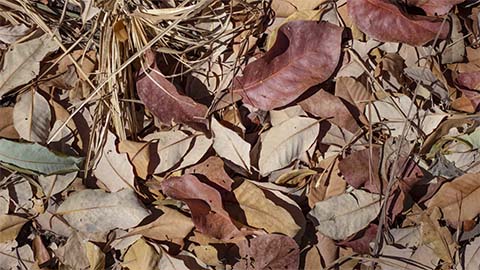
Are Organic Matter Soil Amendments Created Equal?
Each class of material has specific characteristics and management issues when it comes to using it as a soil amendment.
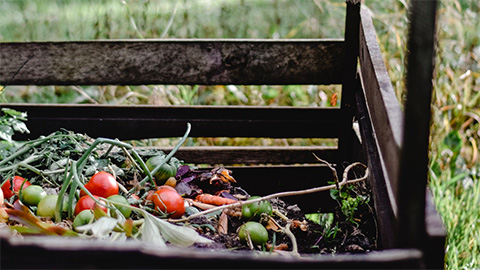
Backyard Composting in Utah
The benefits of using compost as a soil amendment include increasing soil tilth, fertility, water holding capacity, aeration, and drainage.
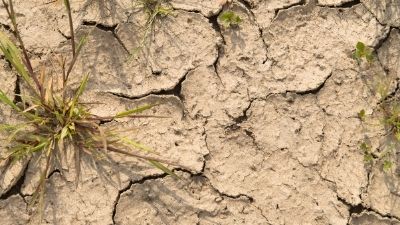
Gardening in Sandy Soils
Learn the basics of clay, silt and sand soils with an emphasis on gardening in soils with high sand content. Get tips for gardening tips for managing sandy soils, and the types of plants that grow best in sandy soils.
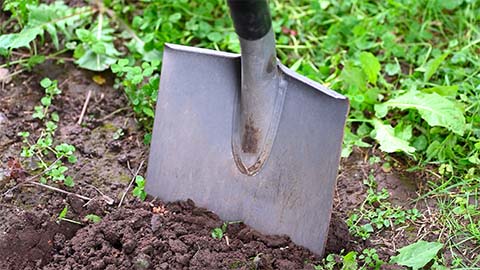
It's All About Soil Structure!
The single best soil amendment—the one that provides desirable benefits regardless of the soil one applies it to—is organic matter.

Policies and Programs for Water-Wise Residential Landscaping in Utah
Water-wise landscaping is the practice of using plants in a landscape that are adapted to local conditions and only need small amounts of water. Converting yards to water-wise landscaping conserves water and is a climate adaptation action residents can ta
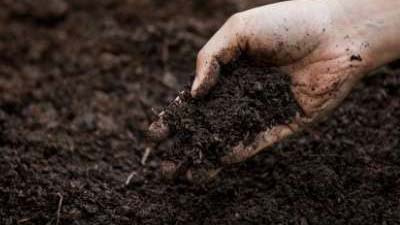
Preparing and Improving Garden Soil
A great garden starts with healthy soil. In Utah, there are unique considerations for creating and maintaining healthy soils.
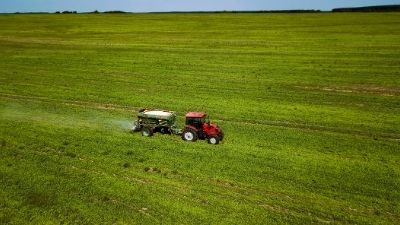
Selecting and Using Inorganic Fertilizers
Homeowners recognize the need for timely fertilizer applications to enhance plant growth in landscapes and gardens. However, the number of different products on the market can be overwhelming. Nursery and garden supply stores commonly stock a dozen or mor
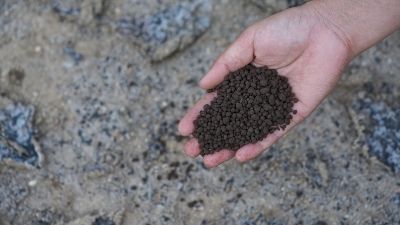
Selecting and Using Organic Fertilizers
Homeowners recognize the need for timely nutrient applications to promote vigorous plant growth in landscapes and gardens. These nutrients may be supplied by either organic or inorganic fertilizers, or a combination of materials. Many nursery and garden s
Solutions to Soil Problems I. High Salinity (soluble salts)
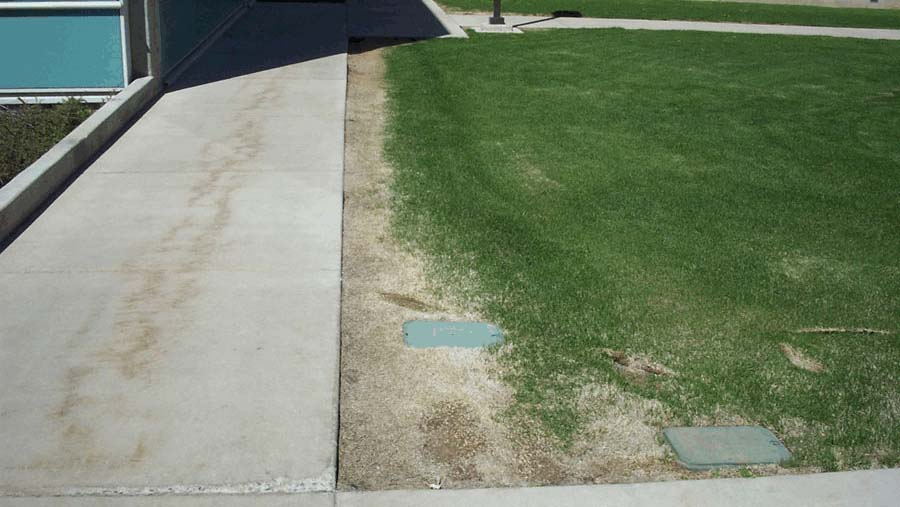
Salinity is a measure of the total amount of soluble salts in soil. As soluble salt levels increase, it becomes more difficult for plants to extract water from soil. Some plants are more resistant than other’s, but as the salt levels exceed their ability
Solutions to Soil Problems II. High pH
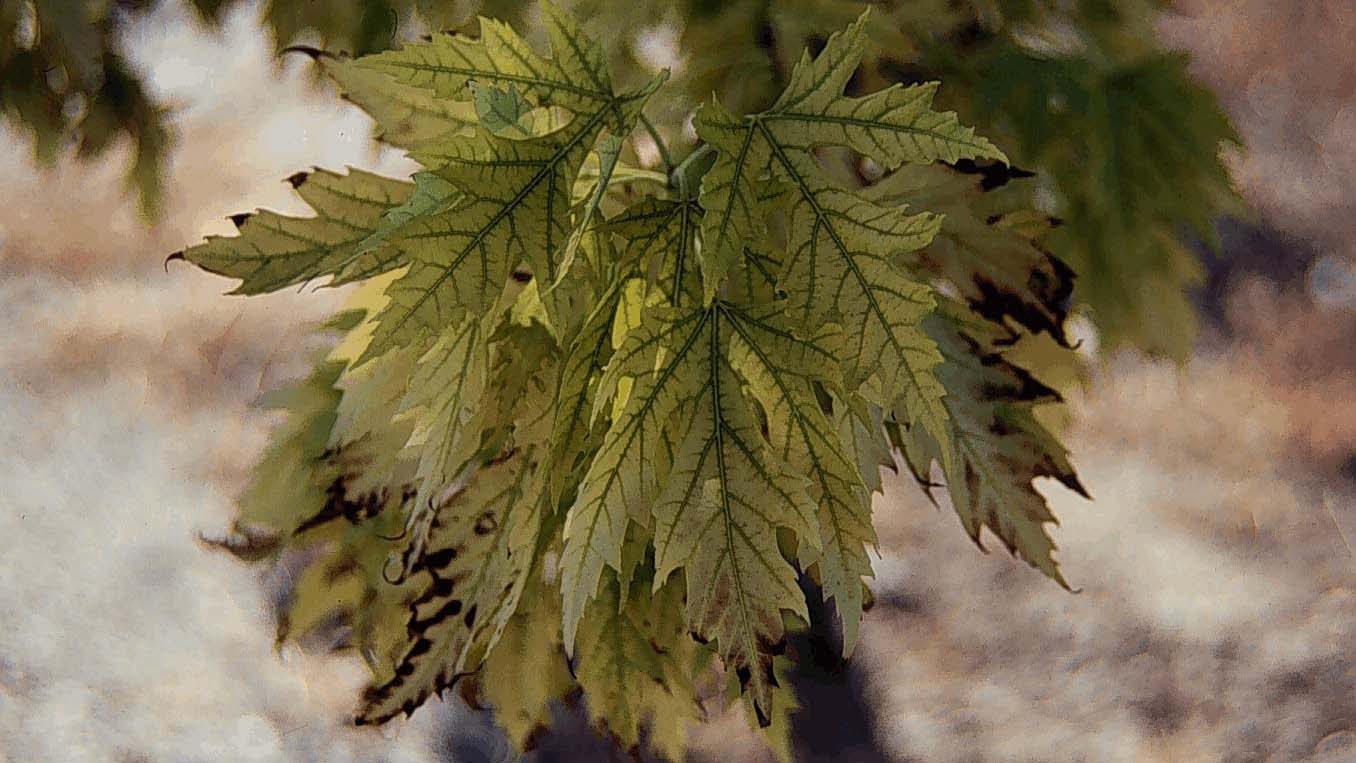
The majority of soils in Utah are alkaline with an average pH of 8.0. Alkaline soils in Utah are the product of the alkaline parent materials that formed them and thousands of years of development in an arid (low rainfall) environment.
Lawn Care Articles
Basic Turfgrass Care
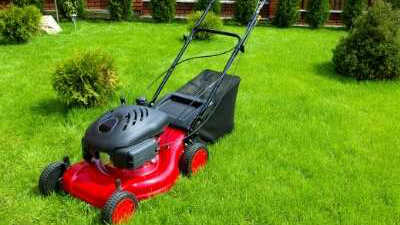
The basic practices of turfgrass care include mowing, fertilization, and irrigation. In Utah, our climate has a unique effect on the turfgrasses that we grow and proper basic care will help to keep your lawn healthy and attractive.
Bermudagrass, is it here to stay?
Common bermudagrass (Cynodon dactylon) has become a well established weed in many lawns and gardens throughout the southwest. It is sometimes grown intentionally as a turfgrass on golf courses, or lawns.
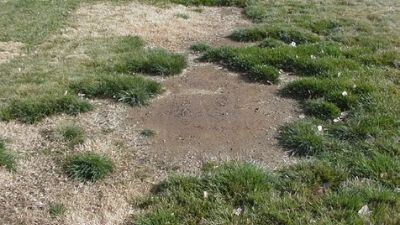
Growing Turf on Salt-Affected Sites
In many areas of Utah, high salt levels in the soil limit the growth of some turfgrasses, especially Kentucky bluegrass. This fact sheet was written to assist you in determining if you have a soil with a high salt level and, if you do, how to manage it wi
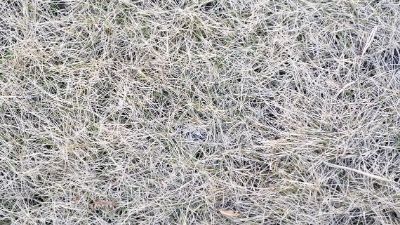
Is Your Lawn Dead or Dormant?
Don’t start performing funeral rights on your brown grass. It most likely is not dead, just dormant. It’s normal for the grasses that are traditionally grown in Utah to struggle with the heat and drought we are experiencing now, says Kelly Kopp, Utah Stat
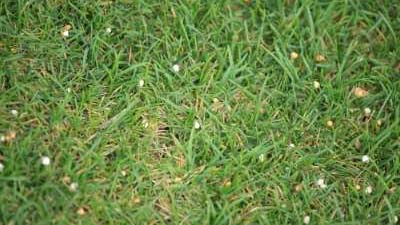
Lawn Fertilizers for Cool Season Turf
Lawns provide a durable and functional surface for many outdoor activities while adding beauty to the landscape. For these reasons, a healthy, green lawn is the goal of many homeowners and landscape managers.
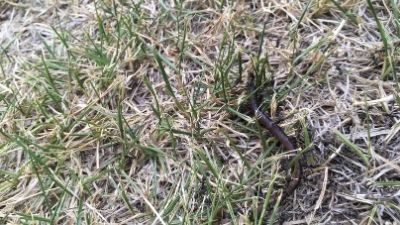
Over Hill, Over Dale: Earthworms in the Lawn
Are you concerned about a bumpy, rough area in your lawn? Does a close inspection of your lawn reveal a miniature replica of the Wasatch Mountain Range? Such areas can be annoying, hard to mow, and even dangerous for anyone walking or running across them.
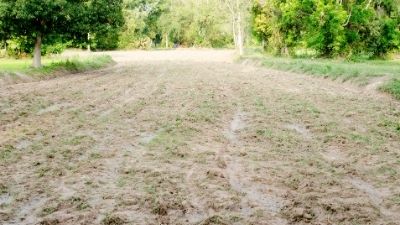
Preparing Soil for Turfgrass Establishment – Northern Utah
Successful establishment of a lawn is best achieved with careful planning, soil preparation, appropriate seed or sod choice, and an understanding of turfgrass requirements.
Preparing Soil for Turfgrass Establishment – Southern Utah
Successful establishment or renovation of a lawn is best achieved with careful planning, soil preparation, and an understanding of turfgrass requirements.
Renovate your Lawn After a Long, Hot Summer
After a long, hot summer, your lawn can look pretty sad. The heat and drought conditions take a toll, because most of our turf grasses are adapted to cool weather. During the heat of the summer, they stop growing and often go dormant. If conditions become
Selecting and Using Inorganic Fertilizers
Homeowners recognize the need for timely fertilizer applications to enhance plant growth in landscapes and gardens. However, the number of different products on the market can be overwhelming. Nursery and garden supply stores commonly stock a dozen or mor
Tree and Shrub Articles

Designing a Low Water Use Landscape
A landscape design should meet the needs of the people who will use and maintain the area while incorporating the site’s existing environmental conditions into the design. Water is a limiting resource in Utah, so designing the landscape to efficiently use
How Much Water Do Landscape Trees Require in Utah? An Irrigation Calculator
Trees, undoubtedly, are the most valuable plant in a landscape and must be prioritized for irrigation in drought conditions. Grass easily recovers from a period of long drought; hence, it must be placed last on the priority list for irrigation.
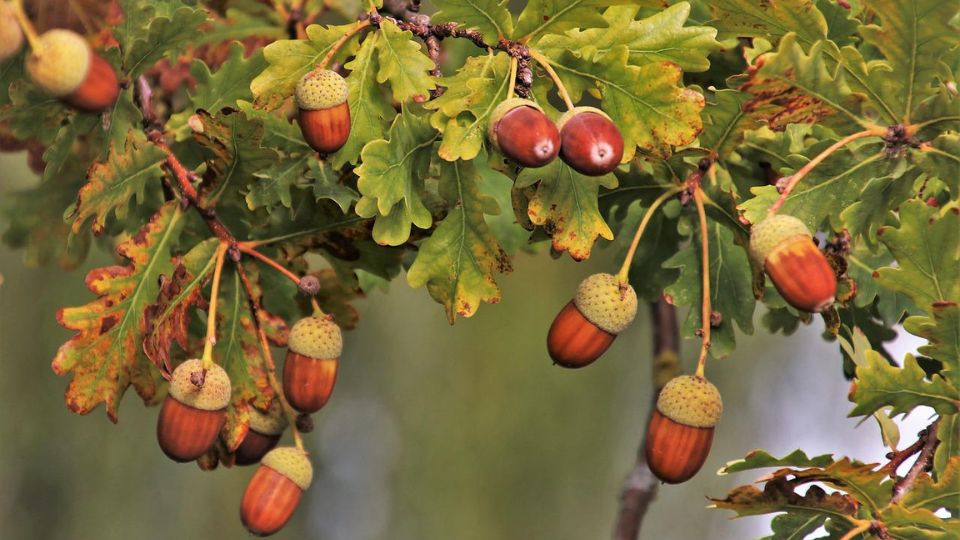
Oaks in the Landscape
Oak trees (Quercus sp.) are generally a tough, drought tolerant, and beautiful addition to Utah landscapes.
Planting Landscape Trees
Trees and shrubs are valuable additions to most property, providing beauty, wind protection, shade, wildlife habitat, visual screening, and other benefits. Here we describe up-to-date, research-proven techniques for planting landscape trees and for post-p

Save Trees: Preserving Trees During and After Lawn Removal
The documents provide guidelines for preserving trees during and after lawn removal, emphasizing the risks of improper turf removal and irrigation changes that can lead to tree decline. They outline best practices for protecting tree roots, adjusting irri
Shrub Selection for Utah Landscapes
Urban and suburban landscapes present special challenges concerning shrub selection in Utah. Due to our distinctive climate, shrubs must be able to withstand intense sunlight, low relative humidity, drying winds, and limited seasonal precipitation.
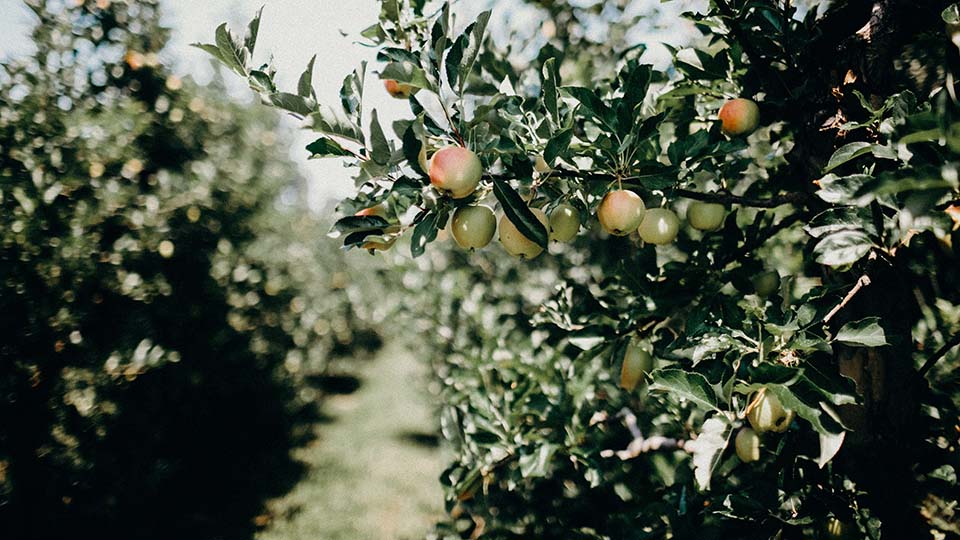
Training and Pruning Apple Trees
Training and pruning are critical parts of growing a productive apple tree. The rewards of proper training are a tree that is easy to harvest, has sustained high yields, and quality fruit.
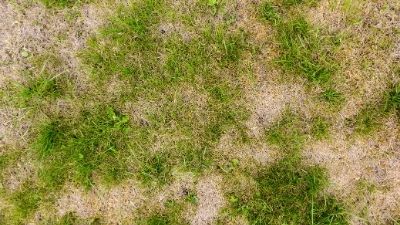
Water-Wise Landscaping: Monitoring Irrigation with Probes
Monitoring the depth of wetting and uniformity of water application can improve water management and conservation. Various types of probes can be used to monitor soil moisture conditions both before and after an irrigation. Probes can also be used to chec
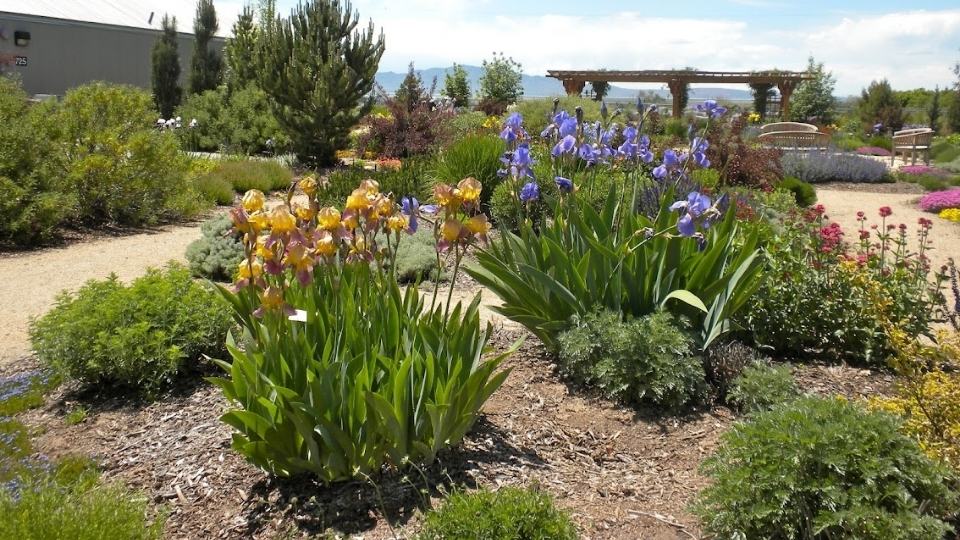
Water-wise Landscape Ideas for Existing Landscapes
Five easy ways to convert an existing landscape to a water-wise landscape without substantial renovation. These ideas are useful for people who would like to be Waterwise but do not have the time, resources, or expertise to renovate the existing landscape