
What is the Computational Thinking Pathway?
Computational thinking is a problem-solving process that most computer scientists use to develop programs and systems. This kind of thinking requires developing certain characteristics and dispositions, such as:
- Confidence in dealing with complexity
- Persistence in working with difficult problems
- The ability to handle ambiguity
- The ability to deal with open-ended problems
- Setting aside differences to work with others to achieve a common goal or solutions
- Knowing one's strength and weaknesses when working with others.
Utah 4-H offers opportunities for youth to discover technology, coding, and digital innovation through interactive projects that teach real computing skills. These experiences equip kids of all ages with the tools, practice, and capacity to become leaders in their industry.
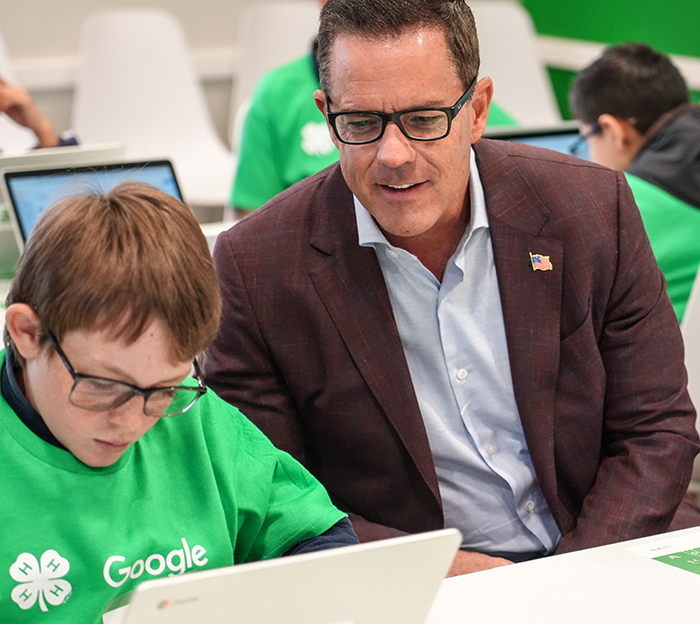
Leadership Opportunities
- Starting and leading a 4-H coding club in your community
- Teach unplugged computational thinking activities to younger kids in your community
- Form a STEM-focused T.R.Y. Team
- Leading a club or camp
- Apply to be a 4-H State STEM Ambassador, and help develop new coding projects and activities
- Teaching robotics basics
- Mentoring new programmers
- Presenting tech demos
Service Opportunities
- Teaching digital literacy
- Hosting community tech help days
- Designing websites for nonprofits
- Running STEM activity booths
- Mentoring younger youth
- Volunteering to help with technology support at a community event or organization
*Clubs working on coding projects are eligible to complete the requirements to earn the Utah 4-H Service in STEM award by teaching others about coding or using coding skills to help your community. Find out more by emailing: Utah4HSTEM@aggies.usu.edu
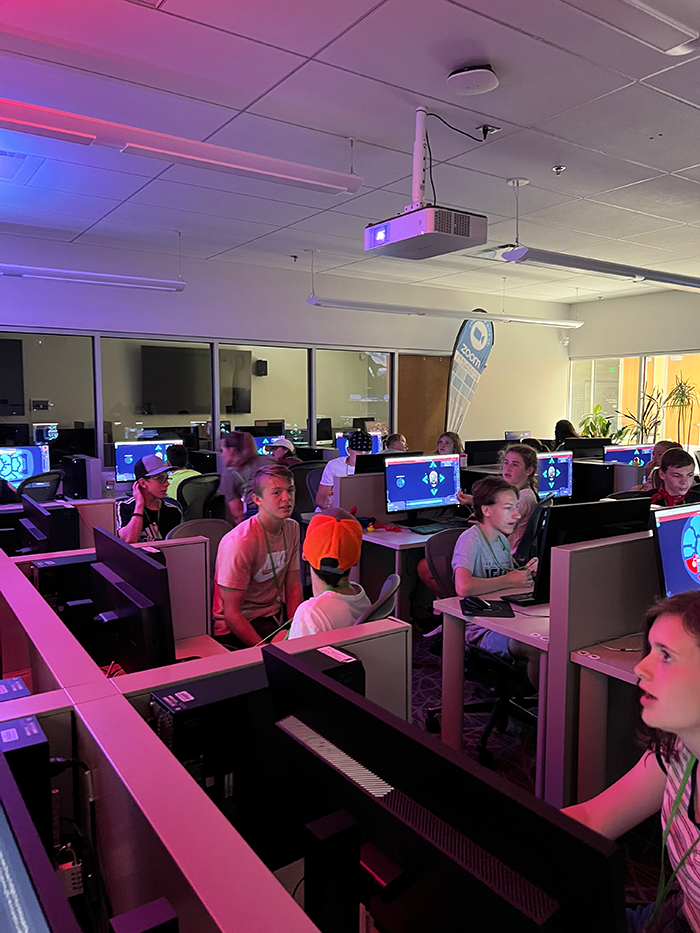
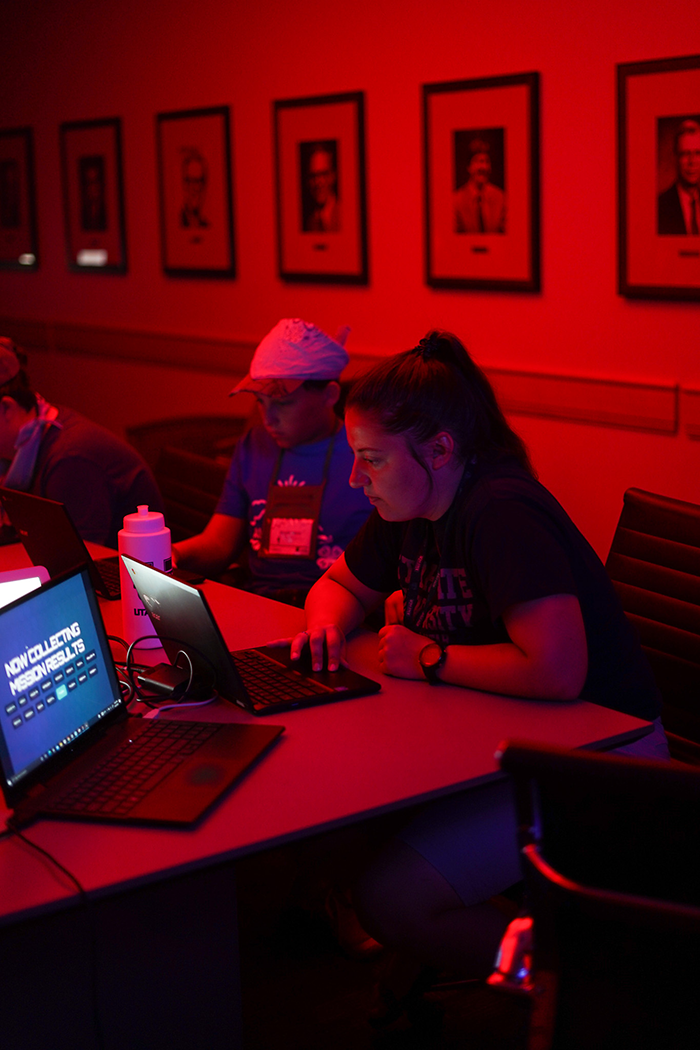
Events & Trainings
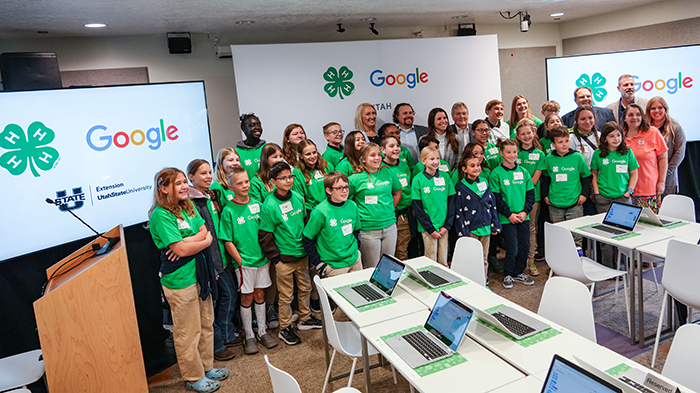
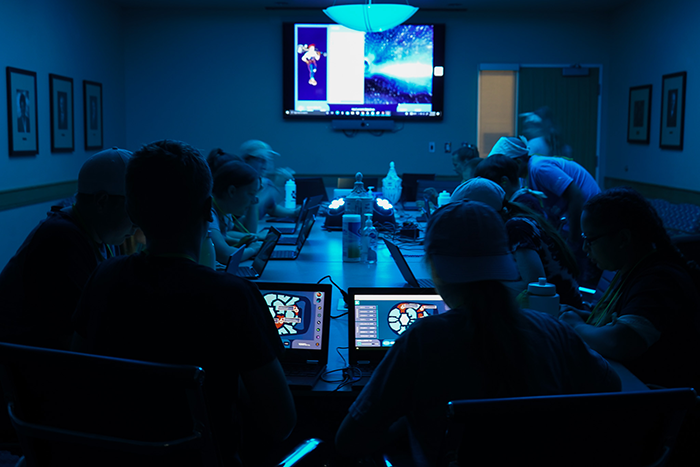
- Join a robotics or Agrobotics team
- Use your skills to code drones in the Utah 4-H Drone Challenge
- Get your feet wet with computational thinking through the Utah 4-H Pixelations or Utah 4-H Edible Algorithms Challenges
- Use Computational Thinking and Iterations to create a new Game in the Utah 4-H Game Design Challenge
- Coding workshops
- Utah 4-H Invents! (participate on a year-long engineering team and code a device to create a solution for a community partner, and present it)
- Hackathons
- Robotics competitions
- Game design labs
- Technology camps
Curriculum & Resources
LEARNING ACTIVITIES
Beginner: Block coding, digital safety
Intermediate: Python basics, robotics logic
Advanced: App development, cybersecurity challenges
4-H CURRICULUM & RECOMMENDED RESOURCES
- Clover by 4-H
- Beginner-level coding activities for all ages: Code Your Walk, Code Your Ride, Code Your Quilt, Code Your Morning Routine, and Code your Communication • Intermediate-level coding activities: Google x 4H Computer Science series, Coding in Python, and Coding in Scratch
- Utah 4-H Kits For Checkout Program
- Robotics and drone kits available for check-out include: Sphero robots, Edison Bots, Codrone EDU, and finch robots
- Codable items available for check-out include: electric circuit kits, robots, and drones
- *Kits For Checkout is free of charge for: registered 4-H volunteers, public and afterschool educators, and USU employees
- Discover 4-H
- Computing topics include: Discover 4-H Scratch Code Club, Discover 4-H Lego EV3 Robotics, and Discover 4-H Cloverbud Science & Technology
- Hour of Code hourofcode.com/us/learn
- This collection walks participants through computing activities using a step-by-step format that doesn’t require expertise by the learner or their mentor
Career Exploration
4-H helps youth get Beyond Ready for work, for college, for life!


Skills Learned in the Computational Thinking pathway, include:
- Computer programming
- Engineering
- Problem solving
- Identifying needs
- Recognizing patterns
- Working with others
- Communication
- Technical skills
- Logic
- Creativity
- Digital literacy
Careers in the Computing pathway include:
- Software Developer
- Cybersecurity Analyst
- Data Scientist
- Game Designer
- IT Specialist
The basic skills of computer scientists and the way they think are computational thinking. However, any subject area or topic can utilize computational thinking, which is essential to the development of computer applications. It can also be used to support problem solving accross all disciplines, including the humanities, math, and sciences. Utah 4-H STEM Computing pathway addresses and supports learning industry skills, such as:
- Decomposition: Breaking down data, processes or problems into smaller, manageable parts.
- Pattern Recognition: Observing patterns, trends, and regularities in data.
- Abstraction: Identifying the general principles that generate these patterns.
- Algorithm Design: Developing the step-by-step instructions for solving this and similar problems.
Get Started with Computing
Contact Deb Ivie (deborah.ivie@usu.edu) to join a workshop or register for the next tech training session!
Are you the parent of a child interested in computing?
Enroll my child in Utah 4-H
Volunteer with Utah 4-H