
Spring Migration: Keep Your Eyes to the Sky!
By Katherine Veeder | March 1, 2025
As our days begin to grow longer, the first signs of spring are quietly starting to emerge. One of the earliest and most audible signs is the return of our feathered friends who call Park City home for the warmer months of the year. Every year in North America, billions of birds embark on an incredible journey to migrate from their wintering habitat to their summer breeding grounds.
Despite their remarkable ability to travel vast distances, these avian adventurers face increasing threats along the way. A 2018 study from Cornell University found that 76% of birds crossing the US southern border return to the US for Spring each year. Habitat loss, climate change, light pollution, and collisions with manmade structures all pose serious threats to migrating birds. Although some of the threats occur naturally, it is important that humans do our part to reduce the obstacles and threats birds face to help them during this challenging time.
One of the most significant threats to migrating birds is habitat loss. As urban development expands and agricultural practices intensify, the places birds rest and refuel are increasingly destroyed or degraded. Additionally, climate change poses serious consequences for birds. Altered weather patterns and rising temperatures can disrupt migration timing and food availability. Some birds may arrive at their breeding grounds too early or too late, missing optimal conditions for nesting. Additionally, extreme weather events, like storms and droughts, can directly impact bird populations. To offset these challenges and support birds, take time to create bird-friendly spaces around your home. Planting native species in your garden and landscaping can provide food and shelter to birds.
While light pollution is often associated with urban environments, its effects stretch far beyond city limits. Artificial lights confuse and disorient migratory birds, especially at night. Many birds migrate under the cover of darkness, using the stars and natural light cues to guide their way. In areas where city light shine too brightly, birds can become disoriented and confused, which can result in exhaustion, collisions with buildings, and even death. During migration seasons, turn off unnecessary lights at night. You can also add window films, screens, or other materials designed to make glass windows more visible to birds and reduce bird collisions.
Migratory birds play a vital role in maintaining ecological balance, pollinating plants, and controlling insect populations. It’s important that we do our part to help support their incredible journey. Join us at the Swaner Preserve & EcoCenter for a Saturday morning nature walk or during open hours (Wednesday – Sunday, 10 am – 4pm) to spot some of these hardy travelers! Whether they are stopping by on their journey or staying for the summer months, we can’t wait to see which birds join us during migration this year!

Other Naturalist News
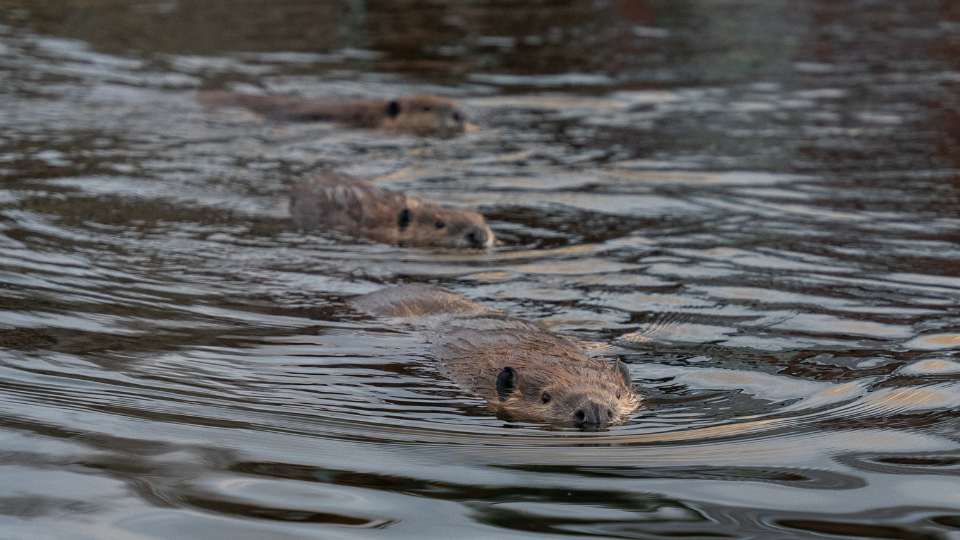
Loss of Beaver Population Next to Swaner EcoCenter
Between March 23 and April 2, five dead beavers were discovered near the Swaner Preserve & EcoCenter by Swaner staff. All five beavers shared one lodge outside the EcoCenter, and samples collected from one of the beavers tested positive for tularemia.
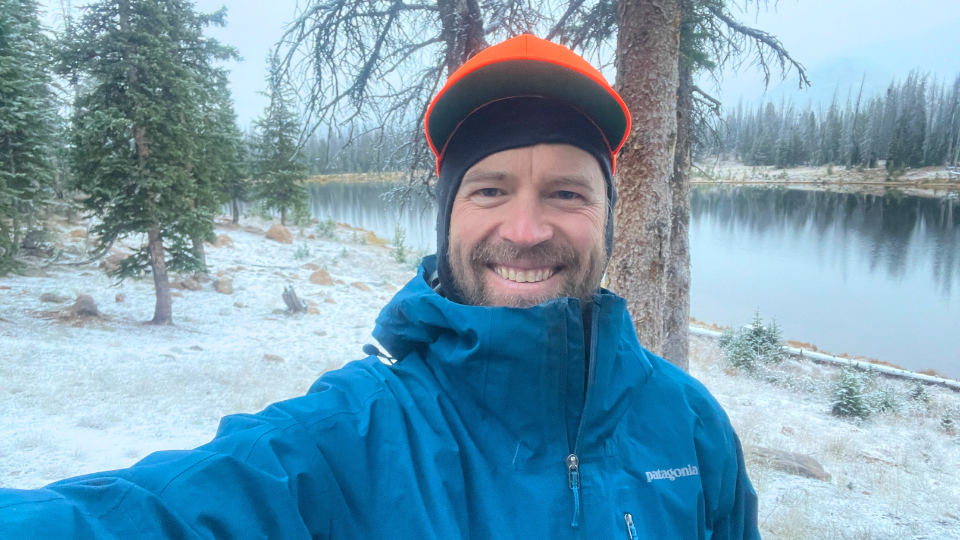
Swaner Preserve & EcoCenter Welcomes New Executive Director
We are thrilled to announce our new executive director, Lewis Kogan. Learn more about his impressive career and excitement to join the organization.
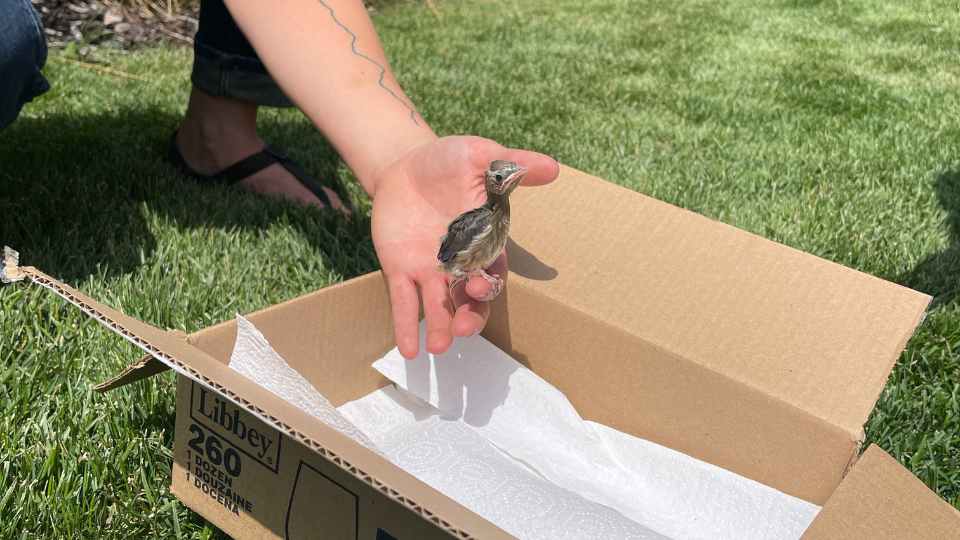
What To Do If You Find a Baby Bird
It’s spring, which means baby animals of all kinds are starting to appear! Learn what to do if you find a baby bird during this time of year.

Stewardship in Action: Intern Insights
What’s it like to spend a summer caring for 1,200 acres of wildlife habitat? Our 2026 Conservation and Outreach interns just finished up their season, and they're here to tell you all about it. Read on for their reflections!

Amazing Butterflies
If you enjoy summer days hiking in the local mountains or sitting among the flowers in a nearby garden, you have undoubtedly observed butterflies flitting from flower to flower or gliding on updrafts overhead. These small fragile creatures have withstood

American Wetlands Month
Did you know that May is American Wetlands Month? It's the perfect time to celebrate the amazing wetlands right here in the Wasatch Back! Wetlands are one of the most important—and rare—ecosystems in Utah. In fact, less than 1% of our entire state is cons

Clever Creatures: How Local Wildlife Prepares for Winter
All around us, wildlife here on the Wasatch Back are making remarkable adjustments to survive the cold months ahead. Some tuck themselves away in a kind of suspended animation, while others stay active, transforming their behavior to endure freezing tempe
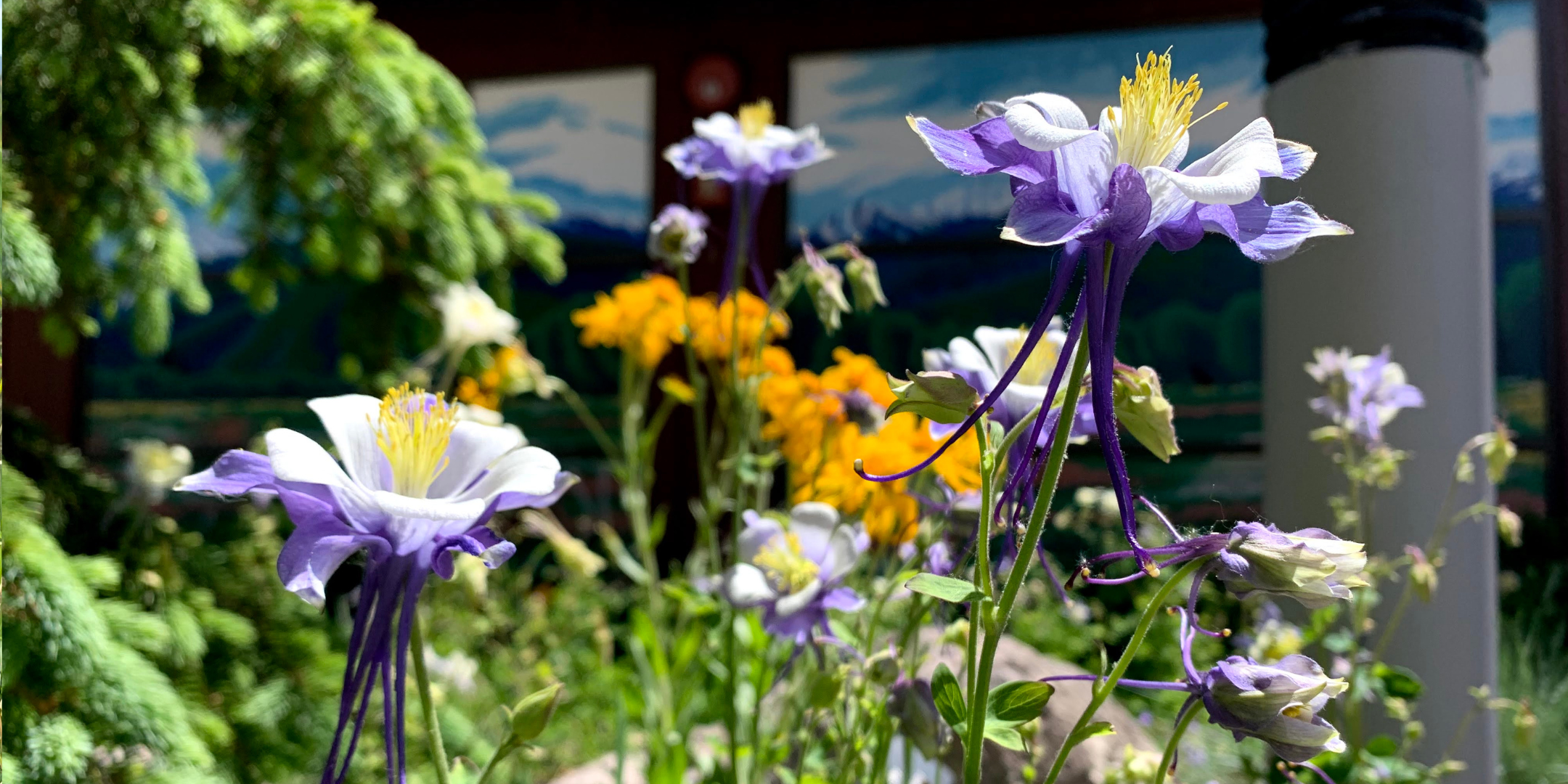
Spread the Word (and the Seeds!)
You heard it here first: Swaner Preserve is starting a little free native seed library! This resource, intended to provide native seeds to the public, is set to open in conjunction with the “Ephemeral” Art Show this September at the EcoCenter.

Become a Community Scientist
Towards the end of April, you have a unique opportunity to become a part of something big – the City Nature Challenge! In Park City, this event is a collaboration between Swaner Preserve & EcoCenter and Basin Recreation, and it's all about observing and d
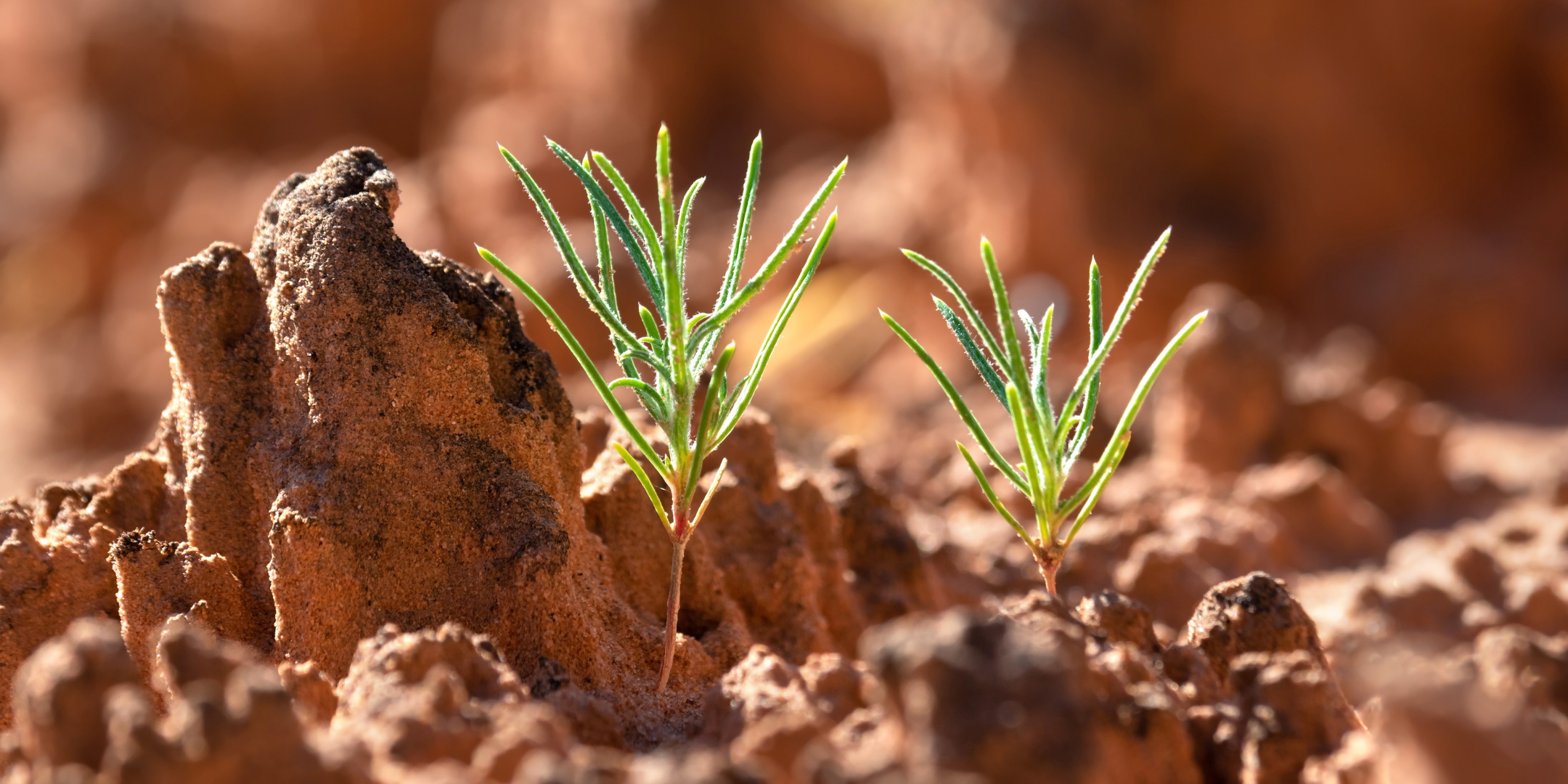
Life on the Edge: Extreme Environments
Utah is home to a plethora of unique habitats and ecosystems, some of which create especially challenging conditions for survival! Many organisms in Utah depend on special adaptations to help them survive and even thrive in these extreme environments.
Events
Location, Hours & Contact
Physical & Mailing Address
1258 Center Drive
Park City, Utah 84098
EcoCenter Hours
Wednesday – Sunday, 10 am – 4 pm
The EcoCenter will be closed on Thursday, November 26.
Email
swanerecocenter@usu.edu
Phone
435-649-1767
