
Amazing Butterflies
Article and photos by Rod Rinderknect | January 18, 2025
If you enjoy summer days hiking in the local mountains or sitting among the flowers in a nearby garden, you have undoubtedly observed butterflies flitting from flower to flower or gliding on updrafts overhead. These small fragile creatures have withstood the ravages of time, gradually evolving and adapting to changes in their environment.
You may be thinking – “Why are we talking about butterflies in January?” – but, even though they’re not evident this time of year, winter still plays an essential role in their life cycle. Butterflies are exothermic (cold-blooded) and are unable to fly in temperatures less than 55 degrees. How then, do our little scaly-winged friends survive in winter?
Some butterflies fly south to warmer climes. Examples are the well-known Monarch butterfly (Danaus plexippus), which migrates all the way from southern Canada to the oyamel fir forests in the mountains of central Mexico, and the ubiquitous Painted Lady (Vanessa cardui), which migrates southward to the warmer southern states or Mexico.
Most butterflies, however, overwinter in one of the four stages of their life cycle: egg, larva (caterpillar), pupa (chrysalis) or imago (adult). Eggs are generally laid singly or in multiples upon or on the underside of the leaves of the host plant, so that in spring when the eggs hatch the larvae will not need to search for food. An example of this is the Ruddy Copper (Lycaena rubidus) seen in the Park City area.
Most butterflies, however, overwinter in their larval state. No matter the stage of the life cycle, development and growth ceases completely (diapause) until spring when the temperature rises. An example is the Field Crescent (Phycoides pulchella), which is also found locally.
Many butterflies overwinter as pupae, which are generally suspended by a silky thread in a protected location, the pupae themselves affording a physical barrier to the cold. When spring comes, the magical process of metamorphosis occurs and a fully grown butterfly emerges. Examples include the Western Tiger Swallowtail (Papilio rutulus) and the Hoary Comma (Polygonia gracilis), both of which are endemic in this area.
Finally, a few hardy butterflies including the Milbert’s Tortoiseshell (Nymphalis milberti) and Mourning Cloak (Nymphalis antiopa) survive winter in the adult stage by squeezing into cracks, crevices, or holes in tree trunks. Death by freezing is related to ice crystals forming in body fluid, causing cells in vital organs to burst. Some butterflies accumulate chemicals called cryoprotectants, such as the sugar alcohol glycerol, that act like “antifreeze”, lowering the freezing point of body fluid and preventing ice crystals from forming.
All these adaptations for the winter survival of butterflies have evolved over millions of years. Hopefully in our short lifetime, we will be able to preserve their habitat in Park City and its environs, affording us the opportunity to enjoy their beauty and importance as pollinators for many years to come.
Want to learn more about butterflies and their amazing life cycles? Transform into a caterpillar and journey through a butterfly’s world in an interactive maze at Swaner’s new exhibit – Amazing Butterflies – on dispaly through May 4 at Swaner EcoCenter. Through larger-than-life leaves, grass, and trees, you’ll experience the challenges of being a caterpillar as it morphs into a beautiful butterfly. As you navigate the maze, discover the ways caterpillars move, what they eat, and how other creatures help them achieve their transformation.

Milbert's Tortoiseshell
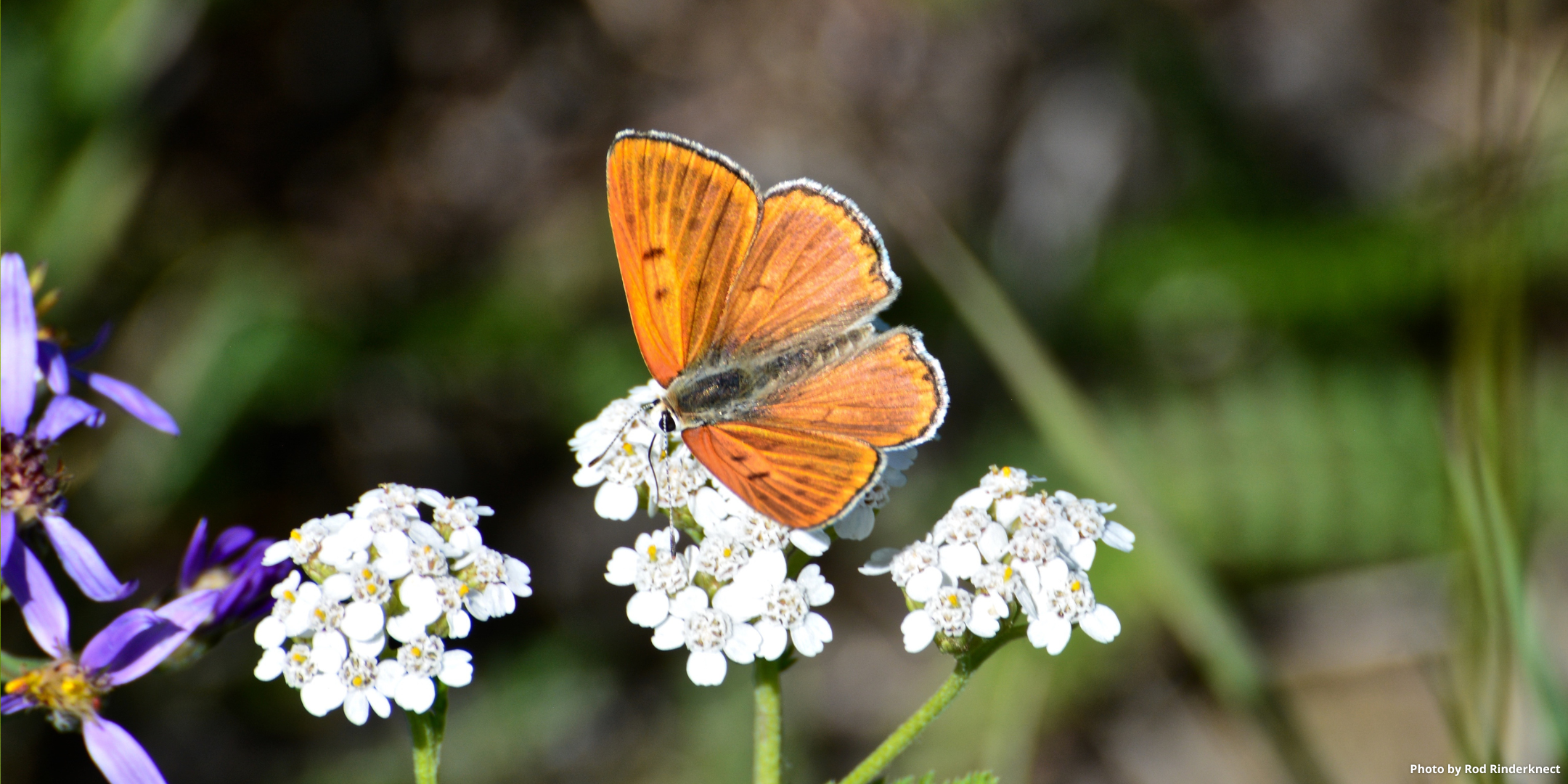
Ruddy Copper
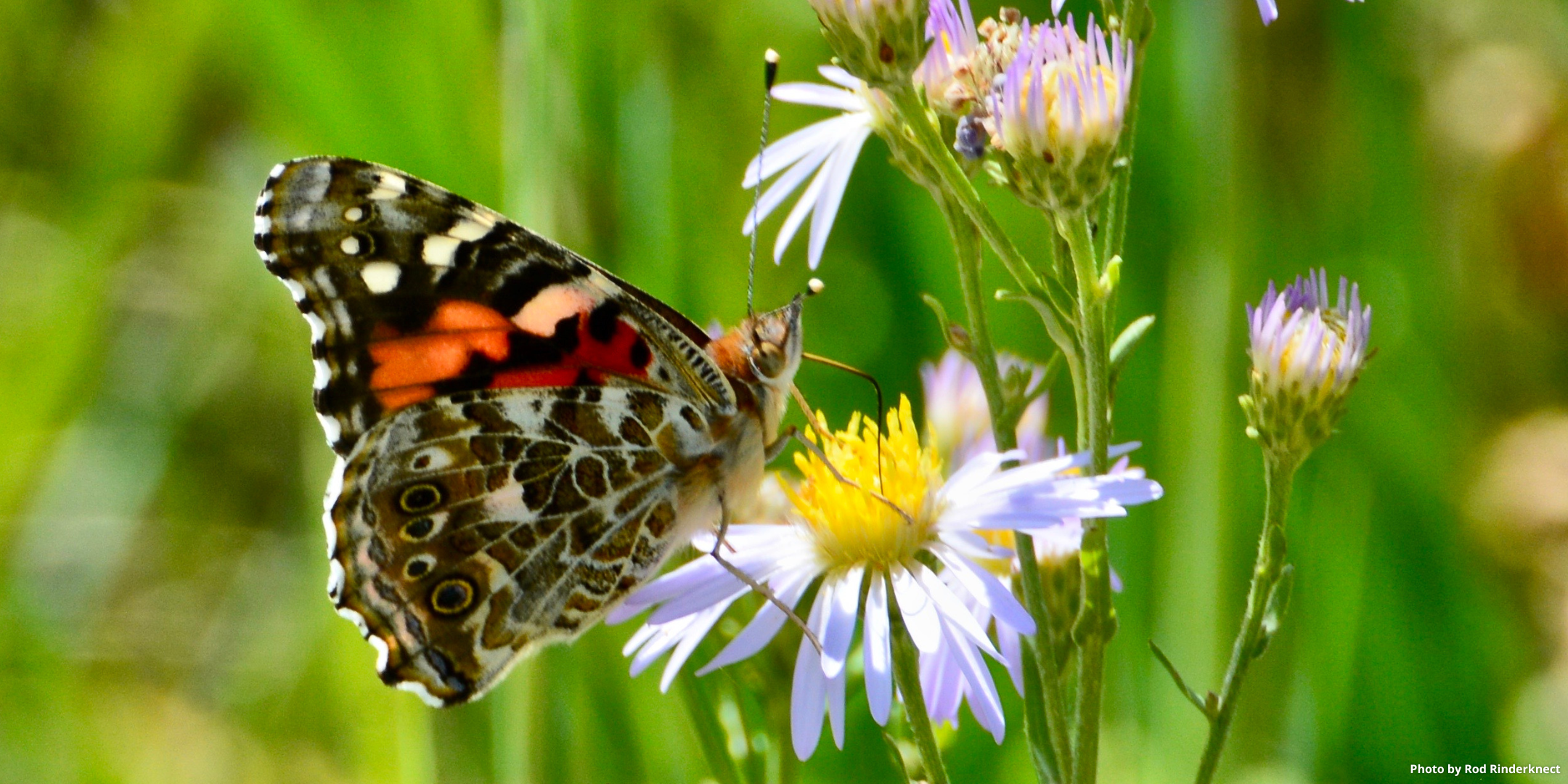
Painted Lady
Other Naturalist News
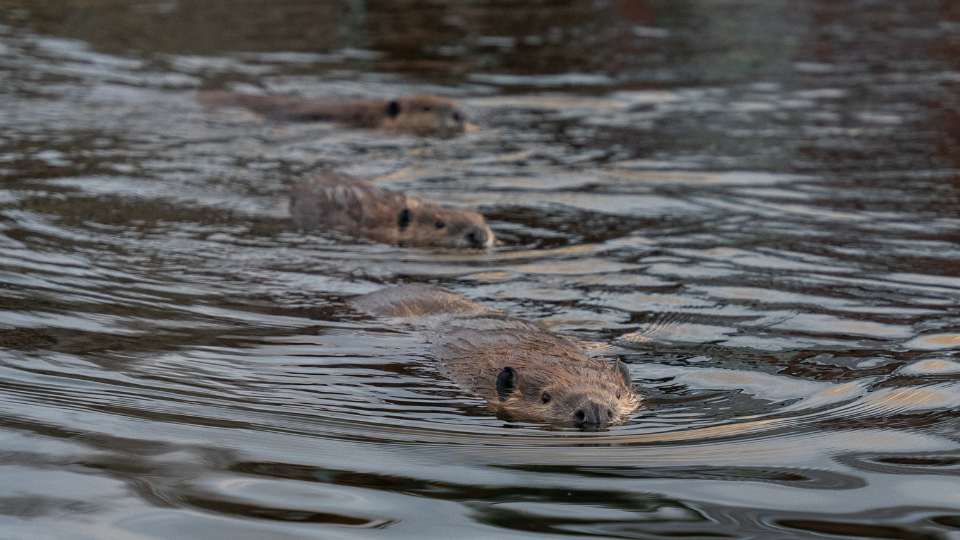
Loss of Beaver Population Next to Swaner EcoCenter
Between March 23 and April 2, five dead beavers were discovered near the Swaner Preserve & EcoCenter by Swaner staff. All five beavers shared one lodge outside the EcoCenter, and samples collected from one of the beavers tested positive for tularemia.
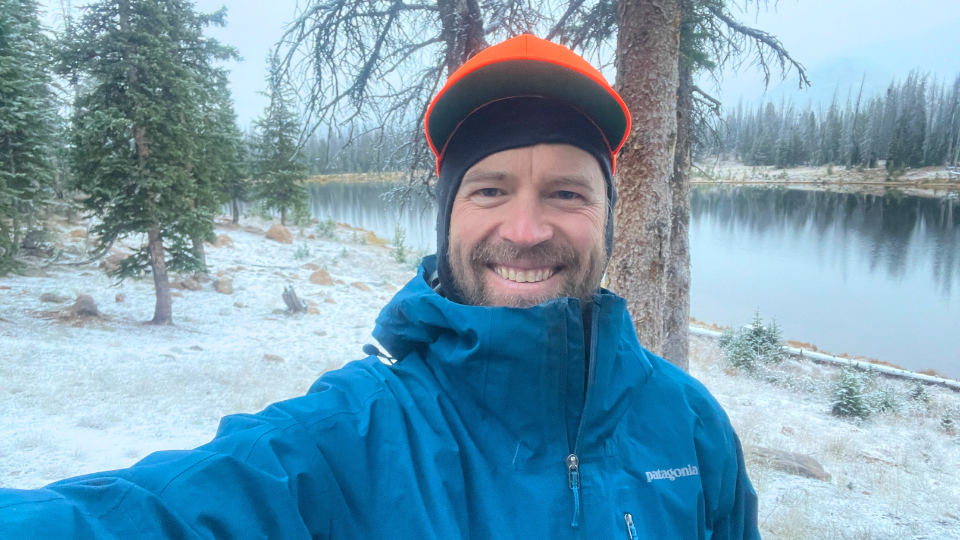
Swaner Preserve & EcoCenter Welcomes New Executive Director
We are thrilled to announce our new executive director, Lewis Kogan. Learn more about his impressive career and excitement to join the organization.
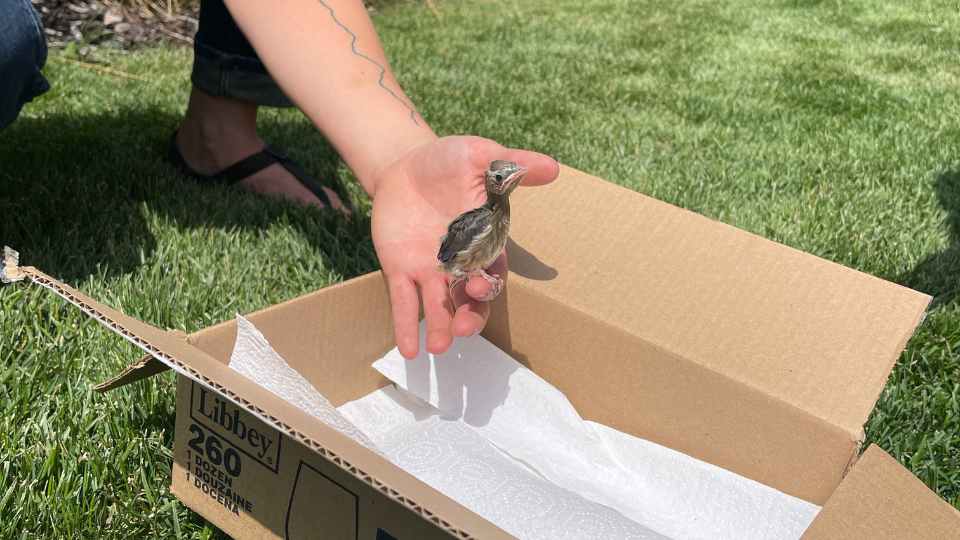
What To Do If You Find a Baby Bird
It’s spring, which means baby animals of all kinds are starting to appear! Learn what to do if you find a baby bird during this time of year.
Amazing Butterflies
If you enjoy summer days hiking in the local mountains or sitting among the flowers in a nearby garden, you have undoubtedly observed butterflies flitting from flower to flower or gliding on updrafts overhead. These small fragile creatures have withstood

American Wetlands Month
Did you know that May is American Wetlands Month? It's the perfect time to celebrate the amazing wetlands right here in the Wasatch Back! Wetlands are one of the most important—and rare—ecosystems in Utah. In fact, less than 1% of our entire state is cons

Clever Creatures: How Local Wildlife Prepares for Winter
All around us, wildlife here on the Wasatch Back are making remarkable adjustments to survive the cold months ahead. Some tuck themselves away in a kind of suspended animation, while others stay active, transforming their behavior to endure freezing tempe
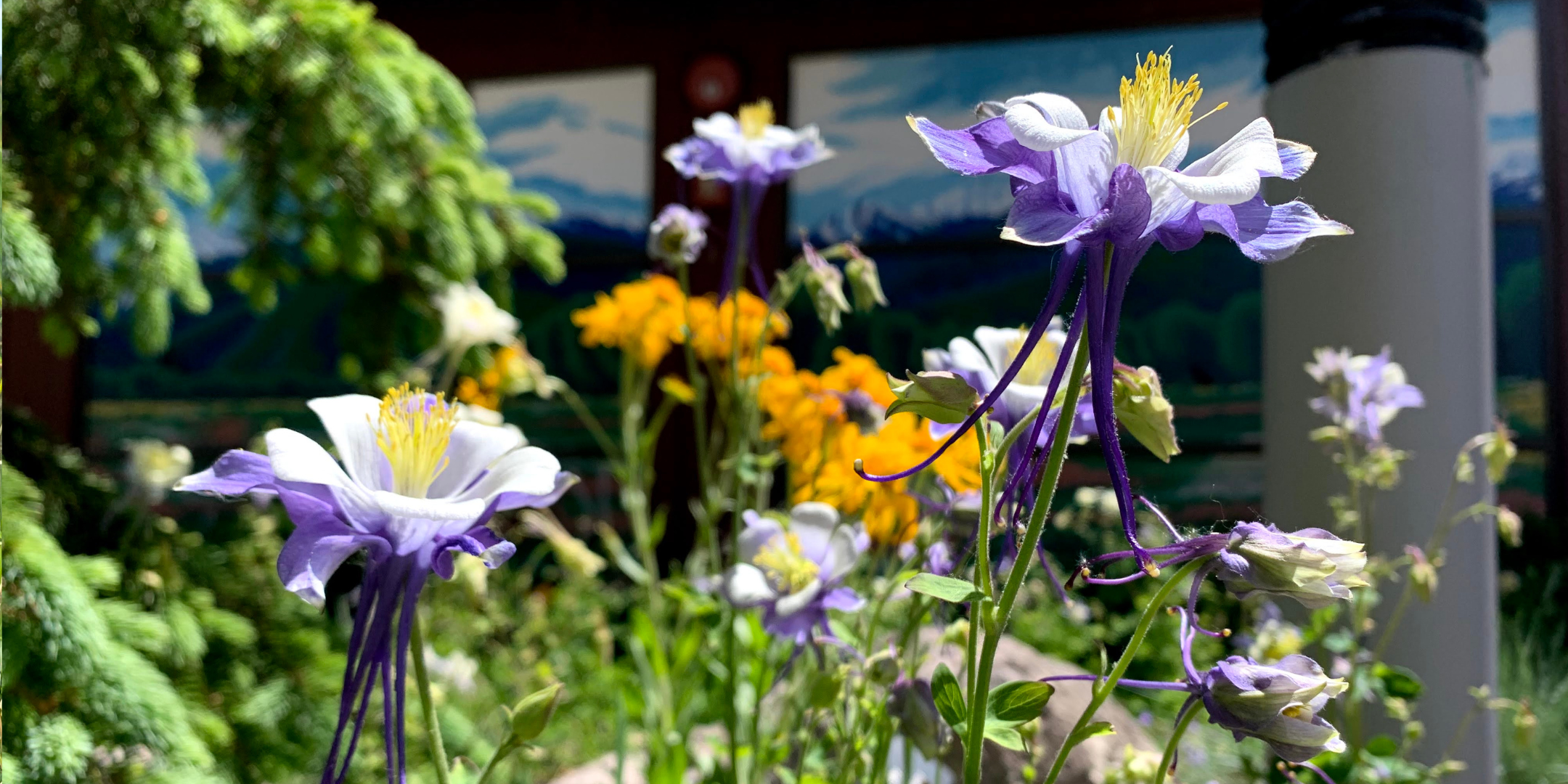
Spread the Word (and the Seeds!)
You heard it here first: Swaner Preserve is starting a little free native seed library! This resource, intended to provide native seeds to the public, is set to open in conjunction with the “Ephemeral” Art Show this September at the EcoCenter.

Become a Community Scientist
Towards the end of April, you have a unique opportunity to become a part of something big – the City Nature Challenge! In Park City, this event is a collaboration between Swaner Preserve & EcoCenter and Basin Recreation, and it's all about observing and d
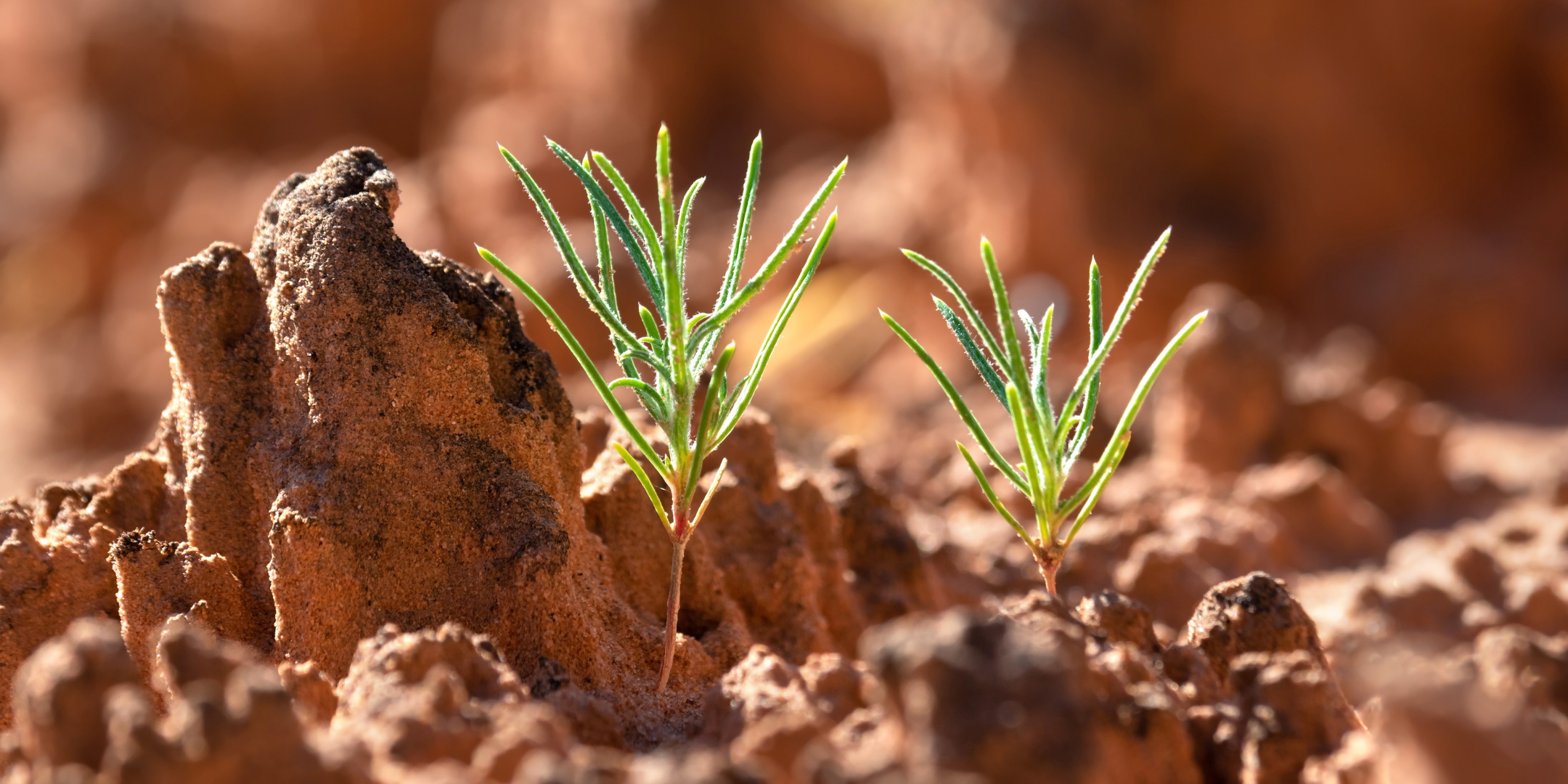
Life on the Edge: Extreme Environments
Utah is home to a plethora of unique habitats and ecosystems, some of which create especially challenging conditions for survival! Many organisms in Utah depend on special adaptations to help them survive and even thrive in these extreme environments.

How Stars and Nature Guide Us Through Change
Places like the Swaner Preserve have become increasingly rare. Behind a shopping plaza with diverse restaurants, boutiques, and condos, there lies a 1,200-acre piece of permanently protected open space. It starkly contrasts the life around its border—a sl
Events
Location, Hours & Contact
Physical & Mailing Address
1258 Center Drive
Park City, Utah 84098
EcoCenter Hours
Wednesday – Sunday, 10 am – 4 pm
The EcoCenter will close early at 1 PM on Wednesday, August 19.
Email
swanerecocenter@usu.edu
Phone
435-649-1767
