Low-Impact Development and Landscaping


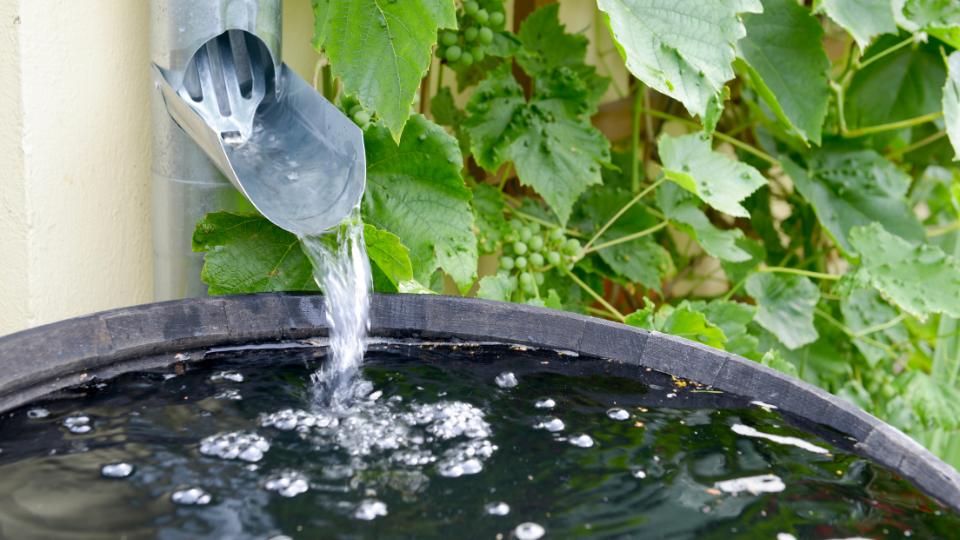
Undeveloped areas have natural ground cover, including soil and plants to help infiltrate water and decrease the amount of runoff that leaves a site during precipitation events. A low-impact development (LID) approach to stormwater management aims to mimic predevelopment hydrologic conditions and utilizes stormwater as a resource to retain precipitation onsite longer. Low-impact development techniques are used to improve infiltration, evapotranspiration, and the harvesting and/or reuse of runoff. The focus of LID practices is to preserve, restore, and create green spaces using regional and site-specific soils and vegetation to help capture and collect stormwater.


Water-wise Landscape Ideas for Existing Landscapes

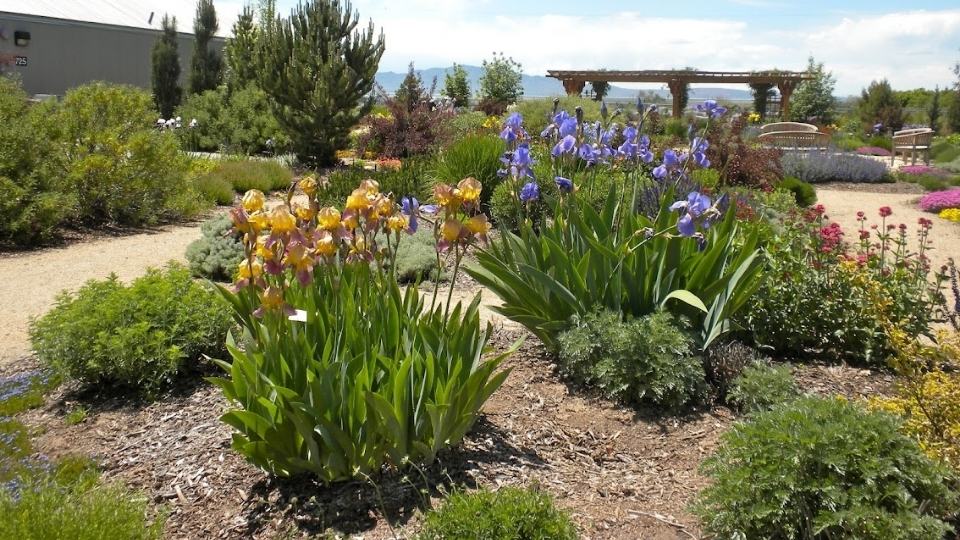
Five easy ways to convert an existing landscape to a water-wise landscape without substantial renovation. These ideas are useful for people who would like to be Waterwise but do not have the time, resources, or expertise to renovate the existing landscape...


Low-Impact Development Planting Guide

The purpose of this planting guide is to help stormwater professionals select the best plants for the LID-type they are designing as well as the plant’s desired benefits and qualities. This guide was designed to supplement the Utah Division of Water Quali...


Designing a Low Water Use Landscape

A landscape design should meet the needs of the people who will use and maintain the area while incorporating the site’s existing environmental conditions into the design. Water is a limiting resource in Utah, so designing the landscape to efficiently use...

Water-Wise Landscaping: Plant Maintenance

A benefit of established water-wise landscapes is they require less time and money to maintain than a traditional landscape. This assumes you have limited turfgrass to areas where it is practical, you have selected plants adapted to your climate, and you ...