
Understanding Brain Fog During Menopause


Introduction
Key Takeaways
- Brain fog is known scientifically as subjective cognitive decline, meaning an inability to concentrate or think clearly.
- Brain fog is a common symptom of perimenopause and early menopause.
- The estrogen and progesterone hormones fluctuate during perimenopause and menopause, which may contribute to brain fog symptoms.
- For many people, the symptoms improve over time.
- There are many strategies for managing brain fog, such as establishing routines, prioritizing healthy activity and diet, and staying connected socially.
It’s 4:30 on a Tuesday afternoon, and you get a call from the dentist’s office letting you know you missed your 3:00 p.m. appointment. You realize you forgot you had one today. Earlier in the day, you were talking with a friend and could not remember the name of your favorite local restaurant, despite having eaten there for the past 30 years.
Both are examples of brain fog, meaning an inability to concentrate or think clearly, is a common symptom of perimenopause and early in the menopause phase. While not everyone who goes through menopause will have brain fog, it is a common symptom, and it can be helpful to understand why brain fog occurs. This fact sheet provides helpful information to understand brain fog and ideas you can use to manage it.
What Is Brain Fog?
Brain fog isn’t something that a doctor formally diagnoses, and it can come from a variety of conditions, not just menopause. It might look like difficulty focusing, forgetfulness, or slower or unclear thoughts. Brain fog has been described as feeling like having a head full of cotton balls making it difficult to recall information and slowing thought process and reaction times (Cleveland Clinic, 2024). While it can come from causes such as long COVID, migraines, or chronic conditions (e.g., diabetes), brain fog is a common symptom of perimenopause or early menopause. For example, studies have estimated that 44%–62% of women experience subjective cognitive decline in perimenopause, which is the scientific term for brain fog (El Khoudary et al., 2019; Sullivan Mitchell & Fugate Woods, 2001). More recently, a study in Utah found that 91.6% of participants going through the perimenopause and menopause phases identified having memory problems and 88.3% reported difficulty concentrating (Meier et al., 2026). While brain fog can be a difficult symptom to identify, understanding how menopause affects cognition can help to identify it when it’s happening to you.
How Does Menopause Affect Thinking and Memory?
September 8 and December 29
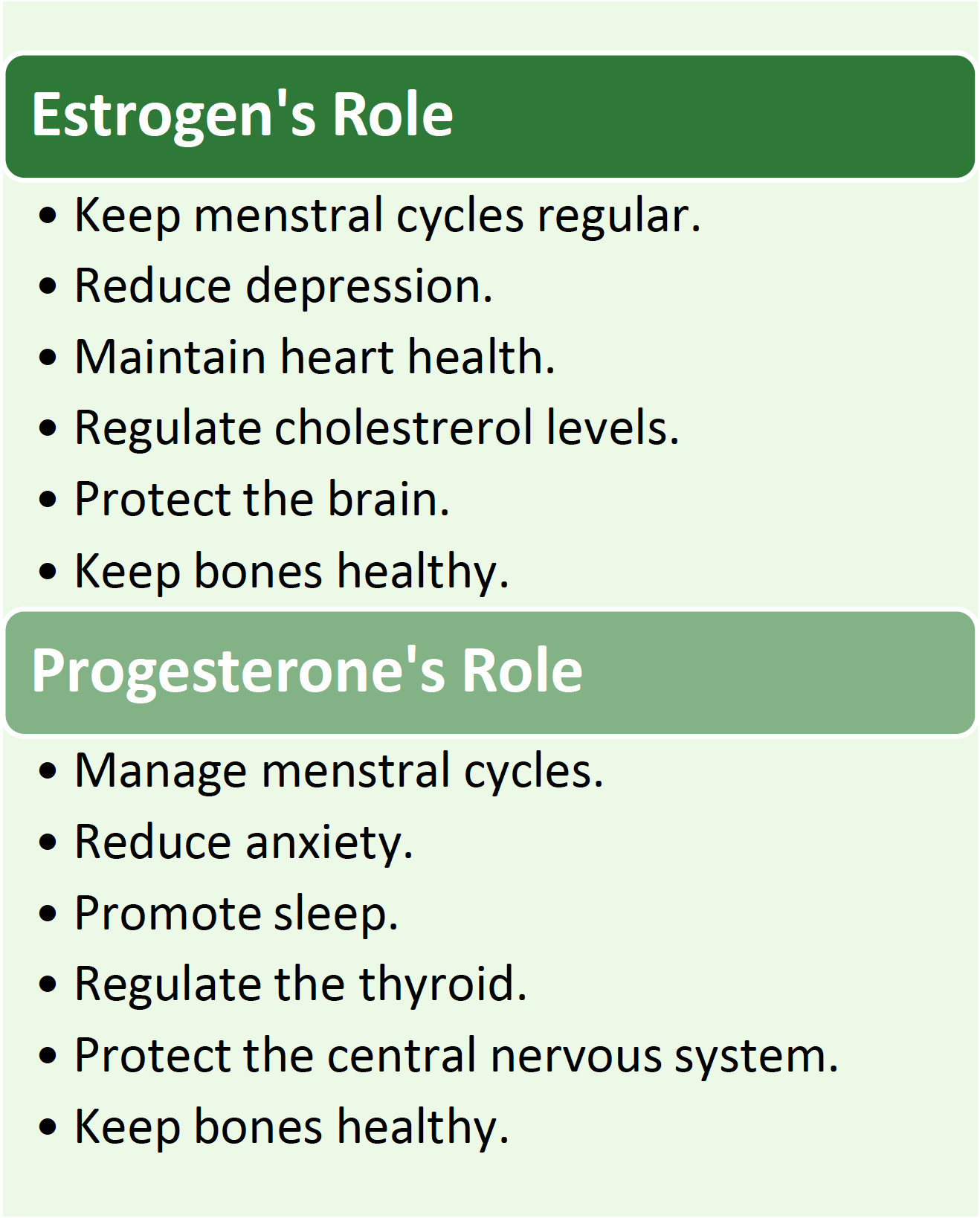
Brain fog during perimenopause is thought to be caused by changes in estrogen (Evernow, 2025) and progesterone (Guennoun, 2020). Estrogen and progesterone are hormones made by the body that are commonly associated with reproduction, sex, and menstruation. Researchers have discovered that estrogen is more than a female sex hormone; it supports heart, bone, and brain health, among other functions (Cleveland Clinic, 2022). Progesterone works alongside estrogen and performs many similar beneficial functions (Cleveland Clinic, 2022).
You might think of estrogen as a hormone unique to women, yet research suggests it plays an important role in all sexes (Hames & Levin, 2019). Estrogen, specifically estradiol, which is a type of estrogen, fluctuates during perimenopause and decreases during menopause. In addition to being produced in the ovaries and testes, estradiol is also produced directly in the brain. Estradiol in the brain maintains protection against infections and preserves its ability to adapt, or plasticity (Brann et al., 2022). This is especially true for the hippocampus, the brain region associated with memory. And estradiol is not the only brain-protecting hormone that is known to change during the menopause transition.
Progesterone also fluctuates in perimenopause and decreases in menopause. This hormone has been shown to protect the brain (Guennoun, 2020). Because of these hormone changes, it makes sense that many people experience memory or concentration problems, often called “brain fog,” during perimenopause and menopause. Your brain is adjusting to lower levels of these hormones. This can feel frustrating, but it is not something to be afraid of, and for many people, these symptoms improve over time.
How Long Does Brain Fog Last?
Brain fog occurs most commonly in perimenopause, the time before menopause where the body is still transitioning to no longer menstruating (Zhu et al., 2023). Because menopause experiences and symptoms vary greatly across people, how long brain fog lasts may be different for everyone. More generally, brain fog is said to last at least a year, but may last as long as 3 years, and often resolves either at menopause or after menopause ends (Brighten, 2025; North Pointe OB/GYN, 2025; Olsson & Molloy, 2025). Experiencing brain fog may be disorienting or discouraging, but it will most likely go away in postmenopause.
What Habits Can Help Clear the Fog?
The good news is that there are ways to help manage brain fog and support your brain health through daily habits. Since this experience is different for each person, the strategies that help clear the fog are not one-size-fits-all. According to researchers (Anderson, 2026; Johnson & Ogden, 2025; Maki & Jaff, 2022), some of the most important habits to create or maintain include:
- Consistent sleep schedule. Establish a wind-down routine so your body gets the rest it needs.
- Physical activity. Support your physical and brain health through regular physical activity, including strength and aerobic exercises to support heart health.
- Nutrition. Diet impacts your mental health, and you can slow midlife weight gain with balanced nutrition. The Mediterranean-type diet is ideal, which includes eating regular meals with balanced protein, healthy fats, fruits, and vegetables.
- Hydration. Hydrate for both brain and physical health. Aim for 8 cups of liquid a day.
- Manage your stress. Use healthy coping strategies while remaining calm. Try breathing or mindfulness exercises, spend time in nature, take short walks or breaks, read, or do anything you enjoy.
- Brain exercises. Keep your mind active with activities, such as crossword puzzles, sudoku, Wordle, or other engaging brain exercises.
Everyday Things You Can Do to Manage Brain Fog
- Incorporate simple strategies to help keep important information organized and reduce your mental load. Writing to-do lists, using digital or paper calendars, or setting alarms or reminders on your phone can help you stay on track and reduce the pressure to remember everything at once.
- Rather than multitasking, focus on one task at a time to improve concentration. Take short breaks when you feel mentally tired, which gives your brain a rest and may improve clarity when you return to the task.
- Build consistent routines to help reduce the mental load. For example, take medications at the same time each day by pairing them with an existing habit, such as after brushing your teeth or eating breakfast, so it is the same time each day (Anderson, 2026).
- Stay socially connected. This is especially important, as regular interaction with others has been shown to support cognitive health and be a protective factor for many cognitive issues (Maki & Jaff, 2022).

When to Talk to Your Health Provider
One key player in managing your health during this transitional phase is keeping your healthcare provider involved. This is especially important if you have symptoms that are concerning or disruptive to your daily life, and if you have other underlying health conditions, as managing those during this phase is invaluable (Maki & Jaff, 2022). Consider seeing a provider if your personality or mood is changing in concerning ways or you are experiencing cognitive symptoms like getting lost that are not fluctuating but are steadily getting worse (Anderson, 2026).
Some other possible discussions with providers, beyond cognitive concerns and brain fog, are sleep issues and medical treatment for underlying conditions, including depression or anxiety and hypertension (Anderson, 2026; Maki & Jaff, 2022). It may also be helpful to discuss hormone replacement therapy or other medical treatments to help during menopause (Langer et al., 2021; Anderson, 2026). Each person experiencing the various stages of menopause should have individualized care from a provider who listens to their concerns, takes symptoms seriously, reviews relevant medical history, and understands the menopause transition, which can help you feel more supported and confident in your care decisions.
There Is a Way Forward
As you begin incorporating strategies into your daily routine to help manage brain fog, remember that building new habits can be challenging and takes time. Consider making one small change at a time and exploring which habits improve brain fog. It’s also important to acknowledge that brain fog is a symptom of the life transition you are experiencing; it in no way reflects your personal abilities. Use your social supports and have open conversations with them about how they can be patient with and support you. Be patient with yourself and celebrate small, consistent steps toward progress.
Additional Resources
- “Brain Fog” (Let’s Talk Menopause!)
- “Mental Health Topics: Mental Health” (The Menopause Society)
- “How Menopause Restructures a Woman’s Brain” (The Menopause Society)
- “Menopause and Memory: Know the Facts” (Harvard Health Publishing, Harvard Medical School)
References

August 2026
Utah State University Extension
Peer-reviewed fact sheet
Authors
Cris Meier, Moth Huenemann, Ashley Yaugher, and Cara Murray

Cris Meier
Community Resource and Economic Development Specialist
Social Work

Ashley Yaugher
Professional Practice Extension Associate Professor | Health and Wellness | HEART Initiative | Carbon & Emery Counties
Home and Community Department

Cara Murray
Professional Practice Extension Assistant Professor | Health and Wellness | 4-H | Uintah County Director
Home and Community
Related Research