wildfire
Utah Forest Facts
Extension
Utah Forest Fact
forestry
This fact sheet describes characteristics of firewise plants and firewise landscapes, and lists examples of firewise plants that can be used in Utah landscapes.
002 - Firewise Plants for Utah Landscapes | Fact Sheets | Publications | Forestry | Extension
This fact sheet describes characteristics of firewise plants and firewise landscapes, and lists examples of firewise plants that can be used in Utah landscapes.
Extension
wildfire
Utah Forest Facts
Utah Forest Fact
forestry
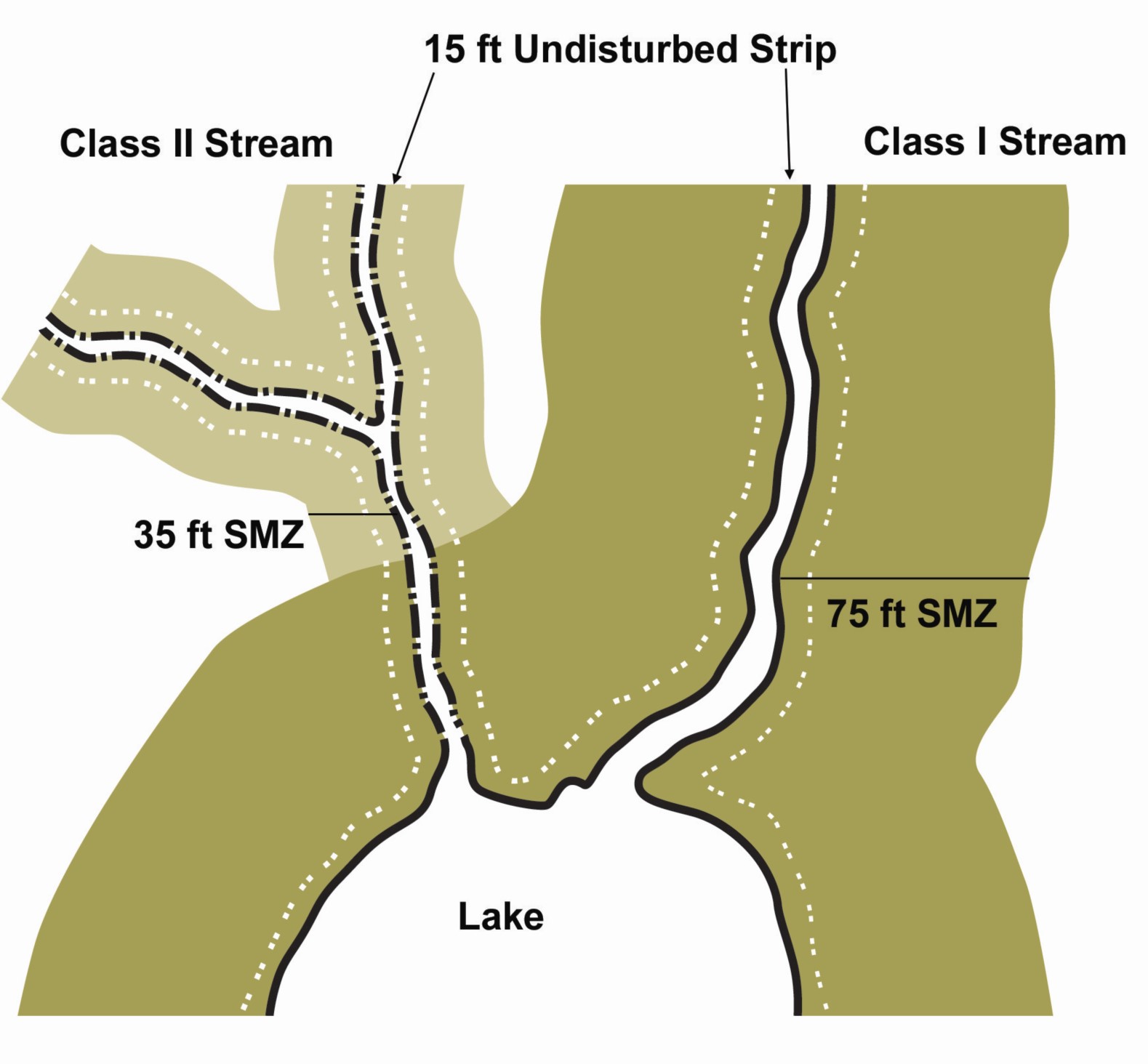
This fact sheet describes what the streamside management zone (SMZ) is, how to identify it, and provides recommendations for conducting forest practices within SMZs.
008 - Managing Forests for Water Quality: Streamside Management Zones | Fact Sheets | Publications | Forestry | Extension
This fact sheet describes what the streamside management zone (SMZ) is, how to identify it, and provides recommendations for conducting forest practices within SMZs.
forestry
wildfire
Extension
Utah Forest Fact
Utah Forest Facts
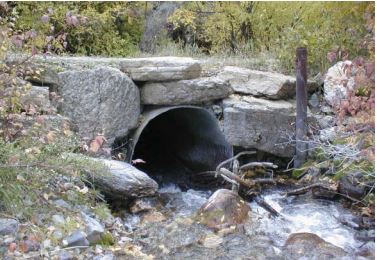
This fact sheet outlines when a stream crossing is needed and describes three types of crossings: culverts, fords and bridges. Basic information on constructing each type is given, and sources for materials and further information are listed.
009 - Managing Forests for Water Quality: Stream Crossings | Fact Sheets | Publications | Forestry | Extension
This fact sheet outlines when a stream crossing is needed and describes three types of crossings: culverts, fords and bridges. Basic information on constructing each type is given, and sources for materials and further information are listed.
wildfire
Utah Forest Fact
Utah Forest Facts
Extension
forestry
This fact sheet discusses forest roads as they relate to water quality. Road planning, construction, use, maintenance and removal are covered.
010 - Managing Forests for Water Quality: Forest Roads | Fact Sheets | Publications | Forestry | Extension
This fact sheet discusses forest roads as they relate to water quality. Road planning, construction, use, maintenance and removal are covered.
Utah Forest Fact
Utah Forest Facts
forestry
wildfire
Extension
This fact sheet helps readers understand prescribed fire planning and implementation on public lands.
025 - Prescribed Fire on Public Lands | Fact Sheets | Publications | Forestry | Extension
This fact sheet helps readers understand prescribed fire planning and implementation on public lands.
wildfire
forestry
Extension
Utah Forest Fact
Biomass
Utah Forest Facts
Post-fire investigation and research tells us that most home ignitions during wildfires are caused by embers. The checklist provided in this factsheet pinpoints places and situations around the home where embers can pose a threat. By attending to the chec
036 - Protect Your Home from Wildfire: Ember Awareness Checklist | Fact Sheets | Publications | Forestry | Extension
Post-fire investigation and research tells us that most home ignitions during wildfires are caused by embers. The checklist provided in this factsheet pinpoints places and situations around the home where embers can pose a threat. By attending to the chec...
wildfire
Utah Forest Fact
Utah Forest Facts
forestry
Extension
This fact sheet describes a do-it-yourself technique for making small-batch biochar. The Utah Biomass Resources Group has demonstrated this method for reducing hazardous forest fuels, protects soils, and creates biochar using simple, low-cost materials.
037 - Hazardous Fuels Reduction Using Flame Cap Biochar Kilns | Fact Sheets | Publications | Forestry | Extension
This fact sheet describes a do-it-yourself technique for making small-batch biochar. The Utah Biomass Resources Group has demonstrated this method for reducing hazardous forest fuels, protects soils, and creates biochar using simple, low-cost materials.