Harmful Algal Blooms (HABs)

HABs are naturally occurring in waterbodies and are happening more frequently around Utah. Learn why and how to identify harmful algae.

Tools & Resources

group

Volunteer to monitor for HABs in Utah's waterbodies.

warning

Check waterbodies for health concerns before heading out.

file

Learn about recreational water quality and health concerns.

Harmful Algal Blooms (HABs)

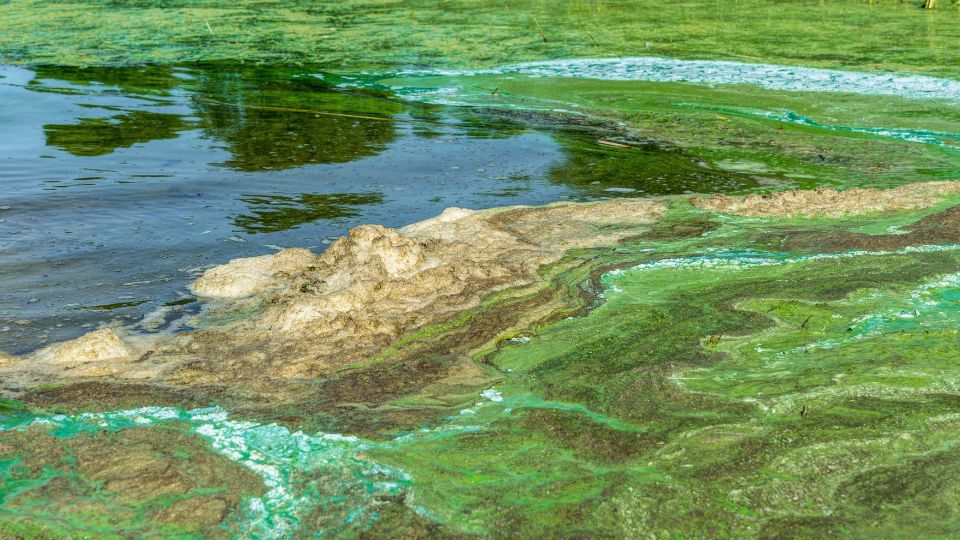
HABs are occurring more frequently around Utah in response to increased nutrients in waterbodies and a warmer climate. Harmful algae (cyanobacteria or blue-green algae) naturally grow in waterbodies driven by water temperature and nutrient availability. Cyanobacteria produce toxins that can be dangerous and impact humans, pets and livestock, aquatic life, and agricultural irrigation. It is important to learn how to identify a HAB to help keep yourself and others safe.

Harmful Algal Blooms: Risks for Food in Utah

Learn how harmful algal blooms (HABs) can affect food safety, irrigation water, livestock, and crop production in Utah. This fact sheet explains the risks of cyanotoxins and provides practical steps to help producers reduce exposure and protect their farm...
Introduction to Harmful Algal Blooms

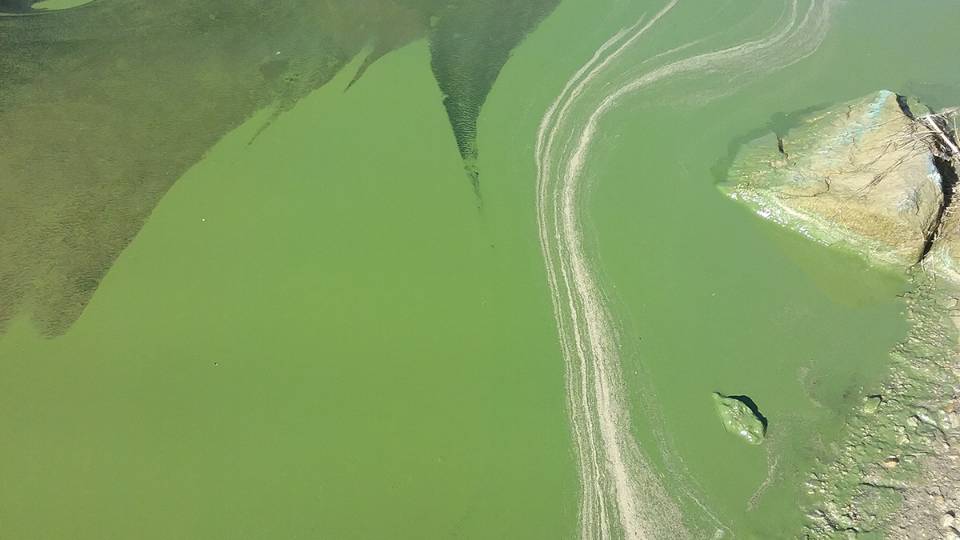
A harmful algal bloom is a phytoplankton containing toxic cyanobacteria. Often referred to as HABs, cyanobacteria occur when the concentration of nutrients, temperature, and turbulence in a body of water is just right to promote algal growth.