
Harmful Algal Blooms: Risks for Food in Utah
How Do Harmful Algal Blooms Impact Food Safety?
Key Takeaways
- Harmful algal blooms (HABs) are increasing in Utah's waterways, with more in ponds, lakes, and reservoirs, developing as early as May and persisting through October, often longer into the growing season.
- Many of the affected waterbodies serve as critical irrigation sources for Utah’s specialty crop producers or as water for animals or fish.
- Unlike foodborne pathogens, cyanobacteria toxins (from blue-green algae) cannot be removed by boiling, cooking, or washing the food.
- While microcystin, a common toxin from HABs, can accumulate at varying levels in different plant tissue, most of the vegetables screened posed a moderate to high health risk upon consumption.
- Contaminated irrigation water may adversely affect both crop productivity and food safety.
- Producers should check their source waters on Utah’s HAB advisory website for advisories.
Harmful algal blooms (HABs) are a problem because they can produce toxins that make water unsafe for people, animals, and the environment; they occur along beaches and in recreational lakes worldwide. In recent years, HABs have emerged as a growing concern in freshwater systems throughout Utah, including irrigation canals, reservoirs, and livestock ponds.
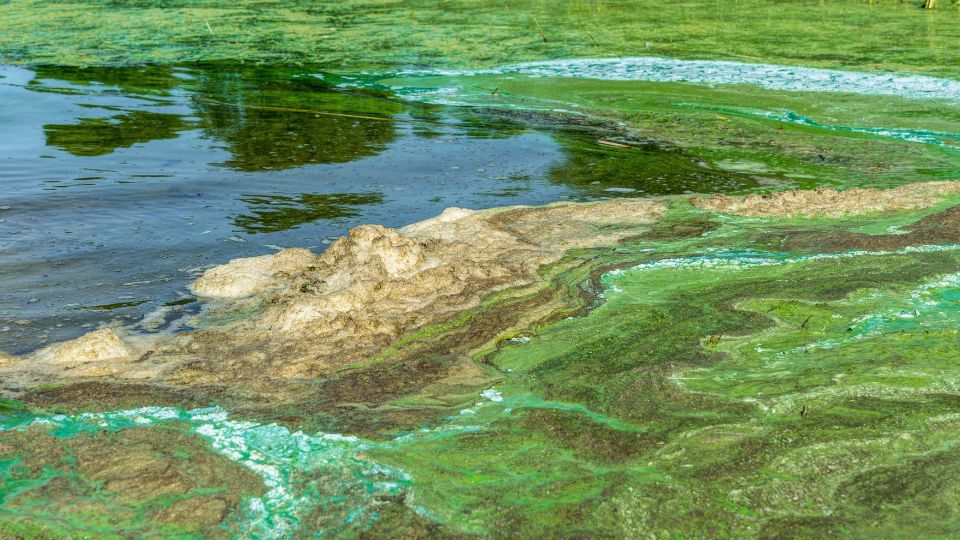
Although often referred to as “algal blooms,” HABs in freshwater are caused by cyanobacteria, also called blue-green algae (Figure 1). These microorganisms can release dangerous toxins that can harm swimmers, pets, and the food supply. Unlike foodborne pathogens, these toxins cannot be removed by boiling, cooking, or washing the food. Therefore, regular monitoring is essential to detect HABs early and reduce exposure risks. In 2022, 39 HAB events, 54 human illnesses, and five animal illnesses associated with HAB exposure were reported in Utah, according to the CDC’s 2022 One Health Harmful Algal Bloom System (OHHABS). This was among the highest records of HAB events in the U.S. that year. HAB occurrences continue to increase in Utah's waterways, with more in ponds, lakes, and reservoirs, developing as early as May and persisting through October, often longer into the growing season. Many of the affected waterbodies serve as critical irrigation sources for Utah’s specialty crop producers.
Conditions Favoring Harmful Algal Blooms
The increase in HAB occurrence and prevalence is due to a variety of changing factors in Utah, including:
- Nutrients in the water. Excessive amounts of nutrients, especially phosphorus and nitrogen, from fertilizers, manure, septic systems, or sewage act like fertilizer for cyanobacteria, especially in late spring and summer, and are commonly associated with agricultural and urban stormwater runoff (Paerl & Otten, 2013; Utah Division of Water Quality [UDWQ], 2023).
- Warm water. HABs grow faster in warm water when surface water temperatures remain above 75 °F (24 °C) (Paerl & Otten, 2013; U.S. EPA, 2026). In Utah, many lakes and reservoirs commonly reach these temperatures during mid to late summer (UDWQ, 2023).
- Still or slow-moving water. Water that does not move, such as in ponds, reservoirs, or slow-moving rivers, allows cyanobacteria to accumulate rather than be diluted or carried downstream (Paerl & Otten, 2013).
- Plenty of sunlight. Clear, shallow water with little shade allows more sunlight to penetrate the water surface, which supports faster HAB growth, especially during long summer days (Paerl & Otten, 2013).
- Not enough organisms that feed on cyanobacteria. In healthy water bodies, small organisms and some fish help keep cyanobacteria under control by feeding on them. When these natural feeders are reduced, HABs can grow more quickly. Changes in the food web, including impacts from pollutants such as pesticides, may contribute to this imbalance (Paerl & Otten, 2013).
Harmful Algal Blooms Contaminate Food
Cyanobacteria can produce harmful toxins during their growth and death. The most common toxins are microcystins; however, cyanobacteria can also produce other toxins. These toxins are colorless, odorless, tasteless, and relatively stable in water and during many food-processing steps, making them difficult to eliminate and identify without specialized testing. Microcystins have been shown to accumulate in soils and crop tissue, where they then impact the systems of grazing livestock and wildlife. This bioaccumulation occurs because tissues do not naturally eliminate the toxins, which are stored and accumulate over time. Bioaccumulation occurs more rapidly at higher toxin concentrations, making early detection and source-water monitoring critical in areas where HABs are common (Järvenpää et al., 2007).
Produce
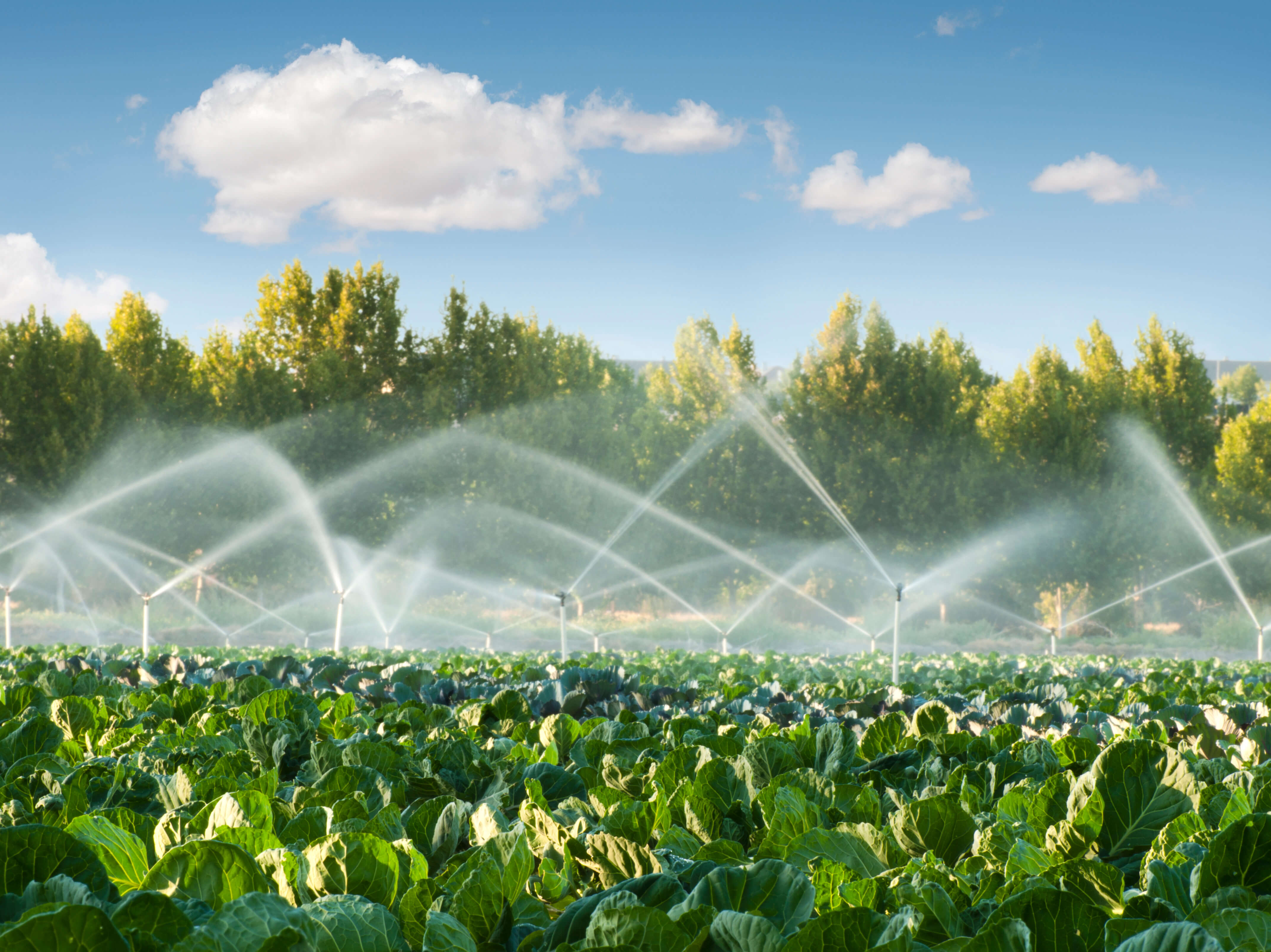
Irrigation with microcystin-contaminated water may reduce crop performance, contaminate soils, and lead to accumulation in edible plant tissues (Figure 2). Studies have documented reduced germination rates and suppressed growth in crops such as tomatoes when exposed to elevated microcystin concentrations (Gutiérrez-Praena et al., 2014; El Khalloufi et al., 2012). Cucumbers and rice had reduced yields when exposed to high concentrations (>100 μg/L) of microcystins during fruiting and seeding stages, respectively (Liang et al., 2021; Gu & Liang, 2020).
Crops irrigated with HAB-contaminated water can absorb toxins directly into their tissue (Xiang et al., 2019). Microcystins can be taken up by crop roots and translocated to their shoots and edible tissues, posing a food safety concern (Machado et al., 2017; Lee et al., 2017). Bittencourt-Oliveira and others (2016) showed that lettuce irrigated with contaminated water contained microcystins in the leaves, and that washing did not remove the toxins. Similar accumulation has been observed in other leafy vegetables (e.g., spinach and celery), fruit vegetables (e.g., tomatoes, peppers, and eggplants), and root vegetables (e.g., carrots and radishes) (Machado et al., 2017; Gutiérrez-Praena et al., 2014; Xiang et al., 2019), indicating a broad risk across multiple crop types. While microcystin accumulation in plant tissue can also vary across different varieties of produce, most of the vegetables screened posed a moderate to high health risk upon consumption (Xiang et al., 2019).
Early research shows that crop responses to irrigation with microcystin-contaminated water vary with crop type, microcystin concentration, and the timing of exposure in the growing season (Xiang et al., 2019; Gutiérrez-Praena et al., 2014). Although additional research is needed to fully characterize crop-specific risks, existing evidence indicates that contaminated irrigation water may adversely affect both crop productivity and food safety.
Animals
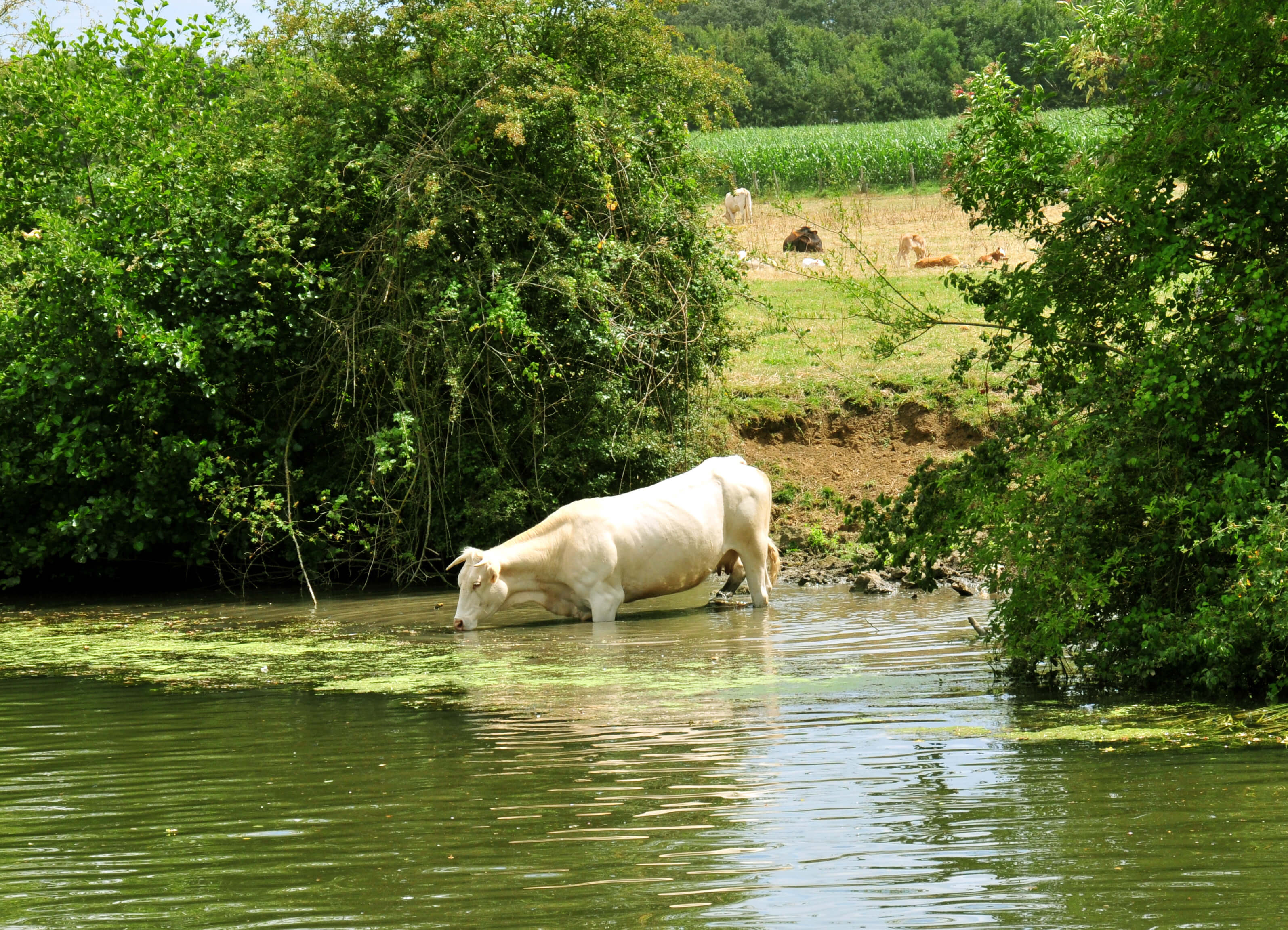
Livestock can be exposed to microcystins through various pathways, including dermal contact and ingestion via drinking water, contaminated soil, or crops (Figure 3). Cyanotoxin poisoning in animals has been associated with acute liver damage, hepatic and renal necrosis, neurological symptoms, and death in cattle, dogs, and wildlife (Menezes et al., 2019; Dreher et al., 2019; Badar et al., 2017; Stewart et al., 2008). Animal vulnerability varies by species, animal size, and exposure type. Livestock may continue to consume contaminated water sources under field conditions; for example, dairy cattle exposed to Microcystis-contaminated water did not reduce water intake during experimental exposure (Orr et al., 2001). Preventing animals from accessing contaminated sources is important. Research has indicated minimal transfer of microcystins into milk, even when cows ingest large quantities of cyanobacteria (Orr et al., 2001). Because the long-term effects of exposure are poorly understood, precautions are still recommended, especially for small operations that rely on vulnerable water sources.
Harmful outcomes are also acute in fisheries. HABs can reduce oxygen saturation in water bodies, leading to fish die-offs. At the same time, cyanotoxins can harm small aquatic organisms that feed on algae, thereby altering aquatic food webs and potentially increasing the abundance of invasive or nontarget species (Malbrouck & Kestemont, 2006; Huisman et al., 2018; Banerjee et al., 2021). Microcystins have also been shown to accumulate in some fish species, mussels, and other shellfish, occasionally at concentrations deemed unsafe for human consumption (Ibelings & Chorus, 2007; Poste et al., 2011; Roegner et al., 2024).
Reducing Risk
Whether you are a large commercial producer or operating a small or hobby farm, it is important to reduce risks to human, crop, and livestock health during an active HAB. Follow the guidelines below to stay informed about when and where HABs occur and how to protect your farm and yourself.
Know Your Water Source and Follow Advisories
Many large irrigation water sources are actively monitored during the spring and summer months to help protect recreators. Producers should regularly check their source waters on the Utah Department of Environmental Quality’s HAB advisory website. If there is an advisory, it is recommended to avoid consuming crops that were watered during bloom or using that water for livestock drinking. Alternative water sources should be used for irrigation and stock watering until the advisory is lifted.
Unfortunately, HABs can also form in irrigation canals and small ponds that are not monitored by the State. Though not always possible, testing and monitoring are invaluable for informing irrigation decisions, and producers can collect and submit their own water samples for analysis of microcystins and other cyanotoxins through the Utah Department of Agriculture and Food (UDAF) Laboratory Services. USU Extension’s “Harmful Algal Blooms (HABs)” fact sheet includes visual cues to help producers identify potential HABs. However, cyanobacteria can still contain dangerous levels of cyanotoxins even in visibly clear water. Producers may want to perform a water test one to two times during the growing season, even if no bloom is present. If a HAB is confirmed, producers should seek an alternative water source. Producers can contact UDAF for guidance on crop irrigation and livestock watering based on water quality test results.
Food Handling in the Field
While commercial water treatment can remove cyanobacteria, untreated surface waters pose a high risk of contamination in Utah’s warm summers. Recreational and agricultural users should exercise caution when encountering affected waterways by washing their hands with clean water from a clean water source before preparing or handling food. Remember to use protective gear anytime you come into contact with water that may potentially contain high levels of cyanotoxins. This includes gloves, eye protection, waders, and boots. In situations where contaminated water may be sprayed or misted into the air, users should also consider respiratory protection to reduce the risk of breathing in cyanotoxins.
Reduce Harmful Algal Bloom Occurrence
HABs develop when water nutrient levels and temperatures are high and favorable for cyanobacteria growth. Excess fertilizer, animal waste, septic system leaks, and soil erosion contribute to elevated nutrient levels in water. Management of fertilization and irrigation helps prevent excessive runoff and nutrient loss at production sites. Managing stormwater by slowing runoff, reducing soil erosion, and keeping water away from fertilizer and animal waste can also help limit nutrient movement into waterways. Properly managing animal waste and septic systems protects surface and groundwater from leaching and runoff. Local health departments and the UDAF can advise on managing these systems. Additionally, leaving vegetative buffers along waterways provides an opportunity for excess nutrients to be taken up before runoff enters them. These practices help reduce the frequency and severity of blooms by mitigating excess nutrient inputs, protecting food safety and water quality in the long term.
Additional Resources
For more information on harmful algal blooms in Utah and how to protect yourself, your family, and your food, explore the following resources.
Fact Sheets
- USU Extension "Introduction to Harmful Algal Blooms": overview of HABs in Utah, with photos, exposure pathways, and health effects.
- “Utah HAB Guidance Summary ”: overview of HABs from the Utah Department of Health and Utah Department of Environmental Quality containing information about public health advisories, health effects, sampling procedures, and HAB contacts for the state.
Monitoring and Advisories
- Utah Department of Environmental Quality (UDEQ) - HAB monitoring and advisories: real-time bloom reports, maps, and recreational water health guidance.
- CDC One Health Harmful Algal Bloom Surveillance (OHHABS): national surveillance summary of HABs and associated human and animal illnesses.
- Utah Department of Agriculture and Food (UDAF) Laboratory Services: water sample analysis for toxin levels (microcystin ELISA analysis).
- Report a bloom or illness to the Utah Department of Environmental Quality (DEQ): To report a bloom, call (801) 536-4123. To report illness, call (800) 222-1222.
References
The authors did not use generative AI in creating this content, and it is solely the work of the authors.

January 2026
Utah State University Extension
Peer-reviewed fact sheet
Authors
Jose Brandao, Sarah Erwin, Stephanie Vaughn, and Clare Entwistle

Jose Brandao
Assistant Professor | Extension Food Safety Specialist
Nutrition, Dietetics, and Food Sciences

Sarah Erwin
Professional Practice Extension Assistant Professor | Wetlands + Water Quality | Davis County
Agriculture and Natural Resources

Clare Entwistle
Assistant Professor | Water Quality Specialist
Watershed Sciences
Related Research