Dig a Cat Hole!
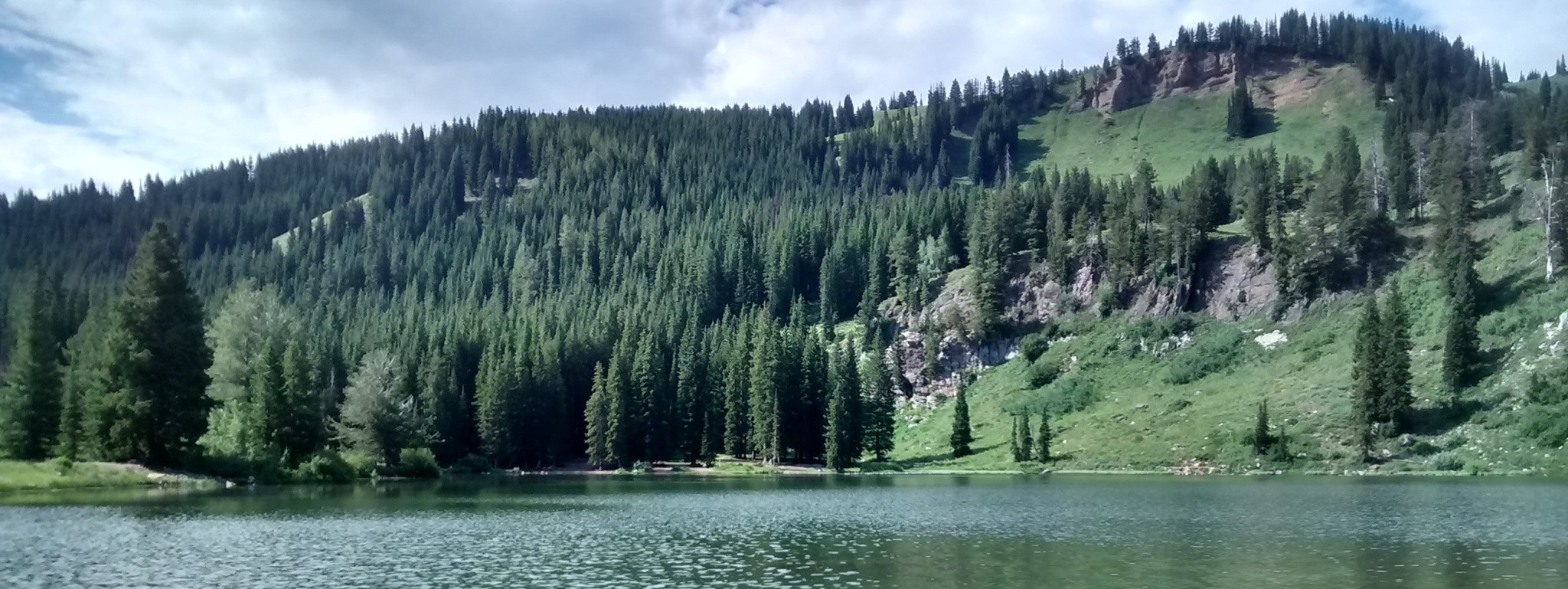
In forest areas, the soil is deep and rich, making it easy to bury waste. Burying waste helps it decompose quickly, avoiding water pollution and the spread of disease.
WHEN to Dig a Cat Hole
- When dispersed tent camping, backpacking, mountain biking, and hiking in forested areas.
- When it is possible to walk 70 big steps from water, trails, and camping areas.
HOW to Dig a Cat Hole
1. PREPARE BEFORE YOUR TRIP
- Check local regulations on agency websites including U.S. Forest Service, Bureau of Land Management, and National Park Service.
- Buy a trowel from your local outdoor store or online. They are inexpensive and there are many types to choose from. See this article about selecting one that is sturdy enough to dig through roots and tough soil.
- Check your trowel to see if it came equipped with a ruler. If not, measure and mark 6 inches on your trowel with a sharpie. This will allow you to measure the correct depth when outdoors.
- Don't forget to pack toilet paper and hand sanitizer.
2. WALK 70 STEPS / 200 FEET AWAY
TIP: How far is 70 big steps? To make sure you've walked far enough, sing the following song 4 times to the tune of Row, Row, Row Your Boat:
3. DIG A HOLE
Note: The trowel should never touch your poop, it should only touch the dirt.
4. BURY OR PACK OUT YOUR TOILET PAPER
5. COVER IT UP
WHY Dig a Cat Hole
Research shows that burying human waste decreases water pollution, survival of pathogens, and other negative impacts from other visitors encountering poop or toilet paper. Scientists agree that where soil is available, such as in forested environments, burying human waste in cat holes is the best practice. Burying waste in a 6- to 8-inch deep hole decreases the potential of waste being uncovered by animals and humans, yet is not so deep as to affect groundwater. Burying waste 70 big steps or 200 feet from water, including dry ravines and wetland areas, reduces the chance that waste enters our ground or surface water system. Waste should be buried away from campsites to avoid the potential for discovery by other humans. Scientists also recommend spreading out cat holes to avoid concentrating waste in a small area.
Large concentrations of waste take more time to decompose, increasing the likelihood that pathogens will come into contact with ground water. For more information, see this research article: Wildland Recreation and Human Waste: A Review of Problems, Practices, and Concerns.