
Cutworms
Description
Adult: Armyworm moths have a wingspan of about 31-38 mm and are mottled gray and brown with gray or tan colored markings depending on the species.
Egg: Beet armyworm and western yellow-striped armyworm eggs are pale green to pink, ridged, and are found in a mass covered with a white (beet armyworm) or gray (western yellow-striped armyworm) cotton-like material. Bertha armyworm eggs are white turning black just before hatching and are laid in clusters of 50-100.
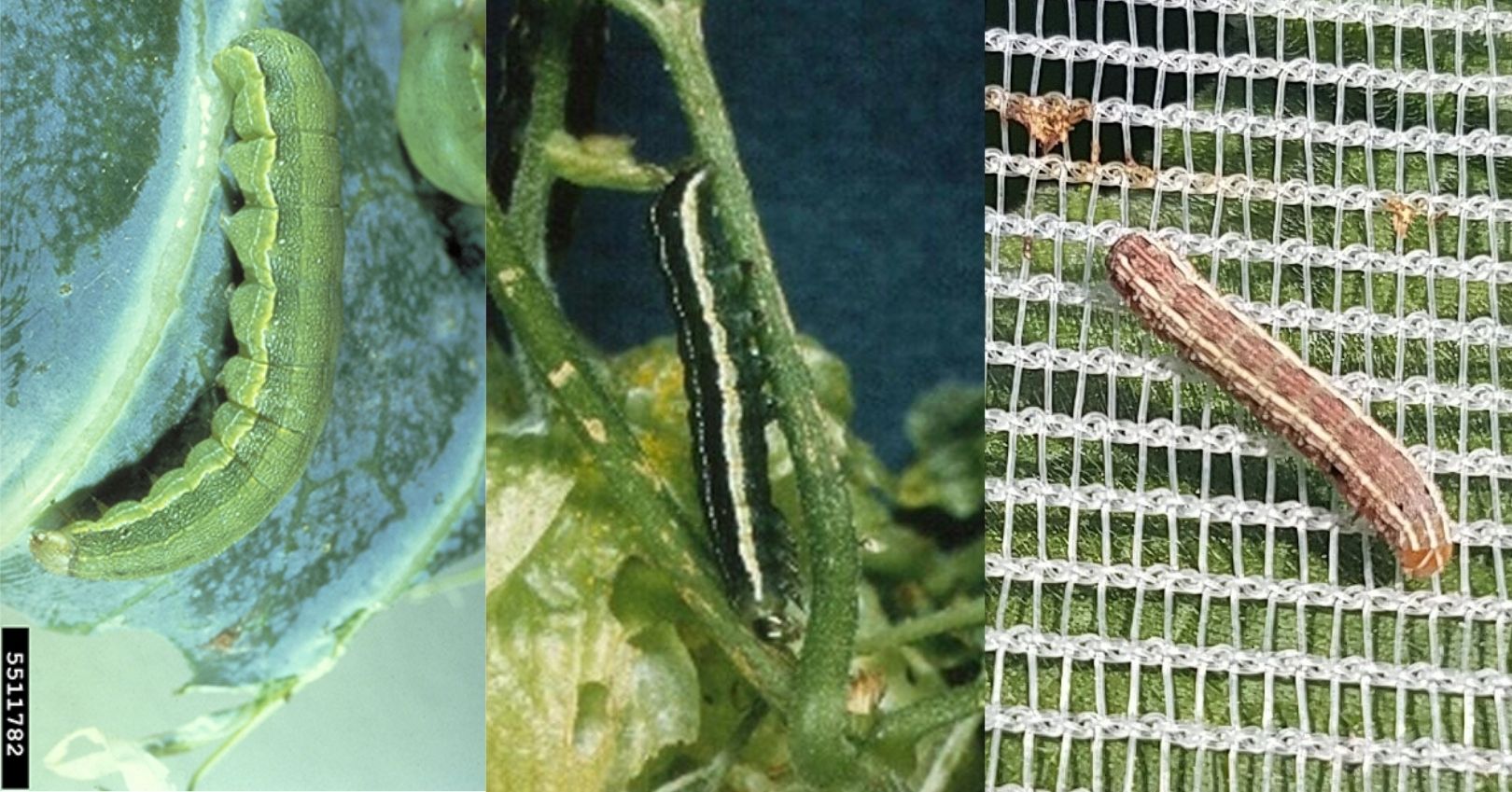
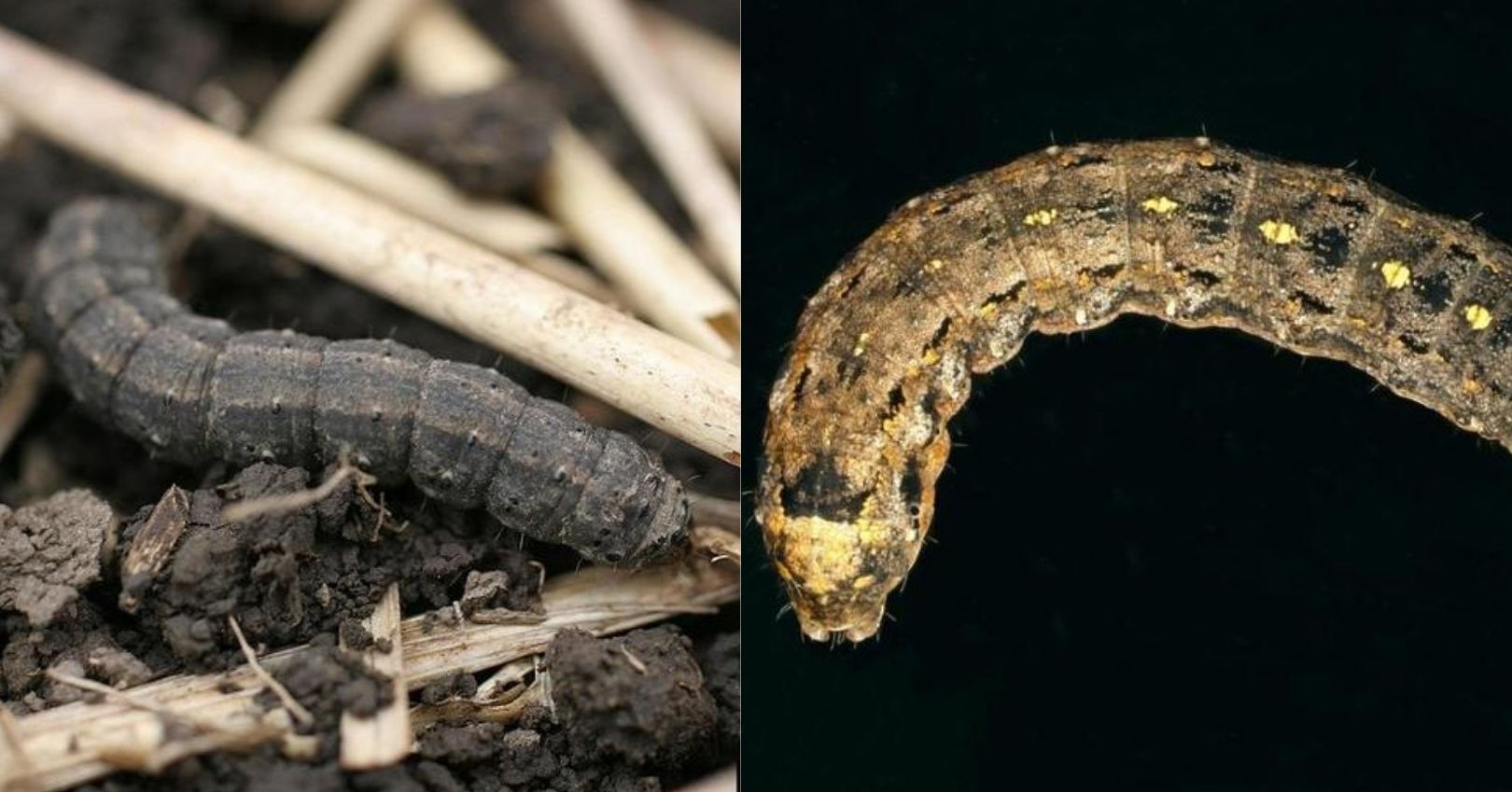
Larva: Armyworm larvae are about 31-38 mm long and range from olive green, light green, and yellow, gray with dark markings, and yellow with dark gray or black markings. Bertha armyworm larvae quickly drop from a strand of silk when disturbed.
Pupa: Armyworm pupae are about 19 mm long and reddish-brown.
Life History
Armyworms overwinter as pupae in the soil. Adult moths emerge from March to July to mate and lay eggs. Hatched larvae feed for 5 to 8 weeks before pupating in the soil. There are two generations each year. Larval feeding from the second generation may be seen until early October before larvae enter the pupal stage to overwinter.
Damage
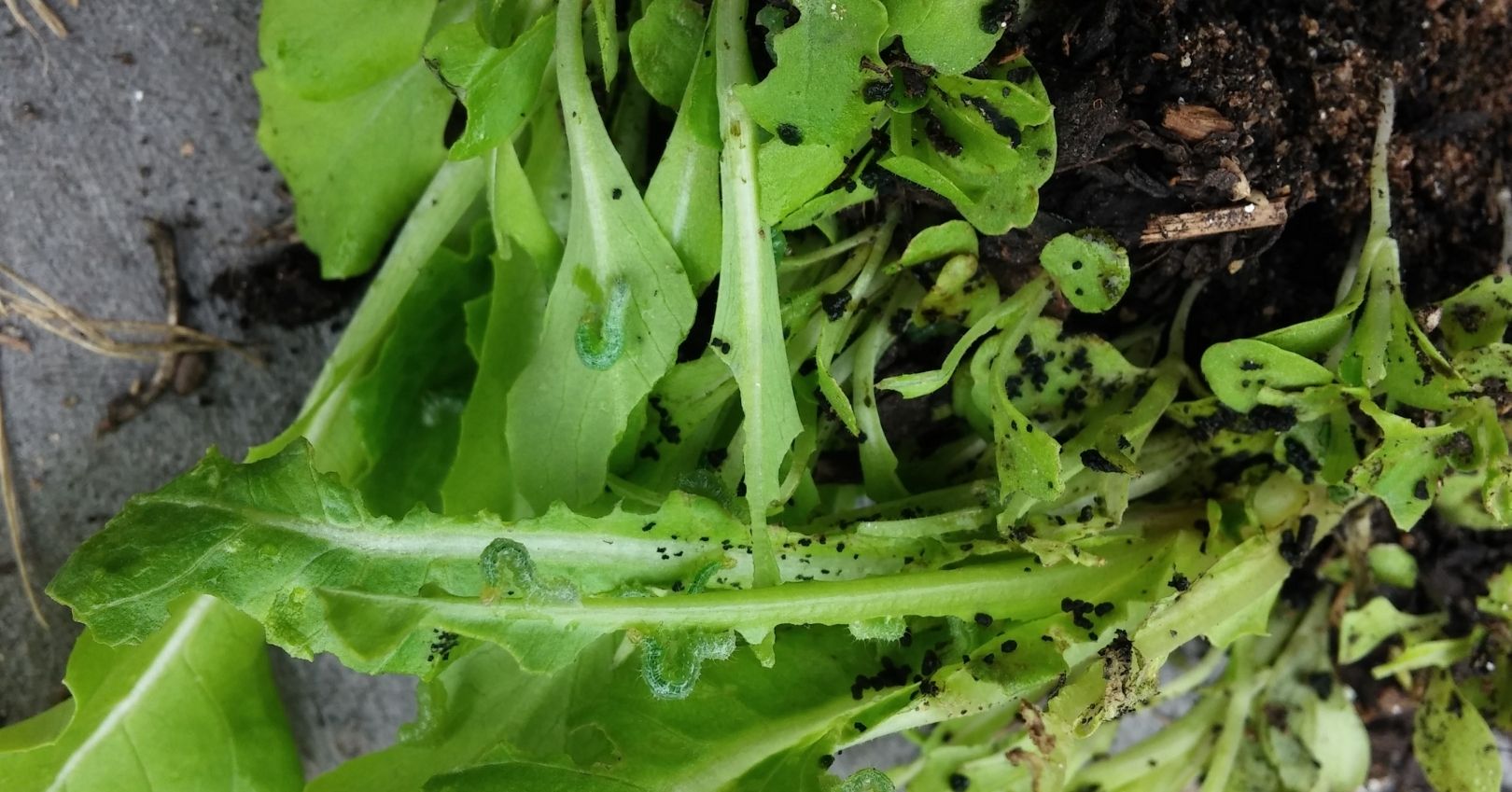
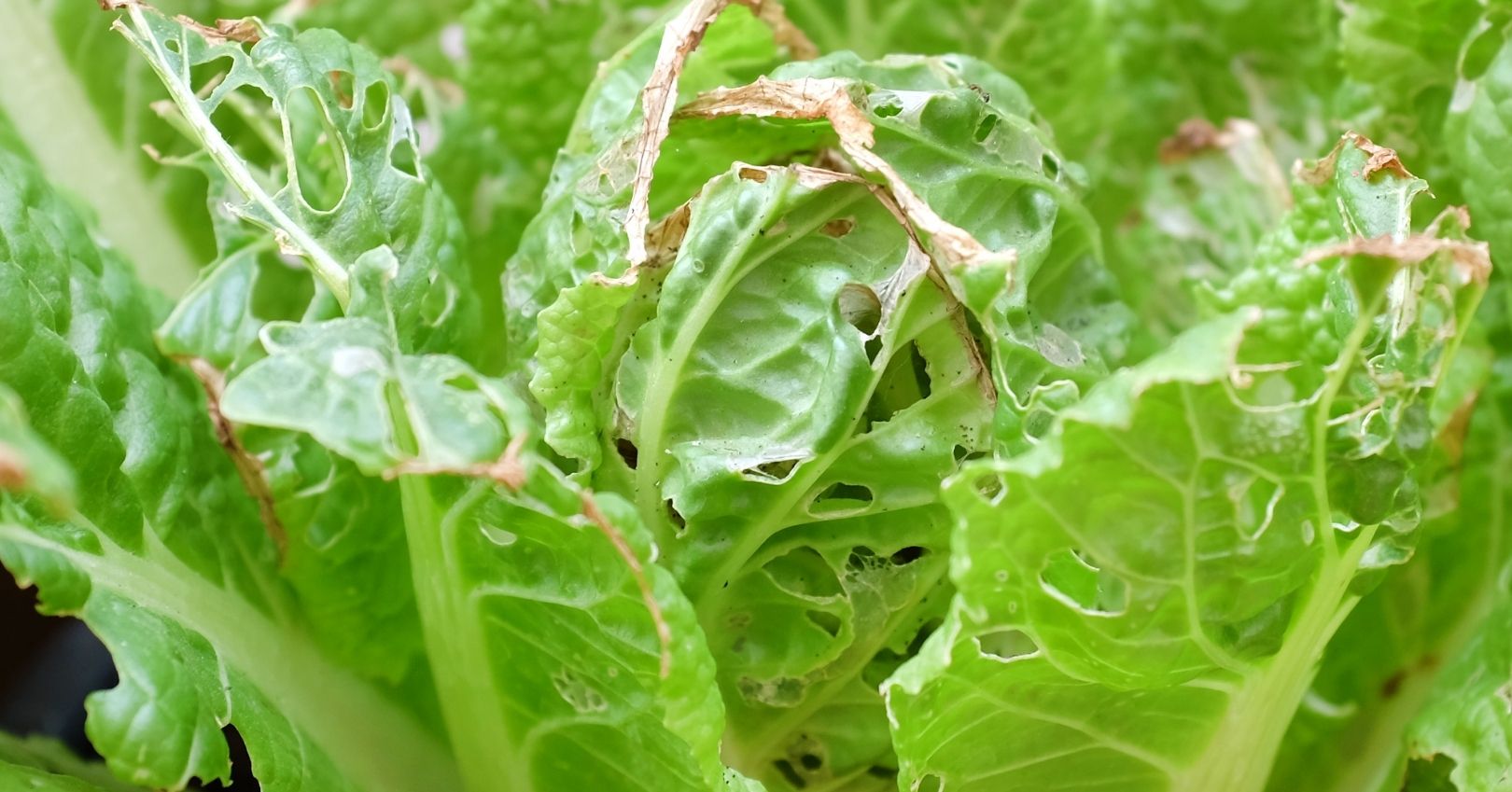
Cutworms feed on a wide range of crops, including legume crops. Most cutworm damage occurs during spring and early summer. Cutworm larvae feed at the soil surface and may cut off the stems of young plants during stand establishment. Later in the season, some species feed on plant foliage which may cause wilting and possible defoliation when infestations are high.
Monitoring
- Conduct regular scouting for larvae and damage. Monitor early, when seedlings emerge, to detect cutworms when larvae are small. Young larvae are easier to control. Focus on fields with an early season weed infestation and those planted late. Cutworms preferentially attack these types of fields. When injured plants are found, dig about 1 inch deep around the base of plants to see if live cutworms are present. Look for wilted plants that may indicate stem feeding injury. Later in the season, monitor plants for foliage damage.
- For black cutworms (Agrotis ipsilon), use pheromone traps. A threshold of 2 moths per trap per day indicates significant egg-laying pressure. Increase field scouting efforts during crop emergence when threshold numbers are met or exceeded.
Management
Cultural
Weedy fields and field borders, and high levels of plant residue provide food sources for cutworms. Thoroughly till crop residues and control weeds to reduce cutworm overwintering and feeding sites. Remove cool-season weeds along field edges to starve young caterpillars. Lambsquarters and wild mustards are attractive host plants for egg-laying. Fall tillage can also help destroy or expose overwintering pupae.
Chemical
The sporadic occurrence of cutworm infestations typically doesn’t support the use of soil insecticides; however, if chronic cutworm infestations occur or large numbers of overwintering cutworms are observed, insecticides incorporated at planting provide a good preventive strategy. Young larvae at the soil surface will feed on foliage at night; thus, foliar applications in the spring can protect young plants.
Biological
Many predators, parasites, and diseases attack cutworms, but because cutworms dwell beneath the soil surface, few of these natural enemies are effective in controlling their populations. Bacillus thuringiensis (Bt) products can be effective in controlling young cutworm larvae.