
Armyworms
Description
Adult: Armyworm moths have a wingspan of about 31-38 mm and are mottled gray and brown with gray or tan colored markings depending on the species.
Egg: Beet armyworm and western yellow-striped armyworm eggs are pale green to pink, ridged, and are found in a mass covered with a white (beet armyworm) or gray (western yellow-striped armyworm) cotton-like material. Bertha armyworm eggs are white turning black just before hatching and are laid in clusters of 50-100.
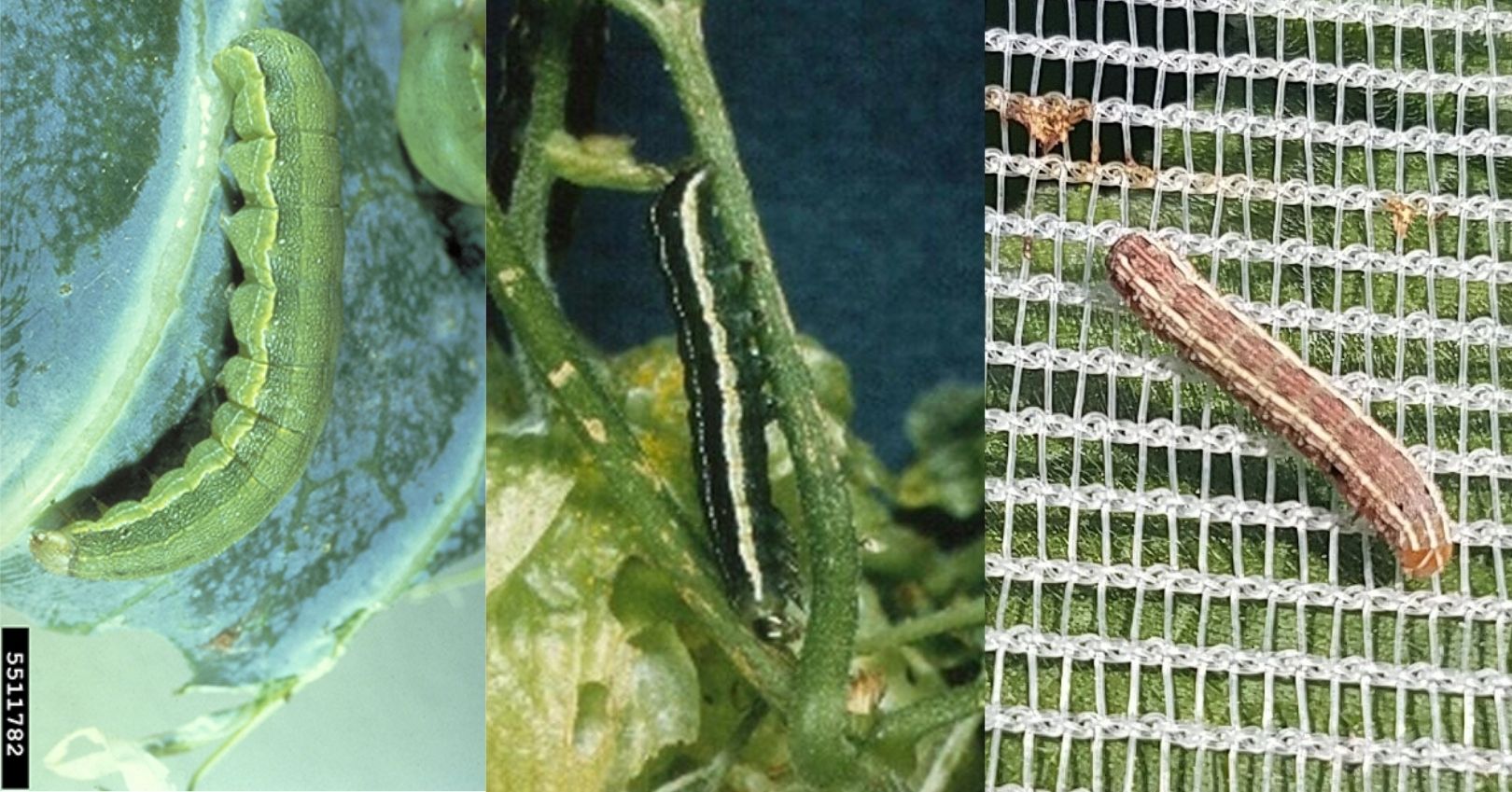
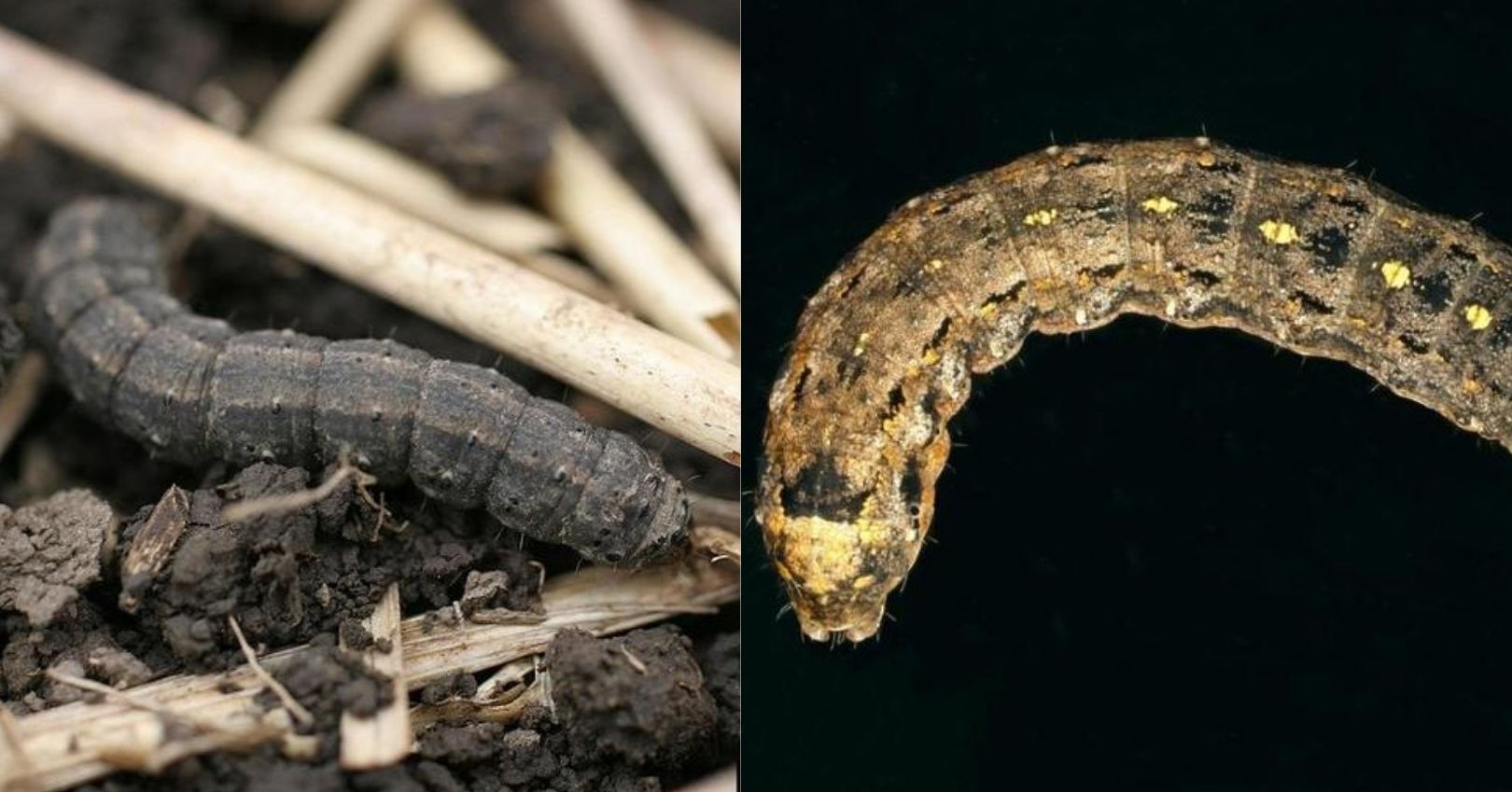
Larva: Armyworm larvae are about 31-38 mm long and range from olive green, light green, and yellow, gray with dark markings, and yellow with dark gray or black markings. Bertha armyworm larvae quickly drop from a strand of silk when disturbed.
Pupa: Armyworm pupae are about 19 mm long and reddish-brown.
Life History
Armyworms overwinter as pupae in the soil. Adult moths emerge from March to July to mate and lay eggs. Hatched larvae feed for 5 to 8 weeks before pupating in the soil. There are two generations each year. Larval feeding from the second generation may be seen until early October before larvae enter the pupal stage to overwinter.
Damage
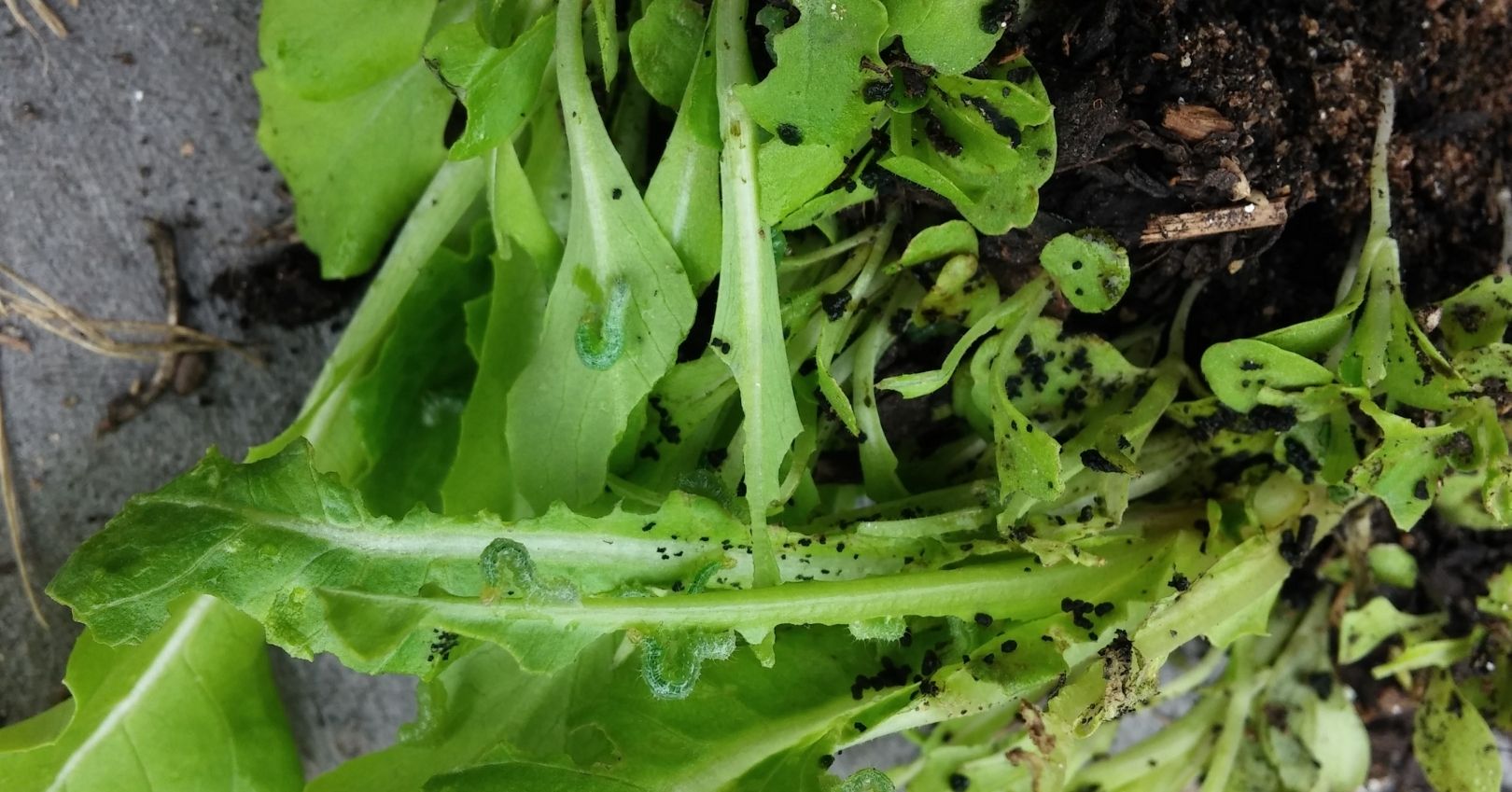
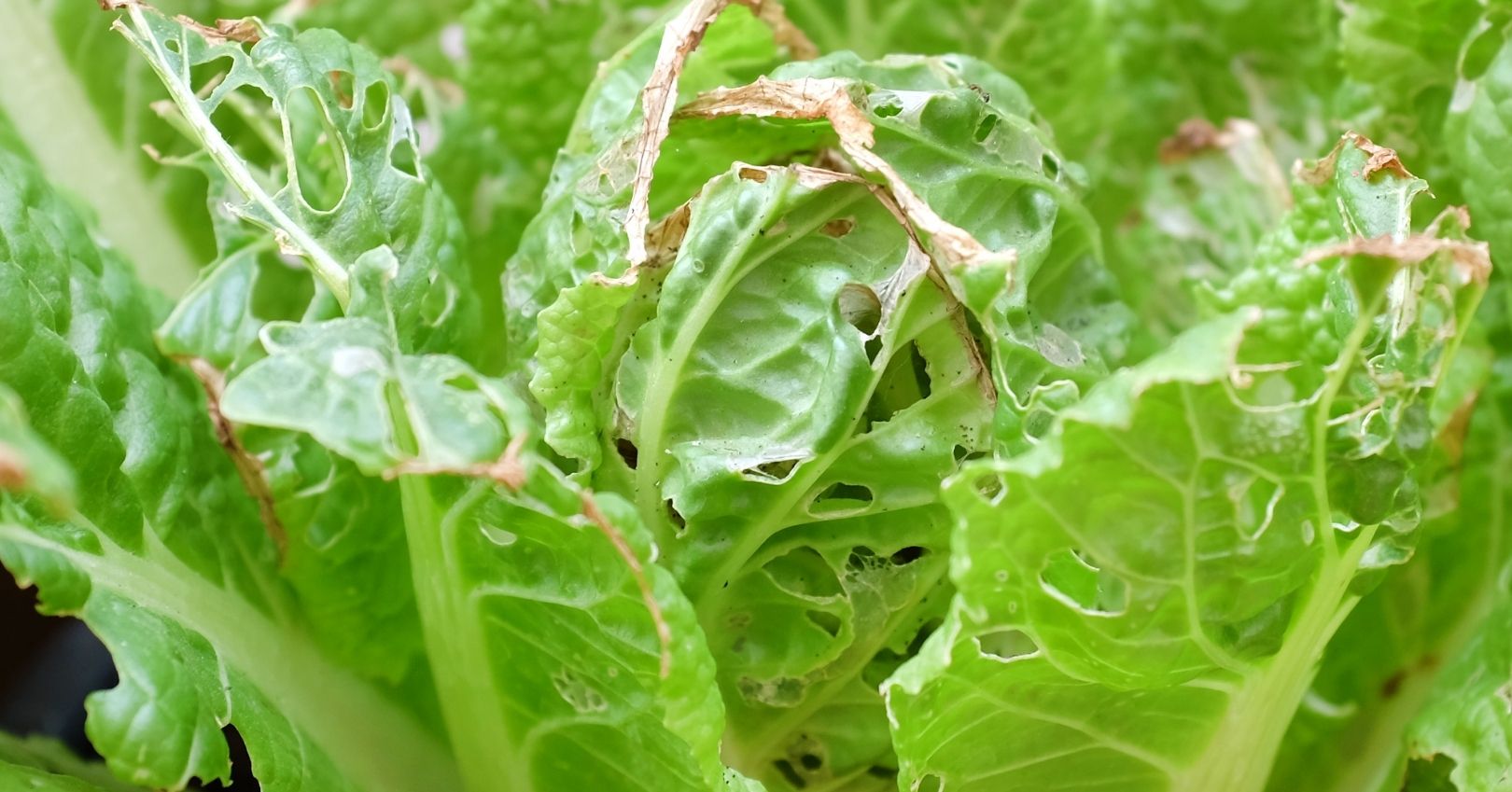
Armyworm larvae feed in colonies and cause skeletonized leaves. As they grow, they are more likely to feed on entire leaves or cause irregular patches of feeding damage.
Management
Cultural
- Use traps. Include blacklight and/or pheromone traps to detect moth’s presence.
- Scout plants. When moths are detected, look for armyworm eggs and larvae.
- Plant early and plant early-maturing varieties. Late-planted legumes are more susceptible to larval feeding injury because more plants are in the seedling stage when larval feeding occurs.
Chemical
Apply insecticides when larvae are in the early instars group. Apply insecticides early or late in the day, when armyworm larvae are most active.
Biological
Numerous species of parasitoids and generalist predators affect armyworms. The most common species that parasitize armyworms include braconid wasps and tachinid flies. Predators include various ground beetles, spined soldier bug, the insidious flower bug, and vertebrates such as birds, skunks, and rodents.