
Creating Sustainable School and Home Gardens: Beneficial Biological Control Insects

Insects and arthropods, some of the most abundant residents in school and home gardens, play many significant roles as predators, herbivores, detritivores, and parasites. Predators are particularly important in the garden because they help keep the “bad,” herbivorous, pest insects under control.
Biological control (biocontrol) occurs when humans use living organisms (typically predators, pathogens, or parasites) to control pest populations. While any predator might be able to eat herbivores, many generalist predators will eat anything, good or bad, which can include other predators and pollinators! Specialist predators are specifically adapted to target key pests (caterpillars, aphids, slugs) and typically do not harm other beneficial insects like pollinators.
On small scales, like school and home gardens, encouraging biological control agents can be highly effective, reducing the need for insecticides that harm the environment, humans, and beneficial insects. For example, you might notice some aphids harming a plant and purchase a specialized, natural predator like green lacewings or lady beetles to control the aphids rather than spraying the plant with a toxic insecticide.
You can encourage beneficial insects by providing alternative food (nectar and pollen plants) throughout the year, overwintering habitat (shelter, shrubs, perennial plants, leaf litter), and avoiding using pesticides. For example, you might plant sunflowers, zinnias, marigolds, and nasturtiums among your garden plants.
Learn More and Explore With Your Own Field Guide
For more information, see the Resources section, with links to learning materials for promoting helpful insect populations. Also see a related Utah State University (USU) Extension fact sheet: Creating Sustainable School and Home Gardens: Welcoming Pollinators. A simple field guide titled Quick Reference Field Guide for Garden Biocontrol Agents follows at the end of this fact sheet. You may want to print the field guide and laminate it for use in your garden! Biocontrol is long-lasting, inexpensive, and supports pollinators and the natural enemies that live in your garden.
Resources
USU Extension Fact Sheets and Websites
- General Concepts of Biological Control
- Integrated Pest Management
- Aphid Natural Enemies and Biological Control
- Beneficial Insects: True Bugs
- Beneficial Insects: Beetles
- Mason, Potter, and Mud Dauber Wasps
Pest Control in School Gardens
- Dealing With Garden Pests and Diseases, Kids Gardening
- A Guide to Controlling Insects in the School Garden, Louisiana State University Ag Center
- Bug 2 School, University of Illinois Urbana-Champaign
Other Resources
- Beneficial Insects, Arbico Organics, biocontrol agents seller
- Stink Bugs: Telling the Good Ones From the Bad Ones, Ask an Entomologist
- Biological Control Information Center, North Carolina State University Extension
- Why Provide Habitat for Beneficials? North Carolina State University Extension
Quick Reference Field Guide for Garden Biocontrol Agents
| Generalist Biocontrol Agents | Specialist Biocontrol Agents |
| Spiders (Araneae) | Lady Beetles (Coccinellidae) |


|


|
| Praying Mantids (Mantidae) | Big-Eyed Bugs (Geocoridae) |

|

|
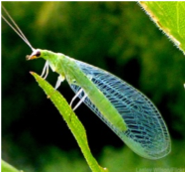
| Assassin Bugs (Reduviidae) | Lacewings (Chrysopidae, Hemerobiidae) |
 
|

|
| Wasps and Hornets (Vespidae, Sphecidae, Pompylidae, and many more) | Soldier Beetles (Cantharidae) |
  |

|
| Centipedes (Chilopoda) | Minute Pirate Bugs (Anthocoridae) |


|

|
| Robber Flies (Asilidae) | Ground Beetles (Carabidae) |


|

|
| Ants (Formicidae) | Hoverflies (Syrphidae) |
 
|


|
| Predatory Stink Bugs (Pentatomidae) | Parasitoid Wasps (Braconidae, Ichneumonidae, others) |


|


|
Acknowledgments
Smart Foodscapes (usu.edu/smart-foodscapes)
Learn more by scanning the QR code.


USDA – National Institute of Food and Agriculture (NIFA) – Sustainable Agricultural Systems (SAS) Grant #2021-69012-35952
Depositphotos provided the banner photo, with all other photos as indicated.
October 2024
Utah State University Extension
Authors
Larry Krissek, Kathy Cabe Trundle, and Rita Hagevik