
Strategies to Improve Recycling in Natural Areas: Examples from Zion National Park

Landfill vs. Recycling Center
Have you ever visited a national park, or any large organization, and watched numerous people place what you feel to be obvious recyclable commodities in a trash can, when you see a recycling bin nearby?
The next life of a product, either a landfill or recycling center, is largely dependent on which bin products are placed in. As important as this may be, many people throw recyclable commodities in the trash, wasting valuable resources. Because it is difficult to encourage sustainable behavior, this fact sheet outlines tips to increase the ease and accuracy of recycling in high traffic areas, using Zion National Park as a case study.
Recycling in Zion National Park
Zion receives nearly three million visitors annually. Visitors from around the world view and protect Zion’s dramatic landscape by using the services provided by the National Park Service. There are two large campgrounds within the park and both of them have recycling bins throughout. A shuttle system, operating on propane, brings visitors up the Zion Canyon Scenic Drive, where cars are prohibited from entering eight months out of the year. There are recycling bins at the majority of shuttle stops, where the main commodity received is plastic from single-use water bottles. In 2008, Zion banned the sale of single-use bottled water inside the main canyon. Regardless of the ban, more than half the bulk of recycled goods is plastic, and of that plastic, 61% is from single-use plastic water bottles.
Zion has a goal of reaching 50% landfill diversion by the year 2015. Currently, the diversion rate is 35.4%. Maintaining a monitored stream of recycling helps to preserve areas like Zion for the enjoyment of future generations. Data is collected quarterly on landfill diversion and the Environmental Management Team has made an effort to increase recycling in the park. There are several strategies that are being implemented to increase diversion that will be outlined in this fact sheet; namely consistency, signage, and location.
Consistency
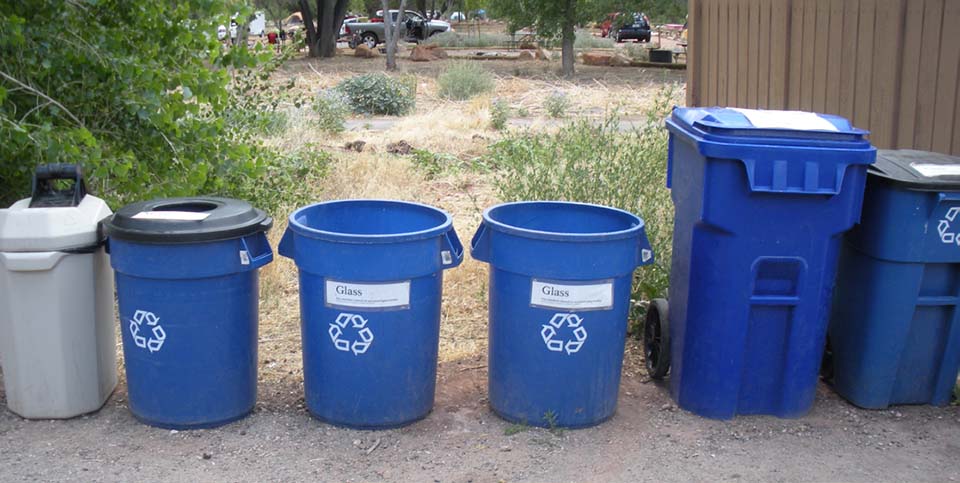
Variation in bin color, shape, terminology, and symbols within any large organization will lead to confusion with recycling. Zion has a large variety of recycling bins available to visitors. However, variety in bin design and signage leads to confusion. Consistency throughout the park would help to increase landfill diversion rates as people will become more familiar with the park’s recycling program via consistent branding and design.
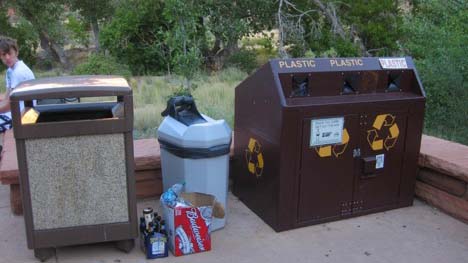
Effective recycling container consistency includes bins, labels, locations, and lids. Consistent bins allow visitors to easily distinguish between recycling and trash. When a standard is established, it will be easier to locate and use the recycling facilities properly. Consistent labels clarify what commodities are taken in each container and assist with landfill diversion. New labels have been purchased by the park, identifying the type of commodity, an icon of the commodity, and textual translations of the commodity for the large number of foreign visitors the park receives.
To enhance the park’s recycling program, bins should be consistently placed next to trash cans and in convenient locations for visitors, such as popular trailheads. Ideally, recycling bins should be directly beside all trash cans, so when people dispose of any kind of waste in the park they have the option to recycle.
Using consistent lids that promote the proper use of the bins will aid in the reduction of contamination as visitors respond more rapidly to visual cues as apposed to textual cues. For instance, if the opening on a lid is slotted, then it is more obvious to the visitor that only mixed paper is taken at the location. Lids that are consistently labeled and colored will make it clear what should be placed in a container. This, accompanied by a corresponding hole for the commodity, will be effective in deterring contamination.
Consistency in the major aspects of a recycling program is beneficial in diverting waste from landfills. It may be difficult, however, to implement a consistent program immediately, particularly with a system already in place. This makes it especially important to establish measurable objectives and an overall program goal.
Signage
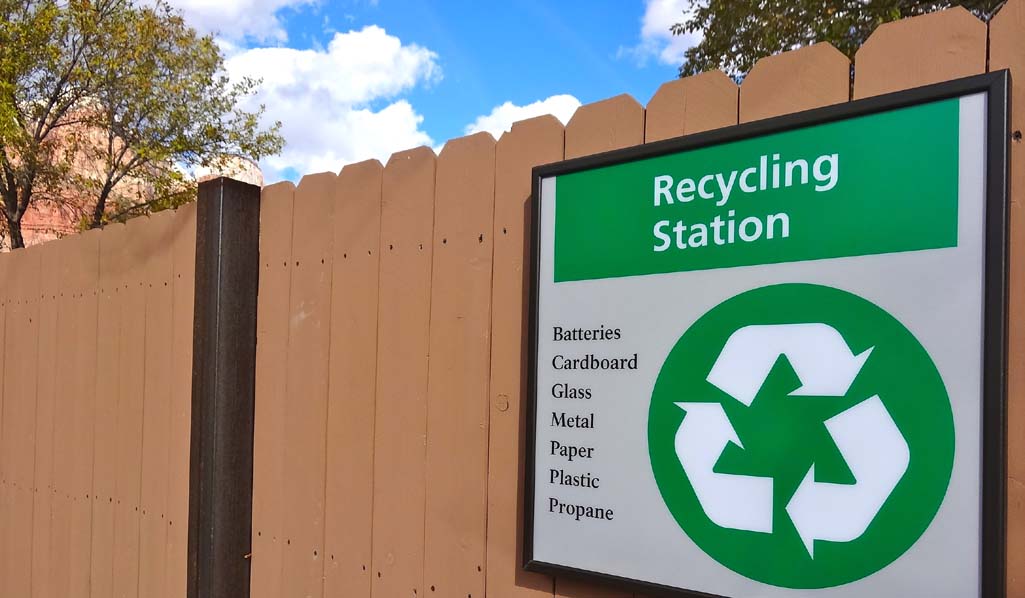
When trying to divert landfill waste in highly visited areas, it is critical to establish both consistent and effective signage. This helps visitors identify where to recycle as well as what can be recycled. Large signs that clearly identify the commodities accepted at a location are recommended. When visitors are left to decipher on their own, they may be confused, impatient, and improperly use the area.
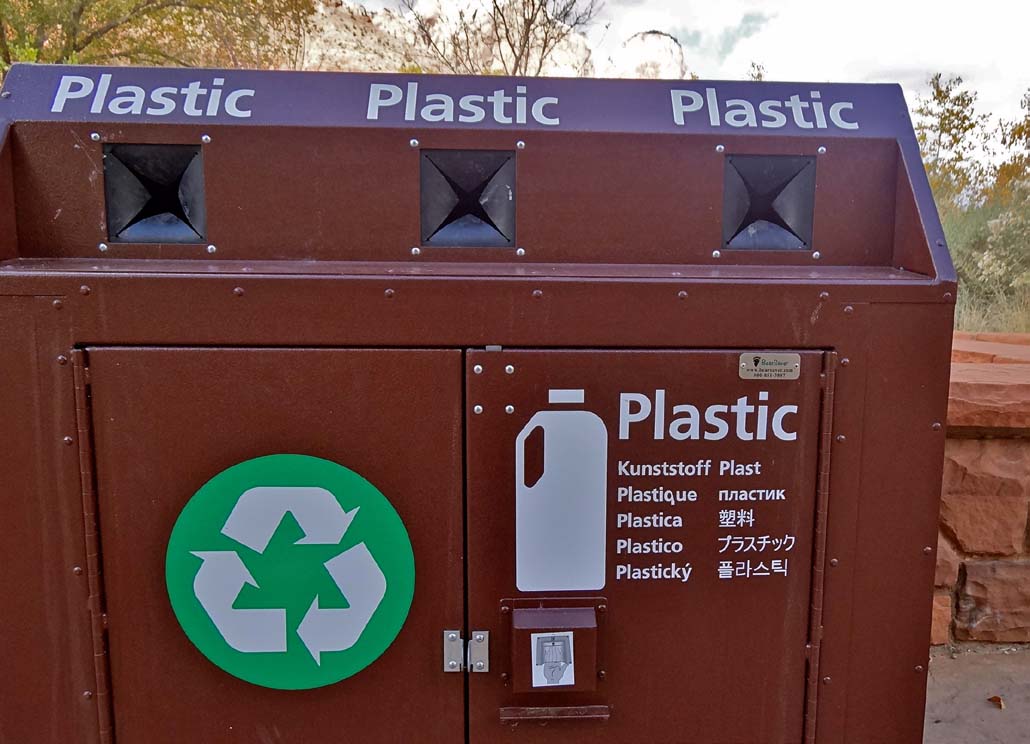
Because Zion hosts many international visitors, it is especially important to include translations to ensure the proper use of the recycling program. This is why the park currently purchased labels translating the types of commodities accepted. In addition to textual translations, recognizable and consistent recycling symbols are to be mounted on the front and sides of the bins. This will aid visitors in recognizing the recycling containers from a distance. Making the signs clear as well as visible at a distance will ensure the effective communication of recycling practices and overall environmental ethic in the park. This is the main goal of having effective and consistent signage associated with recycling: to effectively communicate to the visitor what they are able to recycle and where. It is the park’s responsibility to make the recycling program intuitive to ensure proper use from visitors.
Location
The location of bins is an important consideration when establishing a more effective recycling program. Consideration should be given to both the location in proximity to the waste bins as well to the visitor. It must be clear where visitors can find recycling bins as well as what kind of commodities can be disposed of.
Grouping the bins in a central location that is clearly labeled is also important. Park employees have observed that visitors will improperly dispose of trash and recyclables if receptacles are not within the immediate area, or if only a trash can or only a recycling bin is present. Dumpsters that are twenty feet or more away from a recycling area are seldom used properly as it is a perceived inconvenience to the visitor. For the cleanest recycling stream and the highest diversion, a trash receptacle should always be placed with recycling bins and vice versa.
To cater to all visitors, it is the most effective solid waste management strategy to place recycling receptacles in locations where they will be seen before the trash bins. For instance, a plastic recycling container was located immediately after the trash when taking the shuttle to the Zion Canyon Visitor Center. Upon realizing the proportion of recyclable commodities that this trash can was receiving, the problem was instantly resolved by simply moving the recycling container to the opposite side of the trash can. Now when visitors exit the shuttle, the first thing they see is the plastic recycling container. Since its relocation, both the trash can and recycling bin have decreased in contamination levels.
Observations

When working to further increase landfill diversion in any high traffic setting, it is important to review what has been done previously and learn from it. Using observations of both the current bins as well as visitor behavior will aid in furthering any recycling program. By watching visitors interact with recycling bins, potential barriers can be identified. For instance, Zion National Park has an aluminum recycling container that crushes cans and feeds them into a slot. These are an effective means of recycling aluminum but can offer some confusion to the average park visitor. By identifying this perceived barrier, a solution, such as a more clear set of instructions and a large recycling symbol, may be effective in furthering the program.
When working to enhance recycling in a high use area, it is important to remember that the visitor dictates what is or is not recycled. Evaluating the visitor and ensuring a consistent yet simplistic recycling program will aid in furthering any high volume visitor based recycling program.
Quick Tips for Improving Large Scale Recycling Programs
- Consistency is key. Ensure all bins are labeled and located in a consistent manner.
- Labels that clearly identify what types of commodities are accepted will ensure a reduction in contamination.
- Evaluate the location of the receptacles in relation to not only the visitor but also existing waste receptacles.
- Maintain or implement a monitored stream of recycling. This will allow tracking of recyclable commodities as well as landfill diversion.
- Observe visitor patterns. Catering the recycling program to these patterns will also ensure a greater landfill diversion rate.
June 2013
Utah State University Extension
Peer-reviewed fact sheet
Authors
Matthew Poirier, Roslynn Brain, & Emily Barajas
Department of Environment & Society, & Zion National Park

Roslynn McCann
Sustainable Communities Specialist
Environment and Society Dept
Related Research
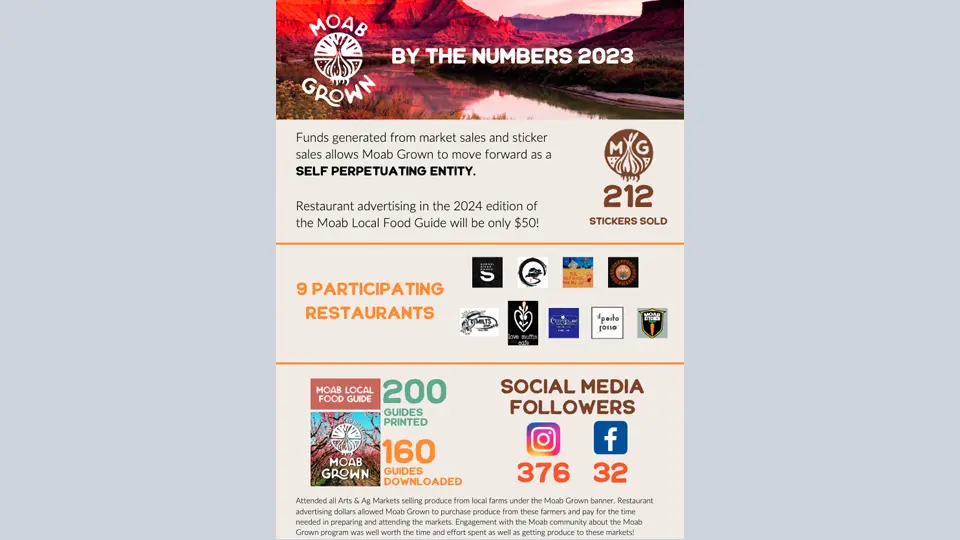
2023 Moab Grown Impacts at a Glance
Moab Grown partners local farmers and producers with our community chefs and retail outlets. This one-page document highlights Moab Grown’s 2023 impacts.
Air Quality and Agriculture
Air pollution comes from many sources including power plants, factories, cars, trucks, volcanoes, and windblown dust. Air pollutants are regulated by the Environmental Protection Agency (EPA) as part of our national ambient air quality standards (NAAQS).
An Examination of the Implementation of Environmentally Sustainable Practices In the Utah Ski Industry: A Qualitative Study
This qualitative research study was designed to examine the current level of implementation of environmentally sustainable practices at Utah’s ski resort areas and also ascertain future plans.

Backyard Beekeeping
With proper care, management, and harvesting, backyard beekeeping can provide health, economic, and environmental benefits.
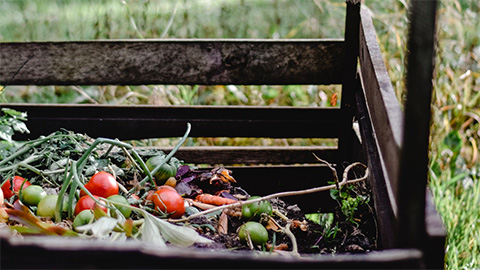
Backyard Composting in Utah
The benefits of using compost as a soil amendment include increasing soil tilth, fertility, water holding capacity, aeration, and drainage.
Beef Production & Consumption: Sustainable Alternatives
Beef is part of American culture, so is there a way to make wiser choices when it comes to purchasing beef? The short answer is, yes!
Best Management Practices Monitoring Guide for Stream Systems
Best Management Practices Monitoring Guide for Stream Systems provides guidance on establishing a water quality monitoring program that will demonstrate the effectiveness of Best Management Practices (BMPs) to reduce nonpoint source pollution in stream sy
Biking as an Alternative Mode of Transportation
Now is a great time to take advantage of the shifting focus away from vehicle commuting and delve into a healthier and cheaper mode of transportation: Cycling.
Brownfields Federal Programs Guide - EPA
As the U.S. Environmental Protection Agency’s (EPA) Brownfields Program celebrates its 20th anniversary in 2015, it is a good time to reflect on some of the factors that contribute to successful brownfields efforts at the federal, state, and local levels.
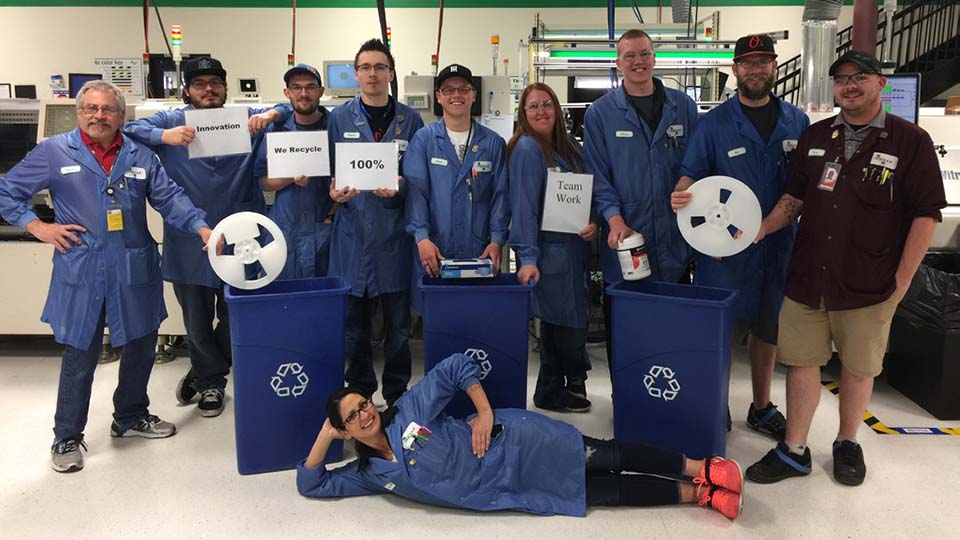
Business Sustainability: Moving from Thought to Action
This brief guide will help your businesses develop a sustainability goal, understand the behavior changes necessary to meet your goal, provide successful techniques to achieve those behavior changes, and outline the implementation of a successful plan to
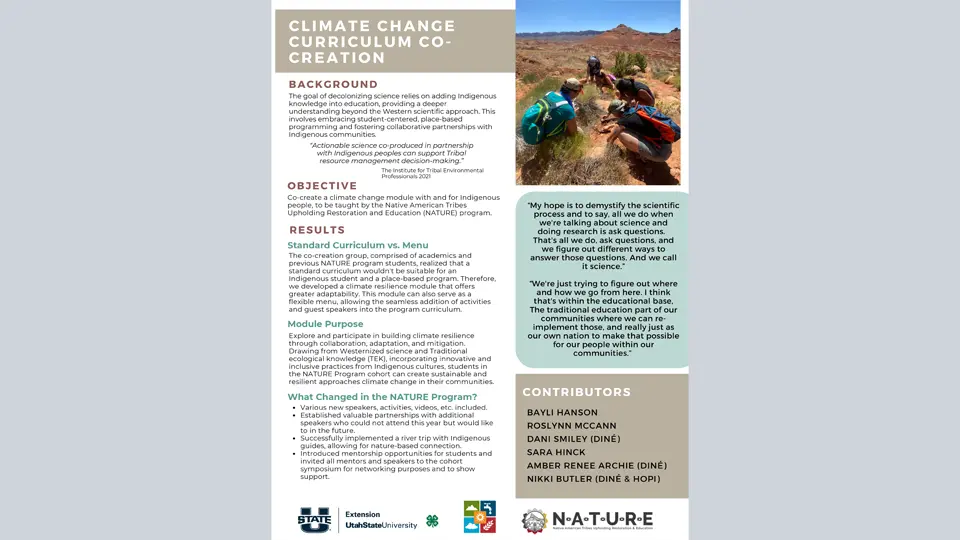
Climate Change Curriculum Co-Creation
Actionable science co-produced in partnership with Indigenous peoples can support Tribal resource management decision-making.
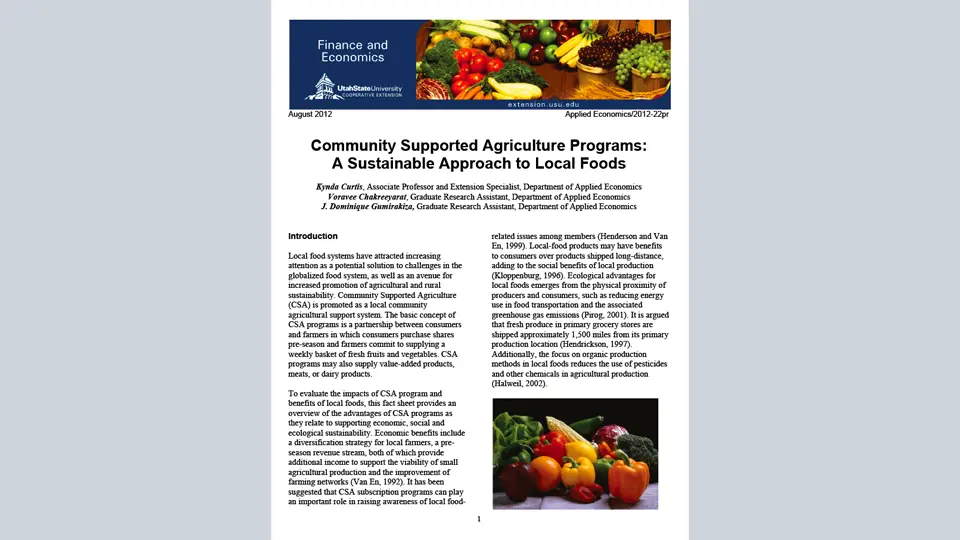
Community Supported Agriculture Programs: A Sustainable Approach to Local Foods
To evaluate the impacts of CSA program and benefits of local foods, this fact sheet provides an overview of the advantages of CSA programs as they relate to supporting economic, social and ecological sustainability.
Community Supported Agriculture: Accepting SNAP Payments
The U.S. Department of Agriculture’s Food and Nutrition Service (USDA FNS) authorizes businesses to accept SNAP benefits, including direct marketing farmers and nonprofit food buying cooperatives operating a CSA.
Community Supported Agriculture: Crop Planning
This fact sheet will help you learn more about the components of an effective crop plan and how to use one in your CSA operation.
Community Supported Agriculture: Definition, Benefits, Barriers, and Resources for Growers
Community Supported Agriculture (CSA) provides a direct connection between local community members and growers, generally through purchasing a weekly “share” of locally grown goods provided by the grower throughout a time frame.
Community Supported Agriculture: Legal Concerns
As with all businesses, Community Supported Agriculture (CSA) growers may experience legal concerns. This fact sheet will walk growers through certain steps that may be taken to minimize the liability of your CSA operation and manage possible risks.
Community Supported Agriculture: Marketing & Outreach Strategies to Encourage Membership
When you market your community supported agriculture (CSA) operation, you should consider the best communication tools to delivering information to potential and current shareholders, engaging your shareholders, and getting feedback.
Community Supported Agriculture: Participating in a Share
CSA members are offered fresh, locally grown goods and an opportunity to support local farms and farmers by investing in a CSA share from a local grower.

Community Supported Agriculture: Pricing
This information can help you through the financial process by explaining how to develop a budget, how to price your CSA share with different pricing strategies, and payment policy.
Community Supported Agriculture: Starting and Managing Your Operation
Starting a Community Supported Agriculture (CSA) operation requires planning and consideration. The method and process of your CSA operation must be determined, as well as how to properly record and finance the operation.
Cost Free Landscape Water Conservation Ideas
In most landscapes, large amounts of water can be saved without changing the landscape at all. Saving water in an existing landscape usually begins with maintenance.
Create Farm Fresh Food Curriculum
This packet includes all the information you need to successfully implement, and evaluate Create Farm Fresh Food classes.

Creating Landscapes for Wildlife: A Guide for Backyards in Utah
By "landscaping for wildlife," we can design a residential yard which attracts and supports native birds, mammals, reptiles and amphibians.

Designing Your Home for Maximum Natural Lighting
There are many benefits to having more natural light in your home. The most obvious of these are the savings you can achieve with a reduced utility bill.

Easy Steps to Reduce Your Energy Bill
Ideas on how to reduce your energy consumption using new technologies and conservation practices.
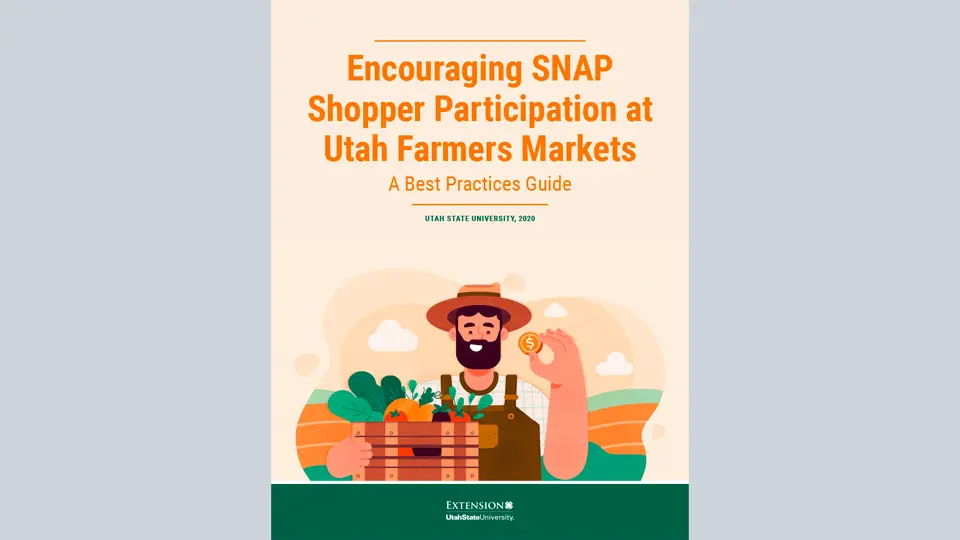
Encouraging SNAP Shopper Participation at Utah Farmers Markets
This guide’s steps were compiled during background research for advertising acceptance of SNAP benefits using Electronic Benefits Transfer (EBT) cards and the Double Up Food Bucks (Double Up) program offered at farmers markets throughout Utah.
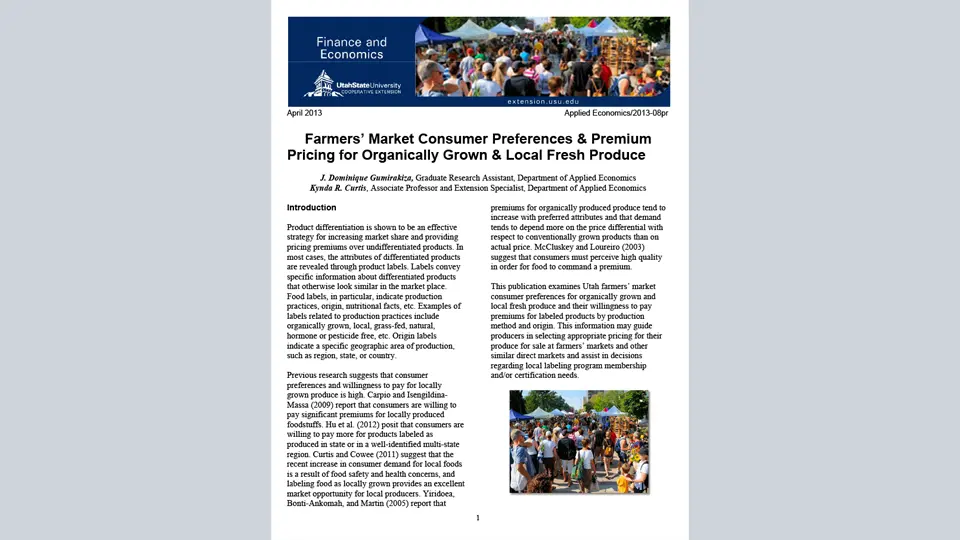
Farmers’ Market Consumer Preferences & Premium Pricing for Organically Grown & Local Fresh Produce
This publication examines Utah farmers’ market consumer preferences for organically grown and local fresh produce and their willingness to pay premiums for labeled products by production method and origin.

Freestores: What, Why & How
A viable alternative to disposing of unwanted possessions in the trash is to donate them to a freestore to be used by others. If one does not already exist in your area, consider implementing one for the benefit of the community.
Gardening for Native Bees in Utah and Beyond
Utah is home to more than 20 percent of the 4,000+ named species of wild bees that are native to North America.
Graywater Systems
Why irrigate only with treated drinking water when you can supplement your irrigation needs through an effective graywater system?
How Will Climate Change Affect Freshwater Fishing?
This fact sheet reviews how climate change can affect freshwater fishing in the United States. Climate change can affect the availability and diversity of target species, the environmental and aesthetic quality of fishing sites, as well as the policies us
How Will Climate Change Affect Winter Recreation?
This fact sheet reviews recent research examining how winter-based outdoor recreation along the North Shore of Lake Superior will be affected by climate change.

Meat-Wise Eating Habits
This fact sheet provides a set of quick facts and action tools to make educated choices concerning one major purchasing choice for many: meat.
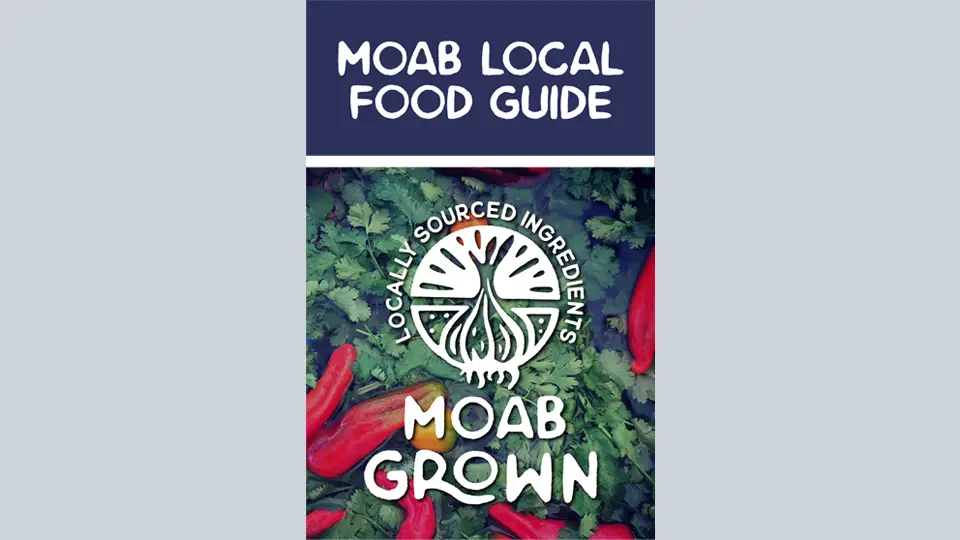
Moab Local Food Guide 2024
Those growing and producing food within a 100 mile radius from Moab have been included in this guide to help YOU make locally sourced purchasing decisions!
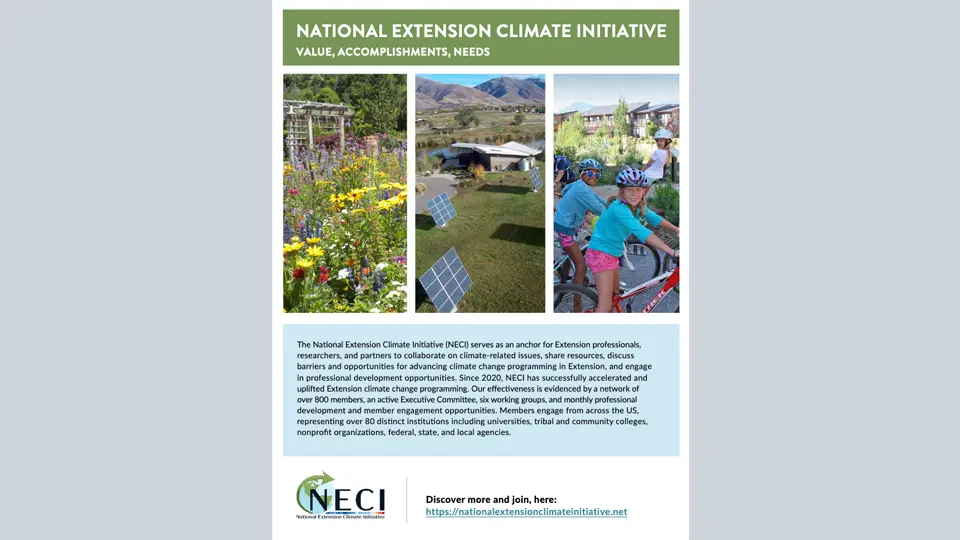
National Extension Climate Initiative: Value, Accomplishments, Needs
The National Extension Climate Initiative (NECI) serves as an anchor for Extension professionals, researchers, and partners to collaborate on climate-related issues, share resources, discuss barriers and opportunities for advancing climate change progra
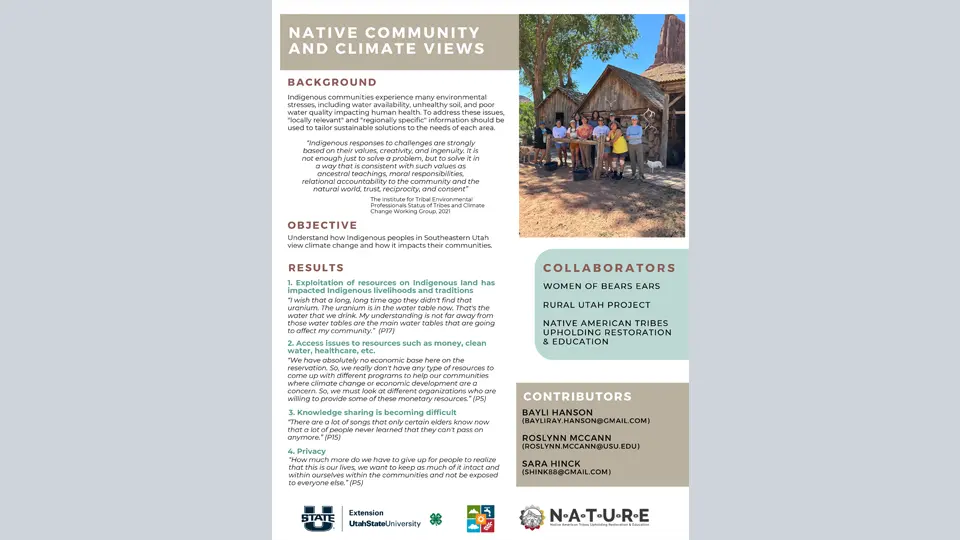
Native Community and Climate Views
Indigenous responses to challenges are strongly based on their values, creativity, and ingenuity. It is not enough just to solve a problem, but to solve it in a way that is consistent with such values as ancestral teachings, moral responsibilities, r
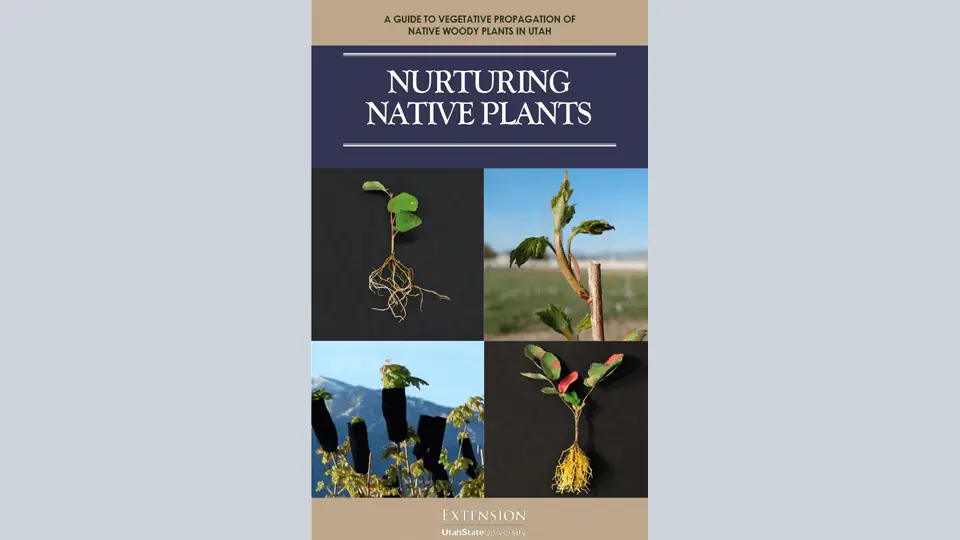
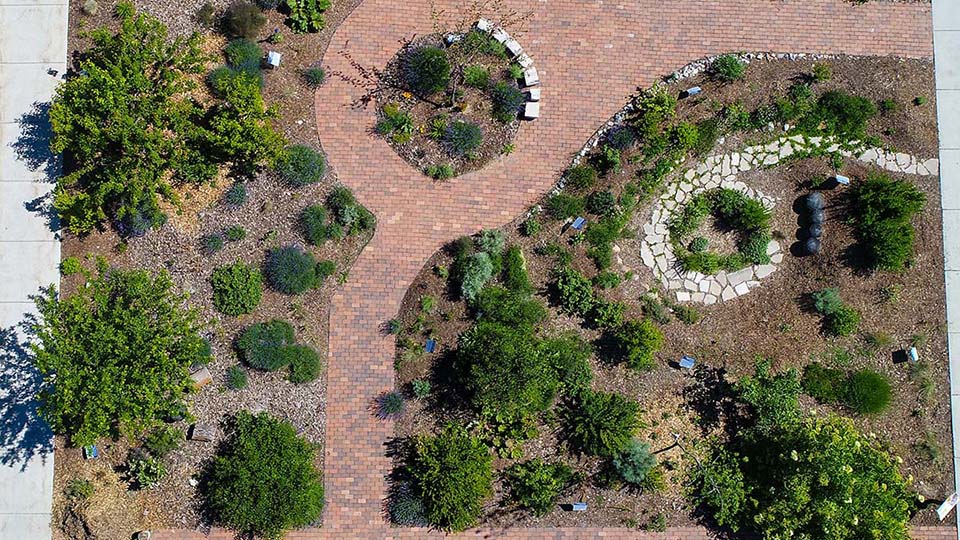
Permaculture
Permaculture is a design concept for sustainable, food producing landscapes mimicking the diversity and resilience of natural ecosystems

Policies and Programs for Water-Wise Residential Landscaping in Utah
Water-wise landscaping is the practice of using plants in a landscape that are adapted to local conditions and only need small amounts of water. Converting yards to water-wise landscaping conserves water and is a climate adaptation action residents can ta

Practicing Environmental Etiquette in Utah’s Deserts
As popular as Utah’s deserts are, they are also very diverse and fragile, and can be highly affected by those that want to spend time there.
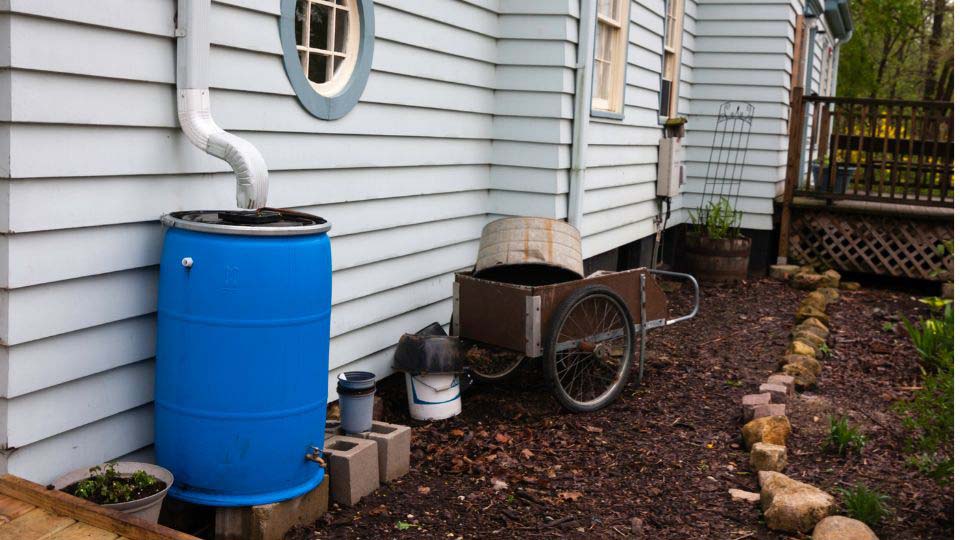

Rangeland Carbon Sequestration
Rangelands can be managed to increase soil carbon storage through more equitable distribution of grazing pressure over time and space to reduce forage plant defoliation and increase carbon inputs from standing plants to soils. The overall ability of range
Recent Climate Change in Utah, 1870–2023
Climate change is impacting Utah. Forty-five years of temperature data show that Utah is steadily warming which, in turn, is driving declines in winter snowpack, shifting the timing and amount of available water, increasing fire risk, and causing ecologic

Recycling in Utah: Green Waste for Compost
The goal of providing recycling related information is to help individuals and businesses make informed decisions about recycling. This fact sheet will focus on green waste recycling for compost.

Recycling in Utah: Paper
The goal of providing recycling related information is to help individuals and businesses make informed decisions about recycling. This fact sheet will focus on paper recycling.

Reducing the Risk of Birds Colliding into Windows: A Practical Guide for Homes and Businesses
Every year in the United States alone, it is estimated that as a many as 599 million birds are killed because they fly into a glass window; some researchers estimate the number may be as high as 988 million. This is approximately 10 percent of the bird po
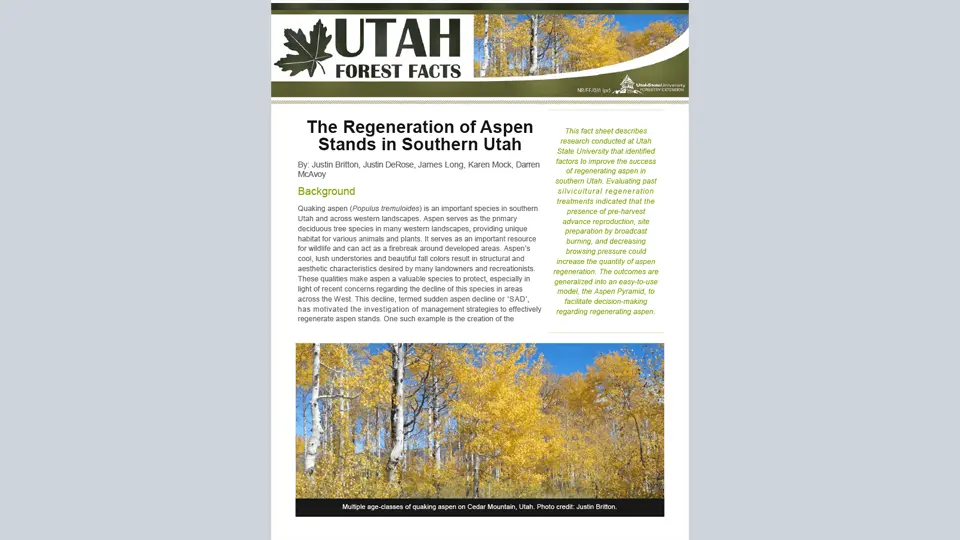
Regeneration of Aspen Stands in Southern Utah
This fact sheet describes research conducted at Utah State University that identified factors to improve the success of regenerating aspen in southern Utah.

Reuse: Creating a Next Life for Common Items
If you are looking for ways to save money and add creative flair to your daily life, reusing everyday items you are likely to throw away could be the answer!