
Raspberry Crown Borer
December 2015
Diane Alston, Entomologist
Quick Facts


- The raspberry crown borer attacks raspberry plants in northern Utah, causing cane-wilt and death.
- Crown borer has a 2-year life cycle; it spends much of it as a grub (larva) tunneling in the lower cane, crown and roots of raspberry plants.
- To prevent infestation, use only clean planting stock, don’t transplant canes between fields, and maintain healthy, non-stressed plants.
- Once a raspberry planting is infested with crown borer: 1) dig and destroy infested crowns and roots, and 2) apply an insecticide as a heavy drench/soak to the lower cane and crown for at least 2 consecutive years in mid-October to target first year larvae, and in the spring before bud break to target overwintered larvae before they tunnel deeply into crowns.
The raspberry crown borer is a stout-bodied clearwinged moth (Lepidoptera: Sesiidae) that resembles a yellow jacket wasp (Fig. 1). It is native to North America, and was first reported from New England states in the mid-1800s. Today, it is a common cane-boring insect pest of raspberry in northern Utah. Although its host range includes all brambles in the genus Rubus, it is only known to cause damage to raspberry in Utah. Larvae tunnel in the lower cane, crown, and upper roots of raspberry causing entire canes to wilt and break off at the crown (Fig. 2). Raspberry crown borer infestations are usually not severe, but populations build up slowly over several years, reducing vigor and yield of plantings by as much as 30% (Raine 1962). In a recent survey of raspberry plantings in northern Utah, crown borer was found in 36% of sites; however, plant infestation levels were low, ~1% (Claudia Nischwitz, unpublished data).
Host Plants
Raspberry (red and black) is the primary host infested in Utah; however, all Rubus spp. Are potential hosts, including blackberry, loganberry, boysenberry, thimbleberry, and salmonberry.
Life History

The raspberry crown borer requires 2 years to complete its life cycle (Fig. 3). In a study in British Columbia, Canada, very few completed development in 1 year; the vast majority required 2 years (Raine 1962). In late summer and early fall, adult moths emerge from pupae at the base of raspberry canes, leaving pupal skins attached to their emergence holes. Adults are day-flying moths; their mimicry of stinging wasps provides them with protection from predators. The female releases a sex pheromone to attract males for mating. Mated females lay eggs during the day. Each female lays from 25 to 200 eggs over a 5-day period. Eggs are laid singly on the underside of bramble leaves. Eggs hatch in late summer and early fall, and young larvae crawl down the outside of canes to the crown where they form a protected cell, hibernaculum, just beneath the soil surface. The following spring, larvae chew into the cambium layer just under the bark before tunneling into the crown and upper roots where they feed heavily during the summer and spend their second winter. In their second spring, larvae bore upward about 1-5 inches (2.5-13 cm) in the cane pith before tunneling sideways through the wood and bark, leaving the epidermis intact. Larval growth is completed in the second summer, and pupation occurs in the hollowed-out area of the cane.
Adult: Reproductive and Dispersal Stage


- Moth with banded black and yellow body and transparent forewings with brown borders; wing span of 1-1¼ inches (2.5-3cm) (Fig. 1).
- Fly during daylight hours in August and September (Fig. 3).
Egg
- Small (1/16 inch or 1.5 mm diameter), reddish-brown; laid individually on the underside of host plant leaves near the margins.
- Eggs hatch in 4 to 8 weeks depending on temperatures.
Larva: Damaging Stage
- Newly hatched larvae are white with a dark head and about ¼ inch (6 mm) long; tunnel under the bark into the cambium of the lower cane and crown of host plants.
- Mature larvae have a dull white body and reddish-brown head; they reach 1-1¼ inches (2.5-3 cm) in length and tunnel in the crown and upper roots (Fig. 4).
Pupa
- Reddish-brown in color, ¾-1 inch (2-2.5 cm) long; pupal skins may remain attached to emergence holes in canes when adults make their exit.
The first indication of injury is the wilting and dying of foliage on canes in late spring and early summer. Heavily damaged canes become spindly and break off at the crown (Fig. 5). Those canes not killed directly are predisposed to winter-kill. Holes in the crown and upper roots contain sawdust-like frass produced by the larva (Fig. 2). Larvae tunneling in crowns and upper roots (Fig. 4) reduce plant growth and vigor, reduce yield, and cause cane and even entire plant death. Larval tunnels provide openings for secondary pathogens that can further stress plant health.
Monitoring and Thresholds
Look for brittle, hollow canes when pruning and trellising canes in the spring. Another opportunity for scouting is during mid- to late summer; look for wilted or dead canes that are hollowed out at the base (Fig. 5). Crown borer infestation can be confirmed by cutting open lower canes to reveal tunnels near the base. And finally, look for galls and swollen crowns that are particularly noticeable in October (Fig. 4).
A female sex pheromone was identified and shown to be effective in monitoring and mass-trapping in field trials; however, due to the compound’s instability at warm temperatures, its effectiveness declined after 2 days (Judd et al. 2012, Teasdale et al. 2013). In field tests in Utah, brief performance of pheromone lures proved to make them impractical for field use.
Management
Sanitation
Dig out and burn infested canes and crowns in the late summer and fall. Remove alternate hosts, such as wild blackberry, from the area.
Biological Control
Several natural enemies have been documented attacking raspberry crown borer. An unidentified eulopid wasp was recovered from crown borer eggs in Arkansas (McKern et al. 2007). An ichnemonid wasp, Pterocormus chasmodops (Heinrich), was found emerging from pupae in Washington (Pavuk and Williams 1988).
Research trials with entomopathogenic nematodes have shown some success; Steinernema feltiae applied during the summer in Colorado provided 33-65% reduction in crown borer larvae while S. carpocapsae and Heterorhabditis bacteriophora reduced larvae by 53 and 33%, respectively, when applied in spring in Arkansas. Optimal temperatures and moist soils are necessary for successful performance of nematodes. Irrigate plants just before applying nematodes.
Insecticides
The protected feeding habits and protracted life cycle of raspberry crown borers make it difficult to control. Chemical control efforts should be directed at killing first-year larvae in the fall (mid-October) as they crawl down canes to overwinter in hibernacula just below the soil line, or in the early spring (April to early May) before they tunnel deeply into the crown. Studies in Arkansas in blackberry found that insecticide treatments were most effective when applied in October or April. Insecticides applied in May and July did not provide acceptable control. An exception is for entomopathogenic nematodes; it is important to wait until soil temperatures warm, typically in late June and July. In a trial in raspberry in Colorado, entomopathogenic nematodes were successful in finding crown borer larvae within crowns when applied during the summer.
Protect pollinators by avoiding sprays when blooms are open!
Insecticides recommended for COMMERCIAL raspberry and blackberry production in Utah.
| Chemical Name | Examples of Brand Names | Insecticide Class¹ |
|---|---|---|
| bifenthrin | Brigade (R), Capture (R) | Pyrethroid (3) |
| chlorantraniliprole | Altacor | Diamide (28) |
| diazinon | Diazinon (R) | Organophosphate (1B) |
| pyrethrin | Pyganic (O) | Botanical (3) |
| azadirachtin | Aza-Direct (O), Neemix(O) | Insect Growth Regulator, Botanical (UN) |
Insecticides recommended for HOME GARDEN raspberries and blackberries in Utah.
| Chemical Names | Examples of Brand Names | Insecticide Class¹ |
|---|---|---|
| carbaryl | Sevin, Bonide Fruit Spray | Carbamate (1A) |
| malathion | Malathion | Organophosphate (18) |
| acetamiprid | Ortho Max Flower, Fruit and Vegetable Spray | Neonicotinoid (4A) |
| pyrethrin | Pyganic (O) | Botanical (3) |
| neem oil | Neem Oil (O), Garden Safe (O) | Insect Growth Regulator, Botanical (UN) |
(I) Insecticide Resistance Action Committee (IRAC) mode-of-action classification codes. To minimize resistance development
in the insect population, rotate among classes.
(O) OMRI approved for organic production.
(R) Restricted use products.
All brands are registered trademarks. Examples of brands may not be all-inclusive, but are meant to provide examples of products registered on caneberries in Utah. The availability of insecticides changes frequently. ALWAYS READ THE LABEL FOR REGISTERED USES, APPLICATION AND SAFETY INFORMATION, AND PROTECTION, RE-ENTRY, AND PRE-HARVEST INTERVALS.
References
- Capinera, J.L., W. S. Cranshaw, and H. G. Hughes. Suppression of raspberry crown borer, Pennisetia marginata (Harris) (Lepidoptera: Sesiidae) with soil applications of Steinernema feltiae (Rabditida: Steinernematidae). Journal of Invertebrate Pathology 48: 257-258.
- Judd, G. J. R., R. Gries, C. Teasdale, and G. Gries. 2012. Identification of a sex pheromone component for Pennisetia marginata (Lepidoptera: Sesiidae). Canadian Entomologist 144: 798-807.
- McKern, J. A., D. T. Johnson, and B. A. Lewis. 2007. Biology and control of the raspberry crown borer (Lepidoptera: Sesiidae). Journal of Economic Entomology 100 (2): 398-404.
- Nischwitz, C. 2015. Unpublished data. Utah State University, Logan, UT.
- Pavuk, D. M. and R. N. Williams. 1988. A sesiid host record for Pterocormus chasmodops (Hymenoptera: Ichneumonidae). Proceedings of the Entomological Society of Washington 90:105.
- Raine, J. 1962. Life history and behavior of the raspberry crown borer Bembecia marginata (Harr.) (Lepidoptera: Aegeriidae). The Canadian Entomologist 94: 1216-1222.
- Teasdale, C., G. J. R. Judd, R. Gries, and G. Gries. 2013. Evaluation of synthetic sex pheromone for monitoring and management of raspberry crown borer Pennisetia marginata (Lepidoptera: Sesiidae). Agricultural and Forest Entomology 15: 285-293
Related Research
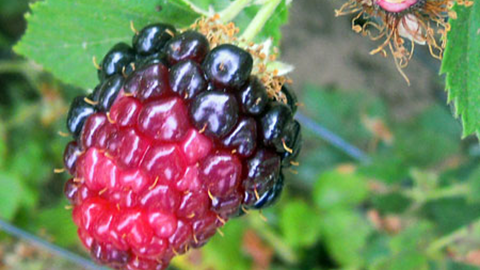
Redberry Mite on Blackberry
Redberry mite injects a toxin as it feeds that causes fruit sections to remain red on an otherwise mature berry. Redberry mite is a microscopic pest of wild and cultivated blackberries. It was first detected in Utah in 2017 in Davis County.
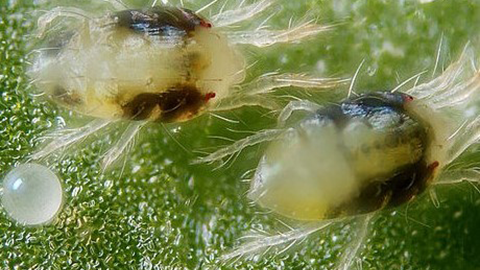
Spider Mites in Raspberry
Spider mites can be a challenging pest of raspberry. The twospotted spider mite (Tetranychus urticae Koch) is the most common mite to attack raspberry in Utah. Spider mites are small eight-legged arthropods, but populations can build quickly to high numbe
Invasive Insects Lookalikes
Learn how to identify some invasive insects and their look-alikes. Here, we provide a quick identification guide for brown marmorated stink bug, Japanese beetle, emerald ash borer, and Asian longhorned beetle.
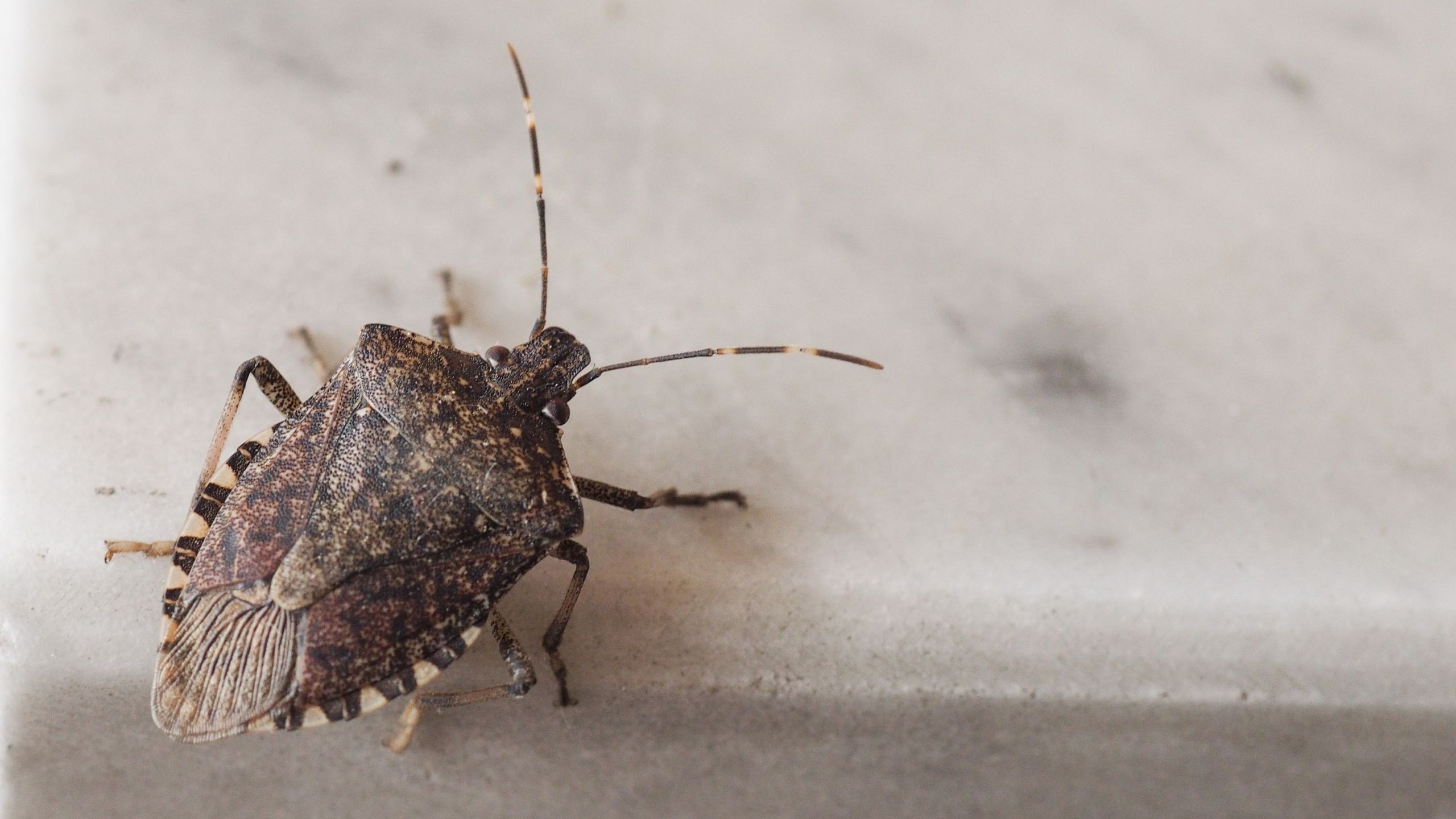
Brown Marmorated Stink Bug
BMSB was first detected in Utah in 2012; it is now established in four counties (Weber, Davis, Salt Lake, and Utah) and has been detected in two other counties (Cache and Box Elder). As an aggressive generalist herbivore, BMSB infests a broad range of pla
European Cherry Fruit Fly
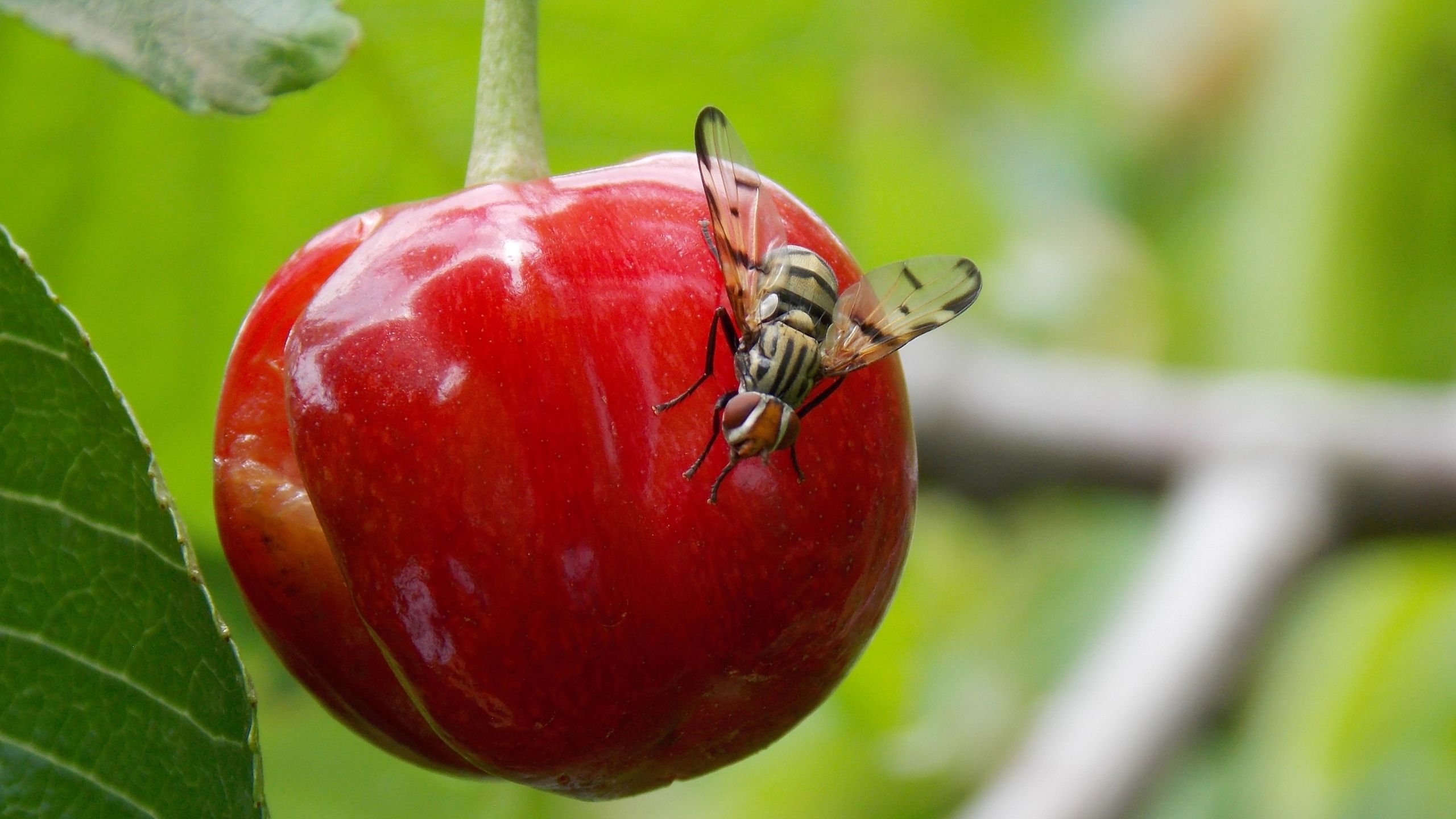
European Cherry Fruit Fly (ECFF) is a new invasive cherry-infesting pest that is not known to occur in Utah. Host plants include cherry and honeysuckle. Heavy infestations in Europe have resulted in 100% fruit loss. Since adults fly only short distances,
Japanese Beetle
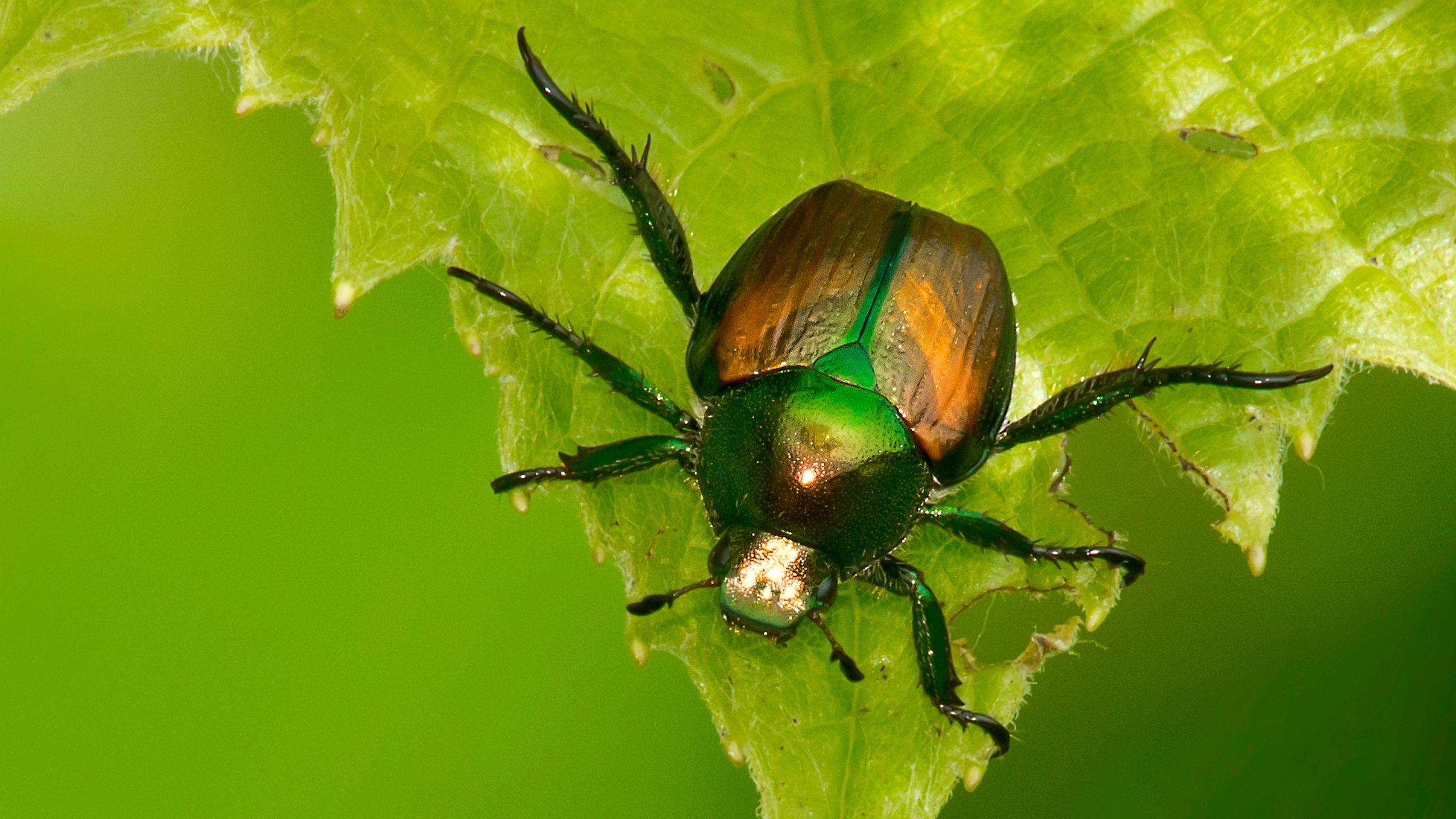
This fact sheet describes the invasive Japanese beetle (JB) and lists vegetative hosts that can be affected by JB, including ornamental plants, trees, shrubs, turfgrass and vegetables. This pest can cause significant damage in high numbers. It was first d
Spotted Wing Drosophila
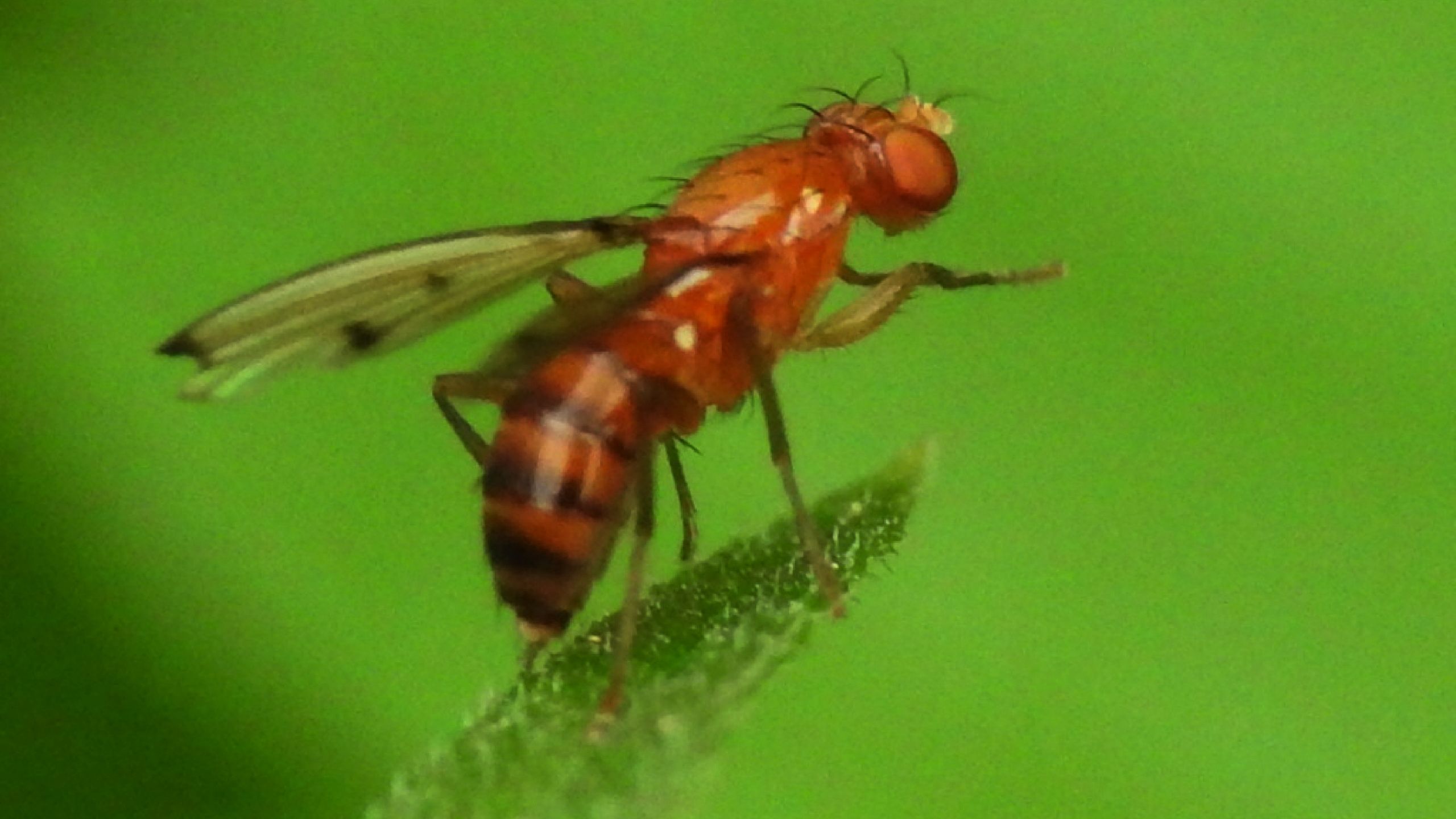
Spotted wing drosophila (SWD) is an invasive insect native to Southeast Asia; it was first detected in Utah in 2010. SWD management tactics include removing nearby alternative host plants, timely harvest of fruit, expanding the preventive insecticide prog
Bumble Flower Beetle
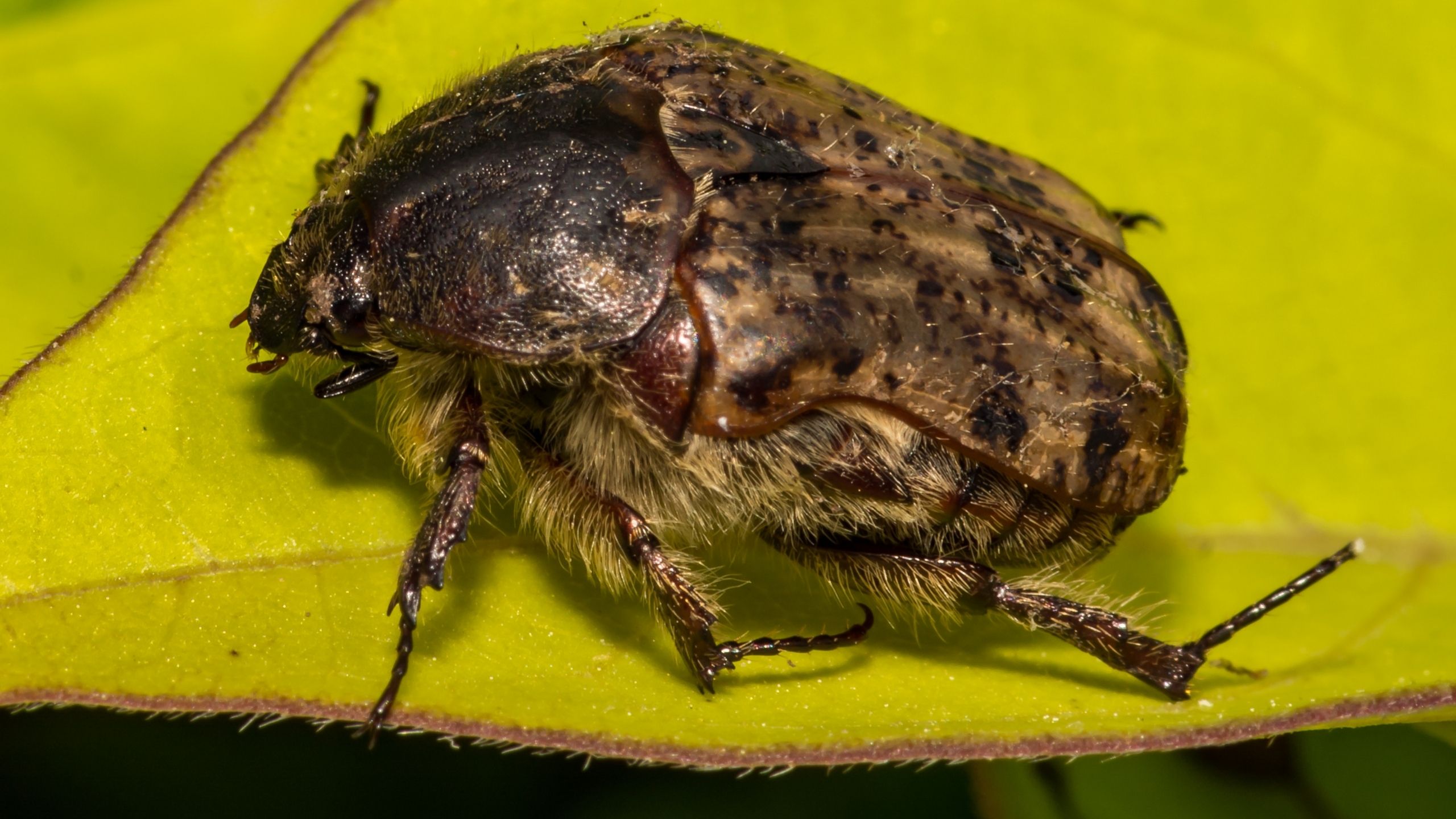
Bumble flower beetles are common throughout the growing season on flowers, oozing sap, and other sweet, overripe, or fermenting matter. Bumble flower beetles seldom warrant the use of chemicals for control. Control methods include removing organic materia
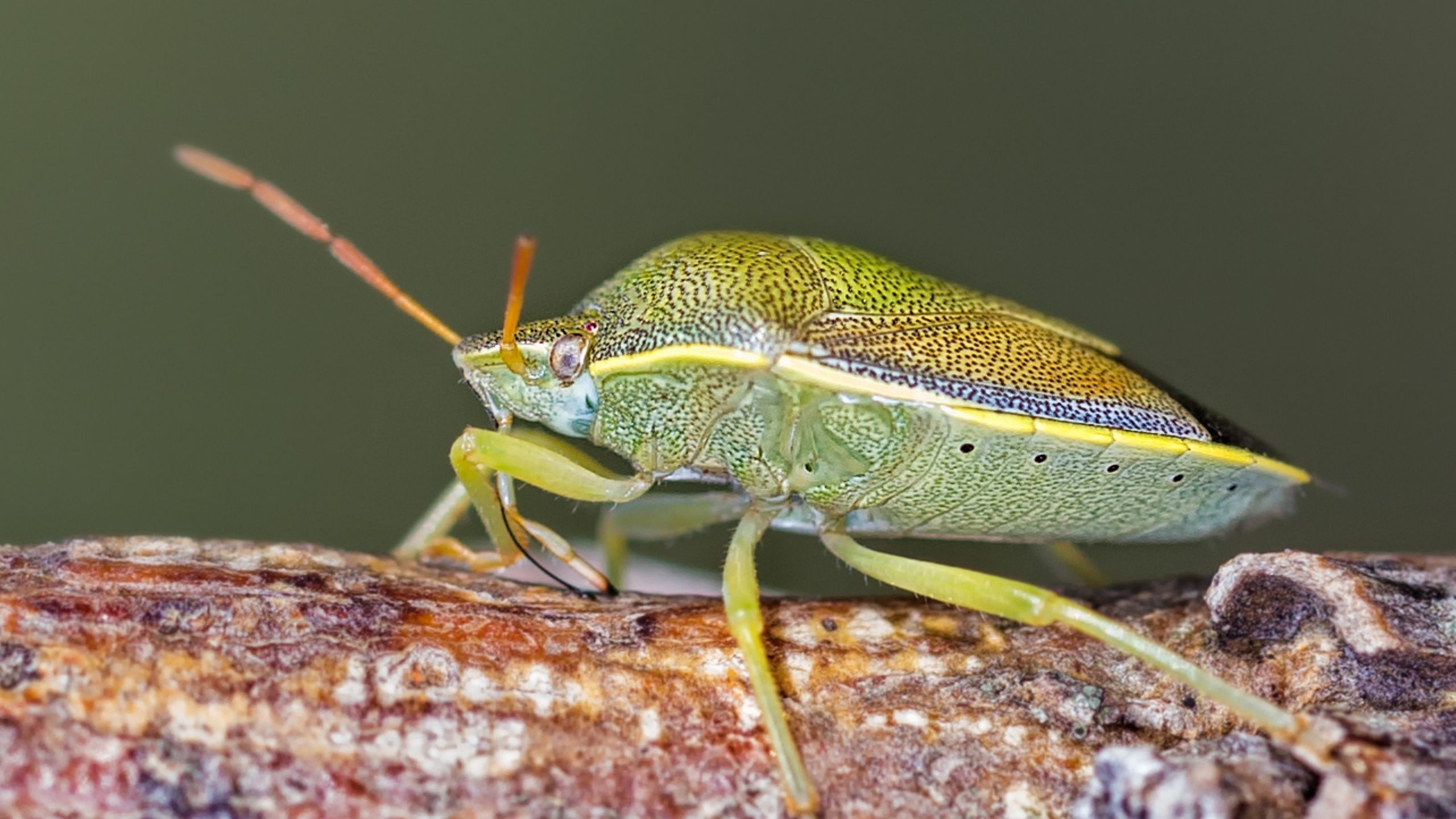
Common Stink Bugs of Utah
This fact sheet provides descriptions and images of stink bugs, including the adult and immature stages, that are commonly encountered in gardens and farms in Utah.
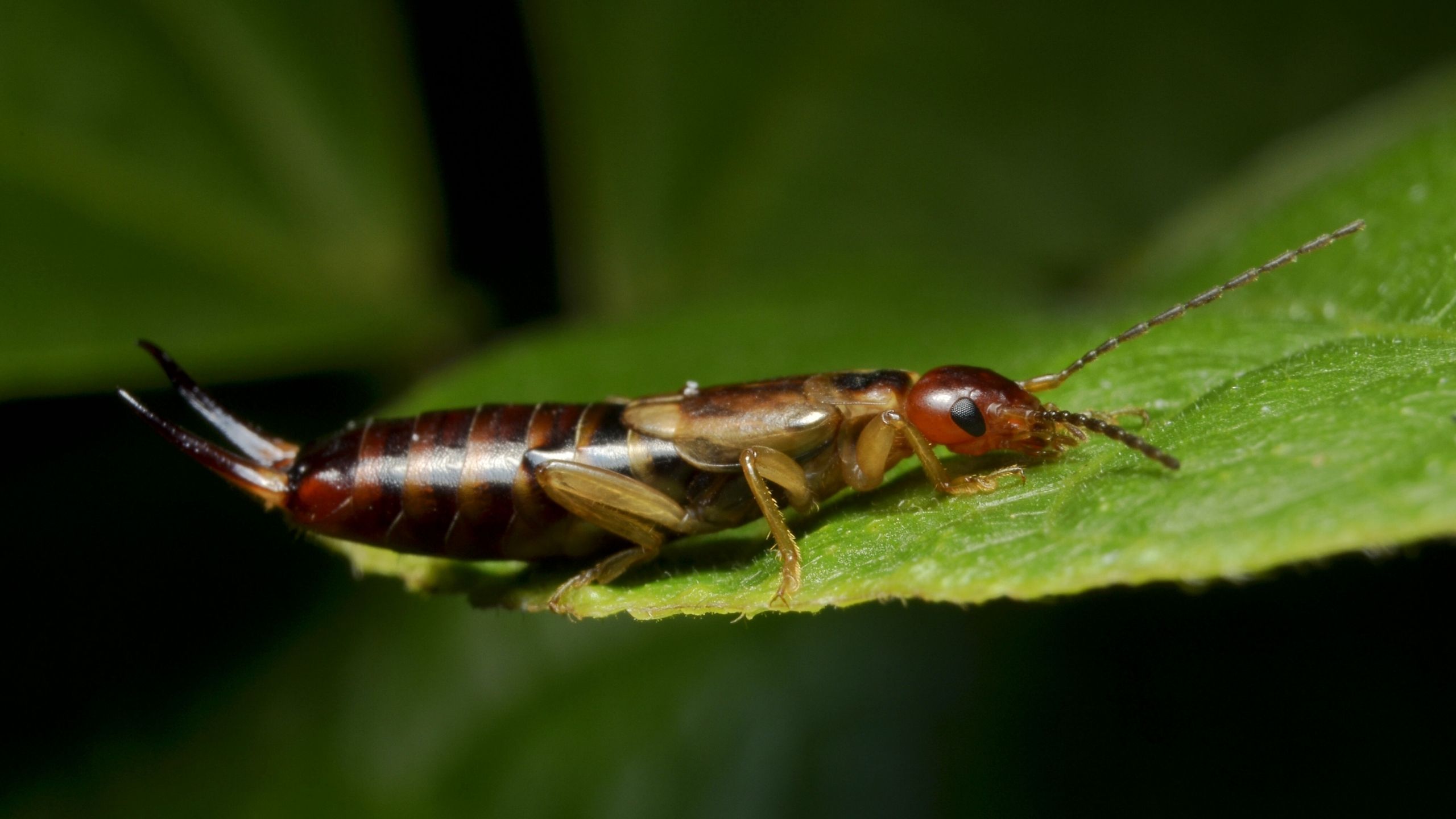
European Earwig
The European earwig is an omnivore; it feeds on detritus, fungi, plants, and insects. Earwigs can injure the buds, leaves, flowers, and fruits of a broad range of plants, including fruits, vegetables, and ornamentals; they can be a nuisance pest by enteri
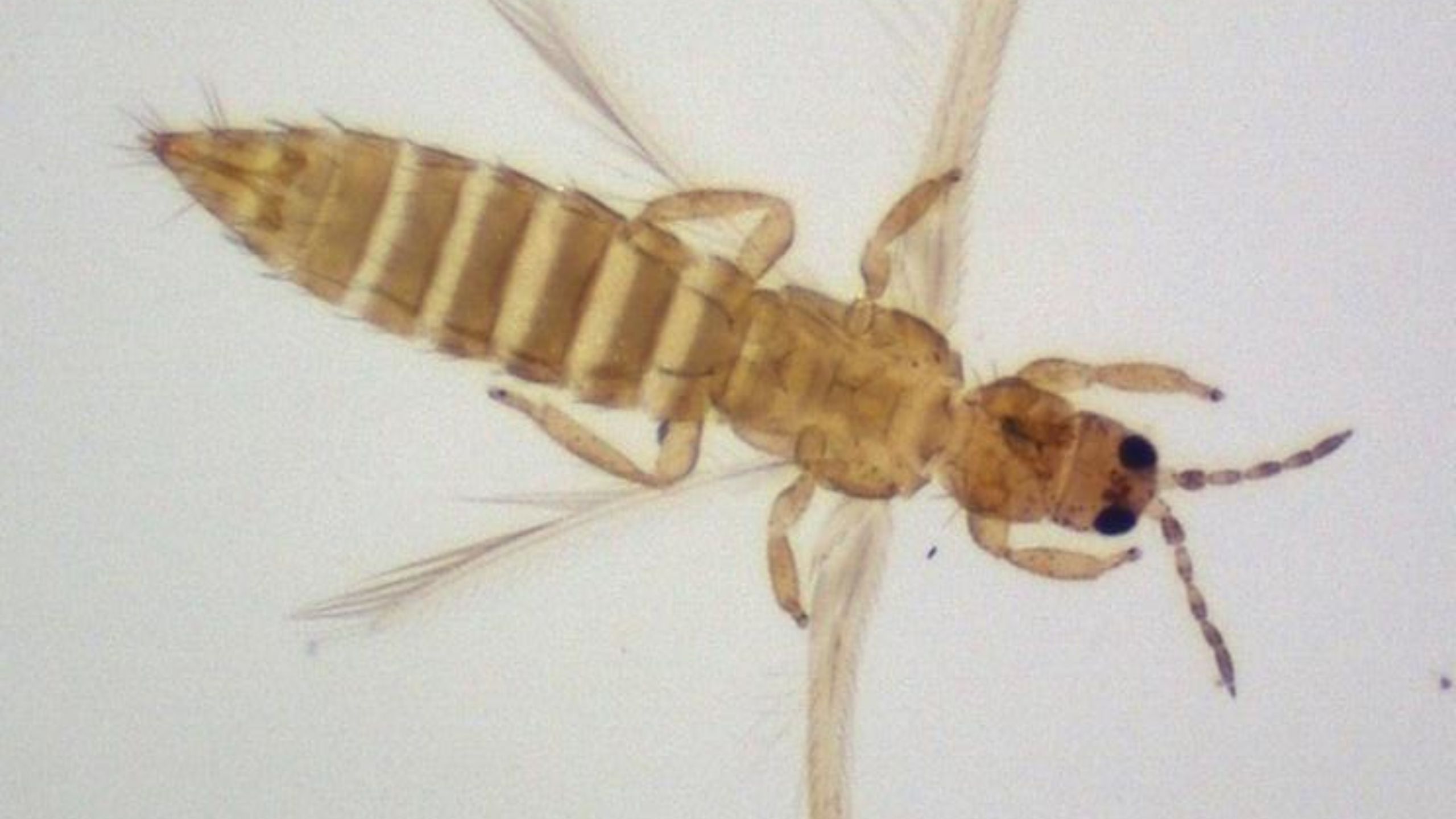
Western Flower Thrips
Western flower thrips are native to western North America and are widespread throughout this region. This species feeds on hundreds of different weed and crop hosts.

Raspberry Horntail
The raspberry horntail is a caneboring wasp that can cause crop loss to raspberries in northern Utah. Apply insecticides in the spring targeting adults, to prevent egg-laying in the new canes. Infested canes often become evident during summer when tips wi

Parasitoid Wasps of the Invasive Brown Marmorated Stink Bug in Utah
There are at least two families of stink bug parasitoids in Utah, Eupelmidae and Scelionidae. These are small, typically black wasps that may be mistaken for small gnats or ants. They will fly in search of stink bug egg masses. Once they find the eggs, th
BMSB Management for Fruits and Vegetables
A fact sheet detailing the brown marmorated stink bug (BMSB, Halyomorpha halys Stål), a recent invasive insect to North America from eastern Asia. In the last decade, it has become a severe urban nuisance and agricultural pest in the mid-Atlantic and nort
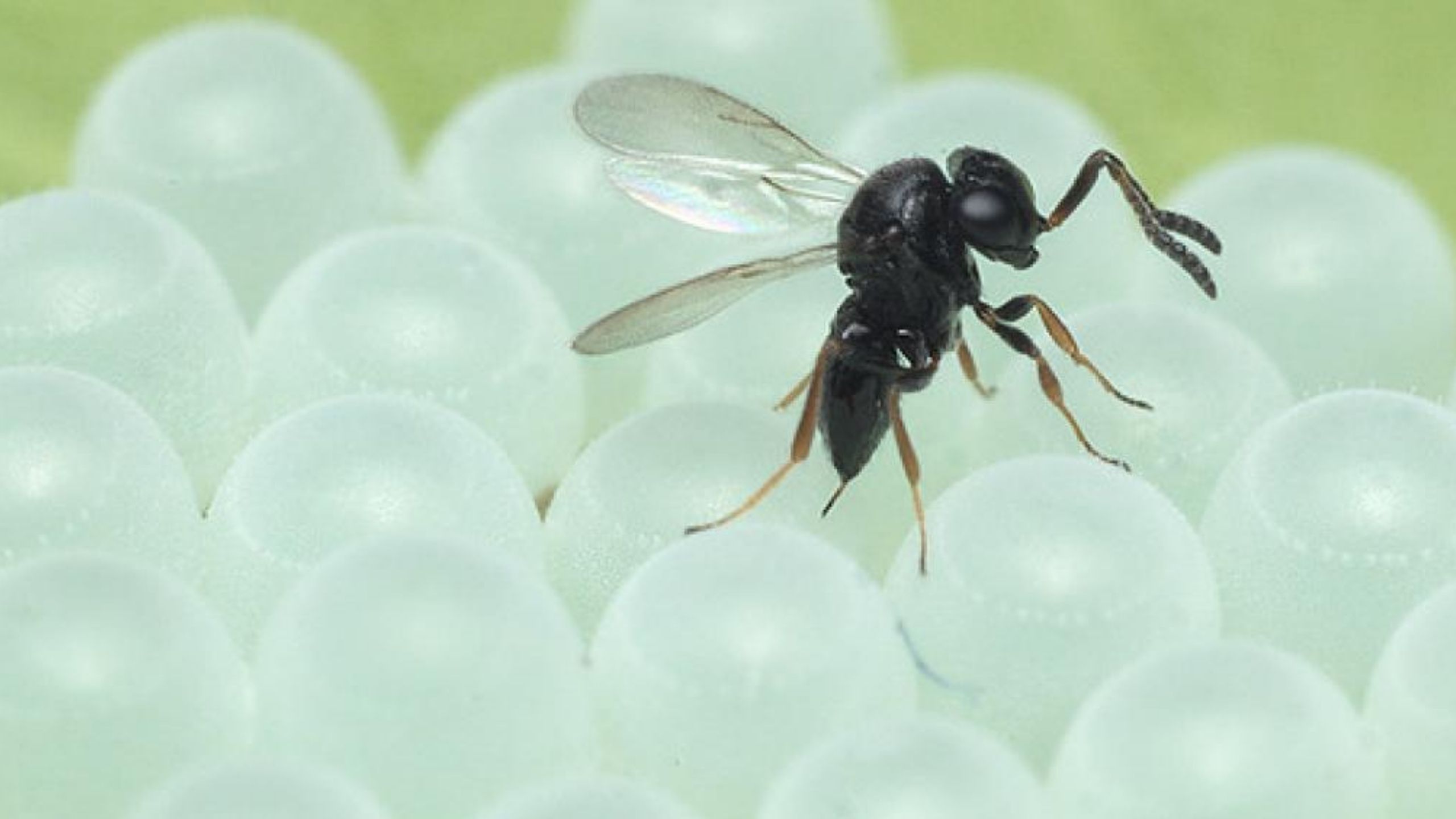
The Samurai Wasp: New Hope in Fight Against BMSB
In June 2019, the samurai wasp [Trissolcus japonicus (Ashmead)] was discovered in Salt Lake City. This exotic parasitoid wasp is the most promising agent for biological control of BMSB and is uniquely evolved to lay its eggs inside of BMSB eggs. Help us p
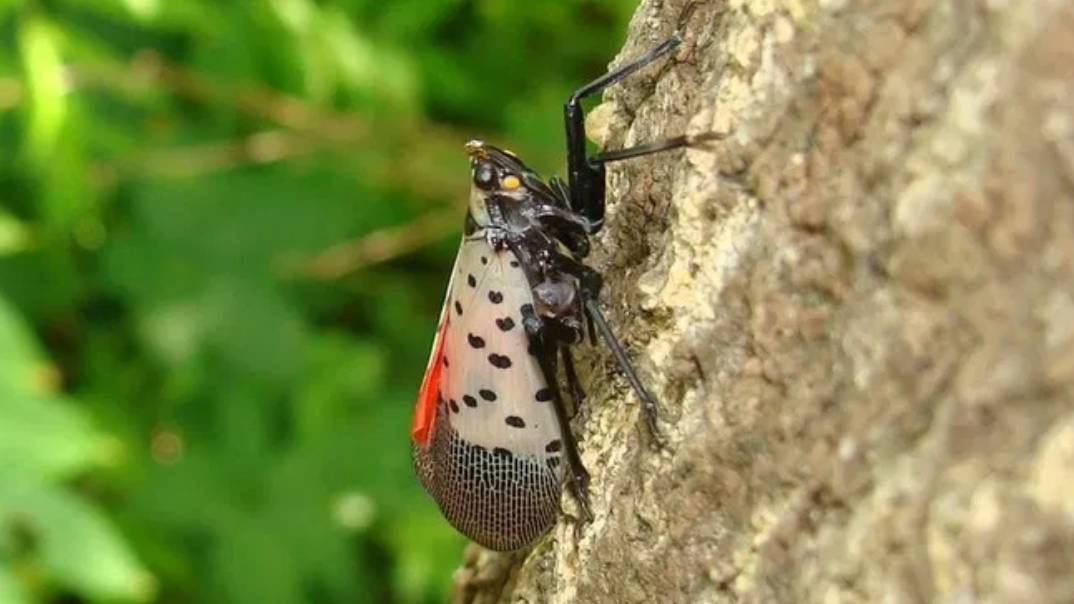
Spotted Lanternfly
The spotted lanternfly (SLF) is a new invasive pest from China that was first detected in the U.S. in Pennsylvania in 2014 and has since spread to other states. SLF attacks more than 100 host plants, including grapes, fruit trees, hops, and hardwood and o
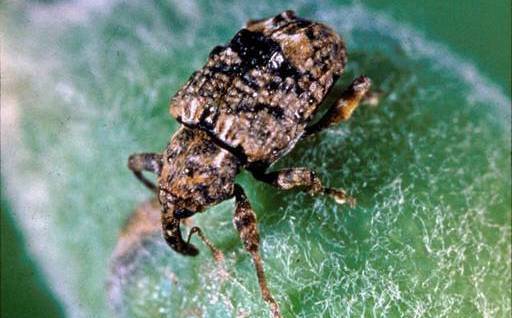
Plum Curculio
Plum curculio, Conotrachelus nenuphar (Coleoptera: Curculionidae), is a small brown weevil (beetle with a snout) native to eastern North America where it is a major pest of pome and stone fruits. It thrives in environments where orchards are located nex
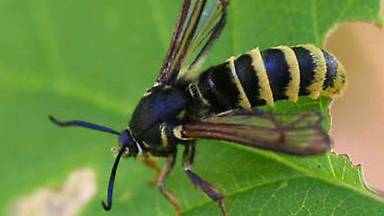
Raspberry Crown Borer
The raspberry crown borer is a stout-bodied clear winged moth (Lepidoptera: Sesiidae) that resembles a yellow jacket wasp (Fig. 1). It is native to North America, and was first reported from New England states in the mid-1800s. Today, it is a common cane-