
Organic Pesticides: A General Overview
August 2026
Marion Murray, Extension IPM Specialist • Ann Mull, Extension Writer
Quick Facts
Authors created image using MidJourney gen AI.
- Organic pesticides are naturally occurring or minimally processed substances used to control pests, including insects, weeds, fungi, and mites.
- Organic pesticides are not always harmless, some can still be toxic to beneficial insects, pollinators, and aquatic life.
- Approved products are listed under the National Organic Program and must meet strict ingredient and application standards.
- Organic pesticides may be plant-based, petroleum-based, biological (biopesticides), or mineral-derived.
- Many organic pesticides require direct contact with pests or frequent reapplication for effective control.
Organic pesticides are naturally occurring, nonsynthetic, or minimally processed substances that control unwanted organisms in the environment. Categories include insecticides, herbicides, fungicides, and miticides. Most organic pesticides share a common element: carbon–the essential component of all living things (Fig. 1). However, its presence implies neither safety nor organic status.
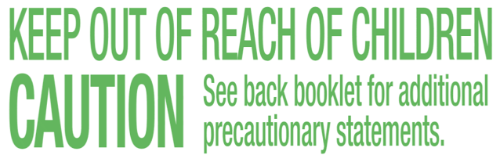
A pesticide’s active ingredient(s) determine the risk level to humans, and the front page of product labels includes text indicating the level of toxicity, namely “caution,” “warning,” or “danger” (Fig. 2). An organic pesticide may fall into any of these three categories, but typically the first two. Their active ingredients span a wide range and are primarily plant- or petroleum-based, biological products (biopesticides), or Earth elements or minerals.
Organic Pesticide Determinations
The U.S. Department of Agriculture (USDA) and the Environmental Protection Agency (EPA) together determine the eligibility of a pesticide for use in certified organic production, assessing all ingredients (active and inert) and application methods. Products that pass testing are then approved for use by the USDA’s National Organic Program (NOP; Fig. 3), which maintains the current national list of pesticides and substances for organic production.
Additional organizations exist that test and approve organic ingredients, products, and/or practices. The international and independent Organic Materials Review Institute (OMRI) meets or exceeds the approved USDA NOP national list. Only approved products can list the OMRI logo on their labels (Fig. 4), and products must be used according to label directions.
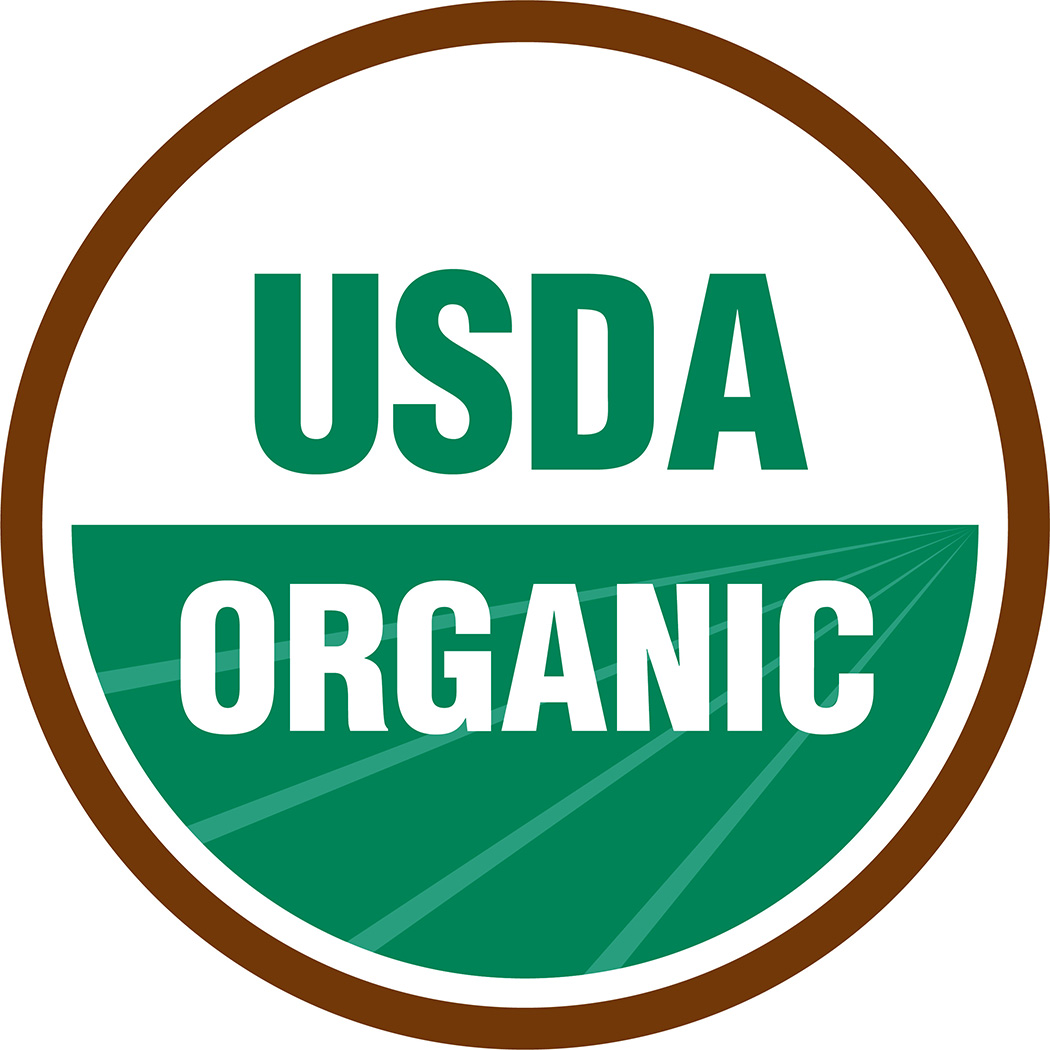
label. Labels can vary in appearance.
label from Organic Materials Review Institute.
Nationally, nearly 80 additional USDA-accredited certifying agents have been authorized by the NOP to approve products. Some examples are the Utah Department of Agriculture and Food (UDAF), California Certified Organic Farmers (CCOF), Oregon Tilth, and the Washington State Department of Agriculture (WSDA). These product certifications typically cost less for the manufacturer, but are often considered as reliable as the OMRI logo.
Low-cost alternatives for small operations also exist, including Certified Naturally Grown (CNG), a grassroots, peer-review alternative that can get input from some of the larger agencies listed above. Smaller product manufacturers with annual sales under $5,000 are exempt from organic certification requirements, but must comply with NOP regulations to use the USDA organic label.

on an organic pesticide label.
Organic Products For Home and Business Gardens
For gardens and landscapes on private property, there are no standards regarding the use of organic pesticides. Most retail products for residential or private business will have the logo, “For Organic Gardening,” which is overseen by the EPA (Fig. 5).
Does Organic = Safe?
Organic pesticides still have risks. Their use in agricultural practices has been shown to promote healthier biological systems when compared to conventional pesticide use. The term “organic,” however, is not synonymous with “harmless,” as many organic pesticides are highly toxic to beneficial species. In contrast, some conventional pesticides have minimal risk when applied per label instructions. As a rule, with any pesticide, always read and follow label instructions closely to minimize harmful effects on nontarget organisms, including beneficial pollinators and natural enemies
Is It Organic?
Pyrethrum: YES
Pyrethrum naturally occurs in chrysanthemum flower heads.
Pyrethrin: YES
Pyrethrins are minimally processed pyrethrum chemicals but are highly toxic to bees and fish. Some products contain piperonyl butoxide, a synthetic (manufactured) chemical that enhances efficacy, but is prohibited in certified organic production.
Pyrethroid: NO
Pyrethroids are a group of synthetic insecticides similar to pyrethrin (but synthetic) that provide longer protection (up to 2 weeks). Examples include permethrin and lambda-cyhalothrin.
Clarifying the Oils
Horticultural oil: general term for any oil used to control plant pests.
Dormant oil: horticultural oil that is applied before plants are visibly active. Application rates are high (2%-3% oil in water) to effectively target overwintering insects and their eggs.
Summer, or foliar oil: horticultural oil that is applied when leaves are present. Application rates are low (0.5%-1% in water) to prevent plant injury.
Superior, narrow-range, supreme oil: older terms used at a time when horticultural oils had higher viscosity. All oils available on the market today are highly refined.
Mineral oil: a petroleum-based oil.
Vegetable oil: crop-seed-based oils, such as canola, cottonseed, and soybean.
Common Active Ingredients of Organic Pesticides
PLANT- or PETROLEUM-BASED
These pesticides include such active ingredients as pyrethrins, horticultural oils, insecticidal soaps, herbicidal vinegars, corn gluten, and others.
Pyrethrins are insecticides derived from pyrethrum, which naturally occurs in Chrysanthemum flowers. The term “pyrethrins” is plural because it is made up of six pyrethrin chemicals. Pyrethrins target a wide range of insects and mites (and are considered broad-spectrum). They kill pests quickly via contact (no ingestion required), affecting the nervous system. Pyrethrins provide about 5 days of pest protection. Note that pyrethrins are highly toxic to bees and fish and moderately to highly toxic to other beneficial insects, especially parasitoid wasps. Nighttime applications can help minimize exposure and harm to nontarget species.
Oils are often referred to as “horticultural oils” and are primarily used as insecticides, miticides, or repellents. They may be derived from petroleum or plants. Oils primarily target soft-bodied insects such as aphids, thrips, leafhoppers, mites, and scale, as well as insect eggs, and work by suffocating and disrupting respiration. The application must contact the target pest, as there is no residual action. Some oils have a suppressive effect on the plant disease powdery mildew. Apply oils in spring as buds start to open, or in summer. Note that oils can cause phytotoxicity (leaf damage) when applied in cold (less than 40 °F) or hot (more than 85 °F) temperatures. In addition, oils may be toxic to beneficial insects or pollinators with soft bodies, so avoid spraying near open flowers.
- Petroleum-based oils are comprised of highly refined paraffinic oil for application to plants. The only difference between dormant oil and summer oil is application timing, not the product itself.
- Plant-based oils include neem, soybean, cottonseed, and canola, and they function and are applied the same as petroleum-based oils.
- Essential oils made from garlic, rosemary, lavender, clove, eucalyptus, thyme, and others are used as fungicides, insecticides, or repellents. They may target powdery mildew, mites, aphids, thrips, and many others.
Insecticidal soap (potassium salts of fatty acids from animals or plants) targets a wide array of soft-bodied insects like aphids and spider mites. The spray must contact the insect to be effective, and there is very little residual activity. Do not use homemade solutions as unintended plant injury can result.
Herbicidal vinegar is used on many broad-leaved plants. It is stronger than household vinegar and is federally registered at higher acetic acid concentrations. Applications require combining with a leaf adhesive (surfactant).
Corn gluten is used as a preemergent herbicide in lawns and gardens to control weeds.
BIOLOGICAL-BASED
These pesticides are used as insecticides, miticides, fungicides, and herbicides, and are made from bacteria, fungi, viruses, protozoa, plants, and more, or their metabolites. Collectively, they are known as biopesticides.
Successful use of a biopesticide requires accurate timing of application. Some of these products have a short shelf life or must be protected from exposure to UV light and excessive heat. Some products are costly because they require time-consuming manufacturing and are difficult to produce at scale.
Biofungicides target plant pathogens through competition for space or food, release of toxins, consumption, or induction of host resistance.
- Bacillus subtilis is a bacterium that targets many fungal and bacterial-caused diseases, including leaf spots, anthracnose, blights, powdery mildew, and root rots.
- B. amyloliquefaciens targets fire blight and powdery mildew.
- Trichoderma are nearly ubiquitous fungi used for Fusarium and Pythium soil diseases. Trichoderma are additionally used to promote plant growth.
Bioinsecticides are made from bacteria, fungi, plants, or their metabolites.
- Spinosad is used against a wide range of insects including caterpillars, fruit fly larvae, thrips,and earwigs. It is a metabolite from a naturally occurring soil bacterium (Saccharopolyspora spinosa) that affects nerve and stomach processes. When wet, spinosad is highly toxic to bees. The insect pest must consume spinosad, which provides about 7 days of protection.
- Bacillus thuringiensis (Bt) targets the gut linings of the larval stage of mosquitoes, moths, and flies. Bt is a naturally occurring soil bacterium that is found worldwide. As an insecticide, it degrades rapidly under ultraviolet radiation, so evening and/or cloudy-day applications last longer. Bt strains are available that target specific species. For example, Bt israelensis is a gut toxin for mosquitoes, flies, and gnats, Bt kurstaki targets foliage-feeding caterpillars, and Bt tenebrionis targets beetle larvae. The insect pest must consume Bt, which provides about 5 days of protection.
- Beauveria bassiana and Metarhizium brunneum are fungi that are more effective in greenhouse settings with higher humidity and less sunlight exposure.
- Virus-based insecticides typically target a single pest life stage, mostly caterpillars. The product is applied as a foliar spray, and infection occurs after ingestion. As larvae die, their bodies release virus particles for secondary spread. Products target codling moth, corn earworm/cotton bollworm, and fall armyworm.
EARTH ELEMENT- or MINERAL-BASED
These types of pesticides are made from various materials and minerals found in nature.
Diatomaceous earth is a classic example, made from fossilized remains of diatoms (and composed mainly of silica). It has an abrasive and desiccant activity that is mainly effective on ground-dwelling insects that groom themselves.
Azadirachtin is an insect growth regulator extracted from the seeds of the neem tree. It works by contact or ingestion and has anti-feedant properties. It prevents insects from molting to the next stage, so it is only effective on young life stages. Target pests include aphids, caterpillars, leafhoppers, thrips, whiteflies, and beetle larvae.
Kaolin clay deters many insects, including flea beetles. It interferes with insects’ ability to recognize their host and also disturbs their outer layer (cuticle). Leaves sprayed with kaolin clay turn white, but plant growth is not inhibited. Kaolin clay also has some fungicidal activity against powdery mildew.
Copper products target bacterial diseases and some fungal leaf-spot diseases. There are many formulations of copper, including copper sulfate, copper hydroxide, and cuprous oxide. The safest coppers are “copper soaps.” Copper-based pesticides can damage the host plant if not applied correctly, as copper can be particularly phytotoxic to young foliage. Copper is also toxic to bees and can reach harmful levels in the soil if used repeatedly. Not all copper products are approved for organic production, so check the label.
Sulfur is the oldest known pesticide, dating back more than 2,000 years, used to control wheat rust diseases. It is very effective against powdery mildew.
Potassium bicarbonate is commonly used for powdery mildew, scab, and sooty mold.
Organic pesticides often require more frequent applications and a more proactive approach for success, but the payoff is often more beneficial for the producer and surrounding communities.
References
Adamson, N., May, E. Code, A., Lee-Mäder, E., Morris, S., & Maughan, M. (2021). Organic pesticides: Minimizing risks to bees and other agriculturally beneficial insects. The Xerces Society for Invertebrate Conservation.
Agricultural Marketing Service. (n.d.). National organic program. U.S. Department of Agriculture.
Andrews, H. & Rose, M. (2018). Understanding pesticides in organic and conventional crop production systems [Fact sheet ANR-69]. Ohio State University Extension.
National Pesticide Information Center. (2025). Pesticide ingredients used in organic agriculture. Oregon State University.
Sustainable Agriculture Research and Education (SARE). (2022). Why go organic. U. S. Department of Agriculture.
Utah State University Extension. (2024). What is certified organic? [Fact sheet].
Except where noted, the authors did not use generative AI in creating content, and it is solely the work of the authors. This content should not be used for the purposes of training AI technologies without express permission from the authors.
Related Research
Organic pesticides are naturally occurring, nonsynthetic, or minimally processed substances that control unwanted organisms in the environment. Categories include insecticides, herbicides, fungicides, and miticides. Biochar is a charcoal-like product that contains no petroleum. It is made by heating biomass such as herbaceous or woody crop residues, non-salvageable timber and slash, or animal manure, in a contained system. There are many potential uses for biocha “Balance of Nature.” Virtually all pest populations are affected by natural enemies to some extent. In many cases, natural enemies are the primary regulating force of the pest populations. Degree days (often referred to as “growing degree days”) are accurate because insects have a predictable development pattern based on heat accumulation. Insects are exothermic (“cold-blooded”) and their body temperature and growth are affected by their su The lowest population density of a pest that will cause economic damage; or the amount of pest injury which will justify the cost of control. Pest managers cannot afford to take a pest management action without knowing if it is economically sound. Treating a pest needlessly is not conducive to making a profit. Other values such as aesthetics of the management situation (pertinent to landscapes The term Pest Management came about in the early 1960’s, which then evolved into Integrated Pest Management (IPM). However, many aspects of IPM have been practiced since plants were first cultivated by humans. An inextricable link exists between humans and pollinators, with benefits that include ecosystem health and function and human food security. Bees, butterflies, moths, wasps, flies, and beetles are responsible for most of the world’s pollination servic Row covers on Utah farms. As an integrated pest management tool, row covers act as a physical barrier that prevents the movement of pests such as insects, birds, and mammals, to host plants. Organic pesticides are naturally occurring, non-synthetic, or minimally processed substances that control unwanted organisms in the environment. Categories include insecticides, herbicides, fungicides, and miticides. Most organic pesticides share a common
Organic Pesticides: A General Overview
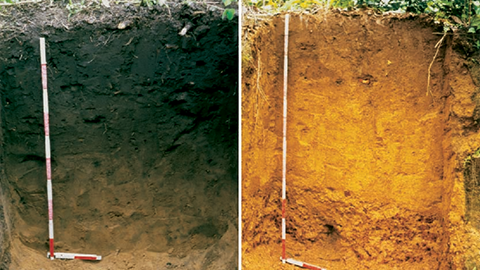
What Is Biochar and How Is It Used?
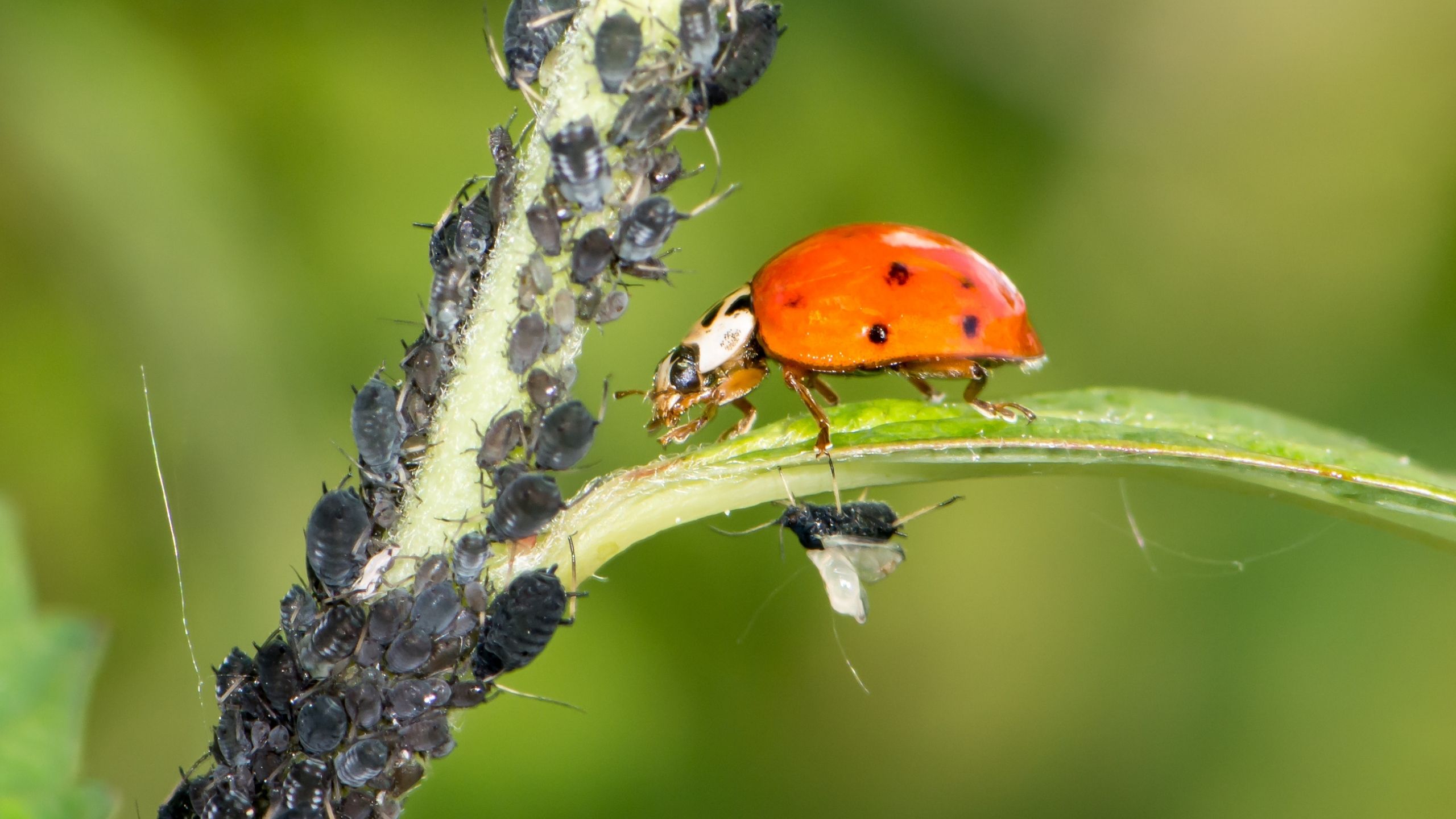
General Concepts of Biological Control

Using Degree Days to Time Treatments for Insect Pests
Important Components of a Successful Pest Management Program

Pest Management Decision-Making: The Economic-Injury Level Concept
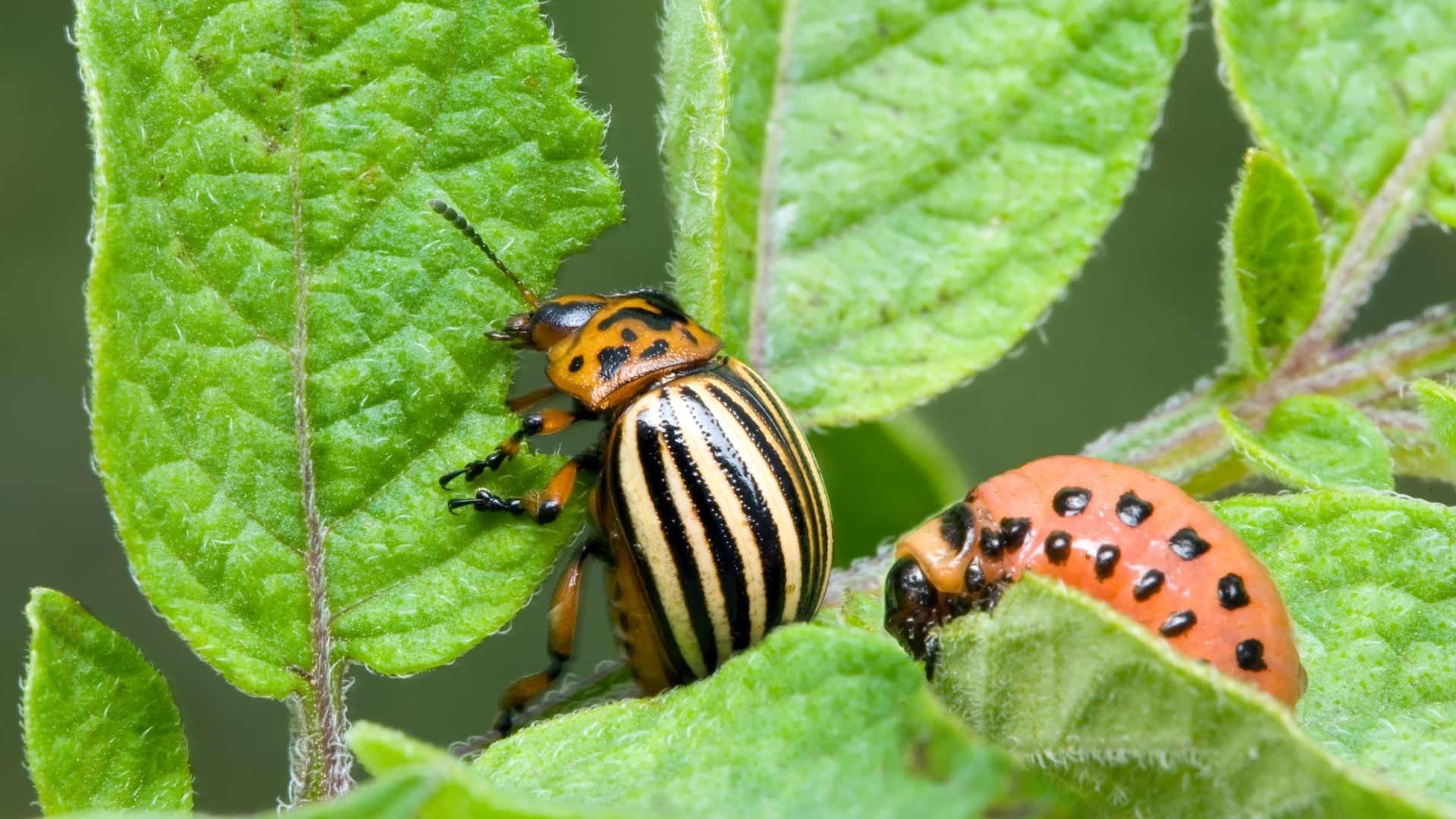
The Integrated Pest Management (IPM) Concept
Integrated Pest and Pollinator Management
Row Covers
Organic Pesticides: A General Overview