
Midlife Wellness: Building Healthy Lifestyle Habits to Ensure Quality of Life


Introduction
Highlights
- Life expectancy has increased significantly, but women often spend their later years in poor health unless proactive steps are taken to build healthy habits early.
- Hormonal changes during perimenopause and menopause can cause symptoms and raise long-term health risks, yet many women lack adequate medical support and information.
- Prioritizing strength training, nutrientdense foods, and regular physical activity helps preserve muscle, manage weight, balance hormones, and support healthy aging.
- Manage stress through quality sleep, mindfulness, and strong connections.
- Advocate for needed medical care in midlife to ensure quality of life.
Our life expectancy is more than double what it was 150 years ago, from approximately 39 years to 80 years today (Statista, n.d.). While women typically live longer than men, those additional years are not always spent in good health (Patwardhan et al., 2021). The question remains: How can women act now to ensure a better quality of life in the future?
Most people are familiar with menopause, which is defined as 12 consecutive months without a menstrual cycle (World Health Organization, 2024). However, many women begin a hormonal transition much earlier, often in their 30s or 40s, called perimenopause. These changes can even occur sooner due to medical conditions or procedures such as hysterectomies. Symptoms may include irregular cycles, weight changes, decreased libido, brain fog, mood fluctuations, or simply “not feeling like yourself” (Harper et al., 2022; Todd, 2025). Each person’s perimenopause and menopause experience is unique, ranging from subtle to severe, or even symptom-free. Unfortunately, many providers lack training in perimenopause, leaving women feeling unheard and having to manage their symptoms on their own. These symptoms are real, and the hormonal shifts that cause them can also raise long-term risks for severe health conditions if left unaddressed.
Regardless of perimenopause and menopause symptoms, aging brings changes such as increased insulin resistance and thyroid issues, which can lead to weight gain (Haver, 2024). Hormonal shifts affect sleep, stress, and fat distribution, particularly visceral fat around the organs, which is linked to diabetes, heart disease, and cancer. The good news is that women can be intentional in building healthy habits and can preserve their strength, balance hormones, and support their long-term health.
Healthy Habit 1: Exercise for Strength, Not Thinness
Many women approach diet and exercise with the intention of achieving a thin physique, yet thinness does not always equate to good health. Even thin individuals can carry unhealthy levels of visceral fat. Meanwhile, aging naturally reduces muscle mass, a condition known as sarcopenia. Without strength training, adults can lose 4–6 pounds of muscle per decade, making daily tasks harder (Harvard School of Medicine, 2023).

Strength training combats these losses by preserving muscle, building bone density, increasing metabolism, improving body image, and alleviating menopausal symptoms (Seguin et al., 2013; Shepherd, 2024). Overall physical activity guidelines recommend strength or resistance training three times a week, 150 minutes of moderate aerobic activity per week, and daily flexibility and balance exercises (Haver, n.d.).
Healthy Habit 2: Focus on Nutrients
As we age, nutrition becomes less about calorie restriction and more about nourishment. Shifting focus from “eating less” to prioritizing nutrient quality—healthy fats, proteins, carbohydrates, and fiber—can be transformative. Practical strategies include increasing fiber and complex carbohydrates through fruits, vegetables, and whole grains, boosting protein intake via lean meats, legumes, and dairy products, and reducing added sugars and processed foods (Ardisson Korat et al., 2025; Haver, n.d.; Restivo, 2024). Though there is no universal “best diet,” prioritizing nutrient-dense foods supports performance, weight stability, and long-term health.
Healthy Habit 3: Manage Stress
Cortisol, the body’s primary stress hormone, regulates metabolism, immunity, inflammation, and reproductive health (Jackson Health System, 2024). While essential, chronically elevated cortisol levels disrupt nearly every system, making balance crucial. Focus on these four areas to help with cortisol regulation.
- Sleep first. Adults need 7–9 hours of restorative rest, though women may require slightly more due to hormonal fluctuations (American Academy of Sleep Medicine, 2024). Menopause and midlife increase the risk of sleep disturbances, underscoring the importance of sleep hygiene. A calming bedtime routine, limiting screen time, and maintaining a dark, calm environment can all help improve sleep.
- Nutrition matters. Diets rich in produce, lean protein, whole grains, and antioxidants support resilience, while limiting caffeine and alcohol helps regulate cortisol and protect sleep quality (Jackson Health System, 2024).
- Movement and mindfulness. Activities such as walking, yoga, or dancing can both lower stress hormones and lift mood. Complementary practices, such as meditation, deep breathing, prayer, or time in nature, further calm the nervous system.
- Connection. Relationships are a cornerstone of stress resilience. Meaningful conversations, laughter, and shared experiences strengthen our emotional well-being and buffer life’s challenges.
Together, these practices provide a strong foundation for health; however, medical support may still be needed at times.
When to Seek Medical Support
Symptoms of hormonal imbalance often overlap with depression and other conditions, which can delay proper care. To advocate for yourself:
- Track symptoms: Record sleep, mood, energy, and cycle changes to reveal patterns.
- Know overlaps: Fatigue, brain fog, or weight gain may stem from multiple causes.
- Consider testing: Lab work to test thyroid, cortisol, estrogen, progesterone, and testosterone levels can provide valuable insights.
- Advocate: If you feel like your concerns are minimized or dismissed, request a referral to an endocrinologist or other specialists, or seek a second opinion (Stuenkel et al., 2015).
Live With Intention

Ultimately, healthy living is more than a checklist; it is about genuinely caring for yourself and finding meaning in the choices you make. Fitness keeps your body active and opens doors to new interests and opportunities. Taking time to rest allows your body and mind to recharge for the day ahead. Finding healthy ways to manage stress helps lift your spirit. Nutrition connects you with others through shared food experiences. Building social connections fosters joy, laughter, and a sense of belonging. All of these things will help to support you and ensure a better quality of life now and in the future.
We live in an era rich in resources, but finding quality guidance can be challenging. The following curated list offers trusted tools to support your journey toward a vibrant, healthy life at any age.
Resources
- My Menoplan
- The‘Pause Life by Dr. Mary Claire Haver (Facebook)
- Dr. Mary Claire Haver (Instagram)
- The Menopause Society
- The Menopause Association
References
American Academy of Sleep Medicine. (2024). Women and sleep. https://menopauseassociation.org/
Ardisson Korat, A. V., Duscova, E., & Shea, M. K. (2025). Dietary carbohydrate intake, carbohydrate quality, and healthy aging in women. JAMA Network Open, 8(5), e2834202. https://doi.org/10.1001/jamanetworkopen.2025.34202
Harper, J. C., Phillips, S., Biswakarma, R., Yasmin, E., Saridogan, E., Radhakrishnan, S., Davies, M. C., & Talaulikar, V. (2022). An online survey of perimenopausal women to determine their attitudes and knowledge of the menopause. Women’s Health, 18, 17455057221106890. https://doi.org/10.1177/17455057221106890
Haver, M. C. (2024). The new menopause: Navigating your path through hormonal change with purpose, power, and facts. Rodale Books.
Haver, M. C. (n.d.). The ultimate menopause toolkit: A comprehensive approach to managing menopause. The Pause Life. Retrieved September 24, 2025, from https://thepauselife.com/blogs/the-pause-blog/the-ultimate-menopausetoolkit-an-anti-inflammatory-approach-to-managing-menopause#:~:text=Exercise,to%20be%20strong%2C%20not%20skinny
Harvard School of Medicine. (2023, February 14). Age and muscle loss. Harvard Health Publishing. https://www.health.harvard.edu/exercise-and-fitness/age-and-muscle-loss
Jackson Health System. (2024, January 9). Thriving through perimenopause: Six proven hacks to manage stress levels. https://jacksonhealth.org/blog/thriving-through-perimenopause-six-proven-hacks-to-manage-stress-levels/
Patwardhan, V., Gil, G. F., Arrieta, A., Cagney, J., DeGraw, E., Herbert, M. E., Khalil, M., Mullany, E. C., O’Connell, E. M., Spencer, C. N., Stein, C., Valikhanova, A., Gakidou, E., & Flor, L. S. (2024). Differences across the lifespan between females and males in the top 20 causes of disease burden globally: A systematic analysis of the Global Burden of Disease Study. The Lancet Public Health, 9(5), e282–e294. https://doi.org/10.1016/S2468-2667(24)00053-7
Restivo, J. (2024, August 14). Muscle loss and protein needs in older adults. Harvard Health Publishing. https://doi.org/10.1016/S2468-2667(24)00053-7
Seguin, R. A., Eldridge, G., Lynch, W., & Paul, L. C. (2013). Strength training improves body image and physical activity behaviors among midlife and older rural women. Journal of Extension, 51(4), Article 18. https://doi.org/10.34068/joe.51.04.18
Shepherd, J. (2024). Generation M: Living well in perimenopause and menopause. Union Square & Co.
Statistia. (n.d.) Annual life expectancy at birth in the United States, from 1850 to 2023, with projections until 2100 https://www.statista.com/statistics/1040079/life-expectancy-united-states-all-time/
Stuenkel, C. A., Davis, S. R., Gompel, A., Lumsden, M. A., Murad, M. H., Pinkerton, J. V., & Santen, R. J. (2015). Treatment of symptoms of the menopause: An Endocrine Society clinical practice guideline. The Journal of Clinical Endocrinology & Metabolism, 100(11), 3975–4011. https://doi.org/10.1210/jc.2015-2236
Thau, L., Gandhi, J., & Sharma, S. (2023, August 28). Physiology, cortisol. In StatPearls [Internet]. StatPearls Publishing. https://www.ncbi.nlm.nih.gov/books/NBK538239/
Todd, L. (2025, July 18). What are the 34 symptoms of menopause? Medical News Today, Healthline Media. https://www.medicalnewstoday.com/articles/what-are-the-34-symptoms-of-menopause#symptoms
Tariq, B., Phillips, S., Biswakarma, R., Talaulikar, V., & Harper, J. C. (2023). Women’s knowledge and attitudes to the menopause: A comparison of women over 40 who were in the perimenopause, post menopause and those not in the peri or post menopause. BMC Women’s Health, 23, 460. https://doi.org/10.1186/s12905-023-02424-x
World Health Organization (2024, October 21). Menopause. https://www.who.int/news-room/factsheets/detail/menopause#:~:text=hot%20flushes%20and%20night%20sweats,history%2C%20values%2C%20and%20preferences
The authors did not use generative AI in creating the fact sheet content, but Grammarly was used to generate the “Highlights” from the fact sheet text, which the authors edited to ensure accuracy. The authors take full responsibility for the content. This content should not be used for the purposes of training AI technologies without express permission from the authors.

February 2026
Utah State University Extension
Peer-reviewed fact sheet
Authors
Naomi Brower and Elizabeth Davis
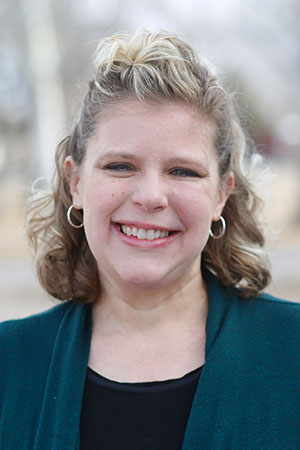
Naomi Brower
Extension Professor | Couple and Family Relationships | Weber County Director
Home and Community Department
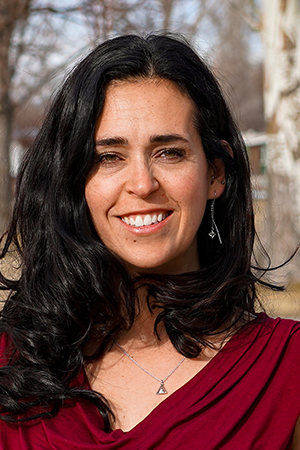
Elizabeth Davis
Extension Associate Professor | Kane County Director
Home and Community Department
Related Research